WHY SENATOR HUBERT HUMPHREY DESCRIBED CHEMOTHERAPY AS “BOTTLED DEATH”

by Yeong Sek Yee & Khadijah Shaari

In our previous articles, “FALSE HOPE IN A BOTTLE (https://cancercaremalaysia.com/2014/01/26/false-hope-in-a-bottle) and “HOW RONALD REAGAN HEALED HIS COLON CANCER” (https://cancercaremalaysia.com/2014/01/29/how-ronald-reagan-healed-his-colon-cancer), we briefly mentioned how the late Senator Hubert Humphrey died a very painful death from chemotherapy treatment which he personally described as “bottled death” just shortly after he started treatment. Let us tell you a bit more how he was treated for his bladder cancer.

From 1976 to 1978, the American public had a dramatic illustration of the unpredictability of the “proven” methods of diagnosis and treatment. Senator Hubert H. Humphrey (Democrat Minn.) was treated for bladder cancer and died in full view of the media.

Humphrey did not die because he lacked knowledge about the disease. He was, in fact, one of the staunchest supporters of orthodox cancer research on Capitol Hill.

Nor did he fail to get early diagnosis. Doctors found tiny, apparently nonmalignant growths, no bigger than pinheads, on his bladder in 1966.

By 1973, however, Senator Humphrey had cancer of the bladder. This was treated, with apparent success, by X-ray therapy. He then underwent urologic examinations every six months. In May 1976 Humphrey’s physician, Dr Dabney Jarman, declared that he found no reason to prescribe further treatment for the condition (New York Times, May 6, 1976). A few months later the cancer was back with a vengeance.

On October 6, 1976, Senator Humphrey was operated on by a team of doctors at Memorial Hospital, the treatment wing of Memorial Sloan-Kettering. His surgeon, Dr Willard Whitmore, appeared before the press and television cameras at a crowded news conference and declared, “As far as we are concerned, the Senator is cured “(New York Times, October 8, 1976). He added that 70 percent of patients who undergo this operation have no recurrence of their cancer.

Merely as a preventive measure, to “wipe out any microscopic colonies of cancer cells that may be hidden somewhere in the body,” his doctors began treatment with experimental drugs. Within about a year, Senator Humphrey was dead. In that short time he had withered from a vigorous middle-aged man to an old, balding, and feeble cancer victim. Humphrey himself blamed chemotherapy for at least contributing to his demise, calling it “bottled death” and refusing in the end to return to Memorial Hospital for more drug treatments (New York Daily News, January 14, 1978).

Senator Humphrey, the 38th Vice President of the US died on Jan 13th 1978…just barely less than 2 years after surgery and chemotherapy……..the “proven” methods.

Humphrey was certainly not alone in his experience with orthodox therapy. In Humphrey’s case, as in many others, the orthodox strategy of early detection and early treatment with surgery, radiation, and chemotherapy proved ineffective. Many cancer patients have their cancers detected in an early stage, receive proper treatment and skillful care–and yet they still die shortly after treatment.

FOOTNOTE: Other personalities who died a short, painful “bottled death” after undergoing scientifically tested and FDA approved cancer treatments included:

  • King Hussein of Jordan, 63 (lymphoma—8 months)
  • Jacqueline Kennedy Onassis, 65 (lymphoma—5 months)
  • Dana Reeve, 44 (lung—7 months)
  • Freddy Fender, 69 (lung—9 months)
  • Jo Ann Davis, 57 (breast—2 years)
  • Heather Clarke, 39 (breast –2 years)
  • Luciano Pavarotti, 71 (pancreas—11 months)
  • Michael Landon, 54 (pancreas—2 months)
  • Tony Snow 51 (colon—2 years 6 months)
  • Archbishop Christi Doulis, 69 (colon—1 year 6months)

The above is just a sampling. The list is extremely long and it gets longer by the month.

The above story is largely extracted from the book, THE CANCER INDUSTRY by Dr Ralph Moss, PhD. It is a classic expose on the cancer establishment which your doctor/oncologist will not dare to mention to you.

Other books which mentioned about “bottled death” are THE CANCER ODYSSEY by Margaret Brennan Bermel, MBA and HEALING CANCER FROM INSIDE OUT by Mike Anderson

Watch out for our next story: DEATH OF A FIRST LADY……how Jacqueline Kennedy Onassis was treated to death.


BOOK REVIEW: CRITICAL CARE, A NEW NURSE FACES DEATH, LIFE AND EVERYTHING IN BETWEEN

by Yeong Sek Yee & Khadijah Shaari

Critical Care

This memoir by Theresa Brown is a deeply personal book that details the transformation of an English Professor (who has taught at Tufts University, MIT and Harvard) into an oncology nurse.  This is indeed a noble career change (at mid-life after giving birth to twin girls) from the cozy world of academia to the challenges of a 12-hour day of caring for the seriously ill.  Perhaps, this gives Brown herself a deeper appreciation of what it means to be alive.  And perhaps, this may also be the very reason that persuaded a very successful insurance lady friend of ours to sign up for a three and a half months nursing course so that she can tend to the sick in her free time.

After Brown completed a one-year accelerated nursing program at the University of Pittsburgh, she now works at the University of Pittsburgh Medical Centre Shadyside, and this book documents her first year as a nurse on the oncology floor.  She gives the reader an idea of the unique role of nurses in health care, giving us a deeply moving portrait of the day-to-day work nurses do: caring for the person who is ill, and not just focusing on the illness itself. Watch Theresa Brown’s video on How Nurses Can Change The Image of Nursing at the following link: https://www.youtube.com/watch?v=JQ6F31mINEw

Being in the oncology ward, Brown had first-hand experience in tending to her cancer patients’ needs, both the physical (the rigors of chemotherapy) and emotional (their late-night fears, etc).  Below are some of her comments/findings during her one year stint as an oncology nurse:-

  • Chemotherapy is a Faustian bargain, a deal with the devil.  The luckiest patients, we say, are the ones who are bored, who aren’t dealing with intolerable mouth pain, or nausea or vomiting, or odd rashes, breathing problems, infections, cardiac troubles, nerve pain: the list of side effects is almost endless, and all of the side effects are bad.
  • Patients love the idea of being treated and cured, but they hate how those treatments can wrack their bodies more horribly than their disease ever did.
  • …for some chemo regimens, patients need tests prior to getting the drugs to make sure that their heart, or liver, or kidneys can tolerate the medications.
  • Chemotherapy drugs are toxic, potentially deadly poisons, not just for the GI tract, but for other major organs as well.  Some chemo drugs can damage the heart, others the liver, and some the kidneys.  The lungs can suffer and the nervous system, too, leaving patients with permanent numbness, tingling, and pain in their arms and legs.  Giving patients chemo always involves balancing risks and benefits.  The benefit can be saving someone’s life, but for some patients, the risk is death.
  • As for leukemia…it will take a long time before the world comes to rights again, because the cure for this kind of cancer is almost, but not quite, as bad as the disease.  Patients know they will be treated with chemotherapy, but the reality that chemotherapy is, literally, poison, will not sink in until they’re already in the middle of their treatment.
  • All chemo drugs come wrapped in an outer bag, really just a large Ziplock bag, taped with a caution strip: “Warning: biohazard drug, handle appropriately”.
  • These drugs are dangerous biohazards.  On her floor, pregnant nurses and nurses who are breast-feeding do not administer chemo.  Their gowns and gloves, and the empty containers of drugs once they’ve been administered, get thrown away in special yellow trash cans marked “For chemotherapeutic waste only”.  If chemo drugs “spilled”, special procedures exist for cleaning up the mess. 

Allow us to share with you some additional information why chemotherapy drugs have to be treated as a biohazard: 

  • The pictures on the last page speak a thousand words. Drug companies and hospitals take extraordinary measures to protect their employees. For more information, just click on the following article…HOW DRUG PRODUCERS AND HOSPITALS PROTECT THEIR EMPLOYEES Link: http://www.pharma-cycle.com/chemoeffects.html 
  • Pharmacists and nurses who prepare the chemo drugs before infusion are very prone to various forms of cancer. Visit/Read the following links to find out more:

v  Pharmacists give themselves cancer from dispensing toxic chemotherapy chemical Link: http://www.jmbblog.com/2010/07/pharmacists-give-themselves-cancer-from-dispensing-toxic-chemotherapy-chemical/

v  Lifesaving Drugs, Deadly Consequences Link: http://www.invw.org/chemo-main

If these chemicals are so dangerous to the doctors, nurses and pharmacists dispensing them, how can they be considered “safe enough” to inject into patients who are already suffering from cancer? The whole idea of “safety” in the cancer industry is to find new ways to protect the health care workers from the extremely dangerous chemicals they’re injecting into the bodies of patients. If health care workers need to be protected from this stuff, why not protect the patients from it, too? 

For further reading, we recommend the following:

CHEMO SPILLS

1)    DANGER! DANGER! TOXIC SPILL

Link: http://www.cancertutor.com/ChemoSpill/chemospill.htm

2)    Chemotherapy Spill / Leak  Handling Instructions

Link: http://www.nelifecare.org/doc/instructions/ChemoSpillInstructions.pdf

3)    A Guide To Safe Handling of Chemotherapy Drugs

Link:http://www.ansellhealthcare.com/temps/america/canada/english/university/riskmanagement/guideshcdrugs.cfm

4)    HANDLING LIQUID CHEMOTHERAPY SPILLS

Link: http://stage.smh.com/sections/services-procedures/medlib/nursing/NursPandP/onc09_handling_082109.pdf

SOME YOUTUBE VIDEOS:

5)    Cytotoxic Drug Exposure

Link: http://www.youtube.com/watch?v=myU4f9jO83s

 6)    Chemo Spill

Link: http://www.youtube.com/watch?v=0iEEHqUm_p0

FURTHER RELATED ARTICLES:

1)    Safe Handling of Hazardous Drugs

Link:http://www.nursingworld.org/MainMenuCategories/ANAMarketplace/ANAPeriodicals/OJIN/TableofContents/Volume92004/No3Sept04/HazardousDrugs.html

2)    Health workers fear the dangers of secondhand exposure to chemo drugs

Link:http://www.mlive.com/living/kalamazoo/index.ssf/2010/07/health_workers_fear_the_danger.html

3)    Chemo Drugs Pose Serious Public Health Risks

Link: http://www.ecori.org/public-safety/2012/11/19/chemo-drugs-pose-serious-public-health-risks.html

4)    Nurses Exposed to Toxic Cancer Drugs, Study Finds

Link: http://www.livescience.com/15721-nurses-exposed-toxic-cancer-drugs.html

5)    Chemo’s Deadly Risk for Health Care Workers & Patients


Link: http://www.leaflady.org/chemonu.htm

6)     Health Care Workers Risk “Secondhand Chemo”


Link: http://www.fairwarning.org/2010/07/health-care-workers-risk-secondhand-chemo/

NB: THIS IS HOW THEY CLEAN UP THE FLOOR IN THE CASE OF A CHEMO SPILL. 

chemo-spill-floor

NB: THIS IS WHAT WILL HAPPEN TO YOUR HAND  IF A DROP OF THE CHEMO DRUG LANDS ON  YOUR SKIN. WHAT WOULD IT DO TO YOUR INTERNAL ORGANS?

chemo-spill-hand


BOOK REVIEW: FOOD OVER MEDICINE–THE CONVERSATION THAT CAN SAVE YOUR LIFE

by Yeong Sek Yee & Khadijah Shaari

Food-over-medicineThe main author, Dr Pamela A. Popper, PhD, ND, is a naturopath, an internationally recognized expert on nutrition, medicine, and health, and the Executive Director of The Wellness Forum. Dr. Popper serves on the Physician’s Steering Committee and the President’s Board for the Physicians’ Committee for Responsible Medicine in Washington, D.C.

The other author, Glen Merzer is coauthor with Howard Lyman of Mad Cowboy, and with Howard Lyman and Joanna Samorow-Merzer of No More Bull!, and with Chef AJ of Unprocessed.  He has been a vegan for the last 20years.

The format of the book is very unusual. In Food Over Medicine, Dr Pamela and Glen Merzer invite the reader into a conversation about the dire state of American health—the result of poor nutrition choices stemming from food politics and medical misinformation. Backed by numerous scientific studies, the book details how dietary choices either build health or destroy it.

The book (released June 2013) imparts a lot of information, but it’s a very easy read, due in large part to the conversation style format in which it’s written.  Glen Merzer and Pam Popper discuss everything from health-promoting/destroying foods, to supplements and healthcare.  They talk about screening and diagnostic tests such as mammograms and PSA tests, and whether or not they are beneficial, harmful or useless.  The subject matter is certainly not light but they manage to create an atmosphere in which you feel at ease, as if you’re sitting at the table listening to these two knowledgeable, witty professionals.

The best part of the book is that nearly everything they say is referenced.  While some stories are shared, the recommendations are always supported by the science.  That being said, the data is laid out in such a way that the reader is engaged and interested without feeling dazed and confused.  Many common myths are debunked and there are even some tasty recipes in the center of the book, courtesy of vegan chef Del Sroufe.

Overmedicated, overfed, and malnourished, most Americans fail to realize the answer to lower disease rates doesn’t lie in more pills but in the foods we eat. With so much misleading nutritional information regarded as common knowledge, from “eat everything in moderation” to “avoid carbs,” the average American is ill-equipped to recognize the deadly force of abundant, cheap, unhealthy food options that not only offer no nutritional benefits but actually bring on disease. (Comment: Malaysians are not very far away).

Chapter 3 is aptly called “Diseases and the Foods that bring them on.” Below are some relevant points explained by the two authors:

  • A lot of diseases are turned on by diet and lifestyle – e.g. strokes, high blood pressure, cancer, type 2 diabetes, asthma, chronic disease, Alzheimer’s, osteoporosis, multiple sclerosis, acid reflux, Parkinson’s, rheumatoid arthritis, gallstones, kidney stones, irritable bowel syndrome, etc,
  • You may have genetic predisposition, but those genes are switched on by diet and lifestyle choices,
  • The environment is often responsible for cancer initiation, but not usually promotion; it is the diet that promotes the cancer.
  • No other population (besides America) has ever had such unlimited access to so many bad foods. The overall state of health of Americans as a population is very sick and very overweight. A lot of people in this country (US) are overfed, but are still malnourished (same as in Malaysia also).
  • Most breast cancers are estrogen receptor positive, so elevated blood levels of estrogen increase the risk of breast cancer…all cow’s milk has estrogen metabolites because it comes from lactating cows.
  • Regarding protein: the protein needs for normal adults may be as low as 2.5 % of calories. We eat way too much protein.
  • Animal protein consumed in excess of what humans need becomes a powerful cancer promoter (read Dr Colin Campbell’s studies as reported in The China Study).The cancer–promoting effect of proteins has been proven to be limited to animal proteins.
  • The general medical wisdom about the etiology (cause) of most diseases comes down to genes, bad luck, and we don’t know..!!
  • Alzheimer’s is rarely present in plant-eating population; it is a disease of the western diet. It’s a vascular disease that is most present in the population that eats the most meat.
  • In the case of osteoporosis, it isn’t the fracture that killed them; it’s the poor health (from a high fat diet and lack of exercise) and the drugs they were taking that caused the fall in the first place.
  • Eating animal food causes the body to use calcium drawn from the bones to buffer the acid in order for the body to maintain blood within a very narrow range.
  • Rheumatoid arthritis is almost always diet and lifestyle related and is particularly related to the consumption of animal foods.
  • Chicken is just another animal food, and a particularly filthy one at that. Chicken, even white meat chicken is high in fat.
  • Dairy is the most toxic of all – high fat, high- protein, zero fiber, low-carbohydrate. Dairy proteins have been linked to a string of diseases including asthma, allergies, autoimmune diseases, breast cancer, and prostate cancer. Dairy products increase the hormone called insulin-like growth factor (IGF-1) which is a powerful cancer promoter in humans.
  • Refined sugary foods elevate triglycerides and triglycerides are blood fats waiting to cause mischief. Not only do sugar do not provide any nutritive value, they are destructive to health in terms of elevating blood sugar and suppressing immune function.
  • Dried fruit –firstly, it is high in calories. Secondly, there are lots of sulfites, coloring agents, and sugar in many dried fruit products.
  • Fruit juices are concentrated calories and sugar. Instead of drinking apple juice, eat apple; instead of orange juice, eat oranges.
  • Coffee – there is no question that caffeine is a drug. 

In essence, the authors basically recommend a low-fat (10-15%) and plant-based diet (whole, unprocessed plant foods). For more information on the benefits of a plant-based diet, we recommend the following:

1)   THE CHINA STUDY by Dr T. Colin Campbell, Professor of Nutritional Biochemistry at Cornell University. You can view Dr Campbell’s comments on how animal proteins and dairy products affect cancer, just visit the following link: http://www.youtube.com/watch?v=yfsT-qYeqGM

2)   FORKS OVER KNIVES…THE PLANT-BASED WAY TO HEALTH…edited by Gene Stone (watch the DVD of the same title)

3)   THE PLANT-POWERED DIET by Sharon Palmer, RD

4)   THE PROTEIN MYTH by David Gerow Irving

5)   PREVENT AND REVERSE HEART DISEASE by Dr Caldwell B. Esseltyn, MD (learn how a plant-based diet can reverse heart diseases).

Dr Popper’s website The Wellness Forum is at http://www.wellnessforum.com/

To know more of Dr Popper’s views on nutrition…..just type in Pamela Popper in YouTube…lots of videos to enlighten you.

BOOK REVIEW: OUTLIVING CANCER

Outliving Cancer


by Yeong Sek Yee & Khadijah Shaari

Dr Robert A. Nagourney, MD is no ordinary medical doctor. He is board certified in internal medicine, medical oncology, and hematology. He earned his BA in Chemistry, from Boston University, and graduated with distinction in Biochemistry. He received his MD at McGill University in Montreal, Canada, where he was a University Scholar. After completing his residency in Internal Medicine at the University of California, Irvine, Dr. Nagourney received fellowship training in Medical Oncology at Georgetown University in Washington, DC. He then completed a second fellowship in Hematology at the Scripps Institute in La Jolla, California.

The book under review spans nearly 30 years and offers insight into how our understanding of cancer and cancer treatment has and, in some cases, has not changed in the more than forty years since the famous “War on Cancer” began. Since then, the death rate from cancer in the U.S. has decreased just 5%, and cancer is poised to claim the lives of more people than heart disease in the near future.

In Outliving Cancer, Dr. Nagourney describes the scientific rationale for his particular approach to cancer medicine, beginning with an interest in cancer as a disease and his good fortune to work with many accomplished researchers along the way. Readers will come to understand that cancer is not what it once appeared to be, that its management has often been ill conceived and ill applied. This informative book also demonstrates that cancer doesn’t grow too much but rather that it dies too little and why that matters.

Many years ago, as an oncology fellow, Nagourney’s lifelong desire to be a healer and a physician had been replaced by his role as what he calls “an administrator of toxic, ineffective chemotherapies.” He said he felt as if he had made a terrible mistake–that his patients weren’t only dying, he was poisoning them. He resolved that the remainder of his career would be dedicated to finding better, innovative ways to treat cancer. By rethinking what cancer is and how it behaves, Nagourney developed what he considers a smarter, more effective way to treat cancer patients, and he established Rational Therapeutics.

Rational Therapeutics is a pioneering cancer research institute that specializes in the “functional profiling” of human tumors through the application of a laboratory platform known as the Ex-Vivo Analysis of Programmed Cell Death (EVA-PCD). Using human tumor micro spheroids isolated directly from surgical specimens, these scientists measure which drugs, combinations and new targeted therapies can induce cell death (programmed cell death, one form of which is apoptosis). This process eliminates the “one size fits all” administration of cancer treatments, enabling physicians to provide personalized cancer care.

In layman terms, this is called “chemosensitivity testing/assay” which can identify which drugs would be effective for that particular cancer or which ones would be ineffective or harmful. Rather than prescribe a standard chemotherapy combination without knowing whether or not it would be effective, some oncologists are choosing to test tumor cells in advance of treatment. A chemosensitivity assay can help determine which drugs will most likely shrink the tumor, kill the cancer cells, and give patients the best outcome.

Is chemosensitivity testing being practiced in Malaysia? Not to our knowledge. Is it widely used in US and Europe? So far, only integrative oncologists like Dr John Forsythe, Dr Keith Block, Dr Robert Zieve, Dr Jurgen Winkler and a few others will only treat patients after the correct type of chemo drug has been determined suitable.

Why conventional oncologists are not interested and still prefer the one-size-fits-all approach to chemo drug selection? The American Cancer Society says the chemosensitivity testing is not scientifically proven and one local (Malaysian) oncologist commented that it is not “reliable.” Is this true? The following comment by Dr Joe Brown, ND (in “Defeat Cancer”) sums up the answer:

  • In a perfect world, patients would get a chemotherapy sensitivity test when they are first diagnosed with cancer, to determine their cancer’s sensitivity to specific drugs.
  • In the real world, however, it’s as if doctors are more or less saying to their patients: “You have….cancer. We’re going to give you this drug, because it’s the standard. If it does not work, then we will try another. If that does not work, then we’ll try a third” and so on.

         (Comment—by the way, this approach is definitely more lucrative).

Outliving Cancer is full of patient stories, showing that many are not just surviving but are living cancer free and thriving up to 15 years later. By utilizing assay-directed treatment, Dr. Nagourney has taken the guesswork out of treating cancer and improving patient outcomes. Through the study of an individual’s cancer cells in the lab, personalized cancer treatment has come of age.

In an earlier part of the book, Dr Nagourney described his encounters /experience as an oncologist. Here are some notable comments:

  • …cytotoxic chemotherapy is a double-edged sword with a razor-sharp back edge.
  • …in the middle of the first year of my oncology fellowship, every single patient under my care died a miserable death. No one got better, not anyone ever.
  • My lifelong desire to be a physician, healer, and comforter had been replaced by my role as a tormentor. Patients weren’t only dying, I was poisoning them. I hated oncology. I was beginning to hate medicine.
  • Many (cancer patients) responded and a few cured, but absolutely every one of them suffered toxicities.
  • With each passing course of radiation, a new area of disease would crop up. Further radiation, more disease.

Elsewhere in the book, Dr Nagourney also made some very blunt comments on conventional chemotherapy/radiation treatments:

  • Cancer patients aren’t cannon fodder (cannon fodder is an informal, derogatory term for military personnel who are regarded or treated as expendable in the face of enemy fire).  It is not their (the cancer patients) duty to be martyred at the altar of drug development.
  • …most cancer patients don’t respond very well to chemotherapy and we certainly don’t need help finding bad drugs. There are already plenty of those around. What patients need is help finding drugs that work.
  • The operative term here is “standard”….this means “average patient, average outcome” approach. Average outcomes are what these guidelines are designed to provide and they are exactly what you get.
  • Cancer medicine, it seems, is subject to the same types of trends that drive women’s fashion. Like fitted suits or short skirts, doxorubicin for breast cancer is in and then it’s out. But it will be back again.
  • All the while, patients suffer through dose intensity, dose density, bone marrow transplantation, and targeted therapies only to find out that the conceptual underpinnings that led their doctor to treat them accordingly were wrong and everyone’s going back to the drawing board. This happens because there are no absolutes in drug selection. There is only opinion and opinions vary.
  • our most advanced therapies today are little more than diet plans.
  • …the human genome project has provided us the world’s most expensive telephone book.

In concluding, let us share one more quotation by Dr Nagourney which sums up what he is doing:

  • “You don’t go to a restaurant to find out what they aren’t serving. You don’t go to an airport to find out where they aren’t flying. And you don’t go to your oncologist to find out what treatment not to take. Laboratory assays that measure growth and proliferation can only tell you what not to get. That is why I (Dr Nagourney) departed from that technology two decades ago to use newer, more accurate techniques and will never go back.”

Is your oncologist using the newer techniques or is he still basing his drug selection on the recommendations of the drug supplier?

FURTHER REFERENCES:

1)   ARTICLE: WHY I DO CHEMOSENTIVITY TESTING

LINK: http://robertanagourney.wordpress.com/2011/07/13/why-i-do-chemosensitivity-testing/

2)   ARTICLE : CHEMOSENSITIVITY TESTING FOR BREAST CANCER TREATMENT

LINK: http://breastcancer.about.com/od/newlydiagnosed/a/chemosensitive.htm

3)   WEBSITE OF RATIONAL THERAPEUTICS

LINK: http://www.rationaltherapeutics.com/cancer-testing/index.aspx

4)   YOUTUBE: DR FORSYTHE EXPRESSES HIS EXCITEMENT ABOUT CHEMOSENSITIVITY TESTING.

LINK: http://www.youtube.com/watch?v=tuz7vPDkDEA

5)   ARTICLE: WHY ONCOLOGISTS DON’T LIKE IN VITRO CHEMOSENSIVITY TESTS.

6)   ARTICLE: CHEMOSENSITIVITY TESTS: WHAT DOES BIG PHARMA KNOW ABOUT THEM AND WE DON’T?

LINK: http://blog.suzannesomers.com/?p=95

7)   ARTICLE:CHEMOSENSITIVITY TESTING-CUSTOMIZING CANCER TREATMENT.

LINK: http://www.bestanswerforcancer.org/wp-content/uploads/2013/09/Townsend2013.pdf


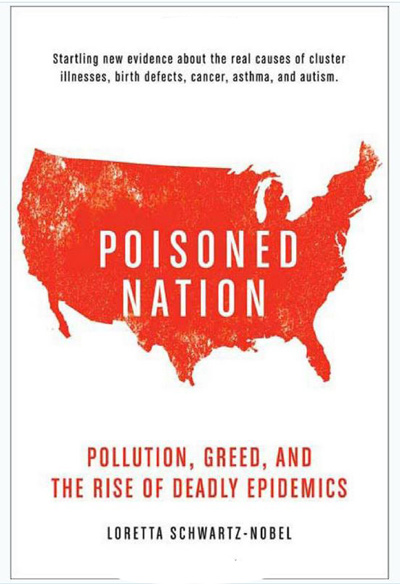
BOOK REVIEW: POISONED NATION

Poisoned-Nation

Review by Yeong Sek Yee & Khadijah Shaari

When an award–winning investigative journalist, Loretta Schwartz-Nobel was assigned to investigate the epidemic surges in autism, birth defects, breast and lung cancers, asthma and clusters of other illnesses in cities and towns in the US, it began a chain of research that opened up to a frightening world of hidden contamination in the US and around the world.

Poisoned Nation links the soaring epidemics of cluster illness to the chemical contamination of water, air, food and everyday products for the profit and power of a reckless few. With irrefutable evidence and moving personal stories of the sick and dying, it shows how the government operates in tandem with America’s most notorious polluters, and how they have deceived the public, buried evidence of spreading disease, and suppressed critical scientific data. Poisoned Nation also traces the relationships between organizations whose products cause diseases and those who profit from diagnosing and treating them, as well as their efforts to avoid research into environmental causes and possible cures

The book exposed the conspiracy of corrupt politicians, negligent regulators and greedy industry leaders covering up the epidemic of poisoned food, water and air that, the author claims, is filling up the  hospitals, killing children and spreading cancer, birth defects, autism and leukemia.

One particular area the author explored and exposed was the cluster of cancers (specifically leukemia) at most of the military camps in the US. At Camp Lejeune, North Carolina, she discovered that quite a number of children of the marines stationed there died from acute lymphocytic leukemia, which is known to be caused by either radiation exposure or drinking contaminated water.

Schwartz-Nobel learned that for years the military had dumped highly toxic chemicals into trenches within feet of the base’s drinking-water wells. Elsewhere, crops including apples, potatoes, and spinach, raised on farms downstream from factories, were tested positive for carcinogenic chemicals in toxic amounts. Contaminated ground water just keeps moving and the contamination of ground water means the contamination of water everywhere.

(So, how safe is Malaysia’s Lynas project??).

The initial chapters of the book dealt with the dangers of contaminated ground water which goes on to form toxins in foods with the constant use of pesticides and herbicides that are sprayed on the grass or vegetables. Sometimes, the vegetables even acts as a concentrator to these chemicals.

Scientists had long feared that these chemicals could end up in and perhaps even be concentrated in breast milk. In fact, in July 2005, a renowned non-profit organization known as the Environmental Working Group conducted a study on newborn babies in US hospitals. They found 287 industrial chemicals and pollutants in the umbilical cord blood taken from a sample of ten babies. These chemicals included pesticides, flame-retardants, chemicals from non-stick cooking pans and plastics. On average, each baby has been exposed to 200 chemicals even before they were born.

Successive chapters in the book dealt with mercury as an airborne pollutant, and its role in the association between vaccinations and autism; and breast cancer in US women and the role of toxic compounds in the environment, and mammography-derived radiation, in causing this disease.

Despite a global ban on methyl bromide, an acutely toxic chemical known to cause devastating birth defects, it is still being sprayed on Christmas trees, fruits, and vegetables sold in America. The EPA has refused to reveal the extent of methyl bromide’s use and the country’s stored supply of the product.

The soaring epidemic of autism could not have taken place without the cooperation of drug companies, the government, scientists, and health officials. The worldwide poisoning of children during routine vaccinations continues today, especially in Third World countries.

Many doctors and scientists have proven that the increase in autism is directly linked to the number of scheduled vaccinations babies received. Many of the vaccines contain a mercury additive called thimerosal, a dangerous, highly toxic preservative that stops contamination of vaccines and preserves shelf life at very low cost to drug manufacturers.

(In America, short-term profits are valued over life)

These drug manufacturers knew from the start that its products could cause damage or even death in both animals and humans and that….”mercury in the form of thimerosal was 50 times more toxic to susceptible infants than mercury from the consumption of fish was to young children.”

Injected mercury is more toxic than injested mercury. There is no blood-brain barrier in infants, so mercury accumulates in brain cells and nerves. Finally, infants under 6 months do not produce bile, which is necessary to excrete mercury. Mercury in thimerosal is stored in the gut, liver, and brain and…becomes very tightly bound to the cells

(NB: All mothers with newly born babies or expecting mothers should read more about vaccinations).

In Chapter 6, The Breast Cancer Industry, we learn that:

  • The FDA allows thousands of cosmetic hair dyes and personal-care products known to contain carcinogens to remain unregulated and to be sold daily to millions of American men, women, and children even as links with cancer have been clearly established.
  • A wide range of personal care products, including shampoos, hair conditioners, cleansers, lotions, and creams, are dangerously contaminated with intense concentrations of the highly volatile 1,4 dioxane (a solvent), which is classified as a human carcinogen.
  • The American Cancer Society and the National Cancer Institute have long known that mammograms used for diagnosis actually increase the risk of breast cancer, especially in younger women, yet they continue to recommend this diagnostic method. As Barbara Brenner, an activist and breast cancer survivor explained….mammograms do not prevent cancer. At best, they find it and at worst, they cause it. Mammography screening is a profit driven technology creating risks that are compounded by unreliability.
  • …drug companies, in addition to profiting from cancer treatment drugs, sometimes also produce toxic chemicals that may be contributing to the high rates of cancer (in US) and increasing rates throughout the world.

In Chapter 7, The New Lung Cancer Pandemic, we catch a glimpse into how the tobacco industry’s marketing strategies work:

  • For fifty years, the truth about addiction and disease from smoking was deliberately hidden from the public….smoking is the single largest cause of premature death from chemical contamination in the US (and perhaps the whole world).
  • Free samples are given to young children (as young as 7 years) and they become addicted to the cigarettes. The expense of giving away free samples to innocent kids all over the world is dwarfed by the long term economic gain through deadly addiction of yet another generation.
  • About 80,000 to 100,000 young people are drawn in, tricked, then newly addicted to the chemicals in tobacco everyday and 4.9 million people die every year from tobacco-related illnesses. This is the equivalent of approx 35 jumbo jet planes crashing everyday of the year!!
  • Cigarette manufacturers purposely use special chemical additives to make cigarettes that provide extremely high levels of “free” nicotine, in order to increase the addictive speed…the additives are also used to enhance the taste of tobacco smoke. The addition of flavorings is designed to make cigarettes more appealing to children and other first-time users.
  • Some of the additives are toxic or addictive in their own right or in combination. When these additives are burned, new products are formed, and these, too, may be toxic or pharmacologically active.

Even people who don’t smoke are placed at much more extreme risk for lung cancer and other illness from contaminated air than we are led to believe, especially children and women. Nonsmoking women increase their lung cancer risk by 24 % when they live with a smoker….their risk is increased by 39 % when they work with people who smoke and an astounding 50 %  when they hang out with smokers in such social settings as bars and restaurants.

Dana Reeve was one such case. A singer and actress, she was married to Christopher Reeve aka Superman. In Aug 2005, Dana was diagnosed with lung cancer. Although a non smoker all her life, Dana was exposed to secondhand smoke in the clubs she sang at. Eight months later she was dead despite all the scientifically tested chemotherapy drugs she was treated with after diagnosis.

Hence it is not difficult to understand why lung cancer has reached such pandemic proportions in America and worldwide.

Conclusion:

From the above summary, the title of the book is most apt to describe America….a POISONED NATION. But honestly, we feel Malaysia is not very far away in achieving the poisoned nation status. What do you think?

Further related references:

SILENT SPRING…Rachel Carson’s Silent Spring was first published in three serialized excerpts in the New Yorker in June of 1962. The book appeared in September of that year and the outcry that followed its publication forced the banning of DDT and spurred revolutionary changes in the laws affecting our air, land, and water. Carson’s passionate concern for the future of our planet reverberated powerfully throughout the world, and her eloquent book was instrumental in launching the environmental movement.

LIVING DOWNSTREAM by Sandra Steingraber, a biologist, poet, and survivor of cancer in her twenties, brings all three perspectives to bear on the most important health and human rights issue of our time: the growing body of evidence linking cancer to environmental contaminations. Her scrupulously researched scientific analysis ranges from the alarming worldwide patterns of cancer incidence to the sabotage wrought by cancer-promoting substances on the intricate workings of human cells.

POLLUTANTS, HUMAN HEALTH AND THE ENVIRONMENT by Professor Jane Plant is a comprehensive, up-to-date overview of environmental pollutants that are of current concern to human health. Clearly structured throughout, the main body of the book is divided by pollutant type with a chapter devoted to each group of pollutants. Each chapter follows a similar format to facilitate comparison and discussion. For each pollutant, the authors describe the sources, pathways, environmental fate and known toxicological effects.

Cancer Without Chemo

While uploading our ebooks in Smashwords I came across this book by Sonja M. https://www.smashwords.com/books/view/399635

Cancer Without Chemo


Why did she write this ebook:  Because  … “my father was diagnosed with colon cancer, and less than a year later, my mother was diagnosed with breast cancer.”

So Sonja started to do some reading and researching. And these are what the author wrote:

Let’s face it, cancer is a Billion-Dollar Business. This means that the FDA and pharmaceutical companies that promote and sell cancer drugs have a lot to gain if they can get you to buy what they are selling. Most cancer treatments are temporary at best, with little to offer in the way of actually curing the disease.

Who Can We Rely On?

What we know for sure is that cancer is a man-made disease. It is also a fact that we can get cancer from everyday living conditions. In order to change direction, we must first shift our focus.

Prevention begins with You, so be selective about the information that you choose to rely upon, because some of the current recommendations are not only outdated, but they can be downright deadly — all in the name of financial gain.

In order to achieve progression, we must become proactive.”

Most of the medications that are advertised on television paint a beautiful picture of the drug making it sound as if it will cure whatever is ailing you; but then you hear the laundry list of side effects…..”This drug may cause dizziness, heart problems, seizures, incontinence, blood clots, cancer and death.”

Does it really benefit you to take a medication to cure one problem if the side effects will create even more?

What is the government doing in the war against cancer? 

During Richard Nixon’s presidency, he allotted 1.6 billion dollars to wage a war against cancer by creating the National Cancer Act in 1971. This gave birth to the National Cancer Program, and many hoped that this act would lead to a cure for cancer in the near future.

Sadly, most Americans have not and will not benefit from the advancements that resulted from the National Cancer Act, because of the problems in our political system.

Even though 40 years have passed, the war is still going strong but the optimism has faded.

Where Are We Now In The War Against Cancer?

The war on cancer is somewhat like the war on drugs … It will never be won.

Why? Because there is more profit in treating cancer than in curing it.

When the government and pharmaceutical companies evolve enough where people become more important than profits, it is then that we will find a cure. Until that day arrives, we need to seek out ways to prevent it from happening in the first place.

The Conspiracy of Pharmaceutical Companies

The main objective of the American Cancer Society is to provide warm hands of service to people who already have cancer, and to promote the prevention of the disease to those who don’t.

The ACS should be prioritizing the needs of people with cancer, but since their funding comes from the donations given by various organizations and large pharmaceutical companies, their priorities come first.

If “Big Pharma” can continue to push the industry to rely on their treatments, they can continue to make the money that enables them to donate to the “cause.”

Sound familiar? Of course it does…this is exactly what happens in our government –“You scratch my back, and I‘ll scratch yours.”

Why would the ACS be associating with people who are clearly in the business of Cancer? In a word… MONEY.

The ACS is a non-profit organization, and yet the CEO earns $2 million dollars a year? They claim that this is done to have “stable management” within the organization. Imagine what that same $2 million dollars per year could do for 100 patients and their families who are dealing with cancer?

Doctors Pressuring Patients to go for “Standard Care”

As people begin to educate themselves about alternative therapies, they begin to shy away from what is known as “standardized care. “

On the other hand, doctors tend to push for this standard care because it brings them income. This income is not just from their patients; it also comes in the form of kickbacks from the pharmaceutical companies that manufacture the drugs that they prescribe to you and me.

Chemotherapy – Friend or Foe?

It is a known fact that once a patient undergoes chemotherapy, his quality of life decreases. It is definitely not a 100% sure way to fight cancer, and the side effects are usually severe. For some, cancer comes out of remission with a vengeance attacking the healthy cells that are in its path.

Chemotherapy poisons your body in an attempt to kill the cancer cells before the actual “treatment” even begins. And since chemotherapy harms your good cells, it harms your body as a whole. But instead of warning us about the dangers of this treatment, a large portion of the medical community continues to advocate its use.

Despite the many promising but unreliable benefits of chemotherapy, it’s easy to see why most doctors highly recommend this method of treatment instead of alternative methods. As long as doctors and pharmaceutical companies continue to make money from chemotherapy, they will continue to recommend it to us.

Aside from being dangerous, chemotherapy can be very expensive …..

Some of the side effects of chemotherapy include: excruciating pain, nausea, vomiting, diarrhea, abdominal cramps, bleeding, dizziness, loss of hair, and the inability to sleep or eat.

According to Chemotherapyfacts.com, the following cancer drug is one of the newer cancer treatments that can cost as much as $10,000. 

Oxaliplatin – this drug is used in combination with other medications to treat advanced cancer of the colon or rectum.

The mild side effects include: constipation, decreased appetite, diarrhea, dizziness, fatigue, hair loss, gas, hiccups, headache, stomach pain, muscle or joint aches, runny nose, vomiting, heartburn, increased tears, nausea, change in taste, problems sleeping, and weight loss.

Here are just a few of the severe side effects:  Vision loss, wheezing, trouble walking, swallowing or speaking, problems performing daily tasks like writing or buttoning a shirt, unusual bruising or bleeding, irregular heartbeat, muscle pain or cramps (symptoms of low potassium levels), blood in the stool, yellowing of the eyes, dark urine and pale stools, nausea and loss of appetite (symptoms of liver problems), blood in urine, slurred speech, confusion, fainting and persistent dizziness.

Wow, if the treatment phase doesn’t kill you, the side effects surely will!


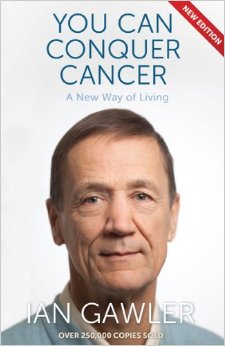
BOOK REVIEW: YOU CAN CONQUER CANCER A NEW WAY OF LIVING

You can conquer cancer Ian Gawler


Review by Yeong Sek Yee & Khadijah Shaari

Dr Ian Gawler, OAM, BVSc, a veterinarian and decathlon athlete before his diagnosis, is Australia’s most “notorious” cancer patient. He is the Founder and Therapeutic Director of The Gawler Foundation. A pioneer in mind/body medicine and long-term cancer survivor, Dr Gawler is an experienced and respected authority on meditation, self-help techniques and a healthy lifestyle. Dr Gawler began Australia’s first active cancer support group in 1981 and is on the Advisory Board of the Australasian Integrative Medicine Association. In 1987, he was awarded the Order of Australia Medal.

At the end of 1974 Dr Ian Gawler, an ambitious young veterinarian and athlete, developed bone cancer (osteogenic sarcoma) in his right leg. In January 1975, the leg was amputated at the hip. While there were no signs of the cancer anywhere else in the body, he was told that only 5% of patients could expect to be alive five years after surgery. In fact, the cancer did reappear, and spread to his pelvis and chest in November 1975.

In December 1975, with widespread bony and pulmonary metastases, Gawler underwent 3 palliative radiotherapy treatments to the lower spine but he found it was ineffective for pain relief. Subsequently, the oncologist suggested a two year course of adriamycin, vincristine, cyclophosphamide and dacarbazine. However, after 10 weeks treatment, the cancer had only slightly diminished in size over the period of treatment. Despite his oncologist’s warning of “rapid rebound if treatment was ceased,” Gawler elected to discontinue further chemotherapy treatment.

By March 1976, Gawler’s cancer specialists thought that he would live only two more weeks. Gawler refused to give up, and began studying meditation and following a strict diet, pursuing an intense regime of research, introspection and personal development. Against all odds and prognosis, he tried all other available treatments. Later, his cancer began to retreat and he was eventually declared clear of cancer in 1978.

Watch his story on YouTube as follows:

1)      Interview with Ian Gawler, author of You Can Conquer Cancer

Link: http://www.youtube.com/watch?v=CDnpbHSmmgk

You Can Conquer Cancer was first published in 1984. Since then, it has been reprinted 16 times and translated into 14 languages. It has become one of the most widely-read books on the subject of cancer prevention and cancer management. At the time of publication, Dr Gawler’s ideas and concepts were regarded as innovative and controversial, but have since received substantial scientific recognition and validation both in Australia and internationally.

This new edition (published 2013), is completely updated and  enlarged upon what is a truly integrated, holistic approach to cancer; emphasizing diet, the power of the mind, meditation, family and social support and the spiritual dimension of life.

Dr Gawler is a firm believer of meditation, which he believes is the single most powerful self-help tool that assists recovery from disease and leads to a life of maximum health…and it has direct physical effects ranging from relief of physical tension to reactivation of the immune system. This perhaps, explained why the book has 6 chapters devoted to the principles and practice of meditation and mind training.

Likewise, Gawler devoted 4 chapters to explain the principles behind healthy nutrition, the foods that heal and the concepts of his Wellness Diet and the Healing Diet. To emphasize the importance of nutrition, let us share with you the following quotes from his book:

  • What is so special about the human species, the human body that leaves medical educationalists (what he means is the medical doctors) believing that what it eats is of no importance?
  • Food builds our body…if you want a junk body, eat junk food. Want a healthy body, eat healthy food. Want a body that just manages to function? Well, feed it whatever.
  • If you want a body that is capable of remarkable healing, then it makes sense to fill it up with the best fuel possible.

To be long term survivors, cancer patients (he calls them thrivers) must value what they eat as a major factor in their recovery….perhaps, Gawler’s most daring advice for all cancer patients is summed up in the following sentence:

“Diet is not the total answer to cancer, but without a good diet, there is no answer.”  

Watch his views on nutrition at the following:

2)      Dr. Ian Gawler: Eating Well Being Well at Spiritgrow Josef Kryss

Link : http://www.youtube.com/watch?v=uypAUpACyzM

Related to the practice of meditation for a calm mind, Gawler strongly believed that healthy emotions play an important part in healing. Let us give you his advice:

“Put simply, healthy emotions are authentic emotions. When emotions flow easily, comfortably, authentically; health and wellbeing follows. Stifled emotions, repressed emotions, fabricated emotions, all weaken the potential for healing as well as significantly reducing our sense of wellbeing.”

How then to change a deeply ingrained habit? How do we learn to release emotions safely? (Read Chapter 16 and 17 or consult a qualified hypnotherapist).

The author ended the book with a chapter on Death and Dying. Why is there such a chapter on death and dying? Isn’t this all about conquering cancer, about being positive and getting well? Let us share with you his wisdom:

“Many people have enough fear about dying to not only significantly inhibit their chances of recovery, but to adversely affect the very way they live. Learning how to transform the fear of dying leaves us free to heal. When we live a life informed by death, we really appreciate how precious life is, as well as how fragile it can be. So we value life; we value each moment.”

FURTHER RESOURCES ON DR IAN GAWLER: 

1)   THE GAWLER FOUNDATION: Since 1981 when Ian began one of the world’s first lifestyle-based cancer support groups, his work has expanded in three ways. One aspect is the focus on healing; another involves professional trainings and speaking engagements, while the third focuses on disease prevention, health and wellbeing.

Visit the Foundation’s website at: www.gawler.org

2)   Dr Gawler’s personal blog….www.gawlerblog.com….do visit the blog and sign up for his newsletter, OUT ON A LIMB…very informative. Dr Gawler has written many other books on meditation and nutrition. You can view them in the above website/blog.

ENDNOTE:

We introduced Dr Ian Gawler as Australia’s most “notorious” cancer patient. Why?

Watch out for the story later.

BOOK REVIEW: YOUR LIFE IN YOUR HANDS

Life in Your Hands2


Review by Yeong Sek Yee & Khadijah Shaari

The author, Jane Plant, was formerly the Professor of Geochemistry and Chief Scientist at the British Geological Survey, London with a DSc and seven honorary degrees and many prizes and distinctions for her contribution to science. She was awarded a CBE for her work in relation to human health. In 2005, she was made a Life Fellow of the Royal Society of Medicine for her books on cancer and was later appointed to the Prince’s Trust Foundation for Integrated Health.

In 1987, at age 42, and with two young children, she was diagnosed with breast cancer for the first time. Within five years,  the cancer returned four times – and, as she explained in her book this was “despite a radical mastectomy, three further operations, 35 radiotherapy treatments, several chemotherapy treatments and irradiation of my ovaries to induce the menopause”. The doctors then gave her three months to live. 

The cancer specialists at Charing Cross Hospital where Plant was treated told her that her chemotherapy treatment (methotrexate, fluorouracil and cyclosphosphamide) had been only the same basic type that has been used for breast cancer for the past 20 years. None of her doctors, it appeared, had expected someone with her type and stage of cancer (which had clearly spread to the lymph system) to have survived. The drugs she was given was the cheapest standard preparations available and after her reading several medical textbooks, it was clear to Plant that it was highly unlikely that these drugs would, on their own, have cured her cancer. 

When orthodox medicine gave up on her, Plant was determined to use her extensive scientific training and her knowledge of other cultures to find a way to survive. Her husband was also an earth scientist, and both of them have spent a considerable amount of time working in China and Japan. They were both desperately engaged in trying to understand and explain the factor(s) responsible for the significantly lower rates of breast and prostate cancer among the Japanese and Chinese. 

At the time she discovered the last cancerous lump in her neck in 1992, her colleagues in China – where she had worked – happened to send her an atlas detailing the different cancers found across that country. Looking at it, she realised that breast cancer (and prostate cancer) were virtually unknown throughout China at that time – one death in 100,000 women, as opposed to one in 10 in some western countries. Why should that be? 

It was this startling statistical disparity that led Plant to believe that there had to be a dietary trigger for the disease. As she continued her scientific investigations, Plant became convinced that she had discovered a causal link between consumption of animal and dairy products and breast cancer. 

Her job as a scientist gave her the ability to research the components of the food we eat, particularly discovering that milk proteins find their way into a good many products; to analyse the nutrients required to help the body withstand treatment and stay cancer-free; to understand the effects of chemicals used in food processing. Her diet became totally dairy-free but full of food containing cancer protective ingredients; she was careful to reduce her intake of hormones and chemicals from food; and altogether changed her lifestyle. 

The large cancerous lump in her neck disappeared within five weeks and no cancer has ever returned. However, her consultant radiologist (cum oncologist) was concerned that it would return once the chemotherapy treatment was over. It was all too clear from what her doctors had said, and from reading medical, pharmacological and chemical textbooks that chemotherapy treatment alone was unlikely to cure her. For five years, she had done everything her doctors had advised (perhaps including…”eat anything you like?”) and undergone all the treatments that they had prescribed. 

Two years after her recovery, Plant was offered a new, advanced form of chemotherapy by the Charing Cross Hospital. The treatment offered was extremely expensive. The doctors were impressed by her positive approach and because she survived much longer than they had expected, they felt that they should help her as much as they could. Plant turned down their offer because she knew that the key to her cure lay elsewhere. 

In the first edition published in year 2000, readers were presented for the first time with a compelling body of evidence strongly suggesting that consumption of dairy products may cause breast cancer. It demonstrated the specific changes that women can make in their day-to-day lives to help prevent and treat breast cancer.

Your Life In Your Hands contained detailed suggestions for ways to alter your diet by eliminating or reducing consumption of many suspected cancer-causing agents, especially dairy products, and replacing them with healthful alternatives. She offers well detailed menus and recipes to help you make the transition and enjoy it. She called this The Plant Programme which was later expanded into a book of the same name. 

The second edition of Your Life In Your Hands was published in 2007 with extensive updates to each Chapters 1-7 and with additional information on ovarian cancer. Relevant scientific studies are attached to each Chapter. This is definitely the work of a real scientist.

The thrust of Professor Plant’s arguments outlining the links between dairy products and breast cancer are wide-ranging and deserve serious consideration and further research. Some of the health risks of consuming dairy products include:

  • Babies fed on cow’s milk are at risk of developing iron deficiency; the link between insulin-dependent diabetes and dairy products;
  • Milk is one of the most common causes of food allergies;
  • Milk can harbour many pathogenic microorganisms including Mycobacterium paratuberculosis (possibly associated with irritable bowel syndrome);
  • Milk often contains toxic and hormone-disrupting chemicals, including antibiotics, growth promoters, most notably insulin-like growth factors (IGFs), anti-parasitic drugs, environmental toxins such as PCBs and dioxins.
  • Research is also cited demonstrating the relationship between IGF-1 and breast cancer. 

If you are a breast cancer patient, we strongly urge you to change your diet just like Jane Plant did and not to “eat anything you like” as usually advised by your doctor/oncologist. Take some time off and watch the following YouTube videos and read further. Some suggested readings are attached.

SOME YOUTUBE VIDEOS: (there are many more)

1)   Professor Jane Plant…Her views on Dairy Products.

Link: http://www.youtube.com/watch?v=dFnoiDDibOw

2)   White Lies—The Dark Side of the Dairy industry.

Link: https://www.youtube.com/watch?v=PVxdKcCpVkc

3)   White Lies (Clip 2).

Link: http://www.youtube.com/watch?v=v6zYaFinpes 

4)   Growth Hormones in Animal Products Equals Cancer.

Link: https://www.youtube.com/watch?v=kCLbsJHQnfI

5)      Animal protein (meat and dairy) causes cancer by Professor T. Colin Campbell PhD.

Link: https://www.youtube.com/watch?v=XDXxo5Sussk 

SOME ARTICLES/BOOKS : (there are many more) 

1)   WHITE LIESThe Health consequences of consuming cow’s milk.

Link: http://www.vegetarian.org.uk/campaigns/whitelies/whiteliesreport.pdf

2)   THE CHINA STUDY by Dr T. Colin Campbell….read the most comprehensive study of nutrition ever conducted on the link between nutrition and cancer 

3)   NATURAL STRATEGIES  FOR CANCER PATIENTS by Dr Russell Blaylock, MD and a former neurosurgeon (Read why he does not recommend cancer patients to consume animal protein and dairy products). 

4)   THE ENZYME FACTOR by Dr Hiromi Shinya, MD and a gastrointestinal specialist. (Find out why animal meat and dairy products are toxic). 

5)   WAKING THE WARRIOR GODDESS by Dr Christine Horner, MD and breast surgeon (Read about Dr Christine’s program to protect and fight breast cancer). 

JANE PLANT’S WEBSITES:

1)   www.janeplant.com

2)   www.cancersupportinternational.com

3)   www.plantprogramme.com

 (From the above websites, you would be able to view Jane Plant’s other books and articles on cancer).


BOOK REVIEW: RECALLED BY LIFE –THE STORY OF MY RECOVERY FROM CANCER

recalled by life


Review by Yeong Sek Yee & Khadijah Shaari

This book is an autobiography of Dr Anthony Sattilaro, MD as told to Tom Monte. Dr Sattilaro graduated from Rutgers University and the Harford Hospital and also a graduate from the Harvard Business School and School of Public Health. He was an anesthesiologist for 20 years until his appointment as the President of the Methodist Hospital in Philadelphia in December 1977.

In June 1978, at the age of 47, Dr Sattilaro was told by his physicians that he had prostatic cancer (stage 4) which had metastasized to other parts of his body, including the skull, shoulder, spine, sternum, and ribs.

Within weeks of the diagnosis, Dr Sattilaro underwent surgery and began estrogen treatment to combat the spread of the disease. As a last resort, he even removed his two testicles. It soon became apparent, however, that this would not halt the malignancy.

His doctors informed him that he had perhaps “a few” years to live (Later, he was told “less than 18 months”) and that those years would be spent in a torturous slide towards death. He was already suffering from acute back pain, for which large doses of painkillers provided only periodic relief. His highly professional colleagues have left little doubt that he had terminal cancer, and he resigned himself to a painful future, a regimen of drugs, and only a slim hope that he would live to see fifty.

Driving back to Philadelphia after the burial of his father, who had died of lung cancer, Sattilaro was deeply depressed and uncharacteristically picked up two young hitchhikers. At a loss for small talk, Sattilaro confessed that he was living on borrowed time, and to his surprise he was told that his illness is curable if he would go on a strange vegetarian diet. Though highly skeptical, he was intrigued by the young stranger’s sincerity, and with nothing to lose, he followed up the lead.

Dr Sattilaro had been a doctor for more than 20 years by then, and it was with no small trepidation that he went looking for answers outside the profession to which he had dedicated his life. This search put him on an extraordinary journey—one that has led him not only to a restoration of his health, but also to the roots of his being.

While still continuing his duties at the hospital, he rearranged his life to take his meals at a commune where only such foods as brown rice, whole grains, beans, fresh vegetables, fish and seaweed are served, and where a positive, spiritual approach to life was pervasive. In just a few weeks, the back pain that had plagued him for years subsided, and in a matter of several months the course of his cancer had been reversed and his body was actually on the mend.

On August 6 1981, Dr Sattilaro underwent another bone scan at the Methodist Hospital, the sixth test he had undergone in the past 3 years. That bone scan revealed absolutely no sign of cancer in his body. The news of his X-rays hit the macrobiotic and medical community in Philadelphia as if Dr Sattilaro had been raised from the dead. He had not resumed the estrogen therapy, even for a short period, since he quit the hormones in June 1979. However, doctors in the Methodist Hospital insisted that Dr Sattilaro’s improved health was due to his previous surgeries and the estrogen therapy and had nothing to do with the macrobiotic diet.

Dr. Sattilaro admitted that he could find no medically acceptable explanation for his cure; he knew only that it had happened. He continued to support established methods and procedures of modern technological medicine, but his experience suggested that there are complementary approaches to health, and especially to cancer, that may also be beneficial. He began and ultimately found not only a cure but a sense of wholeness and spiritual fulfillment that he shared with the reader in this account of his remarkable experience. Dr. Sattilaro celebrated his 50th birthday in 1981.

The diet Dr Sattilaro followed is called “macrobiotics” which is drawn from the best elements of a traditional Asian diet, including generous amounts of rice and vegetables. (There are a lot of books/literature written on macrobiotics and cancer—just Google for more information).

As he recovered, he became perhaps the most famous advocate for the use of diet against cancer and this raised the question as to whether diet can turn the tide on cancer, and the fact that there was simply not enough information yet available to speak with assurance. There were no double-blind studies, no control patients, or anything else that would suggest that what happened to Dr. Sattilaro will happen for anyone else, although there is a large cadre of people who report similar results.

Dr Sattilaro’s story of his prostate cancer being healed by a change in diet created a big storm. This led to some serious debates. Dr Neal Barnard, MD and nutrition researcher became interested in Sattilaro’s story. So he went in search of him in 1986. Dr Sattilaro had resigned his job as head of Methodist Hospital and had moved to Florida. He was not only alive, but youthful and vigorous. He had adhered to the macrobiotic diet and adopted a specific exercise program. He went swimming every day. His cancer seemed to be gone, and he kept X-ray films in a file for when he needed to remind himself of his remission. Sattilaro had been deluged with letters from other cancer patients, but always answered that he did not know if what had happened to him could also happen for them.

Dr Sattilaro’s greatest food misadventure

Eventually, he began to deviate from the diet, adding fish and chicken, as if to test whether he was cured or simply in remission. If it was a test, he failed. In July 1989, Dr Barnard called Dr. Sattilaro and found him to be gravely ill. His cancer had recurred—”viciously,” he said. He was in good spirits, but harbored no illusions about the grim situation he was in. He knew that the end was very near. He had resumed the use of painkillers, which at times made him quite groggy.

Dr Sattilaro died shortly after. However, he survived 11 years despite being told he had only 18 painful months to live. If he had not been too adventurous with his food after his 10th year, would he have survived longer? We will never know.

Below are some quotes by Dr Sattilaro on the subject of nutrition and cancer:

a)    Dr Sattilaro’s normal diet (in his own words):

  • The food that I had lived on for the previous 47 years was rich and usually heavily seasoned.
  • I lived the perfect formula for cancer—a high fat diet, plenty of refined flour products, an insatiable sweet tooth and a generally sedentary lifestyle. 

b)    Dr Sattilario’s personal reaction to the macrobiotic diet:

  • When the hitch hikers told him that cancer is the natural result of a bad diet, Dr Sattilaro wondered how a 25 year old knows about cancer. He then dismissed the hitchhiker’s statement as foolishness of youth.
  • After 25 years of practicing medicine, he had heard all kinds of quack claims and treated them with the same kind of dignified disinterest.
  • When he went to the Macrobiotic center, he was told that he has to abstain from…all meat, dairy products, refined grains, including white bread and flour products, all sugar, all oils, nuts, fruits and carbonated drinks and foods containing synthetic chemicals and preservatives….which was Dr Sattilario’s standard fare to the letter.
  • He left the Macrobiotic centre feeling a deep sense of confusion and despair. He felt as if he had just walked out of another world.
  • Going there and being given an examination by a thirty-year-old kid who hadn’t been to medical school was surely reaching the bottom of the barrel. 

Despite his deep skepticism, Dr Sattilaro nevertheless opted to give the macrobiotic food system a try. He had nothing to lose as his life was declared terminal and he was living on borrowed time.

Following are some initial contemptuous comments:

  • Each day, Dr Sattilaro carried to work the little Japanese lunch box containing brown rice and vegetables. People at the hospital looked at him with a combination of curiosity and pity.
  • There was also a strange disappointment in their eyes, as if he had gone over to the other side already.
  • “He’s turned himself over to the quacks” many of them must have thought. He said he would have thought the same thing, had a colleague of his resorted to macrobiotics in his dying days. 

How Dr Sattilaro reacted to Macrobiotics.

  • About 2 weeks after he started macrobiotics, he developed symptoms of a cold or flu with heavy mucus discharge and a mild fever. He was told that this healing reaction is “sickness of adjustment” which is the body’s way of getting rid of excess on a periodic basis….this bewildered him further and heightened his skepticism.
  • His perception changed when on September 26 1978, he discovered that his back pain was gone. He had suffered 2 years of enormous back pain that only heavy doses of narcotics could put down.
  • Within a few weeks after he began the macrobiotic diet, his digestive problems disappeared. On top of that he had great reserves of energy and his mind seemed clearer than usual. 

Eventually, as he recovered progressively, Dr Sattilaro admitted that….”there is no doubt in my mind that the diet was instrumental in my own recovery…and in some way triggered my immune system, which enabled my body to fight off the disease….there is also no doubt in my mind that had I relied solely on just the orchiectomy and the estrogens, I would have been dead long ago”

FURTHER REFERENCES ON MACROBIOTICS

1)    THE MACROBIOTIC DIET IN CANCER.

Link: http://jn.nutrition.org/content/131/11/3056S.full

2)    MACROBIOTIC DIET by Michio and Aveline Kushi (a general introduction to macrobiotics)

3)    THE MACROBIOTIC PATH TO TOTAL HEALTH by Michio Kushi and Alex Jack (A complete guide to naturally preventing and relieving chronic conditions and disorders).

4)    THE CANCER PREVENTION DIET by Michio Kushi and Alex Jack (The macrobiotic approach to prevention and relieving cancer)

5)    COOKING THE WHOLE FOODS WAY by Christina Pirello (Everyday guide to healthy, delicious eating featuring 500 vegan dishes).

SOME SELECTED YOUTUBE VIDEOS ON MACROBIOTICS

1)    What is the Macrobiotic Diet?

LINK: https://www.youtube.com/watch?v=n8OZFoaxCws

2)    Typical Foods on the Macrobiotic Diet

LINK: https://www.youtube.com/watch?v=Yg6OyeRTEU4

3)    Macrobiotic Guide – Videos

LINK: https://www.youtube.com/watch?v=9E545WGCleE&list=PL9FE8EA8060DA4879

A SPECIAL NOTE ON DR NEAL BARNARD, MD

Dr Barnard is a nutrition researcher and founder of The Cancer Project and The Physicians Committee for Responsible Medicine (PCRM) which promotes preventive medicine, especially good nutrition, and addresses controversies in modern medicine, including ethical issues in research.

Dr Barnard is an adjunct Associate Professor of Medicine at George Washington University and is the author of the best seller “THE CANCER SURVIVOR’S GUIDE” featuring foods to fight back cancer—with special emphasis on Prostate and Breast Cancers.

BOOK REVIEW : DEFEAT CANCER

(15 DOCTORS OF INTEGRATIVE AND NATUROPATHIC MEDICINE TELL YOU HOW).

defeat cancer


Review by Yeong Sek Yee & Khadijah Shaari

In her book (released May 2011), author and medical researcher Connie Strasheim provides the reader with an informative overview of some new and innovative cancer treatments. She identified 15 top cancer healers from the United States and five other countries and then spent the better part of the 2010 interviewing them. The 15 physicians interviewed included medical doctors, osteopaths and naturopaths who treat cancer either exclusively or as a major part of their practice.

Most people, when confronted with cancer in our society, are quickly shunted into typical surgery, chemotherapy and radiation protocols. Standard medical treatment offers little variation from person to person, and after chemotherapy or radiation, patients are left with impaired immunity, toxicities, fatigue and emotional uncertainty. As substantiated by several of the doctors in the book, these conventional treatments don’t have a great long-term track record despite all the money spent on cancer therapy and research.

Strasheim’s interviews with these fifteen different doctors focus on integrating the best conventional wisdom with nutritional supplements, Traditional Chinese Medicine, diet, lifestyle and a wide variety of modalities that help balance body, mind and spirit. Although each doctor employs his or her own set of techniques and protocols, the reader soon understands that there are some common themes among their approaches.

The doctors interviewed present a solid perspective on what options are available to a person facing cancer. They have been trained in a variety of medical disciplines including, but not limited to, allopathic (conventional), naturopathic, homeopathic, biological, and Traditional Chinese medicine. Some of the tools like Insulin Potentiation Therapy (IPT) and specific tumor drug testing (chemosensitivity tests) make so much sense that it is a pity they fall short of the “Standard of Care” procedures followed by the medical establishment. There is a wealth of information for anyone who is interested in pursuing a kinder and gentler cancer therapy.

Each chapter of the book focuses on the treatment approach of a single physician. All aspects of treatment are covered, from anti-neoplastic (anti-cancer) remedies and immune system support, to dietary and lifestyle choices that result in the best outcomes for patients. The book also offers unique insights into healing, such as the pros and cons of different treatments and how to intelligently use chemotherapy. It discusses patient and practitioner challenges to healing, factors that affect healing, treatment outcomes and how to effectively combine multiple medical strategies to obtain the best results. Finally, it offers helpful insights to the friends and families of those coping with cancer.

In this short review, it is impossible to summarize the contents of the 15 interviews. The list of questions asked by the author is sufficient to fill the book with 443 pages of well documented information. Here are some of the questions asked:

  1. What is cancer? What causes it?
  2. What is your treatment approach? How effective is it for different types and stages of cancer?
  3. What are your treatment outcomes and can you provide statistics on your success for treating late-stage cancers?
  4. What are your dietary recommendations for those with cancer?
  5. What lifestyle recommendations do you suggest for people with cancer?
  6. Describe the role of emotional trauma/emotions in healing from cancer. Do you recommend that your patients do any type of spiritual/psychological therapies as part of their healing process? How integral are these to their healing?
  7. Do you recommend detoxification therapies to your patients? If so, which ones?
  8. What supportive treatments do you recommend, besides those described in your main protocol? Do you believe that supporting the hormones, for example, should be an important part of treatment?
  9. Are there any treatments, either within conventional or natural medicine, which are dangerous and/or ineffective
  10. How can friends and family support their loved ones with cancer?
  11. What do you wish that more people with cancer knew when seeking    out treatments?
  12. How does medical politics influence the availability of effective treatments?
  13. What else do you want readers to know about your work as a cancer practitioner?
  14. What factors influence healing?
  15. What are your final words of wisdom for cancer patients?

And the 15 physicians interviewed are:

  • Stanislaw Burzynski, MD, PhD, Houston, Texas
  • Robert Zieve, MD, Prescott, Arizona
  • Nicholas Gonzalez, MD, New York, New York
  • Finn Scott Anderson, MD, Humlebæk, Denmark
  • Juergen Winkler, MD, Oceanside, California
  • Dr. Rivera-Celaya, MD and his assistant Steven Hines, Ciudad Acuña, Coahuila, Mexico
  • Colleen Huber, NMD, Tempe, Arizona
  • Robert Eslinger, DO, Reno, Nevada
  • Dr. Dayton, DO, Sunny Isles Beach, Florida
  • Dr. Reis, MD, Bad Mergentheim, Germany
  • Julian Kenyon, MD, London, England
  • Constantine Kotsanis, MD, Grapevine, Texas
  • Joe Brown, ND, Tempe, Arizona
  • Keith Scott-Mumby, MD, Reno, Nevada
  • Chad Aschtgen, ND, Seattle, Washington.

To find out more about the book and Connie Strasheim, visit her website at http://cancerbooksource.com/defeat-cancer-book/

On YouTube, you can view two videos on the subject:

1)   New Cancer Book Interviews 15 Doctors from 5 Countries

Link: http://www.youtube.com/watch?v=IhxdeJbUyyU

2)   Medical Book Review: Defeat Cancer: 15 Doctors of Integrative & Naturopathic Medicine Tell You How

Link: http://www.youtube.com/watch?v=MsbL7YHZgsQ

This book very clearly indicates to cancer patients that there are many healing choices for cancer…the conventional modalities of surgery, chemotherapy and radiation is just one of the many choices. Some other books you may want to refer to are:

1)   CANCER: IS THERE ANOTHER OPTION? by Dr Chris K.H.Teo, PhD

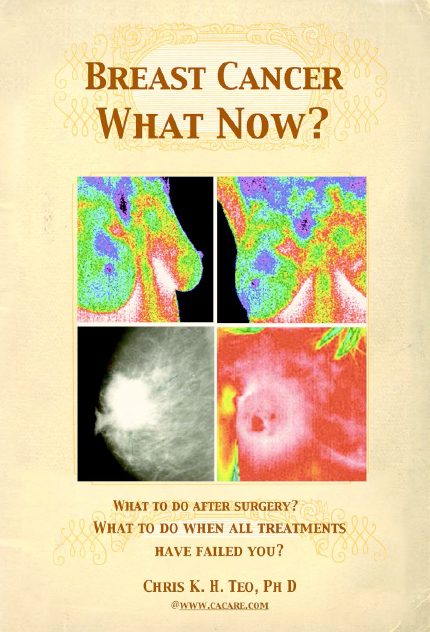
2)   CANCER: WHAT NOW? by Dr Chris K.H.Teo, PhD

3)   DEFINITIVE GUIDE TO CANCER by Dr Burton Goldberg

4)   CANCER THERAPY by Dr Ralph Moss, PhD

5)   CANCER: INCREASING YOUR ODDS FOR SURVIVAL by David Bognar

6)   KNOCKOUT: INTERVIEWS WITH DOCTORS WHO ARE CURING CANCER by Suzanne Somers.

Besides the above (which your doctor/oncologist will advise you not to read), there are many other books on complementary and alternative healing modalities for cancer. But invariably, your doctor/oncologist will gun you down if you ever mention any of them….not scientifically tested, proven, etc, etc, etc.  Amen.

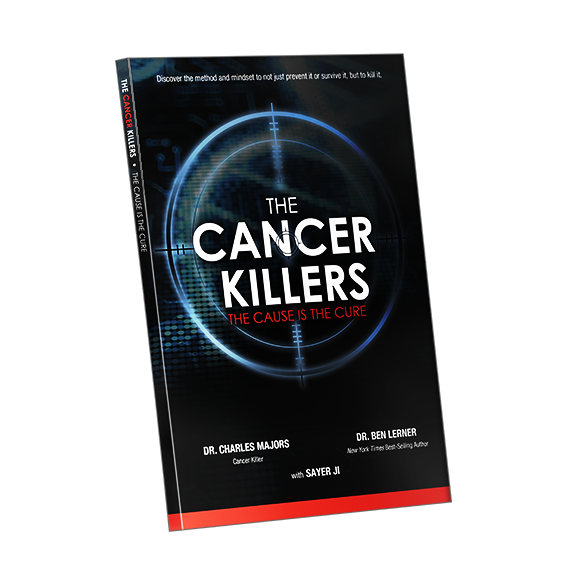
BOOK REVIEW: THE CANCER KILLERS—THE CAUSE IS THE CURE

by Yeong Sek Yee  & Khadijah

cancer-killer


Written by Dr. Charles Majors, Dr. Ben Lerner and Sayer Ji, The Cancer Killers book aims to help you understand more about the disease of Cancer, the business of Cancer and the risks of conventional Cancer treatments.

Dr Charles Major has a doctorate in Chiropractic. In September 2010, Dr Majors was diagnosed with advanced Plasmacytoma, a form of Multiple Myeloma that had metastasized to his brain. He chose to leave conventional medicine (but he did surgery) and applied the same principles he had been teaching for years to reverse his own cancer and not only survives but thrives.

You can listen to Dr Majors explaining the book at the following YouTube video: http://www.youtube.com/watch?v=xn69pHP_n8A

In addition, you can listen to Dr Major’s cancer journey at a Webinar at the following link: http://www.youtube.com/watch?v=YRlegoDXdHs

The other authors, Dr Ben Lerner, is the co-founder of the Maximized Living Foundation and Sayer Ji, is the founder and editor-in-chief of GreenMedInfo.com

In the book, you will learn and begin to see how you have it within you to fight off all diseases and help your immune system do what it is designed to do—to keep you healthy! You will also learn what foods are good for you, which ones need to be avoided and even how much exercise is optimum for health.

According to the authors, your body is a cancer killing machine. Equipped with a high powered immune system and intracellular anti-oxidant defense system, you have the ability to prevent and reverse cancer. They believe that there is one cause for cancer and the cause is anything that interferes with your body’s ability to kill cancer and fight off any disease. Likewise, there is one cure—remove the interference and maximize the potential.

Your goal is to develop a cause-addressing lifestyle that is no longer a destructive force in your life, but rather a force to help your body protect itself now and in the future. The following are the authors’ 5 main cancer-killing essentials:

1)    Maximized Mindset—the mind has great influence over the body…constant stress and negative thinking suppresses the body’s immune system, alters digestive functions, and causes the continual production of negative, stress hormones.

2)    Maximized Nerve Supply—spinal correction care re-aligns the spine, restores the curves, and make sure the skull and pelvis is aligned…this corrects the cause, removes the interference and maximizes function. With spinal correction, the nerve supply can be restored.

3)    Maximized Quality Nutrition—bad eating leads to insulin insensitivity, hormone imbalance, thyroid dysfunction, poor bowel movement, toxicity and cell inflammation. Today’s commercial diets contain endless toxins and lack the nutrients, fiber and antioxidants, etc.

4)    Maximized Oxygen and Lean Muscle—oxygen has been shown to stymie the growth of cancers. The lack of exercise causes malfunction and interferes with the body’s ability to kill the enemy.

5)    Minimized Toxins—toxic materials cannot be effectively metabolized by the body…these poisons are accumulated or built up in your system and create a “toxic burden.”

Dr. Majors also described his own personal experience with Stage IV cancer and how he found his path to recovery through simple (yet obviously effective) ways of living (listen to the Webinar by Dr Majors). When diagnosed in September 2010, he declined the conventional Cut, Poison and Burn procedures (read Chapter 4). The opening paragraph of the chapter summed up his reasons:

  • Conventional cancer treatments are the medical equivalent of fighting fire with fire. To kill a cancerous growth, medicine employs something equally hazardous. It bombards the patient with toxic chemicals and radiation, both of which are considered lethal….the doctors hope that the cancer cells will be more susceptible to their potent wallop than the healthy cells. The reality, however is that “collateral damage” from the treatments is inevitable. It is not a matter of “if,” but to what degree the damaging side effects will take their toll.
  • The DNA damaging effects of chemotherapy and radiation are actual causes of cancer initiation and promotion. Therefore the standard of care in cancer treatment is also a cause of cancer.

In summary, Dr Majors reiterated that “you cannot poison yourself back into health”

Cancer, like all illnesses, is a symptom. It is a result of something weakened and not working right in your body. You have to learn how to strengthen your body and make things right, so that illnesses cannot grow and thrive within you.

That is the ultimate cancer killer in you.

FURTHER REFERENCES:

1)    Website of Sayers Ji….GREENMEDINFO…..http://www.greenmedinfo.com/

(Lots of information on cancer which your doctors will not tell you)

2)    Visit them on their FACEBOOK page at….https://www.facebook.com/BeACancerKiller


Breast Cancer: What Now?

What to do after surgery? What to do when all treatments have failed you?

Breast Cancer What Now cover  US$3.99  Click here to buy: http://www.bookoncancer.com/productDetail.php?P_Id=70

 Introduction

This book in a continuation of my earlier book Your Breasts What to do if you find a lump and What to do if it is cancerous. The main problem at CA Care is not dealing with patients with breast lumps. Our main problem is dealing with patients who have already gone to see their doctors, undergone all the necessary medical treatments and failed. Now, they come to us for help.

Chapter 1: Pressure From Those Around You

In my first book Your Breasts – What to do if there is a lump and What to do if it is cancerous, I told the story of Ina, our friend. She had a lump in her breast which later was found to be cancerous. She underwent a mastectomy. After the surgery, her doctor referred her to an oncologist who recommended that Ina undergo chemotherapy and radiotherapy. Ina was also told to take Tamoxifen, a hormone drug, for five years. Ina refused all these and she opted for our CA Care Therapy. Ina had been on CA Care Therapy for the past one year. So far so good. She has been taking life easy, exercises regularly and takes care of her diet. Let me get back to Ina’s case. I knew she was not at ease after the last meeting with her surgeon. So,  I took time to explain one issue after another. 1. Ina is not the only one who opted for CA Care Therapy. 2. Medical treatment is not necessarily the best option. 3. Tamoxifen can cause cancer! 4. Medical radiation can increase cancer risk! 5. Cancer-free or not cancer-free. 6. You are now cancer-free, eat whatever you like! Of all the follies, I told Ina this one is the greatest of them all. Dr. Russell Blaylock (in Natural Strategies for Cancer Patients) wrote: “Oncologists harm their patients by giving them cancer-promoting nutritional advice.” I have learned that if you want to be popular with your patients or make them happy, tell them what they want to hear. Ask them to go back to their old ways of life after you have  treated them. When they get sick again, they will surely come hunting for you. Indeed this is a good way of ensuring that you are always in business.

Chapter 2:  Recurrence

Ina, our friend and our breast cancer patient, has been on our CA Care Therapy for more than a year now. She is doing fine. There is nothing else I can offer her. If she is happy and is doing fine she should continue to do what she is doing and stay on course. I am aware that deep down  in every patient’s heart,  there is the feeling of fear, i.e. the fear of recurrence.  The possibility of recurrence is real. Patients have to learn to live with it. Only time can tell if you are cancer-free or not. At CA Care we do not intend to mislead you. We want you to know that there is no cure for cancer. Living your life chasing after a permanent cure for your cancer could be miserable. We urge you to learn how to live with your cancer. That is more realistic. The only way that I know how to reduce the chances of recurrence is to make sure that you lead a healthy, happy and stress-free life. I tell patients to take care of their diet. Avoid foods that cause inflammation to the body. Of course this advice is not welcomed by many people. But take it from me. Food plays a major role in whether your cancer comes back or not. Very often I can trace recurrences back to bad diet. So you have a choice to help yourself! According to medical literature, recurrence  occurs in the first three to five years after initial treatment. The highest risk of recurrence is said to be during the first two years following treatment. Recurrence is never zero but as time passes the risk goes down.

Chapter 6: Insanity

The only difference between doctors and lawyers is that laywers merely rob you, whereas doctors rob and kill you too

~ Anton Chekhov, Russian physiciain, dramatist and author

 Dr. Jerome Groopman of Harvard Unviersity (in How Doctors Think) wrote: “If you do an experiment two times and you don’t get results, then it doesn’t make sense to do it the same way a third time. You have to ask yourself: What am I missing? How should I do it differently the next time?” “It is much easier both psychologically and logistically, for a doctor to keep treating a serious disease with a familiar therapy even when the disease is not responding.” “How an oncologist thinks through the value of complex and harsh treatments demands not only an understanding of science but also a sensibility about the soul – how much risk we are willing to take and how we want to live out our lives.” Life on earth is a living experience. Let the death of these patients be a useful lesson for many of those who come after them. The Story of Amy Cohen Soscia I learned about Amy Cohen from the Internet. She had breast cancer in 1998 when she was forty-three years old. Amy underwent a mastectomy, reconstructive surgery, chemotherapy and radiotherapy. She received treatments in one of the world’s outstanding cancer hospitals – Dana-Farber Cancer Institute, Boston, USA. In spite of all the treatments, Amy’s cancer spread to her liver and spine. The doctor tried Herceptin on her. Liz Kowlczyk of The Boston Globe wrote, “Miraculously, her cancer began to shrink, and Soscia began to let herself think that she would conquer the disease.” But it was not to be. In January 2003, an MRI showed the cancer had spread to her brain. ”I hate this disease, I was so discouraged that I was on treatment for five years and I still got brain lesions.” Amy had twenty times of radiation to her  brain.  The treatment was exhausting. She lost her hair. The treatment seemed to wipe out one tumour, shrunk another but one tumour grew back. Amy took a new  drug, lapatinib or Tykerb. Amy later stopped taking Tykerb because the brain tumour grew bigger indicating that the drug was not effective. Amy was not the only one who ended up with brain tumour after Herceptin or found that Tykerb was useless for them.  Salvia, Fransiska and Yee also suffered a similar fate. Amy received more treatment with high-intensity beam radiation that focused just on the tumor in her brain.  All said, Amy lost her battle and died on 2 September 2001.

Chapter 7:  Disaster

Doctors are blindly giving chemotherapy  … while the cancer cells smile.

Doctors give chemo, chemo, chemo. And patients die, die, die.

~ Dr. Frank Daudert, Pro Leben Klinik, Austria

 Death from chemotherapy is acceptable.

Each oncologist is truly shooting in the dark.

Hope is that the chemotherapy kills the cancer before it kills the patient.

~ Dr. James Forsythe (in The Compassionate Oncologist)

Reflect on the quotations above and the stories below. Ask yourself – what has gone wrong? 

Chapter 8  Let The Truth Be Told: No Cure for Cancer

 As doctors, we generally don’t tell outright lies. We just don’t speak the truth fully

~ Dr. Allan Hamilton (in The Scalpel and the Soul)

 “I am no longer shocked by his fakery …. Fake science, fake researchers,

fake subjects … is what American medicine has become.

Without actually intending it, we have constructed a medical system

in which deception is often not just tolerated but rewarded …

You can see the same patterns of misconduct emerging again and again.”

~  Carl Elliott, Professor of Bioethics, University of Minnesota, in White Coat Black Hat.

Most of what you have heard over your lifetime about cancer treatments

is not the truth. At the very least, you have received an incomplete picture.

If you believe that propaganda you have been fed when you develop cancer,

it can cost you your life ~ Burton Goldberg


The Story of Rose As I am writing this chapter, Rose, an Indonesian, came to our centre and related her story. Perhaps, we can learn many lessons from her experiences.

 Chapter 9  What Now?

In this book, I present to you real stories of breast cancer patients. It is up to you to learn from their experiences. Dr. Barbara Joseph was also a breast cancer patient. She said in her book, My Healing from Breast Cancer: “Breast cancer brings with it a clear and very personal message. Something is not working in our lives. Something needs to be changed. Let’s not be afraid of this message … just allow yourself to take the message in. Our diagnosis can be a wake-up call, alerting us to alter our diet, our lifestyle, our relationships.” Unfortunately, not all patients realize this. They come to us and they expect us to cure their cancer, and if possible to do it quickly. I am sorry, I cannot do that. Not all patients who come to seek our help find their healing. Our data showed us that only thirty percent benefited in one way or another, the remaining seventy percent do not. I stress, DO NOT. I don’t want to mislead you. There is this quotation, “There is no incurable disease, only incurable people.” By talking to patients for five to ten minutes, I can more or less know whether I can help them or not. How patients present themselves would indicate to me if they can make it or not. Their attitude, facial expression, emotional problem, lifestyle, commitment, family support, etc., all play important roles in helping patients overcome their cancer problems. Healing cannot be found in a “magic bullet.” Patients need to be committed and work hard towards their own healing.

 This book, in pdf format,  is available at US$3.99  Click here to buy: http://www.bookoncancer.com/productDetail.php?P_Id=70

BOOK REVIEW: LIFE, WITH CANCER THE LAUREN TERRAZZANO STORY

Reviewed by Yeong Seek Yee & Khadijah Shaari

Life with cancer LaurenTerrazzano


Lauren Elizabeth Terrazzano was an American journalist best known for her “Life, With Cancer” Newsday column and other writings about her battle with cancer. Lauren graduated from high school in Tewksbury, Massachusetts. In 1990, she earned a bachelor’s degree from Boston University and later, after graduating from the Columbia Graduate School of Journalism in 1994, she worked at The New York Daily News and The Record before joining Newsday in 1996.

Lauren Terrazzano had two goals in life: firstly, to win a Pulitzer Prize and secondly to write a book.

In 1996, the fearless young journalist shared the Pulitzer Prize with her team at Newsday for their coverage of the TWA Flight 800 crash. Unfortunately, she was not able to achieve her second goal. At age thirty-nine, Lauren’s life was cut short by lung cancer just 30 months after her diagnosis.

Despite being a non-smoker, Lauren Terrazzano was diagnosed with lung cancer in September 2004 at age 36.  She endured chemotherapy and continued her work as the cancer went into remission.  When the cancer returned in 2006, she developed a Newsday column called “Life, with Cancer” in which she explored and dispel the stigma living day to day with lung cancer.  She wrote the column for eight months before her death in May 2007.

However, that goal (of writing a book) did not die with Lauren.

Her father, Frank Terrazzano picked up the torch and, with the help of co-author Paul Lonardo, wrote Life, with Cancer: The Lauren Terrazzano Story. In writing this book, Frank wanted to honor his daughter’s memory as a dedicated and well-respected social journalist who was a voice for the voiceless.

With the help of co-author Paul Lonardo, devoted father Frank Terrazzano tells his daughter′s compelling life story through the eyes of the many people whose hearts and lives Lauren touched. Lauren′s friends, colleagues, coworkers, doctors, and even her college professors, collectively paint a touching portrait of Lauren the person and the journalist. Reflecting on his daughter, Frank writes of Lauren as “A beautiful young lady who believed that ′The Pen Is Mightier than the Sword′ and chose to use her pen as a light–a light to shine in dark places exposing society′s many shortcomings.”

In the fall of 2006, the cancer returned, but Lauren decided to fight it with words. After receiving a weekly column entitled, Life, with Cancer, she shared her experiences in the hope of erasing the stigma associated with lung cancer. She wrote with humor when she discussed “the dumb things people say to those who are ill” and with anger as she wrote about the complicity of tobacco companies.

Each chapter in Life, with Cancer is a heartfelt tribute from father to daughter and begins with Lauren’s voice taken from actual excerpts of her Newsday column.

The following are the main points in Lauren’s cancer journey as told by her father in the various chapters:

  • Diagnosis—there was a large mass on the right side of her chest, pressing directly against her lung…there were also three smaller masses in the same area, along the lining of her right lung. The tumour that had attached itself directly on her lung was the most threatening and was probably responsible for her difficulty in breathing—it was pressing on her lung.
  • With that scenario, she consulted with the top thoracic surgeon at the Memorial Sloan Kettering Cancer Center (MSKCC) who recommended chemotherapy, then possibly surgery and then radiation therapy. (Lauren’s husband flatly refused to consider alternative therapies…because insurance does not pay for it).
  • Lauren then underwent 4 rounds of chemotherapy and this was what happened to her each time:
    • After the first round of chemo at MSKCC, Lauren was unable to work…she was just too sick. It was hard for her to eat, and she became weaker by the day. Nothing tasted right. She even lost her love of chocolate. What little she ate she had trouble keeping down.
    • After her second round of chemo (this time at the Massachusetts General Hospital in Boston), the complications from the side effects landed her in intensive care due to life-threatening infections.
    • After the third round of chemo (back at MSKCC), she developed a blood clot in her left leg and then for the rest of the treatment, she had to give herself daily injections of blood thinners.
    • After the fourth round of chemo, the result was the same: no improvement.
  • Despite the poor prognosis, the thoracic surgeon managed to persuade the board of MSKCC and Lauren to perform surgery known as “extrapleural pneumonectomy…i.e. to take out her right lung along with its lining, part of her diaphragm, and the outer lining of her heart. He removed all the cancer that he could see, and the surgery was considered a success.
  • Just three weeks later (after surgery),she started a six-week course of radiation therapy
  • After Lauren completed her treatment in early March (2006), she started to feel a little better and tests showed that she was, indeed, cancer free. For the first time since she had been diagnosed with lung cancer, Lauren truly felt good for an extended period of time.
  • Lauren lived cancer-free for the next six months, the culmination of which was an unexpected wedding (her second marriage). Just a week before the wedding, her oncologist told her that something had been detected in her chest midsection…they had found some cancer near right ribs…and they needed to perform surgery on her right away to remove two of her ribs.
  • Just before Easter, Lauren underwent another surgery to remove the tumours, along with several ribs where tumours were located. She got through that surgery, and again they thought they had gotten all the cancer (successful again?).
  • When tumours began appearing in different parts of her body, Lauren’s cancer was considered inoperable, at least as far as the recommendation of any further surgeries was concerned.
  • Also any further chemotherapy would not be effective and would only make her sicker. Her hope was fading fast when she decided to put her faith in a trial drug.
  • Just after Halloween in 2008, Lauren’s oncologist informed her that her body was not responding to the treatment. When Lauren asked what they could try next, her doctors told her that they had done everything they could: conventional treatment had failed.
  • When Lauren inquired about alternative therapies they could recommend, she was advised that if there any nontraditional medicines or treatments she wanted to try, it was up to her: but there was nothing more they could do for her at Sloan-Kettering.

Lauren Elizabeth Terrazzano passed away on May 15, 2007 despite being treated at the most renowned cancer hospital in the world, the Memorial Sloan Kettering Cancer Centre (MSKCC), in less than 3 years from diagnosis (Sept 2004).

OUR PARTING COMMENTS:

  • It was so considerate of MSKCC to advise Lauren to seek nontraditional medicines or treatments after her body has been totally wrecked after all the chemotherapy, surgeries, and radiotherapy. Probably by then her their insurance cover has been exhausted as well.
  • At the time of reviewing this book (early October 2013), a friend of ours had already undergone numerous chemotherapy and radiotherapy (to the brain as well) for his lung cancer which was diagnosed less than 3 years ago. Recently, his oncologist “consoled” him with a comment that “you are very lucky to have lasted nearly 3 years, etc.” And it was that same oncologist who advised him to irradiate his brain first before the cancer spreads there. Our friend did so obediently but six months later, the lung cancer did metastasize to the brain. Yes, he did further radiotherapy sessions. Now, one year later there are two tumours in the brain  as big as a 50-sen coin.

Anyone for evidence-based medicine, scientifically tested and proven??


REVIEW: CANCER HEALING ODYSSEY

by Yeong Yek Yee & Khadijah Shaari


Cancer Healing Odyssey

The author, Sarto Shickel is a graduate of Cornell University with a Bachelor of Science degree and the University of Pennsylvania with Masters in Architecture. He is a partner in Philadelphia architecture and design firm and a passionate advocate of natural healing through organic, whole foods nutrition. Sarto grew up on a dairy farm but later embraced a healthy plant-based diet about 27 years ago.

The book, Cancer Healing Odyssey, tells the story of a Korean woman Sun Hee Lee, married to Sarto, who was suddenly diagnosed with ovarian cancer stage IV, and already with malignant pleural effusion. In September 2007, Sarto Schickel’s wife, Sun Hee Lee, had a bad cough that which she hoped was bronchitis and not something more serious. She also had a bloated abdomen and some shortness of breath. At the time of diagnosis, the ovarian cancer had already spread from the abdominal cavity to the chest cavity, where she had a large fluid build-up called a malignant pleural effusion, and a partially collapsed right lung and it has spread to the liver as well. It was the shock of a lifetime.

Sun Hee is the mother of two young daughters and wanted desperately to live. Sun Hee looked at all her options and decided to have surgery, and later agreed to the Gerson therapy, to chemotherapy (she did 8 sessions of Carboplatin + Taxol) and to some macrobiotic dietary influence. In essence, she created her own unique integrative program for cancer, with her husband’s guidance, after visiting and consulting with conventional and alternative doctors and a macrobiotic counselor.

In fact, Sun Hee began an alternative nutritional and detoxification therapy the very next day after confirmation of diagnosis on 27 Sept 2007. On October 15, she had abdominal surgery to remove the primary ovarian tumour and she continued her nutritional and detoxification therapies for six weeks after surgery. She then continued an adjusted alternative nutritional program while receiving a total of 8 chemotherapy infusions over the next seven months.

Four and a half years later (the book was released in 2011 with second printing in 2012), Sun Hee is living a normal life, a rare outcome in medical history. (Stage 4 Ovarian cancer with malignant pleural effusion carries a poor prognosis). This combined integrative approach was critical in Sun Hee’s recovery. Sun Hee did not ever consider relying solely on conventional cancer care as the statistics seemed to indicate that the result would almost certainly be death.

However, after having surgery and 8 sessions of chemotherapy, Sun Hee declined her oncologist’s suggestion to undergo another 12 additional maintenance chemotherapy treatments…”to keep the cancer from re-growing.” The oncologist did admit that…”eventually the cancer would come back even if more chemo was used.”  When Sun Hee pressed what would come after the maintenance chemotherapy, the oncologist then indicated that they would keep giving chemotherapy until the body could no longer take it.

The above proposal and comments by her oncologist left Sun Hee in a state of shock and more so when he retorted to her….”Now is not the time for alternatives.” The very thought of further chemotherapy was most undaunting to her. During each of her previous 8 chemotherapy sessions; she was devastated physically and emotionally. She suffered side effects such as exhaustion, hair loss, tingling in her hands and feet, leg heaviness between ankle and knee, black and blue spots on the legs, chest pains, nausea and general heaviness in the chest region.

Sun Hee is a living example of what progress can be achieved when nutritional and detoxification therapy is combined with conventional treatments. According to Mr. Sarto, the logic of embracing an alternative and detoxification program….regardless of what essential treatments one may choose from the field of conventional medicine—one must still eat and drink—so why not eat and drink the ideal food and drink that one can to help the body’s immune system. This can help to fight the cancer—from the inside out—to achieve authentic healing.

Sarto’s final advice to all cancer patients is….”do not wait until you have been through two years of conventional-only medicine, and are on your death bed, before trying  nutritional approach or other therapies.” Most cancer patients are never told that careful nutritional change may save their life.

In addition to a very compelling personal story, the book includes medical reports, four x-rays showing the complete disappearance of the pleural effusion, a summary of CA-125 blood test results (the ovarian cancer tumor marker) as well as the recipes she used during the various phases of her recovery. The book is meant to give hope to others by showing how one woman overcame the odds through love, medicine and natural cancer therapies, including a lot of time in the kitchen preparing the organic whole foods and juices that were the backbone of her integrative nutrition.

Our concluding comments:

Sun Hee’s healing from Stage 4 ovarian cancer is very similar to Olivia Newton-John’s recovery from breast cancer. This clearly shows that one can carefully combine conventional medical treatments, such as surgery, and even some chemotherapy, with alternative dietary and detoxification methods, together with positive mind and spirit practices.

Where does all the oncologists’ theory of “clashing” comes in? A lot of bull isn’t it? We welcome your comments.

Further References:

1)    There are a lot of information on the Gerson therapy and the macrobiotic dietary system—just google them.

2)    YouTube Interview with Mr Sarto—the Cancer Healing Odyssey

Link: http://www.youtube.com/watch?v=0wHYgOqXjfQ


HOW OLIVIA NEWTON-JOHN HEALED HERSELF FROM BREAST CANCER

by Yeong Sek Yee & Khadijah Shaari

Oliver newton

This is a short story about how Olivia Newton John healed herself from breast cancer. She has been one of our favourite country singers whose songs are very meaningful and will really touch your soul. As we are writing this, we are listening to one of her top hits “I Honestly Love You.” If you have not heard this song for some time, take a breather from reading this article and listen to the song at the following link (and hum the tune to your loved one):

https://www.youtube.com/watch?v=Kn6tBYUiWKQ

Throughout her singing and acting career Olivia has exuded a positive personality and a soulfulness that have infused each of her projects with warmth and spiritual energy that for many of her fans have become her signature. Her passion for her work has translated into not only her creative projects but also the many advocacy efforts she has undertaken—ranging from environmental causes to health issues—to effect positive change in her own life and in the world around her.

In the summer of 1992, Olivia felt a lump in her right breast. “I had found lumps before,” she says, “but this particular time I wasn’t feeling well, and I didn’t feel good about it.” Her doctor recommended a mammogram, which did not turn up anything unusual, yet Olivia’s instinct told her that what she was feeling was not right. Her doctor listened, and he performed a needle biopsy. Again, the result was benign. Still convinced that something was very wrong, Olivia and her doctor agreed that they would proceed with a surgical biopsy. Their final biopsy did indeed find cancer (Stage 3). Tragically; the diagnosis was confirmed on the weekend her father died of liver cancer.

Following her diagnosis, Olivia underwent a modified radical mastectomy and one year of chemotherapy before her treatment was finished. She endured the side effects of treatment, which included headaches, fevers, and fatigue; and she still remembers with a shudder the anti-nausea “cocktail” she was given at the time. However, it was her decision to integrate complementary therapies into her treatment plan that Olivia says really helped her through.

Working with her oncologist to ensure that none of the alternative treatments would interfere with the standard treatment protocol, Olivia had regular massage therapy as well as regular acupuncture sessions, which were especially helpful in alleviating her nausea. She also practiced yoga, meditated regularly, and consulted a doctor who was an herbalist.

Each of these additional steps that she took to care for her health and her spirit, Olivia says, was integral to her healing. “It had to be more than slash and burn for me,” she says, of integrating a complementary approach.

Olivia’s journey from diagnosis and treatment in 1992 to recovery was a long and winding road. Ironically, that was the title of one of her chart topper” A Long and Winding Road” in 1971. Listen to the song at the following link (and ponder upon the lyrics):

https://www.youtube.com/watch?v=TV6_x0Iv15I

Since her diagnosis and treatment, Olivia has been a crusader for all things alternative and spiritual. The comfort Olivia found in alternative therapies when she had cancer is her reason for establishing the Olivia Newton-John Cancer and Wellness Centre in Melbourne, Australia. The Centre replaced the cancer wards at the Melbourne-based Austin Hospital and also collaborates with the New York-based Ludwig Institute for Cancer Research. In addition to traditional cancer therapies, the Centre offer patients and their families support and cancer education programs, as well as complementary therapies focusing on meditation, relaxation, massage, art and music, nutrition, exercise and aromatherapy.

In a recent interview, Olivia, when asked how she has survived so long since 1992, attributed her successful cancer journey to the following:

  • I owe my good health to several things particularly my wonderful doctors! A positive attitude, which is essential to ones ultimate survival, good nutrition both emotionally and in a dietary sense are invaluable.
  • I balanced my western chemotherapy and surgery with eastern philosophies and practiced meditation, yoga and prayer.
  • I complemented my treatments with herbs; homeopathy and acupuncture to combat my nausea and to help me stay centered and focused.
  • Equally important were my conversations with other women who have gone through the same treatment. It helped me to understand what was ahead of me.
  • I realize that I am blessed to be alive and every day I acknowledge and affirm that life is a gift–so live in the present! I see it as a gift,” 
  • Last but not least, the support of my family and good friends was priceless and lots of laughter–the best medicine of all!!!

Olivia Newton-John has very successfully combined both Western and Eastern healing modalities and has survived 20 years already. Obviously the 2 healing methods did not clash at all. This “clashing” talk by our oncologists is certainly a lot of bull. Don’t you think so? We welcome your views.

Below are some YouTube videos on Olivia Newton-John and her breast cancer journey:

1)    Olivia Newton John Opens Up About Breast Cancer

Link: http://www.youtube.com/watch?v=QSonDCBRU3I

2)    Olivia Newton- John overcomes Breast Cancer!

Link: http://www.youtube.com/watch?v=4NrWV0lDgO8

3)    Healing Quest: Olivia Newton-John Embraces Natural Wellness

Link: http://www.youtube.com/watch?v=WzuJA827iNc

4)    Olivia Newton-John Easterling about breast cancer

Link: http://www.youtube.com/watch?v=KMGc0yQ5GmE