BOOK REVIEW: HOW WE DO HARM Part 1

by Yeong Sek Yee & Khadijah Shaari

How we do harm

 THE AUTHOR is Dr. Otis Webb Brawley, MD, the chief medical and executive Vice president of the American Cancer Society, and currently serving as Professor of Hematology, Oncology, Medicine, and Epidemiology at Emory University and a fellow in Medical Oncology at the National Cancer Institute, USA. 

WHAT THE BOOK IS ABOUT:  Yes, the book carries a very unique title. You must really read the whole book to find out how oncologists/doctors do harm…..contrary to the first precepts of medical ethics taught in medical school….”FIRST, DO NO HARM

Dr Brawley exposes the dark side of healthcare today in America—the overtreatment of the rich, the under treatment of the poor, the financial conflicts of interest that determine the care that physicians provide, and that pharmaceutical companies are only concerned with selling drugs, regardless of whether they improve health or do harm. In the book, Dr Brawley tells of doctors who select treatment based on the payment they will receive, rather than on demonstrated scientific results; hospitals and pharmaceutical companies that seek out patients to treat even if they are not actually ill (but as long as their insurance company will pay).

Through case examples, mostly involving cancer, Dr Brawley documents the sometimes excessive and unnecessary treatments patients receive because doctors prescribe medications and push protocols that have no clinical basis while having clear financial gain for the many doctors and pharmaceutical companies involved. From the woman who received a hemoglobin-building drug during breast cancer treatment that likely stimulated more tumor growth and shortened her life, to the elderly gentleman who underwent a free prostate screening that led to numerous treatments ultimately leading to his death (when some forms of prostate cancer don’t need to be treated at all), Dr. Brawley is trying to make patients and doctors alike question the policies and self-interest that drive our health care system.

Listen to these videos.

Medical Book Review: How We Do Harm

https://www.youtube.com/watch?v=cKsSBchsCpo

Comments by Dr Kathy Miller, MD

https://www.youtube.com/watch?v=9ndImCj1A2M

Otis Brawley at TEDMED 2012

https://www.youtube.com/watch?v=ctsqa7J4Ank

How American Medicine Does Harm To Patients

a) In the back room of American medicine, the analysis of the patient’s durability has a special name: A Wallet Biopsy.  If the biopsy returns positive, you get to stay in the hospital, you get more treatment, and you can make a follow-up appointment. If it returns negative, you have little hope of getting consistent care (page 23).

b) Although the “wallet biopsy” syndrome favours the rich or insured, wealth in America is no protection from getting lousy care. Ironically wealth can increase your risk of getting lousy care. When wealthy patients demand irrational care, it’s not hard to find a doctor willing to provide it. If you have more money, doctors tell you more of what they sell, and they just might kill you (page 23).

c) Our (American) medical system fails to provide care when care is needed and fails to stop expensive, often unnecessary and frequently harmful ‘interventions’ even in situations when science has proven these interventions are wrongheaded (page 22).

d) The financial incentives that drive the medical community have a devastating impact on patients and health care costs….doctors who own labs or medical facility, have been shown to order more tests than doctors who don’t. A doctor at a for-profit practice is more likely to prescribe the treatments that benefit him (the doctor) the most (page 25).

e) Would a doctor who sells radiation therapy tell you to go across the street to get chemotherapy even in cases where studies show that it’s more appropriate? Would either of these medical entrepreneurs advise you to wait for six months to see whether your disease is of the sort that would actually harm you? All too often, the answers to these questions are NO!!! (page 25).

The following are some of Dr Brawley’s strong views on some aspects of modern medicine as we browse through the book again:

  •  Professional societies of doctors who perform expensive medical procedures issue “evidence-based guidelines” that is anything but evidence based guidelines. Instead, the purpose of many of these documents (“guidelines”) is to protect the specialties’ financial stake in the system (page 26).
  • Patients need to understand that more care is not better care, that doctors are not necessarily right, and that some doctors are not even truthful (page 27).
  • In most cancers, the quality of the surgery is the most important factor in the ultimate outcome. You only get one chance to do the surgery right, so choose your surgeon well and pray you have an exceptional surgeon having an exceptionally good day (page 32).
  • Comparing the prognosis with and without chemotherapy is key to the decision to forgo treatment (page 56)… (and consider the costs as well).
  • Adjuvant chemotherapy for breast cancer was relatively easy, like following a recipe from a cook book. Providing adjuvant therapy for breast cancer is a great place to be mediocre: no clinical judgements need to be made, and the money is good (page 63).
  • Doctors who don’t know the limits of their knowledge are another matter. Doctors who don’t know what they don’t know–and don’t care–are dangerous (page 64).
  • God expects us to work for social justice, and the best way to serve Him is through caring for others. Some people praise GOD by going to church on Sunday. I, (Dr Brawley) seek to do the same daily by helping those in distress, and by telling the truth (page 76).
  • ….Overtreatment equals harm (page 78).
  • Physicians in private practice are expected to generate certain revenues, and their take-home pay is usually determined by the amount of medical services and drugs they provide (page 85).
  • With powerful incentives set in motion, many hospitals and oncology practices in the US instructed nurses to ask leading questions about “fatigue” with the intent of expanding sales to a growing number of patients and upping the dosage to each patient. This is referred to as “an ESA treatment opportunity” (ESA means erythropoiesis-stimulating agents, drugs used to overcome fatigue, low blood counts). (page 85).
  • To increase their earnings, drug companies and doctors set out on a search for treatment opportunities, often forgetting about the sacred trust between doctors and patients (page 85).
  • The exact magnitude of harm is harder to gauge…most of the money was spent on drugs (e.g. ESAs) that were prescribed for the wrong reasons and under false, manufactured pretences. These drugs were not used to cure disease or make patients feel better. They were used to make money for doctors and pharmaceutical companies at the expense of patients, insurance companies…the technical term for this is overtreatment and overtreatment equals harm (page 97).
  • Doctors do some horrible, irrational things under the guise of seeking to benefit patients….For example offering a bone marrow transplant for a breast cancer patient, prophylactic doses of ESA drugs…these are only a few examples. The system rewards us for selling our goods and services, and we play the game (page 122).
  • You don’t deviate from the science. You don’t make it up as you are going along. You have to have a reason to give the drugs you are giving. You have to tell the patients the truth (page 145).
  • Commenting further on ESA drugs, some doctors didn’t bother to check what the patient’s haemoglobin was and erred on the side of giving the ESA every time they give chemotherapy. Doctors routinely prescribed the drugs for uses, in which it had not been studied-such as anaemia caused by cancer itself, as opposed to anaemia caused by chemotherapy (page 78).
  • ….Doctors try out things just to see whether they will work (page 160) Earlier in the book (page 29), Dr Brawley mentioned that “A hospital was the place where they withheld treatment or where they tried things on you without telling you what they were doing and why (page 29/30).
  • When a drug succeeds in controlling cancer, we learn about it at conferences and in scientific journals. Stories of our fiascos, though no less instructive, are almost invisible, especially if there are cautionary tales that lay bare the fundamental flaws in the system (page 157).
  • Cancer is hard to understand, and yet doctors rush patients (page 182).
  • Survival measures time that elapses after diagnosis. By diagnosing a cancer earlier, survival rates are increased. The more you diagnose, the more you push up survival (page 193).
  • Somewhere along the way, we have been conditioned to believe that a new treatment is always better (page 197) A new drug must be better than the old. A new medical device must also be better (page 202).
  • Inappropriate use of certain drugs can be attributed to the profit motive. A recent study of prescribing pattern demonstrated that as soon as the profit motive weakened, inappropriate prescribing of these drugs dropped (page 197).
  • The overuse of radiologic imaging is a major problem…..”up to one-third of radiologic imaging tests are unnecessary. This is a serious problem, not just because these tests are expensive, but because they expose the patient to radiation that can cause cancer. Some have estimated that 1% of cancers in the United States are caused by radiation from medical imaging” (page 202).
  • Even when administered properly, cancer drugs can bring the patient to the brink of death. An overdose can easily push him off the cliff (page 279).
  • Much of the money currently spent on healthcare (in the US) is money wasted on unnecessary and harmful, sick care. Even for the sick, a lot of necessary care is not given at the appropriate time. The result is more expensive care given later (page 281).
  • The medical profession frequently allows bad doctors to continue to practice. The profession doesn’t police itself. Chalk it all up to apathy. Or ignorance (page 282).
  • Many physicians are ignorant of some aspects of the field of medicine in which they practice. They tend to think the newer pill or newer treatment must be better because it is new. Ignorance is a failure to think deeply. It is a failure to be inquisitive. It is a failure to keep an open mind (page 282).

Dr Brawley’s most direct and blunt statement in the book is….”America does not have a health-care system. We have a sick-care system”. Is Malaysia there yet?? We welcome your views.

FURTHER REFERENCES:

FOR BOOKS OF A SIMILAR NATURE, WE RECOMMEND THE FOLLOWING:

1)    MORE HARM THAN GOOD by Dr Alan Zelicoff, MD (Read what your doctor may not tell you about common treatments and procedures). ISBN NO: 978-0-8144-0027-2 (2008).

2)   OVERDIAGNOSED by Dr H. Gilbert Welch, MD and Dr Lisa M. Schwartz, MD and Dr Steven Woloshin, MD. (An expose of…making people sick in the pursuit of health). ISBN NO: 978-08070-2199-6 (2011).

3)   MONEY DRIVEN MEDICINE by Dr David K. Cundiff, MD (Read about tests and treatments that don’t work). ISBN NO: 0-9761571-0-1 (2006).

4)   DOCTORS ARE MORE HARMFUL THAN GERMS by Dr Harvey Bigelsen, MD (Find out how surgery can be hazardous to your health and what to do about it). ISBN NO: 978-1-55643-958-2 (2011).

5)   WHAT YOUR DOCTOR WON’T (OR CAN’T) TELL YOU by Dr Evan S. Levine, MD (Read about the failures of American Medicine and how to avoid becoming a statistic). ISBN NO: 978-04252000-87 (2004).

6)   DEATH BY PRESCRIPTION by Dr Ray D Strand, MD (Find out the shocking truth behind an overmedicated nation) ISBN NO: 0-7852-6484-1 (2003).

7)   OVERDOSE by Dr Jay S. Cohen, MD (Discover how prescription drugs and its side effects affect your health) ISBN NO: 978-1585-4237-05 (2004).

8)    HOPE OR HYPE by Dr Richard A. Deyo, MD, MPH and Dr Donald L. Patrick, PH.D (Read how the obsession with medical advances and the high costs of false promises and a lot more). ISBN No: 978-0814408-452 (2005).

9)   A WORLD WITHOUT CANCER by Dr Margaret Cuomo, MD (A radiologist herself, she describes very candidly that conventional cancer treatments are fatally flawed….find out why Chapter 4 is entitled CUT, POISON AND BURN).

ISBN NO: 978-1-60961(2012).

10)   NATURAL STRATEGIES FOR CANCER PATIENTS by Dr Russell Blaylock, MD and a neurosurgeon. (Find out why Chapter 3 is called CHEMOTHERAPY: POISONING CANCER AND YOU and Chapter 4 is RADIATION THERAPY: BURNING CANCER). ISBN NO: 0-7582-0221-0 (2003).

11)   HOW MODERN MEDICINE KILLED MY BROTHER by Dr Russell Blaylock, MD and a neurosurgeon. (Read Dr Blaylock’s expose at the following link: http://www.wnho.net/medicine_killed_brother.htm

12)   BAD PHARMA by Dr Ben Goldacre, MD (An expose how the drug companies mislead doctors and harm patients). ISBN NO: 978-0-00-735074-2 (2012)

13)  HOW AMERICAN HEALTHCARE KILLED MY FATHER by David Goldhill (In 2007, David Goldhill’s father died from infections acquired in a hospital, one of more than two hundred thousand avoidable deaths per year caused by medical error…and the bill was enormous). Read David’s summary at the following link: http://www.theatlantic.com/magazine/archive/2009/09/how-american-health-care-killed-my-father/307617/   or you may wish to read his just released book called CATASTROPHIC CARE: HOW AMERICAN HEALTH CARE KILLED MY FATHER (ISBN NO: 978-0307961549….Jan 2013).

14)  HOW MODERN MEDICINE IS KILLING YOU……just Google the title and you will find lots of articles to read and videos to view.

15)  WHEN DOCTORS DON’T LISTEN: HOW TO AVOID MISDIAGNOSES AND UNNECESSARY TESTS by Dr Leana Wen MD and Dr Joshua Kosowsky (The authors argue that diagnosis, once the cornerstone of medicine, is fast becoming a lost art, with grave consequences). ISBN NO: 978-0312-5949-916.

NB: THERE IS A LOT MORE BOOKS OF SUCH NATURE TO FILL UP THE NEXT FEW PAGES.

NB: THESE NOTES, COMPILED BY YEONG SEK YEE AND KHADIJAH SHAARI, ARE MEANT STRICTLY FOR YOUR INFORMATION AND NOT INTENDED TO DISSUADE YOU FROM SEEKING CONVENTIONAL CANCER TREATMENTS. THIS HAS TO BE SOLELY YOUR RESPONSIBILITY/DISCRETION.

Articles from the Internet: How Safe Or Unsafe Are Medical Imaging Procedures?

Yeong Sek Yee & Khadijah Shaari 

To understand more about the radiation risks from medical imaging, we recommend that you read the following articles posted in the Internet.  Just Google topics like the dangers of medical/diagnostic tests, etc, etc. There are plenty of materials to read. Here are some examples.

1.       Medical Radiation Soars, With Risks Often Overlooked

Radiation, like alcohol, is a double-edged sword. Radiation can reveal hidden problems, from broken bones and lung lesions to heart defects and tumors. But it also has a potentially serious medical downside: the ability to damage DNA and, 10 to 20 years later, to cause cancer. CT scans alone, which deliver 100 to 500 times the radiation associated with an ordinary X-ray and now provide three-fourths of Americans’ radiation exposure, are believed to account for 1.5 percent of all cancers that occur in the United States.

Although the cancer-causing effects of radiation are cumulative, no one keeps track of how much radiation patients have already been exposed to when a new imaging exam is ordered. Even when patients are asked about earlier exams, the goal is nearly always to compare new findings with old ones, not to estimate the risks of additional radiation.

Read more:  http://well.blogs.nytimes.com/2012/08/20/medical-radiation-soars-with-risks-often-overlooked/?utm_source=twitterfeed&utm_medium=twitter

2.       Radiation Risks from Medical Imaging

The FDA has put forward its plan to reduce unnecessary radiation exposure from CT scans, nuclear medicine studies, and fluoroscopy.

An individual’s chance of getting cancer from a single scan is small. But because the scans are so widely used, they cause a considerable amount of harm. One study estimated that the CT scans performed in 2007 are related to some 29,000 future cancers.

What are these tests? What are their risks? When do the tests’ benefits outweigh their risks? Here are WebMD’s answers to these and other questions.

How much radiation does a person get from medical imaging studies?

  • Getting a CT scan gives a patient as much radiation as 100 to 800 chest X-rays.
  • Getting a nuclear medicine study exposes a patient to as much radiation as 10 to 2,050 chest X-rays.
  • Getting a fluoroscopic procedure exposes a patient to as much radiation as 250 to 3,500 chest X-rays.

Moreover, doctors may prescribe scans that aren’t medically justified. And since risk from radiation exposure accumulates over a lifetime, certain scans may not be appropriate for people who’ve already had a lot of scans.

Read more: http://www.medicinenet.com/script/main/art.asp?articlekey=114953

3.       Dangers of Medical Imaging Tests and Procedures

Exposure to medical imaging radiation is a concern in both adults and children. However, radiation exposure in children is of a greater concern because they are more sensitive to radiation than adults. In addition, children have longer life expectancy than adults. With repeated exposure or accumulated exposure to radiation, children may be more likely to develop health problems in the future.

Life time risk of developing cancer increases when a patient undergoes more frequent X-ray exams and at larger doses, according to the FDA. Women who are exposed to the radiation may have higher lifetime risk for developing radiation-associated cancer than men after receiving the same exposures at the same ages.

While experts believe that the risk of developing cancer with radiation exposure is relatively small, radiation exposure through these medical imaging tests should never be taken lightly.

Read more:  http://voices.yahoo.com/dangers-medical-imaging-tests-procedures-5452681.html?cat=5

4.       A Closer Look: The Downside of Diagnostic Imaging

CT and nuclear medicine tests do have a downside, however: they deliver doses of ionizing radiation from 50 to over 500 times that of a standard x-ray, such as a chest x-ray or mammogram. Scientists have raised concerns that such large doses of radiation plus the widespread and increasing use these diagnostic procedures may, in a small but significant way, pose a cancer risk in the general population.

“The use of CT in particular has gone up dramatically, and we’ve drastically lowered the threshold for using it,” said Dr. Rebecca Smith-Bindman, a visiting research scientist with NCI’s Radiation Epidemiology Branch (REB). “There’s a general belief that if you get a CT scan, you must be reasonably sick and must really need it. This is no longer true, and we are increasingly using CT scans in patients who are not that sick. There’s been drift not only in how often we use it but in how we use it.”

“We’ve only talked about the benefits of CT for the past 20 years, without considering any potential harm” she continued.

Research estimated that approximately 29,000 future cancers could be related to CT scans performed in the United States in that year alone, with women being at higher risk than men. About 35 percent of these cancers were projected to be related to scans performed in patients 35 to 54 years old, and 15 percent related to scans performed in children younger than 18. 

The medical community has proposed many ways to reduce radiation exposure from diagnostic medicine without negatively impacting the quality of patient care:

  • Reduce the number of CT exams by using other technologies (such as ultrasound or MRI) in cases where they would provide equal diagnostic quality.
  • Limit the use of CT in healthy patients who would obtain little benefit (such as whole-body CT screening).
  • Limit the use of repeat CT surveillance of patients in whom a diagnosis has already been made, when repeat scanning would lead to little change in their treatment.
  • Track and collect information on radiation exposure for individual patients

Read more: http://www.cancer.gov/aboutnci/ncicancerbulletin/archive/2010/012610/page8

5.       Ionizing Radiation Exposure with Medical Imaging

Medical diagnostic procedures used to define and diagnose medical conditions are currently the greatest manmade source of ionizing radiation exposure to the general population. The risks and benefits of radiation exposure due to medical imaging and other sources must be clearly defined for clinicians and their patients.

Radiation damages the cell by damaging DNA molecules directly through ionizing effects on DNA molecules or indirectly through free radical formation. A lower dose delivered through a long period of time theoretically allows the body the opportunity to repair itself. Radiation damage may not cause any outward signs of injury in the short term; effects may appear much later in life.

Medical ionizing radiation has great benefits and should not be feared, especially in urgent situations. Obviously, using the lowest possible dose is desired. In fact, a central principle in radiation protection is “as low as reasonably achievable.” Therefore, the prescribing physician must justify the examination and determine relevant clinical information before referring the patient to a radiologist. Indications and decisions should reflect the possibility of using non-ionizing radiation examinations, such as MRI or ultrasonography.

Repetition of examinations should be avoided at other clinics or sites.

The International Commission on Radiological Protection (ICRP) estimates that the average person has an approximately 4-5% increased relative risk of fatal cancer after a whole-body dose of 1 Sv.

X-rays (including CT scans) should be ordered judiciously. An article in the New England Journal of Medicine notes that the evidence is “convincing” that the radiation dose from CT scans can lead to cancer induction in adults and “very convincing” in the case of children. Clinicians need to realize that doses from a typical CT scan can range from 6-35 times higher than the dose of a standard chest x-ray examination.

Read more:  http://emedicine.medscape.com/article/1464228-overview#a30

6.  Doctors Order More Tests when They Benefit Financially: Ask If You Really Need that Test Your Doctor Ordered

Researchers from the Institute for Technology Assessment at the Massachusetts General Hospital Department of Radiology found that there was no mistaking that diagnostic imaging tests were being ordered far more than they deemed necessary. The question that begs to be answered is, “why?”

Many doctors referred their patients to imaging centers that were affiliated with their practice, or were even done by the doctor’s own staff. When a physician has such a close relationship with the provider conducting the imaging study, there is the possibility that the physician will benefit financially from ordering additional imaging studies.

Read more: http://voices.yahoo.com/doctors-order-more-tests-they-benefit-financially-631960.html?cat=5

7.       Radiation Danger from CT and PET Scans

A recent study in the New England Journal of Medicine has found a significant link between radiation exposure and imaging procedures such as CT and PET scans. The use of such technologies has grown from just 3 million in 1980 to 67 million in 2006, and has contributed, some estimate, to upwards of 2% of fatal cancer cases.

Studies have shown that there is little consumer understanding of the risks involved in being subject to such procedures.

Dr. Harlan M. Krumholz proffers that the use of CT scans is increasing because they have become part of our culture. “People use imaging instead of examining a patient; they use imaging instead of talking to the patient,” (New York Times, Study Finds Radiation Risk for Patients, August 27, 2009). For these reasons, imaging technologies have become a common diagnostic tool even when they are not required.

Read more: http://blog.hcfama.org/2009/08/27/radiation-danger-from-ct-and-pet-scans/

8.       Study Finds Radiation Risk for Patients

At least four million Americans under age 65 are exposed to high doses of radiation each year from medical imaging tests, according toa new study in The New England Journal of Medicine. About 400,000 of those patients receive very high doses, more than the maximum annual exposure allowed for nuclear power plant employees or anyone else who works with radioactive material.

Dr. Rita Redberg, a cardiologist and researcher at the University of California, San Francisco, who has extensively studied the use of medical imaging, said it would probably result in tens of thousands of additional cancers. It’s certain that there are increased rates of cancer at low levels of radiation, and as you increase the levels of radiation, you increase cancer.

Dr. Reza Fazel, a cardiologist at Emory University, said the use of scans appeared to have increased even from 2005 to 2007, the period covered by the paper. “These procedures have a cost, not just in terms of dollars, but in terms of radiation risk.”

Read more: http://www.nytimes.com/2009/08/27/health/research/27scan.html?_r=0

9.      Radiation Exposure from Medical Diagnostic Imaging Procedures

Ionizing radiation is used daily in hospitals and clinics to perform diagnostic imaging procedures.

Which types of diagnostic imaging procedures use radiation?

•  In x-ray procedures, x rays pass through the body to form pictures on film or on a computer or  television monitor, which are viewed by a radiologist. If you have an x-ray test, it will be performed with a standard x-ray machine or with a more sophisticated x-ray machine called a CT or CAT scan machine.

• In nuclear medicine procedures, a very small amount of radioactive material is inhaled, injected, or swallowed by the patient. If you have a nuclear medicine exam, a special camera will be used to detect energy given off by the radioactive material in your body and form a picture of your organs and their function on a computer monitor. A nuclear medicine physician views these pictures. The radioactive material typically disappears from your body within a few hours or days.

Do magnetic resonance imaging (MRI) and ultrasound use radiation?

MRI and ultrasound procedures do not use ionizing radiation. If you have either of these types of studies, you are not exposed to radiation.

There is no conclusive evidence of radiation causing harm at the levels patients receive from diagnostic xray exams. Although high doses of radiation are linked to an increased risk of cancer, the effects of the low doses of radiation used in diagnostic imaging are not known.

Read more: https://hps.org/documents/meddiagimaging.pdf

10.        Radiation Risk of Medical Imaging for Adults and Children

Which kinds of tests are associated with Ionising radiation and which ones are not?

1.  X-rays
X-rays are ionising radiation produced by equipment used in the following types of procedures:

  • Computed tomography (CT)
  • Fluoroscopy (where the image produced by the X-ray beam is made into a moving picture on a TV screen
  • Plain radiology/X-ray film, digital and computed radiography (see  Plain Radiography / X-rays)
  • Mammography (see Diagnostic Mammography)
    • The radiation exposure from having an X-ray, fluoroscopy, mammography or CT examination only occurs while the machine is on.

2.  Magnetic resonance imaging (MRI)
MRI uses strong magnetic fields and radio waves to produce images. It does not use ionising radiation (see Magnetic Resonance Imaging (MRI)).

3.  Ultrasound
Ultrasound uses high frequency sound waves that the human ear cannot detect to obtain imaging information (see Ultrasound).

4.  Nuclear medicine
Nuclear medicine is a medical specialty that involves the administration of a small amount of a radioactive material into the patient. The patient becomes weakly radioactive for a short time and images are made from the radiation given off from the patient (see Nuclear Medicine).

How do I decide whether the risks are outweighed by the benefits of exposure to X-radiation when I have a radiology test or procedure?

  • Ask your doctor about the procedure and how it will help to provide information about your symptom or the presence of disease or injury.
  • Ask your doctor about the risks of the procedure and what the risks would be of not having the procedure, i.e. if your doctor needs the information in order to identify and plan the most appropriate treatment.

While there is a small risk of harm from ionising radiation, there could be a greater risk of not having the information, e.g. failure to detect potentially serious disease that may be easily treated at an early stage but harder to treat or incurable if detected later.

It may also be as beneficial to you to confirm the absence of disease or injury as it is to confirm its diagnosis.

Read more: http://www.insideradiology.com.au/pages/view.php?T_id=57

11.   Radiation in Medical Imaging Has Its Risks

Almost all medical procedures, including imaging procedures that use radiation, have risks associated with them. Physicians and patients should carefully consider the potential benefits and the risks when considering the use of imaging techniques that involve radiation.

Here are some things for healthcare providers to consider when deciding whether or not an imaging procedure that uses medical radiation is the right choice.

  • What is the purpose of the procedure? For example, is it to arrive at a diagnosis, assess treatment response, or is it preventive screening?
  • Are there alternative imaging procedures that could accomplish the same goal without medical radiation, such as ultrasound or magnetic resonance imaging?
  • What are the risks of not having the imaging procedure done?
  • How old is the patient? The risks for pediatric and adolescent patients may be different than for adults.
  • Is the patient pregnant, possibly pregnant, or breastfeeding?
  • What other procedures is the patient likely to undergo during this workup?
  • What is this person’s radiation exposure from previous medical procedures? For example, has the person undergone multiple CT or nuclear medicine scans in the past?
  • What is this person’s occupational exposure to radiation, if any?
  • Will the imaging exam be performed on low-dose equipment?

The standard unit of measure for radiation absorbed by an individual is called the “Sievert,” or Sv (sometimes identified by a smaller unit called the “millisievert,” or mSv). Common medical imaging tests such as X-rays or mammograms generally expose patients to a radiation dose of less than 1 mSv.

Other procedures using CT, nuclear stress tests, or fluoroscopy-guided exams often involve radiation in the range of 5-40 mSv.

single exposure at these diagnostic levels may not pose much risk to the patient. But when a patient has numerous tests over a period of time, the cumulative exposure may raise the level of risk. To minimize cumulative exposure, physicians should determine whether a procedure using medical radiation is necessary to achieve the diagnosis or whether an alternative imaging procedure may offer the same diagnostic benefit.

Read more:  http://www.gehealthcare.com/dose/medical-radiation/benefits-and-risks.html

12.   How Safe or Unsafe Are Medical Imaging Procedures?

Radiation exposure is a known risk factor for cancer. Recent estimates suggest, for example, that as many as two percent of cancers could be attributed to radiation during CT scans. Although the radiation exposure from a single test is minimal, the frequency of the use of imaging tests that emit radiation continues to grow expansively, and often patients undergo repeated or multiple types of tests, thereby increasing their cumulative exposure to potentially cancer-causing radiation.

Read more:  http://www.sciencedaily.com/releases/2009/08/090826191837.htm

Advice to Patients

Lately, we have noticed that certain medical centres have been urging   cancer patients to perform regular CT or PET scans (some every 3 months)  to “monitor” the progress of their cancer treatment. Sometimes some cancer patients think that such CT/PET scans are “treatment” itself. The medical establishment obviously have a financial benefit in urging you to perform more imaging/diagnostic procedures.

When deciding whether or not to perform further imaging/diagnostic procedures, we would advise you to seek answers to the following:

  • What is the purpose of the procedure? For example, is it to arrive at a diagnosis, assess treatment response, or is it preventive screening?
  • Are there alternative imaging procedures that could accomplish the same goal without medical radiation, such as ultrasound or magnetic resonance imaging?
  • What are the risks of not having the imaging procedure done?
  • What is your radiation exposure from previous medical procedures? For example, have you undergone multiple CT or nuclear medicine scans in the past?

Each time you are asked to do a CT Scan/PET Scan, be aware of the amount of radiation that would be bombarding your body and do remember that the radiation is accumulative i.e. it accumulates in your body, not the doctor’s body (except his wallet gets heavier). The following article is self explanatory:

Chemotherapy Spreads Cancer and Makes It More Aggressive: Articles From the Internet

Compiled by Yeong Sek Yee & Khadijah Shaari

1.   Perilous Approach: Avastin and Sutent Promote Growth of Breast Cancer Stem Cells

(Note: Many patients in Malaysia have been treated with this very expensive drug)

The U.S. Food and Drug Administration recently revoked approval of Avastin for treating breast cancer. The reversal was in response to clinical trials showing that the drug’s benefit was short-lived, with breast cancer patients quickly relapsing and the cancer becoming more invasive and metastatic.

Cancer treatments designed to block the growth of blood vessels were found to increase the number of cancer stem cells in breast tumors in mice, suggesting a possible explanation for why these drugs don’t lead to longer survival, according to a study by researchers at the University of Michigan Comprehensive Cancer Center.

While anti-angiogenic drugs do shrink tumors and slow the time until the cancer progresses, the effect does not last, and the cancer eventually regrows and spreads.

The researchers treated mice with breast cancer using the anti-angiogenesis drugs Avastin (bevacizumab) and Sutent (sunitinib). The researchers found that tumors treated with these drugs developed more cancer stem cells, which fuel a cancer’s growth and spread and are often resistant to standard treatment.

Read more: http://www.med.umich.edu/cic/2012-spring/perilous-approach.html

2)      Chemotherapy Can Make Cancers More Resistant To Treatment And Even Encourage Them To Grow

  • Chemotherapy treatment for some cancers may actually encourage tumours to grow, researchers have claimed.
  • The treatment triggers the healthy body cells around the tumour to produce a protein that helps the disease to resist treatment.
  • The surprise discovery suggests that some forms of the cancer treatment are doing more harm than good. 

Read more:  http://www.dailymail.co.uk/health/article-2184277/Chemotherapy-encourage-cancer-growth.html 

3)      Chemo Does Not Cure: Often It Inflicts Damage and Spreads Cancer

  • German investigators from Friedrich-Schiller University in Jena, have shown that Taxol (the “gold standard of chemo”) causes a massive release of cancer cells into circulation.
  • Such a release of cancer cells would result in extensive metastasis months or even years later, long after the chemo would be suspected as the cause of the spread of the cancer. This little known horror of conventional cancer treatment needs to be spread far and wide, but it is not even listed in the side effects of Taxol.

 Read more:  http://www.tbyil.com/Chemo_Does_Not_Cure.htm

4)      Chemo/Radiation “Therapy” May Fuel Cancer Spread

  • Treatment may fuel cancer’s spread
  • Treating cancer with surgery, chemotherapy or radiation may sometimes cause tumors to spread, researchers say.
  • Tests in mice show that using the chemotherapy drug Doxorubicin or radiation both raised levels of TGF-beta, which in turn helped breast cancer tumors spread to the lung.

Read more: http://rense.com/general76/fuel.htm

5)      Chemotherapy Causes Resistance and Spread of Cancer

Peter Nelson of the Fred Hutchinson Cancer Research Center in Seattle co-authored a study and published it in Nature Medicine this month detailing how chemotherapy not only produces resistance to chemotherapy by cancerous tumors but also stimulates its growth and metastasis (spread).  Approximately 90% of people with metastatic cancer become resistant to chemotherapy.  This occurs readily in cancers of the breast, prostate, lung, pancreas and colon.

Read more: http://www.anoasisofhealing.com/the-chemotherapy-cover-up/#axzz2S15t3mvT

6)      Chemo Could Spread Cancer.

new research published in Nature Medicine shows that chemotherapy can actually be extremely counterproductive in treating cancer as it could spur healthy cells to release a compound that actually stimulates cancer growth.

Read more: http://personalliberty.com/2012/08/07/chemo-could-spread-cancer/

7)      Chemotherapy can Backfire and Encourage Cancer Growth

Chemotherapy can backfire by triggering healthy cells to secrete a protein that sustains tumor growth, which could explain why some patients become resistant, a new study suggests.

Read more: http://www.medicaldaily.com/articles/11314/20120806/cancer-chemotherapy-resistance-immunity-nature.htm#BVXeMw9SBDTZpR0W.99

8)      Study Links Cancer’s Ability to Spread with Chemotherapy Resistance

Doctors who treat patients with breast cancer have known that tumors that develop resistance to chemotherapy are also more likely to grow larger and to spread, or metastasize, to other parts of the body.

Read more: http://www.mskcc.org/blog/study-links-s-ability-spread-chemotherapy-resistance

9)       Anti-Cancer Drugs Make Tumors More Deadly

…..new research shows that aggressive treatment (used to shrink or remove even relatively small, slow-growing or encapsulated, harmless tumors) may create a situation where the entire body is riddled with highly aggressive cancers.

This study, published in the January 17, 2012 issue of Cancer Cell,finds that a group of little-explored cells that are part of every primary cancerous tumor likely serve as important gatekeepers against cancer progression and metastasis.

Read more: http://www.ener-chi.com/anti-cancer-drugs-make-tumors-more-deadly/

10)   Anti-Cancer Drugs Make Tumors More Deadly

  • Just imagine you were diagnosed with a cancerous tumor, and your doctor told you that his/her proposed treatment could reduce the size of your tumor by 30 percent, but at the same time increase your chances of developing secondary tumors by a whopping 300 percent!
  • That is exactly what is demonstrated in recent research (at Harvard and MD Anderson Cancer Centers), and published in conventional Oncology Journals! The history of conventional anti-cancer therapies is replete with cases where the treatment turned out to be far more devastating than the disease itself.

Read more: http://hbmag.com/anti-cancer-drugs-make-tumors-more-deadly/

11)   Exposed: Deadly Cancer Drugs Make Cancer Worse and Kill PatientsMore Quickly

  • Cancer drugs, pushed by many drug companies as the only ‘scientific’ method of combating cancer alongside chemotherapy, have been found to actually make cancer worse and kill patients more quickly.
  • The findings come after research was conducted on the cancer drugs at the Beth Israel Deaconess Medical Center in Boston. Sold at a premium price to cancer sufferers, it turns out these drugs are not only ineffective but highly dangerous.

Read more: http://naturalsociety.com/deadly-cancer-drugs-make-cancer-worse-and-kill-patients-more-quickly/

12)   Breaking News: Cancer Drugs Make Tumors More Aggressive And Deadly

…….scientists at the University of Alabama at Birmingham (UAB) Comprehensive Cancer Center and UAB Department of Chemistry are currently investigating the very real possibility that dead cancer cells left over after chemotherapy spark cancer to spread to other parts of the body (metastasis).

·         A study just published in the January 17 issue of the journal Cancer Cell concludes that anti-angiogenic therapies (which shrink cancer by cutting off tumors’ blood supply) may be killing the body’s natural defense against cancer by destroying pericyte cells that likely serve as important gatekeepers against cancer progression and metastasis.

Read more:  http://www.infowars.com/breaking-news-cancer-drugs-make-tumors-more-aggressive-and-deadly/

13)   Woops! Study Accidentally Finds Chemotherapy Makes Cancer Far Worse.


  • A team of researchers looking into why cancer cells are so resilient accidentally stumbled upon a far more important discovery.

While conducting their research, the team discovered that chemotherapy actually heavily damages healthy cells and subsequently triggers them to release a protein that sustains and fuels tumor growth. Beyond that, it even makes the tumor highly resistant to future treatment.

Read more:  http://naturalsociety.com/chemotherapy-makes-cancer-far-worse/

14)   Chemotherapy Backfires – Causes Healthy Cells To Feed Growth Of Cancer Tumors

 This protein,dubbed “WNT16B,” is taken up by nearby cancer cells, causing them to “grow, invade, and importantly, resist subsequent therapy,” said Peter Nelson of the Fred Hutchinson Cancer Research Center in Seattle. He’s the co-author of the study that documented this phenomenon, published in Nature Medicine. This protein, it turns out, explains why cancer tumors grow more aggressively following chemotherapy treatments. In essence, chemotherapy turns healthy cells into WNT16B factories which churn out this “activator” chemical that accelerates cancer tumor growth.

Read more:  http://www.naturalnews.com/z036725_chemotherapy_cancer_tumors_backfires.html

15)          Chemo and Radiation Actually Make Cancer More Malignant

The very treatments may have transformed a relatively slow growing tumor into a rapidly proliferating and invasive one.

Read more: http://www.greenmedinfo.com/blog/chemo-and-radiation-actually-make-cancer-more-malignant

16)         Beating Cancer With Chemotherapy And Better Drugs: Junk Science?

  (1) The Department of Oncology at North Sydney Cancer Centre in 2004 published a report evaluating chemotherapy over the years and concluded that ‘it only made a minor contribution to survival’. The figures they came up with were 2.3% in Australia and 2.1% in America.

(2) The Fred Hutchinson Cancer Center in Seattle that concluded ‘Chemotherapy can cause cancer to return’. They said CAUSE – apparently chemotherapy can cause healthy cells to produce a protein WNT16B and this is taken up by cancer cells – it helps them re-grow and even protects them from the next round of chemotherapy.

(3)  A ‘landmark study’ from their Cambridge Institute showed there were 10 different ‘clusters’ of breast cancer types. ‘No longer does one size fit all’ they cried.

 (4) Three research studies reported on the existence of Cancer Stem Cells at the heart of tumours. A couple of UK cancer centres (Bart’s Hospital and the Blizzard Institute, London) have even isolated these nasty little cells. Apparently, if you don’t kill them off, they can re-grow. In one of the three studies (from the University of Texas South Western Medical Centre), there were statements such as ‘Cancer Stem cells are in charge of tumours’, and the lead researcher, Dr Louis Parada and the other researchers added, ‘In the past we have tried to get rid of the entire stew of cancer cells. But shrinking a tumour by 50% is irrelevant. No current drugs tackle cancer stem cells.

 (5)  Perhaps the final words should therefore go to Duke’s University Medical Centre in Carolina who in their 2012 report concluded that ‘Patients with cancer are largely being mislead into believing that the drug they are being offered is somehow going to cure them’.

Read more: http://www.junkscience.co.uk/2013/04/junk-science-number-50-beating-cancer-with-chemotherapy-and-better-drugs/

Cancer Research Has Failed!

Let us assume that you are a person with a magic touch – what you say is granted – What would you do if you see more and more cancer people getting cancer every day? (Note: in USA alone, more than 1,500 people will die of cancer per day).

The experts surrounding you would probably advise you (assuming you don’t know how to think for yourself): Build more cancer hospitals! Trains more oncologists! Make chemo-drugs cheaper and easily available to all those who need them! Bravo problem solved. QED (Quiet Easily Done was what my mathematics teacher said we should write at the end of our assignment after solving a problem).

A brilliant suggestion indeed! So you think, but you can be dead wrong!

Let me share with you these e-mails. And I get to receive such e-mails or hear such horror stories all too often.

Dear Dr Chris Teo,

I came to know about you after reading Betty Khoo-Kingsley’s book on Cancer Cured and Prevented Naturally. I am amazed on your method of treatment and I believed you may be able to help my husband who is a cancer patient.

My husband was diagnosed with nose cancer in August 2010. He did radiation and it went into remission. The cancer recurred the following year after a year’s break. He did three cycles of chemotherapy but it did not work and he underwent surgery in November, 2011.

In May 2012, PET scan showed a recurrence. He did another three cycles of chemotherapy and the chemotherapy failed again.

He had no choice but to do a surgery on his nose again in July 2012. A PET scan done three months after the surgery showed recurrence of cancer again. He was put on oral chemo but the latest PET scan in November 2012 showed the cancer cell had gone into his cervical spine. He is not on any medication now.

I am truly desperate. Thanking you in advance. Warmest regards. God bless.

This is another e-mail, received on 30 December 2012.

Hello Chris,

My father was diagnosed with 4th stage cancer two years ago, when the doctor found a 13 cm tumor around his kidney. The tumor and the kidney were removed by surgery. He has been taking Sutent for the past two years under the treatment and supervision of an oncologist at Hospital KL.

About a month ago, he had fluid in his lungs and was hospitalized.  A CT scan showed that the cancer had spread to his lung, bones, lymph nodes, liver and pelvis. The oncologist said Sutent is not working anymore and that they do not recommend taking another stronger medicine as his body is very weak now. So the doctor told him to go home and treat the fluid in lungs first and will not give any medication for the cancer.

I came across your centre with testimonials and would like to seek your consultation on my father’s condition. As my father is a stroke patient together with his lung condition, it may be quite difficult to put him in the car and drive to Penang for consultation. We live in Melaka.

Actually providing facilities – research money, hospitals, more oncologists, more drugs, etc. has proven to be a big flop when the whole concept of treatment is a basically flawed!

That was what President Nixon of the United States of American was trying to do when he declared war on cancer on 23 December 1971. He promised victory within five years. Money was poured into cancer research  by the billions – after all American was said to be the first and only nation to have landed a man on the moon.  So what is the big deal with conquering cancer? But for many decades the Americans and the world have been misled – even up to this day.

Read what Dr. Margaret Cuomo, has got to say in her book (below):

World wiithout cancer2

About The Author:  Dr. Margaret Cuomo is a board-certified radiologist and an attending physician in diagnostic radiology at North Shore University Hospital in Manhasset, N.Y. for many years. She specializes in body imaging, involving CT, Ultrasound, MRI and interventional procedures. Much of her practice was dedicated to the diagnosis of cancer and AIDS. She is the daughter of former New York Governor Mario Cuomo and Mrs. Matilda Cuomo and sister to current New York Governor Andrew Cuomo and ABC’s Chris Cuomo.

Dr. Cuomo has observed first-hand the issues related to current treatment methods. Recognizing the lack of significant progress in the prevention of cancer, she wrote this book, which reveals how profit, politics, and personal ambition have hindered progress in cancer research and prevention. Dr. Cuomo interviewed 60 experts across the country and pored over hundreds of studies to analyze why we have lost so many lives despite $90 billion in federal funds spent over the last 40 years on cancer research.

What Did She Say?

  • ·Cancer research has failed us. Cancer research has been a $90 billion waste. Our tax dollars aren’t being spent wisely. 
  • Despite decades of promises and a vast amount of funding, the current model has failed.
  • We no longer expect to cure cancer and now talk mostly of living longer with the disease.
  • We’re still using the cut, poison and burn approach. Chemotherapy and radiation have side effects, and they can cause secondary cancers.
  • Our target should be cancer prevention. But the author was deeply disappointed” to learn that out of the $4.5 billion the National Cancer Institute asked Congress for this year, only about $200 million will go to prevent cancer.
  • Cancer is big business, and companies that manufacture chemo drugs don’t profit from telling people to drink more green tea and cook with turmeric — elements in Cuomo’s cancer-prevention diet.
  • This year, about 1.6 million new cases of cancer will be diagnosed and more than 1,500 people will die per day. We’ve been asked to accept the disappointing strategy to “manage cancer as a chronic disease.”
  • We’ve allowed pharmaceutical companies to position cancer drugs that extend life by just weeks and may cost $100,000 for a single course of treatment as breakthroughs.
  • Where is the bold leadership that will transform our system from treatment to prevention?

Source: http://www.nydailynews.com/new-york/governor-andrew-cuomo-sister-cancer-research-failed-article-1.1175468#ixzz2JVkL3Alr

  • The system designed to study, diagnose, and treat cancer in the United States is fatally flawed. We would like to think that we have the tools to detect cancer early enough to cure it and that our treatments are safe and effective. We trust that compassion, not the quest for professional advancement and profits, is the primary driver of the cancer establishment. Sometimes, all of that is true. Too often, it is not.
  • For years, I have been observing our “cancer culture” and I have become convinced that it is not structured to do what we most need: to determine how to prevent cancer, and then implement our discoveries. Despite decades of promises and a vast amount of funding, the current model of research has failed us. We no longer expect to cure cancer and now talk mostly about living longer with the disease. We are not doing enough to pursue promising new approaches to prevention, and we are not dedicating sufficient energy to applying the strategies that already work.
  • Everyone who is diagnosed and treated with cancer has a unique story. Yet their journeys are also alike in many ways, with a painful and arduous course of treatment almost guaranteed. Together, we can change that, but only if we can first agree not to be shackled by the status quo.
  • In 1971, when President Richard Nixon signed the National Cancer Act, America declared a war on cancer, and for more than four decades we have continued to wage that war. Think of it: 40 years battling a disease, with billions of dollars spent to conduct research, build new cancer centers, and develop new drugs and new medical technologies. Still, victory eludes us. In 2012, according to our best estimates, some 1.6 million new cases of cancer will be diagnosed and about 577,000 people will die of the disease.
  • Why have we settled for a medical system that allows cancer to be recast as a chronic and tolerable disease rather than one we should try to prevent? Why do so many scientists at the nation’s drug companies and universities turn their backs on the possibility of prevention? How can we transform the agenda?
  • Dozens of conversations with some of the nation’s most accomplished and respected physicians and cancer researchers have confirmed my belief that while we may never be able to cure most cancers once they take hold, we can find ways to prevent cancer altogether, to eradicate it just as we have virtually wiped out devastating diseases like smallpox and polio.

Source: http://tv.msnbc.com/2012/10/19/an-excerpt-from-margaret-cuomos-a-world-without-cancer/

  • More than 40 years after Nixon launched the war on cancer, we are not much closer to curing the disease. Why? Because finding a cure is the wrong goal.
  • In his 1971 State of the Union address, President Richard M. Nixon promised Americans that he would begin “an extensive campaign to find a cure for cancer.” He added: “The time has come in America when the same kind of concentrated effort that split the atom and took man to the moon should be turned toward conquering this dread disease.” The idea made perfect sense. We had made so many strides in so many areas of medicine earlier that century, discovering antibiotics to cure infections and vaccines to curb viruses. Surely, ending cancer would be no more difficult.
  • More than 40 years after the war on cancer was declared, we have spent billions fighting the good fight. The National Cancer Institute has spent some $90 billion on research and treatment during that time. Some 260 nonprofit organizations in the United States have dedicated themselves to cancer. Together, these 260 organizations have budgets that top $2.2 billion.
  • As a result, we know much more about the disease than we once did, but we are not much closer to curing it. Almost 1.6 million people were diagnosed with cancer in 2011. Meanwhile, the rates of certain cancers are rising. When have Americans ever waged such a long, drawn-out, and costly war, with no end in sight?
  • When it comes to treating cancer, we seem to be in a holding pattern. We are still relying on surgery, chemotherapy and other anticancer drugs, and radiation, just as we did 40 years ago. “We are stuck in a paradigm of treatment,” says Ronald Herberman, MD, the former director of the University of Pittsburgh Cancer Institute. And our treatments are not working.
  • With the “war on cancer,” we may have created a framework that allows us to declare a stalemate, with no expectation of ultimate victory. We may have put generals in charge who think we should start talking about living with cancer as the “new normal.” At least that is what the director of the National Cancer Institute seems to be suggesting when he talks about “making cancer a disease you can live with and go to work with.”
  • Harold Varmus, MD, who has also served as president of Memorial Sloan-Kettering Cancer Center in New York City, one of the world’s great cancer hospitals, goes on to say, “We have many, many patients with lethal cancers who are actually feeling pretty good and are working full time and enjoying their families. As long as their symptoms can be kept under control by radiotherapy and drugs that control symptoms and other modalities, we’re doing right by our patients.”
  • What happened to ending cancer?
  • It’s true that … the prevention of cancer will be a formidable goal. But there are many promising avenues to pursue. It is time to commit our resources to more aggressively studying the ways in which diet, exercise, supplements, environmental exposure, and other factors can influence the development of cancer.
  • We also must get the word out about the prevention strategies we know are effective. As recently as March 2012, public health experts told us that we could prevent more than half the cancers that occur in the United States today if we applied the knowledge we already have.

Source: http://www.thedailybeast.com/articles/2012/10/02/are-we-wasting-billions-seeking-a-cure-for-cancer.html

Here Are What She Said About Cancer Prevention

1. Attention to diet – Your “daily plate” should contain two-thirds whole grains, vegetables and fruits, and one-third lean protein, including poultry and fish. Cruciferous vegetables, including broccoli, cabbage and cauliflower contain cancer-fighting compounds. Green leafy vegetables such as spinach, kale, and collard greens also have anti-carcinogenic activity. Cooked or processed tomatoes, including tomato juice and tomato sauce, contribute lycopene to your diet, which is a powerful antioxidant.

Berries such as strawberries and raspberries contain the cancer-fighting ellagic acid and blueberries are powerful antioxidants. Add the spice tumeric to your meals – which is being studied for its cancer-fighting properties.

Red meat should be eaten sparingly and processed meats should be eliminated from your diet. Avoid added sugar in beverages and avoid processed foods as much as possible. Buy organic products whenever possible. It’s a good investment in your good health.

2. Limit alcohol consumption – Alcohol has been linked to cancer risk. No more than one drink a day for women, or two drinks a day for men.

3. Stop smoking – which causes cancer for the smoker, and the person exposed to second-hand smoke.

4. Vitamin D – Have your doctor check your blood level of vitamin D. 40-60 ng/ml is the level recommended by over 40 vitamin D experts for cancer prevention. If your blood level is below this range, a vitamin D supplement is recommended. Vitamin D can also be found in salmon, sardines, vitamin D-fortified milk and orange juice.

5. Exercise daily – Exercise is good for your mind and body. Overweight and obesity are known risk factors for cancer, as well as heart disease and diabetes. Keep physcially fit, and maintain a healthy weight.

Include physical activity in your daily life  – climb stairs instead of taking the elevator, or walk a few blocks rather than taking a subway or driving. Be a good role model for children – take frequent breaks from your computer – pace while on the phone – do jumping jacks – all of this can be done in your home or office.

6. Read labels on your consumer products and food packaging. If plastic bottles containing water or other beverages, or food containers, contain the number 3, 6, or 7 within a small triangle imprinted on the bottle or package, it contains BPA – a weak estrogen classified as an “endocrine disruptor,” that has been linked to breast, prostate, and ovarian cancers.

7.  Read the labels on your cosmetics, body washes, shampoos, toothpaste, and other personal care products , and do not purchase any that contain harmful chemicals such as parabens, pthalates, and triclosans. Good news: In August, 2012, Johnson and Johnson becamse the first consumer product company to commit to removing a variety of chemicals, including the known carcinogen, formaldehyde, from its consumer products (including its subsidiaries Neutrogena, Clean and Clear and Aveeno) by 2015. Hopefully, other major consumer product and cosmetic companies will step forward to follow this important initiative to protect the public’s health.

Source: http://blog.tjmartell.org/cancer-prevention-tips-from-dr-margaret-cuomo/

(Note:  This general advice on diet is for those who are still healthy and are not cancer victims yet.  For cancer patients your diet will be much more restricted. No, cancer patients just cannot eat what you like. No, what you eat has everything to do whether your cancer is going to recur, spread or healed).

Related Article: Chemotherapy SPREADS and MAKES Cancer More AGGRESSIVE

BOOK REVIEW: THE TOPIC OF CANCER

By Yeong Sek Yee & Khadijah Shaari

The Topic of CancerRecently, we came across an article by Jessica Richards, a specialist in personal transformation and leadership. The title of the article was most intriguing. “I refused drugs and chemo to battle my breast cancer with fresh vegetable.”  You can read the article at the following links: –

a) http://www.thesun.co.uk/sol/homepage/woman/health/health/4467643/Jessica-Richards-on-why-she-refused-drugs-for-breast-cancer-to-have-vegetables-and-vitamin-C.html#ixzz23hCAAjZD

b) http://www.naturalnews.com/z036830_breast_cancer_dietary_changes_recovery.html

Alternatively, you can just Google the title of the article.

Subsequently, we bought her book “The Topic of Cancer” which is an inspired and practical guide that will help you take control when faced with cancer. Summarised below are Jessica’s main points of her cancer journey this far: –

Why she refused conventional treatment:

  • In May 2007, Jessica was diagnosed with breast cancer with a relatively large tumour up to 3.5cm and was advised that it would require 5 months of aggressive chemotherapy, a partial or total mastectomy, removal of lymph nodes and radiotherapy followed by five years of drugs.
  • Jessica visited 3 hospitals…..”I was recommended surgery, chemotherapy, radiation and drugs by three consultants at two different hospitals, but I chose an alternative route”.
  • At each hospital, “I found I was automatically booked in for chemotherapy. This is mainly the case with cancer treatment and I understand that it works this way because most people don’t question anything; they just assume that it’s the right way and for the best. Personally I felt like I was just being “processed” like everyone else and was no longer an individual. Most people accept treatment in the belief that it’s the only way. It was assumed that I would just allow it all to happen as if I was part of a computerised process, where my details had been entered and the treatment programme spat out and I was duly expected to sleepwalk through the whole thing.

In the following paragraphs, Jessica described how she decided against chemotherapy:

  • I was recommended AC accelerated Taxol chemotherapy
  • I asked the Oncologist how my treatment would benefit me, how would it increase my chances of survival. He said it would only increase it by up to 7% compared with the survival chances of not having chemotherapy at all.
  • The oncologist also told me that they don’t really have the figures to give accurate answers which surprised me, considering that chemotherapy has, to my knowledge, been used for about fifty years! I then asked how they had decided on my treatment programme, and he told me it was a computer programme. Then I asked him what details were fed into the programme and he told me it was my age, whether I was pre or post-menopausal, and the size and grade of my tumour.

(Please read the addendum at the end of this review for comments by another M.D. on how chemo drugs are selected for patients).

  • I asked him why chemotherapy was recommended for me, given the only slightly better chance of survival and the appalling risks associated with the ‘therapy’. He answered that at that particular time where they were trailing the effectiveness of using chemotherapy before surgery rather than after it, in order to shrink the tumour and necessitate less extensive surgery. Apparently, they were hoping to find out whether this increased overall survival levels. In fact, I have since found out that shrinking a tumour with chemotherapy prior to surgery has no impact on survival levels. I need to mention here that in medical terms, ‘survival’ is taken to mean still being alive five years after diagnosis. It doesn’t mean, as one would like to think, that survival means you’re cured and will live happily ever after.
  • It seemed I was supposed to accept what I considered to be unreasonable risks to my health simply to keep more of my breast, a purely cosmetic issue, as I saw it. These risks included a depleted immune system, possible tissue damage from chemotherapy leaking out of veins, memory and serious blood disorders such as leukaemia and many other shorter term horrors such as tiredness, muscle aches, eye irritation and hair loss. I told the oncologist that although I didn’t relish losing most of or my entire breast, I was 50 years old and not a 19 year old page three girl, or even death in the hope of ending up with a better pair of jugs was hardly my priority.
  • He (the oncologist) agreed that I should think about it very carefully. I then asked the ‘six million dollar question’. “If you were in my situation” I said, “would you accept chemotherapy?  “No” was his reply.

(To read more Why Doctors Refuse Chemotherapy, visit the following link: http://www.scribd.com/doc/14150181/Why-Doctors-Do-Not-Take-Chemo or just google the title).

  • I walked out of the hospital hugely relieved having made the decision that I was in no way going to submit to chemotherapy, and no-one had given me what I would consider a reasonable or rational explanation as to why I should. The numbers simply didn’t add up and I had no interest in being part of that “trial”.

On researching further, Jessica discovered further information on chemotherapy :

  • What are longer term side effects of chemotherapy? This is a very important question, as you can be left with long term health issues. In my case, I was leaving myself open to a small but nonetheless possible risk of leukaemia associated with Taxol chemotherapy.
  • Toxic agents like chemotherapy have to be metabolised by the body in order to eliminate them and this means that they have to be processed by either your liver or kidneys or both, depending on the type of chemotherapy used. This can cause permanent damage to those organs.
  • Chemotherapy, in most cases, is designed to bring you to the point of death in order to destroy as much of the cancer as possible.
  • Chemotherapy is never recorded as a cause of death. Death of cancer patients is always attributed to cancer.
  • After refusing chemotherapy before surgery, Jessica started on the metabolic therapy, which meant an alkaline diet. Within 3 weeks, the tumour changed from an impenetrable, hard, calcified lump to a soft, jelly like mass. Later when they (the doctors at one hospital) completely changed their recommendation from a lumpectomy to a mastectomy with lymph nodes dissection (even though there is now new research to which suggests that lymph node removal does not extend life.) Jessica was particularly pissed when the senior surgeon just told her “Oh, why don’t you just have a mastectomy and get it over with.”

As her father had been a radiographer in a nuclear power station, Jessica learned from an early age of the dangers of radiation, the main one being that “radiation causes cancer” besides : –

  • radiation can kill cancer cells but will also cause damage to healthy tissue,
  • radiotherapy could cause heart damage, lymphedema (a build-up of lymphatic fluid which is painful, compromises the immune system, and makes one susceptible to infections should that area be scratched in some way) in that arm.

On the subject of Diet and Nutrition, the writer is equally vocal as well. In her opinion and experience, diet and nutrition play the biggest part in recovery from most illnesses.

  • When she visited the 3 hospitals…she was told that they didn’t know anything about nutritional advice. One hospital told her that “it made no difference what you ate or drank”
  • How can diet be recognised as having an impact on some disease and not others? If you have diabetes, you must address your diet, if you have a heart condition, you will be given dietary advice….but if you have cancer, no such thing happens.” WHY??
  • The idea of a specialist cancer diet is to support the immune system and at the same time create a hostile environment to the cancer within the body.
  • If you make your decision to use diet as part of your treatment, then take full responsibility and stick to it wholeheartedly. Don’t mess around with it, there are no half measures.

 Jessica recommends Ten Things Not to Eat & Why

  • Sugar-cancer cells are anaerobic and glucose-receptive which basically means that cancer cells are dependent on sugar rather than oxygen for growth.
  • Alcohol--it is actually toxic to the body and is a highly refined form of sugar and may cause DNA damage, which in turn can cause cancer.
  • Tea-black tea has an acidic effect on the body
  • Yeast cause fermentation in the gut, which in turn creates an acidic environment in the body. Cancer cells as well as yeasts love an acidic environment.
  • Fizzy
    •  drinks and squashes–these are basically sugar and chemicals. These drinks are often recommended to cancer patients who, because of chemotherapy and other treatments have a much compromised immune system, because there is nothing live contained in them. The thinking behind it is that with such a compromised immune system, a microbe from fresh food or drink could prove life threatening so patients are advised to eat and drink only dead substances.
    • Dairy products create acidity. Not only do milk and cheese create acidity but cheese is also full of microbes which add to the gut problems and acidity. It’s especially not a good idea to ingest dairy products if you have hormonally driven cancer, such as breast or prostate, as dairy products are full of hormones including growth hormones which all milk has in order for the baby animal to grow.


  • Jessica recommends Ten Things to Begin Eating and Drinking 
    • Water dehydration can have long term devastating effects on health. During some forms of chemotherapy, it’s very important to drink plenty of fluid as the chemotherapy agent is metabolised through the kidneys and therefore the kidneys need to be flushed out with fluid throughout the treatment.
    • Vegetable juice is alkalising, releases and eliminates toxins and provides antioxidants and nutrients directly into the body system.
    • Green leafy vegetables–they are alkalising and full of chlorophyll as well as other nutrients and enzymes. Chlorophyll acts as an oxygen carrier of your blood and therefore your red blood cells.
    • Whole fruits – which still contain all the fibre. Some are acidic or very high in sugar. Stick to fresh pears, pineapples, papaya and banana.
    • Short grain brown rice
    • Nuts & seeds, apricot kernels – choose fresh, raw nuts. Avoid roasted, salted or any other kind of processed nuts such as dry roasted. Steer clear of peanuts as they contain microbes which are something to be avoided on a cancer recovery program.
    • Lentils & pulses such as beans and chickpeas.
    • Green, white & herbal teas.
    • Onion and garlic, herbs & spices are packed with powerful antioxidants.
    • Fish & meat – choose any fish except farmed fish.

ADDENDUM…. How chemo drugs are decided for cancer patients:

a)      In another book, DEFEAT CANCER edited by Connie Strasheim, a medical doctor, Dr Juergen Winkler, MD who practises integrative oncology, has this to say:

“There’s a strong fraternal order among doctors and it’s especially strong among oncologists.  Most oncologists are very ‘cookbook like’ in their treatments of patients. They have a  regimented way of doing things, with no in-betweens. They have a book that they use to  look up chemotherapy treatments for their patients, called the “ Guide to Chemotherapeutic  Regimens.” When prescribing a regimen, they just calculate their patients’ weight and body surface area, and from those, determine what their treatments should be. That’s how  conventional medicine treats patients” (page 153)

b)      In the same book, Dr Martin Dayton, MD, DO  licensed and Board Certified osteopathic physician and surgeon in Florida, has this to comment: “Chemotherapy drugs selected empirically and based on the results of clinical trials, using  limited patient specific data (tumour size, site, and metastasis) induce positive responses  (in patients) only 30 percent of the time” (page 206)”

NB: Dr Dayton quoted the above from the book PHARMACOGENICS by Dr Kalow Werner  published in 2001.

In summary, Jessica Richards (diagnosed in 2007) did not submit herself to surgery, chemotherapy, radiotherapy or hormonal therapy at all. Is she still alive? Yes, very much so. Would you have done the same thing? We would like to hear from you.

 ISBN NO: 978-0-9570644-0-9

Website: www.jessicarichards.co.uk

Email: jessica@jessicarichards.co.uk

FURTHER REFERENCES:

Jessica Richards obviously did a lot of reading and research before she decided against chemotherapy, radiotherapy or hormonal therapy.  For further reading on breast cancer and its treatment, we recommend the following books:-

1)      Breast Cancer: The Herbal Option by Dr Chris Teo  (ISBN NO. 978-983259-0231)

2)      Breast Cancer: What You Should Know (But May Not Be Told) About Prevention, Diagnosis and Treatment by Steve Austin, N.D.  and Cathy Hitchcock (ISBN NO: 1-55858-362-2)

3)      What Your Doctor May Not Tell You About Breast Cancer by Dr John Lee, M.D.
(ISBN NO: 0-446-67980)
4)      The Truth About Breast Health, Breast Cancer by Dr Charles B. Simone, M.D.
(ISBN No. 0-9714574-0-9)
5)      The Complete Natural Medicine Guide to Breast Cancer by Dr Dharam Kaur, N.D.
 (ISBN No. 0-7788-0083-0)
6)      Waking The Warrior Goddess by Dr Christine Horner, M.D. (ISBN No. 1-59120-155-1)
7)      My Healing From Breast Cancer by Dr Barbara Joseph, MD
(ISBN 0-87983-711-x)
8)      Your Life in Your Hands by Professor Jane Plant (ISBN 1-85227-809-9)
9)      Choosing to Heal by Janet Edwards (ISBN 978-1-905857-00-5)
10)   A Cancer Battle Plan by Anne Frahm and David Frahm (ISBN: 0-87477-893-x)
11)   Knockout – Interviews with Doctors who are Curing Cancer by Suzanne Somers
 (ISBN NO: -978-0-307-58746-6)

12)   The Breast Cancer Wars by Dr Barron H. Lerner, MD (ISBN No: 0-19-516106-8)

13)   Enough Already – The Overtreatment of Early Breast Cancer by George Goldberg
(ISBN No: 0-9651453-3-8)
14)   You Did What? Saying No to Conventional Cancer Treatment by Hollie and Patrick Quinn
(ISBN No: 978-0-692-00904-8)

15)   A Lighter Side to Cancer by Sandra Miniere (ISBN NO : 978-0615642710)

WHEN YOU ARE ONLINE, YOU MAY WISH TO READ THE FOLLOWING: 

1)      www.drday.com (This is the website of Dr Lorraine Day, MD….read why she refuse chemotherapy and radiotherapy after the removal of her cancerous breast tumour). 

2)      Does Chemo for Breast Cancer cause more harm than good?

Link: http://articles.mercola.com/sites/articles/archive/2008/01/01/does-chemo-for-breast-cancer-cause-more-harm-than-good.aspx 

3)      Chemotherapy can make cancers more resistant to treatment and even encourage them to grow.  Link: http://www.dailymail.co.uk/health/article-2184277/Chemotherapy-
 encourage-cancer-growth.html

 4)      Taxol can cause Tumour Cell Release  Link : http://forums.imaginis.com/viewtopic.php?f=1&t=459

 5)      Taxol Doesn’t Treat Common Breast Cancer  http://her2support.org/vbulletin/showthread.php?t=30492

 NB: THERE ARE A LOT MORE OF SUCH INFORMATION ON THE INTERNET….BE MORE CREATIVE IN YOUR GOOGLING LIKE:

a)      Chemotherapy Spreads the Cancer.

b)      Anti-Cancer Drugs make Tumours More Deadly.

c)       Why Chemo Kills.

d)      How effective is Chemotherapy/Radiotherapy.

e)      How toxic is Chemotherapy/Radiotherapy.

 OF COURSE, YOUR ONCOLOGIST/DOCTOR WILL ADVISE YOU NOT TO TRUST THE   INTERNET…. (ONLY THEIR ADVICE/INFO CAN BE TRUSTED). HOWEVER THERE ARE A LOT OF   OTHER BOOKS WRITTEN BY DOCTORS/ONCOLOGISTS….SOME OF THESE ARE:

        1) THE COMPASSIONATE ONCOLOGIST by Dr James W. Forsythe, MD, HMD…..read what cancer specialists don’t want you to know.

       2) MONEY DRIVEN MEDICINE by Dr David K Cundiff, MD…..read about the effectiveness of  chemotherapy for Non-responsive cancers

      3) NATURAL STRATEGIES FOR CANCER PATIENTS by Dr Russell Blaylock, MD…..Chapter 3 is  entitled Chemotherapy: Poisoning Cancer (and You).

      4) WHAT YOU REALLY NEED TO KNOW ABOUT CANCER by Dr. Robert Buckman in collaboration with specialists at The MD Anderson Cancer Centre, Texas. (read                            Chapter 9–With So Many Breakthroughs, Why is There No Progress?) .

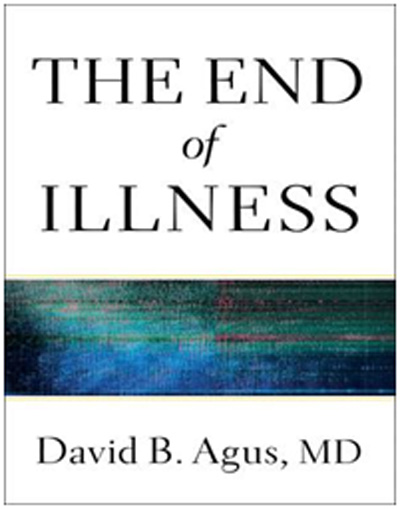
       5) THE END OF ILLNESS by Dr David B Agus, MD…..read about the effectiveness of         chemotherapy by this prominent oncologist.

6) THE ENZYME FACTOR by Dr Hiromi Shinya, MD….read why anti- cancer drugs do not  cure cancer

       7) FIGHTING CANCER WITH KNOWLEDGE AND HOPE by Dr Richard Frank, MD….read an oncologist’s explanation on why chemotherapy and targeted therapies may not  work.

       8) A WORLD WITHOUT CANCER by Dr Margaret L Cuomo,MD…..read her expose on Poisons: The Limits of Anti-Cancer Drugs.

Fighting Cancer With Knowledge & Hope

Reviewed by: Yeong Sek Yee & Khadijah Shaari

THE AUTHOR:Dr. Richard C. Frank, MD,an oncologist, is the Director of Cancer Research, Whittingham Cancer Center, Norwalk Hospital, Norwalk, CT, and Medical Director, Mid-Fairfield Hospice, Wilton, CT.USA

WHAT THE BOOK IS ABOUT:  As expected, the whole book is devoted mainly to describing the virtues of conventional treatment of the various types of cancers via surgery, radiation, chemotherapy, targeted therapies and hormone therapies. However in the chapter on How Cancer Grows and Cancer Treatments at Work”,Dr. Frank gives an explanation as to why chemotherapy may not work for you. We summarize the main points below:-

CANCER CAN GROW UNPREDICTABLY (pages 124-126)

a)      Although cancer appears to develop in an organized fashion when viewed from the outside, if we were to go inside a tumour with a little magnifying glass and monitor the movement of cells and the integrity of DNA; we would see a much more chaotic situation.

b)      As a cancer develops and grows, the DNA that guides it along is prone to change…. as a cancer grows, its genetic makeup becomes diversified, which leads to a diversity of cell types within it…. cancer is not a collection of identical cells.

c)       The tendency of a cancer to generate cells with different capabilities explains many of the dreadful aspects of cancer that patients find so hard to grapple with:

  • Why it can spread from one location to another,
  • Why it stops responding to a treatment that was working,
  • Why it can return when it was in remission

The reason is that every cancer, whether it arises in the lung, breast, prostate, bone marrow, or elsewhere, contains different populations of cells that have distinct properties.

d)      A cancerous tumour does not contain billions of identical clones. Cancer could never develop in this way because it must avoid the immune system’s attack on it, live in areas of low oxygen tension, and compete with the rest of the body for vital nutrients.

e)      Inside any tumour are cells that are living and cells that have died. There are cancer cells capable of reproducing many others, called cancer stem cells, and cells completely devoid of this capacity. Cancer’s diversity is generated early. By the time it is diagnosed, some cells may already be capable of metastasizing and others may be able to withstand a particular cancer treatment. This is the basis of cancer’s resistance to treatment i.e. chemotherapy (see section “Why Do Cancer Treatments Sometimes Fail?”).

f)       When new cancer cells are generated inside a tumour, some will be hearty enough to survive and others will not be. If some cells survive the treatment, then it is mainly because their DNA contains the necessary alterations that help them resist the chemotherapy drug; this population of cells will then expand, and the compositions of the cancer will again change. (page 126)

g)      …. when a cancer returns after being declared in complete remission, it is because a few cells were different enough to stay alive after a treatment killed nearly all the other cells; this difference could have been present from the start of treatment or it could have developed as a response to it. Whichever occurred, it is cancer’s ability to diversify and adapt its DNA that enables it to survive. (page 126)

WHY DO CANCER TREATMENTS SOMETIMES FAIL? (PAGES 188-190)

(a) Drug resistance or the growth of cancer in the face of ongoing or recently completed treatments represents the main barrier to cure for many cancers…. (page 188). In many instances, oncologists cannot specify why a person’s cancer develops treatment resistance…. treatment resistance is probably the most complicated area of oncology. (page 189).

(b) The root cause of a cancer relapse lies in the fact that cancer is not an accumulation of exactly the same cells but rather a mixture of cells with differing properties. Some may have sensitivity to certain drugs and be killed by them, whereas others are resistant to those drugs. The resistant population will survive treatment and in time be detected as a cancer relapse. (page 189)

(c) Drug resistance may be present in an untreated cancer or emerge in response to therapy…. the innate adaptability of cancer cells and how they can sometimes outwit an effective therapy by altering their DNA or other molecules. This property explains the acquisition of resistance during a cancer’s growth. (pages 189-190)

(d)   Chemotherapy may lose its effectiveness when cancer cells activate a protein that pumps the drugs out as soon as they enter the cells; targeted therapies may lose their ability to control their targets when those receptors and signalling proteins mutate and morph into different shapes; hormone therapies may stop controlling cancer growth when estrogen or androgen receptors undergo a shape change or get massively overproduced, overwhelming the drugs meant to neutralize them. (page 190)

(e)   Several types of cancer have been found to contain a very small population of cancer stem cells, which are believed to be responsible for continually replenishing the pool of cells in a tumour. It turns out that an additional property of these cancer stem cells is their natural resistance to chemotherapy and other cancer treatment.

(f)     Some chemotherapy drugs (as well as radiation therapy) may contribute to (or directly cause) the development of new cancers many years after treatment (page 174). And it has been known for decades that chemotherapy alone cannot eradicate the advanced stages of the most common cancers (page 175).

TARGETED THERAPIES: (PAGES 175-180)

The current hot trend is to offer targeted drugs like Erbitux (for colorectal, head and neck cancers), Rituxan (for lymphoma), Herceptin (for breast cancer), Tarceva(for lung cancer), Sutent (for kidney cancer) and etc. Once in the bloodstream, they act like heat-seeking missiles, locating cancer cells wherever they lurk and gripping onto them via one specific receptor target (among thousands of receptors) that projects from the outer surface of the cells. The result is that the receptors stop transmitting growth signals inside the cells (page 177).

(a) Are targeted therapies “magic bullets”?

According to Dr Frank …..” although targeted therapies were developed with the hope that they would be magic bullets that would neatly eradicate cancer through selective targeting of one critical molecule, in general they have fallen short of this lofty goal. No cancer is considered curable by treatment through a targeted therapy alone… (page 180) The reason for the muted success of targeted therapies is that most cancers are caused not by one genetic derangement but by several; no one target functions as an Achilles heel. “(page 180)

(b) Do targeted therapies cause side effects?

“Like any other drug taken for any purpose, unintended effects may occur with these medications. Generally speaking, targeted therapies are easier to tolerate – less hair-loss, smaller declines in blood counts, less nausea… still, substantial side effects may occur with some targeted therapies, and they tend to increase the toxicities of chemotherapy when used in combination.” (page 182)

Finally, angiogenesis inhibitors (like Avastin, Sutent, Nexavar, Thalomid) constrict blood vessels not only inside tumours but also in other parts of the body. As a result, they often cause some degree of high blood pressure and are associated with an increased risk for kidney damage, bleeding, stroke and coronary artery blockage. (page 183)

In conclusion, we quote two very relevant statements by Dr. Frank:-

i.      Efforts to blast away metastatic cancers with mega doses of chemotherapy have fallen short because they do not root it out but rather cause more harm than good: the cancer is still present and the patient is sicker than ever. (page 143)

ii.      Even though billions of dollars are invested in cancer research every year, most new drugs in the research pipeline will extend life rather than the silver bullets that pierce the heart of cancer. (page 145)

THE FOLLOWING ARE SOME WORDS OF ADVICE BY DR FRANK ON NUTRITIONLpages 102-110.

Although the whole book is about conventional cancer medicine, Dr Frank did make some notable comments/advice on diet and cancer (not the”eat anything you like” type). We summarise the main points as follows:-

a)      …the contribution of diet…to the development of cancer is so large that if behaviours could be changed, many cancers could be avoided altogether(and many oncologists will be without jobs).  Almost 30 years and a great deal of research later, the link between poor nutritional habits…and the development of cancer have been solidified…


b)      A large and ever-growing number of studies indicate…..cancers are highly influenced by one’s pattern for living: a diet high in red meat and animal fats and low in fruits and vegetables…contributes an unhealthy pattern for living that often leads to major illness.

c)       Diet can promote or inhibit the formation of cancer…through:-

(i)      The presence of carcinogens in food (which can be natural constituents or man-made additives);

(ii)     The generation of carcinogens by cooking…when foods are smoked, fried, or grilled, polycyclic hydrocarbons are produced;

(iii)    The increased exposure of the body to carcinogens by a diet low in fiber, which slows down bowel movement;

(iv)    ”over-nutrition” or excess body weight.

d)      Excess body fat promotes the development of cancer because it leads to two important changes in the body’s chemistryLpage 109)

(i)      The development of the insulin resistance syndrome or metabolic syndrome; and

(ii)     The increased production of estrogen.

e)      More fat, more estrogen, more breast cancer.  The ovaries are the main source of estrogen production in menstruating women.  When ovarian function ceases upon menopause, estrogen is still produced in the female body, although in lesser amounts.  In post-menopausal women, fat becomes the main estrogen factory, with higher body weights correlating with higher estrogen levels…and estrogen stimulates the growth of the breast and uterus. Just as the normal cells in these tissues multiply in response to estrogen, so do (most) cancers derived from them.(page 109)

f)       The connection between fat and breast cancer is in part caused by the fact that fat contains an enzyme called aromatase that increases estrogen production.  So even after menopause, when the ovaries have ceased producing estrogen, the hormone still gets made in the body.  That’s why a class of medicines called aromatase inhibitors (AIs)…. blocks aromatase from working and thereby drastically reduces the levels of estrogen in the bloodstream.  Examples of AIs are femara (Letrozole), anastrazole (Arimidex)(page 110)

Note: This book was published in april 2009. Isbn no: 978-0-300-1510-2

Professor Stoller’s Cancer Experience

Book Review: Stranger in the Village of the Sick


Professor Paul Stoller is an interesting man and he wrote a very interesting book.

Why is he an interesting man?

He wrote: As a child my parents immersed me in the culture of Judaism. I attended Hebrew school. As a young man, my graduate education assimilated me to the culture of anthropology. I learned how to write research proposals, conduct ethnographic research and “write up” the results. I have been a professional anthropologist for more than twenty-five years. When he was a young anthropologist Stoller went to Niger, Western Africa, to study the culture of the Songhay, the main ethnic group that form the Songhay Empire – one of the largest Islamic empires in history, sometime in early 15th to the late 16th century. The Songhay practises sorcery – the art of black magic or witchcraft and use supernatural power to heal or to control others.  Stroller was initiated into sorcery by Adamu Jenitongo.  Perhaps they are like bomohs or village shamans in this part of our world. Stoller wrote: In Niger, I learned to mix potions, read divinatory shells and recite incantations.

Why is his book interesting? 

Professor Stoller was diagnosed with lymphoma and has undergone chemotherapy. He came out “successful” after his treatment and he wrote vivid accounts about his cancer journey –  his fears, his pains, his worries and how he coped.

  • Stoller wrote: My own religious background, Judaism, gave me a set of abstract principles about the world in which I lived, but provided no concrete formulas for dealing with an unexpected and incurable disease. So Stoller had to rely on his sorcery knowledge that he learned in Africa to see him through his cancer experience. Being thrust into a new world that would change my life forever prompted me to think long and hard about my experience among the Songhay people of the Republic of Niger. In time of despair, over and over again, Stoller found comfort in the words and teachings of his long-gone Master, Adamu Jenitongo. At times, he heard Adamu whispering to him and telling him what to do.

There are many things in Stoller’s writing that cancer patients can learn from. The following (italic) are extracts from his book.

Diagnosis of Cancer

Professor Stoller was diagnosed with non-Hodgkin’s lymphoma in March 2001. He wrote:

  • In a flash, cancer had abruptly taken control of my life and forced me onto a dreadful new path that promised unspeakable pain and endless suffering. The terrifying prospect of a slow and unbearable death made me tremble. These frightening thoughts quickly transformed me into a powerless person.
  • I didn’t notice my surroundings. Like a zombie, I signed in, sat down and waited. I felt like a dead man walking to the gas chamber.
  • In that moment the world that I had known completely crumbled. My head, suddenly heavy and weary, sunk to my chest. I stared at the floor unable to move. Cancer, I said to myself. How could I have cancer? I had done all the right things: good diet, exercise, minimal stress. Would I be dead in six months?
  • Despite improvements in treatment and better rates of survival, a diagnosis of cancer is still perceived as a sentence to a slow and painful death.
  • Now I wondered if I would survive one year, two years, perhaps five. Ten years suddenly seemed like a life time. If only I could have another ten years.
  • My current circumstances had compelled me to spend quite a lot of time thinking about my life.
  • Cancer always makes you confront death. This unwelcome and unexpected confrontation quickly erodes the gender, ethnic and class differences that divide American society… social differences among university professors, construction workers, and secretaries quickly fade away. Cancer makes us involuntary kin in the village of the sick. 

Lessons from the Songhay

  • A fundamental lesson in Songhay sorcery is: One must make careful preparations and be thoroughly protected before undertaking a task – especially with respect to the physical and psychological disruptions that a serious illness can trigger. You expect to confront all sorts of trouble – betrayal , loss, and illness – along your path. Although you cannot expect to evade misfortune … you can try to be prepared for it.
  • Feeling confident about the outcomes of our choices gives us a sense of control over our lives – something that most Americans strive for. Most Songhay people see the world quite differently. They believe that they have little control over what happens to them … uncertainty, rather than certainty, governs their journey through life. Like many Americans, I have a difficult time dealing with ambiguous uncertainty. In our main stream culture, we prefer quick, clear, concrete answers to difficult problem. We’d like to believe that we are able to control our destiny. If we get sick, we expect a quick fix. How many of us are able or willing to jump into a fast-moving stream and let the current carry us to an uncertain destinations? Most of us would feel that we were being foolhardy if we did so.
  • No amount of denial, numbness, or work, though, could erase my awareness of the “undefined mass” growing in my abdomen. I longed to be more like the Songhay. Why couldn’t I let fate carry me away to some unknown destinations? Why couldn’t I live with ambiguous uncertainty?
  •  You have been told that you have cancer, an event that marks a point of misfortune. Events have compelled you to decide which path to follow into the village of the sick. You also know that you alone will bear the consequences of that decision. When I found myself standing on this point of misfortune… I desperately wanted someone – anyone – to tell me what to do. As Adamu Jenitongo would say, they must find their own way. They must choose which path to take and bear the consequences. Cancer patients must make the same fateful choice. That is the reality that the newly diagnosed cancer patient faces; it is a hard reality to bear.
  • Most Americans don’t like to think too much about death. Many of us can’t even accept inevitable changes to our aging bodies, a sign that life is finite, let alone the specter of death. In the world of sorcery, however, illness is ever present in life. In that world, illness is a gateway to learning more about life. As for death, it is your continuous companion.

Chemotherapy Experience

  • I spent hours reading about the side effects of chemotherapy, information that filled me with fear and anxiety. I geared myself up for body-wrenching nausea, bone-weary fatigue, and hair loss. I bought an electric razor to avoid excessive bleeding from a shaving cut – and a soft toothbrush to guard against painful mouth sores. I also read the literature about Rituxan – it, too, could cause serious problems – fever, chills and heart irregularities – especially the first time it was administered.
  • The best strategy, which I followed one day prior to my initial treatment session, was to get a buzz cut to reduce the psychological shock of being suddenly bald.
  • Cancer patients were also advised to use mild shampoos, soft hairbrushes, and low heat setting on hair dryers.
  • Mouth sores, tender gums and sore throat, usually occurred seven to fourteen days after the beginning of treatment. Each person reacts differently. Side effects also depend upon the drug combinations you get.
  • I had appreciated the phone calls and cards I had received from family members after the diagnosis. Their expressions of concern made me feel better.
  • As I prepared to go to bed … I realized yet again that cancer patients – me, in this instance – must live alone with a disease that their own bodies had produced.
  • I had to learn to live with cancer, but somehow not allow it to take over my life.
  • As the chemotherapy agents destroyed healthy as well as malignant cells … my body would throb, especially in the neck, shoulders and back. In time, my throat would burn. I might get sores on my tongues, cheeks and lips. Periodic fevers would make me sweat. Rashes might spread over my body. And just as my body had cleansed itself of the poisons that precipitated this misery, I’d once again have to drag myself to the Cancer Centre … I’d be hooked up for another treatment and another three-week cycle of side effects.
  • I now knew that my life would never return to “normal.” Cancer and chemotherapy treatments would leave their mark on me. “You can stop the chemotherapy anytime you want,” one of my friends asserted after hearing vivid descriptions of the side effects. “Yes,” I said, “but what’s the alternatives?”
  • In treatment the world slows down. You must sit for hours as the chemotherapy drugs drip into your bloodstream. The drugs make your body ache. They make you tired. You have to pace yourself. They force you to be patient. Patience is the password in the village of the sick. Cancer patients have no choice. They have to confront their weariness and make the necessary accommodations. It is a humbling exercise.
  • As I went through the last phase of chemotherapy, though, the going got tough – more bad than good days. I developed periodic sore throat. A line of painful mouth sores developed on the blade of my tongue, making it difficult to swallow. My bones throbbed, and I developed such pulsing pain in my right knees. Pain and restlessness made a good night’s sleep a gift to be savored. Numbness became more and more noticeable in my feet and hands. Hand and foot cramps froze my joints in painful positions.  …chemotherapy’s side effects were cumulative.
  • No formula can wash away the pain and suffering that comes with the diagnosis and treatment of cancer.

Lessons from the Songhay

  • I somehow managed to make it through the last six weeks of treatment…. In my dreams, I’d see myself seated next to my teacher in the shade of his conical straw hut. The world is patience, he’d say. The world is patience. Never before had I realised the importance of this adage.
  • Although my own middle-class suburban American upbringing had paved the way for my professional life, it had not prepared me for the pain and suffering of cancer. Instead, the wisdom of Songhay sorcery helped me to deal with the devastation that cancer brings to life. It calmed me in stressful situations. It enabled me to be patient in circumstances that provoked impatience. It gave me strength and determination in times of physical and emotional stress. And, as odd as it may seem, it showed me how to incorporate cancer into my life so that I could use it to grow both physically and emotionally.

Success – Remission!

CAT and PET scan results showed Professor Stoller was lymphoma-free. He was in complete remission.

  • How many years of good health, exactly? How long could I expect to remain in remission? You could be in remission for two years, five years. In some cases, people remain in remission for ten years. In other cases, the lymphoma comes back in six months. (Note: from the Internet, I learned that Professor Stoller is still healthy. His success is most outstanding. It has been 11 years now).
  • At the end of treatment, the side effects of chemotherapy drugs slowly fade away. The aches and pains dissipate. The mouth sores disappear. Your throat clears. The fevers fade away. Your appetite returns. Energy surges through your body. Even though you feel “normal,” you still think about cancer every day – if only a little  while.
  • When cancer patients enter the zone of remission … you are in a space between the comfortable assumptions of your old life and the uncomfortable uncertainties of your new life. You have long left the village of the healthy … Once you enter the village of the sick, you can never fully return to the village of the healthy.
  • Restoration of health does not make you a conqueror.

Lessons from the Songhay

  • If a Songhay develops a serious illness like cancer, he or she is likely to build respect for it. Respect for cancer – or any illness – does not mean that you meekly submit to the ravages of disease.  Following the ideas of sages like Adamu Jenitongo, illness is accepted as an ongoing part of life. When illness appears, it presents one with limitations, but if it is possible to accept the limitations and work within their parameters, one can create a degree of comforts in uncomfortable circumstances.
  • Remission can also be like a prison from which the cancer patient cannot escape. Confronting remission’s impermanence is not easy. There are junctures during remission that remind you what a delicate state it can be.  Once in remission, waiting for the results of regularly schedules CAT scan can become exceedingly stressful and can plunge you into depression. If the results come back normal, remission continues. If the scans indicate the return of malignant cells, you may need an additional, more powerful toxic treatment. You may even need palliative care to ease the journey toward your ultimate demise – a destination we all share.
  • My experiences in the world of Songhay sorcery have helped me to cope with the diagnosis of and treatment of lymphoma. What’s more, Adamu Jenitongo’s soft voice comes to me regularly in dreams. He reminds me to accept my limitations and remove resentment from my mind. He tells me to be patient in a world of impatience. He encourages me to be humble and refine my knowledge so that others might learn from it. 

Balance and Harmony

  • In Songhay philosophy, internal and external harmony enables a person to see life more clearly.
  • When you learn you have cancer, the world spins out of control. You are thrown into a world of medical procedures and inconclusive diagnoses. What’s more, you have to interact with technicians and medical professionals, many of whom can be insensitive.
  • You find yourself in the vortex of a whirlwind. No matter what kind of support you have from friends, family and professionals –  ultimately  you … must face your fate alone. No matter the degree of support that they gave, cancer patients must confront their illness alone.
  • Optimism, which can be learned, enables people to live longer, healthier, and happier lives, as compared with the experience of pessimistic people. Pessimism can lead to a sense of helplessness and trigger depression. Helplessness and depression, in turn, weaken the immune system, priming the body for serious illnesses and even premature death.
  • Being optimistic should not blind us from reality. You can be pessimistic, but not in a way that clouds your vision completely. Above all, you should attempt to be prepared to confront whatever life presents – pragmatic optimism laced with a practical pessimism.
  • I attempted to see things – including myself – more clearly. I attempted to prepare myself for what had appeared on my path. I read widely about my illness and possible treatments for it. To keep myself going, I tried to eat well and get plenty of sleep. I continued to write and do my work. I tried to enjoy my life. Although these measures did not wash away my worries about pain and death, they did sustain me through eight months of chemotherapy. They sustain me now that I’m in remission. And yet I realize that in the future I will face trouble for which I must be prepared. If the medical literature is accurate, it is only a matter of time until lymphoma cells reappear in my body. When that happens I will have to undergo more diagnostic test and more treatments. Despite the “darkness” of my future, I hope that my tempered optimism will enable me to enjoy the pleasures of good health for as long as I can.
  • Among the Songhay, clear vision also embodies a sense of humility. Arrogance, I have learned, can do a person great harm. The medical stance toward illness is militaristic. Illness is an invading force, a foreigner attempting to colonize the body. That alien force must first be subdued and then eliminated. Medical science has developed an impressive array of technological weapons to kill invading cells … which leads to the belief that we have the capacity to eradicate illnesses like cancer. In Balinese and Songhay society, by contrast, people have a more humble take on illness …. To respect the power of illness, which means that they attempt to incorporate it into their lives. If illness is incorporated into one’s life, people can use it to become stronger in body and wiser in spirit.
  • Cancer propels you down a difficult path on which it is important to be humble. If you are arrogant about life and believe that you can master illness, a disease, like cancer, can force you into a needlessly desperate corner.
  • The world of cancer is particularly fraught with war metaphors. We are fighting the war on cancer. Cancer cells attack and overwhelm healthy cells. Oncologists then send a sortie of chemotherapy agents on search-and-destroy missions. These agents destroy the enemy, but also kill healthy bystanders – collateral damage. These missions often result in heavy casualties. Although the technological marvels of modern medicine may make you the survivor of many battles, can you ever win the war? Adamu Jenitongo told me that one needs to respect illness as a part of life. If you respect illness, you can use it to develop your being.
  • Illness is a part of life; it lies within us and waits for the right moment to appear. The ideal for Songhay is to learn to respect the unalterable presence of illness and live with it. If you learn to live with illness, your being becomes stronger and stronger. The idea of living with an illness runs counter to major themes in American culture. No one wants to live with an illness. If we contract an illness, we want to conquer it.

Lessons from the Songhay

  • My teacher always said that there are many paths to well-being. I now understand more fully what that meant.
  • Confronting cancer is a frightening lonely proposition. How do you deal with your isolation? Songhay sorcerers have one suggestion; they say that you should diligently perform personal rituals. Each of us has his or her personal rituals. Doing certain things when we wake up or go to sleep may help to set the world straight and bring us a sense of calm. Where we are able to perform these personal rituals, they give us a good feeling … we can generate and maintain a measure of control over our lives. Engaging in personal rituals, of course, cannot guarantee a successful course of chemotherapy, but it can assure, I think, a certain sense of personal control, which goes a long way toward maintaining quality of life. Any cancer patient can engage in this kind of ritual …  you might recite a certain prayer or poem … that gives you comfort. You might wear clothing that makes you feel confident. You might bring music that sends you on a soothing dreamlike journey … They can bring you peace, so that you can be ready for what life presents on your path.

Finding Meaning in Your Cancer

  • Having been diagnosed with and treated for lymphoma forced me to reflect deeply about the meaning of my life. It is unthinkable to be grateful for a diagnosis of cancer. No one desires the pain and suffering that come with a serious illness. But once you’ve got it… why not incorporate it, as the Songhay would say, to bring to your being a deeper understanding of life’s forces and meanings? Cancer can be used, and my example is one of many thousands, to grow and change. 
  • Cancer compelled me to see myself – my being – more clearly.
  • As odd as it may seem, the unanticipated and devastating presence of cancer in my body opened a pathway to personal growth and development. It deepened my spiritual beliefs, refocused my professional visions and forced me to understand more realistically the symbiotic relationship between illness and health. In time, my experience of cancer toughened my body and strengthened my resolve.

What I Learned from Professor Stoller

I benefited a lot from Stoller’s writing. He showed me in words what it means to live with fear, in anxiety,  and what it was like to suffer pains associated with a diagnosis, treatment of cancer and even after the doctor had said you are cancer-free (really, cancer-free?).

For sixteen years, I saw how patients suffer from their cancer but I have not read any book that describes in detail their cancer experiences.  What Stoller wrote impacted me very much. It helped me to understand more about my patients’ sufferings – mentally, emotionally and physically.  As healers or caregivers, we experience cancer as a by stander – just from the outside, and we are not really involved. We assumed that we understand the patients’ sufferings – generally we don’t. We only learn about their problems through our “textbooks.” We don’t feel how they feel although we think that we know and care. The truth is – we are not supposed to be involved. The medical term for this attitude is detached concern.

These words that  Stoller wrote had made an impact on me: When I found myself standing on this point of misfortune… I desperately wanted someone – anyone – to tell me what to do. As Adamu Jenitongo would say, they must find their own way. They must choose which path to take and bear the consequences. Cancer patients must make the same fateful choice. That is the reality that the newly diagnosed cancer patient faces; it is a hard reality to bear. 

Here it was, an educated man – a professor of an American university, wanted someone – anyone – to tell him what to do.  He lived in America and had access to the best of medical facilities, why did he need someone – anyone – to advise him? It just shows how vulnerable we all are. I recall one patient who had cervical cancer. She did not know what to do after her diagnosis. Through the phone we talked to each other every day – and I was guiding her all the way. Even before going into the operation theatre, I had to talk to her to encourage her to take things easy. After the operation she called to say thank you and said that she benefited very much because I was there “by her side” all the way. Well, I took what she said as the usual compliment. After all, I thought, it is my job to help people. Let me put it right – this job is provided without any fee! But I still call it my job – perhaps social responsibility is more appropriate? However, after reading what Stoller wrote this responsibility acquired a deeper meaning. I felt more empathy for those who come to seek my help (which previously I called shopping spree) – for they are really lost and need someone – anyone, to guide them. I wonder, like Stoller – why don’t they go to the hospitals and consult the “real” professionals?

From this, it dawned on me that the role of CA Care has evolved to yet another level. Two days ago, two patients flew in from Makassar, Indonesia. They came to ask what to do. By right, they should have gone to see doctors in the hospitals, why come to CA Care? Their problem is they don’t even know where to go and what doctor to see! This time, I felt more empathy for them. I now realize that they are desperate and lost.  I have to be patient. They needed someone to guide them – like Stoller too. And these patients are far less educated than Stoller and they come from a much less developed place than America!

Last night, while I was writing this article, a lady with breast cancer called. She had undergone a mastectomy and wanted to know what to do next – to go for chemo or not to go. I told her not to panic or be in a rush to do things. Take it easy and ask her to come and see me with all the medical reports.  She replied: No, I am not afraid. I don’t panic either. I am glad that I have you to guide me from the very beginning. I am okay. Her words brought a different meaning to me – after reading Stoller’s book.

Professor Stoller benefited from the wisdom of his Master, Adamu Jenitongo. How could this be – a professor from America learning from an African bushman?  Listen to the wise words of Adamu: We all live on borrowed time. We should make the most of our borrowed time. To accomplish this feat, we need to pick our battles very carefully and exert our force when it is important to do so. A true sorcerer must not waste energy on needless battles.  You must avoid conflict as often as possible. When you do fight a battle, make sure it is an important one. Knowing when to fight is the mark of courage; it prepares you for battles worthy of your power.  Winning is not the goal of everyday confrontations. Cancer patients, old and young, male and female, have often learned to live with their illness and accept the difficult fact that death is part of life. Those lessons have enabled them to maintain their dignity and improve the quality of their lives. For me, that is the mark of courage.

I urged you to reflect deeply those words in bold. I for sure also benefited from this great, wise, 100-year-plus-old man, who came from the bushes of Africa.

Some Quotations

  • Given the realities of the American medical system, patients are often treated with insensitivity … “patients” must be “patient” for they have few rights and limited importance. Arthur Frank (The Wounded Storyteller) suggests that patients are subjects who are colonized by medicine.
  • Truth, I learn, is an unstable condition. To paraphrase William James, truth is like a check. It’s good only as long as there is money in the bank.
  • Skepticism has been central to the Western pursuit of knowledge. They tend to be skeptical of alternative medicine or nonscientific approaches to healing the body. It makes them cautious about diagnosis, a practice … that is laced with uncertainty and doubt. From within the village of the healthy, skepticism makes good sense; it has advanced our knowledge of and control over the world by leaps and bounds.  From within the village of the sick, in which death is our constant companions, skepticism fades away … you begin to wonder if skepticism is good for your body.
  • You look, but you don’t see. You listen, but you don’t hear. You touch, but you don’t feel – it takes a lifetime to learn how to “see,” “hear,” and “feel” the world.
  • You must earn knowledge. To earn it, misfortune must test your courage. Knowledge is greater than we are. You have to learn it slowly. You have to respect its power.
  • The Songhay realise that knowledge they acquired is borrowed and that their responsibility is to refine what they have learned and pass it on to the next generation. 

Book Review: A New Strategy for the War On Cancer


by Terry Thompson. His wife died of breast cancer, his eldest brother died of lung cancer and another brother died of a rare cancer that attacked his heart. Thompson is a retired colonel in the US Air Force. He was also a staff pastor of a large church. Later he became the GM of a nationally syndicated outdoor sports TV program. He is professor of John Brown University, a private, Christian liberal arts college in Arkansas, USA.

Why Write This Book

…at the time she (Connie, wife) was first diagnosed with breast cancer … We assumed that the narrow application of conventional treatment prescribed by our oncologist was the only option. In fact, this assumption drove our approach to her treatment for almost three years. Until just prior to her death, we continued to believe that conventional medicine alone was the only choice we had. There was never any advice offered concerning CAM (Complementary and Alternative Medicine). We were not advised about diet, immune system enhancement, supplemental vitamins and herbs, … etc. We had been prescribed the traditional standard treatment of surgery, radiation, and chemotherapy, and we never considered that there could be other therapy options or complements.

Cancer will touch your life – hopefully indirectly, but likely directly. The knowledge you gain about it, and what you choose to do with that knowledge, will make a huge difference in your response to the disease. It will make a difference in your personal life and in the lives of your closest loved ones. Your knowledge and actions can save or enhance the lives of present and future generations.

Statistics

  • According to the World Health Organization, about 12.3 million people worldwide will develop cancer this year. Of those, 7.6 million will die from the disease – more than 20,000 each day.
  • In the US, over 1,500 cancer victims die each day from the disease. That is over 560,000 cancer deaths per year.
  • In America 140,000 people die each year from FDA approved drugs.
  • It takes an average of about 12 years and costs over $800 million to process one drug through America’s new medicines approval system.
  • Over 18 million people have died of cancer since 1971 (when the war on cancer was declared by US President Nixon). That is 16 times more cancer deaths than the number of deaths from all of our nation’s wars combined.

Reality of the War on Cancer Today

We are in a war that has been waged for nearly a half century at immeasurable cost … and lives with seemingly little hope for victory. A battle is won here, and some ground is gained there, but, by-and-large, we’re mired down in a war that has been going on since before most of us were born …we are in a seemingly endless marathon, and the enemy is winning.

The plan depends on a trilogy of conventional medicine: chemotherapy, radiation, and surgery… my position is that the traditional strategy to defeat cancer … is powerless. It is ineffective. Conventional oncologists must stop limiting their methodologies repertoire to those of the last century… we absolutely must – find a more promising way to wage this war… We cannot just keep fighting a losing battle… It is time to deploy the unconventional forces.

The unbearable pain and morbid bodily disfigurement made the treatment much worse than the disease in many cases.

Aggressive Medical Treatment

Philosophy of the United States’ medical culture: aggressive, “if in doubt, do a lot.” But aggressiveness is not always a good thing, especially in conventional cancer treatment … European doctors will almost always opt for a gentler approach.  The differences are because of their national culture, history and medical training. American medicine is aggressive partly because doctors are trained to be aggressive but also because many patients equate aggressive with better.

Most medical practices are reflections of culture – culture of the physicians and culture of the patients.

The Public Spin

…There is a need to put the best face on a war … the leadership hierarchy purposely avoids  stating the obvious, choosing instead to focus on the incremental advances that are taking place.  The major institutions and organization of the medical community regularly make celebrative announcements about new positive cancer findings and statistics.

…the fact that a few more people are surviving cancer has little to do with treatment breakthroughs and everything to do with earlier diagnosis and a healthier lifestyle… exercise, better nutrition, and ending bad habits prevent the occurrence of cancer.

Root of the Problem – Resistance to Change

A quagmire is ground that is mushy causing anyone attempting to pass over it to sink into it. It renders the person almost unable to move if not completely stuck. I believe the quagmire … applies to the war on cancer. What seemed promising decades ago has not materialised as the ultimate solution, yet the medical community continues, to pursue the course with limited results.

We are in a quagmire in the war against cancer. We are slipping, spinning around, and bogging down. Yet, many call it progress …It is time for a strategy change.

To rescue ourselves from a quagmire, we must understand what got us to that point, then try to determine why we’re still there.

Conventional thinking in medical world seems to be extremely difficult to change, regardless of the evidence. The syndrome tends to prevail that, if we have been doing it this way for years, it can’t be wrong. The status quo is usually the easiest course, but seldom the best.

Genuine progress in medicine, particularly cancer treatment, is being restrained by old thinking about new strategies. The established practitioners generally stand in staunch defenses of their methodologies.

We have to conclude that the lack of progress in cancer treatment is not a capability issue, not a motivational issue, not a science issue, and not a resources issue. Then what is it? In a word: it is politics. It is quite a paradox that a nation founded on the values of life, liberty, and the pursuit of happiness finds little of the three reflected in its approach to health care. Regarding liberty, it controls its doctors’ practices and prescriptions, by legislation, policy, or culture more restrictively than most other places in the world. Regarding the pursuit of happiness, its citizens have less control over their treatment choices than almost anyone anywhere else.

I can’t point a finger at any individual, or any group of individuals and say that is why we are not making headway against cancer. The problem is much larger than that. It is an institutional culture that has been building for many decades… products of an environment that has standards and strategies established by the most powerful secular influences on earth. The institutions of medicine, pharmaceuticals, and government form a train that is seemingly unstoppable… This express train that moves the largest industry in America has reached cruise speed, everyone on it – practitioners and patients alike – are just going along for the ride.

A major political paradigm shift is critical to winning the cancer war. Congress, the FDA (Food and Drug Administratioin), the AMA (American Medical Association), the NIH / NCI (National Institute of Health/National Cancer Institute), the ACS (American Cancer Society) as well as prominent cancer centers and medical schools must accept natural , non-pharmacological cancer treatment options. They must be convinced that these options are a necessary and integral part of the overall war strategy. They need to take a hard, honest look at the lack of progress in our ability to overcome the disease over the past several decades. Such a shift would begin with the medical establishment acknowledging the slow progress of the last half-century and that headway could be gained by looking beyond the traditional, conventional treatment options.

Hope for Success

Real hope must lie in more than the limited successes that conventional treatment has produced. Real hope will come with substantially more resources directed toward Complementary and Alternative Medicine (CAM) research, and that isn’t happening. My best estimate is that CAM cancer research receives only about 1% of all cancer research grants … our nation allocate about 99% to conventional (medicine).

It is time for the established medical community to look outside the conventional medicine box to explore the vast realm of integrative possibilities… Nutrition for cancer patients is criitical. Yet, nutrition seldom receives high priority in conventional cancer treatment. Many oncologists remain skeptical about the efficacy of a particular diet in relation to treatment. Unfortunately, too frequently, conventional medical advice suggests that patients eat whatever they want. Acting on this advice can actually feed the patient’s cancer, promote their malnutrition, and contribute to the patient’s inability to tolerate treatment.

How Much Evidence Is Enough?

Shouldn’t acceptable evidence include both modern scientific research AND the experience of hundreds of years of practice? I submit that anecdotal or testimonial, justification for the use of a product or procedure should be a consideration. Granted, anecdotal data alone should not be the sole basis for agency approval, but it should be a major factor.

If enough people get the same results from a particular practice, it works! The evidence is not in the means; it is in the end – the person.

Obviously, no provider or patient wants to use medicine without evidence of efficacy. The question is what is acceptable evidence? The mantra of conventional medicine is “evidence-base practice.”  However, the new cancer strategy should also consider “practice-base evidence.” There are many practices that have been effective for thousands of years but are not practised today simply because medical science has “insufficient evidence” of their validity… Sometimes, perfect medicine can be the enemy of good medicine.

Healing of Cancer is About You As A Person

The author of this book, Tami Boehmer is a Stage 4 breast cancer patient. She wrote: I fought off depression and was haunted by the sinking feeling I was going to die. I felt useless and empty. I was searching for meaning in life. On one of my daily morning walks, an idea popped into my mind. “Why not write a book about other advanced stage cancer patients and how they beat the odds?” I thought it would not only be therapeutic for me, but it could help others. I knew from experience that people needed to hear success stories and the importance of hope in fighting cancer.

These miracle survivors taught me cancer doesn’t have to be a death sentence. From them, I learned cancer was the beginning of a new way of life filled with appreciation, hope and discovering my potential.

Common attributes of “miracle survivors”

My biggest question was: What sets people apart who beat the odds of a terminal or incurable prognosis? As I was putting the stories together, I noticed many similarities among survivors. Rather than passively accepting their circumstances; they decided to transform them by:

  • Refusing to buy into statistics and the death sentences.
  • Never giving up, no matter what.
  • Relying on support from family, loved ones or support groups.
  • Choosing to look on the bright side and see the gifts that cancer brings.
  • Giving back and making a difference in other people’s lives.
  • Having a strong faith in God or something larger than themselves.
  • Being proactive participants in their health care.
  • Viewing their lives as transformed by their experience.

There are 27 chapters written by 27 outstanding cancer survivors. Let me quote what some of these champions said.

Greg Barnhill, 56 years old, intraocular melanoma and mesothelioma

I’ve had two rare diseases. Now to be alive and well – it’s a miracle. From the fall of 2001 to December 2006, I’ve had seven surgeries. I have no gallbladder, spleen, omentum, or left eye, but thanks to the man upstairs taking good care of me, I’m here. I believe it’s for a reason. My faith had a lot to do with my survival.

I’ve read we all have gifts and we should use them. Mine is compassion, and until now, I didn’t realize I had it. If this building burned down, I could tell you what you’d need to rebuild it. That’s not a gift, it’s skill. Compassion is a gift. I know what it’s like to lie there wondering if you’re going to live or die. Some of the patients I see don’t get any visitors because they’re from out of town. I can be there and let them know someone cares and understands.

Deb Violet, 55 years old, stage 3A lung cancer

I feel there was a reason I had lung cancer. Why did I get it, and why did I survive? I think it was so I could give back to society, help people with this disease, speak up and give them encouragement that they, too, can survive.

I wake up in the morning and thank God for the day because every day is a blessing. And when I crawl in bed at night, I thank God for the day, no matter how good or bad it was. Cancer has blessed me to be able to do that.

If I have inspired others and given them hope, I know my work is well worth it.

Cathy Winebrenner Wolfe, 38 years old, ovarian cancer

This experience has changed forever who I am as a person. It makes the little things seem nonexistent. I know what the big obstacles can be; I’ve already climbed that mountain. I am thankful for each and every day.

Bob Kiesendahl, 39 years old, chronic mylogeneous leukemia (CML)

It wasn’t a matter of IF I was going to survive, it was WHEN I survived. And I knew when this was all over; I wanted to do something to help others affected by cancer.

By sharing my story, I can say, “Cancer rearranges your priorities in life and puts things in perspective. I tell them how my cancer has never left me. It may have left my body, but it is always in the back of my head. I have chosen to embrace how the experience has changed me for the better, not what it has taken from me.

Brenda Michaels, 60 years old, cervical and breast cancer

I began to look at the emotional and spiritual components of disease. It opened my eyes, and I had a profound awakening as a result … and I wanted to share that with others. I never prayed, “God help me with this.” I always prayed from the position that, “Okay God, this is what’s happening. I am asking for guidance, and I’m open to receive.”

I started feeling grateful for all the good in my life, including my cancer. In that moment, cancer was the right thing for me to be experiencing because it was part of my waking-up process.

I was always trying to control everything. It’s incredibly fatiguing to try to control everything in life when in actuality there’s no control. I realised that while I couldn’t control events in my life, I COULD control my response to them. I could learn from it. I used to always have to be right as opposed to letting my spirit guide the ship. I’m not about being right anymore.

People think if you surrender to cancer, it will kill you. But that’s not true.

Paul Falk, 32 years old, acute myeloid leukemia

They gave us the choice of standard treatment protocol or an experimental one called the Denver Protocol. We chose the latter.

To kill the cancer, you have to prune the tree severely without killing it.

Lisa (mother): But when he was going through that, I started praying the rosary. I dozed off and woke up at 2 a.m. There was a beautiful lady dressed in white and she was sponging Paul’s head … and murmuring to him softly. The next morning … we knew that he (Paul) was going to be all right. We didn’t discuss it for a year because I thought I was nut. The woman in white obviously wasn’t a nurse. I have a friend who prays to Mary … (My friend) said, “… Mary has been here.”

We asked the doctor what happened to the other kids in the Denver Protocol. She told us ninety-seven had died, two were close to death, and one made it – that was me.

I believe I survived because I fought the disease and stayed positive. I understand now that even in grief and sorrow, God works through all our experiences.

Ann Fonfa, 61 years old, Stage 4 breast cancer

One of the things I like least about the medical establishment is when a doctor says, “You have two months to live.” They can’t know absolutely, so don’t believe it. Don’t accept it. Spit on it! Stomp on it! They’re wrong.

People used to call me and say, “I’m dying from cancer.” I’d say, “Wait, let’s have an attitude adjustment. You’re LIVING with cancer. Get that dying stuff out of your mind.

It is all how you look at it, not what is happening.

The big thing for me is to be able to help people in a meaningful way. I have that joy in my life ever day. Making a difference in people’s lives; that’s what keeps me going. It’s an incredible feeling.

Evan Mattingly, 43 years old, Stage 4 neuroendocrine cancer

One oncologist said I had three to five years to live; another said five to eight. I thought, “They’re both liars; I’m going to live longer than that!”

Steve Scott, 48 years old, Stage 4 colon cancer

You can talk to friends or relatives all you want, but they aren’t in the same orbit. You need to talk with others who are going through it. I saw other people going through this, and found there was something I could learn from each one of them.

We need to make a difference in the world. We understand now material things aren’t what we need in life. Connections to other people, empathy, and helping others are what’s important.

My advice to people who are going through a similar diagnosis is to never let a doctor take your hope away.

Jonny Imerman, 34 years old, Stage 4 testicular cancer

Cancer has taught me to live one day at a time. If you wake up happy and go to bed happy knowing you’re helping people, you can be grateful for that.

There is no question in my mind I had cancer because I was supposed to figure out a way to make the system better. I think people go through certain things because there’s a larger purpose. They see a gap and get passionate about filling it. I’m one of those guys. That’s what gets us stoked and motivated: knowing we’re making a difference.

Dave Massey, 51 years old, Stage 4 germ cell cancer

When my cancer was first discovered, my fate seemed sealed. The doctor told me if I wanted to live even six months, both my legs would need to be amputated at the hip … The doctor didn’t even determine what type of cancer I had. His motto appeared to be, “When in doubt, cut it out.”

Thankfully, I found another doctor who disagreed. I was successfully treated with legs intact.

The doctors told me they could save my legs, but the chemo would be very harsh. At times it felt as though they would figure out how much chemo would kill me, dump a little bit out, and give me the rest. In fact, the chemo almost killed me twice.

Once you’ve had cancer, everything else seems easy. It’s amazing how when you change the way you look at the world, the world changes. You just have to have faith it’s going to work out, and it always does. 

Charlie Capodanno, 10 years old, Stage 4 chroid plexus carcinoma (CPC)

Mother (Deirdre Carey): We believed in miracles and the power of prayer and held on to that one glimmer of hope. If his chances were one in a million, our thought was, there’s no reason he can’t be the one. We had our faith, which absolutely carried us through.

Attitude is the driving force of every action you take. You can live in a world of doom and gloom or you can rise above it.

Daniel Levy, 50 years old, oligodendroglioma

From my experience and from talking with other cancer survivors, I realize you must accept that you may die before you can do what’s necessary to go on living. Otherwise, you may freeze and not do everything you can to beat this or any other “terminal” illness.

The mind has a tremendous capacity to heal. I believe the act of participating in getting well helps make that happen.  I discovered I have to be my own primary care physician. You go to the doctors for their expertise, but they are fallible. I knew I need to make the final decision about what happens to me. I took charge of my own health and my treatment. That’s why I’m here today.

Mary Jocobson, 55 years old, adenocarcinoma

Actually, you have a 5 percent chance of surviving. When we cut you open, it’s going to spread. You already have about forty tumours all over the area. If we don’t do the surgery now, you’re not going to make it.

I didn’t die on the table, but I didn’t wake up from the surgery either. I was in a coma for two years. Doctors and nurses at San Diego Balboa Hospital kept me alive with feeding tubes, while treating the cancer with chemo, full-body radiation and hormones.

While doctors were studying my case, they found fifty other women with my type of cancer. But most women had died because they didn’t know how to treat it.

With all the hormones they gave me, I had gained a whopping 152 pounds. I was 160 pounds when I was admitted and left weighting 302. (My daughter told me) “Mom, the cancer didn’t kill you, but the weight will.”

… I went to the gym…within six months I slimmed down to 180 pounds … by the end of it … my body weight was down to 165 pounds.

Over the years, I made a name for myself. People thought it was a joke … I became the first woman to pull a 250-ton (500,000 pounds) train.  Today I hold the title as the world’s Strongest Woman in my age group.

It’s not a matter of how strong I am. I’m a normal, everyday woman. We’re all strong if we put our minds to it.

Buzz Sheffield, 59 year old, Stage 4 carcinoid cancer

I don’t wake up and fear dying; I don’t even think of dying. We’re all going to die. I know with Spirit guiding me, I’m strong enough to survive anything. If there’s a will, God always has the way. That’s what motivates me to keep going. Even when I’m in pain, I know it’s serving a purpose – usually it’s a reminder to slow down because I’m a very active person.

How long I’m here, it’s up to Spirit. I think there is one reason why I’m doing so well: God does not want me yet.

Denny Seewer, 60 years old, Ewing’s sarcoma

I began to vomit just driving to the office for the next chemo. The smell of the place made me nauseous. Everyone in the waiting room looked like I did – emaciated.

There were times when I felt totally alone. Even my wife could not truly understand how I felt since I was the one with cancer. I didn’t understand why it happened to ME. Most days I doubted that I would ever survive.

I remember a turning point … but it was not a pleasant one. I felt so utterly ill from treatments, I didn’t know if I wanted to live any longer. I was sitting on the toilet and vomiting into a bucket at the same time when I specifically asked God to either heal me or take me home. I had enough.

My advice to anyone facing a grim cancer diagnosis is to please never give up. God didn’t create you to go through this life and its unexpected turns all alone.

A word from Bernie Siegel, M.D.

Self-induced healing is not an accident or a spontaneous lucky occurrence. It takes work, and the work is learning to love ourselves, our lives, and our bodies. When we do that, our bodies do the best they can to keep us alive. Remember life is uncertain, so do what makes you happy and eat dessert first.

Foreword by Doug Ulman, survivor of chondrosarcoma  – President and CEO of Lance Armstrong Foundation

If all you do is share your story, you are doing a great deal. It is such a powerful testimony … its significance can’t be measured. Sharing your experience is almost always therapeutic for you, and the benefits to others are far-ranging … Knowing others have been down the same road is very powerful. People want to be inspired and hopeful.

Comments

These are stories of exceptional people. We honour them. Science cannot explain why they survived their terminal cancer. Neither can science hope to duplicate or replicate these successes. Theirs are stories about the resilience and endurance of the human spirit. Success is more than just undergoing surgery, chemo or radiation.

What strikes me most about these survivors is their desire and willingness to share – to give rather than to take all the time. This is indeed a rare human quality.

How many of us appreciate that at times it is more blessed to give than to receive?

At CA Care we receive many phone calls and emails every day. It is all people asking for help all the time.  We choose to set up CA Care to help others, so we have no complaints. We understand our role – most of the time being a doormat.

Let me share with some of my thinking about what cancer is all about.

Book Review: Beyond the Magic Bullet – the Anti-cancer Cocktail


This is book is written by Dr. Raymond Chang, M.D. Dr. Chang received his medical degree from Brown University. After completing his post-doctoral work, he joined the staff of Memorial-Slone Kettering Cancer Centre. Dr. Chang also served on the faculty of Weill Cornell Medical College. In addition, Dr. Chang found the Institute of East-West Medicine, an organization focused on integrating Eastern and Western healing systems.

  • Over the last several decades, billions of dollars have been poured into stopping cancer in its tracks … Yet, a cure has yet to be found… the simple “hit or miss” strategy persisted and dominated cancer treatment philosophy. I believe that a radically different strategy is needed. The time has come to think beyond the magic bullet.
  • The limitations of the conventional cancer treatments – surgery, chemotherapy, radiation and newer targeted therapies – may largely result from one-dimensional and simplistic strategy that is usually followed to the exclusion of other approaches… a disease like cancer should not – and cannot – be treated using the same simplistic strategy of applying one drug at a time, one punch after another.
  • … it is clear that we need a new and improved strategy that reflects and addresses the complexity of the disease. It would be naive to imagine a complex problem to be solvable in simplistic terms. Current treatment methods … applied one after another reflect such naivety.

Surgery

  • In many cancer cases, surgery still offers the best chance for survival – especially for early-stage cancer – and is a key aspect of cancer management.

Radiation

  • Radiation may reduce the growth of cancer or lessen its symptoms, but it does not necessarily eliminate the disease completely.

Chemotherapy

  • The practice of chemotherapy is problematic because, like radiation, the treatment may damage healthy cells, causing serious and even fatal side effects such as anemia, bleeding and suppressed immunity, with consequent risk of infection, nausea, hair loss and fatigue.
  • Chemotherapy is also imperfect in other ways. Frequently, cancer is able to build resistance to the treatment and eventually return.
  • Even worse, some cancer cells (so-called cancer stem cells) are completely immune to the treatment.
  • Therefore, in practice, chemotherapy does not lead to a cure for most cancers. Rather, it provides a temporary reprieve or period of stability for the patient.

Hormonal Therapy

  • Today, hormone therapy remains the mainstay of breast and prostate cancer management, as well as a treatment for rare gynecologic and endocrine cancers. Unfortunately, hormone therapy is not effective for the majority of cancers.

Inadequate and Misguided Strategy

  • We are not lacking in cancer therapies. Although these “weapons” may assist us in fighting the war on cancer, they do not necessarily guarantee a victory. Could it be that we are losing the war on cancer not because of inferior weaponry, but because of an inadequate and misguided strategy?
  •  The current treatment strategy of cancer is based on the early, simplistic understanding of the disease as unabated cell growth, and is modeled after the successful treatment of infectious diseases.
  • Modern science and medicine is guided largely by reductionism, a philosophy based on the idea of trimming a complex “whole” down to its simpler individual parts in order to understand it. This mode of thinking is entrenched in classical scientific thought in the Western world…. Individual parts do not necessarily provide or allow knowledge of the whole.

Cocktail Therapy

  • Cancer biology is complex … Based on what we know about the multifaceted, multi-pathway biology of cancer, a better strategy is one based on the dynamic and simultaneous use of diverse agents, including drugs, vitamins, herbs, and diet, in order to overwhelm the disease. The logic underlying this approach may yield better results.
  • Although it has yet to be used widely in Western medicine, cocktail therapy is a major component of non-Western medical traditions such as the Traditional Chinese Medicine.
  • The idea of the “medical cocktail” is not new. For over a thousand years, traditional medical systems throughout the world have effectively used the multi-agent approach to restore health.

Embracing Alternative Medicine Therapies

  • Many conventional doctors may still be suspicious or disregard the use of alternative treatments for cancer, mainly because of their concerns about possible negative interactions and the lack of scientific proof of its effectiveness.
  • Also so-called alternative medicine therapies such as herbs, vitamins, supplements, meditation, acupuncture and diets are unconventional in the sense that they are generally not prescribed by mainstream cancer doctors, sanctioned by the FDA or covered by health insurance.
  • Yet, just because a therapy is not officially considered a cancer treatment does not mean that it lacks scientific or clinical validity.
  • The word “alternative” can have a negative connotation because it implies that a treatment is untested, unscientific and an alternative to mainstream medicine.

Herbs

  • Modern pharmaceuticals have their origins in crude herbal medicines, and many drugs to this day are extracted from raw herbs and then purified to meet pharmaceutical standards. Today, there are approximately 7,000 compounds in the pharmacopeia that are derived from plants.

Diets

  • The relationship between nutrition and disease is a vast topic. Diet undoubtedly plays a huge role in human health. It also goes without saying that dietary factors have greatly contributed to the modern-day cancer epidemic.
  • Some scientists estimate that 30 to 40 percent of cancers and 35 percent of cancer deaths can be linked to dietary factors.
  • It is common knowledge that some foods, such as fruits and vegetables, can prevent certain types of cancer, whereas foods like red meat and alcoholic beverages may increase the risk. It follows, therefore, that diet should be integral to cancer prevention and treatment.
  • Cancer doctors tended to tell patients that they could eat what they wanted.
  • A diet is appropriate when it is a component of an overall strategy and treatment plan that includes both conventional and unconventional therapies.
  • Diets should not be used as stand-alone cancer treatments.

Mental and Spiritual Approaches

  • Although often overlooked, mental and spiritual health is an important aspect of cancer therapy. With cancer comes the possibility of death, causing mental suffering in addition to physical suffering.
  • the disease depends not only on medical interventions, but also the patient’s will to live and survive. Recent studies have also confirmed that psychological intervention may actually reduce the risk of cancer recurrence as well as prolong cancer survival. As such, a positive attitude and a will to overcome the disease form a vital cornerstone of cocktail therapy for cancer.

Conventional treatments (like surgery, chemotherapy, and radiation, etc.) should then be complemented by and combined with unconventional treatments in order to reduce side effects and/or improve the outcome. Embracing unconventional treatments like herbs, vitamins  …  does not mean forsaking surgery or chemotherapy.

This book does not endorse only alternative cancer treatment, but rather the integrative and complementary use of non-standard approaches… (it) envisions a comprehensive cocktail approach that includes all potentially effective treatments – it does not promote alternative medicine to the exclusion of conventional therapy.

The Foreword of the book was written by Dr. Ben Williams, Ph.D., Professor Emeritus of Psychology, University of California, San Diego. In 1995, Dr. Williams was diagnosed with Glioblastoma multiforme a deadly brain tumour, and using a cocktail of conventional and alternative therapies, he has become cancer-free.

Dr.  Ben Williams wrote:

  • When diseases have been persistently intractable to the best standard of care, as defined by conventional medical standards, common sense dictates that we enlist all possible treatment resources, not just those that have passed the test of trials  ~ Dr. Ben Williams. 
  • Doctors who use cocktail treatments in their clinical practice do so under the cloud of being unscientific and at risk of being labeled proponents of alternative medicine, which carries a significant stigma among the conventional medicine camp. But such concerns say more about maintaining hegemony by the professional guild than concern for patient welfare. This is especially true when dealing with diseases for which conventional medicine concedes that it offers no effective treatment ~ Dr. Ben Williams.

Comment

In 1995, when we started CA Care, we also adopted similar philosophy and approaches as Dr. Chang’s “cocktail” therapy. Perhaps, there is only one minor difference – Dr. Chang approaches cancer treatment as an oncologist and a medical doctor, while at CA Care our view on cancer management is based on herbs and diet with medical treatment as an absolute essential complement whenever  and wherever appropriate. As Dr. David Agus, M.D., another outstanding oncologist of America said: Don’t put blind faith and trust in your doctor. Be your own doctor first! (in The End of Illness, pg. 66).


Dissecting Chemotherapy 14: Please Tell Patients the Real Truth


Author: Dr. Morton Walker, D.P.M., is the author of 2000 clinical articles and 92 published books. Dr. Walker is the recipient of 23 medical journalism awards and was named, “The World’s Leading Medical Journalist Specializing in Holistic Medicine” by the American Cancer Control Society. (Note: Podiatric medicine is the study of human movement, focusing on the foot and ankle. A doctor of podiatric medicine (DPM) is to the foot what a dentist is to the mouth or an ophthalmologist to the eye).

Why Write this Book? When cancer took my wife, my mother, my sister, and my fiancee who had pledged to spend her last years with me, I knew I had to step up …let the world knows about it.

Fiancee With Pancreatic Cancer: We planned to be married within the early months of 2005, instead, during late fall and early winter of 2004, I frequented the reception areas and consultations of Massachusetts General Hospital … because my fiancee had been admitted to this hospital with pancreatic cancer.

Prognosis:  Such cancer (pancreatic cancer) is an illness with a devastating prognosis … less than 7 percent of cases are detected early. The rest are spotted when pain or other symptoms appear. Some 37,680 new cases of pancreatic cancer occurred in 2008, with a mere 2 percent experiencing a five-year survival rate.

Oncologists and Radiotherapists Push: I was astounded at how distorted the physicians’ presentations were when they discussed the side effects of their treatments. The doctors appeared to become almost like used-car salesmen in a pitch for their surgery, radiation therapy and/or chemotherapy.

I know something about medical practices and oncology from my work as a medical researcher and as a former practicing podiatrist. In my opinion, the information the oncologists gave my fiancee was hardly an honest assessment of the relative benefits and risks associated with the recommended treatments.

My fiancee, her two educated, middle-age sons and I consulted twice with a group of oncological specialists. The decision was made that this 62-yera-old woman, diagnosed with an aggressive pancreatic cancer, required immediate surgery employing the Whipple’s operation triad. The Whipple’s is a very extensive operative procedure that involves the excision of at least three internal organs, including a majority of the victim’s pancreas.

Preoperative radiation was recommended for her, and following operative recovery, postoperative chemotherapy was also mandatory.

Both radiation and chemotherapy oncologists went about selling their separate treatments to the patient, her sons, and me. When I asked about the residual side effects of the typical treatment, her oncologists told us that there were none. My fiancee, her sons and I were astounded. “No side effects? How could that be?” The oncologists were steadfast in their declarations. I knew they were lying.

I observed literally hundreds of bald-headed women waiting in the radiotherapy and chemotherapy hospital areas for commencement of their next treatments. I thought, with no small amount of disgust, “Isn’t the loss of hair with resultant baldheadedness a side effect of one or both of these cancer therapies?” All of us know that it is.

I was opposed to the radiation therapy, but that’s what this patient and her two sons elected for her to do.  When I finally encouraged my fiancee to take Dr. Beljanski’s botanicals … Her two sons, a stock broker and a computer programmer, would have none of my recommendations. Beljanski’s herbals ended up being flushed down the hospital room’s toilet. They considered holistic-type therapies outright quackery.

Condemned by these young men, I was literally ordered to leave the hospital scene. They said, “Get out of my mother’s life!” She died within two months of her sons sending me away.

Comments:  Take note of what other authors said below:


Dissecting Chemotherapy 13 : Experiencing the Harmful Side Effects and Collateral Damage


by Terry Thompson. His wife died of breast cancer, his eldest brother died of lung cancer and another brother died of a rare cancer that attacked his heart. Thompson is a retired colonel in the US Air Force. He was also a staff pastor of a large church. Later he became the GM of a nationally syndicated outdoor sports TV program. He is professor of John Brown University, a private, Christian liberal arts college in Arkansas, USA.

The best way I know to describe the debilitating nature of chemotherapy is to reference my personal experiences. The following account of the three years my former wife (Connie) suffered under the oppression of aggressive chemotherapy.

The treatment and its impact on our lives were the worse experiences I had faced in my life at that point. Today, I can assure that its devastating effect was eclipsed only by Connie’s death. And. of course, my experience was nothing compared to what she had to deal with.

  • Immediately after receiving the first infusion, Connie became nauseated… it usually takes days or weeks before the dosage and anti-nausea supplements can be adjusted to individual tolerance and need.
  • The vomiting and diarrhea were devastating for the first several treatments. She was confined to the beds for days. Hardly anything she ate would stay with her.
  • She continued to have occasional regressive bouts with nausea.
  • When the nausea was in check, lack of appetite still plagued the pursuit of healthy nutrition. Connie had to force herself to eat without any feeling of hunger. The food she was able to eat was virtually tasteless.  Imagine weeks and months looking on any food item with disgust … the smell of food from another room would cause her to gag or vomit. Meals were never a pleasurable experience as long as chemicals were being infused.
  • After several treatments, mouth sores, a common side effect of chemotherapy, made eating a painful experience.
  • Connie had been an athletic person with seemingly boundless energy. Throughout the chemo regimen, she was constantly tired. After the lightest task, she would have to lie down on the couch or recline in a chair for a while before attempting anything else.
  • Social activities virtually ceased, since a few minutes of standing and small talk would exhaust her… just physically drained from the chemical attack on her body.
  • From the beginning of treatment, a weak immune system caused by a low white blood count often kept her from being near other people.
  • The cumulative effect of the chemo began to more severely restrict the immune system.
  • Collateral damage to the body is another serious concern. Many medical procedures are accompanied by risks of injury to otherwise healthy parts of the body. In Connie’s case, the highly qualified surgeon punctured her lung in the process of “chemo” port insertion. This is a rare occurrence, but just one of several anomalies that can violate the body during conventional treatment.
  • Another ever-looming threat of collateral misfortune is that of serious, even deadly, infection. The actual condition that caused the precipitous slide that ended Connie’s life was a bacterial infection so potent that the strongest antibiotics could not faze it. She developed septic condition. Even though the official cause of her death was metastasis of breast cancer, it was an infection, probably from the treatment, that led to the ultimate loss of the battle.
  • For anyone, especially those who love to be around people, conventional cancer treatment is usually accompanied by feelings of alienation, disconnection, loneliness and even guilt. Physical distress, coupled with psycho-social grief is a poor foundation from which to build a healing force to combat cancer.

Side Effects: Death – Confessions of a Pharma Insider


Side Effects: Death is the true story of corruption, bribery and fraud written by Dr. John Virapen, who has been called THE Big Pharma Insider. During his 35 years in the pharmaceutical industry internationally (most notably as general manager of Eli Lilly and Company in Sweden), Virapen was responsible for the marketing of several drugs, all of them with side effects.

Pharmaceutical companies want to keep people sick.
They want to make them think that they are sick.
They increasingly target our children and they are killing them!
And they do this for one reason: Money!

Why do I know this? – I was a culprit myself.

During my 35 years in the pharmaceutical industry internationally, most notably as general manager of Eli Lilly and Company in Sweden, I was responsible for the market of several drugs, all of them with side effects.

My book Side Effects: Death is the true story of corruption, bribery and fraud.

I bribed a Swedish professor to enhance the registration of Prozac in Sweden ~ John Virapen

Pharmaceutical companies want to keep people sick. They want to make others think that they are sick. And they do this for one reason: money.

Did you know:
• Pharmaceutical companies invest more than 35,000 Euro (over $50,000) per physician each year to get them to prescribe their products?
• More than 75 percent of leading scientists in the field of medicine are “paid for” by the pharmaceutical industry?
• Corruption prevailed in the approval and marketing of drugs in some cases?
• Illnesses are made up by the pharmaceutical industry and specifically marketed to enhance sales and market shares for the companies in question?
• Pharmaceutical companies increasingly target children?

Listen to my true story…

For more information, click this link.

http://www.virtualbookworm.com/mm5/merchant.mvc?Screen=PROD&Product_Code=Side_Effects_Death

Don’t put blind faith and trust in your doctor. Be your own doctor first

The above statement in not from CA Care! It is from Dr. Agus in his book below (pg. 66).

Dr. Agus is no ordinary cancer doctor. He is one of the world’s leading cancer doctors and pioneering biomedical researchers. He is professor of medicine and engineering at the University of Southern California Keck School of Medicine and Viterbi School of Engineering. His obtained his undergraduate degree from Princeton University and his M.D. from University of Pennsylvania School of Medicine. Dr. Agus did his medical internship and residency at Johns Hopkins Hospital and his oncology fellowship training at Memorial Sloan-Kettering Cancer Centre. Without any doubt,   Dr. Agus credentials are very impressive.

This is what Dr. Agus wrote (quoted from his book above):

  • You typically visit your doctor once a year, if that. In this annual exam, he or she takes your vital signs, listens to your heart and lungs, may draw some blood for testing, has you pee in a cup, conducts some surface inspections, addresses any gender-specific tests to check breasts, uterus, testicles, etc., and ask a few easy questions, one of which will be Do you have any specific concerns or complaints? 
  • If you don’t have any serious issues, you breathe a sigh of relief and go about your merry way until next year or at least until you get sick.
  • Your doctor sees you at one specific time during the year. He won’t necessarily know that your blood pressure spikes every afternoon unless you happen to be in the doctor’s exam room when this happens, and he probably won’t know to ask about your multiple trips to the bathroom in the middle of the night or your nagging lower-back pain, which you’ve accepted as a part of aging.
  • Medicine is the art of observation and interpretation, which are skills that are not learned in a book. Until medicine becomes more of a science with the advancement of technologies, you have to find someone who practices this art very well. It matters who your doctor is and how you collaborate with him as a team on your health’s playing field. Similarly, there’s an art of knowing when to intervene. You and your doctor must have knowledge to make important decisions when they arise. The goal is to treat appropriately and avoid over-treating.
  • Thankfully, modern medicine is moving away from the traditional “doctor knows best” paternalistic mode of medical decision making, in which health-care providers make key decisions for their patients. This type of decision making is slowing giving way to “informed choice” or “shared decision making,” in which you make the final decision based on your goals, values, and tolerance for risk.
  • I implore you to ask your doctor, How do you stay current? Ideally, you want someone who stays up-to-date with the latest literature and technology. Asking this question isn’t a threat. If your doctor is good, he/she will take it as a compliment. I find that people are overly worried about angering their doctor, which is a shame. It may be human nature to not want to upset somebody, especially somebody we view as in a position of power, but this is your health we’re talking about. Playing nice won’t result in you being treated better or your disease being diagnosed soon. Much to the contrary, playing too nice and not challenging your doctors when they need to be challenged can leave you in the dust – literally.
  • If you cannot tell your doctor anything, find another doctor.
  • When working with your doctor on your protocol, view the relationship as a partnership – not a friendship.
  • Also don’t entrust your doctor with storing all of your medical information. Request copies of your data and store it in a readily accessible place. Listen to your body and remember only you know your body best. There’s no way your doctor can be inside your body or your head.

 The Art of Doing Nothing

  • Do nothing – the body works in mysterious ways.  Often, it can heal on its own when the given the chance. In a world where we futilely try to force health on ourselves by taking supplemental vitamins and assuming we need pill A or elixir B, we could potentially do ourselves better once in a while if we did nothing at all. Patients often recover from illnesses without a clear medical explanation. Their bodies heal on their own terms, within their own complex magic, and it’s not the doctor that does the saving.
  • People can get well for any number of reasons, none of which may be due to any prescribed treatment or “elixir.” Indeed, there is something to be said for doing nothing. Rather than popping pills and looking for external solutions, you could focus on your body’s inherent self-healing mechanisms by regulating it naturally – live in the world of prevention rather than treatment. In doing so, you would honor the body for what it is: a complex, dynamic system that cannot be explained as easily as we’d like it to be.
  • Ditch shortcuts to nutrition and health, which can shortcut your life. Unless you are correcting a legitimate deficiency or addressing a condition such as pregnancy, then you likely don’t need to be taking multivitamins and other supplements.
  • As Plato once said, “The part can never be well unless the whole is well.” The end of illness resides within all of us. It’s up to each of us to do what we can to put an end to it.

One of the most important messages of Dr. Agus book is:

  • There is no “right” answer in health decisions; rather, there are several right answers. You have to make the right decisions for you – based on your personal code of values and health circumstances.

Dr. Agus has spelt out in very clear terms what patient’s empowerment is all about. For the past sixteen years, CA Care has set out to do the same task – but we have an uphill task because people say we are not medical doctors. They would only believe their doctors. Now, Dr. Agus has said it all!

Over the years, many other doctors have also been singing the same tune to impart to us this all-important message of patient’s empowerment.

 Let me repeat what I wrote in an earlier article when reviewing and quoting Dr Robert Mendelsohn’s book, The Confession of a Medical Heretics (click this link to access this article).

The following are Dr. Mendelsohn’s advices to you and me:

  • I don’t advise anyone who has no symptoms to go to the doctor for a physical examination. For those with symptoms, it is not such a good idea, either. Unless of course it is an emergency like accidents, etc.

Dr. Mendelsohn reminded us that, If you are foolish enough to make yearly visit for a routine check-up, to be aware of the following:

  1. Beware that you may be used for purposes other than your own. You may be subjected or asked to undergo certain procedures for the doctor’s own good.
  2. Be reminded that doctors are unable to recognize wellness. They are trained to treat diseases and most likely he will always find something wrong with you.
  3. As long as the doctor is in control, he can define and manipulate the limits of health and diseases anyway he chooses. Of course, not all are that dishonest. But the worse scenario is when he has vested interest in something or procedure. Dr. Mendelsohn said: beware of the doctor’s self-interest.
  4. Doctors almost always get more reward and recognition for intervening than not intervening. A good analogy to this advice is: ask a barber what to do with your hair. Invariable you will get your hair snipped off for one reason or another. If there is not much chance to snip anything off, then you may end with a different coloured hair.
  5. If you are given drugs to take, ask questions and study the side effects of the drugs. For example, if you are given pills for high blood pressure. Take note that there are numerous documented side effects related to the drug – from rashes, muscle cramps to loss of sex drive in both men and women. Dr. Mendelsohn wrote: I wonder just how much of the middle aged population suffers from impotence, not from any psychological cause but simply from their blood pressure medication. Again, Dr. Mendelsohn asked: what kind of person will take that drug after reading the information?

Unfortunately, many of us feel helpless. We are frightened to death. We fear after being told that something has gone extremely wrong with us. In haste, we just don’t think long or far enough. We swallow anything that is given to us. For this reason drug companies sell thousands of tons of pills each month just to pacify those instilled fears – real or perceived. We do not have the slightest inkling of what these chemicals are going to do to us.

6) Dr. Mendelsohn gave an amazing advice, If you are sick … your first defense is to have more information about your problem … You’ve got to learn about your disease and that’s not very hard. You can get the same books the doctor studied from. Read them. It is most likely that after reading you will be more informed than the doctor himself.

In this respect, I urge you to read more than one book. Go into the net and you will be amazed as to how much information you can get – all for free.

Let me also ask you to consider this. How long do you get to talk to your doctor when you see him/her? Is it one minute, five minutes or half an hour? I got only a minute for my skin problem and I was shown to the door after that. The doctor did not answer any of my questions. Do you think, within that time span the doctor knows what is going on with you? Indeed, the best defense is not to abdicate the responsibility of your health to someone else. Your well being is your responsibility.

See related article:  Book Review: The End Of Illness by Dr David Agus, M.D.  https://cancercaremalaysia.com/2012/06/09/book-review-ehe-end-of-illness-by-dr-david-agus-m-d/

Book Review: The End Of Illness By Dr David Agus, M.D.

Reviewed by Yeong Sek Yee & Khadijah Shaari, 10, Jalan SS 19/1K, 47500 Subang Jaya, Selangor. Tel: 03-56342775 / 019-3278092

The Author:  Dr David B. Agus, MD, is a professor of medicine and engineering at the University of Southern California Keck School of Medicine and Viterbi School of Engineering and heads USC’s Westside Cancer Centre and the Centre for Applied Molecular Medicine. He is the co-founder of two pioneering personalized medicine companies, Navigencies and Applied Proteomics. Dr. Agus is an international leader in cancer care and new technologies and approaches for personalized health care and chairs the Global Agenda Council on Genetics for the World Economic Forum.

Introduction:  When Dr Agus decided to pursue a career in oncology, many of his mentors questioned his choice. Why, they asked, would a promising young doctor want to enter a field known for its inescapably grim outcomes? Although, it was precisely the lack of progress that inspired Dr Agus to join the war on cancer, he moved away from the modern methods of the medical establishment, which aim to reduce our afflictions to a single point. Why did he do so?

The following excerpts from the book give us an indication of his views on the effectiveness of modern medicine or specifically on the effectiveness of the conventional treatment of cancer:

a)      Cancer treatment is the place where we take the most risks in medicine because, frankly, there’s little hope for survival in many cases, and the cure is as evasive today as it ever was (page 1 ).

b)      I (Dr Agus) am infuriated by the statistics, disappointed in the progress that the medical profession  has made, and exasperated by the backward thinking that science continues to espouse, which no doubt cripples our hunt for that magic bullet (page 2 ).

c)      I (Dr Agus) am a realist, and the facts of cancer and many other life-threatening diseases are unnerving. In an age when we can communicate in seconds with people around the world using slick devices we tote in our pockets, it’s a shame that the technology and innovation in medical research and treatment are so archaic, out-dated, and, dare I say, in some cases barbaric (page 3 ).

d)      Rather than honouring the body as the exceedingly complex systems that it is, we keep looking for the individual gene that has gone awry or for the one “secret” that can improve our health. This kind of short-sightedness had led us far astray (page 4).

e)      The truth is that some doctors inflict a lot of harm today. The entire notion of “do no harm” has been corrupted; we’ve moved to an extreme place in medicine that’s rarely data-driven and is horrendously overrun by false or unproven claims. And that’s scary (pages 4-5).

f)       When we reduce science down to the goal of finding the tiniest improvements in treatment rather than genuine break-throughs, we lose sight of the bigger picture and find ourselves lost (page 6).

g)      Is this why we’ve barely budged in our “war” against cancer in the last five decades? (page 6)

h)      I am an oncologist who cannot treat advanced cancer well. Medical science has made extraordinary progress over the past century, but in my field, the progress stalled out decades ago (page 6).

i)        The death rate from cancer from 1950 to 2007 didn’t change much. (page 25 )

j)        We are making enormous progress against other chronic diseases, but little against cancer (page 25).

k)      With the more common deadly cancers, including those that ravage the lung, colon, breast, prostate and brain we’ve had an embarrassingly small impact on death rates (page 25).

l)        The lack of change in the death rate from cancer is truly alarming (page 26 ).

m)  When cancer is exposed to chemotherapy, drug-resistant mutants can escape. In other words, just as resistant strains of bacteria can result from antibiotic use, anticancer drugs can produce resistant cancer cells (page 37).

n)    The number of mutations shoots up exponentially as a cancer patient is treated with drugs such as chemotherapy, which inherently causes more mutations (page 39).

o)      When chemotherapy drugs bind to DNA, they can cause cancer just as radiation can cause cancer by mutating the genome. This helps explain why survivors of breast cancer, for instance, can suffer  from leukaemia later in life due to the chemotherapy they received to cure their breast cancer (page 39 ).

p)      It’s human nature to want to find magic bullets in medicine, but they happen once in a blue moon, and we may already have had all of our blue-moon moments. We haven’t found many new pills lately that really cure diseases. This is why the pharmaceutical industry is somewhat broken right now; it has run out of low-hanging fruit, a magical chemical that cures a disease. I don’t think we’re likely to find a lot more of those; it seems like a waste of time, money, and resources to keep looking for these magic bullets. We need a different approach -a new model (page 41-42).

q)      Right now, when doctors test a drug, they are looking at one variable over a discrete period of time. They only discover potentially bad side effects in retrospective studies – looking back after people have been taking the drug for a long time, or by pooling several studies together (page 47).

r)        There’s a lot of trial and error in my business. We don’t have the technology yet to precisely predict what medicine you’ll respond to or which one will work best (page 64).

s)       Despite chemotherapy’s being a widely used treatment for cancer, nobody has even shown that most chemotherapy actually touches a cancer cell. It’s never been proven (page 86).

t)       When people ask me (Dr Agus) why most cancer drug development in lab animals doesn’t work or cannot easily be applied to solve human problems, there are three reasons:

  • First, tumors grow slowly in humans as compared to in lab animals, where we can grow tumors in two weeks that represent 20 to 30 percent of the animal’s whole body size.  (page 93)
  • Second, it’s hard to compare human tumors with those in other animals. Human tumors tend to be unique, and when we try to replicate a human tumor in another animal we cannot achieve the exact same characteristics to study and manipulate (page 94).
  • Finally, controlling for the way various drugs work in different living bodies also presents an insurmountable challenge.(page 94)

Below are Dr Agus’s comments on some chemotherapy drugs: 

a) Avastin (bevacizumab) could cause bleeding in the brain….. (page 88),

b) Iressa (gefitinib)….patients who were on the drug showed improvement in its

symptoms but their tumours didn’t shrink (page 92),

c) Tarceva (erlotinib)…..helped lung cancer patients live longer but their tumours didn’t shrink (page 92),

d) Taxol (placitaxel)….when given to ladies with mestastatic cancer….”a great response”

which means that those women will show a 50% shrinkage in their tumour,,,,but the cancer will then  come back….i.e. the cancer “recurs” and the patient “relapses” (page

92).

Below are some more shocking comments from Dr Agus:

a) Doctors such as me (Dr Agus) arrive at solutions through plain old trial and error, and

therefore we can’t always explain how things work (page 89),

b) Doctors, (Dr Agus) included, don’t actually know how these drugs kill cancer cells at all (page 89)

c) Unfortunately, our only metric for success is shrinking a tumour. Slowing down its

growth isn’t usually accepted as success (page 92),

d) We already have all the drugs we need to treat the vast majority of diseases….we just

don’t know how to use this library of drugs (method), how much to use (dosage),and

when (schedule).

In conclusion, Dr Agus admits that drug resistance may be the reason why chemotherapy drugs may not work:

“My field in particular is a breath-taking spectrum of gray shades. Most people don’t understand that if your cancer is four centimeters in diameter and you come back four months down the road and the cancer is now six centimeters, we call that resistant…..your cancer is resistant to the drug” 

The Above Book Reviewed Is Yet Another Book Which Your Doctor/Oncologist Will Never Advise You To Read. Other Such “Banned” Books/Resources You May Want To Read (Which Your Oncologist Will Never Advise You) Are Listed Below:

 1) THE COMPASSIONATE ONCOLOGIST by Dr James W. Forsythe, MD, HMD…..read  what cancer specialists don’t want you to know.

2) MONEY DRIVEN MEDICINE by Dr David K Cundiff, MD…..read about                   chemotherapy for Non-responsive cancers

3) NATURAL STRATEGIES FOR CANCER PATIENTS  by Dr Russell Blaylock, MD…..Chapter 3 is entitled  Chemotherapy: Poisoning Cancer (and You).

 4) KNOCKOUT ….INTERVIEWS WITH DOCTORS WHO ARE CURING CANCER by Suzanne Somers ( read Dr Forsythe’s interview in Chapter 9 )

5) CANCER: WHAT YOU NEED TO KNOW (about Surgery, Chemotherapy, Radiotherapy, Pharmaceutical Drugs and the Politics of Cancer by Dr Chris Teo)

 6) GETTING IT RIGHT(a book of quotations from established medical journals and    renowned medical experts by Dr Chris Teo).

7) WHAT YOU REALLY NEED TO KNOW ABOUT CANCER by Dr. Robert Buckman in collaboration with specialists at The MD Anderson Cancer Centre, Texas. (read Chapter 9 – With So Many Breakthroughs, Why is There No Progress?)

8) AUSTRALIAN ONCOLOGISTS CRITICIZE CHEMOTHERAPY by Associate Professor Graeme Morgan, a Radiation Oncologist and Professor Robyn Ward, a Medical Oncologist in Australia and Dr Michael Barton, MD, a radiation oncologist. (all three oncologists did a research study on THE CONTRIBUTION OF CYTOTOXIC CHEMOTHERAPY TO 5-YEAR SURVIVAL IN ADULT MALIGNANCIES” which was published in the journal CLINICAL ONCOLOGY in 2004) …(COPIES AVAILABLE FOR READING)

9) ARTICLE: WHY 75% OF DOCTORS WOULD REFUSE CHEMOTHERAPY (just go to the Internet –Google or Yahoo and type in the above title and you will find a lot to read which your oncologist will never tell you).

10) ARTICLE: HOW MODERN MEDICINE KILLED MY BROTHER by Dr Russell Blaylock, MD, author of Natural Strategies for Cancer Patients. Just Google the title or Dr Russell Blaylock to read the article.

11) WHAT DOCTORS DON’T TELL YOU by Dr Lynne McTaggart (read about the truth of the dangers of modern medicine. Chemotherapy is cited in pages 223 to 229).

12) DVD: CANCER TALK by Dr Alfonso Wong, an oncologist from Hong Kong…..in the DVD, Dr Wong clearly explained that if after the first 4-6 cycles of chemotherapy there is no progress, then further chemotherapy will be futile…

13) DVD: DRUGS NEVER CURE DISEASE by Dr Lorraine Day, MD, a trauma surgeon and a breast cancer survivor. She had surgery to remove the big lump in her chest but refused any radiotherapy or chemotherapy…………….read more about Dr Day in her website……….www.drday.com

OTHER RELATED REFERENCES

1) THE TRUTH ABOUT THE DRUG COMPANIES by Dr Marcia Angell, MD, former editor in chief of the New England Journal of Medicine (read how they deceive us and what to do about it)

2) DEATH BY PRESCRIPTION by Dr Ray Strand, MD, (the shocking truth behind an overmedicated nation).

3) THE POLITICS OF CANCER REVISITED by Dr Samuel S. Epstein, MD (in this book, Dr Epstein indicts the NCI, US and the American Cancer Society for responsibility in losing the cancer war).

4) THE CANCER INDUSTRY by Dr Ralph Moss, PhD (The classic expose of the Cancer Establishment –read chapter 5 CHEMOTHERAPY).

5) CANCER AND NATURAL MEDICINE by Dr John Boik, PhD (read Chapter 9 – The Treatment of Cancer by Conventional Medicine).

6) THE HEALING OF CANCER – The cures and the cover-ups by Barry Lynes.

7) QUESTIONING CHEMOTHERAPYby Dr Ralph Moss, PhD….Dr Moss was formerly a director in the prestigious Memorial Sloan-Kettering Cancer Centre, USA. He was sacked after he published a scientific study (conducted by researchers in the Cancer centre itself) that an alternative treatment method is effective……..

8) WWW.NATURALNEWS.COM …..operated by Mike Adams….just type in the name of the drug or type in chemotherapy effectiveness/side effects…..lots to read…

9) WWW.MERCOLA.COM …..operated by Dr. Joseph Mercola, MD…..just type in the name of the drugs or chemotherapy effectiveness, etc….also lots to read…