
Terminal Lung Cancer: JW Reclaimed His Health Through CA Care Therapy

JW Barham was diagnosed with terminal lung cancer that has spread to the adrenals in June 2008. He was asked to undergo chemotherapy and radiotherapy. With the treatment he would have 12 months to live but without treatment it would be 6 months. JW refused further medical treatment and opted for CA Care Therapy.

After six months, JW found himself six feet above ground, climbing a ladder to paint his new home. No, he was not six feet underground yet.

We have requested Seng, the son of one of our patients in Malaysia, to talk with JW in Hawaii and made this video recording. Mahalo … many thanks … to all of you for your efforts and contribution.

In April 2009, when this video was recorded, JW Barham said:

I do not want my face blanked out because I want the whole world to know about Dr. Chris’ treatment.

About 8 or 9 months ago (i.e. July 2008), I found out that I was given a death sentence. I had lung cancer. And it had metastasized to the adrenals. I went to 2 or 3 second opinions and stuff like that. They all confirmed with the films, PET scan and CAT scan that indeed I did have a tumour in my right lung and that it had metastasized to the adrenals. They tried to get a biopsy through my throat to go into the lungs, but I kept coughing out the camera. So they sent me back the next day, they went in through my back with a needle. They got the sample, I guess, and they said, yup it was malignant.

Dr. Gelb: It was the worst. No surgery applicable.

JW: It was terminal. They said I got about 6 months to live. Fast growing, fast spreading, and they tried to talk to me into chemotherapy and radiation.

For … most people, not all – the response to chemotherapy and radiation you’re sick, you lose your energy, your body just tends to shut down. I was just not going to go through that. Because, if they said I might have a 50-50 chance of survival, I may have tried it. But they said: No. If I did chemotherapy and radiation, they could probably extend it from six months to a year.

Medical History & Report

JW Barham, a 79-year-old (in 2008) Caucasian gentleman, was an active smoker (one packet a day for 60 years) and had a history of coronary artery disease (has a stent), hypertension, hyperlipidemia and chronic renal insufficiency. In addition, JW had undergone a craniotomy and resection in February 1996 for meningioma. He also had laryngeal polyp and diverticulosis. He has prediabetes mellitus.

He was on the following medications

  1. Combivent – inhaler, to prevent spasms of the airway or bronchus caused by  chronic obstructive pulmonary disease (COPD).
  2. Prilosec (omeprazole) – to decrease the amount of acid produced in the stomach. JW has long history of acid reflux.
  3. Lipitor – cholesterol lowering medication
  4. Lisinopril – to treat hypertension, congestive heart failure and to improve survival after a heart attack.
  5. Zetia – to treat high cholesterol.
  6. Atenolol – to treat angina (chest pain) and high blood pressure.
  7. Aspirin – used in long-term, low doses to prevent heart attacksstrokes, and blood clotformation in people at high risk for developing blood clots.
  8. Plavix – to help protect against future heart attack or stroke.
  9. Cynocobalamin – a vitamin B12.
  10. Colace – a stool softener, makes bowel movements softer and easier to pass.
  11. Lactulose – for constipation.

CT chest  21 June 2008

  1. There is 2.7 cm right hilar mass suspicious for malignancy.
  2. Probable post-obstructive pneumonitis of the right middle lobe.
  3. There is a new 2.7 cm right adrenal mass consistent with metastasis.
  4. Stable fibrosis at the lung apices.

PET scan 18 July 2008

  1. Hypermetabolic right hilar mass is highly worrisome for malignancy.
  2. Mildly hypermetabolic hilar and subcarinal lymph nodes still worrisome for lymph node metastasis.
  3. Markedly hypermetabolic right renal mass.

The Search for Alternative Led to CA Care in Malaysia

JW: Dr. Suzanne Gelb was kind enough to do some googling. She found Dr. Chris on her computer. We e-mailed him. Sure enough, after reading some testimonials, and we … got some of his books:Food and Cancer and all of that. And it just made a lot of sense. Dr. Gelb asked if I would like to try that. I said why not. I don’t have anything to lose. So we got hold of Dr. Chris. I sent him my diagnosis, I sent him all of my medical records. He designed my treatment based on my condition.

Change of Lifestyle and Diet

Question by Seng: Dr. Teo’s treatment – I heard it has to do with your lifestyle, your diet, exercise and herbs. Can you explain?

JW: I had to change my whole life. I had to change my diet to that of a vegetarian. Raw food vegetarian and lightly steamed vegetables occasionally. And grains. Everything that Dr. Teo recommended.

I had to drink the teas he recommended. In the beginning, there were 5 – 6 teas and right now, I am drinking 4 teas. They are all prepared and designed for my particular treatment. You know, I was born and raised on a farm. I grew up on a farm. I was a carnivore – on meat and potatoes diet. I can understand that 70% of the people just can’t deal with the diet or deal with the tea. I didn’t mind the tea.

Q: Was the tea bitter?

JW: No. It’s not bitter. It just tastes different. It’s no different than coffee. It has its own flavor, its own texture. I strain and get the grounds out of it and I shake it up and drink it. I didn’t mind the tea. What got me was the raw food. Nothing is seasoned, it had no taste. Did you ever eat a steamed potato without any butter and sour cream and gravy?

With Dr. Gelb’s help – she said, “Eventually you will acquire the taste for it, just hang in there.” And with her coaching, I stayed away from all other food. She would get me a raw broccoli. Well I used to take broccoli as an appetizer or something, but you dip it in ranch dressing or something, you know, and raw cauliflower and celery – but you dip them in all this junk, and it camouflages the real flavor and texture. It took about 2 months when I really began to identify the flavors in every fruit and every vegetable. And now, 8 months later, I am enjoying it.

For supper last night, I had an avocado, some lightly steamed broccoli and lightly steamed onions and a raw tomato. Then I had ground sesame seeds and flax seeds. [Before] I couldn’t deal with it – like eating cow food, so bland. But now, it has a nice flavor. Now, I drink 8 oz of orange juice, 8 oz of apple juice and 8 oz of pear juice a day when in season, and when in season, grape. And everything has to be organic.

Anything that we see on television or read about – I don’t take anything unless Dr. Chris says okay. I would hear that this is good, and I hear that this is good. I would e-mail him and say: Should I take this? He said, No. This is what is would do for you. This is what it won’t do for you.

Dr. Gelb: Like he was thinking of getting “retested” to see what’s going on.

JW: Dr. Chris said: Go by how you feel. Why get a test to tell you. Why get yourself exposed to all the radiation.

Healing Crisis

Dr. Gelb: At first Dr. Chris wanted to send only 2 weeks of herbs, as he was not sure if JW likes the teas, because so many people don’t like it.

JW: It was during the first 10 days, I think. Dr. Chris told me: you are experiencing a healing crisis.Ooh! After the 5th day, I got sick as a dog. I thought I was dying. I thought the tea was killing me. I thought to myself: well, I might just as well go ahead and die. I was sick. I couldn’t get out of bed.

Dr. Gelb: You wrote about that on the internet, in one of his newsletters, it’s called Sharing Experiences.

JW: Anyway, it passed and I haven’t had any problem since.

We requested JW to write in a bit more detail about his healing crisis. This law of healing is very little understood by patients. After taking the herbs for a week or two, patients are expected to go through hell (like in the case of JW) or experience some discomforts. This is unavoidable. Let what JW wrote and went through be an good example to others.

This is what JW wrote:

The night of my healing crisis [day 8], I was convinced your herbs had accelerated my cancer and the cancer was eating me alive.  I wanted pain pills to take the pain away.  I have a high tolerance for pain, but this was like nothing I had experienced before in my 79 years.  It was hell.  I paced the floor in agony, feeling like a trapped, caged animal – I couldn’t get away from the excruciating pain.  As far as I was concerned, it was either take pain pills to stop the misery, or die and be put out of my misery.  But, for some reason, I allowed my friend, Dr. Gelb, to talk me out of taking pills – reflecting on that night, I don’t think I had any energy to argue with Dr. Gelb about the pills…and somehow I got through the night.

Then the next morning (day 9), I woke up with much less pain and less bloated, and things seemed to get better during the day.  I was so relieved to be feeling better, that I never thought about stopping the herb program.  I was just glad that the pain had passed.

But that night (day 9), the pain returned – not as bad as the night before, but bad nonetheless – a pulling, rolling pain, like pleurisy.  The pain felt like it was consuming me – all I experienced was pain, and I felt like hell.  Fortunately, that night I was able to sleep for brief periods, which gave me a break from the pain.  But when I woke up the next morning (day 10) at about 6 a.m., the pain was constant, which is why I e-mailed you about 80 minutes later (7:20 am).  About 3½ hours after that, after I had slept for several hours, the pain subsided, and as you predicted in an e-mail to me later that day, the pain went away soon after that.

I do hope that what we have done here with the video and the testimonials will encourage more people to seek your help and stick with the CA Care program.  There are too many of us dying unnecessarily.  I hope that those who read the articles will understand that there is light at the end of the tunnel, especially about the healing crisis – what is a bit of pain, if you can save your life?  I am so thankful that I lived through the healing crisis and didn’t give up.  And I want to say to everyone, Don’t give up – your precious life is worth it.

Family members are also alarmed when patients go through the healing crisis. To understand this, we posed two questions to Dr. Gelb.

Having seen JW suffering going through the healing crisis –  how do you feel as a person who was around seeing JW was getting worse and not better after taking the herbs?

Dr. Gelb: First, let me say that when I saw JW worsening after taking the herbs in early August 2008, I had no idea what was going on.  I had read quite a few of the materials on your website, but hadn’t come across information that described what JW was experiencing.

As far as how I felt when I saw JW getting worse, initially, I felt disappointed and sad. Disappointed because I’d had a lot of hope in the herbs – when we first learned about the program, everything about it felt so right; sad because it seemed like the herbs weren’t working, and the cancer was advancing.  To me, this was a loss – a loss of hope, of healing, and of a chance to conquer this enemy.  After a few moments of feeling disappointed and sad, and even shedding a few tears, those feelings passed.

At one point, I also experienced some self-doubt, thinking, “Oh my goodness, I was the one who introduced JW to these herbs, what have I encouraged my friend to get involved with?” Fortunately, that was a fleeting thought.

I also felt empathy and compassion for JW because he was in so much pain, and I understood why he wanted prescription pain killers.  But one thing I knew for certain – taking pain killers was only going to do harm, not good.  I knew that if JW took pain killers, this would obstruct the herb program.  I’m not sure how I knew this with such conviction, but there was no question in my mind that pain killers were not an option, and that if JW were to take them, it would be as if he were reverting back to the same toxic lifestyle that, in my opinion, played a huge part in him contracting cancer – a lifestyle of poor diet, lack of exercise, smoking, toxic medications.

Was there any doubt in your mind that the herbs are dangerous, not effective or did you feel it would work out well somehow?

Dr. Gelb: It never entered my mind that the herbs were dangerous, I just didn’t think they were working, nor did I have any idea whether they would work for JW.  So I just allowed myself to feel the emotions I mentioned above, after which I was able to accept what was happening – this didn’t mean I was giving up, or that I liked what was happening, but the acceptance allowed me to be in the moment and do what I needed to do – help JW stay on track by preparing the herbs and meals for him, since he was in no shape to do so.

Health Before The Herbs

Q: Before taking Dr. Teo’s medicine, how were you feeling compared to now?

JW: I was feeling lousy…I wanted my body back. I was on a lot of heart medications….I had a stent to my heart. I couldn’t even walk across the street. My legs would ache and I had chronic fatigue, vertigo, lethargic. I had a little scooter that I rode around. And I went shopping on my little scooter because I couldn’t walk…I was on 7 or 8 [medications]…Blood thinners, aspirin, blood pressure medication, cholesterol reducing [medication]– I don’t know. It just kept me sick. And when they diagnosed me [with cancer], I quit it all. I hadn’t had even an aspirin for eight months.

Restored Health After The Herbs

I can walk half a mile now. I can run. I can climb ladders and paint [the house]. I got my life back. The only thing that I feel now is I don’t think I have my strength in my body back totally. Because, I don’t know, I feel like my vertigo – I feel my balance sometimes is a little off. But other than that – and we exercise 30 – 35 minutes every day. You’ll see on one of the tapes – we went through the exercise.

On 31 January 2009, JW wrote that on 29 January he met with Dr. X, his physician for 23 years, for a check up.  Dr. X made the following comments:

Ø       Platelets are high (she said that’s due to infection…the cancer).


Ø       Cholesterol is high (it was lower when she put me on cholesterol medication which I stopped in July 08).

Ø       She said I should take B12 vitamin for low B-12 (she believes all vegetarians should take B12 vitamins).

Ø       She said my kidneys are working fine (which was not the case pre-cancer diagnosis in July 08).

Ø       She listened to my chest, said my lungs basically sounded good, but she could hear a rattle.

Ø       Dr. X didn’t make any recommendations, except for B12. She knows that since my cancer diagnosis I have declined conventional treatment, and that I’m under your care.  I told her I’d be e-mailing the blood test result to you, and I would follow your guidance about what to do next.

Ø       Dr. X was impressed with how good I feel and look, that I can walk several city blocks (couldn’t do that before) and that I exercise 30 minutes a day, that my arthritis/leg cramps/vertigo have gone away, that my arm/leg/torso muscles have strengthened, and that I haven’t taken a nitroglycerin pill since I’ve been on your teas/diet.  I told her that I’m doing pretty good for a dead person!! (On June 23, 08, they told me I’d be dead in 6 months if I didn’t do chemo, etc).

Great news about my kidneys! Some time ago, Dr. X said I may need dialysis. I credit your kidney tea, which I’ve been on since Aug 08, for the improvement.

As far as my health, I haven’t felt this good in over 10 years.  Seven months ago, I couldn’t walk across the street without my legs aching and being exhausted.  Since I’ve been on Dr. Chris’s herbal treatment and recommended diet/lifestyle, I have my legs back and can walk ½ mile.  I go to the gym 30 minutes daily and my physical strength has improved greatly.

Weight Loss

29 Aug 08, JW wrote: Since I started eating according to the Food & Cancer book (July 28) I’ve lost weight quite rapidly (weighed 180 lbs. on July 28, now 164 lbs.).  I don’t mind the weight loss because my body feels better, and I’m OK with reducing my weight to 150 lbs.

10 Oct 08: I am still losing weight …I weigh 148 …I can go down to 140.  If I go lower, I think that would be too thin … Should I try to gain weight or maintain my current weight?

Exercise

Exercise 30 to 35 minutes daily (stationary bike, weight machines, stretch etc) – haven’t been overdoing it, but I am getting stronger.

Energy

On 13 Dec 08, JW wrote: I’m feeling great. Recently I walked 4 city blocks and back – first time I’ve walked that far in 5 years!

Even though I have a lot of energy and feel so much better than before taking the herbs, I fatigue easily (that’s nothing new).  I am able to take naps, after which I feel fine.  Also, if I get up too fast from the bed or chair, sometimes I get dizzy for a few seconds (that’s nothing new).

In his 16 March, 09 email, JW wrote: To reiterate, 7.5 months ago I quit all my heart medication (blood thinners, cholesterol)…I still carry my nitroglycerin in my pocket, but except of one incident, I haven’t had any heaviness in my chest or chest pains.  And to me, my stamina is unbelievable – as you know, before I couldn’t walk across the street without my legs hurting and total fatigue setting in.  Now I can walk ½ mile, and I’ve been painting and climbing up and down ladders all day long as we remodel our house.  And my colleague, [Dr. Gelb], whom I wrote about in my healing crisis story, can’t believe the stamina I now have.

Acid Reflux

Since a young age, I have had heartburn/acid reflux.  My mother gave me baking soda for this when I was a child.  After that, I took antacids for this problem for many years (in the U.S., the antacid called Tums is popular). In recent years, my physician prescribed Prolisec for the problem – that’s an antacid which can now be bought “over the counter” (prescription not needed).

I started taking baking soda regularly since I started your Food & Cancer book diet on July 28, 2008.  At that time, I stopped taking Prolisec because I didn’t want to put toxic medications into my body, and I remembered that my mother gave me the baking soda when I was young.  I then did some internet research on baking soda and learned that it is used for heartburn.

We felt we could do something for JW about his acid reflux. Pharmaceutical drug is only about relieving symptoms. He can go on taking Prolisec for years but the problem does not go away. One way to solve this problem is to strengthen his stomach. So I took time to research the problem and formulate some herbs for JW. This is what happened after JW took the herbs for his acid reflux.

16 January 09:  Acid Reflux: It’s about 90% gone. Some days I don’t take any baking soda; other days I put some on the tip of my tongue 1 x/day, sometimes  2 x/day. Since the problem isn’t completely gone … would it be good to try Stomach 2 which helped your other patient with reflux?

17 March 09:  Acid Reflux: Other than having one bad day on March 14th (nauseous, no energy, not hungry – didn’t eat much all day – not sure what caused the bad day), my stomach has felt much calmer – I have gone two days without any heartburn (i.e., didn’t take any soda).  Prior to that, I was taking some soda on the tip of my tongue with a sip of water 1 – 2 x/day.  Today, it’s 8.26 pm, I haven’t had any soda, my stomach feels very settled/quiet, no indigestion, no diarrhea, much less gas (e.g., passing wind, belching).

7 April 09:  Acid Reflux: If I can make it another 3 hours today (till midnight), this will be 8 consecutive days without soda! I am certainly pleased with that.  Thank you.

Conclusion

After 6 months have passed, I did not wish to remind JW about his problem. But JW telling me that to go by his doctor’s definition, he is supposed to be a living dead. So, I posed some questions for JW to answer.

1) How did you feel after being told that you have only 6 months?

I was not surprised, given the diagnosis.  Having worked with the terminally ill for years in my capacity as a minister, I was familiar with the diagnosis-prognosis of terminal cancer.  I don’t even think that my blood pressure increased when the doctor told me the bad news.  The first thing that went through my mind was – No chemo, no radiation. Other thoughts that crossed my mind: I am almost 80 years old, I’ve had a good life, I have no fear of death.  I know where I’m going after I lose my body. [Of course we have a natural fear of dying because the survival drive in the body wants to fight for life.  But death itself doesn’t concern me].  Another thought that went through my mind was, I’m not going to suffer with this.  So, whatever it takes to keep me pain-free as long as my body lives, is the direction I want to take.

2) Then you decided to embark on something that you don’t know about or were not sure of — unproven remedy so to say —- what make you jump over the cliff and decided to ignore modern medicine?

As I said above, I didn’t want chemo or radiation.  In my work with terminally ill people I‘d seen the pain and suffering that those treatment approaches caused.  So when my colleague, Dr. Suzanne Gelb, found your website and brought it to my attention, after I heard your name and saw your picture on the web, I had a deep feeling that you would keep me pain-free as long as God wanted my body to live.

3) Now that you have passed the 6 month mark — how do you feel?

I can truly say that I haven’t felt this good in over 10 years.  I think that’s around the time that I was put on all the heart medication, cholesterol lowering medication, and whatever else they tried to put in a bottle for me.  I felt sick, lethargic, low energy, vertigo. I just didn’t feel well.  I was gaining weight (overeating), smoking more than usual. I just didn’t feel good.

But now, I feel so much better.  I’ve lost about 60 pounds since I started the diet recommended in your Food & Cancer book, I’m able to exercise 30 minutes daily, and walk several city blocks a day (something I haven’t been able to do for years because I had no energy, no strength).

However, I still don’t feel well – I don’t know how to describe it. I don’t feel sick, but I don’t feel healthy, if that makes any sense.  Perhaps I’m trying to recapture the quality of life I had when I was in my 30s and 40s when I was a ball of energy.  Sometimes I forget that next month I turn 80, or, should that even matter if one truly lives a healthy lifestyle?  One thing’s for sure, I enjoy life, and emotionally, psychologically and spiritually, I’m in a good place — I don’t feel stressed or anxious about my daily life; I don’t feel anxious or worried about my health – in fact, I feel excited when I think about the improvement I’m experiencing since I’ve been in your hands, and I mean that literally – in your hands (ha, ha – not to hold you responsible if I should die tomorrow!!).

UP DATE

Friday, 3 July 2009

When I walked in Dr. W’s office today, her eyes were as big as saucers.  She was so surprised to see me, let alone how healthy I looked.  My temperature was 98.3, I weighed in at 136.5 lbs, my blood pressure was 126/64, my pulse was 73.  I said to her, “You thought I would be dead by now.”  She said, “Yes, I’m surprised that you’ve lived this long.  Whatever you’re doing, keep doing it.”  (It’s about a year since they diagnosed me with terminal cancer, and gave me 6 months to live if I did no treatment, and 1 yr if I did chemo).  She said my lungs sounded clear and clean.

29 July 2009

Aloha Dr Chris,

Today we’re celebrating my one year anniversary since starting the CA Care program July 28,2009. I appreciate all your help and will continue to stay on the program strictly.

Note:  On 1 November 2009, we received this email.

Aloha Dr Chris,

I wanted to let you know that JW made his transition a few hours ago.  He slept restfully for most of the day… then earlier this evening, to minimize the congestion he was having while lying down, a friend and I helped him sit up on the edge of the bed, and held him while he sat, since he was too weak to stay upright on his own.  Shortly after that, it appeared that he was no longer breathing … we then checked for a pulse, and there was none.  He died peacefully, while being held by friends who love him.

On behalf of JW I’d like to thank you for all of your help during these challenging months since July 2008.  Your dedication, conscientiousness and expertise is an example to us all.

Mahalo from  the bottom of my heart.  I will continue to follow your recommendations in the “Food and Cancer” book, as I have since July 2008.  I have never felt better, and for this I thank you ~ Suzanne

Dear Suzanne,

I am very sad to hear of his news. For this whole day, I was sorting out in my mind as what to write you … though in my heart I felt that JW would pass on.

The positive side of this is that JW expired so peacefully. This I am very happy to know that. I know many patients suffer severely … but this is not the case for JW. It is God blessing and mercy.

I feel sad but at the same time I feel it is good for JW and many others around him. Our lives do no end just here. My readings about life after death make me see death as just a process for new growth.

It has been my privilege to be of help in some ways. And it is also a blessing to be able to know you and JW. Take care and we shall keep in touch ~ Chris

Thank you for your e-mail Dr Chris.  Yes, while I grieve the loss of JW’s physical presence (he was my dear friend and colleague for 20 years), I celebrate his transition because he and I both believe that where he is now, is a wonderful place.  JW had a healthy fear of dying but he did not fear death, because he was very comfortable about where he was going to.  In that sense yes, we too see death as a process for new growth.  I just wanted to share that with you.
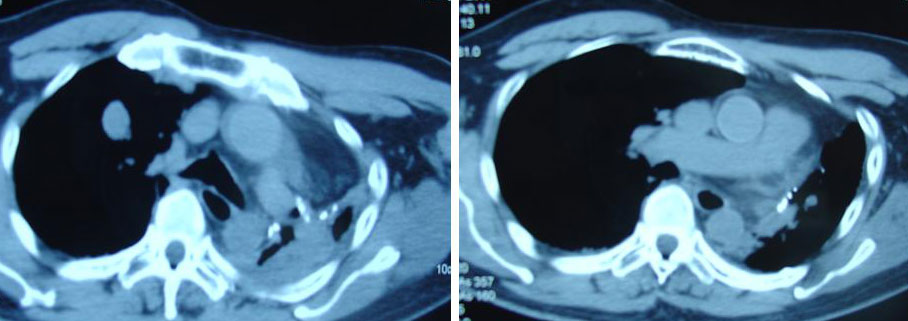


RM 300,000 of Medical Adventures Did Not Cure Him

Henry, a 54-year old male, came to see us on 24 April 2009. He told us that he had spent about RM 300,000 to cure his lung cancer but failed. He could not see how medical science could help him any more. Also, he had spent enough money and probably is not able to spend anymore chasing after his cancer. Below is a brief outline of what had happened.

  1. Henry was then 50 years old. Sometime in September 2003, he started to have persistent coughs. Antibiotics did not help him. An X-ray, done in November 2003, showed presence of a 1.5 cm lump in his left lung.
  2. Henry went to Singapore and did a PET scan on 23 December 2003. The findings wereconsistent with a primary tumour of the left lower lobe without evidence of hilar or mediastinal nodal spread or distant metastatic spread. PET staging is T1NoMo.
  3. The next day, a FNAC biopsy was done and indicated Non-small cell carcinoma.
  4. Henry returned to Penang and underwent a surgery – a left upper lobectomy on 7 January 2004.  Pathologic diagnosis confirmed a moderately differentiated adenocarcinoma of the bronchus with foci of squamoid differentiation. There was no evidence of nodal involvement, i.e. Stage 1 disease.
  5. No additional therapy was advised and Henry remained well until late September 2004, i.e. barely nine months after the operation.
  6. His blood test on 27 September 2004 showed elevated CEA, at  21.1.
  7. A PET scan done on 29 September 2004, showed evidence of recurrent disease. Moderately FDG avid small soft tissue density adjacent to surgical bed, with one FDG avid precarinal node. This was suspicious of local recurrence. There were 2 nodules measuring 1.1 x 1.9 x 1.7 cm and 1.1 x 1.5 x 1.7 cm. There was no evidence of distant involvement.
  8. Henry subsequently underwent chemotherapy. He received a combination of Carboplatin and Gemcintabine and achieved a complete remission, after three courses of treatment.
  9. Henry went back to his oncologist in Singapore for consolidative treatment – consisting of radiation with concurrent weekly combination of Taxol and Cisplatinum over the entire six weeks of radiation.  This means he received a total of 30 radiation treatments and 6 cycles of chemotherapy.
  10. All treatments were completed by 26 January 2005. Henry appeared to be well except for a dry cough, which according to his doctor, was due to radiation pneumonitis.
  11. A repeat PET scan done on 21 Febraury 2005 showed no evidence of disease.
  12. Henry continued to go to Singapore for review every two months.
  13. From June 2005 to June 2006, Henry was prescribed Iressa. He took this oral drug as apreventive measure.
  14. From September 2007 to end of November 2008, Henry switched from Iressa to Tarceva, another related oral drug. This time, he also took Celebrex, 200 mg for pains. Henry took Tarceva also for the same reason – as a preventive.
  15. On 25 August 2007, a CT scan showed a new 1 cm nodule in the anterior segment of the right upper lobe, highly suspicious for metastatic recurrence. The means that the cancer had spread to Henry’s right lung.
  16. PET scan done on the same day, 25 August 2007, confirmed the development of a new nodule.
  17. A CT scan done on 11 October 2008 showed the nodule had grown to 1.9 x 1.4 cm. In view of the recurrence, the consumption of Tarceva was increased from 100 mg to 150 mg.
  18. Another repeat PET scan was done three months later, on 1 December 2008. The nodule in the right upper lobe showed marked increase in FGD activity and is in keeping with active metastatic disease. The nodule increased in size to 2.0 x 1.7 cm.
  19. In view of the deterioration condition, Tarceva was abandoned and Henry was started on a new oral drug called Alimta. Each cycle of Alimta cost $10,000. Henry received 6 cycles, costing $60,000.
  20. A CT scan done on 23 January 2009, showed the right upper lobe nodule remained unchanged.
  21. On 8 April 2009, Henry underwent a radiofrequency ablation (RFA) – a   procedure that cost RM 7,000. The lung nodule at this stage had already grown to 3 x 2.4 x 2.5 cm. The medical report said: Successful percutaneuos CT guided RFA is performed. A good ablation zone is achieved. A repeat CT scan after 6 weeks is scheduled.

Henry came to see us on 24 April 2009 and expressed his dissatisfaction and desperation. He was started on Capsule A, Lung 1 & 2 teas and C-tea.

Comments

This is indeed a classical story which most lung cancer patients need to read before undergoing any invasive procedures – may it be surgery, chemotherapy, radiotherapy or taking of the oral drugs – Iressa, Tarceva or Alimta. Don’t be caught unaware and don’t be ignorant. There are some questions which patients should ask.

  1. Is this case an exceptional or rare case of failure? No, it is not rare at all. This story is often repeated far too often. Therefore this is something that can be expected. Read the various case reports on lung cancer in this website and make you own conclusion.
  2. Can surgery cure lung cancer? In this case, the answer is NO. To start with Henry had a 1.5 cm nodule in his left lung. In January 2004 a part of his left lung was removed. Nine months later, the cancer recurred on the same side of his lung.  This time there were two nodules. Surgery did not cure anything! But did it not make things worse? What could have happened if the original lump was just left untouched?
  3. Can surgery spread cancer? In August 2007, barely three and a half years after the so calledsuccessful surgery, a new lump was detected on his right lung, meaning the cancer had spread from the left to the right lung. Was it because of the surgery that made the cancer moved to the right lung?  The study of cancer biology tells us that surgery could spread cancer or can make dormant tumours grow and proliferate.
  4. Can chemotherapy cure lung cancer? In this case, obviously it cannot. It can give rise to false hope. After 3 cycles of Carboplatin and Gemcitabine, the original 1.5 cm nodule in the left lung disappeared. The doctor felt good and patient celebrated the success. But it is all a hoax, if I may use this word. I have seen such false hope happening all too often.
  5. Does the shrinking of tumour means a cure? Never and don’t be misled. Make no mistake, chemotherapy or oral drugs can or may shrink tumours. But shrinkage is not a cure. Soon the tumour will grow back – sometimes becoming bigger than the original size. Stephane Bonoist et al (J Clin.Oncology 24: 3939, August 2006: Complete response of colorectal liver metastases after chemotherapy: does it mean cure?) reported that 66 liver metastases disappeared after chemotherapy as seen in the CT scan. However, after 1 year of follow-up, 55 or 83% of these 66 liver metastases proved to be residual disease or recurrence. The authors concluded that in most patients receiving chemotherapy for colorectal liver metastases, a complete response on CT scan does not mean cure. What is said about liver metastases may apply equally well to lung cancer tumours. I have seen enough cases to come to this conclusion. This is what Dr. Ralph Moss said about tumour shrinkage: This is a great lie about chemotherapy. Shrinkage of tumour is meaningless.
  6. Is consolidation therapy after an apparent “successful” result beneficial or meaningful?Henry received more chemotherapy and radiation treatments to consolidate what had been achieved. Theoretically, the procedure makes sense but in practice it is a disaster. Patient spent more money for the extra doses of chemo and radiation but this very same treatment might have prepared the ground for future recurrence. To the holistic practitioners, adding poisons strips the body off its immune system – how then can one expect the body cures itself?
  7. Is Iressa effective for lung cancer? It is well documented that Iressa caused more harm than good. In the Western countries Iressa was withdrawn because it was just a dangerous placebo! In Asian countries it is said that Iressa can make patients live longer by 4 months. Take note, no where in the literature is it written that Iressa cures lung cancer – it merely prolongs life by 4 months.
  8. Is Tarceva effective for lung cancer? Patients taking Tarveca prolong survival by 2.8 months. It costs about RM 8,000 per month to be on this drug that has not shown to cure anything.
  9. What about Alimta – a $10,000 per month drug? According to the website the median survival time was 8.3 months in the Alimta treatment arm and 7.9 months in the docetaxel arm. The study did NOT show an overall survival superiority of Alimta. In simple language, Alimata is NO better than docetaxel (and this was what Henry received for 6 weeks in December 2004). Sure enough Henry did not benefit from Alimta.

After all said and done, Henry had already spent about RM 300,000 for the above treatments. What did he get in return? Nothing, no cure. An initial lump of 1.5 cm had turned to become a metastatic lump of 3 x 2.4 x 2.5 cm in size, growing in the other side of his lung. This is more than what Henry has ever bargained for with his RM 300,000.

Needless to say, Henry was greatly disappointed. And disappointed patients are driven to herbalists and other alternative practitioners. What choice have these patients got now? Most of them, after an adventure like this, have almost exhausted their life time savings as well.

Let others who come after Henry learn from his experience.


Iressa Does Not Cure Lung Cancer Expensive drug with side effects

AstraZeneca informed the FDA of a study involving 1,700 lung cancer patients:

1. Patients who took Iressa lived for 5.6 months.

2. Those given a placebo (inactive, dummy pill) lived for 5.1 months.

The study shows by taking Iressa, patients live longer by TWO weeks.

As a result, Iressa was withdrawn in Western countries.

However, patients of Asian origin responded slightly better. They lived FOUR months longer.

1. With Iressa lung cancer patients lived 9.5 months.

2. Without Iressa patients lived only 5.5 months.

As a result, Iressa is still being prescribed to patients in Asian countries.

Lethal Lung Cancer Drug … 444 deaths

In July 2002, Japan was the first country in the world to approve Iressa for lung cancer. In less than 2 years later, 1,151 cases of side effects were reported and 444 were thought to have died of Iressa in Japan.

The most common side effects of Iressa are:

diarrhoea, rash, acne, dry skin, nausea, vomiting, interstitial lung disease (ILD), which involves scarring and inflammation of the lungs that can cause breathing problems, and pneumonia (causing difficulty breathing, coughs, fevers).

Sut is a 73-year-old female from Indonesia. She had lung cancer and was on Iressa for nine months. She suffered severe itchiness of the whole body.

The cost of Iressa was RM 8,500 for one month when she brought it from the hospital pharmacy. However, this same drug cost only RM 6,500 when she bought it from a pharmacy outside the hospital.

This is not lesson we can learn: When doctors prescribe you the drugs, the hospital make an enormous mark-up and make great profit. Try to find the same drug from the pharmacy outside the hospital – you may find a bargain there! This does not only apply to Iressa, it applies to all drugs.

Sat is a 68-year-old from Indonesia. She had lung cancer and was also prescribed Iressa. Before taking Iressa she led a normal life. After taking Iressa for a month, problems started to crop up. She suffered the following side effects:

  1. Could not sleep well
  2. Difficult to shallow
  3. Loss of appetite
  4. Nausea
  5. Could not talk for too long
  6. Diarrhea
  7. Shortness of breathe
  8. Dry skin
  9. Weight loss

She took Iressa for 3 months and then stopped.

Cost of Iressa: 20 Million Rupiah per month.

Again, you need to know that Iressa does not cure lung cancer!

Documented side effects of Iressa: Diarrhea, rash, acne, dry skin, nausea, vomiting, pruritis (itchiness), anorexia (poor appetite), asthenia (lack or loss of strength), weight loss, peripheral edema, amblyopia (poor vision), dyspnea (difficult breathing), conjunctivitis, and mouth ulceration.

Interstitial Lung Disease: could be fatal such as interstitial pneumonia, pneumonitis and alveolitis. Acute onset of difficult breathing sometimes associated with cough or low-grade fever, becoming severe within a short time.


Written Off Case Survived Three And A Half Years With Herbs

Kok, 64-year-old retired accountant, was a heavy smoker. He started smoking since young. His father was a cigarette manufacturer. Sometime in June 2004, he started to cough, had chest pains and shortness of breath. His weight decreased from 53.5 kg to 48.9 kg. The doctor in the government hospital suspected he had tuberculosis (TB) and Kok was referred to the Respiratory Institute. Upon further investigation it was not a TB case.

A CT scan indicated a mass in the right upper lobe of the lung. There were also several smaller satellite lesions adjuvant to the mass. No calcification or cavitation was noted within the mass. There was no mediastinal lymphadenopathy. Two rounded hypodense lesions were noted in Segment 4 and 7 of his liver. The larger was in Segment 4 which was 1 cm in diameter. A cortical cyst was noted in the left kidney. Impression: cancer of the lung. The hypodense lesions in the liver could represent either cysts or metastases.

A radiologic-guided FNA of the lung mass, performed on 18 August 2004, confirmed diagnosis of non-small cell carcinoma of the lung. Accordingly to his medical record, Kok was subsequently treated as a lung patient with liver metastasis. The doctor told him and his son that it was a serious disease. He could go home, eat and do whatever he liked.

Kok was asked to undergo chemotherapy but he declined. He immediately sought our help on 16 October 2004, and was prescribed Capsule A + B, Liver-P, Lung Tea and LL-tea.

The following are comments noted in our record regarding his progress.

30 October 2004: Until this point in time patient is still puzzled about his diagnosis. He feels good and does not believe that he has lung cancer. So, why must he go for chemotherapy? He is not going for chemotherapy and prefers to take herbs.

1 November 2004: Patient and daughter came to replenish his herbal supply. He goes for qi gongevery morning. Friends advised him to undergo chemotherapy saying that he was lucky that the doctor gave him this chance to undergo this treatment. They argued: Why turn it down?

18 November 2004: Patient made his final decision not to undergo chemotherapy. This decision was made after a discussion with his children.

12 January 2005: Patient feels normal. He can eat and sleep well. He has less cough.

28 October 2005: Patient feels alright. Doing qi gong daily. He drops off to sleep very easily.

19 November 2005: Good appetite but not putting on weight.

4 August 2007: Patient has been coughing for the past one week. He started to have productive coughs with thick, dark yellowish phlegm, after eating oranges. Patient feels a bit breathless after slight exercise.

22 August 2007: Less coughs after taking Cough No: 3. Occasionally, patient still has cough with blood stained phlegm. Patient complained of difficulty in passing urine. The doctor had prescribed drugs for BHP (Benign Prostatic Hyperplasia or enlarged prostate) . We suggested that he takes Prostate A and B teas instead of the drugs. Patient and his daughter decided to take doctor’s medication because he felt he is taking enough herbs for his lung and liver.

28 November 2007: Patient occasionally had breathing difficulties. Doctor said his problem is serious and prescribed more medication: (1) Liquid morphine (2) Tramal  (3) Ventolin  (4) Benadyl syrup (5) Voltran.

11 December 2007: Patient was coughing out blood for the past one month but he was alright after the doctor’s medication. However, patient still has shortness of breath when he exerts himself. For example when climbing the stairs. We suggest that he use oxygen to help in his breathing.

15 January 2008: We visited Kok in his home. The main reason for this visit was to find out what had actually gone wrong. We wanted to find out what had triggered the downturn of his health. The following are excerpts of our hour-long conversation.

Personal

Question:  How old are you now?

Answer:  Sixty-seven.

Q:  How long have you been smoking?

A:  Forty or fifty years.  I smoked a lot, nearly two packets a day.  My father was a cigarette manufacturer.

Q:  Did your father smoke?

A:  He smoked a pipe, the bamboo type – with water inside.  He did not have any lung problems.  He died of heart problems.

Q:  When were you diagnosed with lung cancer?

A:  In 2004.

Q:  What were the symptoms?

A:  I had chest pain, coughs but no blood. I was referred to the TB centre.  After checking, it was confirmed that it was not TB.  Then we went to the GH.  The X-ray showed lung cancer.  They asked me to go for chemo.

Declined Chemotherapy

Q:  Did you go for the chemo?

A:  No.

Q:  Why not?

A:  I came home and discussed with my children.  Considering my age, I may not be able to withstand the chemo.  My daughter’s friend had some problems with her arm.  After taking your herbs, she got better.  So, my children (five of them) decided that I should take your herbs.  I myself also do not want to go for chemo.

Q:  Why?  Why don’t you want to go for chemo?  Do you know anything about chemo?

A:  I know.  I was afraid I cannot withstand it.  I had friends who went for chemo.  After that . . . . pfoooh! (waving hand to show flying away!). When I was first diagnosed with lung cancer, it was a very bad case.  The doctor told my son to let me eat whatever I like and go where ever I want to go.  Let me enjoy life.  I was not going to last.  When he told my son, I was also there.  I heard what he said.  My son was very angry.

Q:  How did you feel after such a comment?

A:  I told my son, Forget about it! My son was very angry with the doctor.  How can the doctor say things like that?  I was also angry.

Q:  Did the anger last very long?  Could you sleep when you come home?

A:  Caaannnnn.  I know this –  there is no cure for cancer.  Everybody knows that.

Q:  When the doctor asked you to do chemo, did he say you will be cured?

A:  I asked him that.  He said no guarantee.  So, what for I go for chemo?

Herbal Therapy

Q:  When did you start taking the herbs?

A:  October 2004, immediately after the diagnosis. I believe in your herbs.  That is why I take them for so many years now.

Q:  When you first came, you had pain and were coughing. Did these problems go away after taking the herbs?

A:  Slowly, slowly, I got better and better – after about a few months.  My qi gong friends were also surprised. The doctors at the general hospital (GH) were also surprised. I went back to GH for check up every three or four months. The doctors asked me to continue taking your herbs.

Q: What happened to the chest pain?

A:  No more.  Everything went back to normal.  My appetite was good. I could sleep well too.  I also put on weight.  I felt good.

Q:  During the three years when you were okay, did you take care of your food?

A:  Yes.  I did not take banana, nor drink milk. I only took vegetables and fish.  I followed the good diet.  I also did qi gong – about two hours every morning.  I think qi gong helped me a lot.

Current Health Condition

Q:  Please tell us how you are feeling now.

A:  I am not feeling good. Breathing is a problem.  I’m short of breath.  I cannot walk, even slowly.  I cannot go upstairs. The problem is becoming worse.

Q:  What about pain?

A:  No, no pain.

Q:  Did they say they want to do anything for you?

A:  They asked me to go for chemotherapy again.

Q:  Did they give you any medication?

A:  Yes, medication for asthma. (Note: The patient is currently taking these medications – prescribed by the doctor –  Cardura (Doxazosin mesylate), Ranitidine, Chondrotin sulphate, Glucosamine sulphate and Celebrex)

Q:  When you take these medicines, do you feel better?

A:  Not really better.  A little bit okay.  Before and after taking these, my breathing is almost the same.  I have breathing difficulty throughout the day – unless I am sleeping.  Actually my condition is bad now.

I started having this problem only around October, 2007. I cannot do qi gong now because I have difficulty breathing.  Even walking is very difficult. I became breathless when I climb the stairs or walk a bit more. When I don’t move, I feel better. I am getting worse!

Drug Side Effects?

Q:  For how long have you been having these breathing problems?

A: Already two months.

Q:  Before that?

A:  I was okay.

Q:  (Baffled) Why?  A few months before October, 2007, did you do anything different or not?

A:  I had an operation in April, 2007 for my hernia problem.  It was growing bigger.

Q:  What did the doctor do?

A:  The doctor did an operation, and put some kind of a net (?).  The net is still there.

Q:  On discharge, were you given any medication?

A:  No.

Q:  Did you have breathing problems after your operation?

A:  No.  There were no problems.

Q:  After the operation, were you okay?

A:  Okay.  But not too long after that, I could not urinate.  Then they started to give me some medications.

Q:  When you had difficulty urinating, they gave you these medicines?

A:  Yes. (Cardura, Ranitidine, Chondrotin sulphate, Glucosamine sulphate and Celebrex).

Q:  How long did you take these medications before you started having breathing difficulty?

A:  Over a period of about three months, my breathing became worse.

Discontinuation of the Doctor’s Medication

Suspecting that Kok’s problems were due to the side effects of the drugs prescribed by the doctor the family decided to stop taking them. The following happened:

  • e-mail 24 January 2008: My mother said ever since he stop taking the Cardura, his breathing is better.
  • e-mail 14 February 2008: During Chinese New Year, I monitored him for two days.  His breathlessness is better, but it seems once a while it will strike. And he cannot stand for too long, get tired easily. Cough is better. Yesterday I saw my Dad for about four hours, he did not cough. He has no complaints about the urination. Still having leg pain, especially at night.

Kok died in the early morning of 24 March 2008, three and a half years after being diagnosed with metastatic lung-liver cancer.

Comments

In spite of being told – Go home, do and eat what you like – because he had terminal lung-liver disease, Kok managed to live a good life without any chemotherapy or radiotherapy. He only relied on herbs. Did he die because the tumour in his lung grew bigger and kill him? The answer is No. Did he die because of his liver metastases? The answer is also No. He died because of breathlessness.

You do not have to be a doctor to know what has gone wrong. Just use your common sense and ask these questions:

1. Before Kok took the prescribed drugs, did he have any breathing problems?

2. After Kok was off the drugs, did the breathing problems improve?

Of course you cannot expect the side effects to go away immediately.

One lesson to learn from this episode. Check first with those who know or surf the internet, about the side effects of the drugs before swallowing them. For example in this case, I obtained the following information from the internet. With the information below, let me leave you to speculate the real cause of Kok’s breathlessness.

Documented Side Effects of Cardura

Cardura is a drug used to treat benign prostate enlargement or high blood pressure.

The more common side effects of Cardura may include: Dizziness or light-headedness, drowsiness or sleepiness, fatigue, headache, low blood pressure, lower blood counts. http://www.drugs.com/pdr/cardura.html

Seek emergency medical attention or notify your doctor immediately if you suffer the an allergic reaction such as difficulty breathing; shortness of breath or chest pain; weakness, fatigue, or feeling of not being well; an increased heartbeat; joint or muscle aches; etc.http://health.yahoo.com/bloodpressure-medications/doxazosin/healthwise–d00726a1.html

Caution should be used when administering CARDURA XL to patients with preexisting … mild or moderate hepatic dysfunction. Use in patients with severe hepatic impairment is not recommended.  http://www.carduraxl.com/content/prof_Safety.jsp

Documented Side Effects of Ranitidine

Ranitidine is a histamine receptor antagonists. It is used to treat and prevent ulcers in the stomach and intestines and gastroesophageal reflux disease (GERD).

http://health.yahoo.com/digestive-medications/ranitidine/healthwise–d00021a1.html

Among the side effects of Ranitidine are: chest pain, fever, feeling short of breath, coughing up green or yellow mucus; unusual weaknessjoint and/or muscle pains, bronchospasm and  pneumonia,etc.

http://www.webmd.com/drugs/drug-8844-Ranitidine+HCl+Inj.aspx?drugid=8844&drugname=Ranitidine+HCl+Inj&pagenumber=6;

http://www.medicinenet.com/ranitidine/article.htm

Important information about ranitidine: Using ranitidine may increase your risk of developing pneumonia. Symptoms of pneumonia include chest pain, fever, feeling short of breath, and coughing up green or yellow mucus. http://www.drugs.com/ranitidine.html Stop using ranitidine if you have any of these signs like difficulty breathing.


Herbs For Stage 3 Lung Cancer

Tan /b979, was a 72 year-old male who had been smoking for the last fifty-plus years. Sometime in December 2003, he expelled out sticky, blood-stained phlegm. A bronchoscopy indicated lung cancer, stage 3B. There was a 15 x 24 mm nodule in the right hilum. It was situated less than 2 cm from the carina.

The doctor told him that it would be good enough if he could live for six months. Another doctor told him that he could last for only a few months. This being so, he declined chemotherapy.

He and his children came to see us on 2 January 2004 and at that time he was suffering from tobacco-withdrawal syndrome. As a result he was on Nicorette, nicotine-containing inhaler instead of cigarette.

He presented with no pain, poor appetite and was unable to sleep well. He had diarrhea. He was breathless due to the presence of stubborn phlegm embedded in the bottom of his throat. This made him very tired.

Since Tan had no other avenue left, he and his children held onto us for all possible help. I must admit I too experienced much stress because of this. Every week, Tan or one of his sons, would come and report the progress of his illness. Fortunately for us, Tan was a very pleasant, lovable person and was ever ready to follow instructions.

A week on the herbs, Tan had pulling sensation in the chest. There was no more diarrhoea. In the second week, the pulling sensation in the chest disappeared. He became more energetic. There was less blood in the phlegm. However, there was one serious problem – the sticky, stubborn phlegm in the base of the throat just refused to come out. This made Tan become breathless and he wheezed.

I prescribed him various phlegm and cough-with-phlegm herbs but none seemed to work. Then we tried the three types of Lung-coughs teas. Fortunately Lung-cough 2 made him better but it did not solve the problem of the stubborn phlegm. I felt helpless. I suggested that he see a doctor and ask for Ventolin inhaler. He did as suggested. The inhaling of Ventolin eased the problem but he was back to same to the same problem again after a few days.

Then, I suggested that perhaps chemotherapy was the only answer. Tan smiled! But he was not prepared to do that just yet.

I felt real sorry for Tan but what else could I do to help? Then, I told Tan – I shall now go home and read the books and see what the Wise Men of China had to say. I read whatever I could get hold of about phlegm. I concocted two special formulations based on my reading. The first formulation helped but only gave a transient effect. The problem came back after a few hours.

On 22 March 2004, I gave Tan Phlegm-Cold to try. I was extremely happy to see him walked into the centre a few days later. He looked better and was more radiant. His breathing was better. The herbs worked for him. I could see the improvement.

On 2 April 2004, Tan came in again. The stubborn phlegm was gone.

In July 2004, Tan had to be hospitalized because of severe breathlessness. He had to be given oxygen for his lungs had collapsed. After a few days, he bounced back to life again. He was able to came and see us again. But later his condition continued to deteriorate again.

On 5 December 2004, it was a great surprise that a young boy came to our centre to collect herbs for Tan. He is Tan’s grandson. He told us that Tan was doing very well. He would wake up in the early morning and walked to the market to buy vegetables. He liked to cook for the family. He could drive and even had the energy to scold his grandchildren!

Tan died in his sleep in March 2005 without any suffering.

Comment

Tan lived a year and four months after being diagnosed with lung cancer. His doctor gave him six months, at most.


Chemo, Cryoablation and Radioactive Seeds Did Not Cure Her Herbs Made Her Better

Sometime in early August 2007, Swee (not real name, 71 years old female from Indonesia) had coughs with blood stained phlegm. She consulted a general medical practitioner who ordered an X-ray to be done, suspecting that she might have tuberculosis.  The X-ray showed a tumour in her lung. She was subsequently referred to a specialist who did a CT scan and found a 4.8 x 3.9 cm soft tissue mass with lymphadenopathy of the right lung. It was a 3A cancer. A biopsy was recommended but Swee declined and decided to come to Penang for a second opinion.

In Penang, a bronchial biopsy was done and the result confirmed the earlier diagnosis. It was a infiltrating, poorly differentiated carcinoma. Swee was referred to an oncologist for chemotherapy.

A day before Swee was scheduled for chemotherapy she received a phone call from a relative telling her to go for treatment in China instead. This she did without hesitation.

Swee was treated in a private hospital in China for twenty-eight days. She underwent the following treatments:

1.      Chemotherapy with Navelbine.

2.      Cyroablation using Argon-helium. Three cryoprobes were inserted into the lesion and the whole freezing process was monitored with the CT scan until “iceball” completely covered the target mass. After two freezing-thaw cycles the cryoprobes were pulled out.

3.      Radioacative iodine seeds implantation. Under guided CT scan, 15 radioactive iodine-125 seeds were implanted into the tumour mass.

The doctors concluded that these treatments were successful. Swee was allowed to return home toIndonesia.

In November 2007, Swee returned to China for her second round of treatment. This visit lasted fifteen days. She underwent the same treatments: chemotherapy with Navelbine, cryoablation and iodine seed implantation. According to the doctors, the second procedure was successfully carried out and the patient’s condition was better.

According to her son who accompanied her to China, the Chinese doctors suggested that Swee undergo a total of six treatments. Her son said: The doctors assured us that the tumour will go away but at the same time warned that the cancer can spread to other parts of the body. There is no guarantee that it will not spread. He did say which part of the body it will spread to.

After Swee returned to her home, the members of her family were in a dilemma. They did not have the funds to proceed with further treatments in China. The cost of her first treatment was 87,000 Yuan. The second treatment cost 57,000 Yuan. Swee wanted to sell the house the family is staying in to finance her treatment. Her five children (two sons and three daughters) were unsure if this was the correct thing to do. This is because there is no certainty that Swee will be completely cured.

Swee’s son came to see us in December 2007 and wanted to know the following:

  1. What should they do?
  2. Whether it is possible to take our herbs and at the same time undergo the Chinese treatment, should they decide to go to China again. This is with the hope that herbs can help Swee in some ways where medical treatment cannot.

I told the son that the main point to take in serious consideration is the possibility of the cancer spreading to the brain. Nobody can stop that and the possibility of this metastasis is very high. To this the son said: Yes. While I was in the hospital in China I have seen some patients who suffered like my mother and who underwent similar treatments. About six months after the treatment the cancer spread to the brain. The doctor also told me that the type of cancer my mother has is very aggressive and there is a 90% chance that it will spread to other parts of the body. There is no guarantee that it will not spread.

Swee and her two daughters visited CA Care (Penang) for the first time after taking herbs for about one year.

Chris (C): You’ve been on the herbs for 1 year. How are you as a person?

Swee (S): Good. No problems.

C: After your treatment in China, were you well?

S: Yes. But I cannot afford to go anymore. Our finance is limited.

C: How many times did you go to China?

S: Two times.

C: You decided not to do chemo anymore and decided to take our herbs?

S: When I came back from China I cough at night.

C: After taking my herbs, do you still cough?

S: No. No more coughs.

C: Do you continually take the herbs?

S: Yes. I have not stopped taking the herbs since.

In August 2009, nearly two years on herbs, Swee’s son came to our centre.

C: You said your mother went twice to China. Because of financial constraints, she stopped going toChina?

Son: She did not go back there anymore.

C: Besides taking our herbs, did she take any other medicine from elsewhere?

Son: No. She only took your herbs.

C: How is your mother as a person? Is she alright?

Son: She is well and alert. But if she works too hard and do not have enough rest she gets tired. Then she would cough at night.

C: Any complaints?

Son: So far, everything is okay. No complaints.

C: It’s been two years since you first came to see me.

Son: Yes, about two years.

C: I heard about her friends who went to China . . . . .

Son: They had all passed away.

C: How do you know?

Son: They all stayed nearby our place in Medan. There were three of them who went together toChina for treatment. Out of the three, my mother is the only one who survived until now.

C: Oh, the other two friends had passed away?

Son: The doctors in China told them not to come anymore.

C: How long were they undergoing treatment in China?

Son: They went to China a total of five (5) times for treatment.

C: Your mother went two (2) times for treatment.

Son: Yes.

Chris: Honestly, how is your mother now? How often do you see her?

Son: I go back to Medan every month. She is alert and normal.

C: How was your mother before she went to China?

Son: Before she had her treatment in China, she looks tired and lethargic. After the treatment inChina, she was slightly better. But after taking CA Care herbs, she gets better and better and is very alert and normal now.

C: So, what is she doing now?

Son: She takes care of the shop. We have a motor workshop. She works as a cashier there. She starts work at about 9 – 10 a.m. She takes a nap between 2 – 4 p.m. After that, she continues to work again.

C: You take care that she does not overwork or overstress herself. Does she continue taking the herbs?

Son: She continues taking the herbs. She also takes care of her diet. She continues to abstain from unhealthy foods.

C: When she came back from China, was she able to work like now?

Son: No. She was still weak. She could not cook or do any work. After taking the herbs, she can cook and boil her own herbs.

C: Actually, the herbs are not bad?

Son: If not good, I wouldn’t come back anymore!

C: How much did the two trips to China cost you?

Son: 250 million Rupiah.

C: Is it worth it?

Son: Huh. Smiled. (Did not comment)

C: There is no cure for cancer. We can only control it. Do you all understand that?

Son: All of us children understand this. We only hope nothing untoward happens.

C: If a person gets better and better to the road of recovery, there is no reason that it will suddenly reverse and starts to get worse. If that happens, it means the person must have done something wrong, like not taking the herbs properly or eating food she is not supposed to eat.

Comments

It is very hard for me to advise in this case, except to say that from my reading of medical literature, lung cancer is fatal and the chance of a cure is nil. But how can I put forward this message in a manner that is not traumatic to patients and/or their family members?

Alexander Spira and David Ettinger (Multidisciplinary management of lung cancer. New England J. of Med. 350:379-392) wrote:  Despite years of research, the prognosis for patients with lung cancer remains dismal.

According to Stephen Spiro and Joanna Porter (Lung cancer – where are we today? Amer. J. Respiratory and Critical Care Med. 166:1166-1196): Although chemotherapy may be a logical approach, there is virtually no evidence that it can cure NSCLC. The monetary cost … is high. The other cost of chemotherapy is its toxicity and its potential detriment to quality of life.  Disappointing as it may sound, this sums up the reality of the situation.

Even if what I say (lung cancer has no cure) may be true, generally patients would not take it kindly or would not believe me. They want a cure and they expect a cure with the treatment offered to them.  If we offer herbs and teach them to change their lifestyle in the hope of prolonging their lives or promoting the quality of their lives, they still insist that we tell them of the chances of cure.

This e-mail to me is one good example to illustrate my point.  The patients put total confidence in doctors to prescribe the best treatment methods i.e., put their lives in the hands of the medical doctors.  Those big pharmaceutical companies … prove to be quite convincing in their scientific explanation until today. That is why a lot of patients still prefer their drugs.  On the contrary, herbal treatment offers no explanation as to how the herbs work and to what extent it can help the patients. In other words, there is no guarantee that taking herbs will make you feel better either. Similarly, if I am to ask you personally, how and to what extent your herbs can help the patient, I do not think I can expect a concrete answer.   Again, you might say it is up to the person to decide and put his/her faith in whatever decision being made.   It is like telling the patient to choose whatever he/she thinks is the right medicine. I don’t think this is very right.  If I know outright that something works – whether they be herbs or drugs, I would not be scared to commit myself and advocate the fact that it will work.

There are questions patients might ask when considering your herbs as an alternative treatment such as: can you confidently say that your herbs work much effectively than modern treatments?

I fully understand that patients want a guarantee or a promise of cure. But our experience tells us that there is no cure for cancer, be it be an early stage or a terminal stage. To tell patients otherwise, amounts to cheating by misleading or misinforming them. To us, healing (note the use of the word healing not cure) of cancer is not about taking herbs alone. Most patients missed the point that they must first learn how to help themselves by changing their lifestyle, diet and mindset if they want to find healing. Unfortunately, this change is something very hard for patients to do. In this case, her son told us that Swee is not a person who is willing to change. She is not prepared to change her diet and believes in eating anything she likes. The argument is: why must I not be able to eat anything I like – I am going to die anyway. It did not occur to Swee that it could be the unhealthy lifestyle and diet that led to the death of her husband (complications of hypertension, diabetes, etc.) In addition her sister died of colon cancer, brother of stomach cancer and auntie of nasopharyngeal cancer (NPC).

Secondly, the herbs are not going to taste good and the son is not hopeful that Swee would even want to drink it. In short, most patients like Swee is only interested to find healing on their own terms. They seek that elusive magic bullet to make them well.

Drs. Richard Deyo and Donald Patrick, professors at the University of Washington, Seattle, USA, in their book, Hope or Hype: the obsession with medial advances and the high cost of false promises,wrote:

We are born with our own blind trust in a medical establishment that preys on our deepest fears, all the while purporting to ride to our rescue with “miracles cures.”

  1. The combination of industry greed, media hype, political expediency and our own “techno-consumption” mindset is leading more and more often to a reliance on costly treatments that are marginally effective at best – and sometimes downright dangerous.
  2. When choices involve new treatments, the assumption is almost always that more and newer can only be better. Conveniently, this stance almost always coincides with financial self-interest.
  3. It is said that doctors are ever too willing to prescribe the latest drug without even looking into the evidence whatsoever it makes them happy, it makes the patients happy and it makes the drug rep happy.

We do not believe that there is such a thing as a magic bullet for cancer. We are not true to our cause and betray our mission if we say or act as if we have one. It is hard for many to understand that we are here trying to help. We have not desire to push our herbs. We set no sales target and do not aim to conquer new markets. Our work is driven by love and compassion, not profit. If ever there is any assurance or guarantee patients get from us, it is this: Try the herbs for one or two weeks. If the patient doesn’t getter any better, stop taking our herbs and find someone else for help.

Let me conclude with this story. Lung cancer was previously treated with Iressa. When Iressa was first launched it was hailed in the media as: The Drug of Tomorrow; The Miracle Drug; The Smart Drug; Miracle Cure –  the drug that Rises from the Ashes and various other superlatives.

The message to the world was clear: A breakthrough is at hand – there is great hope and great anticipation. Lung cancer patients need not die any more. A miracle drug is at long last here. The US-Food and Drug Administration approved its use. This makes it even more convincing. This is the kind of guarantee cancer patients the world over want before they swallow their first pill – the writer of the above e-mail included.

In an article: Iressa should have never been approved (http://npojip.org/iressa/iressa ISDB-Feb-2.html) Rokuro Hama wrote:

  • An estimated 23,500 people has so far been administered with Iressa in Japan, 644 of them suffered adverse reactions. Of these 183 have died. The drug was approved in July 2002 inJapan and by end of January 2003 – barely six months later, the death related to the adverse reaction to Iressa had reached 183.

In the Western countries, Iressa was withdrawn and was shown to be not effective anymore in spite of the earlier great media hype.  But in the countries of the East, Iressa is still being prescribed to many cancer patients, even today. Patient needs to spend about RM 7,000 to RM 8,000 for a month’s supply of Iressa. With Iressa being phased out, some oncologists turn to another drug called Tarceva, a sister drug to Iressa. One Tarceva pill cost RM 270 which calculates to RM 8,100 for a month’s supply. Is Tarceva effective? The company’s website said it is proven to have increased overall survival by 37% and had shown a demonstrated significant symptom benefits by prolonging the time to progression of symptoms. Doctors and patients love such assurance. The scientifically generated statistic quoted is very impressive indeed. But what does 37% mean? The truth is: if you take Tarceva, you can live 9.5 months and if you don’t take Tarceva you only live 6.7 months.  In real terms Tarceva only increased survival by 2.8 months.

How does this assurance sound to patients? Do patients know or informed about this? Remember, this promise of being able to live 2.8 months longer comes with a price tag of RM 8,000 per month.

Note: Her son came back to see us in mid-2010 and informed us that Swee is still alive but is a bit breathless. We prescribed Lung Phlegm for her problem. The son also told us that the family is already satisfied and happy for having lived that long. We were also told that one of Swee’s daughter is actually a medical doctor. She did not consider it necessary to bring her mother to the hospital.

Doctor’s Prognosis of Doom, Herbs Made Him Live

Eddy from Indonesia came to our centre on 18 June 2007. He brought his father-in-law who suffered from lymphoma to see us. This was Eddy’s second visit here. His first visit was on 22 April 2005 when he came with a colleague to seek our help regarding his colleague’s father, Sugi, who had lung cancer.

During this June 2007 visit, I enquired from Eddy about Sugi’s health – is he still alive? The answer was: Sure, he is doing well. I was indeed surprised and was really happy with this wonderful news. I searched out Sugi’s file to write this almost forgotten story.

Sugi (not real name) is a non-smoker. He was 67 years old in August 2003, when he suffered from sores in his mouth and had jaundice. He went to see a doctor who did a CT scan and found cancer in his lungs. The doctor told Sugi that he only had six months to live, in spite of the fact that Sugi appeared healthy. Someone told Sugi about CA Care and he decided to take our herbs: Capsule A, Lung 1 and Lung 2 teas. Sugi took the herbs for eight months but his jaundice still persisted. He lost faith in our therapy and decided to take herbs from other sources. But Sugi did not receive any medical treatment.

On 22 April 2005, Sugi’s son came to Penang and seek our help. He told us that Sugi went to see a doctor again two weeks before this visit and the doctor again told Sugi that he only had four months to live. Sugi’s son said: “In the first visit to the doctor, my father was told that he only had six months to live and now it has been two years and he is still alive. Last two weeks, the doctor told my father he only had four months to live. The doctor suggested that my father do an operation to remove the tumours but my father refused.”

After updating Sugi’s condition, we suggested that Sugi take Capsule A, Lung 1 and Lung 2, C-tea, T & E, and S & M teas.

On 1 July 2005, we received an e-mail from Sugi’s son with the following message:

“After visiting you last April 2005, I would like to share with you about my dad’s lung cancer. My dad has been recovering significantly in terms of increased weight (from 54 kg to 61 kg). Visually he looked better and he felt better too. I sincerely thank you and appreciate all your kind advices and herbs.”

I e-mailed Sugi’s son requesting for an update of his father’s health. On 2 July 2007, I received his reply (original text in Bahasa Indonesia).

Hello, Dr. Chris,

It has been a long time since I last wrote you about my father’s condition. We are indeed grateful to the Almighty God for through Dr. Chris’s hands, that my father is able to remain alive up to this day. Currently, my father is able to do what he wanted to do as a normal person.

Let me answer your questions: a) How is your father’s health currently? Can eat? Can sleep? Can move without any problems?

My father’s health, based on visual appearance is very good. His appetite is very good and he is still observing the diet restriction as written by Dr. Chris in his book: Food & Cancer. Every morning, my father walks for three km to keep fit. He sleeps very well. He is mobile without any problem.

b) After you and Eddy came to see me in Penang until now, has your father ever gone to see any doctor?

My father went to see his doctor only once. He received an injection to increase his immunity. After that, my father has been receiving this injection every month. This therapy seems to be good but I don’t know about its effect on his cancer.

c) Was your father on any other herbs besides our CA Care herbs?

He was on your herbs only. But since the past three months, my father stopped taking your herbs. I guessed he was bored with the herbs.

Comments

This is one case which almost slipped out of our records. Sugi come from Central Java and when he started taking herbs he did not come to see us personally. So there was not much communication between us. It was unfortunate that in the first instance his jaundice did not go away after taking the herbs. The reason is obvious – he was not given any Jaundice Tea to take. Our experience shows that Jaundice Heat or Jaundice Cold tea, is effective for such condition. Though Sugi suffered from jaundice, it was surprising that the doctor indicated that his liver was in good health.

This story highlighted one sad aspect about scientific medicine. When patients are diagnosed with lung cancer (or for that matter any cancer), some doctors invariable try to play God and give their prognosis. “You have three months to live” or “You have six months to live.” Such comment is indeed very destructive. I wonder what purpose such negative comment serves. Is this a way of putting “fear and terror” into patients? When patients are reduced to a state of “helplessness and hopelessness” they become more compliant with whatever treatments suggested. To the doctors, surgery, chemotherapy and radiotherapy are the only ways to deal with cancer – other ways are “hocus pocus” and unproven.

Unfortunately this story proves otherwise. Without these evasive treatments, Sugi was and is better off. He maintained his good health and well-being – physically, emotionally and financially. It has been almost four years since Sugi was diagnosed with lung cancer. Let us pray that Sugi will continue to live many more years to come. Sugi’s success defies medical logic, if you believe that there is such a thing as logic!


No Medical Treatment Indicated Went On Herbs

K118, was a 75-year-old lady. She suffered from chronic asthma besides high blood pressure. On 28 January 2003, A CT scan indicated a well-defined enhancing lesion in the anterior mediastinum to the left of the ascending aorta. It measures 2.5 cm in diameter. Moderate right-sided pleural effusion with passive collapse of the left lower lobe.

A tru-cut biopsy indicated adenocarcinoma of the lung. At her age, chemotherapy or radiotherapy was not indicated. Her son came to us for help. She was immediately started on the herbs.

We received two e-mails from her son who would like to share his joy with all of us.

E-mail dated 25 Mar 2003

Dear CA Care,

Just want to express my joy for the encouraging progress of my Mom’s case. My mom was diagnosed for lung cancer on 14 Feb 03. She is 74 years old. Her left lung was flooded with fluid and her legs swelled.

Doctor advised that she would not be fit for any form of chemotherapy or radiotherapy. It was by chance that we were introduced to CA Care.

My mom started taking the Capsule A, C-tea, Lung Tea (and later Lung 2 was added) and Lung-Phlegm from 17 Feb 03 onwards. On 22 Feb 03, our doctor examined her and found her left lung was clear of fluid and the swelling on her legs was gone.

We continued to take the CA care herbs. On 22 Mar 03 an X-ray was taken and doctor was surprised that the lump in the left lung had shrunk to about one-third of the original size.

My mom’s conditions are very well. Her appetite is good and she resumes most of her normal activities. I’m just too delighted on this and hope to share this information with everyone. The next consultation will be on the 24 May 03. I will update status of her conditions by then.

I must express my thankfulness to…

Gracefully, ST of KL.

E-mail dated 25 May 2003

Dear Prof. Chris Teo,

I would like to update my mom’s case. It had been three months since she’s been taking your herbs. As mentioned in my e-mail dated 25 Mar 03, she recovered very positively after taking your herbs.

On 24 May 03, we took her to the same lung specialist to examine her. The doctor told us that her lungs are normal, heartbeat is normal except that her blood pressure is a bit high at 160/80. She needs to carry on taking the high blood medication …

Another good news is that she gained four pounds this time. We decided not to take any X-ray for the whole 2003 to minimise her exposure to radiation since she had gone through many X-rays and CT three months ago.

I spent a few hours with my mom yesterday and found that she can do her normal household chores and talk as loud as before. I truly believe your herbs have brought her back from the dark. Well, on top of herbs, I found also that cancer patients really need a lot of emotional console and morale support everyday. We all must be strong at heart to carry out this battle of cancer.

Thank you to your contribution to mankind in this difficult battle against this disease.

God bless you.

Yours gracefully,  ST.

Comment

The patient died in December 2004 – about two years after being diagnosed with lung cancer. She was able to lead a normal life, free from pains and debilitating problems. Was her death due to cancer or old age?


Chemo Failed and He Moved On To Tarceva — Meaningless Shrinkage of Tumor While on Tarceva Treatment

Mark (not real name) is a 34-year old male. Sometime in September 2006 he had coughs which led to the diagnosis of lung cancer. A CT scan on 18 December 2006 showed a 5 x 5 cm mass at the right upper lobe of this lung. The right lung also had fluid (pleural effusion). In addition, there were several metastatic lesions in the partially collapsed right mid and lower lobes of the lung. The left lung was clear. Unfortunately the cancer had already spread to the fourth and sixth ribs. A core biopsy of the lung mass indicated a moderately differentiated papillary adenocarcinoma.

From December 2006 to February 2007, Mark underwent chemotherapy with Gemzar and cisplatin. Two cycles were given each month and he received a total of six cycles. The cost of each cycle was around RM 4,000. The oncologist told him that there would be no cure but the size of the tumor could be reduced by the treatment.

After the chemotherapy was completed, a CT scan on 7 March 2007 showed  right lung severely collapsed with a mass lesion measuring 6 cm over the hilum. Mark had to undergo a procedure tore-inflate his lung.

Mark was told that chemotherapy was not effective. He was asked to take the oral drug, Tarceva which cost RM 270 / pill. The progress of the treatment responses are as follows:

1.  CT scan on 9 March 2007 showed a 7.5 cm x 6 cm mass and a daughter nodule measuring 4.5 cm x 3.5 cm.

2.  CT scan on 31 May 2007 showed a mass measuring 4 cm x 2 cm, a significant reduction in size of the right lung mass.

3.  CT scan on 13 September 2007 showed no significant change compared to the previous CXR.

4.  CT scan on 13 November 2007 showed a larger mass measuring 8 x 6 x 4 cm. There was fibrosis in the right apex and the right lung base. There was destruction of one of the lower left rib suggestive of bony metastasis.

While on Tarceva, Mark was told that initially the tumour had shrunk to about eighty percent of its initial size. Unfortunately this shrinkage did not last. After eight months of Tarceva (costing him approximately RM 64,000) it was clear that the treatment had failed.

Mark was told the disappointing news that the tumour had grown bigger again. Tarceva was not effective. In addition, the bony metastasis got worse. Mark was on Bonefos since his diagnosis and this medication cost about RM 400 per month.

Mark and his wife came to see us on December 2007. They wanted to know if by taking the herbs the tumour would shrink and how long would it take for the herbs to be able to do this. Honestly and frankly my respond was: I am sorry I don’t know.

Comments

Mark and his wife came to us to seek an assurance that herbs can help him. We have lung cancer patients who were told by their doctors that they only had six months to live, but after taking the herbs they went on to lead a normal life for another two to three years before they eventually succumb to the cancer. A man with bone cancer was told: Go home and prepare your will. You only have six months to live. He declined Bonefos medication, took herbs and is still alive to this day – almost seven years now. However, it is absolutely wrong on our part to claim that herbs can cure cancer. Unfortunately when Mark came to see us, I was unable to provide him the guarantee that herbs can cure anything if that was what he and his wife came to see me for. I told them, we could only do our best to help.

I am reminded by what Randall Fitzgerald said (in The Hundred Years Lie):

  • For many people who grew by and dependent on technology and the laboratory drugs of Western medicine, breaking free of that paradigm or even considering the use of strange-sounding treatments from other cultures, requires a leap of faith.
  • For many of us, before we can discover natural healing alternatives, we must first experience the desperation of having exhausted the entire range of synthetic chemical remedies offered by modern medicine.

However, for some people even the experience of failure does not bring any message. The sad truth about advanced stage lung cancer is that there is no cure for it – not even with chemotherapy or Tarceva.

Stephen Spiro and Joanna Porter in an article: Lung cancer– where are we today? (American J. Respiratory and Critical Care Medicine. 166:1166-1196, 2000), wrote that although chemotherapy may be a logical approach, there is virtually no evidence that it can cure NSCLC (non-small cell lung cancer).

Ronald Feld et al. (in Lung. Clinical Oncology. 2nd ed. Harcourt Asia) summed up the present scenario: Despite this large patient base for clinical trials, the role of systemic chemotherapy in the management of NSCLC remains one of the most controversial issues in medical oncology today.

Dr. Jeffrey Tobias and Kay Eaton (in Living with Cancer) were more explicit when they wrote

  • For patients with NSCLC …(treatment) in truth is likely to be more valuable for palliation of symptoms rather than a treatment with a real prospect of cure… a cure couldn’t realistically be attempted.
  • the early dramatic  response to chemotherapy is rarely beyond a year or two … perhaps six months later (there is) clear evidence of the return of the cancer.

What is Bonefos?

Bonefos is used in some cancers to reduce bone destruction that could result in bone pain and fractures. Its chemical name is Clodronate disodium belonging to a class of drugs called bisphosphonates. It stops the calcium from coming out of the bone which makes it weaker and hence increasing the risk of fractures and pain besides increasing calcium blood levels.  Nowhere is it stated that it cures bone cancer. And in this case, Bonefos was not effective.

What is Tarceva?

Go into the website and find some hard truth about this oral drug. According to the company’s website,   http://www.tarceva.net/survivalresults.aspx, Tarceva is the first and only oral HER1/EGFR tyrosine kinase inhibitor proven to significantly prolong survival. It significantly increased overall survival by 37% and demonstrated significant symptom benefits by prolonging the time to progression of symptoms.

This write-up is very impressive. But as always, let me caution patients to read information using some common sense. Ask what does increased survival by 37%  means in real term? The data presented by the company are as below:

  1. Median survival was 9.5 months with Tarceva versus 6.7 months with placebo.  In real terms Tarceva only increased survival by 2.8 months. Mathematically it is very correct to say that the increased survival due to Tarceva is 41.8%. Definitely 41.8% increased survival sounds very attractive indeed.
  2. Tarceva significantly prolonged progression-free survival (PFS) by 82%. The actual figures are: PFS 3.6 months with Tarceva versus 1.8 months with placebo.

Nowhere in the medical literature is there a claim that Tarceva cures lung cancer! Patients need to decide if it is worth spending RM 8,000 each month on medication that was shown to only prolong life by 2.8 months. In this case, Mark had already spent RM 64,000, and found out that Tarceva had failed him.

Cancer Recurred After Chemotherapy and Radiotherapy

Tahe (M319), a 75-year-old male from Bogor, Indonesia started smoking since the age of eighteen. In 2000 he underwent a heart by-pass surgery. In 2005 he had flu-like symptoms and had difficulty in breathing. These problems persisted for about three months. He then went to a hospital in Jakartaand was diagnosed with tuberculosis (TB). He was put on TB drugs. However, after taking medication for a week he had more coughs. Not satisfied, he went to a private hospital in Singapore.

Tahe, his wife, daughter and son-in-law came to see us on 29 February 2008 and related the story of what happened in Singapore.

  1. The doctor thought he had lung infections. Tahe was put on antibiotics. After two weeks the coughs still persisted.
  2. A CT scan was done and there was a big tumour in his lung. According to the doctor it was an aggressive tumour.
  3. Tahe underwent chemotherapy, each cycle every three-weekly interval. He received a total of six cycles. The tumour totally disappeared.
  4. Four months later another tumour was found growing on the other side of the lung. Tahe again underwent six cycles of chemotherapy. The tumour disappeared again.
  5. Four months later, a tumour recurred. This time it was at the site of the first tumour.
  6. The doctor wanted Tahe to have more chemotherapy, but at that time Tahe suffered bleeding at the anus. Chemotherapy was not indicated.
  7. Since the tumour in the lung grew bigger, Tahe underwent twenty-eight times radiation treatments.
  8. In spite of all that were done, Tahe’s problem still persisted.
  9. The result of the CT scan of the thorax and liver done on 21 February 2008 indicated:
    • There is a small new left-sided pleural effusion.
    • There is extensive volume loss demonstrated within the left hemithorax. This is secondary to left upper lobe collapse.
    • There is mildly heterogenous pattern of enhancement to the collapse lung at the perihilar region.
    • There is a possible recurrence of a left hilar pulmonary mass causing bronchial obstruction.
    • There is a 8 mm pulmonary nodule in the right upper lobe.
    • There is an enhancing mass adjacent to the falciform ligament.
    • There is a 12 mm hepatic density within segment 6 of the liver.
    • There are several subcentimetre hypodensities scattered throughout the liver which are too small to characterize.
    • There is a left adrenal mass measuring 3.7 cm.
    • There is a right adrenal mass measuring 2.7 cm.
    • There is no destructive bony lesion identified.

It is obvious that the treatments thus far had failed to cure Tahe. The doctor suggested more chemotherapy. But Tahe declined further medical treatment. He and his family came to seek our help instead. Tahe was prescribed Capsule A & B, Liver Tea, Lung 1 & 2 Teas, LL-tea and Kidney Tea.

Below are excerpts of our conversation of the night of 29 February 2008.

Chris: Okay Bapak – do you want to undergo more chemotherapy?

Tahe: No. I don’t want any more. My body is already weak. I am already old and have no more strength.

Wife: All his bones ached.

Chris: You must have spent thousands for your chemo?

Wife: Yes, so much.

Son-in-law: He spent a lot of money!

Chris: I have written this before – People who have money and who think they are educated, often die sooner. From my experience, in the case of lung cancer the tumour may shrink or even disappear after the treatment. But this does not mean that the cancer is gone or cured.

Tahe: Ya, correct.

Chris: Now Bapak, you seem to agree with what I have said. But if I were to tell you this before you had your chemotherapy, you would not believe me.

Tahe: I did not know this.

Chris: Yes, even though you know this after I have told you this, you would not have believed me!

Tahe: No, I believe you.

Chris: No. Those who have not experienced what you have experienced or who had not taken the same road that you took, will never believe me when I say that:  after the chemo the tumour would come back.

Wife: The doctor told us before that his medication can only help 80%. No, the cancer would not go away totally.

Chris: Yes, this is what I have seen happen very often. After the surgery, chemotherapy or radiotherapy, the tumour may go way but after four or six months the tumour comes back again. And when it comes back, the cancer is going to be more aggressive. This is because the body is already weak. How can a weak body fight the cancer?

Wife: Now this is the time for God. Earlier on we were experimenting. The radiologist did tell us that doctors can only help 80%, the remaining 20% is due to God.

Comments: At CA Care we tell patients:  it is our hands but God who heals. We claim no credit. But in this world man believes that he is smatter than God! The fact of the matter is scientific medicine has failed Tahe. Let us be humble enough to accept that. The doctor suggested that Tahe go for more chemotherapy. What do you think could be the outcome – success or death?


Chemotherapy and More Chemotherapy Then Tarceva and Surgery Cancer Spread to the Bone and Brain

San is a 65-year old male from Indonesia. He sent us this e-mail on 8 August 2007.

I was first diagnosed with stage 3B lung cancer on August 1, 2005. The cancer was found in my left lung. At that time my left lung was two-third filled with fluid. The doctor tapped out the fluid from my lung and this was followed by chemotherapy. Doctor said chemo had to be done immediately otherwise the cancer would spread further.

I agreed and underwent chemotherapy immediately. The treatment consisted of six cycles of Gemzar and carboplatin. After the treatment, the cancer almost disappeared and the CEA dropped to normal value. The fluid in the lung dried up. After this round of chemo I was asked to continue with a drug called Tarceva. But the drug was not effective.

The doctor tried another round of chemotherapy on me. After the second round of chemo the doctor suggested surgery. After thinking for sometime, I and my family agreed to have an operation. This was done in April 2006. During the operation, almost one half of my left lung was removed. After the operation the doctor gave me another round of chemotherapy. This consisted of four cycles. He told me that this chemo was to clean up all the left over cell.

After the operation, I was cancer-free for eight months. By March 2007, while on a routine check up, the doctor found that the cancer had come back. There was fluid in the lung again. In addition, I was told that the cancer had spread to my back bone and brain.

When the doctor found that the cancer had recurred, he immediately suggested that I go for radiotherapy for my brain. This was followed by chemotherapy again (my fourth round). The first cycle of chemo did not appear to be effective anymore. The CEA was elevated. The doctor changed to another drug. The “new drug” was able to hold/control the cancer the way it was (it did not shrink the tumor but my CEA was stable). During chemotherapy my body felt pain and weak. I preferred to stay in bed and had no mood to do anything. I also experienced skin irritation.

After the chemo, my conditions had deteriorated.

• My both feet can not feel the floor anymore. The doctor said this was due to the effects of the chemo drug.

• I lost all of my hair.

• My hands feel numb.

• I have no appetite and no strength.

• I cannot walk straight. I feel out of balance.

• I feel pain in my left chest, my neck, and back bone. Sometimes I have to stay in bed the whole day because of the pain.

• I cannot sleep well. Probably I can only sleep 3 to 4 hours (maximum). Sometimes to force myself I take sleeping pills but it only works for approximately 4-5 hours (maximum).

• My bowel movements are uncertain. Sometimes I experienced diarrhea but there were times I was constipated.

• My appetite is not good at all but I forced myself to eat in order to regain strength. I always force myself to eat even though sometimes I cannot taste the food because my tongue is numb and has no taste.

• There are redness and small swellings at the side of my nails.

• I cough during the day and night. It is a continuous cough but sometime it stops by itself and then comes back again. Most of the time, it has yellow colored-phlegm.

• Most of the time I feel breathless. When I walk too far I feel I am running out of breath. When I walk up the stairs I need to rest several times after every 4 to 5 steps. Lately, there was one time that I felt a pinch pressure at my chest and I had difficulty breathing. This happened at night and I don’t know when it will come again.

Before the medical treatments I was a very active man and was able to do anything. I feel that the cancer is taking everything from my life.

Please advise how I can treat my cancer. I am taking “the oil from red fruit” but it does not seem to help. So I plan to stop it. My doctor only gave me vitamin B12 to counter the effects of my chemotherapy. Besides that I didn’t take any other supplement.

I’m now desperately seeking your help.

Comments: This is a sad sorry. It is also an often repeated story that we encountered most of the time. It reflects the state-of-the-art of medical treatment for lung cancer today. Patients and their family members can learn some lessons from this tragic story.

1. When someone is down with cancer, the initial reaction is panic. This is further compounded when the doctor said that chemotherapy must be done immediately otherwise the cancer is going to spread further. Gullible patients buy such veiled professional warning easily. Is this reasoning right? We always tell patients and their family members to keep their cool after their diagnosis. The cancer had already spread long before it had been diagnosed. Cancer cells were already in the body but remained undetected. Therefore, it is not entirely true to say that chemotherapy has to be done immediately to stop the spread. The cancer had already spread! It is wise to take time to evaluate your options. Why the rush? We believe any decision made is haste or under duress is never a good decision. There is a Arab saying: Haste is from the Devil.

2. After the chemo was done, the CEA dropped. Indeed the doctor is happy and the patients are happy. The magic bullet has done its job, so they say or that is what they want you to believe. But are patients ever told that this so called drop in CEA is not going to last?

3. As an insurance patients are often prescribed drugs. In this case, San was asked to take Tarceva. Not long ago, lung cancer patients were asked to take Iressa, but this drug had already been withdrawn (in the Western world but not in Asia!) because it had cause severe and sometimes fatal side effects besides being shown to be ineffective. Tarceva is just another sibling of the same drug family. It is not surprising at all that Tarceva, in spite of its high cost, was not effective. Medical literature showed that Tarceva only prolonged life by merely two months. It was never shown to cure lung cancer.

4. When the treatment is not effective, often the next course of action is to give more of the same thing! San was given more chemotherapy and this time more toxic drugs were used. Besides chemo, more fire power were called in — radiation and the knife. These methods are what they callslashing, burning and poisoning in the belief and hope that all cancer cells in the body can be eliminated. Perhaps the world needs to be reminded of what Einstein said: doing the same thing over and over again and expecting different results is insanity.

5. We have learnt early after establishing CA Care that removing a part of the lung is never a way to cure lung cancer. Our patient Number Two (of the thousands we have seen) had a lobe of his lungs resected. He suffered badly and eventually died. San had half of his left lung removed but the cancer spread to his brain and bones. The knife is not shown to have cured advanced stage cancer.

6. San wrote that he was cancer-free for eight months. I would dispute that. When the tumor is removed, no one is able to see the cancer anymore – therefore, the period-that-you-do-not-see-the-cancer is mistakenly perceived as cure. We also learnt that surgery is only to buy time — to remove the rotten tissue. It may not necessary remove all cancer cells from the body.

7. The thing that matters is: do patients recover and are truly cured? Evidence such as reduced CEA and shrinkage of the tumour do not mean anything much at all. These are good selling pointsto provide false hope but patients should know that these so called good signs don’t last. It is all an elusion.

8. In San’s case, the cancer recurred and spread to his brain and bones. The battle is about to be lost but the General thinks there is still a fighting chance that the war can be won. Give more fire power! This time, the embattled cancer cells fight back. This time the cancer cells have already become numbed and resistant to the drugs. And they strike back with vengeance.

9. At last, the doctor saw reality. Short of declaring the war lost, he prescribed vitamin pills. The patient, in this case, was left hanging high and dry often worse off than he first started — physically and financially drained to the core. They are lucky if the State Social security or Health Insurance pays for the costs. Unfortunately in this part of the world, the patients and their family members need to resort to their entire life’s saving or selling their property, etc., to settle the hospital bills.

10. Dr. Lai Gi-ming, Taiwan Cooperative Oncology Group, National Research Institute was right when he wrote: The thing that most frustrates modern doctors is that, after surgery, chemotherapy and radiotherapy, all they can do is keep chasing and chasing the cancer! It is only at this stage that patients come to CA Care for help.


The Patient Died After A Meaningless Decline of CA 15.3 and Tumour Shrinkage Following Treatment With Iressa and Tarceva

I received an e-mail from Dr. Mark (not real name), a Ph.D. in cancer biology working in a hospital. This is what he wrote:

After visiting the CA CARE website … I realized that this is what I have been looking for in order to help my mum. I would like my mum to try your herbal therapy.

My mum is 70 years old. She had coughs for months last year and her GP said she had asthma which was not known to her before. The doctor didn’t order an X-ray for her. Later she recovered from the coughs and we just ignored that incident.

At the end of April 2007, she kept complaining of stomach discomforts, bloatedness and loss of appetite. She saw a Gastro-specialist and the diagnosis was H. pyroli infection and she was given antibiotic treatment. Unexpectedly, an X-ray test was also done and her lung was found abnormal. She did a CT scan and blood test including tumor markers on that same day. The results showed a possibility of lung cancer. One week later she did a lung biopsy. The result showed that the lung tumor mass was a moderately differentiated adenocarcinoma. However, she didn’t have breathing problems or coughs at that time.

She was then referred to an oncologist at the same hospital. My mum is an Asian woman with non-smoking history and the tumor type is adenocarcinoma. Hence she falls into the category that may respond well to a new targeted drug (Tyrosine Kinase inhibitor) called Iressa. The doctor said we can monitor her progress using CA15.3, the tumor marker with highest titer when first found (5147 on 24 April 2007).

After one month of taking Iressa, her CA15.3 went down to 367 (on 28 May 2007). On 30 July 2007, it declined further to 68.  We were so happy that the drug worked so well. A CT scan showed that tumor had shrunk (August 2007). At the forth month, the CA15.3 raised to 154 (on 27 August). The doctor was a bit worried but mum continued taking Iressa. A month later the marker rose to 713 (on28 September 2007). A CT scan showed more shadow in the lung compared to scan done in August 2007. She did a brain CT scan for the first time and some metastases were found in the brain and bones but the lesions were small.

My mother started taking another targeted drug called Tarceva (works on similar mechanism but seemed to be more effective). She had side effects like rashes, dry skin and loss of appetite. We were very positive of this new drug because according to the literatures more side effects means higher chances of response. However one month after taking the Tarceva, her CA 15.3 went up to 1496 (on 26 October 2007). The doctor suggested that she go ahead and take for one more month and then do a CT scan after that. I have asked the doctor if results showed that Tarceva doesn’t work, will he put my mum into chemotherapy. He said yes, but due to my mum’s weak conditions, it will be a mild one.

Mum just has a routine blood test yesterday. The results showed that her kidney and liver function were fine. She is not anemic, but her lymphocytes count was quite low (10%). She is very weak now and cannot walk steadily. She had fallen down a few times due to the weakness of the legs. But luckily she didn’t hurt or break her bone. She eats porridge everyday due to poor appetite and has no strength to bite. All along her stomach is not good and she burps a lot after a drink or a meal. Sometimes she complains about having headaches. She sleeps well and her bowel motion is normal. She doesn’t complain about breathlessness or coughs.

Besides having Tarceva, she is on Bonefos for her bone metastasis. We also give her supplements.

All along I would like her to build up her immune system through taking of Traditional Chinese medicine. However, I haven’t found one that I feel comfortable with. I agree with your holistic therapy and want my mum to have a try.

On 18 December 2007, I received an e-mail from Dr. Mark again. He wrote:

My mum has passed away on 30 November 2007. I think she died from pneumonia. Her left lung was totally white. She had yellow sticky phlegm but she had no strength to cough them out. Her white blood count was very high and neutrophil count was over 94%.

My mum only managed to take the herbs and capsule A+B for a few days before she could became unable to swallow anything, including drinks. She was very brave and positive. She knew that I brought some herbs that could help her illness. After taking, she said that the herbs were bitter and salty, but she still drank it. She deteriorated very, very fast. I didn’t notice that she had any lung problems before visiting you, hence I didn’t get the Lung Phlegm tea for her.

In order to monitor her progress, we started a diary for her since 21 November 2007. We recorded what she ate and her response after taking the herbs. However, it ended after a few days.

On the evening of 26 November 2007, we managed to get a doctor to make a home visit. He said that my mum’s left lung was hardly functioning and she was dehydrated. However, her blood pressure was normal and had no fevers. He suggested giving her oxygen and dripped her with dextran saline. He said that her condition was considered stable at that moment and we have to be prepared if she gets worse – whether to stay at home or to send her to the hospital. My mum shook her head when I asked her whether she wanted to go to the hospital. The next day, we rented an oxygen tank and set up drips for her by a nurse at home. The nurse pointed out that my mum was having lots of phlegm and since she couldn’t cough it out, she might be at a risk of getting pneumonia.

On 28 November 2007, she was not improving at all and I asked her again trying to convince her to go to the hospital to solve the phlegm and constipation problems. She finally nodded her head. So we immediately arranged for an ambulance to send her to the hospital which is about 5 to 10 minutes away from our house.

An X-ray film showed that her left lung was totally white. Her heart was shifted to the right, probably due to the fluid in the lung. She had high blood pressure and her heart rate was over 130/min. The first night at hospital, we all felt that she was more conscious and comfortable and we felt more relief. However, on the evening of the second day, she became unconscious. The doctors told us that they wouldn’t do resuscitation because it would only prolong her suffering. On the night of the third day we lost her, while all the family members gathered around her. Although we were really sad, we were also glad that she didn’t suffer much from pain. My brothers who were overseas were able to return home in time to keep her accompany when she was conscious.

I really want to say thanks to you and your wife again, for your kindness and hospitality and of course your herbs. It’s too late for my mum to take your herbs. However, it is never too late to know you and CA Care Therapy.

Comments

Dr. Mark had written a detailed account of about his mother’s case – thanks to his training as a observant scientist. I have the privilege of meeting Dr. Mark when he came to see us with his mother’s medical report on 20 November 2007. What struck me most about this case was that CA 15.3 was used to monitor the progress of lung cancer. I asked him if this is a typing error in his e-mail. Shockingly the answer was no.

Initially on 24 April 2007, the doctors used a few markers such as CEA = 462.9; CA 125 = 324; CA 15.3 = 5147; and CA 19.9 = 14. Among them CA 15.3 turned out to give the highest reading. That being so the doctor decided that CA 15.3 could best reflect the treatment progress. Conventionally CA 15-3 is used mainly to monitor patients with breast cancer.

One notorious side effect of Iressa is pulmonary (lung) toxicity. Patients taking Iressa have been reported to suffer from a complex disease known as interstitial lung disease (ILD). This disease causes difficulty in breathing with or without coughs or low-grade fever. The symptoms become severe rapidly and patients have to be hospitalized. The New Straits Times of 6 December 2002 had this heading: 81 deaths linked to lung cancer drug. The Japan’s Health Ministry confirmed 291 cases of debilitating side effects and 81 patients died due to Iressa. On19 September 2005, Japan Today,had this heading: Miracle cancer drug turns into deadly remedy: The drug produced serious side effects such as severe pneumonia, resulting in death.

Recall what Dr. Mark said: She deteriorated very, very fast. I didn’t notice that she had any lung problems before visiting you. Was Dr. Mark’s mother another victim of the fatal side effect of Iressa? No one asked. No one dared to ask? Or no one wanted to know?

We felt sorry that the herbs were unable to help in this case. This is what we often tell our patients.It is not how long we live – it is the quality of life that we live while still alive that matters. Be happy and grateful if we can eat, can sleep, and can move around. To fight cancer and destroy it totally is an impossible task no matter what others may want us to believe. The initial drop in the tumour maker and the shrinkage of tumour are meaningless as this case had demonstrated. Don’t be misled by such an illusion. In fact, this is not an isolated case. We have encountered and documented many other cases like this, which delivers the same message of misguided and misplaced hope. You may wish to read our other articles (The Meaningless Shrinkage of Tumor While on Tarceva Treatment, Even High-tech Treatments Do Not Guarantee That Cancer Can Be Cured or Will Not Spread) about Iressa, Tarceva and Bonefos and what they can do for cancer patients.


The Deadly Disease and The Truth That You Need to Know

1.      Lung cancer is the most common cancer that afflicts mankind. Unfortunately, it is also the most deadly. A review of medical literature on lung cancer revealed a dismal track record in the treatment of lung cancer.

2.      Let me share with you CA Care’s experience with lung cancer. Based on the data of 627 cancer cases covering the period from September 2000 to February 2004, the following facts were apparent:

  • Lung cancer represents 13.1% of all cancer cases and is the second most common cancer we have seen (the most common being breast cancer).
  • A total of 40 patients were asked specifically if they were a smoker or non-smoker. Eighty-two percent of them who smoked for some 30 to 60 years
  • ended up with lung cancer.
  • Lung cancer patients were treated with chemotherapy (31.5%), radiotherapy (24.7%), surgery (11.9%) and oral drugs (2.6%). Do these treatment cure lung cancer? Unfortunately no. See below.
  • From what we were told, 23.4% of those who came to us were medically given up. They were given three to six months to live or advised to go home and find some kind of alternative treatment.

Medical Treatment of Lung Cancer

I have made a lengthy review of medical literature on lung cancer and I must say I am indeed saddened to learn of the dismal track record in the treatment of lung cancer. I did not expect such a poor performance at all.

People with lung cancer are asked to undergo surgery, chemotherapy and radiotherapy.  Most of the time patients die soon afterwards, irrespective of the treatments they had undergone. Can this be true? I wish that what I have read is not true.

Often we hear people parroting that medicine is based on solid, scientific research. Here is a body of research data on lung cancer, quoted from the world’s respected journals, and all seem to be pointing to the same conclusion:

  • Despite years of research, the prognosis for patients with lung cancer remains dismal.(Alexander Spira and David Ettinger. 2004. Multidisciplinary management of lung cancer. New England J. of Med. 350:379-392).
  • · Although chemotherapy may be a logical approach, there is virtually no evidence that it can cure NSCLC. The monetary cost … is high. The other cost of chemotherapy is its toxicity and its potential detriment to quality of life (Stephen Spiro and Joanna Porter, 2002. Lung cancer – where are we today? American Journal of Respiratory and Critical Care Medicine. 166:1166-1196).

Disappointing as it may sound, the above statements sum up the reality of the situation. That’s about chemotherapy and lung cancer. What about radiotherapy?

Dr. Jeffrey Tobias, an oncologist whom I have very great respect for (Dr. Jeffrey Tobias and Kay Eaton in Living with Cancer) was very explicit when he wrote:

  • For patients with NSCLC who are inoperable … radiotherapy is worth considering but in truth is likely to be more valuable for palliation of symptoms rather than a treatment with a real prospect of cure.

Although it appears logical that patients need to undergo radiotherapy after surgery, a report by PORT Meta-analysis Trialist Group, 1998. Postopertive radiotherapy in non-small-cell lung cancer: systematic review and meta-analysis of individual patient data from nine randomised controlled trials. The Lancet 352: 257-263, showed that:

  • giving radiotherapy after surgery for early-stage lung cancer resulted in more death (66.9% of patients) than if patients were treated with surgery alone (61.6%).

This research report clearly carried this message:  radiation after surgery may cause death to lung cancer patients. In practice, are patients told about this risk? On the contrary, often they are told that radiation treatment is very safe, especially with the high-tech machine we have today. In 2002, Eric Vallienes of the University of Washington, Seattle, USA, Adjuvant radiation therapy after complete resection of non-small-cell lung cancer. J. Clinical Oncology 20: 1427-1429, summed up the current position clearly:

The role of adjuvant postoperative thoracic radiation therapy remains controversial.  There is no proven curative role for the use of adjuvant radiotherapy.  Despite this, adjuvant radiotherapy is still considered the standard … by many in the US.

I don’t intend to paint a pessimistic view about chemotherapy and/or radiotherapy for lung cancer, but I feel it is also my duty to point out the reality of the current situation. I do this with a strong belief that it is extremely unfair if patients were misled, mis-informed or dis-informed. Patients must be told the truth of their chances of a cure. If there is none, say is out loud and clear. It is no fault of anybody if no cure exists. After being told the truth, it is then up to the patients to decide what to do – to go for the invasive treatments or to seek other options. At the very least, patients should be given the option to make their own decision, after being told the bare truth about the treatments.

M. Cullen 2003. Chemotherapy for non-small cell lung cancer: the end of the beginning. Thorax 58: 352-356 wrote:

  • In 1948 … was the first reference of chemotherapy in lung cancer … from this auspicious beginning there then followed a gap of almost forty years in which there was little progress, at least in SCLC. The absolute survival benefit for radical radiotherapy + chemotherapy was 4% at two years … 10% at one year.

Are patients told that they only have a 10% chance of survival after one year? (Note: the title of this paper is very interesting indeed – the end of the beginning!)

G. Silvestri. 20004. Chemotherapy for advanced lung cancer: is the glass half full or half empty?Thorax 59: 821 wrote:

  • Respiratory physicians may not believe that the small survival benefit achieved with chemotherapy is enough to offset the toxicity associated with treatment. Perhaps we are biased against chemotherapy because we have seen the worst … neutropenic fever and sepsis after receiving chemotherapy. There is also a perception that the additional expense associated with chemotherapy does not outweigh the benefit, particularly as it relates to quality of life. Clearly, the benefit remains small and the toxicity remains real. The author suggested that patients with advanced lung cancer should share in the decision whether or not to undergo chemotherapy.

After reading what Dr. Silvestri wrote, it dawned on me that in the US or UK, there seems to be two kinds of professionals: the respiratory physicians and the oncologists. Each of them may hold different views about lung cancer and they would probably advise you to do different things! So, pick your choice.

The editorial of the Journal of Clinical Oncology 2000, Vol. 18(19): 3441-3445 had this curiously interesting title: Art of Oncology: When the tumour is not the target – Tell it Like It Is. The author wrote:

  • When we honestly communicate the potential pros/cons of cytotoxic therapy for patients with incurable cancer, we allow patients the ability to make informed decisions. Some choose to proceed with cytotoxic therapy; some don’t. When we hold back the truth, either because it is too hard for us to do or because we don’t want to abolish hope, we diminish the chance for an appropriately informed decision to be made. I believe that this causes us to treat too many patients for too long, for little benefit, and without them knowing about it.

Take note of what the editorial said: I believe that this causes us to treat too many patients for too long, for little benefit, and without them knowing about it. Take note too that it comes from the Journal of Clinical Oncology.

If we ask patients what they expect or hope for, when they undergo chemotherapy, radiotherapy or surgery, most of them would say they expect to be cured. Period, or, if this is not at all possible, at least some degree of a fighting chance of a cure.

I have come across many patients, especially from Indonesia, who had used up all their life-time savings to pay the bills for their treatment. Some have even resorted to selling their land(s) or houses to raise funds to finance their search for a cure. One patient told me that one oncologist even asked his family to go home to Indonesia and sell their properties and then come back for more treatment. Sad indeed. In patients’ simple mind, after the treatments, their cancer will be gone forever. Does such a cure exist? Unfortunately not. That is if the research data published in the peer-reviewed journals are correct. Then, if a cure does not exist, were patients told about their odds?

Dr. Tom Smith (Medical College of Virginia, USA) puts all the cards on the table, allowing patients to make informed decisions about their care plans. I salute Dr. Smith for his dignified and honourable conduct. Let us pray that there are many more Dr. Smiths around. Dr. Mark Siegel of Yale University School of Medicine wrote: I support a model of shared decision making. However, many patients don’t seem to understand the jargons used in medical literature. There is a need for amore straightforward (and honest) way to describe these data … which will allow patients to understand. For example what does all these means: 10% survival at one-year, tumour response, etc? Why use complicated jargon? Trying to hide something? Why not just say how many died and how many cured after a treatment? Such concept is never used in cancer treatment. In oncology terms like response used to indicate tumour shrinkage is indeed mind-boggling. Let me explain.

Let me close with this quotation:

  • Surgery, radiation therapy, combination chemotherapy or a combined approach … yet after 20 years the improvement in long-term survival has been slight. The current treatment is nonspecific, nonselective and toxic. New combinations of chemotherapy are not likely to make substantial improvements in survival. IT IS CLEAR THAT NEW APPROACHES ARE REQUIRED.( Lung Cancer – Time to Move On from Chemotherapy. Editorial, New England J. Medicine, 2002.46:126-128).

The above statement is made in one of the world’s most respected medical journal. Is there anyone still trying to deny that fact? Of course to the medical profession, new approaches means more of something of the same … more new chemotherapy or more of new machines or more of new drugs, etc.

But what about a new approach that involves a complete overhaul of the present, closed and lopsided mindset, to a new thinking altogether? What about a change of diet, lifestyle and use of non-toxic herbs instead?

Dr. Candance Pert was a research scientist at the National Institute of Health, USA and a Research Professor at Georgetown University Medical Centre, USA. She wrote (in Molecules of Emotion,pg.153) that her father was diagnosed with small-cell lung cancer in 1980. He underwent chemotherapy, bone marrow transplant and radiotherapy. After the seventh radio-treatment, she said: I noticed a distinct shift in my own feelings, from hopefulness to a numbing emptiness …  My father died almost a year to the day after being diagnosed.

Dr. Pert wrote: Certainly, a new approach to the treatment of cancer … is desperately needed …Cancer continues to kill more people every year, often a slow and painful death made even more excruciating by toxic treatments. Most chemotherapy patients were dead within two years.

State-of-the-art chemotherapy … was nothing more than different combinations of the same toxic drugs given on different schedules. If my father was going to survive, I knew that a new approach, a major breakthrough in understanding and treating this disease had to happen.

Insanity: Doing the same thing over and over again and expecting different results. Albert Einstein.


Six Months to Live – Yet Ten Years Have Passed

Raju (not real name), a male of 66 years, suffered from cancer of an undetermined origin. The cancer had spread to his backbone. His spine, T8, was eroded. His case was referred to two specialists overseas but no one was able to determine where the origin was. Raju had undergone chemotherapy but he gave that up after one cycle. He had six radiation treatments after which he remained confined to the deck chair unable to move for about two months. Raju’s son said: “They told me that my father had Stage 4 cancer. They told me to get his will done and gave him about 6 months to live. We got that done – the will and the bank account.” It is now 2009 and Raju is till doing fine! Listen what Raju himself has got to say …

Raju’s son came to seek our help on 17 December 1999. He told us that his father had backaches and was on morphine, 30 mg twice daily. He was unable to lie down flat to sleep. So all day and night, he had to sit and sleep on a deck chair. He had a poor appetite and was tired. Both of his legs were swollen. Raju was constipated and had burning sensations in the chest. We prescribed Raju some herbs: Capsule A, Bone Tea and C-tea.

After one week on the herbs, Raju personally came with his son to our Centre. He told us that the herbs were helpful. However, Raju was not happy with the bitter taste of the herbs. Chris told him: Uncle Raju, healing needs inputs and sacrifices from you. It does not come easy. We have given you the best that we have! The rest is your responsibility.

It was a great surprise for us to see Raju again on 30 December 1999. This time, he walked confidently into our Centre all by himself, without any help. He looked great. He told us that there were less pains and the morphine intake was reduced to 15 mg twice daily and then to 15 mg once a day. His appetite was very good. He was able to lie down flat and sleep. There was no more swelling in both his legs. His bowel movements were back to normal and the burning sensations in his chest had disappeared.

Chris asked Raju if the bitterness of the herbs was worth the price to pay. Raju gave a broad and satisfying smile.

From that day on, Raju was on his healing path. After two months on the herbs, he was able to walk around the neighbourhood. One month later, he could follow his son to Ipoh (a town about 200 km away) to visit relatives. After eight months on the herbs, he could take a bus ride by himself to come out to town. Later he visited India with his family.

On 26 April 2001, one year and four months later, Raju shared his experiences with us. This video-taped interview was done a week before Raju was to go to India for a second visit.


Brain Cancer – Yet She Lives !

CT, 42 years old, came to see us in September 2008. There was a tumour in her head. The neurosurgeon in a private hospital in Penang told the family that she must undergo surgery immediately. Without the surgery CT would become blind and paralysed. If she underwent surgery, there was no guarantee that she would be cured.

The family decided against further medical treatment and came to seek our help on 12 September 2008. CT was prescribed Capsule A, Brain 1 and Brain 2 teas, C-tea + Brain Leaf tea.

Two days on the herbs, CT’s condition improved and all pains were gone. She was able to talk better. She returned to her hometown, Medan, Indonesia. Two months later, CT came back to see us again. Her health was restored. After this second visit we never get to see CT again.

Some months later, we had news that CT was not well.  Well, we thought this was it – the end of the story – since she had not been taking herbs anymore. In the meantime, we were rather excited about her healing story. This was yet another miraculous healing which we can share with you all. We made 10 video clips documenting her healing.  But our efforts seemed meaningless since we didn’t even know what the end result was. These video clips were stored away – forgotten.

About two years later – June 2010 – CT’s neighbors came to our centre. They told us that CT was still doing fine. We were taken aback by this news thinking that she was not around anymore.  Of course we were really happy and grateful to hear this news. On 1 October 2010, CT’s relatives came to see us. They again told us that CT was indeed well.

Let us follow CT’s healing story by listening to these videos which we thought would not have seen day light anymore. Our conversation was in Bahasa Indonesia. To help those who don’t understand the language, there is a brief English summary after each clip.

1. The Confirmation – CT Was Indeed Well After Two Years

Neighbours (June 2010)

  • CT is still alive?
  • Yes, she is healthy now and is teaching in her school.
  • Thank God for everything – that she is well.
  • At one time, she ate meat and became ill.
  • Now if she walks in the sun, she gets headaches or become giddy.

Relatives (October 2010)

  • CT came to see my husband in the hospital. She asked us to come and see you immediately. My husband has nose cancer.
  • You have seen her? Is she alright? She said she will come to see you one day.
  • I did not expect to be able to help her – it’s God’s blessing.

2. To Operate or Not To Operate?

  • If no operation, she would be blind or paralysed. The operation cost about RM 18,000 to

RM 19,000. Can operation cure her? No guarantee – not sure. If no operation, she would be paralysed. With operation would she end up paralysed as well? Don’t know!

  • Do you want to operate? The surgeon said this must be done immediately. Decide quickly.
  • Do you want to know the experiences of other patients?

a)    For one patient, the tumour recurred and grew bigger than the initial tumour that was removed soon after the operation.

b)    My friend’s wife was urged to operate immediately, although I cautioned him against this. After the operation she was paralysed and died soon afterwards.

c)    Another patient had surgery. The tumour recurred. He had surgery again and again. After that this same surgeon told the brother. Please bring him home (to Jakarta, before he dies in the hospital)!

  • I cannot encourage you to go for the operation. But I also cannot say: Don’t go for the operation. (This has to be entirely your decision. I cannot take responsibility for this decision).
  • In whatever you do, the most important point is: Can you achieve a cure? But it is uncertain – there is no guarantee. Now, even if you take my herbs, I cannot guarantee that you can be cured.
  • So, what is your decision?

3. What to Do Now?

  • I shall prescribe you some herbs. You can try drinking them. Let’s see if these will help you. Within 2 weeks, we should be able to know if they help or not. If the herbs help and you get better, continue taking them.
  • There was this man, Ramli, from Aceh. He had brain cancer like you. He was also asked to operate. He refused and came to see me. He took herbs. After a week he came back – looking better and was able to sit down and talk to me nicely. Before that he was not able to sit and talk. He was full of anger. He went home to Aceh and was able to ride his motorbike and travelled over 100 km. After three months, he stopped taking the herbs. He suffered a relapse. Went to a hospital in Aceh, underwent an operation and died.
  • So it is now up to you what you want to do.
  • One important point: You must take care of your diet. You cannot eat anything you like. No meat, no sugar, etc for you. These are not good for your cancer.

4. Medical History


  • For the past two months she had been having headaches. Her speech was slurry.  One day she vomited and was unconscious. Later she developed severe headaches. They were so severe that she yelled in pain.
  • I am going to give all the herbs that I have for brain cancer. From my experience these herbs help patients with such problem.
  • God help you. So go home and talk to God.
  • We should be able to know the outcome within two weeks. If there is no progress – then I really don’t know what else to do.

5. Two Days After the Herbs


  • You came on Friday – only 2 days ago. How are you today?
  • Look at me first before we talk!
  • Okay, you looked better. Your face looks good and clear.
  • No more dizzy! Blurred vision has improved!
  • The surgeon told us that if there was no operation, within a week there would be bleeding and she would be paralysed.
  • Thank God. Now we are on the right direction – proceed!
  • What kind of fish can I ….?  Wait first, wait first. I am not going to talk about food yet. Can I eat bread? Wait.
  • Let me tell you this; All patients – when they are dying they will follow my diet advice. But when are get better they will want to start eating anything they like!
  • After taking the herbs for 2 days, how did you feel?
  • I felt a “flowing” sensation in my left leg – like massage. I also felt the “flow” in my left side of the head. But there was no pain.
  • Before the herbs, my face swelled a bit. After a day on the herbs, the swelling subsided.

6. Herbs are Bitter – She Vomited

  • Are you better? You went home to Medan. Did you still continue taking the herbs?
  • Yes – I took them three times a day!
  • Was the herbs bitter? Oh yes, really bitter! I vomited for about ten times after taking the herbs.
  • Brain 1 and Brain 2 did not cause any problem. It was the C-tea and Brain Leaf that made me vomit.
  • That was strange, I thought it was the Brain Teas that were difficult to drink, not the C-tea and Brain leaf. I thought these were good tasting – I too used to drink them.

7. Diet – A Problem

  • Initially, the diet was not good tasting doc!
  • When I ate too much I vomited.
  • She did not eat well, that made her weak.
  • Can I meat mutton? Oh, no!
  • It is important that you eat well. You cannot live without eating. But just eat proper food. Take a lot of fruits! Take beans, etc.

8. Gone Were The Pains and Anger


  • I was amazed doc, the pains in my head were all gone.
  • Previously you said there were severe pains.
  • She was in severe pains. They had to tie her down while in the hospital. She could not control herself and was yelling in pain. For 8 days she was in pain and was always full of anger. She was angry with everyone. She was angry with the doctor, etc.

9. No Problem With Memory & Bodily Movements

  • Let me ask you about your memory. Can you remember things? Any problem with your memory?
  • Before she used to forget things. Now she is starting to remember things – her memory is improving. Before the herbs, the pastor came to visit her. The next day she could not remember the visit. Now it is improving.
  • Now, can you remember your friends, what happened, etc. Yes!
  • I just want to go back to work.
  • Go back to school and teach again? Can you do that? Yes!
  • Can you write? Can you read? Yes, I can.
  • What about your bodily movements?
  • I could not lift heavy things because I did not have much strength.
  • What about walking, etc. Any problem?
  • CT stood up – she showed us how to kick a ball!

10. No Other Problems – Take Care

  • Since the past 2 months that you were on herbs, did you experience any problems?
  • Nothing much, but she always like to sleep.
  • Of course, she needs to relax.
  • Okay, think back – what could have happened if you were to have that operation.
  • Honestly, I did not expect you would recover. I believe God helped you. At the same time, I have also encountered many similar experiences like yours with other patients. For example, Prapti. I did not except her to survive. But she did.
  • I am indeed happy. Since the herbs helped you, continue taking them. Take care and God bless you.