Looking At Cancer Through the Eyes of a Physical Scientist

Stop thinking cancer as a disease! I don’t think we need to cure cancer

Cancer research has traditionally been carried out by biologists and medical researchers. They did not seem to get  anywhere, in spite of being able to generate tons and tons of data.

In 2008, the US National Cancer Institute (NCI) created 12 “Physical Science-Oncology Centers institutions” and sponsored mathematicians and physical scientists to initiate new, non-traditional approaches to cancer research.

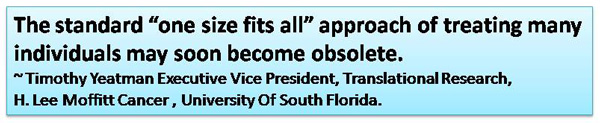
NCI Director John E. Niederhuber said: “By bringing a fresh set of eyes to the study of cancer, these new centers have great potential to advance, and sometimes challenge, accepted theories about cancer and its supportive microenvironment. Physical scientists think in terms of time, space, pressure, heat and evolution in ways that we hope will lead to new understandings of the multitude of forces that govern cancer.”

One of the scientists involved in the “rethinking”  of cancer is Professor Paul Davies, a British-born theoretical physicist, cosmologist and  astrobiologist. He is Regents’ Professor and Director of the Beyond Center for Fundamental Concepts in Science, co-Director of the Cosmology Initiative, and Principal Investigator in the Center for the Convergence of Physical Science and Cancer Biology, all at Arizona State University.

I have the benefit of reading some of Dr. Davies’  papers found in the internet.

Physics not biology may be key to beating cancer. Source: http://www.newscientist.com/article/mg21728970.200-physics-not-biology-may-be-key-to-beating-cancer.html

Cancer: The beat of an ancient drum. Source: The Guardian,  25 April 2011 http://www.guardian.co.uk/commentisfree/2011/apr/25/cancer-evolution-ancient-toolkit-genes

New research program to approach cancer studies differently. Source: http://www.statepress.com/archive/node/8973 

Rethinking cancer. Physics World, 2010. Source: http://cancer-insights.asu.edu/wp-content/uploads/2010/01/Physics-World-June-20101.pdf 

For your information, let me quote what this learned, non-medical professor said about cancer. Indeed we need non-medical researchers to call a spade a spade. Let’s hope that those in the medical profession take heed.

Present Day Cancer Research

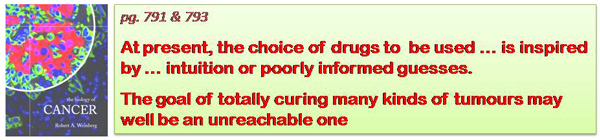
  • Cancer touches almost everyone in some way. Forty years ago President Richard Nixon declared a “war on cancer”. Yet in spite of $100 billion of taxpayer-funded research in the US alone, the mortality and morbidity rates for most cancers have remained almost unchanged. 
  • Dozens of much-hyped “cures” developed by drug companies are either useless or have marginal effect. 
  • Billions of dollars have been spent on cancer research and a million research papers have been published, yet most cancer sufferers have not benefited greatly from that effort. 
  • With the exception of a handful of cancer types, such as childhood leukaemia, progress on treatments has been limited to baby steps …  leading to marginal extensions of life expectancy.
  • Cancer biology is a subject about which a vast amount is known but very little is understood. So could it be that researchers cannot see the wood for the trees? 
  • Right now, the huge cancer research programme is long on technical data, but short on understanding.
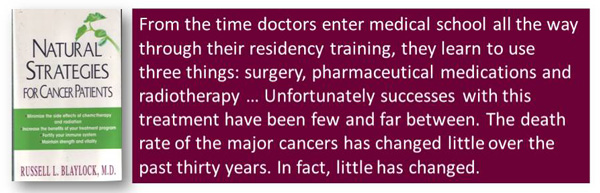
  • Cancer research is dominated by genetics and biochemistry. That’s why we have the therapies, genetic and chemotherapy, as the main approaches. I think that we can open up a whole new frontier just by thinking about the problem in a totally different way.

Changing Concept of Cell

  • In the 19th century, living organisms were widely regarded as machines infused by vital forces.
  • Biologists eventually came to realise that cells are … complex networks of chemical reaction pathways.
  • Then came the genetics revolution, which describes life in the informational language of instructions, codes and signalling.

Mainstream research today focuses almost exclusively on chemical pathways or genetic sequencing. For example, drugs are designed to block reaction pathways implicated in cancer. But while of great scientific interest, such projects have not led to the much-anticipated breakthrough. Why?

There are fundamental obstacles: living cells, including cancer cells, are a bottomless pit of complexity, and cancer cells are notoriously heterogeneous. A reductionist approach that seeks to unravel the details of every pathway of every cancer cell type might employ researchers for decades and consume billions of dollars, with little impact clinically.

  • Here is …  another way of looking at cells. In addition to being bags of chemicals and information processing systems, they are also physical objects, with properties such as size, mass, shape, elasticity, free energy, surface stickiness and electrical potential. Cancer cells contain pumps, levers, pulleys and other paraphernalia familiar to physicists and engineers. Furthermore, many of these properties are known to change systematically as cancer progresses in malignancy.
  • The challenge is now to unify all three pictures – chemical, genetic and mechanistic.

Need to Change the Perception About Disease and Cure

  • To make a start …  it is helpful to stop thinking of cancer as a disease to be cured.
  • Many accounts misleadingly describe cancer as rogue cells running amok.
  • Cancer cells are not themselves “germs”; rather, they are part of one’s own body, misbehaving in a manner that may produce undesirable consequences for the organism. 
  • I don’t think we need to cure cancer.  We do not need a “cure”; rather, we need to better control and manage how cancer cells behave and, ideally, prevent cells turning malignant in the first place. 
  • In fact, I don’t really think of cancer as a disease as much as an alternative form of living matter. We don’t need to cure it, we just need to manage it for long enough that people die of something else. 
  • It is a misconception to think that people either “have cancer” or not. Cancers usually go through a progression from mostly innocuous progenitor cells to full blown malignancy, and at any given time most people (at least those of middle age and beyond) harbour cancer cells and even small tumours in their bodies that produce no ill effects.
  • Cancer cells are not the invincible enemy of folklore, but recalcitrant variants of healthy cells that face their own struggle for survival against the body’s immune system. 
  • We need to get away from the notion of a cure, and think of controlling or managing cancer. And just as the effects of ageing can be mitigated without a full understanding of the process, the same could be true of cancer. 

Darwinism and Cancer: the Evolutionary Roots

  • With no prior knowledge of cancer, I started asking some very basic questions. What struck me from the outset is that something as pervasive and stubborn as cancer must be a deep part of the story of life itself. 
  • Sure enough, cancer is found in almost all multicellular organisms, suggesting its origins stretch back hundreds of millions of years. 
  • Oncologists tend to think of cancer as a motley collection of cells gone berserk, but to me the way that tumours grow and spread to other organs indicates an organised and systematic strategy, designed to evade all that the body and the medical profession can throw at it. Such well-honed behaviour suggests they are the product of a long period of biological evolution. 
  • Cancer is pervasive among all organisms (not just mammals) in which adult cells proliferate. There is a simple – some may say simplistic – Darwinian explanation of cancer’s insidiousness, which is based on the fact that all life on Earth was originally single-celled. Each cell had a basic imperative: replicate, replicate, replicate. However, the emergence of multicellular organisms about 550million years ago required individual cells to co-operate by subordinating their own selfish genetic agenda to that of the organism as a whole.
  • The genes needed to fashion the primitive cellular aggregates of the Proterozoic era did not all become defunct. Some were incorporated into the genomes of later, more sophisticated, organisms, and lurk inside human beings to this day. That’s because they still serve a crucial function.
  • It  has long been recognised that there are many similarities between cancer and embryo development, and evidence is mounting that some genes expressed during embryogenesis get re-awakened in cancer.  When an embryo develops, its genes lay down a body plan, starting with the most basic and most ancient features.
  • So when an embryo develops, identical stem cells progressively differentiate into specialized cells that differ from organ to organ – be it kidney, brain or lung. All these cells contain the same genes, but not all of the genes are constantly active. The body has a number of chemical mechanisms to switch genes on and off, which allow cells in different organs to have different properties that can vary with time. The colon, for example, needs to rapidly replenish cells sloughed off by the passage of food, whereas the cells in other organs, such as in the brain, have a slow turnover and reproduce only rarely. 
  • With advancing age, however, that command and control system develops flaws. If a cell does stop responding properly to the regulatory signals, it may go on reproducing in an uncontrolled way, forming a tumour specific to the organ in which it arises. 
  • The implications of our theory, if correct, are profound. Rather than cancers being rogue cells degenerating randomly into genetic chaos, they are better regarded as organised footsoldiers marching to the beat of an ancient drum, recapitulating a billion-year-old lifestyle. As cancer progresses in the body, so more and more of the ancestral core within the genetic toolkit is activated, replaying evolution’s story in reverse sequence. And each step confers a more malignant trait, making the oncologist’s job harder. 
  • It is well known that cells regulate the action of genes not just as a result of chemical signals, but because of the physical properties of their micro-environment. They can sense forces such as shear stresses and the elasticity of nearby tissue. They are also responsive to temperature, electric fields, pH, pressure and oxygen concentration. Most normal cells seem to come pre-loaded with a “cancer subroutine” that can be triggered by a variety of insults.

Metastasis – the Spread of Cancer

  • Only 10 percent of people die from primary tumors.  The mere presence of cancer cells in the body is not in itself necessarily a danger. 
  • It is their ability to target, invade and cling to other tissues that leads to problems. 
  • Most existing cancer treatments involve trying to remove a tumour surgically or destroying it with radiation … oncologists are often in the dark about why certain drugs actually work, or why normal dose–response relationships do not seem to apply. Cancer cells are notorious for mutating rapidly, often developing resistance to specific drugs or undergoing a resurgence years later with an acquired immunity somehow remembered. 
  • Chemotherapy can be effective at shrinking tumours and prolonging life somewhat, but …  can even be counter-productive by leaving a handful of resistant cells alive with no competition to arrest their explosive spread. As a result, drugs are rarely the perfect solution. 
  • When cancer cells spread around the body, this is a physics problem. These cells are microscopic bodies being swept along in this raging torrent. They wriggle around, they latch on to surfaces, they drill their way through. This is the sort of language that physicists and engineers can understand.  
  • Although metastasis seems fiendishly efficient, most disseminated cancer cells never go on to cause trouble. The vast majority die, and the survivors may lie dormant for years or even decades, either as individual, quiescent, cells in the bone marrow, or as micro-metastases in tissues, before erupting into proliferating secondary tumours. 
  • When tumours start shedding cells into the bloodstream and lymphatic system, allowing the cancer to spread around the body, a secondary tumour may then develop in organs far removed from the original. 
  • The spread of cancer presents many possibilities for clinical intervention once the dream of a cure has been abandoned. For example, if the period of dormancy can be extended by, say, a factor of five, many breast, colon and prostate cancers would cease to be a health issue. How could this be achieved? 
  • A key hallmark of cancer is that it can also grow in an organ where it does not belong; for example, a prostate-cancer cell may grow in a lymph node, or an ovarian-cancer cell in the liver. 
  • Metastatic cells may lie dormant, like spores, for many years in foreign organs, evading the body’s immune system while retaining their potency. Healthy cells, in contrast, soon die if they are transported beyond their rightful organ. 
  • Although tumour cells struggle to obtain oxygen from the normal blood supply, in response they can switch their metabolism to a low-oxygen cycle, thereby creating acidic conditions as a by-product that can harm other cells. In some respects, the self-centred nature of cancer cells is a reversion to an ancient, pre-multicellular lifestyle. 
  • Cancer cells are therefore neither rogue “selfish cells”, nor do they display the collective discipline of organisms with fully differentiated organs. They fall somewhere in between, perhaps resembling an early form of loosely organized cell colonies. 
  • Nowadays, most cancer researchers adopt a “followthe-genes” approach, based on the notion that an accumulation of defective (mutated) or misbehaving genes are the primary cause of cancer. Humans have between 20 000 and 30 000 genes in total, but many are switched off depending on the type of cell or its stage of growth.

Comments 

The world ought to be glad to learn that at last someone has decided that perhaps non-medical scientists ought to have a look at cancer from a different perspective. So the US National Cancer Institute decided to invite non-medical experts to research on cancer.

Is this not what Albert Einstein, the greatest scientist of the 20th century said years back?

  • We cannot solve our problems with the same thinking we used when we created them.
  • When all think alike, no one thinks very much.

I am happy that Professor Paul Davies had come out with his new insights about cancer. He made these suggestions:

  • STOP thinking of cancer as a disease to be cured that must be totally destroyed or bombed out of existence.
  • STOP frightening  or put FEAR in us that cancer consist of rogue cells running amok. These are not an enemy. It is a part of the complexity of life that we inherited since life on earth begun. 
  • TEACH us how to manage the cancer like we manage our ageing process.

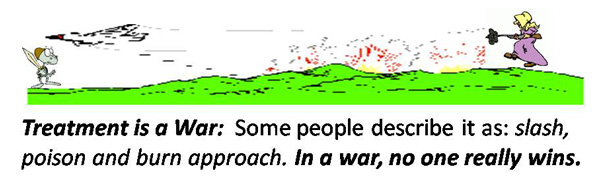
For years, practitioners of alternative healing  are saying the same things.  At CA Care I have been telling patients to learn how to live with their cancer. There is no need to fight. Fighting to me implies “war” – and we don’t want to start a war in our body. We need peace and harmony. When the times comes, let us die with our cancer.

Watch this video.

Many cancer patients come to us with a very naive notion. They are bought up by the idea that chemo is going to destroy all the cancer cells and they will be cured. The enemy in the body is done with. Soon afterwards many patients learn the folly of their ignorance.

Then,  they are told,  If the medical treatments cannot destroy all, at least the cancer is brought under control. Here again patients are just being misled — read the next posting to know that medical treatments could actually cause cancer to spread more and make it even more aggressive!`
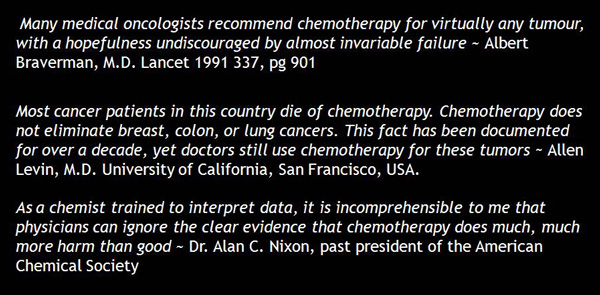
5 Chemo does not curecancer

HOW WE DO HARM PART 2: CASE OF BREAST CANCER

Review by YEONG SEK YEE & KHADIJAH BINTI SHAARI

How we do harm


In this segment of HOW WE DO HARM (or How Doctors Do Harm), we summarise 2 cases of ladies with breast cancer and how harm was inflicted onto them by their respective doctors.

In Chapters 3 and 4 of the book, Dr Otis Webb Brawley, an oncologist, described 2 typical breast cancer treatment cases that were referred to him.

In the first case Helen, 50, had mastectomy in 1990 to remove a 4 cm lump together with 21 lymph nodes, all negative and classified stage II. She was “offered” post surgical chemotherapy. Her oncologist explained that a stronger dose is better than a weaker dose. “More is better” has been the hallmark of the oncology profession since the 1950s, the more chemotherapy you administered to the patient, the more effective in terms of killing the disease.”

To save Helen from succumbing to the toxic effects of chemotherapy, she was “offered” autologus bone marrow transplantation since her insurance company will pay for more of the costs of the transplant and chemotherapy (page 32). The side effects (page 33) Helen experienced from the transplant and chemotherapy was far more severe than she expected or was explained to her.

She experienced the following:

  • Nausea, vomiting, diarrhoea, dehydration,
  • Her marrow was slow to re-implant and start producing,
  • She had bleeding caused by a low platelet count and severe anaemia,
  • She had gastrointestinal bleeding and bleeding from the incisions made to harvest her bone marrow,
  • She had mouth and gum problems and cardiac rhythm problems,
  • She had a change in mental status due to electrolyte imbalance,
  • She had respiratory arrest and is put on a ventilator,
  • She developed pneumonia and had a tracheotomy

Altogether, she spent 5 months in a hospital only to be discharged to a rehabilitation hospital.

  • Helen survived it all. However three years after her discharge, she read a news story about randomized clinical trials that showed that bone marrow transplantation for breast cancer doesn’t prolong survival!! (page 33).
  • Naturally she was devastated. Why had she been subjected to a devastating procedure when no one, including her doctor, could say with certainty whether it worked? Why wasn’t she told about this uncertainty? Was it possible she was duped? Was it possible she had nearly died to help her doctor and various medical institutions accumulate wealth? (page 30)
  • When confronted, her oncologist admitted and responded that…”this was what everybody was doing at the time” (page 34)…so much for “FIRST, DO NO HARM!!”
  • Four years later, a routine chest X-ray showed a lesion in Helen’s lungs… had Helen’s breast cancer returned despite the transplant? As further lesions developed in her lungs after the initial chest X-rays, Helen was told by her insurance company that she was pronounced uninsurable (page 36).
  • From a middle-class woman who has done everything her doctors told her to do and had been put through tremendous amount of what is now considered unnecessary treatments that she suddenly found herself uninsured and dying of cancer. What are her options now? (page 36).
  • A few months later, Dr Brawley was handed Helen’s PET-CT scan which she described as” it lit up like a Christmas tree.” Indeed the scan lights up bright, showing lesions in the spine, ribs, pelvis, lung, liver and the opposite breast…. What happened to her? (page 40).
  • This is indeed a real tragedy of “modern, scientifically tested, evidence-based medicine.” Helen received a bone marrow transplant without being told all that was known about it, and, more important, all that was unknown. She got the transplant because she was insured and doctors could convert her suffering into cash (page 45). 

In the second case, Lilla Romeo was first diagnosed with breast cancer (Stage 1) in 1995.  She had surgery followed by radiation. Five years after the initial diagnosis, a routine scan (how many scans did she have in the 5 years?) showed the disease had returned. The doctors told her that “the prognosis turned grim…the cancer was incurable, and the goal of treatment was to delay the inevitable.” So Lilla was persuaded, and started non-stop chemotherapy (page 71).

In 2003, Lilla remembered an oncology nurse at the New York University Medical asked if she was feeling tired and with a hemoglobin reading just under ten, she was “suggested and offered” cancer-fatigue drugs (at that time, the popular one was Procrit by J&J)

In 2004, she was told that the hospital had switched from Procrit to another drug, Aranesp (manufactured by AMGEN), which caused a burning sensation under her stain at the injection site (page 79).

In 2010, when she requested copies of her medical records from the doctors who had treated her, Lilla learned that she had received a lot more Procrit and Aranesp than she knew. Her first dose was administered on 1/11/2001 and then almost weekly thereafter. Altogether, she was given 221 1/2 doses.

When Lilla was started on the hemoglobin-building drugs (also known as ESAs), little did she know that the drug companies manufactured a medical condition: cancer fatigue. She also had no idea that “her infusion was the front-row seat for observing a spectacular, indeed, cataclysmic, failure in medicine.” Pharmaceutical companies were promoting an untested therapy that was supposed to make patients feel better and stronger when, in fact, it caused strokes and heart attacks and in some cases made tumors grow.

By the time she discovered the harm inflicted on her (after 221 1/2 doses), it was too late. She had spent about US 600,000 for the hemoglobin-building drugs alone. Dr Brawley strongly believed that these drugs have shortened Lilla’s life. She died on June 9, 2010 at the age of 63 (Just before her death, Lilla was suggested and given “Avastin”!!)

A POINT TO PONDER

Have you noticed a new trend in breast cancer treatment? More and more ladies are told that they have to undergo chemotherapy first to shrink the lump (whether the lump size is 3.0 or 3.5 cm) before surgery can be done, then further chemotherapy  and radiotherapy and perhaps hormonal treatment.

Why do you need to shrink the lump first in an external organ (like the breast) if mastectomy can be carried out? Recently we have seen a lady with an almost 5 cm lump removed by lumpectomy. So why is it necessary to shrink a lump of 5 cm or even 3.5 cm first by chemotherapy?  The patient will incur additional costs (for the chemotherapy drugs) and the additional toxicities and harm to the body.

We welcome your views on this matter.

FURTHER REFERENCES

There are lots of books/references on breast cancer screening/treatments, etc.  The following is a short list:-

1)       BREAST CANCER: THE HERBAL OPTION by Dr Chris Teo, PhD (If you follow the advice in this book, you will not have to suffer the collateral damage done to Helen and Lilla Romeo in the article above). ISBN No: 978-9832-590231.

2)       THE TOPIC OF CANCER by Jessica Richards (Read why and how Jessica decided against chemotherapy – her advice to all readers…”Don’t assume that what you are told by your doctor/oncologist is the only way or the best way for you”…For your information, Jessica did not have surgery, chemotherapy or radiotherapy and is still alive more than five years later after her diagnosis). ISBN NO: 978-0957-064409

3)       YOU DID WHAT? By Hollie and Patrick Quinn (Hollie Quinn was diagnosed with Stage 2 breast cancer while 38 weeks pregnant and just three weeks before her 28th birthday.  She had a mastectomy but refused all other forms of conventional cancer treatments). ISBN No. 978-0-692-009048 

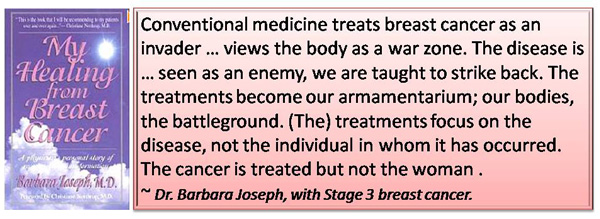
4)       MY HEALING FROM BREAST CANCER by Dr Barbara Joseph, MD (A physician’s personal story of recovery and transformation). ISBN No. 978-0879-837-112 

5)       www.drday.com – Website of Dr Lorraine Day, an orthopedic surgeon who healed herself by surgery alone – no chemotherapy or radiotherapy. Watch her DVD…”You can’t improve on GOD”…..how she healed herself.

6)       AFTER CANCER TREATMENT by Dr Julie K. Silver, MD, an assistant professor of Physical Medicine and Rehabilitation at Harvard Medical School (she advises patients to explore Eastern and other medical systems-read chapter 6). ISBN NO: 978-081-884382 

7)       YOUR LIFE IN YOUR HANDS by Professor Jane Plant (Despite five recurrences from 1987 to 1993, she finally defeated her breast cancer using natural methods). ISBN No. 978-0753-505502 

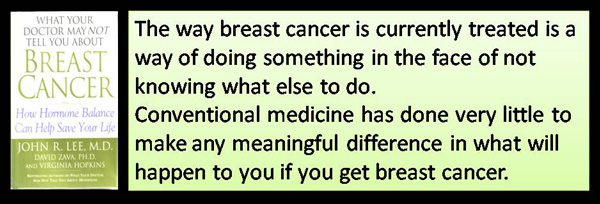
8)       WHAT YOUR DOCTOR MAY NOT TELL YOU ABOUT BREAST CANCER by Dr John Lee, MD, a hormone specialist and Dr David Java, PhD, a biochemist. Find out why the authors believe that:-

  • The women who agree to try new chemotherapies are guinea pigs for a type of treatment with a notoriously poor track record (page 13).
  • Chemotherapy is an attempt to poison the body just short of death in the hope of killing the cancer before the entire body is killed.  Most of the time it doesn’t work (page 13).
  • Some chemotherapy does prolong life for a few months, but generally at the price of devastating side effects, and if a woman does happen to get lucky and survive that bout of cancer, her body is damaged; recurrence rates are high…the use of chemotherapy is purely a gamble…(page 13). ISBN No. 978-0446-679800

9)       A WOMAN’S GUIDE TO HEALING FROM BREAST CANCER by Dr Nan Lu, OMD (Discover how the miracles of ancient healing techniques can complement modern medicine to battle breast cancer). ISBN NO: 978-0380-809028.

10)    A WORLD WITHOUT CANCER by Dr Margaret Cuomo, MD and radiologist. (Throughout the book, Dr Cuomo made various references to breast cancer and its treatments. One notable point is that—breast cancer radiation seems to carry a particularly higher risk, and may be associated with subsequent lung cancer, as well as cancers of the blood vessel, bone, and connective tissues (page 79).  Interestingly, Chapter 4 is called “Cut, Poison and Burn: A Look at Today’s Treatment Options). ISBN No. 978-1109-618858.

NB: THESE NOTES, COMPILED BY YEONG SEK YEE AND KHADIJAH BINTI SHAARI, ARE MEANT STRICTLY FOR YOUR INFORMATION AND NOT INTENDED TO DISSUADE YOU FROM SEEKING CONVENTIONAL CANCER TREATMENTS. THIS HAS TO BE SOLELY YOUR RESPONSIBILITY/DISCRETION.

When Oncologist Gave “Honest” Advice, Patient Survived!

BT (E137) was 44 years old when she was diagnosed with cancer.  CT scan of her abdomen in March 2004 showed an apple core lesion in the rectum area near the rectosigmoid junction. Perirectal fat and lymph nodes were also affected by the cancer. She underwent surgery to remove 13 cm of her colon. She received 28 times of radiation and also underwent chemotherapy – scheduled for 8 cycles but stopped half way.

Why did she give up chemotherapy? No, she did not give it up. It was her oncologist who gave it up! Listen to what she has got to say (this video was recorded on 7 June 2013 – almost 9 years later!).


BT said, I can still quote exactly what the oncologist told me that day: I have to stop the chemo because instead of saving you it will kill you.

Upon facing this dilemma, BT switched to alternative healing methods up to this day. It has been 9 years and BT is still alive! She came to see us in Penang hoping that we could help her further in her healing.

Comment

BT was scheduled to undergo 8 cycles of chemo but along the way she suffered severe side effects and was losing weight which alarmed her oncologist. So instead of being “killed” by chemo, why not let her “go” without chemo! BT changed her diet, etc. and she survived up to this day. Stop and think. Who needs chemo then, because even without chemo patients can survive (minus the side effects of course)?

Is this an isolated case where patients survived better without chemo? Absolutely not!

These Honest Oncologists Saved Them Too!

Tony, 67 years old, was diagnosed with colon cancer in December 1995. The cancer had spread to his liver. His doctor told Tony to go home and live happily and count your days. Let me reproduce what Dr.  Rose wrote:

Colon-Anthony-report

Tony came to seek our help on 24 May 1996 and was put on herbs. He benefited tremendously His CEA dropped from 45.2 to 5.0! And he probably lost count of the many good, healthy and happier days he had before he suffered a relapse due to changes in his diet.

Read more: http://www.cacare.com/colon-liver-story-of-tony

On 16 October 2010, I received an e-mail below:

Dear Dr. Chris K. H. Teo,

My mom’s oncologist told us her cancer had recurred and if she does chemo it will extend her life by another six months, and if lucky another twelve months.  But the oncologist does not recommend chemo and thought the treatment would make her worse. He suggested waiting until her condition becomes painful or other symptoms appear. He told us chemotherapy does not cure her cancer and it does not make much difference.

Surgery was carried out to remove 10cm of iluem and 7.5 cm of caecum. This was in March 2010. She refused to undergo chemotherapy after her surgery. I found out about you from the internet. I would like to bring my mom to see you to help treat her.

Read more: https://cancercaremalaysia.com/2011/09/15/colon-cancer-oncologist-said-chemotherapy-would-not-cure-her-or-make-any-difference-%E2%80%93but-cea-declined-after-herbs/

Comment

Please take note of what her son wrote about the oncologist’s advice:  The oncologist does not recommend chemo and thought the treatment would make her worse. He suggested waiting until her condition becomes painful or other symptoms appear. He told us chemotherapy does not cure her cancer and it does not make much difference.

Think hard and long – do you really need chemotherapy to heal your colon cancer? If you want more such success stories click this link: https://cancercaremalaysia.com/category/colon-rectum-cancer/


BOOK REVIEW: MY CANCER IS ME

JOURNEY FROM ILLNESS TO WHOLENESS by Vijay Bhat and Nilima Bhat

Review by Yeong Sek Yee & Khadijah Shaari

My Cancer is me

We chanced upon this book at the Mumbai airport on 24th May 2013 on our way to GOA. Vijay Bhat’s first career was in the high pressure world of advertising for over 20 years. Later, after his recovery from surgery, he started afresh as an independent leadership consultant to corporate clients, as well as a cancer coach to support other people battling cancer.

The title of the book, “MY CANCER IS ME” is central to Vijay’s belief that “since my life was about me, my cancer was also about me” When he focused on himself, Vijay realised that his cancer originated within and only then manifested as a “tumour” in his body i.e. “my cancer was about myself.”

Vijay’s cancer journey began in Dec 2001 when he was diagnosed with cancer in the transverse and descending sections of his colon. He underwent a surgical process called subtotal colectomy (i.e the removal of the entire large intestine) with ileorectal anastamosis (where the small intestine is connected to the rectum). His case was classified as Stage 3 with no metastasis.

The authors’ views on conventional cancer treatment

After surgery in London, Vijay was “offered” chemotherapy which he decided not to do after much thought and research. Some of his reasons are: –

a)     He was told by the oncologist that, with chemotherapy, his cancer had a 28% chance of recurrence and without chemotherapy, a 30% chance of recurrence. Considering this tiny 2% gap between the 2 options, and keeping in mind all that he knew about the debilitating side effects of chemotherapy, he decided against it.

b)    Vijay’s extensive research after his surgery made him truly believe that “the cancer establishment may be barking up only one tree and perhaps the wrong one at that”. Typically, Western medicine focuses on the physical aspects of cancer and the organ/ part of the body where the cancer has originated, for example, the breast, colon, or lung. This “organ-centric” approach assumes that if the cancer (and the affected body part/organ) is dealt with, the problem has been adequately addressed. Vijay believes that healing cancer requires going beyond an “organ-centric” approach and adopting a “person-centric” approach that takes the whole person into account, not just the body or part of the body.

c)      In addition, Vijay strongly believe that cancer treatment is often a hit and miss game; and that chemotherapy treatment carries a large margin of error because, beyond a point; the therapeutic drugs cannot distinguish between healthy and cancerous cells. As a result, chemotherapy has an adverse impact on the bone marrow, hair skin, digestive tract and the immune system, leading to side effects such as fatigue, bruising, bleeding, anemia, nausea, a poor appetite, a metallic taste in the mouth, etc.

To give him the best chance of remaining free of cancer, Vijay tried various alternative healing therapies and treatments. With the help of his wife Nilima, he created a personal healing regimen based on principles drawn from Traditional Chinese Medicine (TCM), yoga, meditation and the latest in Western medical research.

Vijay has crossed the five-year milestone in Dec 2006 and the ten-year milestone in December in 2011. This (Vijay’s case) clearly debunked the normal conventional cancer treatment myth that “you have no choice; you must do chemotherapy straight away”. As a result of his personal research, Vijay and Nilima came to the conclusion that “there are many approaches to dealing with cancer (or any illness for that matter), for instance, medical, nutritional, psychological and spiritual”

According to Vijay and Nilima Bhat, cancer is the result of your physical lifestyle along with your mental, emotional and spiritual processes and the “stressors” associated with these processes. For instance, negative thoughts and attitudes are mental stressors while negative emotions such as anger and guilt are emotional. Healing these aspects of you is essential for physical healing. The authors guide you through your process of self discovery, showing you how to find your stressors and teaching you how to recover from them.

The book also gives useful information on the biological aspects of cancer and its causes; dietary and nutritional needs of cancer patients; how to maintain optimum immunity; how to confront love and death; and the role of the caregiver.

The authors’ views on nutrition and cancer

After his cancer surgery (to remove the whole colon), Vijay Bhat was put on a liquid diet and then later a solid one. As he began to get his appetite back, the hospital nurse asked him cheerfully “Are you ready for a steak-and-fries lunch today?” Vijay thought she was joking. Anyway, he requested for some vegetable broth and mashed potatoes. When the surgeon came by on his rounds, Vijay asked him if there was a recommended diet and nutrition plan for cancer patients. The surgeon replied “Not really…though there is some evidence linking dietary habits with cancer, it is not conclusive.” Since Vijay had a major colon surgery, he asked…”even though my digestive system has been dramatically affected by the surgical removal of the entire colon (large intestine)? The surgeon still maintained that… “as long as you are sensible , you can eat whatever you feel like. (This dietary advice is very similar to the advice given to Dr David Servan Schreibar in his best seller, ANTICANCER: A NEW WAY OF LIFE. In Dr Schreiber’s case, his oncologist told him “Eat what you like. It won’t make much difference. But whatever you do, keep up your weight.” (For more elaboration, read Chapter 8: The Anticancer Foods of Dr Schreiber’s book).

As the authors lament, there are very specific dietary recommendation for ailments of the heart, kidney and liver, for diabetes, ulcerative colitis, and irritable bowel conditions and so on. What about cancer? Surely a situation where the body’s nutrients are hijacked by tumour cells and its immunity compromised, and where there may be further stress due to toxic treatments such as chemotherapy or radiation, deserves special care as it seeks to heal itself?

Paradoxically, there is a growing recognition of diet as a major causative factor in cancer. It has been established that diet contributes significantly to 6 of the 10 major causes of death in modern society…also there have been over 10,000 peer-reviewed scientific studies pointing to the connection between dietary habits and cancer.

From our (Vijay and Nilima Bhat’s) perspective, diet is the foundation upon which all the other holistic and integrated therapies can be built; ignoring it runs the risk of undermining the efficacy of the whole program. The following is a summary of the author’s research on the subject of nutrition and cancer: –

  • A meat-based diet increases the risk of cancer; a plant-based diet protects against some cancers. A plant-based diet is best.
  • A low fibre intake increases the risk of cancer. A high-fibre diet, with whole grains cereals and pulses is beneficial
  • A high-fat intake (particularly animal fat) increases the risk of cancer.
  • Excess animal protein increases the risk of cancer.
  • Alcohol & obesity increases the risk of cancer. 

Based on the 5 key dietary principles with reference to cancer, Vijay recommends some of the foods that boost immunity such as fresh fruit and vegetables, garlic, green/black tea and red wine, yoghurt, sweet potatoes, mushrooms, fish, apples, broccoli and red onions, oats and barley etc.

Vijay followed a strict plant-based diet and he is still alive 10 years later after surgery (without any other forms of conventional therapy). In the case of Dr Schreiber, he had brain surgery and chemotherapy. It was when he had a recurrence 3 years later that he decided to follow a plant-based diet and survived a total of 19 years (he had glioblastoma multiforme, a very aggressive form of brain tumour)

Point To Ponder

Would Vijay survive more than 10 years (surgery in Dec 2011) and Dr Schreiber survived 19 years if they had not changed their diets and follows an integrative program? We welcome your thoughts.

FURTHER REFERENCES:

To gain more insight on the benefits of a plant-based diet, read the following: –

1. THE CHINA STUDY by Dr Colin T. Campbell, PhD.

2. ANTI-CANCER: A NEW WAY OF LIFE by Dr. David Servan Schreiber.

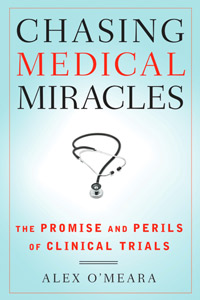
BOOK REVIEW: CHASING MEDICAL MIRACLES

The Promise and Perils of Clinical Trials by Alex O’Meara, a freelance journalist.

Review by: Yeong Sek Yee & Khadijah Shaari

http://www.alexomeara.com/books-writing-other-work/chasing-medical-miracles/

chasing medical miracles

Alex O’Meara researched and wrote this book after he participated in a risky and ground breaking type-1 diabetes clinical trial. In this book, Alex reveals what every health-conscious person needs to know about how drugs, devices and procedures are tested and approved.

In this segment, we detail how Alex was involved in a clinical trial and his subsequent discovery that clinical trials is not to cure anyone but merely to obtain data. Alex O’Meara, in his own words, “has served as a clinical trial guinea pig.”

In 2004, Alex signed up to take part in a clinical trial (The Pancreas Islet Cell Transplant Study) involving an experimental transplant to cure diabetes. He had been suffering from type 1 diabetes for almost 30 years and had “hypoglycemic unawareness”, a condition where his blood sugar, instead of staying chronically high, would plunge dangerously low which can cause seizures, coma, and in some cases even death.

The experimental procedure which Alex took part, replaces the insulin-producing cells that have died in a diabetic’s pancreas with living, healthy, insulin-producing cells. Because the cells are located in a part of the pancreas called the Isle of Langerhans, the cells are called islet cells. Those islet cells are taken, or harvested, from a recently deceased organ donor and infused through a tube into a person’s portal vein, which leads to the liver. The idea was that once in the liver, the islet cells would nestle in and produce insulin as if they were in a pancreas.

After stringent interviews and tests, Alex was accepted into the experimental procedure at the University of Virginia. Later he found out that he was the only one “selected” at the UVA. This made him realise that he was merely “a test subject, the monkey in the space capsule”. The transplant was really experimental and he had donated his body to science and he wasn’t even dead as yet (page 17).

What shocked  Alex more was that, on admission into the UVA hospital (in May 2006), he discovered that his doctor Susan Kirk, MD, an endocrinologist who specialised in diabetes also had type 1 diabetes for also almost 30 years. When Alex asked whether she would consider getting an islet cell transplant, Dr Susan said she wouldn’t…perhaps she might consider it in the future, “once the procedure is perfected.”

This encounter with Dr Susan Kirk prompted Alex to spend some time to chronicle his own personal experience and to research further the promise and perils of the entire industry of clinical trials. The following are the main points of the perils of the risky world of clinical trials: –

a)     Clinical trials are conducted to collect data only…however some clinical trials candidates suffering from cancer, diabetes, asthma, and other life-threatening conditions sincerely believe (or led to believe) that clinical trials are a valid medical treatment option (page 49).

b)    Subjects often come into clinical research studies believing that their own interests will be met in the same way as if they were receiving ordinary medical treatment (page 49).

c)     Terrible things happen in clinical trials because they are the most dangerous part of medical discovery. Very little in medical research, of which clinical trials are only the final phase, goes according to plan (page 21).

d)    Clinical trials are the one part of medical discovery where human lives are put directly at risk… in the absence of guidelines and agreed-upon definitions of what is ethical and not ethical, subjects in clinical trials get trampled in the blind pursuit of trying to apply medical breakthrough (page 23).

e)     There have also been concerns about whether the FDA allows pharmaceutical companies too much freedom in how they design trials and how they report the results of these trials. Pharmaceutical studies can be designed to falsely increase the likelihood of getting the results the drug companies wants (page 46).

f)     ….drug companies may skew the design of clinical trials so their drugs will come out looking more effective or less dangerous than they are. Among the tricks that can be used are testing the drug in a healthier population that will be taking the drug and comparing the new medication to a lower dose of an existing medication so the results look better for the drug being tested (page 75).

g)    ….consent forms that the trial subjects signed always overstate the benefits and the risks of the trial are understated (page 88).

h)    Because clinical trials are not therapy, because they are by definition research, terminally ill patients who do consent to participate in trials are usually persuaded to do so because of therapeutic misconception or the implication they will receive treatment in the trial (page 90).

Regardless, clinical trials are not designed to provide patients with quality care. Somehow, patient care became part of a process designed to only gather information. The doctor administering the trial might be wearing a stethoscope and a lab coat, but he/she is not there to cure anyone. He/she is there purely to collect information from a subject and learn more about medicine (page 30).

The history of clinical trials shows great swings between significantly helping and dramatically harming people (page 52). They are, after all “medical experiments” dismissed in the public consciousness as “a fringe medical endeavour along the lines of “Frankenstein cooking up a monster in a lab” (page 3).

So, for cancer patients opting/signing up for clinical trials, remember it is an information gathering exercise only and not a medical treatment at all. And in some trials, a placebo (sugar pill) may be used. If you are a cancer patient, you do not have the luxury of time for some drug companies to experiment with your body. Only the drug companies will benefit…..after you are long gone.

Postscript

Alex’s experiment was not successful. In May 2007, one year after the transplant took place he had to increase his insulin intake and in 2008, he was an insulin-dependent diabetic again. His wife, who could not bear it anymore, filed for divorce. Subsequently, the drug company sponsoring the trials also terminated the protocol….and Alex O’ Meara was back to square one.

FURTHER RELATED REFERENCES

There are a lot of books/references if you have the interest/inclination to read further on the subject of ethics (or lack of it) in clinical research. Below is just a short list.

1)   HE BODY HUNTERS by journalist Sonia Shah. In the book, she shares that: The main business of clinical research is not enhancing or saving lives but acquiring stuff: data. It is an industry, not a social service.The people who sponsor and direct clinical trials do it for the data, not to please patients or help bolster ailing health facilities, although they may point to these side effects to justify their activities.

2. WHITE COAT, BLACK HAT: ADVENTURES ON THE DARK SIDE OF MEDICINE (2010) by Dr Carl Elliott, MD, PhD, Professor in the Center for Bioethics at the University of Minnesota, who says medical trials that were once carried out by medical schools and teaching hospitals have moved to the private sector and drug companies manipulate the research and review boards to get the results they want. After drugs are released they again manipulate the system to get drugs recognized on the market even if the risk to patients outweighs the benefits.

3. EXPLOITATION AND DEVELOPING COUNTRIES: THE ETHICS OF CLINICAL RESEARCH by Jennifer S. Hawkins (Editor), and Ezekiel J. Emanuel (Editor).  The book is an attempt by philosophers and bioethicists to reflect on the meaning of exploitation, to ask whether and when clinical research in developing countries counts as exploitative, and to consider what can be done to minimize the possibility of exploitation in such circumstances.  A case in point is clinical research sponsored by developed countries and carried out in developing countries, with participants who are poor and sick, and lack education. Such individuals seem vulnerable to abuse. But does this, by itself, make such research exploitative?

4. RETHINKING THE ETHICS OF CLINICAL RESEARCH: WIDENING THE LENS by Alan Wertheimer, Senior Research Scholar, Department of Bioethics, The National Institutes of Health, and Professor Emeritus, University of Vermont.

Clinical research requires that some people be used and possibly harmed for the benefit of others. What justifies such use of people? This book provides an in-depth philosophical analysis of several crucial issues raised by that question. Much writing on the ethics of research with human subjects assumes that participation in research is a distinctive activity that requires distinctive moral principles. Specifically, read chapter 5, “Exploitation in Clinical Research.”

5. WATCH THE MOVIE….The Constant Gardener, a 2005 drama thriller film directed by Fernando Meirelles. The screenplay by Jeffrey Caine is based on the John le Carré’s novel of the same name. The film follows Justin Quayle, a British diplomat in Kenya, as he tries to solve the murder of his wife Tessa, an Amnesty activist. The story is told using many flashbacks and it is gradually revealed that Tessa was trying to uncover dubious drug tests by a Swiss-Canadian drug company on the local population.

It was filmed on location in Loiyangalani and the slums of Kibera, a section of NairobiKenya. Circumstances in the area affected the cast and crew to the extent that they set up the Constant Gardener Trust in order to provide basic education for these villages. The plot was based on a real-life case in Kano, Nigeria in which a meningitis drug, approved for use on adults were used on children (in Europe, the same drug was never approved for adults or children).

6. VISIT THE WEBSITE OF GUINEA PIG ZERO, a Journal for Human Research Subjects…..http://www.guineapigzero.com……lots to read. Then you will understand why you should not be a guinea pig

Brain Cancer: Surgery and Radiotherapy. Died

Lee (T633) was a 35-year old female. Since age fifteen, she had suffered from migraine headaches. The attack came once a month or once in two months. In July 2007 her headaches became more serious and too frequent to be comfortable. The migraine attack came two to three times a week. The pains in the head moved from one position to another. She lost her appetite, was dizzy and vomited. Sometimes she vomited blood.

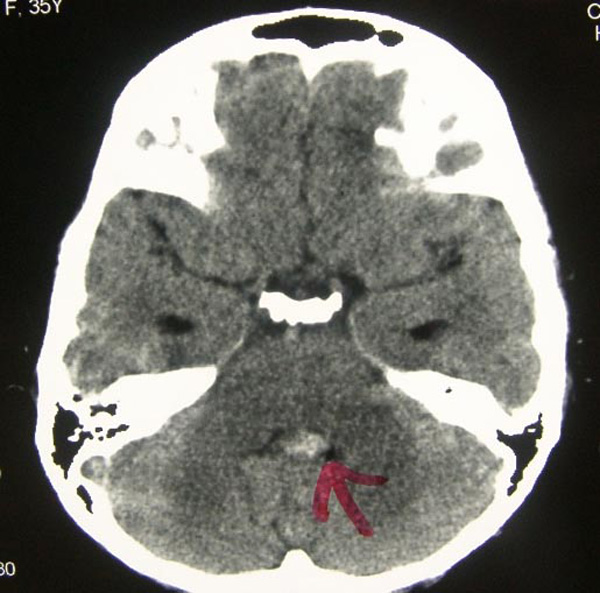
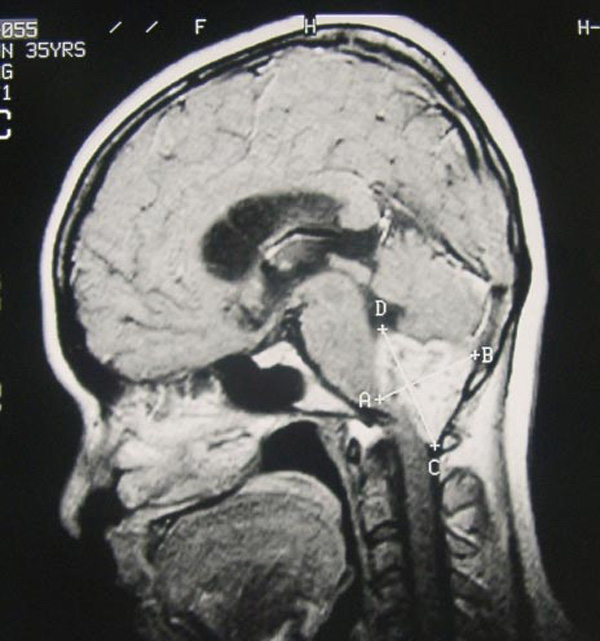
She went to see a doctor (GP) in a clinic and was prescribed migraine medication. It was not effective. On 4 August 2007, she suffered unbearable pain and vomited blood. A GP referred her to a private hospital. A brain CT scan done on 6 August 2007 showed a hyperdense focus in the posterior inferior aspect of the 4th ventricle. There was a moderate generalised hydrocephalus.

Brain-1

Brain-2

Lee underwent a brain surgery on 10 August 2007. The histology report indicated a malignant primitive tumour found, consistent with a medulloblastoma.

After the operation, Lee suffered hiccups and was well. Her two doctors gave Lee different opinions. According to the surgeon, she had to undergo radiotherapy immediately. However, the radiologist felt that Lee should wait for another two to three weeks to allow the wound to heal before starting with radiation treatment. There would be thirty sessions (possible additional of five) of radiation treatment and this would cost RM 6,000.

Lee and her husband were told that the radiation treatment would not be able to cure her cancer. However, there was a 50% chance that the treatment would prolong her life. She must, however, proceed with the radiation treatment as soon as possible to ensure that the cancer did not recur.

Lee’s husband came to seek our help on 19 August 2007. She was prescribed Capsule A, Brain 1 & 2 Teas and Brain Leaf + C-tea. Then on 16 September, Lee and her husband came to see us. The following are excerpts of our conversation on 16 September 2007.

Husband: After the operation, everything can be said okay.
Chris: Very good – do you have any headache?
Lee: No headache. My appetite had improved. I did not lose any weight.

Husband: The last time when I saw you, you told us it was up to us whether we wanted to do radiotherapy or not. So my wife decided to undergo the radiotherapy. She had started with the treatment and so far had received two treatments. We believed that your herbs would help but at the same time we believed that the Western medical technology would be able to cure the cancer faster. We are also aware that radiotherapy can kill both the bad and the good cells. We know that radiotherapy is going to cause some side effects and we hope that your herbs can help reduce these side effects.

Chris: (Shaking head vigorously). If you say that my herbs are going to reduce or prevent the damage caused by radiotherapy, my answer is no. The herbs cannot protect you from the radiation damage. I have a church friend. He had undergone radiation treatment to his chest. Barely a year later, he died. People told me that he did not die because of his cancer (lymphoma?). He died because he suddenly was not able to breathe. I wondered if that was the side effect of the radiation he had earlier. His wife had a tumour in her brain, almost eleven years after her breast cancer. She underwent radiotherapy. The plan was for her to receive thirty treatments. After ten treatments she suffered severe lung infection and was reduced to a vegetable state. She died soon afterwards.

How many radiation treatments does the oncologist want to give your wife?

Husband: Thirty times, lasting five to six weeks. If the cancer is still there, she may be given another five treatments. The doctor told me: If your wife does not do the radiotherapy, I guarantee you that within four to six months the cancer will come back. The doctor did not say may be it comes back. He said the cancer will definitely come back. Since the doctor guaranteed that the cancer would come back and since you cannot guarantee that your herbs can prevent the cancer from coming back, we have no choice but to undergo radiotherapy. I have to believe what the doctor had told me, but I also want to trust you.

Chris: It is okay and it is up to you. If you want to undergo radiotherapy, go ahead. I respect your decision. However, let me remind you that should your wife suffer any side effects or suffer any defects, please don’t blame the herbs. I am here trying by best to help you. My prediction is that radiotherapy may cause some damages. There are times when the damage could be worse than the cancer itself.

How did you (to Lee) feel after receiving the two radiation treatments?

Lee: I felt tired.
Husband: I thought the side effects would only come after a week of treatment.
Chris: I am afraid that after ten treatments (based on a friend’s experience above) she would not be able to take it anymore.

Husband: Hopefully, this will not happen. The problem is the doctor will get angry with us if we were to stop the treatment.
Chris: Well, you have to decide. Do you want to make your doctor happy or you want to make your wife happy.

After this visit, we did not get to see the unfortunate couple again. A few months later, a friend informed us the Lee had passed away.

On 24 March 2008, my wife, Im, called Lee’s husband to get an update of what had happened. Lee received thirty radiation treatments to her brain and twenty to her spinal cord. All treatments were completed on 22 November 2007. She did not suffer as much as expected, only a loss of appetite. Lee was actually on our Radio-Tea.

MRI of the brain done on 22 November 2007 showed everything was clear.

On 8 January 2008, Lee started to have back pains and numbness of her hands. She went to see her doctor. At first the doctor wanted Lee to undergo chemotherapy so as to prolong her life. But this was never done because according to Lee’s husband the doctor said: I do not have the confidence that chemotherapy would work for her. This reply made Lee’s husband really angry with the doctor.

On 21 January 2008, Lee died, six months and ten days after the operation of her brain. Before she died, Lee was unable to move her bowels. Her time ended when she was not able to breathe.

Comments: Lee’s husband was a great believer of medical authority – to him what the doctors said was gospel truth and must be obeyed. Though he was warned of the danger of radiotherapy, he still insisted that Lee must undergo radiotherapy otherwise the cancer would come back very fast. That was what he was told and that was what he believed would happen. No, he discounted the fact that radiotherapy and surgery for that matter, could result in an earlier death of his dear wife. Many patients who came to see us were ignorant. In this case, Lee and her husband understood what they were in for. I have told them plainly and clearly the risks involved. They had made their informed decision. Sadly, the result was an early death. Perhaps it is worth repeating what Dr. Jeffrey Tobia, consultant cancer specialist at the University College London Hospital, wrote (in Living with Cancer, pg. 176): As far as cure is concerned, there is no use pretending that brain tumours are truly curable. Medical success with brain cancer is very rare.

War Against Leukemia: The Story of Our Eldest Son

(Thank you KM for this contribution).

The day that changed the lives of my wife and I came on one Sunday in October 1998. I had just returned from an overseas trip that Sunday, arriving home in the afternoon. That morning, my wife had brought our eldest son, KW to a private hospital to do some test to see why his mild fever did not go away. She returned late that afternoon without our son. The expression on her face told me that something very serious had happened. With tears in her eyes she told me that our son, KW had leukemia.

We went to the hospital later in the evening. KW was quite calm but he did asked “why me?” I think no one can answer that question. In this world there are smokers who do not get lung diseases. And there are non-smokers who end with having lung cancer for example.

Some of KW’s close friends also visited him. KW was then 25 years old. He had returned earlier that year from Australia after graduating with an Electrical Engineering degree. He found a challenging job with a world-renowned American IT multi-national company soon after. (We were told later by his superior that he had received commendations during his short time with this company). My wife and I were very happy then seeing our eldest son had started his career while our younger son was still studying in the UK.

But this was to be the beginning of our sufferings with our eldest son.

After consultation with some friends who had connections in the medical field, we transferred KW to the Singapore General Hospital. That was the start of his ten-month stay in hospital with very short spells of home stay. That was also the beginning of ten months of suffering for KW from the side effects of chemotherapy, radiotherapy and finally the bone marrow transplantation.

I was then working for an understanding European company in a regional capacity which allowed me to have time with our son daily except when I had to travel. During work I was able to get away from the heavy heart we experienced when with KW. But it was not the case for my wife who patiently spent some ten to twelve hours each day to be with our son. Yes, daily for ten months.

My wife saw and experienced firsthand all the sufferings endured by our eldest son. Chinese New Year was spent in Singapore General Hospital together with KW. During the later part of the 10 months, I and my younger son (who was back from study break) took turn to spend the night with him. It was on a day during the last month (July 1999) of our son’s suffering that my wife was traumatised badly seeing the hospital medical personnel giving medical treatment to our son without telling her what happened even when he went into induced coma and had to be put in the intensive care unit. During our visits when he was in intensive care, we noticed tears in KW’s eyes when we talk to him. We knew he could hear us.

Days later our younger son answered a telephone call at around 11pm asking us to go to the hospital. We reached the hospital just before midnight and rushed to the intensive care unit but were not allowed to see KW as the doctors there were trying to revive him. Minutes later, the doctors came out of the intensive care unit to tell us the bad news. All three of us, me, my wife and our younger son cried quietly when we went in to see him. We were calm and we accepted the ending. THE HEAVY LOAD ON OUR SHOULDERS FINALLY WAS NOT THERE ANYMORE. In the course of those ten months, my wife and I learnt meditation and we became spiritual rather than religious. We learnt meditation, life and death including life after death from an ex-medical doctor. We found comfort here. It was with all these that we were able to face the situation better. We have learnt a lot during those ten months about human relationship, compassion, caring, etc. My wife and I also learnt that whilst we grieve we cannot do so for eternity; we have to let go and live our own lives. We accepted our physical connections and relationship with KM has ended. We know spiritually he will always be with us. He, like all human beings was born into this earth to learn, to experience, and came for a single or multiple purposes. As soon as these purposes are fulfilled one leaves the earth by passing on. But their spirit will always be around. KW died in August 1999.

The followings were events and happenings witnessed by our family after his passing on. To the unbeliever these were imaginations or hoax. But my wife, our younger son and I all believed that KW visited us and leave behind telltale signs to tell us of his presence. Our family is very close to each other. We were not afraid at all.

Two days after KW’s death, we got a call from our tenant (we leased out our house and were living in an apartment), that the mirror of one of the bathrooms cracked and shattered. When my wife (still in mourning) went to our house to investigate with the glazier who installed the mirror, she found it was the bathroom that used to be KW’s. The glazier was surprised the mirror cracked as he had not seen such crack before. We believe KW who loved the house very much visited his favourite residence (his mother had promised him that when he gets well we would move back).

One day about a month later, the ceiling fan in the living room of our apartment was spinning faster than the set speed and I told my wife that perhaps the fan control was faulty. Two days later, it happened again. Being spiritual and having learnt about life and death and life after death, my wife asked whether it was our eldest son visiting us and the reply came with the ceiling light switching on by itself. My wife asked whether he is happy over there and to confirm it. Again, confirmation came with a light switching off by itself.

Some days later, when I walked towards the balcony of the apartment where we lived at that time, the balcony light came on by itself. Our younger son returned to the UK in September about a month after the passing of his brother to continue with his studies. In December of that year I asked that he come back to Singapore for the Christmas and New Year break to spend time with his mother. On the second day of his return, I was with him in our living room, with me watching TV and him lying on the sofa. Suddenly he called out to me to look at the ceiling fan which surprisingly was spinning very fast although it was set at low speed.

Some days later whilst working on the computer near the dining room late one night, he heard a click and the light on the ceiling fan came on. Again similar things like ceiling fan running faster, light switching on and off happened to our younger son when he came back to Singapore again in March and in June of 2000. We all knew KW came back to see his brother. Around the middle of 2000 my wife who is short sighted saw the image of KW when she got up from bed one morning. Without her eye glasses, she could see clearly an image of him showing him around 15/16 years old with beige colour shirt and long pants appearing happy. His appearance lasted only seconds. He had come to say goodbye. This was to be his last presence as from that day onwards there were no more appearance, no ceiling fan running at fast speed, and no switching on or off of lights. We believed that it was time for his soul to move on.

My wife and I were happy to know that our eldest son is happy over the other side. We continue to believe that he is happy and that his soul lives on, on the other side. We believe it is difficult for spirit to manifest itself in the form of human. The vibration of spirits is very high so we cannot see them easily. To illustrate let me explain this in a simple way. When a table or standing fan with its three blades stationary, can we see through the blades? The answer is no we cannot. But if we switch on the fan at low speed we can vaguely see through them and when the fan is at high speed we can definitely see through the blades. So spirits being high in vibration cannot be seen by us although they are present; we are seeing through them.

Two years after KW’s death, my wife had breast cancer. She refused to receive any conventional medical treatment such as chemotherapy, radiation, etc., relying on food and food supplements. She believes her condition was brought about by the emotional stress and trauma experienced during those ten months when KW was in hospital. For the past six years she was living a “normal healthy life”.

On 10 January 2008, she complained of severe pain below her shoulder blades. She could not get up after lying down in bed. Any body movement caused severe pain. The next day, the neighbourhood doctor had to make a house call and prescribed some pain killers. She had read about Dr. Chris Teo, in a book by Betty Khoo called “Cancer Cured Naturally”. She decided to consult Dr. Teo in Penang. But before the trip, I made her to see a pain specialist to address the pain problem so that she can comfortably travel to Penang. We contacted Dr. Teo who asked for a full blood test to be done so that he can be aware of my wife’s condition and not doing things blindly. The blood test showed the breast cancer had probably metastasised to the bone. Her liver functions were also not good including presence of some forms of inflammation. We went to Penang to see Dr. Teo a week later.

Dr Teo prescribed the required herbs and advised what food she can and cannot take. After taking the herbs for two weeks she was completely off pain killers and she could lay down more inclined. After four weeks of taking the herbs, she was able to sleep flat in bed and get up without pain except some pressure at the sternum. She still experienced “ache” around her shoulder blades but not those severe pain. Her energy level was higher and she can raise and stretch both her arms more easily now. She believes the herbs are definitely helping her and improving her condition. Meanwhile, my wife had PET/CT scan done on the advice of Dr. Teo and the results confirmed the breast cancer had metastasized to her spine, hips and lungs. She continues taking the herbs consciously and is extremely careful and mindful of what she consumes as drinks and food. She now thinks that perhaps had she handled her emotion better, letting go and accept the fact that loved ones can be lost, she might not be in the condition she is now in. Both my wife and I now live for the present and not worrying what can happen. We are taking one step at a time. We are also grateful to Dr. Chris Teo and his wife for helping and guiding us through. We have faith in them and are hopeful my wife will be cured.

Comments: This is the advice we give to those who come and see us. Learn to let go. When you hate, the only person who gets hurt is you. Because those people whom you hate don’t know; And the rest of the world, don’t care a damn!

Is Chasing Away Evil Spirit As Good As Taking Chemo-drug?

Radiation and chemotherapy are dangerous placebos. And placebos sometimes work
~ Dr. Julian Whitaker

Lina (not real name) is a 36-year old female. She was diagnosed with CML (chronic myeloid leukemia) in August 2008. The doctor at the Singapore General Hospital prescribed an oral chemo – Glevec (Imatinib) – for her condition. This medication cost S$3,500 per month. Initially Gleevec was good for her but after 6 months she suffered a relapse. The consumption of Gleveec was stopped.

The doctor suggested Lina undergoes a bone marrow transplantation. This procedure would cost approximately S$50,000 to S$100,000. Lina declined. She said: I would rather die than undergoing this procedure and go bald. In view of this, the doctor prescribed Lina another oral drug, Dasatinib (or Sprycel) at 140 mg /day. This medication costs S$6,000 per month. After taking this drug for the past few weeks, Lina suffered pains in her bones – the pains seemed to move around the whole body.

Desperate in wanting to find a cure for her illness, Lina went to seek the help of a medium who lives in private house somewhere in Singapore. The medium told Lina that her problem is a result of evil spirits. He (the medium) would be able to chant and pray to get rid of these evil sprits, but this comes with a price tag of S$3,800. The medium told Lina that after one chanting, she will be cured. Lina wanted to try this treatment but her husband objected.

Comments

The lessons we can learn from Lina are these:
1. Desperate people will do desperate things to find a cure that rarely exist.
2. Desperate people are vulnerable.
3. There are enough vultures around ever ready to pounce of such desperate people. They come as Black Crows or Men-in-their-white-coats.

Therefore it is up to us to be on the watch out and empower ourselves to look out for such people. There are still people who want us to believe that diseases are due to evil spirits or even as God’s punishment for our sins. As such chanting, prayers and ritual cleansing can do the job perfectly well.

My reading tells me that some diseases can indeed be due to the mind and has no organic origin. In such cases, practices that unblock the mind and restore our positive emotion may help. However, if the disease is of organic origin, i.e., due defects of basic biochemical processes or tumours, it is indeed hard to believe that only chanting, prayers, ritual cleansing or drinking of blessed plain water can cure the problem.

However, desperate people are vulnerable!

The main concern of such spiritual treatment is how it affects the patient. In this case, the worst that can happen is that Lina would be poorer by S$3,800 if her leukemia is not cured. There is no other harm.

Lina had already spent S$3,500 per month for 6 months (total S$ 21,000 for the so called scientific medicine, Gleevec) and she ended up with nothing as well. If we look at it from this viewpoint, the taking of the so called scientifically proven drug is no better than paying the medium. In fact the medium asked for much less money. We can’t blame Lina if she chooses to believe in the medium. She has put her full trust in her doctor and medicine had failed her. So what is the difference then – medium or doctor?

Now, Lina is on another drug that costs S$6,000 per month and she ended up with unexplained pains that moved around her body. What is going on?

I thought the medium ought to be a bit more clever – why offer just a chanting service? In addition to chanting, dish out some coloured sugar pills for her to swallow each day. Tell her the pills are going to cure her, besides the sms he (the medium) is sending to the devils.

Look at it this way, is the result that Lina had thus far, not about equivalent to what she had obtained by paying the hospital – S$3,500 or S$6,000 per month? And I am also sure that those coloured sugar pills (if the medium where to dish out) will not cause pains.

What is Gleevec or Amatinib

Gleevec, also known amatinib, is a new drug that was approved by the Food and Drug Administration for the treatment of chronic myeloid leukemia (CML), a cancer of white blood cells, and for the treatment of a rare form of stomach cancer called gastrointestinal stromal tumor (GIST).

One study had shown that in 9 of the 20 patients who were treated for five months or longer, no leukemia cells could be found, which showed that the drug was eliminating the source of the cancer.

Another research paper said: imatinib has had a marked impact on outcomes in patients with CML. It remains a valuable treatment for all stages of the disease.

The truth is: As far as Lina is concerned Gleevec has failed her. Why? Perhaps she is the unlucky one or perhaps the devils are still around?

What is Sprycel or Dasanib?
After Gleevec had failed, the doctor suggested Syprycel. This drug is used to treat those with chronic myeloid leukemia (CML) and who are no longer benefiting from Gleevec. This means Lina has moved from taking the ineffective imatinib to another drug named dasanib. Do you see the similarity in their names? All belong to the nib family (this requires another article to explain its implications which many people are not aware of!). According to the website the long term benefits and toxicities of dasanib are currently still being studied (take note of this statement!)

Besides the high price tag, dasanib comes with a long list of side effects:
1) Can cause low red blood cell counts (anemia), low white blood cell counts (neutropenia), and low platelet counts (thrombocytopenia).
2) Can cause bleeding. The most serious is bleeding in the brain leading to death, and bleeding from the gastrointestinal tract. Less severe events included bleeding from the nose, the gums, bruising of the skin, and excessive menstrual bleeding.
3) Can cause fluid to accumulate in the legs and around the eyes. In more severe cases, fluid may accumulate in the lining of the lungs, the sac around your heart, or abdominal cavity.
4) Other side effects are diarrhea, skin rash, headache, fatigue, nausea, muscle and bone pain, fatigue, fever, cough, poor appetite, dizziness, moth sore, constipation, chest pain, numbness and tingling in hands and feet, chills, weight gain, etc.

My last point

After knowing the possible side effects of the new S$6,000-month-drug, I developed cold feet. My feet get even colder when I recall what happened to KW, a 25-year electrical engineer. He was diagnosed with leukemia and underwent medical treatment, including bone marrow transplantation. He died within 10 months. (Read Story 3: War Against Leukemia: The Story of Our Eldest Son).

Perhaps Lina should just opt to have the medium chase away the devils instead? At least, she would suffer no harm. If the medium could keep the devils away for 10 months, then the treatment is a real bargain.

Either way, no one seems to be right and sure, at this point in time. The medium is selling hope but he does it in a crude way. Not many would believe his stunt and most regard it as a con job. Doctors too are selling hope and they do it in a scientific way. The entire world tends to believe them. In the end, it is all about perception! Either way the result may just end up the same?

Note: By writing this case, I am not implying that you go to the medium for treatment. Going to the medium probably has similar effect as wait and see or do nothing is better than doing something aggressive and deadly. In this case Lina came to us for herbs.

Leukemia – A Miraculous Healing

Pak Jam, from Aceh, Indonesia came to Penang on 7 December 2009. His wife Nur was diagnosed with AML (Acute Myeloid Leukemia) in July 2009. After the herbs she is now recovering very well.

Four months ago, Nur was hospitalized for fifteen days and received five cycles of chemotherapy at a private hospital in Penang. Her condition did not improve but instead became worse. In spite of the medication, even her coughs could not be cured during those fifteen days. The total cost of the treatment amounted to RM 30,000 and the family had run out of funds, in spite of borrowing from friends and relatives. Pak Jam had no choice but to discharge Nur from the hospital and came to seek our help.

Pak Jam said: When I was on the way to the airport bringing my wife home, I prayed that she would just survive her trip to Medan (the destination, Indonesian city about thirty-minute flying time from Penang). Please do not die in Penang or at the airport. If she expired in Medan, at least I could bring her home by car without much hassle. My wife could hardly move and I had to move her in a slanting wheelchair with her head held onto my chest. On the plane I put her head on my lap. When I got to Medan, we rested for 2 days before taking a fourteen-hour ride to Aceh. On the way home she fell unconscious.

After taking the herbs (Capsule A, Leuk 1 and Leuk 2 teas, etc., and without any of the fifteen drugs that the doctor had prescribed on her discharge) Nur started to recover. Her health improved with each day. She can now participate in the house chores, including cooking for the family and carrying her grandchild – something that she could not do before. Chris said to Pak Jam: I am amazed, it is God’s blessing. Pak Jam replied: It is your efforts but it is God who heals.

The following is the full story of Nur’s amazing recovery.

Part 1: No Cure and No More Money

First Visit to CA Care

Chris: From Aceh, fifty-six years old, now in hospital and the patient is your wife?
Pak: I could not afford the expenses anymore.

C: Oh, you could not afford the expenses but the doctor can treat her?
Pak: The say cannot cure her. Then only last night we found out about CA Care. My son phoned me and asked me to find Dr. Chris.

C: How did he know about Dr. Chris?
Pak: From the internet.

C: Let me ask you some questions first. What really happened? Let’s start from the beginning.
Pak: One lump in the anus was removed. That was done in a hospital in Medan, three months ago. The wound took too long to heal. Eventually the doctor did a blood test and found her haemoglobin was low. They did a lumbar puncture (or spinal tap in which sample is drawn from the lower spine using a needle). After that they said it was blood cancer – leukemia.

C: What did you do after that?
Pak: I requested for blood transfusion. This was done in Medan and then I brought her to a private hospital in Penang. She is already 11 days in the hospital.

C: What did the doctor tell you?
Pak: They did more tests, another lumbar puncture and sent the sample to Singapore. The result – leukemia.

C: Then, what did they do?
Pak: They said chemo. So she had four days of chemotherapy already.

C: Four cycles of chemo. How many do they want to give her?
Pak: They said five – so tomorrow will be another one.

C: Okay, five cycles of chemo – but actually what do they really want to do? Because in leukemia the treatment needs to go on for years (it is not finished with five shots of chemo).
Pak: No, I don’t want that.

C: With four or five cycles of chemo – did you ask, what is the real aim here? Can they cure her with such treatment?
Pak: No, cannot cure.

C: So, if cannot cure, what actually then is the aim of the treatment?
Pak: After five cycles of chemo, they will give her some medications to increase her haemoglobin. After that she will go home.

C: Is that all they want to do? If chemo cannot cure her – why do you undergo chemo then? Okay, how much does one cycle of chemo cost you?
Pak: I don’t know yet, but probably RM 1,000. I really don’t know because I have never had such an experience.

C: From what I know, if they really want to treat leukemia by chemotherapy, it would require three years of treatment. The treatment can drag from Year 1 to Year 2 and then Year 3. I know of patients spending up to RM 300,000 for such treatment. Yet they failed to find their cure. If we can only maintain her condition, that is good enough. But even maintenance cost so much money and patients cannot afford it.
Pak: I actually cannot afford it anymore. I would probably go back to Aceh and find some folk medicine in my kampong (village).

C: Pak, many people believe in folk medicine. You may go to the bomoh (local shaman) but we also need to rely on scientific knowledge. Some bomohs may say her problem could be due to the evil spirit, demon, etc, etc., but it is important to look at the blood parameters. We need to know exactly what had gone wrong. I also know that even medical science finds it difficult to cure leukemia. I also know of a person who spent RM 1.5 million (not 1.5 million rupiahs, it is RM) trying to cure his wife’s leukemia. But in the end, his wife died – no cure. So, we know it is difficult to find a cure for leukemia.
So Pak, if it is me, I would get out of the hospital now. In the hospital, you need to spend a lot of money and they say they cannot cure your wife. They could NOT guarantee her recovery. Think further, is there any hope with chemotherapy? It has already been eleven days that she is in the hospital, where is the hope? The doctor said there would be no cure. That means more money spent.
Pak: I called home for more money to be sent over, but there is no more money. I can only lift up my hands to God for help. Then last night my son called and asked me to see Dr. Chris and seek his help.

Part2: Discharged And Prescribed Fifteen Types of Drugs

Second and Third Visit to CA Care

Pak: I have brought my wife out of the hospital.
(Note: She was prescribed herbs: Capsule A, Leuk 1 and Leuk 2, GI tea, Chemo and Radio Tea)

C: Okay, take these herbs and in the next few days she will suffer from healing crisis. She will feel difficult, more tired, etc. Don’t worry, take it easy. If possible bring her here before you go home. But if she is unable to come, it is okay – you come and tell me what happens.

The Doctor Prescribed Fifteen Drugs Upon Discharge From Hospital

C: She was discharged from the hospital?
Pak: I bring you all the medications that the doctor prescribed upon her discharge. Tell me what drugs I need to give her and what I would just keep aside. Oh, so many drugs, which are the ones to take I don’t know.

C: I don’t know – I am confused. One, two, three … thirteen, fourteen and fifteen. Fifteen drugs to take.
Pak: Of these, are there drugs that she has to take? If not, I would just put them aside.

C: It is difficult for me to advise – too much medication.

Journey Home

Pak: When I was on the way to the airport bringing my wife home, I prayed that she would just survive her trip to Medan (the destination, Indonesian city about 30- minute flying time fromPenang). Please do not die in Penang or at the airport. If she expired in Medan, at least I could bring her home by car without much hassle.

C: Was it difficult when you brought her home on the airplane?
Pak: Very difficult indeed. My wife could hardly move and I had to move her in a slanting wheelchair with her head held onto my chest. On the plane I put her head on my lap. She had to lie down. There was no need for oxygen. When I got to Medan, we rested for two days before taking a fourteen-hour ride to Aceh. On the way home we stopped mid-way and visited our grandchild. She was very tired and fell unconscious.

Part 3: Hospital Experience – RM 30,000 And No Benefit

C: I am amazed and I did not expect this. Tell me, how many times is she better off now than before taking the herbs?
Pak: I believe the doctor would be shocked to see her, if I were to bring her back to the hospital. We spent RM 2,000 per day while in the hospital. For a week it came to RM 14,000. Every now and then I was asked to put in more money as security deposit.

C: Everyday they asked you to put in more money as deposit?
Pak: Almost every other day. When the money was almost finished they asked for more deposit. So you see when she was in the hospital, I had to spend a lot of money. I borrow from others and now I am starting to pay them back. So I have to work hard to start finding more money. Oh, to find money is so difficult. But when I have found enough money, I flew here to see you. I am very satisfied. I saw her improvements. To me this is the way to go.

C: The stay in the hospital cost you RM 2,000 per day? A day and a night cost RM 2,000? And you stayed for a week?
Pak: No, it was for fifteen days and that cost me M 30,000.

C: RM 30,000 – did you receive any benefit?
Pak: No, I did not see any benefit at all.

C: Fifteen days in the hospital – what was in your heart then? Was there any hope at all?
Pak: Helpless.

C: Did you think she would recover in the fifteen days in the hospital?
Pak: No. Looking at the veins in her arms due to the infusion, I told the doctor: Pardon me, if possible I would like to bring her home.

Infected With Coughs While In Hospital
And Doctor Could No Cure That Either

Pak: Fifteen days in the hospital, the doctor could not even cure her coughs. Her coughs did not go away. On the day she was admitted, the doctor suggested that my wife stay in a single-bedded room. But this was very expensive. I declined. So she stayed in a six-bedded room which was the cheapest. She was then very weak. The patient staying next to her bed had coughs. So my wife was infected by her coughs and started to cough too. The doctor gave her mediation for it but it was not effective.

With CA Care Herbs Her Coughs Were Gone Within Three Days

Pak: The doctor could not even cure her coughs in the fifteen days while in the hospital.

C: Could not cure coughs? But eventually her coughs were cured?
Pak: I came here and you gave me a set of cough herbs (Cough 5 and Cough 6) and after adding a few pieces of ginger, I boiled them. I let her drink the cough tea for the first time that evening. Her coughs got worse – more serious and she coughed more. I had an argument with my son. He asked me: Dad, do you believe in Dr. Chris’ herbs or do you believe in the doctor’s medication? Let’s see what can happen in the next one or two days. The next morning, my wife coughed less. I gave her more cough herbs and the next day her coughs were gone. So within three days the coughs went off but for two days she had difficulty. First day was really serious, second day her difficulty became less. Third day – coughs gone.

C: And you said when she was in the hospital for fifteen days, the cough did not go away?
Pak: The coughs did not go away.

C: Ha, ha, better than staying in the hospital! Right?

Part 4: Doc, Your Efforts But God Who Heals

C: When she was in the hospital, she had chemo, how was her condition?
Pak: No, the stay in the hospital did not help her at all.

C: Even with chemo, it did not help?
Pak: No.

C: Okay, when she was discharged from the hospital, how was her condition?
Pak: Very weak, could not walk by herself and needed to be aided. That was why I did not bring her to see you.

C: After being discharged, she started to take herbs for a week before you brought her back to Acheh. During that first week, did she show any improvements?
Pak: No, she became worse.

C: Oh, she became worse – more tired?
Pak: But I was not afraid. (Pak had been forewarned about the healing crisis). When in Acheh we checked her blood. Her haemoglobin level was 6.0 (So I called you and you asked me to go for blood transfusion). I brought her to the hospital and they gave her five packets of blood. The haemoglobin rose to 11.0. Fifteen days later she had to be hospitalized again due to high fevers. Her haemoglobin dropped to 8.5. But the doctor did not give her any blood this time. After ten days in the hospital, she was alright.

C: After this, was she getting better – healthier?
Pak: All these times, she was taking your herbs. Yes, in the hospital she was taking your herbs. Eventually her haemoglobin rose to 8.7.

C: Apart from the haemoglobin, how was her condition?
Pak; Better. Now she can walk. In the morning I brought her for a walk. Now she can walk 100 metres – up and down and that makes it 200 metres every morning. Before that she was not able to walk.

C: Before that, she was in pain, you said.
Pak: Yes, she had pains in her anus. But now no more pains. It is normal now.

C: Before she was unable to sleep.
Pak: She can sleep now and her appetite is very good. Before, she had no appetite.

C: Wow, ha, ha.
Pak: Now even at night she feels hungry and asks for food. Before that her skin was wrinkled – no flesh. Now the wrinkles are all gone and she had put on more flesh.

C: Previously you said she was tired.
Pak: Yes, even now if she walks too much. But if she is in the house, she is okay, not tired any more. She can move around the house overseeing the children doing the house chores. She can go to the bathroom and bathe by herself. Before that she was not able to do such things.

C: Oh, this is really amazing.
Pak: Her improvements are really good.

C: Before you said her breathing was difficult.
Pak: Now, it is good.

C: So compared to before and after the herbs – there are differences?
Pak: Very different. Great improvements.

C: Relax and be at easy. Now that she has improved, do you see any hope?
P: Seems very bright. Her facial expression is good now, no longer pale as before. Now, she likes to talk with others, before she would not do that. Yes, she is much healthier now. I feel happy and feel blessed when I come here.

C: I too feel happy. When you first came and if you ask me if she would recover, I would have said: Not likely, not likely. But that is it, if we did not do what we were supposed to do then, we would not come this far. I did not expect this at all.
Pak: I too did not expect this.

C: This is God’s help.
Pak: Doctor, it is your efforts but it is God who heals.

Part 5: Four Months On Herbs: Health Improved Day By Day

C: How is Ibu (mom, referring to his wife)?
Pak: Her health had improved further. I am here because the herbs are about to finish and I am afraid we don’t have enough to drink.

C: You are sure that Ibu is better?
Pak: Yes, she can cook now. But I reminded her not to over work herself.

C: Any problem – in terms of vomiting, being unconscious, etc.?
Pak: She felt pains (or numbness) around the right and left collarbone.

C: Okay, when she was in the hospital, she had chemo (five cycles). Usually after chemo there would be these side effects like numbness of the finger tips, in the legs, etc.
Pak: Yes, she felt tingling of her fingers and pains in the joints.

C: These could be the side effects of chemo. When she was discharged from the hospital, the doctor prescribed some drugs? (Recollection: She was prescribed fifteen types of drugs).
Pak: I was very concerned that these drugs would affect her kidneys. Therefore I did not allow her to take any of the drugs that the doctor prescribed. She was entirely on your herbs.

C: During your previous visit, you said she was able to walk 100 metres, up and down. Now, has that improved?
Pak: Yes. Now she can move around and can cook, can walk, etc.

C: That was just about a month ago that you came here. So she had improved further?
Pak: Yes.

C: During this period, did she ever experience any adverse episode?
Pak: No, everything was normal and she improved step by step.

C: Can she eat well?
Pak: Oh yes, she can eat a lot now. She ate more than before.

C: Her energy – more strength now?
Pak: Yes, she can carry our grandchild. Before this, she was not able to do that. Her bowel movements were good. She ate papaya everyday before meal.

C: With that, she is not tired any more? No coughs?
Pak: When I phoned home, I could communicate with her.

C: Previously, was she able to answer and talk with you over the phone?
Pak: Previously, she was not able to even see the phone number.

C: Please know that this is not a cure.
Pak: Yes, even the doctors in the hospital were amazed when looking at her.

C: Apart from the herbs, did you give her any other medications?
Pak: No.

C: Now, how is her haemoglobin – good?
Pak: Yes, good. It has increased to 10.1. The test was done four days ago.

C: Any fevers at all?
Pak: No.

C: I am really amazed. It’s God’s blessing. I cannot say anything more than that.
Pak: Yes, I am very happy.

C: Did you ever go back to see the doctors?
Pak: No.

Comments

This is an amazing story of grace and blessing. I am lost for words. I remember meeting Pak Jam the first time he came to our centre. I could feel the helplessness in him. The first words said as he sat down were: I could not afford the expenses anymore. It was a plea for help. This was a man who was lost, helpless and desperate. I could see these on his face as well. But look at the video clips of the visits after that. He was full of smile. It is so gratifying to see his face. Besides healing his wife, without any doubt we also healed Pak Jam.

Cancer treatment is about money. Make no mistake about that. If there is no money, you have no choice. You have to get out of the hospital, particularly so if you are in a private hospital. The doctors say: Yes, cancer can be treated. Of course you can, provided you have the money to pay. The catch is, treatment does not mean it can be cured. Cancer can be treated, you get that! But treatment needs money.

For Pak Jam, money is hard to come by. Fifteen days in the hospital cost him RM 30,000. This is a huge sum of money for people like Pak Jam. He had to borrow from others to help pay the hospital bill. But fifteen days in the hospital is not going to cure his wife’s leukemia. From my experience, I know patients could spend up to RM 300,000 and yet not find a cure. So what is RM30,000? As I told Pak Jam, one man spent RM1.5 million trying to cure his wife of leukemia. She died.

Based from the above, I could see the futile effort of trying to treat her further. So I told Pak Jam to check her out of the hospital. I am aware that I have stuck my neck a bit too far out by giving this advice. Many people may accuse me of being anti-hospital or anti-doctor. Let me say this: I was just being pragmatic. This has nothing to do with science. I only used my common sense. There was NO other solution left for Pak Jam. He had no more money. And what else could he do?

Take note, as his wife is still alive today, Pak Jam has to still work hard to pay off the hospital bill – the money he borrowed four months ago. This is a sad world. He did not have to borrow money to pay for our herbs. As Pak Jam said, some herbs came from us with our compliments. The more we see her determination to heal and help herself, the more we see her improvements, the more we felt the need to help her go through this ordeal. God bless us to bless others.

When Pak Jam came to seek our help, he had no other options. And he surrendered this wife to God. At that time, as a human being, I did not see what I could do to help except to promise to do my best for her. Perhaps, these are ingredients of a miracle? A total surrender to God and ask for help from the core of our soul?

Some patients come to us with intelligent heads – asking for scientific proofs, wanting to know our percentage of success, wanting to know if our works are ever published in medical journals, etc.They come hoping to find a magic bullet using their heads. And they failed right from their first visit to us. Pak Jam never did ask any of such questions. I would imagine if he did, his wife would have been dead by now. I cannot imagine how she could ever survive leukemia. But she did, up to this time of writing.

In fact, up to this day, we have never met the patient! We look forward to meeting her one day in the future. In the meantime, our hearts are in awe and full of gratitude for His mighty work – the miracle of this case.

Are Herbs Safe for Cancer Patients?

One patient with lymphoma wrote:

Jun 4, 2013
Dear Dr. Chris,
I feel better after taking your ovarium herbal, the bleeding has reduced significantly. Thank you! However, I want to ask, is there any side effect on my kidney by drinking the herbal, maybe the residual of herbal? Thank you.
Reply: Aya, why ask such question. You don’t die drinking my herbs. I have patients taking them for 16 years and they never ask such question.

Jun 4, 2013
He he, it’s because some articles I read that Chinese herbal may cause kidney problems ha ha. Okay then, I trust you, Dr. Chris 🙂 Thank you. Regards.

Reply: Go read more of these stuff or go back to your doctors …they will tell you more about the harm! Chemo is safer than herbs! Why not go for chemo then.

Jun 4, 2013 at 1:48
I don’t want to do chemo. I’d prefer herbal then.

Yes, I do get question like that. How do I respond. Rather hard because life is NEVER certain.

If you ask you doctors, they will probably say, herbs are dangerous! The will spoil your kidney or your liver.

If you ask me – after working for 16 years with herbs – I don’t see herbs kill cancer patients as radiation or chemotherapy do!

Listen to my explanation.

1. Herbs are safe: How many patients are killed after taking herbs? Perhaps eating peanuts is more dangerous than taking herbs? What happen if they go to the hospitals?

2. Herbs are good for liver cirrhosis: And you say herbs are bad for the liver? How come the liver become better after taking herbs? The liver was worse when on medical drugs!

3. Take herbs while on chemotherapy: Herbs help while chemo destroys !

4 Effectiveness of cancer medical treatment: Herbs are lousy? Quackery? But how “good” are medical drugs?

5 Brain-Lung Cancer: No chemo or radiation for me: Yes, surgery, chemo and radiation are “proven” and “scientific”. But what is the use if the patient died after a year?

Safety herns and peanut

Slide17 Slide18


War death in america

Talk at Universiti Teknologi Mara, Penang

This is the recording of my talk at Universiti Teknologi Mara in Penang. Those of you who have “sharp” eyes would know that this talk was given many years ago — 2007! Nevertheless, if I were to give another talk to-day, I would have said the same thing! What I have said some years ago are just as valid today!

1: The Hunt for the Elusive Magic Ingredient

2: Illusion — They Believe They Can Be Cured

3: Common Sense and Cancer Treatment

4: Commonsense and Chemo-drugs

5: CA Care Therapy for Colon cancer

6: CA Care Therapy for Metastatic Colon Liver Cancer

7: CA Care Therapy

We Cannot Save People From Themselves

  • We cannot save people from themselves. That is the problem. 
  • If you don’t come to me with a question, I cannot help you. If I force my answer unto you, you will reject it.
  • We can’t save people from the situation … they must suffer, they must believe their doctors, they must have the treatment and then they must awaken to the understanding … ah, maybe there is another way. 
  • I think our ideas will be normal ideas in twenty years time. By that time my book may not be necessary because the whole medical establishment will be geared to this anyway. I don’t have to convince anybody of anything. I believe this will happen. 
  • If people want to benefit now, then they have to be proactive. They have to be lucky to find the right connection.
  • Not until they have suffered … then they are home … it is not just a name, not just a word, it is real and it hurts. Those people who come to see you, I imagine, have had chemotherapy …. They have felt the pains … it is only then that it becomes real … it is not real until then.
  • When you try to tell them, they get angry at you!

Cancer: You Always Get What You Deserve

Confession-of-Cowboy

The author of this book, Dirk Benedict, shared the real story of his life – his health and illness, his discovery and recovery. 

The word kamikaze literally means divine wind in Japanese. But in Western culture, this word refers to the pilots of the Japanese Empire of World War 2 and their suicidal crash attacks on enemy ships. 

Who is Dirk Benedict?   

The author wrote: If you perchance see me on TV or in movies, observe a man well into his forties and possibly the first meat-free, sugar-free, brown-rice celebrity Hollywood has ever produced.Benedict is a movie star, actor and of course now an author. He starred on Broadway, in films and TV series including The A Team, Battlestar Galactica, etc. 

What was wrong with him? 

I’ve had at one time or another, all of the following ailments: falling hair, arthritis, acne, lower back pain, impotence, weight problems, excessive drinking habits, and finally at age THIRTY, the really Big One … the disease that keeps the wheels of Corporate Medicine well oiled and spinning … cancer … tumour in my prostate gland. 

Why did he write this book? 

Because I am a man of conscience, this book got written. I do know that truth is inclusive, not exclusive, and it is the unavoidable consequence of those who experience it to share that experience without reservation. It isn’t only misery that loves company but also joy. Benedict, however, cautioned readers that: This book is not for those who disbelieve, who attack, who resent. 

Why did he get prostate cancer at age 30? 

Prostate cancer generally appears in men at the ripe old age of 65 and above. But the author wrote:Today one-fifth of all cases will occur in men younger than 65.  Want to know what causes it? Don’t ask them (the doctors). They don’t know. They’re still looking. They will tell you there is no cure and could you please make another donation so they can keep looking. Want to know? I’ll tell you … and for the cost of this book you can have that for which they have spent billions of your dollars in search of. 

Again, the question: why prostate cancer at such a young age? It is the result of over-consumption of mucus-forming foods rich in fat and protein such as meat, eggs and dairy …. Sugar, refined flour products and fruits also produce fats and mucus. 

My past eating habits were proof that it was inevitable: you can’t eat meat (deer, elk, beef, lamb, etc.) to say nothing of milk, cheese and eggs, three times a day for twenty-five years and not have problems with your prostate! 

Up until the past few years, anybody such as myself who held forth that cure of sickness lies in what we eat was laughed at hysterically. And worse, was attacked as un-American, anti-Christian and just plain ol’ crazy. Wacko! How stupid to think that food could be the cause and cure of our illnesses. 

Cancers all have one thing in common. They are all the result of a life or lives lived in ignorance of the eternal, infinite laws that govern the universe. There was nowhere to place the blame but directly on my own being. We do get what we deserve. In other words, our fortunes or misfortunes are a direct result of the level of ignorance. 

The more responsibility I took for my own life, in sickness and in health, the more personal freedom and joy would be mine, as surely as the day follows the night. 

Healing of his prostate                                                 

The only real path to personal health and happiness was through my own slow and painful understanding. 

Good behaviour: there lay the secret to the success or failure of my swollen prostate. I got the message. Good behaviour … no cheating, whereby the only one who gets cheated is yourself. Good behaviour. There would be no Junk Days for me. That would be the most difficult aspect of the journey – resisting the limitless tempations that America has to offer throughout this sugar-coated land.

Because my prostate tumour has been caused by dietary habits, it would be treated by dietary means. Since 1972 I hadn’t consume meat, poultry, sugar, chocolate, sugar-treated foods or chemicalised foods. To be added to that list of untouchables were fish and all other seafood; eggs, all dairy products (including butter) honey, all flour products (bread, pancakes, cookies), all stimulants such as pepper, mustard, curry, mint, peppermint, all alcoholic beverages, coffee, teas, fruit and fruit juices; all nuts and nut butters; almost all oils (including unsaturated vegetable oils), salt and salty foods and finally all vegetable of tropical origin, such as eggplant, tomatoes and potatoes. 

What does that leave? Grains, vegetables, beans and bean products and seaweeds. Beverages were to consist of water and nonstimulating teas. All foods to be cooked, including vegetables. No raw foods, including salads. Methods of cooking were steaming, boiling or pressure cooking. Sauteeing was okay occasionally. 

My routine was simple: Oatmeal and light miso soup with wakame for breakfast. Lunch was nothing or some leftovers from dinner the night before and several mugs of bancha tea. Dinner was brown rice … lightly sauteed vegetables and either azuki beans or black beans cooked long and slowly with various kinds of seaweed added. I had steamed diakon for dessert. 

I weighted 152 pounds … I was shocked .. I hadn’t been aware of losing any weight at all and in about six weeks I had lost 23 pounds … I was a thirty-year-old with the body of a twelve-year-old. 

Throughout this period of my life, those people who told me that I was “killing myself” were entirely correct, but not in the way they intended. I was killing myself. My OLD self. My body was dying for the food it had been used to since the womb and not receiving it; my body was simply dying. And this included the tumour in my prostate, which was no longer receiving the food it needed to continue expanding. With time it began to shrink. 

Healing crisis 

Prior to stopping my carnivorous ways I ate meat three times a day. When I stopped, I stopped completely. This was dangerous … eventually the body will want to rid itself of all the stored animal protein / minerals it no longer needs. The vomiting, the violent convulsions were all symptoms of a body discharging … excess animal flesh. In Leros I experience the awesome power of nature as my body violently regurgitated masses of stored animal food it was not longer required to hang on to, due to my drastic change in diet. 

Did he cure himself of his prostate cancer?       

You bet! He wrote: Do I think cancer is curable? I’m alive, ain’t I? If you wish to learn more about him, google him yourself and you will know that he is very much alive and cancer free at that. He wrote: The cost of my cure was less than what most people spend on diet soft drinks in one year … it is economically available to all America. It would put modern medical megacorporations out of business.

Was my cancer back? No.

Could I now finally call myself cured? No.                                                              

Is there such a thing as being cured? No, no, no.                                                       

Could my prostatic cancer tumour return? Yes. 

Some quotes for you to meditate on 

  • There are no such things as coincidences. Accidents are never accidental. What we call good luck and bad luck we do so merely out of an ignorance of the reality of our own behaviour. We always get what we deserve. 
  • Once we initiate direct action toward the realization of a dream and totally commit our mind, soul and body, then the most miraculous and unforeseeable forces comes into play in the realization of that dream. 
  • I … vowed never again to eat anything from the Kingdom of Animal. 
  • Meat ties you to the earth; grains tie you to the stars, the universe. 
  • How can we have gratitude when we take everything, including life itself, for granted? We are taught as children that the world owes us! Our parents owe us! Our friends owe us! Our loved ones owe us! Our government owes us!  Without gratitude there is no divinity in our lives. There is no order in our lives. 
  • What we eat, the food you put into your body, dictates the physical condition of that body. 
  • There is a unique point to all our lives, a divine purpose that can only be realised when we get our glorious personalities, wills, intellects out of the way and let nature take its course. 
  • My life is my own. Nothing can kill me but my lack of judgment and understanding. 

Dirk Benedict’s final advice 

If you decide to follow the dietary principles in this book, that alone means nothing. You must do it yourself. 

  1. Cook your own food
  2. Take your own advice
  3. Learn by your own mistakes
  4. Be the captain of your own ship
  5. Do so for seven or eight years and perhaps then you begin to get the point.
  6. Until then, keep your mouth shut! Don’t join the thousands proudly announcing they’ve been practising something called macrobiotics for six days, weeks, months, and gee do they feel great. Wait. 

The path to understanding is not paved with joyous days of munching brown rice! This book is not fiction. Be patient. Be doctor. Be well. 

Stars like John Wayne, Gary Cooper, Steve McQueen (and now Farrah Fawcett) – the list is endless, died of cancer. Dirk Benedict wrote: McQueen’s book is about what modern medicine can’t do for you. Mine is about what an understanding of the universal laws of nature …can do for you. Steve McQueen was rich and famous. Because he was rich, he could afford the astronomical expense of modern treatment for his terminal disease.   

McQueen’s Junk Day: In Mexico, McQueen found his alternative. His last chance. He had been given certain dietary rules to follow. But literally days prior to his death, he was still having ice cream sneaked into his room, to say nothing of the one day a week he had organized for himself and other patients … during which they would eat all the junk food he could arrange to have smuggled in. He name this day of carcinogenic feasting Junk Day. His reasoning: “How can it be bad for me? All hospitals serve it.”  Not very good behaviour. He should have known better.  Right up to his Last Supper, Steve was going to have his dish of frozen milk and sugar.  

You want to be free of sickness. Die! Death is the only real cure for the maladies of life.

My 6.9 cm Ovarian Cyst Disappeared !

Chris (C):  When did you have the cyst?

Anita (A):  It was in July, 2003.

C: There’s a cyst in the left ovary?

A: Yes, left ovary. It was 6.9 cm. The doctor asked me to go for an operation. But I said no.  I came here and took the herbs and it went down to 3.7 cm. That was three months later.

C: How did you know it went down to 3.7 cm?

A: I went to see the doctor again to have a scan.

C: Do you continue to take the herbs?

A: Yes. I continued taking until ….. I went again in November.

C: That 2003 also?

A: Yes. And the doctor was surprised: Eh, how come there’s no more inside. I better check again. So she did the scan. Scanned, scanned and confirmed it’s gone.