Madam Anjalai Singaram was born on 8th July 1918, the 5th of 6 children. All her siblings are since deceased. Widowed in 1993 , she had 5 children, of whom 3 have passed away. Born and bred in her beloved Penang, she continued to live alone in her house on Dato Kramat Road following the death of her husband. She managed all household chores herself. For her 4 monthly visits to GH Penang for medical reviews and medication supply , she relied on her grandchildren and family members in Penang. Her razor sharp mind kept track of her scheduled hospital appointments and her daily medication which she diligently sorted out and apportioned as per her scheduled intake. She had her own exercise routine which she did diligently every day . Belying her age , this included squats.
One evening in early 2014, she experienced an accidental fall at home whilst she was alone. Her helplessness during that incident and the need to be hospitalized for observation with a nasty bump on her head triggered an alarm amongst family members. A decision was made to bring her to Kuala Lumpur to live with and be cared for by her daughter, LalithaDoraisingam’s family. Knowing that she would resist a move away from her home in Penang , the move to KL was done almost surreptitiously, with the promise of it being just a short recuperative trip.
When it dawned on her that this was most likely a permanent move as her constant requests to return to Penang were denied, a tumultuous period of frustration and resentment followed. A few months later, she discovered a lump in her left breast.
In August 2014, at the age of 96, she was diagnosed to have Breast Cancer. She underwent surgery (Left breast mastectomy with left axillary clearance) on 28th August 2014. Histopatholgy confirmed an invasive ductal carcinoma Grade 3 with metastasis to the axillary lymph nodes. A collective decision was taken that no adjuvant or additional modalities of treatment would be considered. Belying her age yet again, her post operative recovery was superb and she was discharged home in 3 days.
Having had previous experience with CA Care on a different occasion, we paid a visit to consult with Ms.Khadijah and Mr.Yeong at their Centre in Subang Jaya. As the intention was on maintaining a good quality of life, the focus was to obtain a more acceptable, holistic, herbal based managementprotocol . This August will mark 4 years since the diagnosis and she continues to consume the herbal preparations from CA Care.
By the Almighty’s Grace, Madam Anjalai recently celebrated her 100th birthday on 8th July 2018 with family members and relatives at a Restaurant in Kuala Lumpur. A short interview with her was in fact carried live over the Bernama Tamil News Channel that night.
Today, she remains ambulant, maintains some exercise routines and still enjoys a healthy appetite. Age has taken a toll partly on her clarity of vision and hearing, but her mind and memory remain as clear as ever .
May she be blessed with happiness, peace and good health in her remaining years as her journey has been a life lived well indeed.
Acknowledgement
This story is written by her grandnephew. Thanks for taking time to share this story with us. All of us at CA Care are real happy to know that oma is doing well. May she lives many more years beyond the present hundred! God bless.
Take time to reflect — if you have a loved one who is 90 plus and she/he has cancer, would you take the same healing path and forgo the established medical treatments?
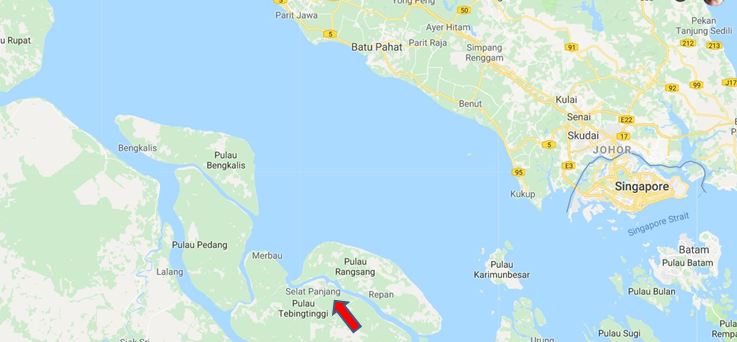
I once asked an Indonesian patient who came to see me. Do you know where Selat Panjang is? He shook his head — No.
Well, I don’t expect him to know — the Indonesian archipelago has 18,307 islands!
But I am glad to say that over the years taking care of cancer patients, my geography about Indonesia has improved a notch! I know where Selat Panjang is — because I have patients who come from that Riau islands.
Let’s watch this video first.
Comments
When patients come here for the first time, I normally ask a few general questions, such as Where are you from? Who ask you to come here?
Here are some lessons we can learn from my conversation with this lady (let us call her Alice) from Selat Panjang that morning.
Where are you from?
From her hometown, Selat Panjang, Alice had to take a three-hour plus ferry ride to Batam. From Batam, it was another two-hour plus ferry ride to Johor. From Johor she took a ten-hour bus ride to Penang. Unfortunately, Alice got off at the wrong place! This was her first time in Penang — a real daring adventure!
Over the years, I learned that some other patients need to travel for one or two days just to reach Penang. They had to take a train or bus for hours to the airport and then fly to Penang. Some patients had to change planes one or two times to get to Penang.
I really feel sorry for people like Alice who has to travel so far and so long just to come and seek our help.
So, those of you who live nearby, consider yourself lucky or blessed. You need not have to suffer such “ordeal” to come and consult us. I used to joke with some patients. Some patients just have to drive across the Penang Bridge to come and see us and that they consider “very far away”! To others, taking one- or two-hour plane ride is considered “far”? Think about Alice and others like her!
Who ask you to come and see us?
Alice came because someone in Selat Panjang told her about us.
About three years ago, a lady came to seek our help on behalf of her father who had lung cancer. The father was bed-ridden and was unable to move his bowels and urinate. This lady brought back some herbs for her father. He was also told to take care of his diet. Within two weeks he got better. It has been three years now and he is still alive and healthy.
Can you believe this story? To be honest, I don’t. More often than not, people tend to exaggerate their “success”!
So I took some time trying to get more details from Alice. Did you really meet this patient? Yes. Alice met and talked to the patient himself. This patient made a photocopy of our name card and gave it to Alice. Up to this day, Alice said the man still takes care of his diet. I asked Alice if he is he really alive and healthy? Yes, he puts on weight and is not a skinny, half dead person! Really still alive? Yes.
If you ask me if a bed-ridden, lung cancer patient would survive that long my answer would probably be no way. The condition of Alice’s father is almost the same as this man, both of them have lung cancer and are bed-ridden.
One important lesson I learned about helping patients is the need to share.
When we started our cancer centre in Penang, the first thing I did was to knock down the wall of our consultation room to make it an open space. I see patients in this open hall. Why? From the very beginning I believe that we are all in here together — you and me, and many other patients who come to CA Care for help. There is nothing to “hide” from each other — let us learn to share and help each other.
When I first started CA Care in 1995, I knew nothing about cancer. I did not even know the difference between radiotherapy and chemotherapy let alone know what herbs to prescribe for various cancers. With time I read a lot and learned from the experiences of patients who came and shared their experiences. My patients taught me how to heal them! I in turn shared those experiences to help others. As I said, we all are in here TOGETHER. And this how CA Care grows.
I am glad to learn that this lung cancer patient in Selat Panjang decided to share his healing experience with others who need help. It is noble of him to help his fellow islanders!
Over the years, I must say that 99.9 percent of the patients are very co-operative. They are willing to share their success stories. It is because of this willingness to share that makes CA Care what it is today. However, over the years, I have also come across some “rotten apples” who don’t want to share. They even ask me to delete their stories posted in the website. So be it, I respect their wishes. Luckily, such rotten apples are rare, otherwise I would have closed CA Care years ago!
Why are you here?
Alice came with a strong feeling that we could help her father. Her father has lung cancer that has spread to his bones. Because of that he is bed ridden. According to the oncologist, without chemo her father would die within six months.
I was upfront with Alice and I did not want to play god in this game. I told Alice I would not be able to cure her father. I would not be able to repeat the success that happened to the patient who introduced her to us. Remember what happen to others, need not happen to you. What happen to you need not necessarily happen to others. In cancer, your healing or failure is uniquely yours.
I also ask Alice to ignore the oncologist’s prognosis. To me, telling patients that they have six or a few months to live if unethical. When patient asks me how long he/she has, my answer is, Don’t worry we shall do our best to help you. Read what Professor Jerome Groopman, a well known oncologist at Harvard Medical School wrote:
I am also aware that one of the sales tactics, to push more treatment to patients, is to instill fear into them. Make patients helpless and you can pull them by their noses — tell them to jump into a pit, they would willingly do it. I would not want to do that.
Alice has come all the way to seek help. She deserved to receive the best from us as honestly as we can provide. After spending some hours with Alice, I asked her to relax, go back to her hotel first and call her family in Selat Panjang to explain what it takes to embark on this healing journey. It is not easy. If her father is not willing to follow our advice, it is better not to take our herbs. No, we do not wish to putting any fear into the family by rattling out meaningless statistics or create a do-or-die situation. Be calm and think properly.
Healing needs a strong sense of commitment. Nobody can help you except you yourself. I am glad that Alice understood this. She took time to talk to her father and family. The next day she came back and said she wanted to try our therapy. For the rest that follows, I pray that God will guide and bless the patient.
Nick (not real name) is a 37-year-old Indonesian. In late December 2017, he had coughs, became breathless and found a swelling under his left arm pit. In January 2018, he went to Singapore and did a PET scan followed by a biopsy. There was a large mass occupying the entire left lung. The left lung had collapsed, hence the breathlessness. The many surrounding lymph nodes were also swollen.
Histology confirmed Nick had a diffuse aggressive peripheral B-cell lymphoma with extensive supra- and infra-diaphramatic adenopathy involving mediastinal, hilar, left axillary/subpectoral and peri-celiac regions.
As expected, Nick underwent six cycles of chemotherapy with CHOP-R regimen. The total cost for this treatment came to about SGD80,000 (i.e. RM 240,000).
Chemotherapy was completed in May 2018. After a rest of about one and a half months, Nick did a follow-up PET scan on 2 July 2018. The results were as follows:
The previous mass, about 18 cm in the lung had shrunk significantly! Nick felt better after the chemo.
There is a residual non FDG avid soft tissue mass at the left hilum, measuring 3.0 x 2.8 cm.
A new focus of intense FDG uptake at the left aspect of the manubrium, suspicious of disease involvement.
A few foci of mild increased FDG uptake in the left upper pulmonary lobe associated with peripheral ground glass changes — probably due to inflammatory changes.
Diffuse mild increased FDG uptake in the bone marrow may be reactive in nature.
In view of the above, Nick was told to do another biopsy to determine what is in his breastbone. But before doing the biopsy, Nick decided to come and seek our help. He wanted to take herbs.
Nick shared the story of his friend who also had the “same” lymphoma at the same time as him. While Nick’s lymphoma mass was on the left lung, the friend’s lymphoma mass was in the middle of the chest.
Nick’s friend went to the same hospital, was treated by the same oncologist and received the same six-cycle of chemo — CHOP-R. Unfortunately, the treatment did not work for Nick’s friend. In this case, Nick was a bit more lucky.
Nick’s friend was asked to go for more chemo, using a new regimen called R-ICE. After one treatment his white blood cell count went down to almost zero.
(Note: The previous treatment regimen was Rituximab (R) and CHOP. CHOP stands for cyclophosphamide, doxorubicin, vincristine, and prednisone. The suggested new regimen is Rituximab and ICE. ICE stands for Ifosfamide + Carboplatin + Etoposide).
Listen to our conversation that morning.
Comments
What can you learn from this story? Yes, you can go to the same doctor, receive the same chemo-drugs for the same type of cancer but you cannot guarantee that you get the same result. This story shows that healing of cancer takes more than just “text book science” that you learned in school. Over the years helping cancer patients, there is one thing that I learned — the outcome of each treatment is very much dependent on the “nature” of the patient himself/herself.
Dr. Glenn Sabin is a medical doctor. He was diagnosed with cancer but cured himself through the non-chemo way. He wrote a book, N of 1. He said, You may be wondering why I titled my book ‘n of 1’. In scientific circles, an N-of-1 trial is a clinical trial in which a single patient represents the entire investigation: a single case study.
Shortly after I was diagnosed with terminal cancer in 1991, my N-of-1 experiment began. No two cancers are exactly alike; neither are two patients. Our individual needs—physical, psychological and emotional—and cancer treatment regimens can vary widely; just like our responses to treatment and our unique journeys into survivorship.”
Dr. Sabin’s experience is an inspiring story about challenging medical dogma. He discussed how to activate the body’s innate capacity to heal. To heal, patients, their caregivers and their loved ones need to seek knowledge and self-empowerment.
In my book, Getting it right, I wrote a chapter with this title, Is Modern Medicine the Only Proven and Scientific Therapy?.
This is what I wrote: Medical treatments are said to be scientific and proven but what is the use, if patients still die after undergoing all these high-tech, state-of-the art treatments? Are the deaths and recurrences of cancer in patients not proof enough that scientific medicine has failed in one way or another?
Taking of herbs or other CAM therapies brought benefits to patients. These therapies have not gone through “scientific baptism” to make them scientific. But this does not mean that the therapies are ineffective or unscientific. The results speak for themselves. The requirement that truth can only be found through current “gold standard method” of medicine is in itself unscientific.
In the third chapter of the book, I went on to ask, Is Traditional and Complementary/ Alternative Medicine (CAM) a Quackery?
Traditional and Complementary / Alternative Therapies (CAM) are often regarded as unproven by those in the medical profession. This negative perception is disappearing as the general public had overwhelmingly confirmed that CAM therapies are indeed beneficial for them.
The next time you go to your oncologist to start your chemo, know that he/she is conducting an N=1 experiment on you. He/she may quote impressive success statistics but know that those statistics need not necessarily apply to you. If your oncologist says you have a 80 percent chance of cure, ask if he/she is sure that you belong to that 80 percent success group. Or what is the chance that you belong to the 20 percent failed group? If you ask such questions expect some unexpected response from your doctor! He/she may chase you out of the office! Or you will get a shelling. One doctor told a patient: How do I know, I am not god! Another doctor answered: It is your fate, your luck.
To me, you need more than just “science” to cure your cancer — yes, you may need more luck or more karma. But one thing I know for sure … you need God’s mercy and blessing. Unfortunately, many people are still not responding to this change of reality.
Back to the case of Nick. He had six rounds of chemo and spent about RM240,000 for the treatment. Did the chemo helped him? Yes, definitely. His collapsed left lung was “restored” and he can now breathe normally. But did the chemo cure him? No, not yet. I am not sure if Nick can ever be cured. He was asked to do another biopsy to know what is left behind. Then what comes after the biopsy? What can the doctor offer other than more of the same thing … more chemo like his friend. What say you to more chemo?
Nick knew the pitfall. He decided to come and seek our help. But I was frank with him that morning. I said, I may be able to help but I cannot cure you.
Over the more than two decades of helping patients, I have come across many lymphoma cases and I know that our CA Care Therapy did help some of them.
In March 2014, Mat had a lump on his chest. A biopsy confirmed it was a lymphoma. Had underwent 25 cycles of radiotherapy, but he refused chemotherapy. The lump went away but in 2016, fluid accumulated in his lung and Mat had it tapped out. Later the cancer spread to his neck. In February 2018, Mat wrote us to ask for help but I was reluctant to take up this case. I asked Mat to go and see the doctor instead. But he was adamant he did not any chemo. I had no choice but to help him. Yes, our therapy helped him too! For more read: https://cancercaremalaysia.com/2018/06/16/lymphoma-swollen-neck-refused-surgery-or-chemotherapy-opted-for-ca-care-therapy/
As I am finishing this story, a 40-plus-year-old man came to seek our help. He was initially diagnosed with TB, but later the diagnosis was changed to lymphoma. He underwent six cycles of chemo. The treatment failed. He was asked to go for another 12 cycles of chemo. After three cycles of this additional treatment he decided to give up and came to seek our help. After two weeks on the herbs, it looks like he is getting better. I cannot say what lies ahead for this unfortunate man.
Very often patients are told, Eat anything you like. No need to “pantang”. Food has nothing to do with your sickness. Well, that advice is only sensible if you regard that your body as nothing more than a machine.
Dr. Emeran Mayer (in The Mind-Gut Connection) wrote:
“For decades, our understanding of the digestive system was based on the machine model of the entire body. I viewed the gut mostly as an old-fashioned device that functioned according to the principles of the nineteenth-century steam engine.”
“We ate, chewed and swallowed our food, then our stomach broke it down with mechanical grinding forces assisted by concentrated hydrochloric acid before dumping the homogenised food paste into the small intestine, which absorbed calories and nutrients and sent the undigested food into the large intestine, which disposed of what remained by excreting it.”
“This industrial-age metaphor … influenced generations of doctors, including today’s gastroenterologists and surgeons. According to this view, the digestive tract’s malfunctioning parts can easily be bypassed or removed.”
“… this model is overly simplistic … we now know that … our digestive system is much more delicate, complex and powerful than we once assumed.”
“Recent studies suggest that in close interactions with its resident microbes, the gut can influence our basic emotions, our pain sensitivity and our social interactions … reflected in the concept of gut-brain axis … the complex communication between the gut and the brain plays a role when we make some of our most important life decisions.”
So here it goes, the new science shows that the gut is not just a “physical tube” — like a dead water pipe that brings tap water to our house! What is more, the gut is another dynamic, living, powerful and intelligent “organ” which plays a great role in maintaining our health and well being.
“The major role your microbes play in essential jobs such as digestion, elimination, and gut health is just the tip of the iceberg. Microbes are also the main defenders of your health.”
“The immune cells residing in your guts make up the largest component of your body’s immune system — in other words there are more immune cells living in the wall of your gut than circulating in the blood or residing in your bone marrow.”
“The lining of your gut is studded with a large number of endocrine cells — specialised cells that contain up to twenty different types of hormones that can be released into the stream if called upon.”
“The gut is also the largest storage facility for serotonin in our body. … (where) ninety-five percent of the body’s serotonin is stored. Serotonin is a signaling molecule that plays a crucial role within the gut-brain axis.”
“You and your microbes coexist in … a mutually symbiotic relationship. Your existence depends upon them and their existence depends on you. Certain microbes protect you from other microbes that would harm you. The “good” microbes defend you because you and they are in a symbiotic relationship. The deal is that you feed them and they protect you… they even communicate their happiness by making the most of the feel-good hormones such as serotonin, for you.”
“However, if you alter this relationship, the roles can change. Drive off the good microbes or bring bad microbes in, and it’s as though gang members have taken over your pleasant neighbourhood… As long as the good bugs are in the majority, you should be in good shape, but when the bad guys dominate, problem prevail. Fostering the right mix of microbes is essential to restoring health and preventing diseases.”
From the above, it is clear that microbes in our gut play a vital role in influencing our body functions. According to this new science humans are closely interconnected with the microbes and they are inseparable and dependent on each other for survival. Therefore, it is important that we take good care of our gut. Take note that the well-being of our gut microbes depends on the food we eat and our life style. Unfortunately in this so called modern age, what we do and what we eat tend to hurt our gut microbes which also means it hurts us badly. Here are some examples of what we do that can hurt the good microbes in our guts.
Modern diet makes you fat and sick!
“Some microbes help keep you slim and healthy. Other gut bugs contribute to weight gain. Some other bugs that make you sick … making you crave the foods that they need — namely sugars, fats, junk foods and fast foods… You must feed the good microbes what they need to thrive, while simultaneously eliminating sugar and other foods on which bad microbes feast.”
Dangers of medical drugs.
Many patients who came to seek our help brought along the medications which were prescribed by their doctors after being discharged from the hospitals. Some were told to take 6 to as many as 17 drugs each day. I shook my head in despair, real pathetic. There is a common saying, Doctors know how to treat your illness, but they don’t know how to make you healthy!
Try, go and see your GP with some health problems — even a minor one. More often than not you will be prescribed antibiotics and/or pain killer! It looks like this is a given when visiting your doctor!
A new study from Mayo Clinic researchers shows that seven out of 10 Americans take at least one prescription drug. The most commonly prescribed drug is antibiotics — taken by 17 percent of Americans — followed by antidepressants and opioids — each taken by 13 percent of Americans.
A New York Times article said this,
“An increasing number of Americans — typically older ones with multiple chronic conditions — are taking drugs and supplements they don’t need, or so many of them that those substances are interacting with one another in harmful ways. Though many prescription drugs are highly valuable, taking them can also be dangerous, particularly taking a lot of them at once.
“About one-third of adverse events in hospitalizations include a drug-related harm, leading to longer hospital stays and greater expense. One-fifth of patients discharged from the hospital have a drug-related complication after returning home, many of which are preventable.”
Danger of antibiotics: Dr. Steven Gundry wrote:
“Broad-spectrum antibiotics are capable of killing multiple strains of bacteria simultaneously… these antibiotics effectively allowed doctors to carpet-bomb an infection without worrying about exactly which bacterium was the culprit. We doctors were so impressed with these antibiotics that we used them, and sadly still do, even in situation where our best guess is that a virus, which isn’t killed by antibiotics, is the culprit. Little did we know … that we were also carpet-bombing ourselves.”
“Every time you take a course of …. broad-spectrum antibiotics …for an infection, you kill most of the microbes in your gut. Shockingly, it can take up to two years for them to return . Many may be gone forever. Even worse, each time a child takes antibiotics, the likelihood increases of him or her developing Crohn’s disease, diabetes, obesity or asthma later in life.”
(Note: Crohn’s disease is an inflammatory bowel disease (IBD). It causes inflammation of your digestive tract, which can lead to abdominal pain, severe diarrhea, fatigue, weight loss and malnutrition).
“Don’t get me wrong, targeted antibiotics can be lifesaving; but you should be very cautious about taking broad-spectrum antibiotics for anything other than life-threatening infection.”
“Almost all American chicken or beef contain … antibiotics …You can bet that it indiscriminately kills the friendly bacteria in your gut.”
“Broad-spectrum antibiotics make pigs, chickens, and other animal grow faster, larger and fatter. And if they have the effect in animals, it’s unsurprising that they’d do the same to humans….a single dose of antibiotics taken by a woman during pregnancy can make her children fat. A single round of antibiotics given to a child can make him or her obese.”
Danger of Nonsteroidal Anti-inflammatory Drugs (NSAIDs): Dr. Steven Gundry wrote:
“…we now know that NSAIDs damage the mucosal barrier in the small intestine and colon … initiating a war within your body. Evidence of the war is increasing inflammation, which you feel as pain. And the more pain you have, the more NSAIDs you take.”
“So remember this: Swallowing one Advil (ibuprofen) or Eleve (naproxen) is like swallowing a hand grenade.”
Danger of Stomach-acid Blockers: Dr. Steven Gundry wrote:
“… acid-blocking drugs such as Zantac, Prilosec, Nexium and Protonix are to be avoided at all most.”
“The use of acid reducers …prompts a totally new population of intestinal bugs …. to grow in place of our normal bugs. People who use acid blockers have three times the likelihood of getting pneumonia ….than those who don’t use such drugs.”
“Acid-blocking drugs also foster incomplete protein digestion… we have produced an entire generation of senior citizens who are protein malnourished. That’s not because they aren’t eating enough protein; instead, it is because they have no stomach acid to digest it .”
The above are three dangers which we need to be aware of. But in his book, The Plant Paradox, Dr. Steven Gundry wrote about four more dangers that we should avoid:
Artificial Sweeteners such as sucralose, saccharin, aspartame, etc.
Endocrine or Hormone Disruptors, found in most plastics, scented cosmetics, preservatives and sunscreens. etc.
GMO — Genetically Modified Foods and the herbicide Roundup.
Constant exposure to Blue Light — as in televisions, cell phones, tablets and other electronic devices and even certain energy-saving light bulbs which are bad for health.
As a conclusion, let me quote what Drs. Justin & Erica Sonnenburg wrote in their book, The Good Gut:
“Your genome is not your destiny — while there is nothing we can do to change our human genome, our microbiome offers opportunities to exert control over the genetic hands that we’ve been dealt. Changes in our microbiome can’t affect our eye color or the shape of our nose, but many aspects of our biology, such as weight and immune system are heavily influenced by our gut microbes.”
“Environment plays a huge role in our internal collection of bacteria. Since there is much we can do to shape the environment within our gut, we have control over our microbiota and can compensate for the lack of control we have over our human genome.”
“One of the largest levers we have to control the inhabitants in the gut is diet. The modern Western lifestyle (and diet!) has resulted in an alien environment for the gut microbiota.”
“There are four main tenets of a microbiota-friendly diet.
Consume foods that are rich in dietary MACs — microbiota accessible carbohydrates ( not to confuse with the Big MAC, please!). This MACs come in the form of brown rice, whole barley, beans, vegetables, fruits, etc. Limit your consumption of simple carbohydrates, refined flours, etc. Stay away from factory-produced packages foods.
Limit saturated fat intake. Diets high in saturated animal fat are detrimental to microbiota diversity. Bacteria that are able to flourish on a high-fat diet include … pathobionts … that can trigger inflammation in the gut. Plant-derived monounsaturated fats don’t promote pathobionts as readily.
Consume meat in limited quantities. Red meat contains the chemical L-carnitine, which certain microbes in the gut can convert to trimethylamine (TMA) which then gets oxidized into trimethylamine-N-oxide (TMAO). High levels of TMAO increase risk of strokes, heart attacks and other cardiac events.
Consume beneficial microbes or probiotics… in the form of fermented products like yogurt, pickles, sauerkraut, etc. The modern Western way of eating … coupled with the rising rise of antibiotics and antibacterial products, presents numerous challenges to the microbiota.
For the past twenty plus years, we at CA Care have been telling patients to take care of their diets and to change their lifestyles. Now, I am real glad to learn that more and more research are pointing to the same direction — diet has a lot to do and to contribute towards your healing!
Some weeks ago, I bought some books. I am glad to say that I read and learn many things from them. Often we buy books but never read them! I am even more glad that the information in these books made me think harder — to evaluate what we have done thus far in CA Care. Indeed, what we have been telling cancer patients all these years are now being substantiated by newly discovered scientific research!
I have to write more to share with you what I have learned. Let me start by asking this question: What are we? Are we really 100 percent human? Let me say that I am asking this question strictly from the point of view of biological science — it has nothing to do with “religion” okay?
Here are more questions to ask before we can get to really know what we are.
What are we, humans made up of? In school we learn that the smallest living unit of life is the cell. So we are a collection of cells — I stress, human cells.
How many cells are there in a human body? Try searching the internet and you get different numbers for the answer. The figure varies from 15 to 70 trillion cells. But presently scientists concluded that the average human body contains approximately 37.2 trillion cells!
Each of these cells contains genes — that determines what we are and how healthy we are.
How many genes are there in the human body? Before the completion of the human genome project, many scientists expect to find 100,000 or more genes in our genomes. This is based on the assumption that we are the most complex creatures on Earth — so we should have a lot more genes than other animals. But it turned out the we only have about 24,000 genes — this is just a few more than a chimpanzee or a mouse! Are you surprised that even bananas (with 30,000 genes) have more genes than we do.
What is a gene? A gene is the basic physical and functional unit of heredity. Each of us has two copies of each gene — one inherited from each parent. Most genes are the same in all people, but a small number of genes (less than 1 percent of the total) are slightly different between people. These small differences contribute to each person’s unique physical features. Also, some of these differences are what makes us have or be prone to certain diseases.
The above are just basic stuff that they teach in school. But, how many know that we are more than our human cells and genes? Many of us may not be aware that our body is also a house for microorganisms or microbes — like bacteria, virus, fungi, worms etc. These microbes are also cell and they also function like our human cells.
How many microbes are we housing in our body? Some years back, scientists say there are 10 times as many bacteria in the body as human cells in the body (that makes us only 10% human, right?).
But a recent study stated that the number of microbes, mainly bacteria, may actually be very similar to the number of human cells in the body (with this statistics, are we then 50% human).
Where do these microbes live in our body? They live on the surfaces of the human body — inside and out. For example the skin, face, nostrils, mouth, between our teeth, vagina, and the intestines. The gut or large intestine is by far home to the largest population of microbes. Trillions of them live in the dark and nearly oxygen-free world of our gut.
There are 1,000 bacterial species that make up the microbe population in the gut. The microbial population in our gut contain more than 7 million genes. The bacterial genes outnumber the host (human) gene by 360 times. What does this statistics tell us?
Are these microbes harmful? Some co-exist with us, without harming us. Others are said to have a mutualistic relationship with us , i.e. each individual benefits from the activity of the other. Certain microbes perform tasks that are known to be useful to the human host but the role of most of them is not well understood. However, there are also harmful microbes (less than 1% of bacteria) which invade our body and make us ill.
Dr. Emeran Mayer in his book, The Mind-Gut Connection wrote,
“Just a few years ago, it would have sounded like science fiction. But new science confirms that our brains, guts and the gut microbes talk to each other in a shared biological language … they live in intimate contact with the major information-gathering systems in our body” … they listen in to the brain signals … and they can influence our emotions. In fact the “gut has capabilities that surpass all your other organs and even rival your brain…. it has its own nervous systems .. and is often referred to … as the “second brain.”
Here we are — scientists are now suggesting that we actually have two brains, not just one. Unfortunately, this other brain in the gut is often neglected and its importance not recognised.
There is great lesson to learn from this new found knowledge. Read what Dr. Emeran Mayer wrote:
“When President Richard Nixon signed into law the National Cancer Act of 1971, Western medicine acquired a new dimension and a new military metaphor. Cancer became a national enemy, and the human body became a battleground. On that battleground, physicians took a scorched-earth approach to rid the body of disease, using toxic chemicals, deadly radiation, and surgical interventions to attack cancer cells.”
“Medicine was already using a similar strategy successfully to combat infectious diseases, unleashing broad-spectrum antibiotics — antibiotics that can kill or cripple many species of bacteria — to wipe out disease-causing bacteria.”
“In both cases, as long as victory could be achieved, collateral damage became an acceptable risk.”
“For decades, the mechanistic, militaristic disease model set the agenda for medical research. As long as you could fix the affected machine part, we thought, the problem would be solved; there is no need to understand its ultimate cause. … The machine model was useful in medicine for treating some diseases. But when it comes to understanding chronic diseases of the body …. it’s no longer serving us…. Are we failing because our models for understanding the human body are outdated?”
Dr. Steven Gundry, a distinguished surgeon, was professor and chairman of cardiothoracic surgery at Loma Linda University. He changed his focus to curing modern diseases via dietary changes. In his book, The Plant Paradox, he wrote:
“One of our biggest health misconceptions comes from our collective lack of awareness of who we really are. The REAL you — or the WHOLE you — is actually what you think of as “you” plus those multitudinous microbes. In fact, 90 percent of all the cells that constitute you are no human. To go a step further, 99 percent of all the genes in you are nonhuman.”
“The multiple life-forms with which we coexist may seem like an alternate reality. Yet you and your microbes are literally in this life together. You health is dependent on them — as theirs is on you. At the most basic level, you are not alone. Most of us think that we are totally in charge of the decisions we make and the things we do. Your microbes … would vigorously disagree. You may recoil at the thought that minute nonhuman organisms … exert so much power over you … we know that this is true.”
“Germ-free mice, which are raised without a microbiome, are shorter and small, live shorter lives and are more susceptible to disease because their immune system never develops properly. As a result, we know how vital it is that you keep your holobiome well fed and happy.”
(Note: microbiome = the combined genetic material of the microbes; holobiome = the sum total of the component genomes in an organism)
Next article: Hurt your gut microbes, you hurt yourself


 CANCER STORY
You must be logged in to post a comment.