Medical Treatments Did Not Cure Prostate Cancer. The newly created “drugs” are expensive — extremely expensive, just that!

During the past month, many prostate cancer patients came to CA Care. Let us highlight three cases.

Patient 1

PS is a 73-year-old man from Indonesia. His problem started in 2011 when his urine flow was not good. His urination was also frequent. A check with the doctor in July 2011, indicated prostate cancer — PSA = 41.9 and Gleason’s score 9 (5+4). PS underwent TURPT.  In addition he was started on Tapros injection – once every three months. PS continued to receive this injection, a total of 15 injections, until January 2015.

His PSA initially decreased from 41.9 (June 2011)  to 0.47 (in October 2013). But after that it started to increase again. Within one and half year, January 2014, the PSA started to increase to 4.4 (see Table below).

Note:  1. TURPT or Transurethral Resection of Prostate Tumor is a surgical procedure used to remove part of an enlarged prostate. This procedure is a less invasive option to an open prostatectomy and is used in cases where the prostate is not large enough to necessitate complete removal. During TURPT, an instrument is inserted up the urethra to remove a section of the prostate.

  1. Tapros (leuprolide acetate) injection is used to treat advanced prostate cancer. It is not a cure but to slow or stop the growth of cancer cells and helps relieve symptoms such as painful/difficult urination. Most types of prostate cancer need the male hormone testosterone to grow and spread. Tapros works by reducing the amount of testosterone that the body makes.

In February 2014, a bone scan showed the cancer had spread to his bone. PS was given Zometa injection. The doctor stopped Tapros injection for a while, and replaced it with Casodex 50 — an oral drug.

PS continue to received Zometa injection (total of 12 injections) and Casodex until September 2015.

Even with these treatments the PSA from 4.4 (January 2014) started to increase to 32.3 in February 2015.

Since the drugs were not effective, PS underwent an orchidectomy (surgery to remove the testes). After the surgery, his PSA dropped from 32.3 to 11.3 (June 2015). But again, the PSA started to increase. By September 2015, his PSA was 28.7

The doctor recognised that the treatments were not effective. PS was asked to undergo chemotherapy — 6 cycles. The family declined chemo and PS’s son came to Penang to seek our help. About a month on the herbs, his PSA continued to increase to 39.7 in October 2015.

Table 1

Patient 2

PL is a 62-year-old Malaysian. His problem started in May 2012 when a routine health check showed an elevated PSA of 33 plus.

In June 2012, PL was started on a three monthly Zoladex injection (received a total of 10 injections). Initially the PSA started to decrease from 33 to 3.9 (on 14 January 2013). After that it started to increase to 10.9 (3 September 2013).

Casodex caused a temporary drop of PSA from 10.9 to 1.5 within a month. But after that the PSA started to rise again. In April 2014, the PSA was 15 plus. The doctor stopped Casodex and replaced it with Diethylistilberstrol 1 mg.  This replacement drug was not effective. The PSA rose to 22 plus.

The doctor again changed to another drug, Ketoconazole 200 mg. It was also not effective. The PSA shot up to 41 plus (14 August 2014).

A bone scan on 4 September 2015, confirmed bone metastases involving both iliac crests and left sacro-iliac joint.

From 24 September 2014 to 5 March 2015, PL underwent 8 cycles of chemotherapy using Docetaxel.  After 3 cycles of chemotherapy, the PSA decreased from 41 plus to 20 plus (3 December 2014). After the completion of the 8th chemo, the PSA decreased to 6 plus (31 March 2015).

PL was again started on Casodex and Lupron injection. But it was not to be. From 14 April 2015 to 25 August 2015, PL received a total of  five  Lupron injections while still taking Casodex. His PSA shot up from 6 plus to 400 plus.

The doctor suggested that PL undergo chemotherapy again. He declined and started to find alternative therapy.

PL went for ozone therapy. Before the treatment his PSA was 499.8. After 6 ozone treatments his PSA went up to 617. The treatment costs RM3,800.

It was at this stage that PL and his family came to seek our help and PL was started on herbs.

Note: 1. Zoladex or Goserelin acetate is a man-made hormone used to suppress production of the sex hormones (testo sterone and estrogen), particularly in the treatment of breast and prostate cancer.

  1. Diethylstilbestrol(DES) is a syntheticestrogen, first synthesized in 1938. DES was given to pregnant women in the mistaken belief it would reduce the risk of pregnancy complications and losses. In 1971, DES was shown to cause clear cell carcinoma, a rare vaginal tumor in girls and women.
  2. Ketoconazole. This is a broad spectrum antifungal agent but is used for patients with advanced prostate cancer.
  3. Lucrin or Lupron (leuprorelin acetate) reduces the amount of testosterone in men or estrogen in women. It treats only the symptoms of prostate cancer and does not treat the cancer itself.

Table 2

Patient 3

RS is a 67-year-old Malaysian.  A routine screening procedure in September 2012 detected his PSA was elevated at 14.7. A biopsy done confirmed cancer of the prostate, Gleason’s score 3+4. Bone scan did not show any bony metastasis.

RS went to Singapore and underwent a robot assisted radical prostatectomy in January 2013. After this surgery, RS did not receive any further treatment or medication. He only monitored this PSA over the years.

After the prostate surgery, his PSA dropped from 14.7 to less than 0.03 and remained around that level for about a year. In February 2014, his PSA started to increase to 0.07. Later that year in June / September the PSA increased further to 0.18 / 0.23. This results showed that the cancer is coming back and RS felt that he should do something about this.

Table 3

Comments

What can we learn from the above cases?

  1. It is obvious that chemotherapy or surgery did not cure them. The cancer comes back sooner or later.
  2. For Patient 1 — the hormonal injection kept the PSA down for about two years. Removal of testes caused a drop of PSA for about 4 months. After four years of hormonal injection and oral drug, Patient 1 decided to find an alternative path, turning down chemotherapy.
  3. For Patient 2 — hormonal injection and various oral drugs kept him happy for about two years. Then bone scan showed the cancer spread to his bone. Eight cycles of chemotherapy with Docetaxel kept his PSA down for a few months, then the PSA started to increase aggressively. From September 2012 to September 2015 — within three years, his PSA at 33 plus shot up to 617, in spite of 15 hormonal injections, 8 cycles of chemo and taking of oral drugs — Casodex, etc.

It appears that for Patient 2, the more aggressive the treatment, the more aggressive the cancer become!

  1. Patient 3 — opted for surgery instead of Watchful Waiting (i.e. wait and see and do nothing) or Hormonal therapy. From September 2012 to September 2015 — three years, his PSA was kept down from 14.7 to 0.23. There is no immediate danger yet, so there is no reason to panic. Nevertheless, the sign is not good. Surgery did not remove his cancer totally. The gradual rise of PSA is telling us that the cancer is coming back slowly NOT as aggressive as the two other cases above.

Surgery or removal of the prostate is only indicated when the cancer is still confined and not spread anywhere else. However, the long term side effects of surgery are: 1 — Erection problems. Seven out of 10 men become impotent. 2 — Urine leakage or problem controlling the flow of urine (incontinence) because of swelling or damage to the muscle that holds urine in your bladder.

The question in this case is, What if you do nothing — wait and see? Or find an alternative healing path instead of surgery? Patients have a choice!

Prostate Cancer Statistics

  • Prostate cancer is the most common cancer in American men.
  • It is the second leading cause of cancer death in American men, just behind lung cancer.
  • About 1 man in 38 will die of prostate cancer.
  • About 1 man in 7 will be diagnosed with prostate cancer during his lifetime.
  • Prostate cancer occurs mainly in older men. About 6 cases in 10 are diagnosed in men aged 65 or older, and it is rare before age 40.

Source: http://www.cancer.org/cancer/prostatecancer/detailedguide/prostate-cancer-key-statistics

Do you have money to buy time?

Lately, many new drugs are being released to treat advanced prostate cancer.  The rich may want to try! But make no mistake, like the chemos and drugs used by the two patients above, these new, expensive drugs don’t cure you either! They are said to prolong your life for a few weeks or months.

  1. Provenge — approved by the FDA in April 2010 costs US $93,000 or RM 406,251 for a standard course of three treatments. In a study involving 512 patients with advanced prostate cancer, Provenge increased median survival from 21.7 months to 25.8 months.

“To charge $90,000 for four months, which comes out to $270,00 for a year of life, I think that’s too expensive,” said Tito Fojo of the National Cancer Institute. “A lot of people will say, ‘It’s my $100,000, and it’s my four months.’ Absolutely: A day is worth $1 million to some people. Unfortunately, we can’t afford it as a society.” http://www.washingtonpost.com/wp-dyn/content/article/2010/11/07/AR2010110705205.html

  1. Enzalutamideapproved in August 2012, sold under the name Xtandi. A typical eight-month treatment costs nearly US$60,000 or RM 262,098. Enzalutamide was assessed in 1,199 patients with advanced prostate cancer who had previously received chemotherapy. Survival with enzalutamide was 18.4 months on average, compared with 13.6 months for men receiving a placebo. This means Enzalutamide extends life by just five months. http://www.dailymail.co.uk/health/article-2465570/New-prostate-cancer-drug-approved-use-NHS-offers-month-lifeline.html#ixzz3nlnYiWGw
  2. Cabazitaxel — a new form of chemotherapy, approved in June 2010, and sold under the name Jevtana. The typical six cycles cost about US$50,000 or RM 218,415.

5. Abiraterone — approved in April 2011, and sold under the brand name Zytiga. An    eight-month course of treatments costs about US$47,000 or RM 205,310.

3 Cancer Drugs Expensive

Being alive and healthy is not good enough, he wanted a “CURE”

Jack (not real name) is a 69-year-old Indonesian. Some 20 years ago, he was told he had hepatitis B. For all these years he did nothing about it. And he did not have any symptom.

In May 2013, he went to a private hospital in Melaka for a checkup.

  • Blood test — tumour markers and liver function enzymes — were all within normal range, except for a slightly low platelet count.
  • Ultrasound of upper abdomen showed a heterogenous solid lesion in segment 7 measuring 5.7 x 6.8 cm. There are multiple cysts in both lobes of liver measuring 7 to 12 mm in size. Multiple cysts in left kidney, largest 2.9 x 4.9 cm and a large right renal cyst, 8.4 x 10.1 cm.
  • CT scan of abdomen confirmed a 7 x 6 x 6 cm tumour in segment 7 of liver. This is suspicious of HCC (liver cancer).

Not satisfied, Jack went to Singapore for second opinion.

  • MRI on 4 June 2013 confirmed the presence of a large enhancing mass lesion in segment 7 and 6, measuring 6.2 x 6.2 x 5.3 cm. The right kidney cyst was 10.3 x 6.8 cm in size.
  • There was no MRI evidence of extrahepatic metastatic disease.

 Composite-S-396-Liver

 Jack came back to Penang again. Blood test done in a private hospital on 12 June 2013, showed everything was normal. Two days later, he and his family came to seek our help. Listen to our conversation that day.


Chris: You have consulted three doctors. What did they ask you to do?

Son: All the three doctors suggested surgery, remove 45 percent of the liver.

C: Did you ask if doing this can cure?

S: There is a high chance that the cancer would recur after 2 years.

C: How much is it going to cost you?

S: If done in Singapore it is SGD 45,000. If in Malaysia it is RM 45,000.

C: So, what do you want to do? Go for surgery?

Patient: If possible, I want to avoid that.

Jack was prescribed liver herbs. On 30 April 2014, almost a year later, Jack’s son wrote:

Dear Dr. Chris: My father shows no sign of pain and has good appetite. He lost a lot weight but has since maintained at around 59 kg. Apparently last month he went for USG on his own without us knowing. The result showed slight increase in the size of the tumor.

One month later, May 2014, Jack and his son came to our centre.

Chris: How are you doing?

P: Fine, except that the food is not delicious. Because I cannot eat meat.

C: Okay, you can go home and die!

Listen to this story: https://cancercaremalaysia.com/2011/12/24/liver-cancer-better-to-become-a-full-stomach-ghost-than-a-hungry-ghost/  This patient who was medically given up told us that he would like to eat what he liked because he did not want to die with an empty stomach and turned into a hungry ghost! One year 8 months later, he died.

P: I am growing thinner.

C: Why do you want to grow fat? You are not a pig or a cow — to be sold by the kilos. Being alive and healthy, with no pain, can eat, can walk, can sleep — what else do you want?

Comments

Unfortunately, most patients are like Jack. When they feel well — the first problem they encounter is their diet. Cannot eat this, cannot eat that. This is the most common complaint!

Read this story and listen carefully to the video: https://cancercaremalaysia.com/2015/08/07/lymphoma-part-3-digging-my-own-grave-with-my-folk-and-spoon/

Not long ago, I received an email from the daughter of a patient with medically-given-up pancreatic-liver cancer. She wrote:  Doctor, my father getting fed up eating food without oil. Is it ok if we use small amount of oil or ghee to cook his food? 

To that, I replied:  Let him die if that is what he wants. Go eat what he likes and see what happens. I am not god to give patients permission to eat this or eat that. I am telling you, if you eat bad food you die. As simple as that.

Apart from the diet, another problem facing patients like Jack is the sheer ignorance or the lack of wanting to know the reality of their illness. Three doctors have told Jack that 45 percent of his liver had to be cut off. Does that not sound serious to you? Spend SGD 45,000 or RM 45,000 (take your choice) but within two years, the cancer is expected to come back! Giving you two years is rather generous indeed! You could be dead after the surgery!

Read these stories:

  1. Liver Cancer: 3 cm Tumour OUT, 8 cm Tumour IN After 9 Months and S$28,000-Surgery
  2. Cancer Recurred Three Months After Surgery
  3. And this story — the mother of all disasters, A Great Failure and Let Down. Sam was operated on in October 2008 and by April 2009 he was dead. That was just six months after his liver surgery.

Apart from the sad experiences above, here are what the experts said about liver cancer, like the one that Jack has.

  • Hepatocellular carcinoma is an aggressive cancer that frequently occurs in the setting of chronic liver disease and cirrhosis. It is typically diagnosed late in the disease course, often precluding curative surgical therapies. http://www.ncbi.nlm.nih.gov/pmc/articles/PMC3421475/
  1. A total of 850 patients with hepatocellular carcinoma were seen during the last 8 years.
  2. The median survival of 229 patients who received no specific treatment was 1.6 months — 0.7 month for Stage 3 patients, 2.0 months for Stage 2, and 8.3 months for Stage I.
  • From January 1999 to December 2010; 320 out of 825 consecutive patients with a diagnosis of HCC and not appropriate for curative or palliative treatments were followed and managed with supportive therapy. The median overall survival was 6.8 months, corresponding to 33% of the patients being alive at one year. http://www.ncbi.nlm.nih.gov/pmc/articles/PMC3468702/

For the above data, it is clear that patients with HCC or liver cancer would not be able to survive long — average 6.

When Jack came back to see us ONE year later, he was well — only on herbs and change of diet, without any medical drugs. What was not well with him was his dissatisfaction of not being able to eat what he likes — our suggested diet was not delicious enough!

We have many liver cancer patients who are like Jack. They were on our therapy and lived much longer than 6 months. That is if they take care of their diet.

Read these stories:

  1. 8 cm Liver Tumour Shrunk After 8 Months On Herbs. Still Alive and Well After 2 Years
  2. Liver Cancer: Two months to live yet still fine after one and a half years!
  3. Only On Herbs And She Lives More Than Five Years!

So, to patients like Jack we ask: Being alive and healthy, with no pain, can eat, can walk, can sleep — what else do you want?

Unfortunately, we know that some patients, even if they are getting better, they do not have a sense of gratitude — to appreciate and be grateful for what they are blessed with. They demanded more — they wanted a total cure! They wanted to eat what they like. They want to go back to their old way of life.

Jack’s story did not end yet. After two years of being alive and healthy, he courted disaster!

Disastrous Ending?

In October 2015, we received an e-mail from Jack’s son.

Dear Dr. Chris,

In April 2015, my father had decided to take up treatment in X Hospital, China. Some of the treatments are interventional embolism therapy, cryoablation therapy — in the last six months. His weight before treatment was 59 kg, now 51 kg.

Even though I was against this idea of going to China for treatment, I respected his decision. Currently, he developed ascites in his body. The doctor helped to drain the fluid, around 3.5 litres. From your website, I understand that you have herbs for ascites. Could you prescribe for my father?

Jack and his family made 3 trips to China and spent about SGD 60,000 for treatment there. According to his medical report these were what the doctors did for him:

  • Interventional embolization with LOHP + 5FU + Lip.
  • Immunotherapy.
  • Cryoablation.
  • He was given Genoderma lucidum (Linzhi) capsules to take on discharge.

Jack’s son came to Penang and sought our help again. Listen to what Jack’s son had got to say that day.


Chris: Your father. Already two years. How is he now?

Son: As I mentioned in my e-mail. Six months ago he decided to go to China.

C: What did they do to him there?

S:  Interventional embolization, immunotherapy and cryo-therapy!

C: Wah, how many times did you go there and how much did it cost you?

S: Three times, costing about SDG 60,000.

C: Why did he want to go to China?

S: Before going there, we had a family discussion. I told my family. Dr. Chris is not a saint but what he said is very logical. It is about quality of life. I told my father, perhaps after you got to China may end up worse off. It turned out to be true. There are four of us, and three of my brothers were against him going to China.

C: There is this man from Medan. He too went to China (same hospital). He spent almost IDR 3 billion! And he did not find any cure — became worse. I asked him: Why do you come and see me? He replied: I have no more money! This man also told me that he know about CA Care even before he went to China but he did not want to come here because he did not want to follow our recommended diet. So I asked: Now you are here, do you want to follow our diet?  He said yes. I told him if you want to eat what you like, you better leave. I cannot help you.

S: My father said Dr. Chris’ herbs cannot block the growth of the tumour. But I told him you only follow 90 percent of his recommended diet. Cannot.

C: Yesterday, one patient with liver cancer was here. He was told he had only 9 months. Now with the herbs and proper diet, he is still alive and healthy after one year! He can play golf and walk long distance. Then he told me a friend sent him a video which said he must not eat rice but eat a lot of meat and eggs instead. I told him, Okay, go home and eat these. Be prepared to die after one month!

S: When we were in China, the doctor there also said it is not right NOT to eat meat and eggs. I didn’t want to argue with the doctor because I was not able to speak Chinese. Two weeks ago, my father’s stomach was bloated with fluid inside. We had to go to the doctor (in our hometown) to tap it out. But the doctor said the fluid can come back again.

C: Before going to China, did you ask if the treatments they are going to give, is going to cure your father’s liver cancer?

S: They cannot! I already told my father. In the website they never ever mentioned cure. They only say they may be able to extend his life. I said told my father, Dr. Chris already extended your life for 2 years, what else do you want!

C; That is what I mean by people not being thankful. They do not acknowledge and thank God for what is good. They only want what they want. This is the problem with many cancer patients. Okay, you went to China many times. Did your father get better and better — after spending all that money?

S: Weaker …. one time my father asked the doctor why after coming here (China) he became weaker. The doctor did not answer!

C: Does he know that he is not getting better?

S: Now he knows he is not good!

In summary, for patients who come to seek our help, we would like to tell you these once again — frankly and bluntly.

  1. Read and Learn. Know what your cancer is all about. Know what you are up against. Don’t depend entirely on others to tell you what t do. Learn and heal yourself. Know that there is no cure for cancer but you can find healing. If you don’t want to read or know, you may end up being a “dead duck”!
  2. Be grateful for what you are each day. To be able to live — free of pain, being able to eat, sleep and move around, etc. Thank God for each day that you have. But if you are always asking for the impossible, you will never be able to be happy and satisfied. You will never find healing with such an “ungrateful” attitude.
  3. To heal, you need to accept the hard reality that you MUST change — change your attitude about life, change your lifestyle and change your diet.
  4. Know that your health is your responsibility. Others around you may be able to help but they cannot cure you. You need to help yourself and heal yourself. And make no mistake, you cannot find healing on your own terms.


Remove your healthy uterus and ovaries to prevent cancer, anyone?

Mei (not real name) came to see us on behalf of her sister who has just been diagnosed with ovarian cancer. Mei also told us that her mother died of the same cancer many years ago. That put Mei in a very precarious position — would she end up having the same problem? After all, according to the doctor this evil trait runs in the family! I told her, No!

Mei is only 40 years old. But to her, the future is rather scary. She went to see a gynaecologist  who did a Pap Smear and examined her. Everything was normal. But due to her family history, the doctor suggested that Mei remove her healthy ovaries as a preventive measure!

During our conversation we thought Mei has PMS (premenstrual syndrome) problems which can be easily taken care of by taking PMS pill and Utero-Ovary tea.

If you say “YES” to many of the questions below, the chances are you have PMS problems.

  1. Do you have blood clots in the menstural discharge?
  2. Do you suffer any of the following before the periods?
  • Breast pain / sensitive?
  • Backache?
  • Bloatedness of the stomach?
  • Mood swing?
  • Craving for certain food (e.g. chocolate, sour food, etc.)

Listen to this video

Okay ladies, do you want to take the Angelina Jolie’s pathway? Have all your female organs removed because you are afraid of getting breast or uterine/ovarian cancer.

The following are some medical terminologies you may come across relating to the removal of the female reproductive organs.

  • Hysterectomy is a surgical procedure that removes the uterus.
  • Oophorectomy is a surgical procedure to remove one or both of your ovaries.
  • Bilateral Salpingo-oophorectomy (BSO) refers to the surgical removal of both ovaries and the tubes.
  • Radical hysterectomy refers to the excision of the uterus en bloc with the upper one-third to one-half of the vagina. The surgeon usually also performs a bilateral pelvic lymph node dissection. Removal of the ovaries and fallopian tubes is not part of a radical hysterectomy; they may be preserved if clinically appropriate.
  • TAH/BSO means total abdominal hysterectomy with bilateral salpingo-oophorectomoy.

Angelina Jolie removes female organs after cancer scare

http://www.app.com/story/life/family/parenting/shari-puterman/2015/03/26/angelina-jolie-less-woman-hotter-ever/70513236/

http://www.usnews.com/news/articles/2015/03/24/angelina-jolie-goes-public-on-decision-to-remove-her-ovaries

 Why I disagree with Angelina Jolie’s mastectomy decision 

  • When I heard about her double mastectomy, my heart sank for her because I’m sure she was paralyzed by fear. After all, nobody wants to hear the “C” word leave their doctor’s lips. Her decision was based on the doctors she trusts, but I disagree with it. She’s supposedly removing her ovaries next.
  • Preventive breast removal is a disturbingly popular trend that is being hailed as a reasonable, if not celebrated, choice. Angelina’s story makes me admire Suzanne Somers even more. She was diagnosed with breast cancer years ago and was forced to make a life or death decision. She chose well. The author of “Bombshell” still thrives today and is as vivacious as her old character of Chrissy from TV’s “Three’s Company.”
  • Mastectomies and breast implantation generate trillions of dollars for surgeons, radiologists, hospitals, pharmacies and drug companies. Lifestyle factors, diet, persistent organic pollutants, vitamin or mineral deficiencies and your body’s innate ability to detoxify poisons all play a role in developing cancer.
  • Common sense will tell you that if remove your breasts, or ovaries, or whatever … you’re still a delicious host to cancer in your lungs, uterus, pancreas, wherever.
  • It’s a dangerous trend. Don’t remove body parts to prevent cancer, instead make your body an inhospitable host!

http://articles.sun-sentinel.com/2013-05-23/health/fl-suzy-cohen-052613-20130523_1_breast-cancer-brca-1-mastectomy 

Removal of Ovaries, Fallopian Tubes Wrong Anticancer Option for Most 

  • Removing the ovaries triggers menopause and all of the symptoms that come with it. For women under 45, removing the ovaries can also result in bone thinning and increased risk of heart disease because of reduced estrogen levels. Women who have the procedure often have to undergo hormone therapy to reduce these effects. And although having a salpingo-oophorectomy does reduce the risk of developing cancer, it does not remove it completely. 

http://www.scientificamerican.com/article/removal-of-ovaries-fallopian-tubes-wrong-anticancer-option-for-most/ 

Below are quotations from books written on hysterectomy. They can shed some light on the problems facing women today. 

In What Doctors Don’t Tell You, Lynne McTaggart wrote:

  • If you are a woman in America, you’ve got a one in three chance of losing your womb by the time you’re 60.
  • Hysterectomy outranks all others when it comes to the most unnecessary of surgical procedures.
  • Three-quarters of all hysterectomies are performed on women under 50 for highly dubious reasons.
  • In abdominal hysterectomies, side-effects can occur in more than 40 percent of operations. These side-effects include bowel problems, incontinence, risk of fatal blood clot.
  • One-third to nearly one-half of all women report a decrease in sexual response.
  • If a woman’s ovaries are removed at the same time, she will experience severe menopausal symptoms.

In The Hysterectomy Hoax, Dr. Stanley West, M.D.; wrote:

  • More than 90 percent of hysterectomies are unnecessary.
  • Only 10 percent of all hysterectomies are done for cancer. Unless you have cancer, it is unlikely that you need a hysterectomy.
  • Hysterectomy can have long-lasting physical, emotional, and sexual consequences that may undermine your health and well-being.
  • It is no secret that many women develop serious health problems after hysterectomy. Depression, fatigue, urinary disorders, joint aches and pains, and unwelcome changes in sexual desire are the most common complaints.
  • No man would agree to have his sexual and reproductive organs removed for anything short of life-threatening illness.
  • The fact that women allowed this to happen (to themselves) attest to their lack of knowledge about the consequences of hysterectomy and about the availability of alternatives to surgery.
  • I understand why doctors want to perform hysterectomies better than I understand why women agree to them.
  • Hysterectomy is a relatively easy operation. It does not require the surgical finesse need to perform … many of the other alternative procedures. Many gynecologists simply do not have the experience to do all of the other operations that can be substituted for hysterectomy when surgery is needed.
  • Gynecologists are surgeons. We make our living by performing operations. If hysterectomy is the operation a surgeon knows best, it is the one he or she will recommend and perform most often.
  • Clearly, many doctors have an economic incentive to recommending hysterectomy.
  • Your reproductive system is a beautifully crafted apparatus powered by the ebbs and flows of a variety of hormones.
  • It is time for women to recognize hysterectomy for the threat it is and to refuse to have the surgery except when their lives are at stake.

(Who is this author, Dr. Stanley West? He wrote: At this point, you must be wondering who I am and why I am opposed to hysterectomy. I am a gynecologist … chief of reproductive endocrinology and infertility at St. Vincent’s Hospital, one of New York’s most prestigious medical institutions … I have helped hundreds of women avoid hysterectomy. I didn’t set out to crusade again hysterectomy. In medical school, I believe what I was taught: that hysterectomy is good for women. Then and now, prevailing medical wisdom holds that the uterus is a disposable organ that serves no useful purpose once a woman has all the children she wants. What’s more, it is regarded as something of a nuisance.)

In Sex, Lies & the Truth About Uterine Fibroids, the author Carla Dionne asked: Do physicians lie to their patients? Some do. Most don’t. Some aren’t aware that incomplete information is construed as a “lie” by their patients. Some simply don’t keep up-to-date on the latest medical information.


Breast Cancer: Cut out your healthy ovaries and add 2 to 3 percent to your survival

Thirty-six-year-old Lisa and her husband flew from a distant country to tell us this pathetic story.

Sometime in 2013, Lisa felt a small lump in her left breast.

  • Bilateral mammography and ultrasound of both breasts on 12 April 2013 showed suspicious lesion in the left breast at 12 o’clock axis.
  • Ultrasound of whole body on 13 April 2013, showed no significant abnormality.
  • MRI on 16 April 2014 showed multi-focal malignancy in the left breast. The lesions noted in the right breast at 12 and 1 o’clock axis, have low suspicion of malignancy.

A FNAC biopsy indicated highly suspicious for malignancy.

Lisa underwent left breast conservation surgery with reconstruction on 22 April 2013.

Histopathology reports showed invasive ductal carcinoma, multi-focal Nottingham grade 1, left breast, regional lymph nodes showed reactive changes (0/17), pT1pNoMo.

ER / PR postive and Her-2-Nue Negative (1+) (Please take note of this statement).

Her case was discussed in tumour board and planned for External Beam Radiotherapy to left breast. Lisa received 32 radiation treatments starting from 17 October 2013. Lisa also received 6 cycles of chemotherapy using FEC — 5-FU + Epirubin + Cyclophosphamide.

Discharge medications after chemotherapy were:

  1. Tab Crocin, Tab wysolone before Peg-grafeel injection
  2. Peg-grafeel once — 24 hours post chemotherapy.
  3. Cap Aprecap, once daily for 2 days.
  4. Hafooz Cream – apply locally.
  5. Ointment Thrombophobe – apply locally.
  6. Tab Graniset, twice daily for 5 days.

For vomiting:

  1. Tab Emeset
  2. Tab Domstal

For Indigestion:

  1. Tab Pantocid
  2. Syp Digene

For Fever:

  1. Capol / crocin

In case of loose motions:

  1. Cap Imodium / Tab Lomotil one every 5 hours
  2. Plenty of oral fluids
  3. R.S. / electral powder

In case of constipation:

  1. Syp Cremaffin

In case of pain:

  1. Tab Crocin

In case of ulcers:

  1. Tab Forcan for 5 days
  2. Boroglycerine with Tab Dexona – crushed and mixed together to be applied in mouth, thrice a day.

After all these treatments, Lisa was started on Tamoxifen. She has to take this drug for 5 years (aya, outdated! The new guideline is 10 years!). So Lisa has been taking Tamoxifen for the past one and half years, when she came to see us.

Routine medical checkup showed Lisa was doing alright. Her CA 15.3 on 16 September 2015 was at 6.2. Ultrasound of her abdomen showed no evidence of any anomaly. Her uterus showed normal echotexture.

However, Lisa complained of tiredness. She felt irritated easily. She still has per periods but during menses she had pains and her stomach was bloated. The doctor suggested that Lisa undergo an ovarian ablation! This procedure would add 2 to 3 percent to her survival.

While her husband and family were agreeable to this surgery, Lisa was not happy and wanted to have a second opinion. So she and her husband flew to Penang to seek our advice!

Listen to her conversation that day.


Comments

In premenopausal women, most of the estrogen in the body is made by the ovaries. Because estrogen makes hormone-receptor-positive breast cancers grow, reducing the amount of estrogen in the body or blocking its action can help reduce the risk of hormone-receptor-positive breast cancers coming back (recurring). Ovarian shutdown with medication or surgical removal is only for premenopausal women.

There many ways to shut down the ovarian function.

There are three different ways to stop the ovaries producing oestrogen:

  • surgery to remove the ovaries
  • hormonal therapy to ‘shut down’ the ovaries (ovarian suppression)
  • radiotherapy to stop the ovaries working.

Premenopausal women who had their ovaries removed and took Tamoxifen for 5 years after breast cancer surgery had a lower risk of the breast cancer coming back and better survival rates compared to premenopausal women who didn’t have their ovaries removed and took tamoxifen after surgery. While this is considered aggressive treatment because it puts you prematurely and permanently in menopause, it may be a good treatment option for women who don’t want to have any more biological children.

Side effects

Women whose ovaries are removed will have an early menopause straight away. The symptoms of this can start suddenly and may be more intense than the symptoms of a natural menopause.

Ovarian ablation using hormonal therapy or radiotherapy happens over a period of weeks or months and is a more gradual change.

The menopause can cause symptoms such as:

  • hot flushes
  • dry skin
  • vaginal dryness
  • lowered sex drive
  • psychological effects.

These symptoms can vary from being mild to severe. This can be difficult for women to cope with, especially when they’re already dealing with breast cancer and its treatments.

Deciding to have your ovaries shut down with medicine or surgically removed requires a lot of careful thought and discussion.

Source: http://www.breastcancer.org/treatment/hormonal/ovary_removal

http://www.macmillan.org.uk/Cancerinformation/Cancertypes/Breast/Treatingbreastcancer/Hormonaltherapies/Ovarianablation.aspx

Our advice to Lisa is simple: Follow what your heart says! Others around you — may have all the best of intentions — but they may NOT understand the trauma that you have gone through and would need to go through gain. At the end of it all, the consequences of such treatment will only be borne by you, and one else.

Think carefully, by undergoing ovarian ablation Lisa stands to benefit only 2 to 3 percent in terms of added survival time! Note, survival does not mean cure. Is the added survival worth it or is it just an added misery?

Professor Gershom Zajicek, of The Hebrew University of Jerusalem, Israel, wrote about a seemingly healthy lady, once diagnosed with cancer, would be given a CANCER mask to wear. And with that mask on you are expect to take on your new role – act and behave like a cancer victim. Never mind even if you are healthier than you grandmother!

Professor Zajicek said:

  • Yesterday, a woman felt healthy. Today, she discovers a small lump in her breast. Suddenly she becomes ill, realizing that she carries an evil disease. The lump is her death sentence. In reality, she is healthy. The lump does not pose an immediate threat to her. Nevertheless she panicked. It is not cancer that causes her misery, but society and doctors that promote this fatalistic perception.
  • Now this woman is alarmed and rushes to her doctor the next day. She undergoes a mammography and biopsy and is told she has cancer. The doctor tells her that she is very ill. Her world turns upside down.
  • Before detecting the swelling, this woman is otherwise a healthy person not until she is given the cancer mask to wear. Her doctor is now preoccupied with her cancer mask. Fear is generated. Everything needs to be done quickly and urgently to fight and save her life from this evil disease – the tumour! So this woman has to act, to conform to the roles of the mask that she wears. She now acquires a new disease called the mind-cancer. From then on she sinks into the abyss of misery, believing that she will die rather soon.
  • Ask these questions: Before the discovery of the lump, and before consulting her doctor – what was her life like? She was as fit as a fiddle, wasn’t she? The sudden change of fortune befalls her just because she had discovered a lump in her breast. What is the real cause of her misery? The lump in her breast or the perception of evilbeing spun by society and the medical establishment?

(Read more: https://cancercaremalaysia.com/2012/05/18/new-thinking-about-cancer-and-its-treatment/)

When Lisa felt a lump in her breast, she went through a series of traumatic experiences. She rushed to the doctors and underwent:

  1. Ultrasound
  2. Mammogram
  3. MRI
  4. Biopsy
  5. Surgery to remove the breast lump
  6. Reconstructive surgery
  7. Chemotherapy
  8. Radiotherapy
  9. Tamoxifen
  10. After all these, the game was not over yet. She was asked to remove her healthy ovaries.

From the above, it looks like the SOP for cancer was strictly adhered to.  Do you think all these are necessary? Can’t we skip a step or two?

All the imaging machines in the hospital were put to use — ultrasound, mammogram and MRI before a biopsy was ordered.

Then came the treatments — everything was thrown in. And many kinds of medications were prescribed to take care of the side effects — vomiting, indigestion, fever, loose stools, constipation , pain and ulcers! Indeed, Lisa was really sick!

But after all these treatments. was Lisa guaranteed of a cure? No one can be sure! 

Again, read what Professor Gershom Zajicek wrote:

  • Modern medicine fails to cure cancer. Medicine is in a conceptual deadlock … the basic tenets of cancer treatment are false.
  • After being diagnosed with cancer your mission is to train yourself to live with cancer in peace and harmony. The message your body is giving you is that your life needs to take a new course, with a new mission. It does not matter whether you were cured by surgery or not.
  •  Start a new life which is devoted to tilt the balance between cancer and your body in your favor.
  • You may turn to your doctor for advice on alternative approaches.  He may just look at you, laugh and say:  Who tell you all this nonsense? Don’t believe in such unscientific and unproven baloney!  For medicine it is inconceivable that other ways are better than their cut, burn and poison approaches.
  • You will have to trot this difficult path on your own. Medicine ignores its limitations and views what are being said by alternative healers as nonsensical.


Breast Cancer: You want a 100 percent chance of cure, right?

Fay (not real name) is 44-years-old. In July 2015, she found a lump in her left breast.

  • Mammogram showed a cluster of subtle heterogenous microcalcifications in the left breast, suspicious of malignancy.
  • Ultrasound confirmed the presence of a 1.5 x1.0 x 1.3 cm irregular lobulated hypechoic mass lesion at 2 o’clock of left breast.
  • A fine needle biopsy confirmed a ductal carcionoma.

Fay proceeded to have a mastectomy in September 2015. Histopathology of the left breast and axillary lymph nodes indicated:

  • Invasive micropapillary carcinoma, grade 3 with in situ carcinoma.
  • Lymphatic and vascular invasion by malignant cells seen with metastasis to 3 of 12 lymph nodes.
  • Nipple and excised surgical margins are free of neoplasia.
  • Receptor status: Tumour cells are positive for ER, PR and c-erb-B2.

The total cost of the operation was about RM 13,000 (inclusive of RM 2,000 surgeon’s fee).

Fay was asked to see an oncologist for further management. The breast surgeon told Fay that she did not have to do radiotherapy but chemotherapy is a must.  The surgeon said:

  1. If no chemo, the chances of survival is 57 percent.
  2. With Tamoxifen (take for 5 years) the chances of survival is 68 percent.
  3. With Tamoxifen and Chemo, the chances of survival is 81 percent.
  4. With Tamoxifen + Chemo + Herceptin, the chances of survival is 88 percent.

After being told the above, Fay decided not to go and see the oncologist. She also decided NOT to undergo chemotherapy. She came to Penang to seek our help instead.

Why did Fay come and see us?

  1. She had a friend who had breast cancer, similar like her cancer. She did not go for chemo and opted for alternative therapy. She remained well for many years. So Fay knew alternative therapy is effective.

2. Fay came to see us with her best friend whose sister-in-law is our patient. Let’s call this patient, Jane. Jane had breast cancer. The tumour was ER and PR negative and c-erb-B2 positive. She was asked to go for radiotherapy and chemotherapy with Herceptin. Jane refused after seeing her mother-in-law died after 2 cycles of chemo. Today Jane  is still very healthy — more than 5 years now after her diagnosis.  Breast Cancer: Does chemotherapy and radiotherapy make sense? https://cancercaremalaysia.com/2013/06/10/breast-cancer-does-chemotherapy-and-radiotherapy-make-sense/

  1. Fay also knows that her best friend’s father had prostate cancer. He also refused medical intervention and was on our herbs. He is still doing fine — almost two and half years now.

Why did Fay refused chemotherapy?

She knew about the side effects of chemotherapy. Fay said before coming to CA Care, she and her family had already decided that she would NOT go for chemotherapy! Why? Fay said even after doing all these treatments, as suggested by her surgeon, there is no guarantee of a cure!

Let us try to fully understand what the doctor told Fay.

  • If Fay does not go for chemo after the surgery, her chances of survival is 57 percent, or something like 50:50. So not going for chemo does not mean that she is going to die because of the cancer. She can still live a healthy life. Or, if she does not get it right, she dies. Her chance is like flipping a coin, head or tail.
  • If Fay takes Tamoxifen for 5 years, the chances of survival is bumped up to 68 percent. This means Tamoxifen provides only 11 percent benefit. But this comes with a price. Fay is aware that Tamoxifen has many side effects — and the greatest fear is getting another cancer! Read these:

1 Babara-Tamoxifen-does-not-c 2 Jane-Plant-No-to-tamoxifen

5 Sellman-Tamoxifen-initiate-

3 John-Lee-Tamoxifen-more-har

Ask yourself, are you happy to go ahead and take Tamoxifen with the hope of getting 11 percent benefit but exposing yourself to the many risks above?

Hang on. Read this: Breast Cancer: Do this chemo – 100 percent cure! You believe that? https://cancercaremalaysia.com/2014/07/30/breast-cancer-do-this-chemo-100-percent-cure-you-believe-that/

Now, they are asking women to take Tamoxifen for 10 year instead of 5 years! That means a longer exposure to side effects and risks?

  • If Fay takes Tamoxifen and undergo chemotherapy, the chances of survival is 81 percent.
  • If Fay takes Tamoxifen + Chemo + Herceptin, the chances of survival is even higher, 88 percent.  Take note, the addition of Herceptin to chemo provides a 7 percent benefit. But at what cost? Money wise, it is going to cost RM 150,000 for 1 year of Herceptin injection. In addition Herception has side effects. Check the internet if you want to know more about this. But here are some examples:  it can cause flu-like symptoms in 40 percent of patients. This include fever, chills, muscle aches and nausea.

WP can tell you what it is like after receiving Herceptin: https://cancercaremalaysia.com/2015/09/28/metastatic-breast-cancer-she-found-her-healing/

One danger which you may not be told is, Heceptin can damage the heart and its ability to pump blood effectively. This risk has ranged between 5% to 30%. The risk of severe heart damage is greater when Herceptin is given along with other chemotherapy drugs that are known to cause heart damage. Adriamycin is an example of a chemo-drug that can cause heart damage.  http://www.breastcancer.org/treatment/targeted_therapies/herceptin/side_effects

  • So you have to decide if getting an extra 7 percent benefit from Heceptin is worth it! Remember, you have to spend RM 150,000 in addition to enduring the side effects. Game for this?

Can chemotherapy cure breast cancer?

Fay was told that if she takes Tamoxifen and undergo chemotherapy, the chances of survival is 81 percent. So this cook-book treatment provides a 24 percent benefit over not undergoing chemo + Tamoxifen.

Are you happy with this 24 percent benefit? Fay said NO, because even if she does nothing after surgery, she still have a 57 percent chance of survival. So the benefit of 24 percent due to chemo + Tamoxifen is not good enough.  She wanted a 100 percent chance of cure, which unfortunately Fay knows no one can offer her!

Fay also knows that going for chemotherapy is not like going for a “honey moon.” It can be a hellish experience. If you are unlucky, you may be dead even before the schedule treatment is completed.  Just read this:

3 Chemo attempt to kill cancer before killing patient JohnLee


Read these stories:

2.3 cm Malignant Breast Lump: Surgery, Chemo and Radiation — Disaster. https://cancercaremalaysia.com/2015/04/25/2-3-cm-malignant-breast-lump-surgery-chemo-and-radiation-disaster/

Breast Cancer: Surgery, Chemo, Radiation and Tamoxifen Did Not Cure Them https://cancercaremalaysia.com/2015/03/22/breast-cancer-surgery-chemo-radiation-and-tamoxifen-did-not-cure-them/


We can’t cure Fay either!

When Fay came to see us, she and her husband have already decided what road to take — no more medical treatment after the mastectomy. She wanted  an alternative route. Let us be clear. When you come to us we would not tell you to go or not to go for chemo. That has to be your decision, not ours.

Of course, if you need to know more about chemo, radiation or Tamoxifen, we shall provide you with as honest information as possible. But do not make us a scapegoat if something goes wrong along the way.

Dr. Barbara Joseph is a medical doctor and she too had breast cancer. This is her advice to those who have cancer.

6 Babara-ASK

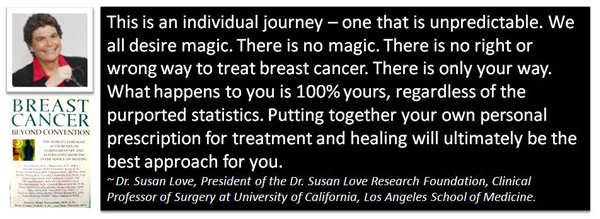
Dr. Susan Love is one of the world’s most outstanding breast cancer surgeon. Listen to what she has got to say below:

3 No-right-or-wrong-journey


A Doctor’s Wife With Breast Cancer — How to help? A Dilemma

Mary (not real name) came to our centre with her parents and son. Sometime in September 2015, she found a cancerous  2.5 cm lump in her left breast. A lumpectomy was done and the histopathology report confirmed invasive ductal carcinoma, Grade 3. The lymphovascular permeation by tumour cells are frequently seen. The tumour was positive for estrogen and C-erB-2 receptors but  negative for progesterone receptor.

In view of the above results, Mary was asked to undergo the following treatments.

  1. a) Chemo – 12 cycles. The first three cycles, once every three weeks and the remaining nine cycles every week.
  2. b) In addition, Herceptin will be required for one whole year. This costs about RM 120,000.
  3. c) Radiotherapy, 20 sessions.
  4. d) Hormone therapy — to take Tamoxifen for 10 years (now, upgraded from 5 years!)
  1. Why did Mary come and see us?

She was not “happy” with the above treatment package. But she said since she is the wife of a medical doctor, these are the required treatments that her husband believe in.

Mary’s father said,  Since I knew that she was reluctant to undergo these treatments, I told her to come and see you. I know you from a friend who came to see you because of his wife’s cancer. But it was too late, she died.

  1. Can these treatment package cure your breast cancer?

Mary said, NO! It is only to prolong life.

Since doctors sometimes admit and sometimes do not admit that chemo / radiation are NOT able to cure patients, the next best thing to say it is done to prolong life! Making you live longer, never mind if it is like going through “hell” or otherwise.

Read what Dr. Levin said about chemotherapy.

Chemo die sooner Levin

  1. Chemo and radiation prolong life at what cost to Mary — emotionally, physically and financially?

Since Mary is a doctor’s wife, maybe paying hospital bills would not be a problem. After all, her husband doctor is working in the same hospital and the rest of the cancer doctors are his friends.

Patients differ in their response to chemo-drugs and radiation. You would not know how “good” or “bad” the side effects can be not until you have gone through the treatments yourself.

Reflect on what these authors wrote about chemotherapy:

30-Chemo-hell-wife-died-of- 12 Chemo-short-cut-to-make-mon

In Your Breast (pg. 175-189) I have documented some cases of women who had undergone similar treatment package which Mary is about to undergo! The results were disastrous.  You can also read these in our website: https://cancercaremalaysia.com/category/breast-cancer/

Many people would say that I am just being biased in trying to write only about failures.  Why so negative? Surely, there are patients who are “cured” by these treatments! Agreed, but unfortunately no one can tell you if you are going to succeed or fail with these treatments. If you fail, you may end up miserable or dead. Take you chance.

  1. No herbs for now. Bring your family — husband included, to see us.

I must admit I am in a difficult situation. I am sure Mary is also in a difficult position.

Yes, we have given herbs to doctors who had cancer before. We have given herbs to parents of doctors who had cancer. We have given herbs to nurses, radiographers and pharmacists. We had given herbs to a doctor’s wife after her medical treatments did not “cure” her. We had no problems doing that. So what is so special about this case that we have to share with you?

Before Mary’s case, there was a doctor’s wife who came to us. She had breast cancer. She came on the behest of her brother-in-law who had cancer and was “cured” by our herbs. Unfortunately, after meeting us she said she had to continue doing what her husband wanted her to do — chemo, radiation, etc.  She died.  So, here is Mary. Is she going down the same road?

We could foresee problems coming! Even though Mary might not want to go for medical treatments, she would be under tremendous pressure if she follows our therapy.  How does her husband feel about this? Will he give her full support in whatever she wants to do? Will he agree with the diet change that may eventually affect him and the children?

If Mary is under pressure — frustration, fear or emotional trauma — while undergoing our therapy then it would be a futile effort. Our therapy would fail.  Our therapy is not about killing the cancer cells or waging a war inside you with toxic drugs or radiation. It is about healing the whole person — body, mind and soul. This approach is a total opposite of medical modalities. So, can Mary find peace under this situation?

The only solution which is fair to all is to ask all members of the family to come together and we discuss what is best for Mary. In this meeting, we need to let go of our ego and entrenched beliefs. Neither should we try to put each other down. There is no room for saying my way is right or yours is wrong;  scientific or not scientific, proven or not proven. The meeting is not meant to be a confrontation. This meeting is about trying to help someone make a wise decision, so that she is at peace with herself, following what her heart wants.

Because of that, my advice to Mary was, Go home. Take time to read what we have written. Discuss with your husband what you think is best for you. I am not going to give you any herbs yet. There is no hurry to do that.

  1. As a compromise, Mary asked, Can I undergo all these chemo & radiation and take Tamoxfen while at the same time take your herbs?

It is not wise. Why don’t you go and do all these medical treatments first. If you need help later on, after these procedure are done, then come to us. We shall then help you. A person putting each leg on each sampan will not be able to sail down the river! At the core of this decision is FULL COMMITMENT. Half measures will not do.

Our herbs are not magic bullet that can cure your cancer. In addition to herbs, we ask you to change your diet and lifestyle. All these need full commitment — not only your commitment but also the support and commitment of the entire family. Any doubts or even negative comments can be demoralising and toxic.

  1. No wrong or right path to take

Dr. Susan Love is one of the world’s most outstanding breast cancer surgeon. Listen to what she had got to say.

3 No-right-or-wrong-journey

Dr. Kent Osborne of Baylor College of Medicine,  acknowledged the outcome of “scientific” breast cancer treatment by this statement:

13-Same-treatment-different

Since the end result of the game is uncertainty, we always ask patients to go home and pray to their God. Speak to the Almighty Healer and ask for guidance. Then follow what the heart says!

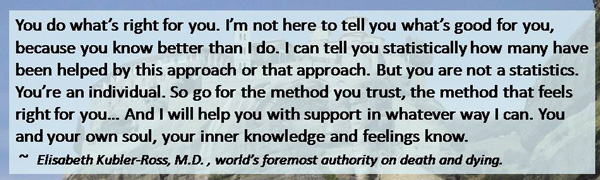
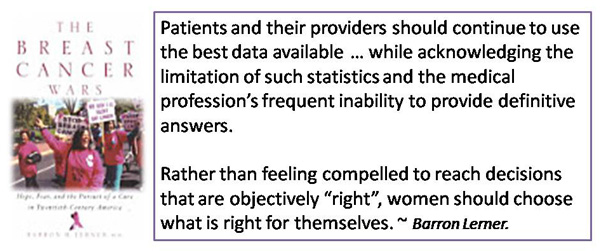
9 Do-what-is-right-for-you 10 Decide-what-is-right-for-yo

  1. An Alternative View about Cancer Treatment

An alternative view of cancer treatment is NOT to regard the cancer as your enemy — the lump in your breast is just a manifestation of what has gone wrong within you. Therefore cutting out the lump, chemo or radiation may not be the answers to your cancer. Reflect on these quotations:

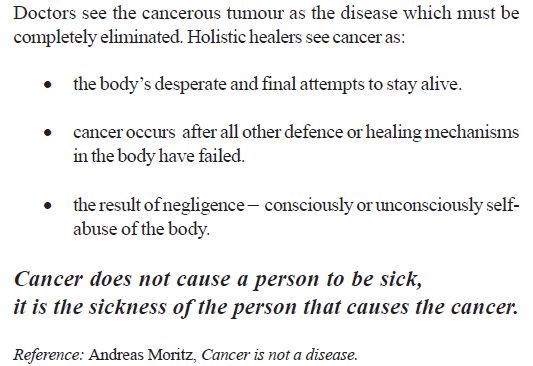
Cancer is not a disease

4-remove-tumourno-use

4 Holistic-therapy-benefit

Experts are dangerous Marcus

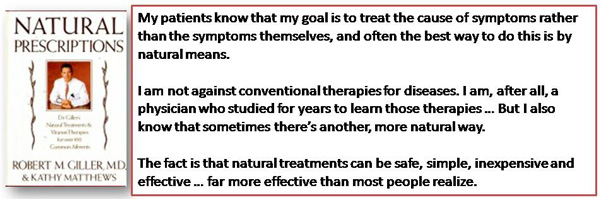
2 Natural-med-cheap-and-effec


Lung Cancer: Two Out Of Three Patients Cured By Chemo! True? False? Okay, Just Believe La

Johnny is a 65-yer-old Indonesian. He had been smoking for about 30 years but since the past 15 years had stopped this destructive habit.

Johnny’s problems started in mid-20015 when he had coughs with blood. He went to a doctor in Jakarta and an X-ray was done. The doctor said Johnny had TB (tuberculosis) and was given TB medication for 2 months. His condition worsen. He could not sleep at night.

Not satisfied Johnny came to a private hospital in Penang. An X-ray was done and the lung specialist concluded that Johnny also had TB. But Johnny told the doctor that he had been on TB medication for 2 months and this was not effective. This made the doctor request for a CT scan.  The CT scan results showed a tumour in his lung.

The lung specialist suggested that Johnny undergo surgery. Johnny lost faith in the doctor and told him that he would need time to consider his suggestion. Johnny flew off to Singapore for a second opinion.

In Singapore, Johnny did a PET scan.

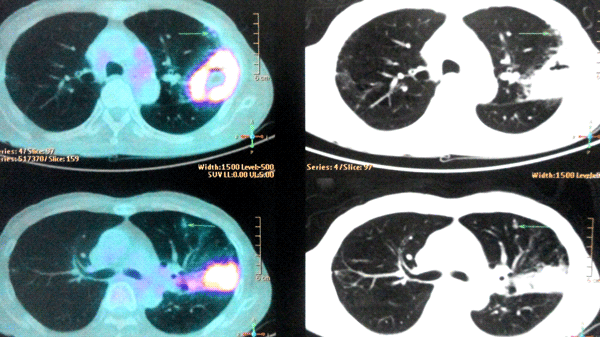
Composite-1 Composite-2

  • PET scan showed an intensely FDG-avid 50 mm cavitated lung mass in the left upper lobe with several small nodules. This lung mass is suggestive of a lung primary while the small nodules are suggestive of metastatic disease.
  • The FDG-avid left hilar nodes and bilateral mediastinal nodes are likely metastatic nodes.

A CT guided left upper lobe lung biopsy was performed and confirmed  a moderately differentiated squamous cell carcinoma.

Johnny was asked to undergo chemotherapy but he hesitated and decided to seek our help instead.

Listen to our conversation that day.


In Penang Hospital

Patient: After the CT scan he (lung specialist) asked me to undergo surgery.

Chris:  Operation?

Wife: Yes, within this 2 weeks.

C: Did you go for the operation?

W: No!

P: I did not want the operation.

C: Why did you not want to operate?

P: I am doubtful. We then flew to Singapore.

In Singapore Hospital

C: What did the Singapore doctor do?

P He asked me to do a PET scan.

C: You did the PET scan?

P: Yes.

W: We also requested him to do a blood test.

C: What did the doctor say after the PET scan?

P: There is tumour in my my lung and has “germ” but he was not sure what germ that was.

W: Not sure what kind of tumour. The doctor said it we want to be sure, we must do a biopsy.

C: Did you do the biopsy?

W: Yes this is the result: MODERATELY DIFFERENTIATED SQUAMOUS CELL CARCINOMA.

C: What did he want you to do after this?

W: He asked to go for chemo.

P: I did not want to do the chemo, so we flew to see youright away.

C: Did you ask how many chemos he wanted to give you?

W: Six times.

Can Chemo Cure You?

C: Did you ask if the chemo is going to cure you?

W: I asked. The doctor said, THREE persons did the chemo, TWO had “hasil” (results) but ONE person did not have result.

C: What do you mean by two people have “hasil”?

W: When three persons had undergone chemo, TWO persons will be cured. A majority were cured.

C: Can cure?

W: Yes, that’s what the doctor said. For most people.

C: Is this what you understand by two people had “results”. You understand it as being cured?

W: Yes, That is what the doctor said.

C: Really, can cure?

W: Yes.

C: Two had chemo and got cured, only one did not cure? And you don’t want that?

W: We don’t want.

C> Hey, this is better than gambling. Even gambling does not give you that chance! Please go and do the chemo because two out of three are cured — you better go for chemo. If this is true it is very good chance indeed.

Do You Believe This Statistics?

W: That is it. I did not believe (what they doctor said). That is why we come and see you.

C: Very smart indeed – that you don’t believe. That is why I ask patients to ask their doctors. One, can the chemo cure or not? Second, how much does it cost?

W: The doctor said the first shot of chemo cost SGD 12,500.

C: And you need to do 6 cycles?

W: Yes.

C: You need to pay quite a lot of money. Do you have to sell your house for this?

P: No, no, we never ask him what the rest of the treatment would cost. I told the doctor, I want to go home and to think about it first. My body cannot take the treatment!

Comments

Johnny, his wife and daughter came to CA Care. I must admit, when I first saw them, they appeared clueless (never judge the book by its cover!) but as I heard his story, I must admit this is what all patients should be — empowered and know what you want from your doctor! Don’t be led by the nose believing that you will find a miracle cure.

There are many lessons we can learn from this story.

  1. Many patients are often misdiagnosed — TB for cancer. And they were made to take TB medication for months before their doctors realized that it was a wrong diagnosis. So patients take note of this. If you are not satisfied with your diagnosis, go find another doctor to figure out what is wrong with you.
  2. After taking TB medication for 2 months, Johnny’s condition deteriorated. Do you want to continue taking the medication? Or is it time for you to find out what is actually wrong with you? Johnny took a wise move, he came to Penang to seek a second opinion. In fact, when you come to CA Care, we also tell you clearly and bluntly. If you follow our therapy for two weeks or a month and don’t get better, please go and find someone else for help.
  3. In Penang, Johnny was again told that he had TB — again a misdiagnosis. Johnny did not keep quiet. He told the doctor about the earlier misdiagnosis. It was wonderful that this doctor listened to Johnny (some doctors don’t listen to their patients!). The CT scan picked up a tumour in Johnny’s lung. Just imagine if Johnny took it as it is — go home with more TB medication from Penang, even though the TB medication in Jakarta was useless. So the lesson here is: Patients, speak up if you think the doctor is not doing it right!
  4. The lung specialist in Penang suggested surgery — to be done within 2 weeks. Unless it is an emergency, be careful about being pushed to do things immediately. Patients need to be give space and time to think things over or given a chance to seek a second or third opinion. Why the rush? Johnny was right again on this score. In his mind, the same doctor had misdiagnosed him and now this same doctor is rushing to “cut” him up. Johnny was doubtful and ran off to Singapore.
  5. In Singapore Johnny’s problem was more defined — PET scan and biopsy confirmed lung cancer. This time the doctor did not want to “cut” him up, he wanted to chemo him! Do you learn anything from this? If you go to the barber, know that he will snip your hair. If you go to the surgeon, no matter what, you will end up on the operating table. If you go to a radiologist know that his answer is radiation — they say “burn” you. And in the case of Johnny, he went to an oncologist who main job is to chemo you — or “poison” you. And if you come to us, we cannot do all these. So we ask you drink some herbs and take care of your diet. So what treatment you get depends to who to go to. Who is right, you want to ask. No one has the monopoly of being right. So pick your choice.
  6. The oncologist in Singapore suggested 6 cycles of chemo — the first cycle cost SGD 12,500. The remaining expenses, Johnny was not interested to know! Why? Because he did want to undergo chemo. We always remind patients to ask about the cost of the treatment so that you are aware of what you are going into. Don’t die a bankrupt! Many patients did tell us that they have to sell their house or land to pay for the medical bills. One lung cancer patient spent SGD 1 Million for his 2-year treatment. And he died.
  7. The most important question that patient should ask the doctor is, Will the treatment cure me? Some patients do not dare ask the doctor this, but some do. We wonder — why are you afraid to ask this question? If the doctor is not prepared to answer this question, then do you still want him to put the “poison” into you? Go find someone else who can do the same job but who is more caring. Also when you ask the doctor this question, look into his / her eyes and see how he /she react. See if he/she is being truthful in answering this question. One lesson to learn. Some doctors give honest answers but some give less than honest and biased answers.

Johnny was told that with chemo his lung cancer has a great chance of being cured. Out of THREE patients who have undergone chemo, TWO showed results. Obtaining results is understood by Johnny and his wife as being cured. We do not know how true it is but we again emphasize to Johnny that indeed if 2 out of 3 can be cured by 6 cycles of chemo, then he must go for it. That would be a great achievement. Our concern is that Johnny and his wife misunderstand the doctor — result does not necessarily mean  cure! Results can mean anything — dead, half dead , sufferings or half cured.

Below are some examples of what some oncologists told their patients about the “success” of their chemotherapy.

1

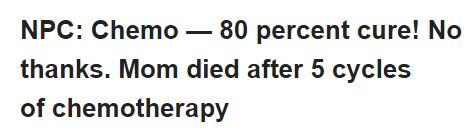
https://cancercaremalaysia.com/2015/05/04/npc-chemo-80-percent-cure-no-thanks-mom-died-after-5-cycles-of-chemotherapy/

2

https://cancercaremalaysia.com/2012/09/08/ovarian-cancer-after-chemo-99-percent-of-cancer-will-be-gone-do-you-believe-that-how-much-truth-has-to-be-told/

3

https://cancercaremalaysia.com/2014/07/29/do-chemotherapy-you-have-a-70-percent-chance-of-cure-for-your-breast-cancer-you-believe-that/

  1. We asked Johnny. Why didn’t you want to go for chemo? His wife replied, I did not believe (what they doctor said). As said earlier, here was a couple in front of us — they appeared “uneducated and naive.”  What make them so empowered to dispute the doctor?  We have no answer to that question.

Over the years, we did come across very educated patients but they appeared to being led by the nose — believing everything that is being fed to them. Yet, there are some others who appeared “naive” but they have a mind of their own and they know what the “truth” is!

Let us end this case story by asking you to ponder the documented facts about chemo treatment of lung cancer as we know today.

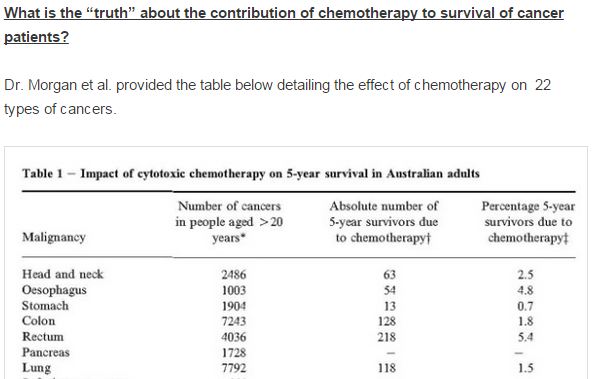
Lung survival rate Lung survival rate2Lung survival rateAustralia

Lung survival rate3