Lessons From Son’s Death From Pediatric Burkitt’s Lymphoma

A few hours ago, I received  an email from a father informing me that his 5-year old son died about a month after the family came to seek our help. Let me share this story with you.

Dear Dr. Chris,

Herewith I inform you, after some time of deep grief, that my beloved son, Reynald, couldn’t make it. He passed away on April 12, 2014 at around 5am.

He has confessed with his child-like-style: Lord Jesus is in my heart, Papa is in my heart, around 9 p.m. on April 11.

He’s now no longer suffering, and by God’s grace, I received revelation that he is in heaven with Jesus, and no pain.

Thank you for your supports so far and so sorry for bothering you at that time, the day you met me, and the day you met me, my wife and Reynald.

Although it’s been five months after his death, I write this with shivering inside my heart, although I know Rey had been safe, with God, and I know that death is not we should be afraid of, but what we expect for with our death, we will use our undecayed body to reunite with God.

Thank you for giving me a challenge at that time: NOT how long we will live or our chance to live, BUT how we’re going to die. That’s the important thing. Your statement was deeply planted in my mind.

Now I and my wife, have changed a lot in our perspective about life and death:

  1. As long as we live, we will serve God, Lord Jesus, with all we have: heart and mind, while paying attention to raise our daughter, Clarissa– Rey’s younger sister. We, both, do not question or are disappointed with God, or retreat from God, BUT we serve God whole-heartedly, while we’re also working to make a living. I serve in Discipleship, while my wife is Praise & Worship singer. We both lead cell group since Rey was healthy till now.
  2. Death is no longer something scary, BUT more to be like: Death is something that all men will face some day, and it’s a gate to eternity with God. 

But for sure, you are the first — the one and only doctor — I ever met that give a question or a challenge to think about “life and death” perspective.

I combined the ECCT therapy with your herbal therapy, which actually makes the lumps gone on April 11, 2014, but again, God’s plan is not our plan. Reynald is the first child patient in Surabaya since the  ECCT  (Electro Capacitive Cancer Therapy) institution was built in March 2014. I’ve met this doctor, and he and his team prioritized my son in his ECCT vest production, and they even prayed with tears and hope for my son to cure.

I believe there’s no coincidence to meet you there in Penang, to be a part of my life’s journey. Thanks for being a blessing in our life. Hope that your ministry is a blessing to a lot more people and give much deeper impacts to their lives.

God bless you.

Regards from Surabaya,

H & S (Reynald’s parents)

Reply: Thank you H & S for this sad news but I am real happy that your son’s death is not in vain. I know it is hard to overcome the grief  … all of us need to go through this period. But know that even when your son came to this world for a short time he had a message to tell you and me. Then  he left to be with the Lord .

Over the past few weeks I have read 3 books about people who died and went to heaven and they came back to earth again to write their stories. It is amazing….heaven is real and God is real. There is no doubt that your son is happy there with the Lord.

So know that your son is happy and well with the Lord … and it is real. I am glad and blessed to know that you benefited from this cancer experience … we need to lead a spiritual life …all of us are eternal souls who come to this world for human experience. Our shell  dies and rots away but our soul lives forever.

I praise God that your faith is much strengthened from this sad event. Amen.

Four-year-9-month with Burkitt’s  Lymphoma

This sad story started with an e-mail I received on 4 March 2014: Paediatric Gastro Case from Surabaya – REYNALD HARVEY WIBISONO (4 yr 9 mo) – now is judged in as Burkitt’s lymphoma (I’m in PENANG now)

Dear Doctor Chris,

My name is HW, from Surabaya – Indonesia. I’m in Penang to have my son’s health checked (since Sunday Feb 23, 2014 – my son is in Gleneagles since Tuesday Feb 25, 2014). Just got info from my friend to ask you to seek second opinion.

To give you a brief of the story, I attach all the report tests taken in Surabaya, then what has been tested in Penang, will be written down side below.

My son, 4 yr 9 mo old, Reynald, has had several tests in Mitra Keluarga Hosital Surabaya which lead to “ suspected Ca gaster” with unconfirmed tests below :

  • Endoscopy & CT Scan reading which stated “probably” Ca Gaster
  • Blood Test which didn’t support those two tests.
  • PA Test which didn’t show : no malignancy
  • Thorax radiology : normal

Composite pix

My son’s and my family health history and chronology :

  1. We don’t have any cancer history in our bloodline (me & my wife) – up to our grandparents.
  2. I have allergic history to seafood (childhood), but not my wife.
  3. My son doesn’t like fruit.
  4. The symptom was started on Jan 20, 2014by vomiting and diarrhea, once only, each. There were several times of pain in his gaster (just complaining but not so bad), and no fever.
  5. By Jan 27, 2014, the pain was getting stronger (but after belching or farting, it’s soon ended). We went to a pediatrician, which suspected: Helicobacter pylori infection. The treatment was 2 antibiotics + 1 H2 blocker (gabbryl + abbotic + ranitidine) for 1 week.
  6. By Feb 3, the pain was there, and was still treated with 2 antibiotics + 1 H2 blocker (gabbryl + abbotic + ranitidine) for 1 week (bloodtest showed negative for H. pylori, but HB was 8), but consumed until Feb 6when we decided to go to gastroenterologist in Surabaya which suggested to do 1 full month of food allergic self test before doing endoscopy. But then I decided to meet other gastroenterologist (suggested by the previous one) to have endoscopy, which then decided to be executed in Monday 10Peb14.
  7. By Feb 10, endoscopy test was done which was suspected as Ca Gaster due to the presence of 3 lumps in the my son’s gaster.Early blood test was taken and showed negative for H. pylori, and theHB was still 8, so that blood transfusion (B+) was done100mL. Samples for PA was taken.
  8. By Feb 11, CT Scan and Thorax radiology tests were taken. Blood transfusion (B+) was done another100ml.
  9. By Feb 12, complete blood test including CEA Marker test was taken but the CEA Market was only 0.83 & CRP was only 2.The HB showed in the test was increasing,to be 11.5. Complete result was attached.
  10. By Feb 14, the biopsy test result found no malignancy
  11. By Feb 15, we decided to leave the hospital since there’s no decision from the team of doctors (paediatric gastroenterologists, paediatric surgeon) — what it is, and how to treat this.

Some actions taken by me & medication given after leaving the hospitals were :

  1. I stopped giving milk (Pediasure S26), and any dairy products such as cheese, breads, tea drinks, chocolate containing food & beverage, fried food, any fabricated sausage & nugget, since Peb 13 until now.
  2. I started giving honey + propolis to replace milk by Feb 13 until now, and giving porridge / misoa (rice noddle) / mushy rice and grounded steamed beef / finely shredded beef, no chicken, no fish/seafood to avoid food allergic.
  3. I started giving meals 5-6x/day with smaller portion by Feb 14, rather than 3x/day previously
  4. Medication taken and given since leaving hospital under paediatric gastroenterologist’s suggestion were : Neciblok Sucralfate suspension (3X daily, 5cc), Ranivel Syrup Ranitidine 75mg/5mL (2X daily, 5cc), Nexium esomeprazole 20mg tablet (2X daily, 1 tablet).
  5. Oral pain killer (paracetamol) given after the IV was removed by Thu Peb 13. The dosage was paracetamol 20mg divided into 3 packs of powder, and given once in Fri Peb 14 dawn, once in Sat Peb 15 dawn, once in Sun Peb 16 almost midnite. Then I continue with Dumin syrup (paracetamol), 5ml this early morning (around 3:30am)

Some symptoms I observed  BEFORE and AFTER Feb. 13:

  1. BEFORE: sound of abdominal bloating which then followed by severe pain in my son’s stomach, usually happened once (in between Peb 3-9) in between 2.30 – 4am and once in between morning (after breakfast) till evening (after dinner), and soon disappear after a very foul smell fart.  AFTER: sound of abdominal bloating which then followed by less severe pain in my son’s stomach, only happened once (in between Feb 3-9) in between 2.30 – 4am, and soon disappear after a very foul smell fart.
  2. BEFORE: frequency of less severe pain (beside the severe ones) in my son’s stomach, usually happened 3-4 times in between morning (after breakfast) till evening (after dinner), and soon disappear after a smell fart/belching. AFTER: only happened 2-3 times.
  3. When the pain referred by #1 above is happening, I fingered my child’s stomach and could feel a lump under his chest (upper abdomen)
  4. Both BEFORE and AFTER  are the same : no fever, no vomiting (except once in Jan 20 & twice in Feb 8), normal faeces, weight in between 15-16 kgs, while his height is about 102cm.

Now, in Gleneagles Penang, my son is diagnosed as “favour to Burkitt’s Lymphoma”.

  1. Monday, meet paediatric surgeon, then let the Pantai Hospital pathologist did a review of the biopsy sample taken in Surabaya that I brought. It was claimed as LYMPHOMA, then further PA was taken to make sure.
  2. Tuesday, before steroid treatment, all blood test was normal, except LDH 275, HB 10.5, albumin was lesser than minimum limit for kid.
  3. Wednesday, after steroid treatment, all blood test was normal
  4. Friday, after steroid treatment, all blood test was normal
  5. Saturday, after steroid treatment, all blood test was normal, except HB was 8.7
  6. Sunday (yesterday), after steroid treatment, blood transfusion was done at 150mL.
  7. Monday (this afternoon), the further PA reading was given:

IMMUNOHISTOLOGY (the atypical cells are positive for CD20 and almost all cells exhibit MIB-1 activity. The cells are negative for bcl-2 and strongly positive for bcl-6. The cells are consistently negative for Tdt (x2).

MICROSCOPIC DESCRIPTION (the sections of the gastric biopsy show reactive lymphoid follicles as well as a focus of malignant lymphoid infiltration of the lamina. The cells are medium sized and exhibit prominent nuclei, with prominent granular chromatin and nucleoli, occasionally multiple mitoses are seen, and lymphoepithelial lesions are not seen.

DIAGNOSIS (mucosal infiltration by high grade B cell lymphoma, favour Burkitt lymphoma)

  1. In the faeces, there’s no blood within this week.

9. The quickest action suggested must be done by Wednesday Mar 5, 2014 are :

  • Bone Marrow Test
  • Chemo drug into the brain to prevent B cell spread
  • Prepare a chemopot in the chest

Since those 3 actions are scary, could you please prioritize your time to see me ? I’ll go to your clinic.

Looking forward to your reply urgently. Regards, HH.

Reply: Come and see me as soon as you can. 

On 4 March 2014, H came to see me and we talked. It was indeed a very sober occasion. Our hearts were heavy. I asked H to consider the following points seriously.

  1. Facing Reality of the Treatment Outcome

The doctors in Surabaya was unsure of what Rey had but suggested chemotherapy. In Penang the doctors said it could be Burkitt’s Lymphoma and the treatment must be carried out right away. Bone marrow would be extracted from his lumbar, a hole to be drilled in his head and a chemopot installed in his chest.

My question: Can this procedure and treatment cure Rey?

H was told: The treatment has a high chance of success.

Indeed in the net we can read these: 

  • More than half of patients with Burkitt’s lymphoma can be cured with intensive chemotherapy. The cure rate may be lower if the cancer spreads to the bone marrow or spinal fluid. The outlook is poor if the cancer comes back after a remission or does not go into remission as a result of the first cycle of chemotherapy. http://www.nlm.nih.gov/medlineplus/ency/article/001308.htm
What is the long-term outlook for a child with Burkitt’s lymphoma? Your child’s prognosis greatly depends on:
  1. the extent of the disease
  2. presence or absence of metastasis
  3. response to therapy
  4. your child’s age and overall health
  5. tolerance of specific medications, procedures or therapies
  • As with any cancer, prognosis and long-term survival can vary greatly. Prompt medical attention and aggressive therapy are important for the best prognosis, and continuous follow-up care is essential. http://www.dana-farber.org/Health-Library/Childhood-Burkitt-s-Lymphoma.aspx
  •  Treatment of limited stage (stage I and II) Burkitt lymphomas is usually very successful, with a cure rate of over 90%. The cure rate for children with more advanced (stage III or IV) Burkitt lymphoma ranges from about 80% to 90%. http://www.cancer.org/cancer/non-hodgkinlymphomainchildren/detailedguide/non-hodgkin-lymphoma-in-children-staging
  • Age at diagnosis is a significant prognostic factor. Broadly speaking, older patients have poorer outcomes. Similar pediatric data are not yet available. http://emedicine.medscape.com/article/987540-overview#aw2aab6b2b4
  • The overall prognosis for children with non-Hodgkin lymphoma has steadily improved. The projected 10-year survival rate for children diagnosed in 2005-2009 was 90.6%.
  • In the United States, 80% of children treated for early-stage Burkitt’s Lymphoma remain free from relapse three years after treatment. http://www.hannasheartsofhope.org/burkitts_Lymphoma.php
  • Survival statistics can sometimes be useful as a general guide, but they can’t predict what will happen in any child’s case. The ranges of numbers given below are based on the results of several studies that have used different treatment regimens or included slightly different groups of patients.
  • The diagnosis of a lymphoma in children is rare. There are about 500 new cases of non-Hodgkin’s lymphoma diagnosed each year in kids in the United States. It may occur at any age during childhood, but is rare before age 3. http://www.lymphomation.org/type-childhood.htm
  • Short-Term and Long-Term Side Effects: Intensive lymphoma chemotherapy affects the bone marrow, causing anemia and bleeding problems, and increasing the risk for serious infections. Chemotherapy and radiation treatments have many other side effects — some short-term (such as hair loss, changes in skin color, increased infection risk, and nausea and vomiting) and some long-term (such heart and kidney damage, reproductive problems, thyroid problems, or the development of another cancer later in life).
  • Relapses:  Although most kids do recover from lymphoma, some with severe disease will have a reoccurrence. For these children, bone marrow transplants and stem cell transplants are among the newest treatment options. http://kidshealth.org/parent/medical/cancer/cancer_lymphoma.html#

My question: While statistics say the kind of lymphoma that Rey has could be successfully treatment, this statistics may not be applicable to Rey. What is the oncologist’s personal experience? Has he ever treated 10 or 100 of such cases himself in his clinic? And for such cases, how many are cured? Merely relying on statistics of what others do may appear “scientific” but could be meaningless. 

  1. Facing Financial Reality 

My question: How much is the treatment going to cost?

H was told: A cycle of chemo cost about RM 5,000, Chemopot – RM 4,000 – 5,000.  The initial treatment of 6 cycles could come to about RM 40,000 to 50,000.

My question: What happen after the 6 cycles of chemo? Will Rey need more chemo? That means more money for more treatment. Let us assume that in total the total cost of  treatment finally comes to RM 100,000. Do you have that kind of money to spend?

H told me: He would borrow or sell his house to come up with that amount. It also means, he will be financially drained and ruined. He would have nothing left to take care of his family and do his business.

My comment: It may be okay to cough out that kind of money if Rey can be cured. What if he is not cured? Money gone and son lost. 

  1. Facing Death 

Everybody with cancer wants to find a cure — cure means the disease goes away and will not come back. Unfortunately, cure is elusive even though the “response to treatment” could be high, as reported in medical literature. But response does not mean cure.

Some years ago I had a 2-month-old baby with neuroblastoma, Stage 4. The doctor scolded the parents for declining chemotherapy. I clearly remember that morning when the baby’s parents came to my house and sat down to talk (and cried) for 2 hours. The first question I asked was: How do you want your baby to die? Natural death or die while doing the chemo? The mother replied she preferred her baby to die naturally. Then my respond was: Let’s do nothing and takes some herbs! Stop feeding her milk. Change to fruit juices. Today, this baby is a normal 15 year-old. (Note: this case is unique and does not necessarily apply to Rey at all. Each one has his/her own healing path).

What could have happened if she was to undergo the chemo as suggested by the doctor? Will she be still alive?

Even if she was cured, what would be the chances of her getting another cancer as a result of the earlier toxic treatment?

I reminded H that while we all hope that the chemo would cure Rey, we also need to face reality that he might die because of the treatment. So, how do you want Rey to die?

This is what I told H: “Go back and discuss this matter with your wife. Call your parents in Surabaya and talk this out with them.  Then make your own decision.”

The next morning, 5 March 2014, H and his wife and 5-year-old Rey came to our centre. This time, our conversation was more cheerful. It appeared to me that H seemed to be more confident. He had made up his mind. No chemo! He wanted to try the herbs.

I made it clear to H and his wife. I have no magic bullet to cure Rey. The herbs may be able to make his life a bit better but don’t expect a cure. If his condition deteriorates, they should ask for medical help.

I must confess that every time a child came to our centre for help, my heart sank. I knew this would be an uphill battle. How is a young person / baby understand that he/she has to drink bitter herbs every day? And many times a day. Then the diet has to be changed. No sweets, etc., etc. It is hard. Under such circumstances, we could only try our best.

Can we eat to starve cancer?

When you have cancer, you are told: Eat anything you like. Cancer has nothing to do with your diet!

And you believe that this a a great advice? Based on science facts or research?

Hang one, listen to Dr. William Li,  head of the Angiogenesis Foundation, a nonprofit that is re-conceptualizing global disease fighting.

Click this link:  http://www.ted.com/talks/william_li

This video has 3,286,376 hits. So don’t miss out. Listen to what a “real scientist” has got to tell you!

The following are some important points you may want to remember — check with your doctors if you like!

  1. There’s a medical revolution happening all around us, and it’s one that’s going to help us conquer some of society’s most dreaded conditions, including cancer. The revolution is called angiogenesis, and it’s based on the process that our bodies use to grow blood vessels.
  2. The human body is literally packed with them (blood vessels): 60,000 miles worth in a typical adult. End to end, that would form a line that would circle the earth twice. The smallest blood vessels are called capillaries; we’ve got 19 billion of them in our bodies. And these are the vessels of life, and, as I’ll show you, they can also be the vessels of death.
  3. We get most of these blood vessels when we’re actually still in the womb, And what that means is that as adults, blood vessels don’t normally grow. Except in a few special circumstances: In women, blood vessels grow every month to build the lining of the uterus; during pregnancy, they form the placenta, which connects mom and baby. And after injury, blood vessels actually have to grow under the scab in order to heal a wound.
  4. The body has the ability to regulate the amount of blood vessels that are present at any given time. It does this through an elaborate and elegant system of checks and balances, stimulators and inhibitors of angiogenesis.
  5. When we need a brief burst of blood vessels, the body can do this by releasing stimulators, proteins called angiogenic factors that act as natural fertilizer and stimulate new blood vessels to sprout. And when those excess vessels are no longer needed, the body prunes them back to baseline using naturally occurring inhibitors of angiogenesis.
  6. For a number of diseases, there are defects in the system where the body can’t prune back extra blood vessels or can’t grow enough new ones in the right place at the right time. And in these situations, angiogenesis is out of balance. When angiogenesis is out of balance, a myriad of diseases result … there are more than 70 major diseases affecting more than a billion people worldwide, that all look on the surface to be different from one another, but all actually share abnormal angiogenesis as their common denominator.
  7. Now I’m going to focus on cancer because angiogenesis is a hallmark of cancer, every type of cancer … a tumor: dark, gray, ominous mass …. under the microscope, you can see hundreds of these brown staining blood vessels, capillaries that are feeding cancer cells, bringing oxygen and nutrients.
  8. But cancers don’t start out with a blood supply. They start out as small, microscopic nests of cells that can only grow to one half a cubic millimeter in size; that’s the tip of a ballpoint pen. Then they can’t get any larger because they don’t have a blood supply, so they don’t have enough oxygen or nutrients.
  9. In fact, we’re probably forming these microscopic cancers all the time in our body. Autopsy studies from people who died in car accidents have shown that about 40 percent of women between the ages of 40 and 50 actually have microscopic cancers in their breasts, about 50 percent of men in their 50s and 60s have microscopic prostate cancers, and virtually 100 percent of us, by the time we reach our 70s, will have microscopic cancers growing in our thyroid. Yet, without a blood supply, most of these cancers will never become dangerous.
  10. So the body’s ability to balance angiogenesis, when it’s working properly, prevents blood vessels from feeding cancers. And this turns out to be one of our most important defense mechanisms against cancer. In fact, if you actually block angiogenesis and prevent blood vessels from ever reaching cancer cells, tumors simply can’t grow up.
  11. But once angiogenesis occurs, cancers can grow exponentially. And this is actually how a cancer goes from being harmless to deadly. Cancer cells mutate and they gain the ability to release lots of those angiogenic factors, natural fertilizer, that tip the balance in favor of blood vessels invading the cancer. And once those vessels invade the cancer, it can expand, it can invade local tissues.
  12. So, if angiogenesis is a tipping point between a harmless cancer and a harmful one, then one major part of the angiogenesis revolution is a new approach to treating cancer by cutting off the blood supply. We call this antiangiogenic therapy, and it’s completely different from chemotherapy because it selectively aims at the blood vessels that are feeding the cancers.
  13. Now, obviously, antiangiogenic therapy could be used for a wide range of cancers. There’s 12 different drugs, 11 different cancer types. But the real question is: How well do these work in practice?
  14. I started asking myself, “Why haven’t we been able to do better?” And the answer, to me, is obvious; we’re treating cancer too late in the game, when it’s already established and, oftentimes, it’s already spread or metastasized. And as a doctor, I know that once a disease progresses to an advanced stage, achieving a cure can be difficult, if not impossible.
  15. So I went back to the biology of angiogenesis and started thinking: Could the answer to cancer be preventing angiogenesis, beating cancer at its own game so the cancers could never become dangerous?
  16. What could we be adding to our diet that’s naturally antiangiogenic, that could boost the body’s defense system and beat back those blood vessels that are feeding cancers? In other words, can we eat to starve cancer?

Well, the answer’s yes.

  1. So let me show you what happens when we put in an extract from red grapes. The active ingredient’s resveratrol, it’s also found in red wine. This inhibits abnormal angiogenesis by 60 percent. Here’s what happens when we added an extract from strawberries; it potently inhibits angiogenesis. And extract from soybeans. And here is a growing list of our antiangiogenic foods and beverages that we’re interested in studying.

So here are four different teas that we’ve tested. They’re all common ones: Chinese jasmine, Japanese sencha, Earl Grey and a special blend that we prepared. And you can see clearly that the teas vary in their potency from less potent to more potent. But what’s very cool is when we actually combined the two less potent teas together, the combination, the blend, is more potent than either one alone. This means there’s food synergy.

And here are the dietary factors going head to head against these drugs. You can see, they clearly hold their own and, in some cases, they’re more potent than the actual drugs. Soy, parsley, garlic, grapes, berries; I could go home and cook a tasty meal using these ingredients.

  1. Now, I’ve shown you a bunch of lab data, and so the real question is: What is the evidence in people that eating certain foods can reduce angiogenesis in cancer? Well, the best example I know is a study of 79,000 men followed over 20 years, in which it was found that men who consumed cooked tomatoes two to three times a week had up to a 50 percent reduction in their risk of developing prostate cancer. Now, we know that tomatoes are a good source of lycopene, and lycopene is antiangiogenic.

But what’s even more interesting from this study is that in those men who did develop prostate cancer, those who ate more servings of tomato sauce actually had fewer blood vessels feeding their cancer. So this human study is a prime example of how antiangiogenic substances present in food and consumed at practical levels can impact on cancer.

  1. If we’re right, it could impact on consumer education, food services, public health and even the insurance industry. For many people around the world, dietary cancer prevention may be the only practical solution because not everybody can afford expensive end-stage cancer treatments, but everybody could benefit from a healthy diet based on local, sustainable, antiangiogenic crops.
  2. Albert Szent-Gyorgi once said that, “Discovery consists of seeing what everyone has seen, and thinking what no one has thought.” I hope I’ve convinced you that, for diseases like cancer, … there may be a great power in attacking their common denominator: angiogenesis. And that’s what I think the world needs now. Thank you.

BOOK REVIEW: THE FORSYTHE ANTI-CANCER DIET

AntiCAncer Diet

by Yeong Sek Yee & Khadijah Shaari

The author, Dr James Forsythe, MD, HMD is a board-certified medical oncologist and also a board-certified homeopath. In that capacity of an integrative oncologist, he serves as both a standard-medicine oncologist and also a homeopath capable of administering non-toxic and effective natural therapies that traditional doctors shun.

In his Century Wellness Clinic (http://www.centurywellness.com) in Reno, Nevada, Dr Forsythe introduces options, hope, healing and recovery in treating cancer. He integrates conventional and complementary treatments with proper nutrition playing a big role in his treatment of cancer patients at his clinic. Why does he place so much emphasis on nutrition? Here are some reasons:

  • The primary culprits in igniting most cancers are the foods we eat…the danger intensifies due to the contaminated environment loaded with excessive carcinogens, radiation and deadly chemicals.
  • What we choose to eat or to avoid ingesting play a critical role in overall recovery and for maintenance of good health.
  • Up to 70% of cancers are caused by inadequate diets or eating the wrong foods such as meals likely to generate free radicals or carcinogens.
  • What we consume in today’s fast-paced society contains extremely harmful chemicals.
  • Many patients had been wrongly led to believe by other medical professionals that standard chemotherapies or high-priced drugs were the only viable or potentially helpful treatments.

Dr Forsythe further lamented that “greedy, selfish and profit-oriented major pharmaceutical companies and the mainstream standard medical industry refrain from championing good nutrition to battle cancer. In fact, these entities only push expensive drugs–some of which are of questionable effectiveness and also poisonous chemotherapies, many of which are ineffective.” (Read Chapter 3 “Greedy Big Pharma Shuns Diet Benefits” and Chapter 4 “Some Standard Doctors Inflict Damage”).

According to Dr Forsythe’s vast experience in treating cancer patients, almost all allopathic physicians fail to tell cancer patients of the urgent need to have healthy diets to assist in their recovery particularly amid standard poisonous chemotherapy and radiation treatments. However, the diet recommendations in the Forsythe Anti-Cancer Diet are not something mysterious. A lot of the diet suggestions are shared by many other integrative doctors and oncologists as well as alternative/complementary practitioners. Some of Dr Forsythe’s dietary recommendations are:

  • Refrain from all simple sugars for life–no matter what type of cancer you have. Cancer essentially loves and thrives on–and even needs–sugars in order to survive and to thrive while ravaging the human body.
  • Avoid acidic foods–the disease thrives in acidic environments. Meat and a huge percentage of processed synthetic meals are acidic–such as chemical-laden foods like hot dogs, bacon, sugar-laden snacks, ice cream, candy, soft drinks and other foods that have been highly modified.
  • Junk food or extremely unhealthy highly processed microwaveable meals and snacks sold in plastic containers and wrappers.
  • Avoid all GMO/bioengineered foods. The ‘gut’ of the human body is not equipped to efficiently process bioengineered foods. Big food producers spray crops with dangerous cancer-causing chemicals or to cram meals with unnatural additives and preservatives during the processing phase.
  • Avoid refined wheat–today’s wheat has so many highly complex sugars that eating a single slice of wheat bread possesses far more sugars than a single candy bar.
  • Avoid drinking chlorinated water–an improperly functioning intestinal tract can prevent the body from absorbing adequate or necessary nutrients.
  • Eat fermented foods to strengthen the intestinal tracts–food like yogurts, probiotics, sauerkraut or kimchi.
  • Farm animals intended for eventual use as human food are fed new substances or medicines such as hormones and prescription antibiotics. When eating meat, people eventually get contaminated with these potentially cancerous substances.
  • Eat a variety of foods deemed to have antioxidant attributes that enable the body to fight or to remove free radicals (remember free radicals causes cancer).
  • Dangers of food preparation–grilling, barbecuing, overheating, frying of foods creates free radicals and carcinogens.
  • Eat food loaded with flavonoids–onions, berries, white/green tea, parsley, pulse, citrus fruits, etc.
  • Eat natural antioxidants such as Vitamin C and Vitamin E, resveratrol and carotenoids.
  • Avoid all forms of “trans fats” also called “unsaturated fats” which is often blamed for generating free radicals that cause inflammation.
  • Increase intake of Omega-3 fatty acids such as oily fish, flaxseed and lots of vegetables.
  • The processing of many sweet-tasting foods often involves extremely dangerous mercury. This intensifies white sugar’s already-serious dangers. A good example is high-fructose corn syrup, which is an unnatural food found nowhere in nature. Multiplying the danger, the production (of HFCS) involves caustic soda that scientists admittedly call “mercury grade”. HFCS is used in all soda pop, canned soups, salad dressing, cereals, packaged and canned foods. So read the labels carefully.
  • Buy only organic produce–you’ll minimize the amount of toxins that your body needs to process.
  • Avoid fruits and vegetables that are intentionally exposed to radiation. Irradiation (so called “sterilization of food”) exposes these crops to “ionizing radiation” which is carcinogenic (Read our article “The Dark Side of Radiation Therapy” at the following link: https://cancercaremalaysia.com/2014/05/24/the-dark-side-of-radiation-therapy/).
  • The eating of irradiated foods becomes tantamount to exposing the body to the ravages of nuclear fallout or a nuclear explosion.

In summary, Dr Forsythe’s main theme is to eat natural, whole and unprocessed foods– essentially a plant-based diet. There are many, many more books similar to the Dr James Forsythe dietary recommendations and a lot of them are written by medical doctors and cancer researchers.

A cancer patient’s survival could hinge on diet during treatment. Most standard oncologists never mention or discuss this issue with their patients. Many allopathic physicians are likely to scoff at a cancer patient’s questioning about the need for natural, untainted foods.

Did it happen to you? Share with us your experience.

Dr Forsythe has written 2 other best-sellers which your oncologist will not recommend you to read:

  • THE COMPASSIONATE ONCOLOGIST…What Cancer Specialists Don’t Want You To Know.
  • TAKE CONTROL OF YOUR CANCER…Integrating the Best of Alternative and Conventional Treatments.

In addition, Dr Forsythe is also featured in the Suzanne Somer’s book, KNOCKOUT…Interviews with Doctors who are Curing Cancer and you can listen/watch Dr Forysthe on YouTube at: http://www.youtube.com/watch?v=2eHWwqVEpjY

Dr Forsythe is no ordinary doctor or consultant….you can read his full biodata at the following link:

http://www.acampalmsprings.com/ACAM_FA13_Speaker_Forsythe.James_BioCV&Pic.pdf  or  www.drforsythe.com

EAT TO BEAT CANCER

Beat-Cancer-Jane-Plant

Review by Yeong Sek Yee & Khadijah Shaari

In the book, BEAT CANCER, (released May 2014), Professor Jane Plant and Professor Mustafa Djamgoz present a 10-Step programme to help cancer patients overcome cancer. Of all the 10 Steps presented, we feel that Step 5—Eat to beat Cancer is the most important as this was the main factor that helped Prof Jane Plant survive breast cancer since 1987.

In this chapter, the authors advocate 10 essential Food Factors—these are: to eat real food, eat organic, to balance the diet, reduce intakes of acid generating foods, know good carbs and bad carbs, know the right fats, cut down on salt and sweeteners, know what to drink and lastly, to eat nutritious foods rather than supplements.

Below are the some salient points from Step 5:

  • More recently, the distinguished nutritional biochemist Professor T. Colin Campbell of Cornell University has shown that the right diet prevents many common cancers, and that diet may also be the key to turning on–and turning off—existing cancers.
  • What we eat can directly or indirectly, creates conditions in which cancer can flourish, or alternatively provide protection so that cancer does not take hold.
  • While the genes we are born with are there for life, “bad” genes such as cancer genes do not cause problems if they are not turned on or “expressed.” There is increasing evidence that diet is important in determining whether cancer genes are expressed.
  • If we consume too many acid generating foods for too long so that our bodies become acidic, it provides an ideal environment in which cancer can flourish…acidic conditions help maintain the acid envelope around cancer which in turn helps it to invade other tissues and to metastasize.
  • Popular high-protein/low-carb diets which rely on your body using protein rather than carbohydrate for energy effectively attacks the fabric of your body as it tries to create energy from the wrong fuel. This acidifies the body and creates toxic chemicals. It is like burning your furniture to warm your house instead of switching on the central-heating boiler.
  • What are acid generating foods? These are:
  • All animal protein, including eggs, meat, and dairy is strongly or very strongly acid producing or acid generating.
  • Many cereals and pulses such as lentils and peas are moderately acid generating.
  • Fizzy drinks and colas high in phosphorus are acid generating
  • What are alkali generating foods? These are:
  • Most fruits and vegetables, even tomatoes and citrus fruits such as lemons, are alkali generating.
  • Herbs and spices, such as ginger and garlic, and dried herbs, such as parsley and coriander, are strongly alkali-generating.
  • Tea, including many herbal teas, many mineral waters and soya milk, are moderately alkali generating or nearly neutral.
  • Animal proteins are often high in messenger molecules such as growth factors and hormones that are chemically identical to our own. Oestrogen is a good example. It can promote breast and ovarian cancers as consuming an animal-based diet increases circulating levels of oestrogen. (NB: Oestrogen is considered a Category 1 carcinogen by The International Agency for Research on Cancer).
  • The animal protein considered most risky for cancer patients is casein, the main protein found in cow’s milk and dairy products. Dairy foods contain a cocktail of highly biochemically active substances, especially hormones and growth factors which are increasingly strongly linked to cancer.
  • Cow’s milk has been shown to contain 35 different hormones and 11 growth factors, and one recent study identified 20 pharmacologically active substances in cow’s and goat’s milk which included many pharmaceutical residues as well as oestrogens.
  • Most edible plant foods provide adequate amounts of proteins…especially if combined with nuts or seeds or grains which will provide you with the complete protein you need.
  • Eat whole unrefined grains which help regulate blood sugar, lower insulin levels and provide cancer-protective fibre and nutrients.
  • Focus on eating poly-unsaturated and mono-unsaturated fats and aim to eat more foods rich in omega-3 fats and fewer of those rich in omega-6 fats.
  • Avoid refined sugars and cut down on sodium as well…sodium plays an important role in cancer cells’ growth, signaling and metastasis so it makes sense to keep your salt intake as low as possible.
  • Eat organically as far as possible to avoid pesticide residues and environmental contaminants which may increase cancer risk.

The following are some shocking comments by the 2 authors:

  • Vested interests in the food industry manipulate politicians and others in the establishment. This confuses the public about the real causes of cancer.
  • Evidence is clear that it is the Western diet, full of animal based foods such as meat and dairy and refined and processed food that is a large part of the problem.
  • Most of us take it for granted that health professionals are experts on everything to do with health. That is simply unrealistic.
  • While many—particularly those cancer specialists who are research active—provide excellent advice on the orthodox management of cancer, few are experts in nutrition.
  • The biochemistry of how our bodies process the food we eat is complex, yet medical training contains little, if any, nutritional biochemistry. With such limited knowledge of expert science, perhaps it is not surprising that many doctors and dietitians continue to reject the role of diet as part of cancer treatment.
  • Worse, they (doctors and dietitians) may even recommend foods that have been shown to promote cancer by leading researchers in the best universities in the world.

We strongly urge you to read more on the subject of nutrition and cancer. In all probability your doctor/oncologist would have advised you that “you can eat anything you like.” Is this sound and truthful advice? To find the truth, read the following:

  • FOOD AND CANCER by Dr Chris Teo….everything about nutrition and cancer explained in simple terms.
  • HEALTHY COOKING by Dr Chris Teo and Mrs Teo….lots of delicious recipes.

If you are hard working enough, read the following:

  • ANTI-CANCER A NEW WAY OF LIFE by Dr David Servan-Schreiber, MD, PhD who was a clinical professor of psychiatry and co-founder of the Center for Integrative Medicine. He passed away in 2011 – after 19 years with brain tumour. (Read Chapter 8: The Anti-Cancer Foods…in fact, we recommend that you read the whole book)
  • LIFE OVER CANCER by Dr Keith I. Block, MD, Director of Integrative Medical Education at the University of Illinois College of Medicine and Medical Director of the Block Center for Integrative Cancer Treatment in Evanston, Illinois. (Read Chapter 4: The Anti-Cancer Diet and Chapter 5: The Life Over Cancer Core Diet Plan).
  • NATURAL STRATEGIES FOR CANCER PATIENTS by Dr Russell Blaylock, MD and a board-certified neurosurgeon and formerly the Professor of Neurosurgery at the Medical University of Mississippi. (Read the whole book–it is all about nutrition and cancer and also valuable information on how chemotherapy is poisoning you and how radiotherapy is burning you–to death).
  • THE CHINA STUDY by Dr T. Colin Campbell, PhD, who was the Professor Emeritus of Nutritional Biochemistry at Cornell University. (Read the whole book to understand why nutrients from animal-based foods increase tumor development while nutrients from plant-based foods decrease tumor development.)
  • YOU CAN CONQUER CANCER, A NEW WAY OF LIVING by Dr Ian Gawler, a veterinarian and decathlon athlete before his diagnosis, is Australia’s most “notorious” cancer patient and long term survivor. (Read Chapters 11-14 to find out that “although diet may not be the total answer to cancer, but without a good diet, there is no answer”).

There are lots of other such books written by oncologists/doctors/cancer researchers/survivors, etc. However, if you choose to follow the advice of our Malaysia boleh oncologists/doctors, you can only dream of the possibility of a remission.

The choice is yours.

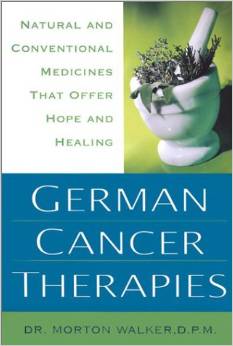
Quotations from: German Cancer Therapies by Dr. Morton Walker

German Cancer Therapies

Writing in the Foreword the son of the author, Randall Walker wrote:

  • “You have cancer” is the diagnosis we all dread hearing. Most people tend to assume such a diagnosis is synonymous with a death sentence.
  • And yet, thousands around the world do rid their bodies of cancer, especially those patients who venture beyond the confines of oncology treatment as it is now practiced in North America.
  • You may be shocked when I reveal that some of the best natural and nontoxic therapies for healing cancer are not allowed to be administered in the United States or Canada because of misguided governmental regulations.
  • German oncologists are curing cancer patients without radical surgery, debilitating chemotherapy or destructive radiation.
  • Treatments German physicians are using enhance the human body’s own inherent capacity to destroy malignant cells. These procedures are quite different from what the usual North American therapies provide.
  • American and Canadian cancer treatments often are so toxic to the human body that they destroy many healthy cells along with the malignant cells, and result in terribly weakened immunity in the process.
  • In contrast, many German cancer specialists have totally abandoned the usual well-established, conventionally practiced procedures so as to avoid poisoning the patient. Rather, they have looked elsewhere and collected an oncological arsenal from around the world.
  • Americans and Canadians may now fight off cancer without any need to surrender their bodies to blind faith in North American cookbook medicine.

In the Introduction of this book, Dr. Morton Walker wrote:

  • I’ve seen too many friends and relatives, and my much loved wife, Joan, suffer terribly before finally succumbing to this disease. It has been my mission, regardless of cost or time, to uncover and report on anticancer therapies wherever they’re to be found.
  • My need is to reveal to everyone techniques of treatment that not only are effective and successful against cancer but also are the type that cause no torture for the hapless patient.
  • Above all I have searched for remedies unabusive to or nonsuppressive of the human immune system.
  • Chemotherapy and radiation therapy – really are crude disease-fighting weapons with limited effectiveness.
  • The conventional weapons against cancer usually leave patients in a state of weakness, nauseated, bald, depressed and otherwise uncomfortable.
  • Practically none of these adverse effects occur when natural and nontoxic holistic therapies are integrated into a patient’s treatment protocol.
  • One survey after another has made it abundantly clear that Americans and Canadians are disillusioned with the failing cancer therapies of mainstream drug-focused oncology.
  • Almost everyone with medical insight acknowledges that the industrial / pharmaceutical / medical complex is incapable of or has no intention of providing any kind of curative procedure for cancer.
  • My investigations have convinced me that this is true.
  • From firsthand research, I have discovered that excellent natural and nontoxic therapies do exist. They lie awaiting our use everywhere except the United States and Canada. That’s because the American pharmaceutical industry has its very own agenda. It has a powerful grip on the way medicine is practiced in North America.
  • I have observed that most American medical practice for treating cancer is nonholistic and totally destructive. If, by chance, a therapeutic effect does result – well, that particular patient is just lucky to possess a strong immune system.


Medically Given Up Lung Cancer: She died after 5 years on CA Care Therapy

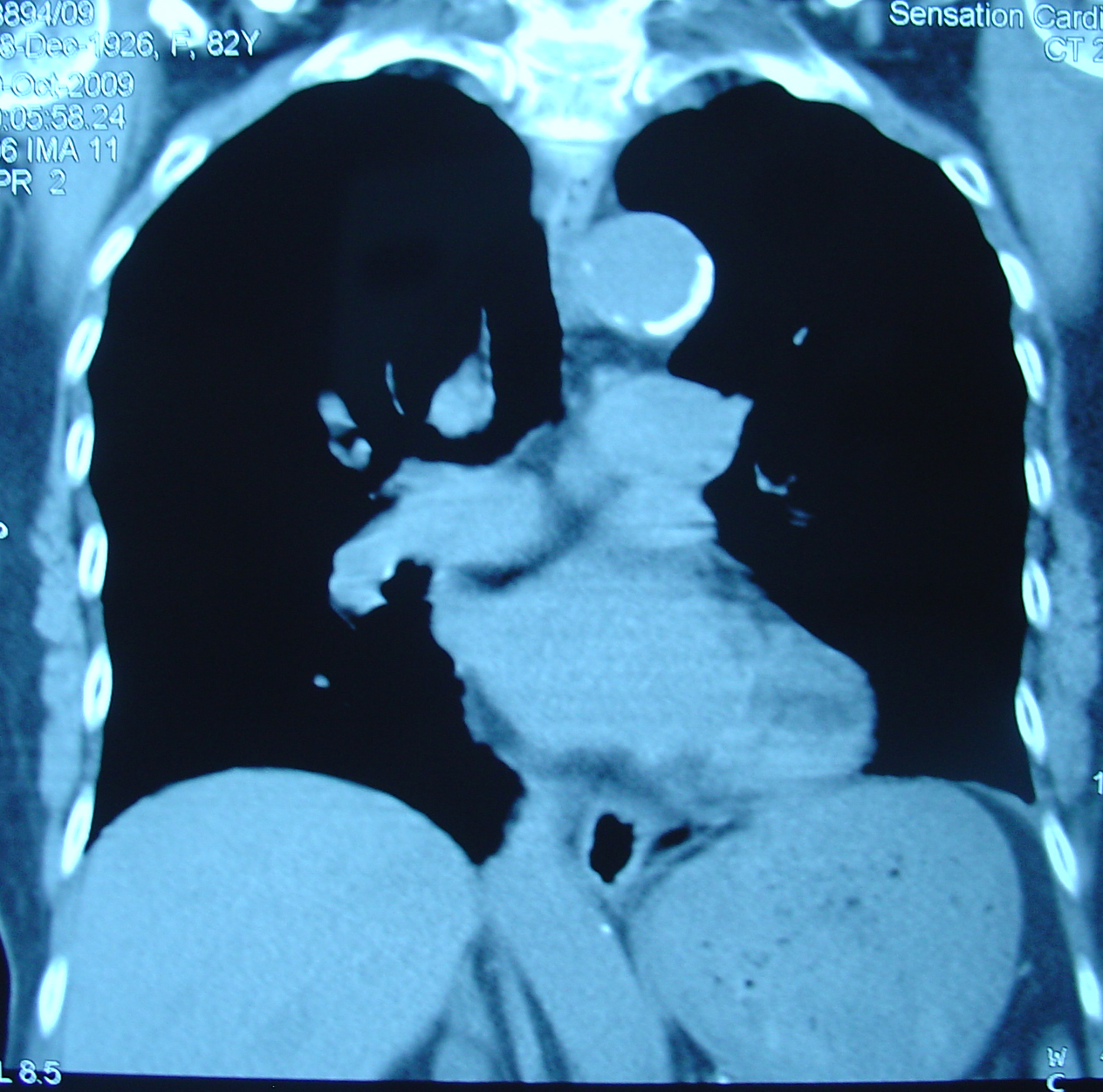
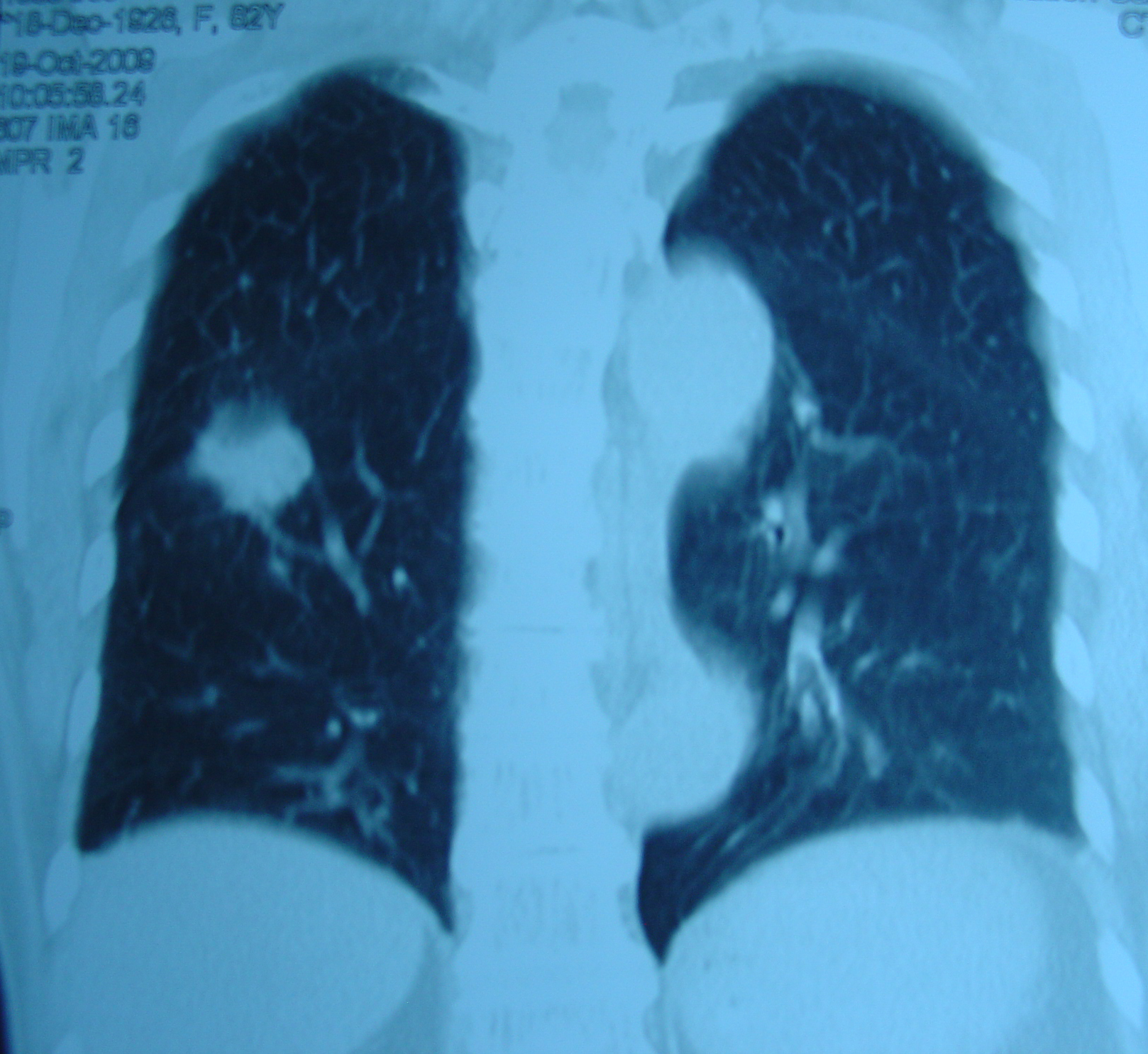
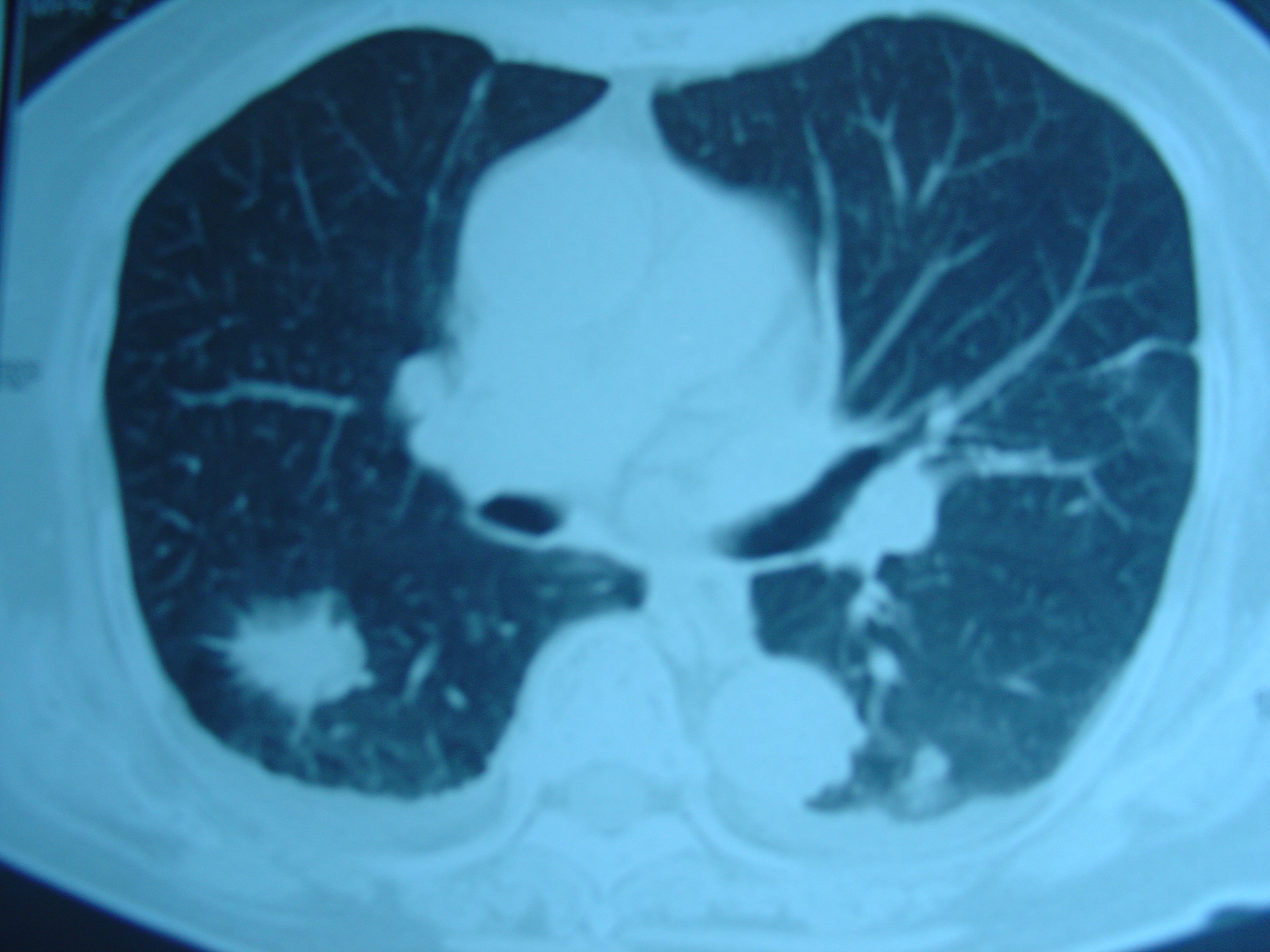
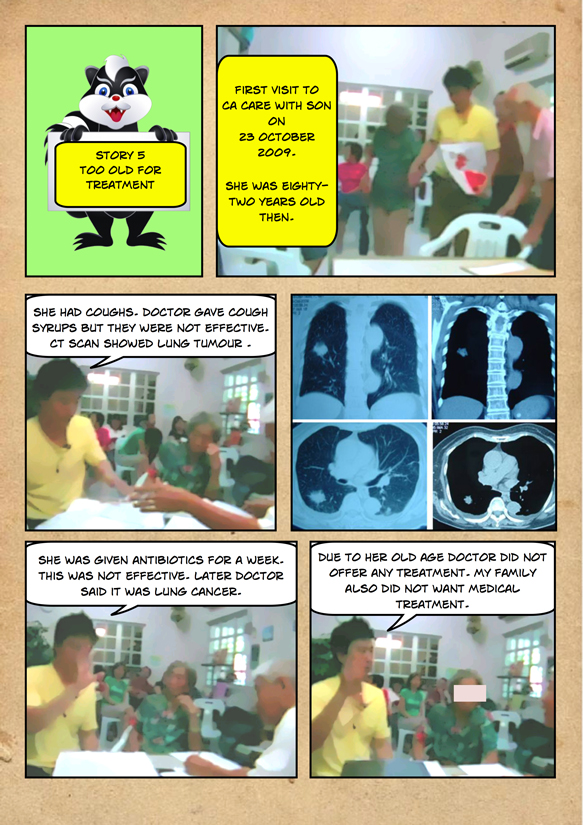
NG was a 83-years old lady when she had been coughing. A CT scan done on 19 October 2009 showed a spiculated lesion measuring 1.5 x 2.7 cm in the right lower lobe and an ill defined lesion measuring 1 x 1.5 cm in the left lower lobe of her lung. Solitary mildly enlarged lymph node in the middle mediastinum. At least three lesion in the spleen, the largest measures 1.2 x 2.0 cm.

Untitled- 5

Untitled-1 copy

Untitled-2

Due to her age, the doctor told the family not to proceed with any medical treatment.

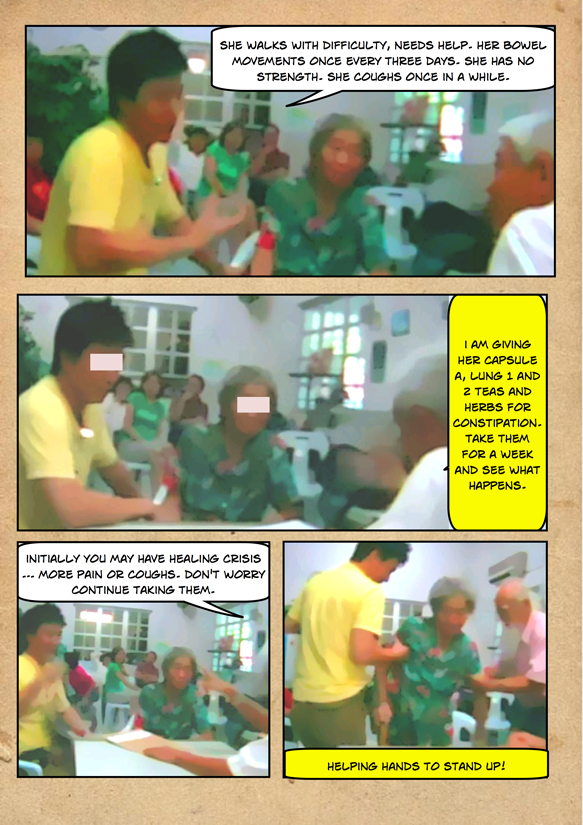
Desperate, her son came to seek our help on 23 October 2009. NG was prescribed herbs and told to take care of her diet.

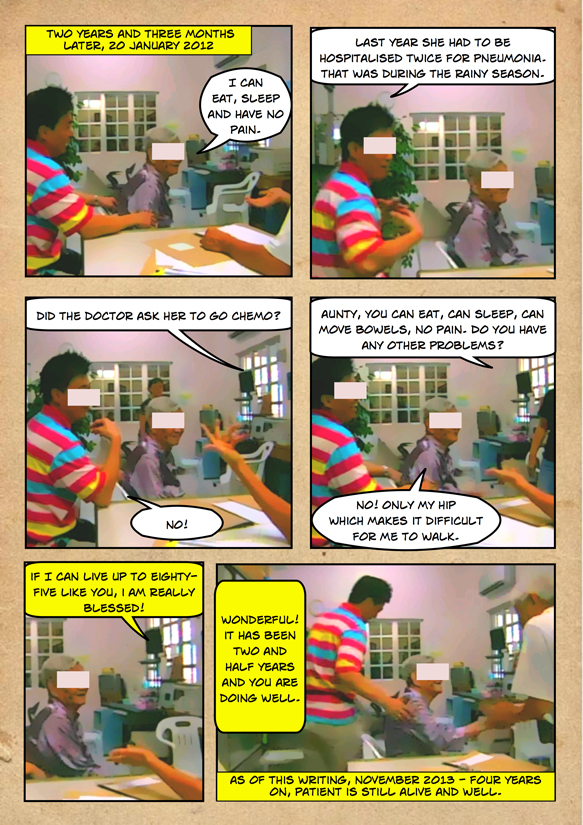
This is her story ….

Page_19s Page_20s

Page_21s

We were informed that NG has passed away on 10 August 2014, almost 5 years after being diagnosed with lung cancer. All these years she had been on our therapy. She was 88 years old when she died.

The question we wish to pose is: Did she die of her cancer or of her ripe, old age?

Based on this story, do patients really need to panic and rush to undergo invasive treatments? Do you really need that chemo or radiation? In NG’s case, the doctor had the wisdom to realize that NG would perhaps die sooner if she were to undergo those standard invasive treatments .

We we saddened by NG’s demise. (But, who don’t die? Remember that when we were born we were already destined to die!). We understand that the family had lost a loving mother. However, we are also glad to note that NG had lived to a ripe age without sufferings from her cancer. She is indeed blessed. Glory be to God!

Breast-Lung Cancer: Amazing Healing

EK (S-617) is a 62-year-old Indonesian. She was diagnosed with breast cancer in 2008. Since the lump was too big, surgery was not indicated. EK had to undergo 6 cycles of chemotherapy and 35 times of radiation treatment. The lump in her breast became smaller.

EK was then prescribed Tamoxifen which she continued to take for 6 years! EK went to see her doctor every 6 months for routine checkup. Everything was okay. But in 2013, i.e. about 5 years later, EK had difficulty breathing. The doctor said there was fluid in her lungs but he did not say that it was a metastasis.

EK went to see another lung specialist who tapped out the fluid. This was done twice. In March 2014, EK was told that everything was good.

Unfortunately in  July 2014, again there was fluid in her lung (picture below). EK had to do pleural tapping for the third time. Once again the doctor did not say it was a metastasis.

Composite-S617-Lung

Not knowing what to do, EK and her daughter came to seek our help on 10 August 2014. She presented with the following:

  1. There was no pain, appetite was good and she was not tired.
  2. When going to sleep, she had to curl up with her knees to her chest.
  3. Urination, 3 times per night.
  4. She had stomach wind.
  5. She became breathless when climbing the stairs.
  6. She had asthma since childhood.

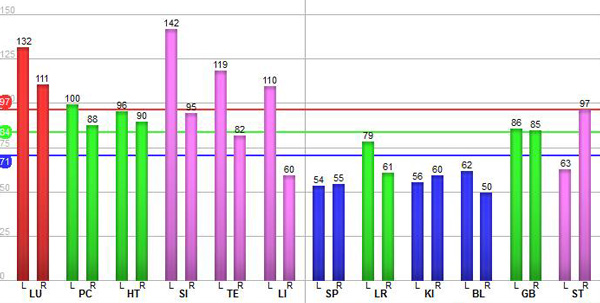
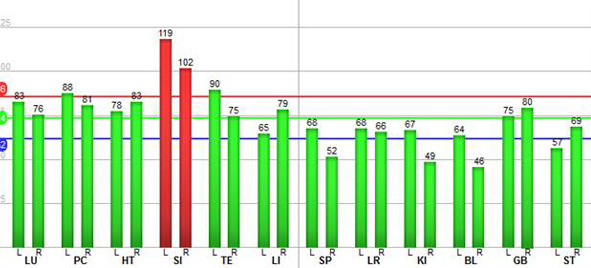
Acugraph reading was made and the results (below) indicated high lung meridian energy, split SI, TE, LI and ST meridian energy. Her SP, KI and BL meridian energy was low.

10-Aug-2014

EK was prescribed: Capsule A, C and D besides Breast M, Lung 1, Lung 2 and Lung Phlegm teas.  For her stomach wind EK was asked to take Gastric Paste herb; and A-Kid-6 tea for her frequent urination at night.

EK decided to stop taking Tamoxifen and just relied on our herbs.

After taking the herbs for about 3 weeks, EK came back to see us again on 5 September 2014.  Acugraph reading showed tremendous improvements in her energy meridian. All her meridian energy levels, except SI, were normal.

5-Sept-14

EK confirmed the following:

  1. Her coughs were less and her breathlessness had reduced.
  2. She could sleep flat and straight, not having to curl up anymore.
  3. Stomach wind reduced.
  4. Urination only once a night, instead of three times previously.
  5. She could climb the stairs without problem!

Listen to what she has got to say (Bahasa Indonesia) in the videos below.


Acknowledgment: Consultation and acugraphing at CA Care are provided to cancer patients free of charge. We express our sincere thanks to Dr. Adrian Larsen, President of Miridia Technology Inc., USA, for his generosity in donating a unit of AcuGraph 4 for our use at CA Care.

BOOK REVIEW: DEFEAT CANCER…LIKE I DID TWICE WITH NO CHEMOTHERAPY OR RADIATION

Defeat Cancer Twice

Review by Yeong Sek Yee & Khadijah Shaari

At the 3rd Malaysian International Conference on Holistic Healing for Cancer organized by Cansurvive Centre Malaysia (www.cansurvive.org.my) in October 2013, we met an Australian lady who introduced us to the above book written by an Australian cancer survivor, Barry Thomson. The book, for some strange reason is only available from the publisher in Queensland or from the author (www.defeatcancertwice.com).

In April 2003, Barry Thomson, a businessman, was diagnosed with two primary concurrent melanomas. This meant that he had two separate deadly melanomas, each with the potential to spread and develop secondary melanoma. Basically, this doubled his chances of dying from melanoma cancer. His own family doctor twice advised his wife to “sell your business and do anything that you have ever wanted to do.” Clearly he believed that his two melanomas would prove to be terminal. His only chance to beat melanoma was to find his own cure or he would surely die.

Barry was also told by a leading oncologist, that no treatment was available as chemotherapy and radiation are ineffective against melanoma. Barry was grateful to this HONEST oncologist who made him realize that he had to seek healing utilizing natural therapies.

Barry admits that, in 2003 he had (and still have) no medical background or training as he started a frantic search for information that would show him how to use natural therapies to become free of melanoma. His own extensive research, plus information from numerous books by cancer survivors and others, enabled him to compile a cancer fighting regimen which helped him to defeat his melanomas.

This resulted in his first book, “Join Our Escape from Death Row-Cancer Jail” which was publish in late 2007. (Website: www.cancerjailescape.com).

In June 2008, Barry had to battle terminal cancer for a second time. He was diagnosed with bowel cancer (also known as colon cancer) which totally blocked his large bowel. He underwent successful surgery to remove the tumour but, due to twists in the small bowel preventing intake of food, he underwent a second emergency surgery twelve days later. Extremely ill, he spent four nights in Intensive Care and was lucky to survive. He spent a total of 33 nights in hospital.

In March 2009, Barry had a third major surgery to rebuild his stomach and repair an incisional hernia and abdominal muscle separation. Subsequently, Dr. Matthew Carmody, his surgeon, told him that “100% definitely” he had cancer cells in his lymph system. He strongly recommended six months of chemotherapy for a “27% better chance of beating the cancer.” Barry declined and decided to use his experience in overcoming his melanomas in 2003 to eliminate the bowel cancer cells.

Colonoscopies in May 2010 and July 2012 showed NO POLYPS and NO CANCER. In July 2012 Dr. Carmody told Barry “Forget bowel cancer. You have certainly beaten it. See me again in six years for the sole purpose of checking for polyps with a colonoscopy.” It is now more than five years since his original diagnosis of bowel cancer.

After defeating melanoma and bowel cancer, Barry continued his research to find more and more effective natural cancer attackers. He gained a wealth of new and superb cancer-fighting information. In 2010, he felt it would be appropriate to write a second book to share this additional knowledge he had acquired with people fighting cancer.

It is not the intention of this review to discuss  all the natural healing methods that Barry Thomson used to heal his melanomas and bowel cancer except to mention that some of the modalities that he used included hyperthermia, the Gerson therapy, Cantron, the Dr Johanna Budwig Cancer protocol, hydrogen peroxide, Cansema for skin cancer and proper nutrition. The book also lists other natural healing methods that Barry has researched and found useful such as far-infrared saunas, herbal teas, probiotics, juicing, wheatgrass and other sprouts, getting rid of parasites, etc

We do not intend to discuss the merits or demerits of Barry’s healing methods except suffice to mention that when one is diagnosed with cancer (any form of cancer), one has a wide choice of healing methods. The usual so –called “scientifically tested” protocols of chemotherapy and radiation, etc is just one of the many methods to heal cancer. You certainly do have choices just like Barry Thomson and many others.

Do read and investigate further first before you jump into the bandwagon (of conventional cancer treatments). As Barry said…”the true facts of the situation are that, while still in total shock over their cancer diagnosis, patients are very quickly rushed into chemotherapy and/or radiation treatments”

If you would like to read/research further on the other healing modalities for cancer other than chemotherapy and/or radiotherapy or together with chemotherapy and radiotherapy, we recommend that you check out the following books:

  • AN ALTERNATIVE MEDICINE GUIDE TO CANCER by Dr John Diamond, MD and Dr Lee Cowden, MD with Burton Goldberg. This is a very comprehensive text which tells that cancer can be reversed using clinically proven Complementary and Alternative therapies. NB: The authors also wrote CANCER DIAGNOSIS: WHAT TO DO NEXT which explains clinically proven, safe and nontoxic treatments.
  • THE DEFINITIVE GUIDE TO CANCER by Lise Alschuler, ND, FABNO and Karolyn A. Gazella…..An Integrative Approach to Prevention, Treatment , and Healing.
  • FIGHTING CANCER– A NONTOXIC APPROACH TO TREATMENT by Dr Robert Gorter, MD, PhD and Erik Pepper, PhD
  • CANCER THERAPY by Ralph Moss, PhD…The Independent Consumer’s Guide to Nontoxic Treatment.
  • OUTSMART YOUR CANCER by Tanya Harter Pierce…Alternative Non-Toxic Treatments That Work.
  • KNOCKOUT by Suzanne Somers…Interviews with Doctors Who are Curing Cancer.
  • LIFE OVER CANCER by Dr Keith Block, MD…read about the Block Center Program for Integrative Cancer Treatment
  • DEFEAT CANCER by Connie Strasheim…15 Doctors of Integrative and Naturopathic Medicine Tell You How.
  • COMPLEMENTARY AND INTERGRATIVE MEDICINE IN CANCER CARE AND PREVENTION by Dr Marc Micozzi, MD, PhD…Foundations and Evidence-Based Interventions.
  • INTEGRATIVE ONCOLOGY by Dr Donald Abrams and Andrew Weil
  • ALTERNATIVE TREATMENT FOR CANCER by Ping–Chung Leung and Harry Fong…Annals of Traditional Chinese Medicine Vol. 3
  • HERBAL MEDICINE, HEALING AND CANCER by Donald R. Yance…A Comprehensive Program for Prevention and Treatment.
  • MANAGEMENT OF CANCER WITH CHINESE MEDICINE by Li Peiwan
  • INTEGRATING CONVENTIONAL AND CHINESE MEDICINE IN CANCER CARE A CLINICAL GUIDE by Tai Lahans
  • SUPPORTIVE CANCER CARE WITH CHINESE MEDICINE by William C.S.Cho.

There are a lot more books and websites on complementary/integrative cancer treatments but doctors will invariably brush this aside as “quackery,” “unproven, unscientific,” etc. and they will definitely not recommend you to read them.

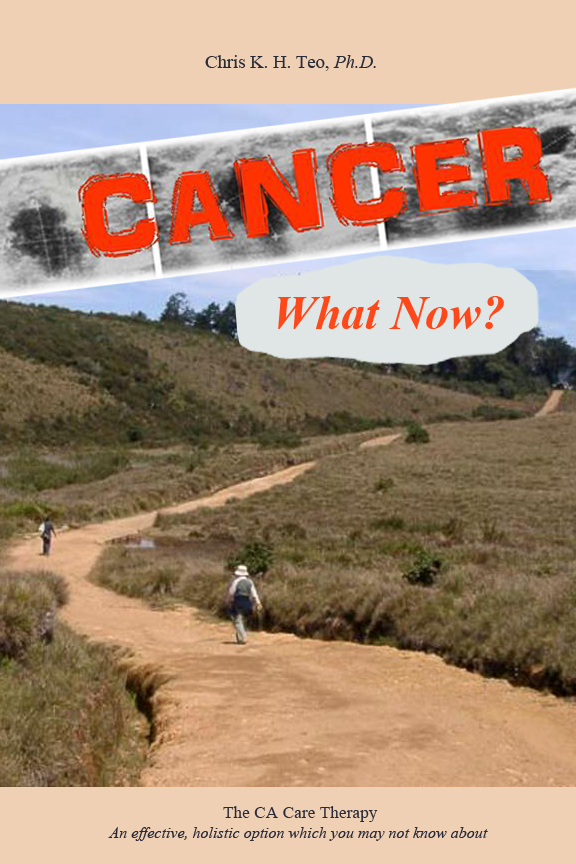
If you have been diagnosed with cancer and standing at a big T-junction and not knowing whether to turn left or right, we recommend that you read the following two new books by Dr Chris Teo, the founder of The Ca Care Therapy…visit www.cacare.com

Cover Front JPG

  CANCER: WHAT NOW?

 CANCER: IS THERE ANOTHER OPTION?

Cancer-Is-there-another-opt

Both books will give you an idea of a holistic, herbal option that you may not know about.