If you or your loved ones happened to have cancer, there is no need to panic. Take time to learn by reading from different sources. There is NO right or WRONG way to handle cancer. It is only your way.
So without knowledge or information, how can you handle this situation? Read, Ask, Think and Reflect and Make Your Choice using your COMMON SENSE.
At the end of it all, it is you and you alone who pay for the consequences of your own choice.
We have written 3 comics to help you understand the “Cancer Game.”
Yes, in America, healing is a crime when you do not use the “FDA approved, scientifically tested, and evidence-based” modalities like surgery, radiotherapy and chemotherapy as far as cancer treatment is concerned.
This book by Kenny Ausubel, an award winning author, investigative journalist, and filmmaker documented the horrendous, undemocratic, high-handed way the American Medical Association (AMA), the Food and Drug Association (FDA) and the National Cancer Institute (NCI), hounded Harry Hoxsey and the Hoxsey Clinics from 1924 until he was driven to Mexico in 1963. Hoxsey survived decades of being “hunted like a wild beast” only to see his clinics padlocked without a scientific test.
The author decided to spend 20 years of the prime of his life researching a story that everyone needs to know. In 1976, his father had cancer. Six months later, at age 55, he was dead. Visiting his father in Memorial Sloan-Kettering Cancer Centre in New York, the flagship of conventional cancer treatment, “branded his psyche with the indelible imprint of a medical concentration camp. Hopeless patients in blue smocks hovered like phantoms, their emaciated bodies ravaged by radiation and chemotherapy.”
Kenny started his journey into “the subterranean netherworld of purported cures” after a friend gave him a copy of “You Don’t Have to Die” the self-published autobiography by Harry Hoxsey (apparently, no book publishers dared to accept the script). This journey resulted in this well-documented book and a movie with the same title. The book is not an easy read, with lots of details to follow. After reading this book, the reader will have an increased awareness of the power of the medical profession …or more specifically “the cancer establishment.”
Briefly, Harry Hoxsey’s cancer treatment is one of America’s most documented non-conventional alternative treatments of cancer. Passed down through his family from his great grandfather, this herbal formula peaked in US in the 1950s and flourished into Harry’s 14 cancer clinics across the United States. Harry Hoxsey had the largest privately-owned cancer clinic in the world, seeing more than 10,000 patients in Dallas alone. To this day, his treatment is still available through the Bio-Medical Center at Tijuana, Mexico.
In this review, we shall not delve into the nature and efficacy of the Hoxsey herbal formulas. The persistent harassments by the medical establishment from 1924 to 1963 are sufficient testimony of the effectiveness of the Hoxsey herbal formulas. Why does the medical establishment need to “hunt Harry Hoxsey like a beast?” Because the AMA was adamant in its conviction that only surgery and radiation were able to cure cancer, even though cancer researchers already knew that these treatments were very limited in their effectiveness.
Harry Hosey suffered 40 years of harsh attacks in the press, relentless prosecutions in the courts and persecution by government agencies. Below is a brief summary of what the AMA did to Harry Hoxsey and the Hoxsey clinics:
Harry was arrested more times than anyone in US medical history, more than 100 times in Dallas alone. At most of the trials, the Hoxseys were not short of patient witnesses who even came with stacks of cash to bail Harry Hoxsey should he be convicted and jailed. However, he never lost one “AMA quack trial” or “slander” because of the powerful defense from the experience of hundreds of cancer survivors.
At each trial that Harry faced, the AMA would strenuously object to Hoxsey presenting patient witnesses to the stand because…”lay people are not qualified to testify to their own medical condition…often times these individuals are not knowledgeable enough in their own health to realize that they’re not the ones to make the best assessment”
At one trial, one doctor (from AMA) contended that…”Hoxsey’s reputed cures were either cases of wrong diagnosis or the result of a delayed reaction to conventional treatment.”
As a last refuge, the AMA suggested that “any seeming recovery could have been the result of spontaneous remission.” Hoxsey won all major trials (and many others), but the harassments did not end.
Each time Hoxsey was arrested and brought to court, he pleaded for a fair scientific test. However the AMA had simply refused to investigate the Hoxsey medicines, disregarding science’s most fundamental question: What is the evidence? Instead, the AMA worked to ban the treatment… eventually outlawing it entirely in the US in 1960.
Some of the reasons why the AMA did not want to collaborate with Hoxsey to investigate or conduct trials on Hoxsey’s products: –
Organized medicine does know (already) that their (Hoxsey’s) products are worthless. If they had any merit, they (the AMA) would have used it. It’s a rather unfair thing to expect the AMA to waste its time with something that it knew was absolutely useless.
The doctors (of the AMA) claimed that they already knew from their medical education that his remedies had no efficaciousness at all, no cure.
Perhaps, the greatest fear of the AMA (and later the NCI and FDA) is to find that…”if a Hoxsey product were to be proven effective, the public will run to it because nobody wants the chemo drug.” Because once one goes through the door, then a lot of others are going through the door and that’s what they are afraid of. If chemo is the only choice, then patients will reluctantly take it, but the minute it is known that there is something nontoxic out there, everybody’s going to want it. (While the FDA has approved more than 40 highly toxic drugs, the FDA has yet to approve a single nontoxic cancer agent or one not patented by a major pharmaceutical company).
Hoxsey unremittingly broadcast his call for a fair investigation while organized medicine tried to disconnect the microphone. In 1954 ten medical doctors from around the country dared to make a three-day investigation of the Hoxsey clinics and subsequently concluded that….”the Hoxsey treatment is superior to such conventional methods of treatment as X-ray, radium, and surgery”
Unable to get patients to testify against Hoxsey, the AMA resorted to other tactics…for example:
When Dr. Sam L. Scothorn, a respected osteopath and former president of the American Osteopathic Association took his wife to Hoxsey to treat her ovarian cancer after radiation failed, Dr Scothorn was ordered to appear before the Medical Board to explain why he took his wife to the Hoxsey Clinic. Dr Scothorn refused to appear and felt grossly insulted by the AMA’s letter…”because it smacks of conspiracy”
Medical doctors employed by/or associated with the Hoxsey clinics were warned, isolated and eventually had their medical licenses withdrawn. In 1940, Hoxsey’s pathologist (Dr Marvin Bell) was threatened with the revocation of his medical licence just because he performs biopsies for the Hoxsey Clinic.
The FDA stake out Hoxsey’s Dallas clinic parking lot to record license plates to track down patients. FDA agents set wiretaps and had the post office monitor the patients’ mail.
The FDA ordered posters to be mounted in 46,000 U.S. Post Offices…”Public Warning Against Hoxsey Cancer Treatment”….just like posters of wanted criminals.
The FDA and AMA even tried to block Hoxsey’s increasing appearances on national TV talk shows and radio broadcasts. They even sought a permanent injunction against Mildred Nelson (Hoxsey’s nurse) from practicing nursing in Utah and Dallas.
After the AMA has lost all the court cases, they offered to buy out the Hoxsey herbal formulas (with the sinister intention to discredit/destroy the reputation of Harry Hoxsey). When Hoxsey refused to sell them (the AMA), organized medicine’s war of technicalities expanded into a bold series of stratagems to get rid of Hoxsey. Some of these are:
The AMA used the courts to cite an obscure precedent barring doctors from working for a layperson. In principle, the same law should have put most hospitals out of business, since they are owned and operated by laypeople. However, it was enforced only against Hoxsey.
In 1957, in another lateral swipe, the Texas Attorney General declared the 1949 state statute legalizing naturopathy to be unconstitutional, a judgment the AMA had been seeking since 1949. This act negated Hoxsey’s only legitimate credential. Without it, he could no longer operate his clinic.
By 1958, the California State Attorney General introduced a bill sponsored by the American Cancer Society to outlaw all unconventional cancer treatments.
Under California’s new anti-quackery laws in 1959, it became a crime to treat cancer with anything but surgery, radiation, and the emerging chemotherapy. As the 1950s drew to a close, the government quackdown was nearly complete…the government politicized the courts to determine medical questions.
Politicians who had dared to support Hoxsey were systemically driven from office by AMA political action. Doctors suffered professional censure for pointing out the limitations of conventional cancer treatments or suggesting new directions in research. There was simply no room for a difference of medical opinion.
Organized medicine’s scorched-earth campaign to eradicate unorthodox cancer therapies was a success by 1960, when the last tattered vestige of the Hoxsey Cancer Clinic closed its doors forever in the United States.
On May Day 1963, Mildred Nelson, the chief nurse of Harry Hoxsey crossed the border into Tijuana, Mexico and started offering the herbal treatment at the Bio Medical Center. Mildred Bell Nelson applied to the Mexican authorities for a nursing license and married a Mexican to get working papers. Nurse Mildred Zamora was back treating cancer patients again.
When Mildred went into exile in Tijuana, Harry Hoxsey stayed back in Dallas. By then he was a wore-out car. After suffering a heart attack in 1958, he was never fully well again…he later developed prostate cancer and subsequently died in 1974.
Mildred Zamora continued Harry Hoxsey’s mission in Tijuana until she had a stroke which resulted in her death in January 1999 at the age of 80.
Does the Hoxsey herbal tonic really work? There were just too many people using the Hoxsey herbal formula and got well when they weren’t supposed to for it to be accidental or rampant good luck (or spontaneous remissions). Why was the Hoxsey tonic not investigated in the first place seventy-five years ago? And yet the AMA and NCI can conclude that the nontoxic combination of herb extracts as “worthless tonic for cancer.” Is that based on sound scientific evidence or they just do not want a nontoxic cure to be found?
The authors, Dr Jerome Groopman, MD and oncologist together with his wife, Dr Pamela Hartzband, MD and an endocrinologist, are both on the faculty of Harvard Medical School and also on the staff of Beth Israel Deaconess Medical Center, in Boston,USA. They also wrote “HOW DOCTORS THINK.”
This book explores medical decision-making and emphasizes the role of various biases that affect our decisions, usually unconsciously. Even the youngest among us have had to make difficult medical decisions. Perhaps we’ve had to choose between two doctors with very different opinions, or decide whether to treat a condition with a pill or with diet, exercise and natural remedies. Some of us have had to make even bigger decisions and help loved ones do the same.
In a country (US) where medical treatment is seldom free and often expensive, deciding how to treat a health condition can be nearly as taxing as the condition itself. Adding to the pressure is the fact that many of us are seen by doctors who don’t have the time to properly help us weigh our options.
This is further compounded by the fact that, “despite many scientific advances, the unsettling reality is that much of medicine still exists within a gray zone where there is no black and white answer about when and how to treat. Often there are several differing approaches to treatment, each with its own risks and benefits. The best choice for an individual may be anything but simple or obvious.”
The quest of the authors is to shed more light on how our minds approach medicine and, using real patients’ stories, to help us make appropriate choices when it’s demanded of us. The authors’ own philosophy is borrowed from the early 20th-century physician Sir William Osler, who believed that “when trying to unravel a complex medical diagnosis, you should listen carefully to the patient, because he is telling you the answer.” In other words, Groopman and Hartzband’s desire is for doctors to be more patient, and for patients to be better informed.
According to the authors, the mindset of patients can be divided into the following categories – “believers and doubters; maximalists and minimalists; a naturalism orientation or a technology orientation.” Briefly, these are explained as follows:
Believers approach their options with the sense that there is a successful solution for their problem somewhere. A believer can have strong naturalism orientation, trusting in the healing power of nature and shunning high-tech interventions. Or a believer can have a technology orientation, relying on the promise of modern medicine. A believer who is a maximalist feels that more treatment is the best approach and doing less is shortsighted, whereas a believer who is a minimalist is certain of the opposite strategy.
·Doubters approach all treatment options with profound skepticism. They are deeply risk-averse, acutely aware of potential side effects and limitations of drugs and procedures. They question how much benefit a therapy really offers them and whether there might be deleterious consequences. Doubters are typically minimalists.
A naturalism orientation or naturalism bias holds the notion that the body can often heal itself if given the proper environment, harnessing the mind-body connection and supplementing with herbs, vitamins, and other natural products. It is the firm belief that there exists smarter and safer ways to prevent and treat illness without resorting to synthetic solutions.
On the opposite end of the spectrum is the technology orientation, the belief that cutting-edge research yielding new medications and innovative procedures holds the answers.
Our backgrounds predispose us towards taking varying general approaches to making decisions, such as:
A minimalistwho holds to the notion that “less is more,” that risks and unintended consequences may over shadow apparent benefits.
A maximalistwho believes that more treatment is the best approach and doing less is dangerous.
And a pragmatist who chooses from the whole range of treatment options as each particular situation warrants.
The authors also introduced several other concepts to help patients decide…such as “health literacy, availability bias, framing, numbers needed to treat, number needed to harm, net benefit and best practice.” We shall briefly explain these concepts:
“Health literacy” means understanding statistics and the risks and benefits of a treatment.
“Availability bias” is the most powerful and prevalent force shaping how patients initially assess their options. Certain tales and testimonials, especially those that are dramatic or unusual, become firmly imprinted in our minds; we remember them easily, and they are readily “available” to us when we ponder difficult choices in anxious moments.
“Framing” is a key aspect of health literacy—knowing how the same information can be presented as either positive or negative. For example, stating that 35% of people with a serious illness are cured by a certain treatment has a hopeful resonance, while stating that 65% of people die despite that therapy has a pessimistic sound. But both statements are factually correct and describe the same data. For that reasons, it is always valuable to “flip the frame” in your mind, to view information in both its positive and its negative forms.
In the “numbers needed to treat,” patients musk how many people with a condition similar to yours need to receive a therapy in order to improve or cure one person. For example, in A WORLD WITHOUT CANCER, Dr Margaret Cuomo, a radiologist, quoted a study that found that 2,970 women must be screened (mammography) once in order to save one life.
Similarly, in the “numbers needed to harm,” how many people typically must receive the treatments in order for one to suffer a side effect, more clearly reveals the risk of the therapy. Decision aids often contain these numbers, or your physicians may give them to you.
“Net benefit” means the potential gains from the treatment minus the downsides. After seeing all the data, particularly the “number needed to treat,” patients have to decide whether the net benefit is worth it.
“Best practice”….Committees of specialists are convened to draw up guidelines that aim to identify “best practice” for a certain medical condition. The principle is that guidelines should be drawn from the “best” evidence and crafted by the “best” scientific experts in the field. These guidelines are a key component of so called evidence-based medicine, the idea that clinical practice should be based solely on the results of scientific studies.
Unfortunately, there are a number of pitfalls that Dr Groopman and Dr Hartzbrand advise patients to be aware of:
“Best Practice” guidelines aren’t strictly “scientific”….some experts who write guidelines are consultants to drug and device companies. Different groups of experts can disagree significantly about what is best practice.
For many treatments there exists a substantial “gray area of indeterminate net benefit”
Patients should be aware that doctors and experts may “frame” information in a way that reflects their own preferences. As physicians, we (the authors) have found ourselves at times too quickly telling our patients which treatments we prefer rather than working with them to understand their own thinking. Of course, patients may want, and often ask, what their physicians think is best. But that should occur after information is presented in a neutral way.
In conclusion, the authors admit and reiterate 2 core fundamentals:
We (the authors) believe that all patients should be fully informed about their condition and then asked about their preferences. To be truly informed, patients should be aware of the gray zones in medicine. They must keep in mind that guidelines are not purely scientific and have a significant subjective component.
In our role as doctors, our aim is to help patients understand what makes sense for them, what treatments are right given their individual values and goals. We are especially mindful not to impose our preferences about our own health on our patients.
After reading this article, share with us who and where you are—whether a believer or doubter, a minimalist or maximalist in respect to your cancer treatment. Did your doctor guide you or did he frame you?
As we browsed through various books, publications written by medical doctors and oncologists, patients, etc we were particularly amused but impressed by the courage and the way some of them describe the effectiveness or toxicities of chemotherapy drugs. Some of these descriptions can really stretch your imagination. Below is just a sampling:
A most unique description is made by Dr Margaret Cuomo, MD, a board certified radiologist in her book, A WORLD WITHOUT CANCER, in which she said…..”chemotherapy is like taking a stick and beating a dog to get rid of fleas”
(Comment:How many times do you have to beat the dog to get rid of all the fleas before the dog dies?)
Similarly in TAKE CONTROL OF YOUR CANCER, Dr James Forsythe, MD and an oncologist, described (very imaginatively), the art of choosing chemotherapy drugs for the different types of cancer as….”often it is akin to entering a dark room with a handful of darts and hoping to hit the center of the dart board” Dr Forsythe strongly feels that….without knowledge of the genetic markers for specific tumours to guide them in composing an effective chemo drug protocol (i.e. chemosensitivity testing), an oncologist is truly “shooting in the dark”
(Comment:How many darts do the oncologists need before they can hit the center of the dartboard?)
NATURAL STRATEGIES FOR CANCER PATIENTS, Dr Russell Blaylock, a neurosurgeon named Chapter 3 of his book as Chemotherapy: Poisoning Cancer (and You). A most apt title because chemotherapy drugs, especially when used in combination, can cause immense injury to numerous organs and tissues such as the liver, gastrointestinal tract, kidneys, lungs and heart—this is described as cancer’s collateral damage.
The concept of cancer’s collateral damage is best articulated by Dr David Levy, MD and former president of the British Columbia Cancer Agency, Canada as summarized below:
“In fighting the war on cancer, there is, like in any war, unwanted collateral damage. There is no silver bullet, but in many ways, a refined shotgun, blasting the tumour while pellets hit other vital organs.
· “The bone marrow, liver, and nervous system get their share of hits, but the heart and vascular system are certainly at risk depending on the weapon used, particularly because the vascular system and blood supply are intimately involved in any treatment delivery.
Some doctors feel that the conventional treatment is worse than the disease itself. One such doctor is Dr Keith Block, MD and an integrative oncologist who, in the introduction of the book, LIFE OVER CANCER, posed this question….” What is it about cancer that enables it to survive despite surgery to excise it, radiation to burn it and chemotherapy to poison it?” Additionally, Dr Block also mentioned….”most patients die not from their cancer but from the consequences of the cancer”….meaning the conventional treatments.
Another oncologist and Professor of Medicine, Dr David Agus, MD admitted in his book, THE END OF ILLNESS that….” It’s human nature to want to find magic bullets in medicine, but they happen once in a blue moon, and we may already have had all of our blue moons. We haven’t found many new pills lately that really cure diseases. This is why the pharmaceutical industry is somewhat broken right now; it has run out of low-hanging fruit, a magical chemical that cures the disease. I don’t think we’re likely to find a lot more of these; it seems like a waste of time, money, and resources to keep looking for these magic bullets. We need a new approach—a new model.”
(Comment: Will there ever be a new approach/new model when there is so much at stake in the present cancer industry?) One baffling statement by Dr Agus in the book is….”Despite chemotherapy’s being a widely used treatment for cancer, nobody has ever shown that most chemotherapy actually touches a cancer cell. It’s never been proven” Can anyone help here?
Although Dr David Servan Schreiber, MD and a neuroscientist, survived 19 years with brain cancer with 3 surgeries and several chemotherapy sessions, he had this to say about chemotherapy in his best seller ANTICANCER—A NEW WAY OF LIFE :
“one of the great mysteries of chemotherapy is that sometimes you can make tumours melt away and have very little effect on survival time”
The late Dr John Lee, MD who was an expert on the subject of HRT for women wrote very blunt comments about chemotherapy in WHAT YOUR DOCTOR MAY NOT TELL YOU ABOUT BREAST CANCER. Some of these comments are:
Chemotherapy is an attempt to poison the body just short of death in the hope of killing the cancer before the entire body is killed. Most of the time it doesn’t work.
The women who agree to try new chemotherapies are guinea pigs for a type of treatment with a notoriously poor track record. Like most other aspects of the breast cancer industry, there’s little agreement about what constitutes chemotherapy.
Some chemotherapy does prolong life for a few months, but generally at the high price of devastating side effects, and if a woman does happen to get lucky and survive that bout of cancer, her body is permanently damaged; recurrence rates are high.
(COMMENT:Dr Lee’s comments on breast cancer are equally applicable to other cancers).
In THE WAR ON CANCER: ANATOMY OF FAILURE, A BLUE PRINT FOR THE FUTURE, Dr Guy B. Faquet, a Professor of Hematology and Oncology at Medical college of Georgia and the University of Texas Medical Branch likened cancer treatment as:
”medical treatment of cancer for most of the past century was like trying to fix an automobile without any knowledge of the internal combustion engine or, for that matter, even the ability to look under the hood.”
In his latest book, WHOLE–RETHINKING THE SCIENCE OF NUTRITION, Dr Colin Campbell, PhD (Professor Emeritus of Nutritional Biochemistry at Cornell University) firmly believes that “there is no such thing as a targeted strike when it comes to biochemistry.” So the strategy of using chemicals to treat disease is akin to the infamous Vietnam War strategy of “burning the village to save the village.” Just as in actual war, it leaves in its wake a predictable killing field of collateral damage.
We all know what Russian roulette is….a lethal game of chance in which a person, using a revolver with one bullet, spins its cylinder, points the muzzle at his or her head, and pulls the trigger. Walter Last, a science and health writer described Chemotherapy as Medical Russian roulette. You can read his full comments from his article, HOW SCIENTIFIC ARE ORTHODOX CANCER TREATMENTS? at the following link:
In another article, CANCER THERAPY—A NEW DIRECTION (Link: http://www.health-science-spirit.com/cancerdirection.htm), Walter Last hit the nail squarely on the head when he highlighted at the top of the article that…..”Cancer is so difficult to cure because it is so profitable to treat.”
This reminded us of a comment by a cancer patient recently when he said that….”the current medical set-up does not want cancer patients to get well, nor do they want them to die so soon…that period when they are still alive is their window of opportunity (to rake in the money).”
We have one last quotation that is often touted at scientific conferences………this will definitely prick your conscience…..” the treatment was successful, but the patient died.”
Watch out for Part 2….and learn what is “bottled death”
From 1976 to 1978, the American public had a dramatic illustration of the unpredictability of the “proven” methods of diagnosis and treatment. Senator Hubert H. Humphrey (Democrat Minn.) was treated for bladder cancer and died in full view of the media.
Humphrey did not die because he lacked knowledge about the disease. He was, in fact, one of the staunchest supporters of orthodox cancer research on Capitol Hill.
Nor did he fail to get early diagnosis. Doctors found tiny, apparently nonmalignant growths, no bigger than pinheads, on his bladder in 1966.
By 1973, however, Senator Humphrey had cancer of the bladder. This was treated, with apparent success, by X-ray therapy. He then underwent urologic examinations every six months. In May 1976 Humphrey’s physician, Dr Dabney Jarman, declared that he found no reason to prescribe further treatment for the condition (New York Times, May 6, 1976). A few months later the cancer was back with a vengeance.
On October 6, 1976, Senator Humphrey was operated on by a team of doctors at Memorial Hospital, the treatment wing of Memorial Sloan-Kettering. His surgeon, Dr Willard Whitmore, appeared before the press and television cameras at a crowded news conference and declared, “As far as we are concerned, the Senator is cured “(New York Times, October 8, 1976). He added that 70 percent of patients who undergo this operation have no recurrence of their cancer.
Merely as a preventive measure, to “wipe out any microscopic colonies of cancer cells that may be hidden somewhere in the body,” his doctors began treatment with experimental drugs. Within about a year, Senator Humphrey was dead. In that short time he had withered from a vigorous middle-aged man to an old, balding, and feeble cancer victim. Humphrey himself blamed chemotherapy for at least contributing to his demise, calling it “bottled death” and refusing in the end to return to Memorial Hospital for more drug treatments (New York Daily News, January 14, 1978).
Senator Humphrey, the 38th Vice President of the US died on Jan 13th 1978…just barely less than 2 years after surgery and chemotherapy……..the “proven” methods.
Humphrey was certainly not alone in his experience with orthodox therapy. In Humphrey’s case, as in many others, the orthodox strategy of early detection and early treatment with surgery, radiation, and chemotherapy proved ineffective. Many cancer patients have their cancers detected in an early stage, receive proper treatment and skillful care–and yet they still die shortly after treatment.
FOOTNOTE: Other personalities who died a short, painful “bottled death” after undergoing scientifically tested and FDA approved cancer treatments included:
Archbishop Christi Doulis, 69 (colon—1 year 6months)
The above is just a sampling. The list is extremely long and it gets longer by the month.
The above story is largely extracted from the book, THE CANCER INDUSTRY by Dr Ralph Moss, PhD. It is a classic expose on the cancer establishment which your doctor/oncologist will not dare to mention to you.
Other books which mentioned about “bottled death” are THE CANCER ODYSSEY by Margaret Brennan Bermel, MBA and HEALING CANCER FROM INSIDE OUT by Mike Anderson
Watch out for our next story: DEATH OF A FIRST LADY……how Jacqueline Kennedy Onassis was treated to death.
Julia (not real name) came to seek our help on 20 September 2013 on behalf of a patient who was hospitalsed in a Medan hospital. The patient, JS, is the sister-in-law of Julia’s brother, who do not believe in alternative therapy!
First Visit 20 September 2013
Listen to what Julia has got to say when she first came to CA Care.
JS is a 29-year-old lady and for the past 8 months was unable to walk and needed a wheelchair to move. She was “treated” with alternative therapies which did not help her. About 3 weeks ago, she was hospitalised in a Medan hospital and was diagnosed with a malignant peripheral nerve sheath tumour at C4-C5. While in the hospital for 3 weeks the doctor did not provide any treatment – she just “eat and sleep” while waiting to undergo radiotherapy.
Any pain? No
Can sleep: Yes
Can eat: Yes
Tired? No
Any swelling: No
Any gastric problem? No
No diabetes or hypertension? No
Bowel movements and urination? Good
No coughs.
The only problem she has is difficulty in walking. In addition there is “humming” sound in her ears.
Second Visit 1 November 2013
After a month on the herbs, Julia came to CA Care again and reported the following:
1. Patient felt better – her body felt “lighter” and “enak (good)”.
2. There was no more humming sound in her ear.
3. She could walk better.
4. She could stand up by herself.
These improvements were observed 2 weeks after taking the herbs when the patient was still in the hospital (without any other medication). JS was discharged from the hospital and was started with radiotherapy (scheduled for 20 treatments).
Julia: I did not bring her (patient) along. She is now able to walk better. You gave me herbs for one month. Now, I am back again.
Chris: When she was in the hospital, she took herbs. At that time she did not receive any radiation treatment yet?
J: Correct, no radiation yet. Now she has so far received 9 times of radiation. She took the herbs for 2 weeks while in the hospital before she was started on radiation.
C: When taking the herbs (before the radiation) did you see any improvements?
J: Yes.
C: Can I say that she improved and is now able to walk because of radiation treatment?
J: No, no! It is because of your herbs. That is why I am back here again for more herbs.
C: She was “drinking” the herbs while she was in the hospital?
J: Yes, but no one knows about this. We cooked the herbs at home, put them in the thermoflasks and brought them to the hospital.
C: The doctors did not know about this?
J: No, not even until now.
C: After taking the herbs while still in the hospital, she felt better – improved? Didn’t the nurses or doctors ask what you did?
J: No one asked!
Third Visit 28 February 2014
It was indeed a great surprise and also a blessing that Julia and JS came to CA Care. This is because earlier on Julia promised to bring the patient to see us if and when she gets better! She is now honoring her promise by bringing JS this time!
Listen to our conversation that day.
Julia: I bring along the patient with me now!
Chris: You took the herbs and you can now walk?
Patient: Yes. Before taking the herbs, I was not able to walk normally. I was not even able to sit up without help. I just have to sleep on my back all day.
J: Yes, correct Doc!
C: Can you recognise people?
P: Yes, I can.
C: Any headache?
P: No.
C: When you were in the hospital, what did the doctor want to do?
J: The plan was for her to undergo an operation. But this was not done. We took your herbs instead. Then she went for radiotherapy.
C: When you took the herbs, did the doctors not get angry?
J: We did not tell them. Actually the doctors did prescribe some medications but we did not take them. We took the herbs instead.
P: After taking the herbs for a month, I improved. I went home and we started radiotherapy after that. But I continued taking the herbs. In total I had 20 times of radiation on the back of my neck.
C: You continued taking the herbs and you can walk now?
J: Yes. In the airport, she walked out of the plane and went through the immigration and customs walking on her own.
C: You first came here in September 2013. It is now February 2014 – about 5 months on herbs?
P: No, only 4 months on herbs.
C: And you really feel better?
J: Can walk! She walked so much and had no problem. She did not want to use the wheelchair.
C: Before this, you had to use the wheelchair?
P & J: Yes. Before the herbs.
P: Now I don’t need the wheelchair anymore. I can even wash clothes now and do the house chores like cleaning the house. Before I could not do all these.
J: Four months ago, when I first came here, I could not bring her but I did tell you that when she gets better I am going to bring her to see you!
C: Thanks so much for coming. It is amazing and I cannot believe this. Thank God for this blessing. He heals you.
Part 1: Cervical Cancer: Oncologist said 70 percent cure if you do chemo and radiotherapy.
WD, 39-year-old, was diagnosed with Stage 2A cervical cancer. She declined chemotherapy and radiotherapy as offered by her oncologist. She came to seek our help instead. Yes, I was ready to help her through this ordeal but at the same time, this case bothered me very much. In an earlier article, I have discussed why there is no right or wrong answer for cervical cancer. WD did not want to undergo further medical treatment and she came with full hope that we at CA Care would be able to offer her an alternative method of healing.
The following are excerpts of our conversation that day:
Chris: I understand. And it is difficult for me to tell you to go or not to go for medical treatment. What can happen if you don’t go for medical treatment? It is indeed difficult for me to answer that. This is because I know that there is no cure for cancer. Of course, if you go for surgery the doctor can remove the “rotten tissue” away. But as it is the doctor did not think it was the right thing to do for you. In such a situation, I suggest that you be patient and pray. To whom do you pray?
WD: I pray to Buddha.
C: Ask Buddha what you need to do now.
WD: I have already done that. And Buddha told me to let go of my problems. Don’t harbour negative thoughts, be positive in my thinking. I would be healed.
C: Did you ask Buddha specifically if you should go for chemo and radiotherapy?
WD: Yes, I did ask that question. Buddha asked me to come and see you. I told Buddha I have 2 options – chemo or herbal therapy. Buddha told me to go for herbal therapy.
Husband: We presented the medium with two name cards – the oncologist’s name card and your CA Care name card.
WD: After meditation on the name cards, the medium said I should go to CA Care. This is because you (Dr. Teo) is my guardian angel.
C: Did you know if the medium knows about CA Care before?
WD: No, no. The medium does not know about CA Care.
Husband: We were confused and did not know what to do next. That was why we went to pray to Buddha (in Medan) and asked for his guidance. After chanting and mediation for some time the medium gave us the answer.
WD: The medium picked up your card and asked us to see you.
C: Where did you get our name card?
WD: A taxi driver gave us your card. We were waiting for the bus after coming out of the hospital. We were not going to take any taxi but somehow we met a taxi driver by the roadside and he started to talk to us. He suggested the we go to CA Care if we wanted to look for another alternative instead of chemo or radiotherapy. He then searched his taxi and found your card and gave it to us.
Comments
In life, I have always respected Spirituality. Although I am a Christian I also have high respect for other religions. So, all those who come and see us, I have this to say: Go and seek the help of your God if you need guidance. There is only that much any human being can do to help you with your cancer. At the end of it all, it is just our hands but God who really heals you.
Along the way in life, I also learned that things happen for a reason. God answers prayers, but the answer given may not be what you want to hear or understand. Over the years, I have seen patients being healed for reasons that I cannot explain. And I say – you DON’T need an explanation. What matters is it happened and that is enough. Let us turn to Spirituality for guidance.
In the case of WD. I felt I have a heavy burden on my shoulder. She was so full of hope and trust when she came to us. As much as I feel she has a fighting chance to heal herself, I cannot be sure that she will be healed because no mortal can decide that. This then becomes my nightmare. What if I mislead her? Either way, the path does not seem to be right. In the earlier article I have related some messed up cases of medical treatment for cervical cancer. I don’t want WD to end up like those unfortunate patients. Even if WD were to do nothing, I believe, based on my experience she would not be any worse than those messed-up medical cases which I have come across (see Part 1: Cervical Cancer: Oncologist said 70 percent cure if you do chemo and radiotherapy). .
I reflect on some of the cervical cases I have helped. I am glad that we could help these people. With much respect I pray that Buddha had given WD the correct guidance when she was told to come and seek our help.
Let me share with you some of our success stories.
This was a 70-year-old lady. She was diagnosed with cancer of the cervix, Stage 2A, in May 2000. She declined medical treatments and came to seek our help. She was on herbs. Unfortunately, in November of 2004, this patient had to take care of her grandchild, was under a lot of stress and decided not to take her herbs that kept her alive all these years. Then she started to take all the “bad food.” About two months later, she suffered a relapse. Later we learned that she died.
Yin was diagnosed with cancer of the cervix in 1999. This was followed by an operation. Since everything was clean, no further treatment was indicated. Barely four years later, in August 2003,Yin suffered severe pains in her backbone. The CT scan indicated a small right thyroid nodule and bilateral pleural effusion (fluid in both lungs).
Yin was 67 years old when she suffered this recurrence. Consultation with three oncologists in Kuala Lumpur yielded the same opinion – Go for chemotherapy and radiotherapy. However, the treatment would be only palliative. It would not cure her. At best it was only to promote her quality of life. The prognosis by these cancer experts was six months to live! Yin said she would rather die than undergo chemotherapy and radiotherapy. She had seen how two of her brothers suffered and died while undergoing these treatments.
Yin’s son decided to bring his mother to see us on 23 September 2003. Yin was started on Capsule A, Cervical Tea, Utero-ovary Tea, Bone Tea, Lung Tea and C-Tea. Within six months after taking these herbs, Yin’s life was restored to normalcy and she was free of pains.
Yin died in 2011 because of a heart attack, not because of her cancer. She had been taking the herbs for EIGHT years.
Melisa as discussed in Part 1 of this article had a hysterectomy for her Stage 1b cervical cancer. This was followed by radiotherapy and chemotherapy. She ended up having to go in and out of the hospital due to pains, fevers and temperatures due to pus in her abdomen. The cancer had spread to the lungs and liver. She went to Singapore for more chemotherapy. After the third shot of chemo she “preferred to die rather than complete the treatments.” Melisa came to seek our help and regained her health and lived for a few more years without any pain, etc. She suffered a relapse after her husband left her for another woman. She died soon after that.
The Ai Hoa (TAH) is a 78 year old lady from Indonesia. In May 2008 she had chocolate-coloured vaginal discharge. She consulted a gynaecologist and was told there was nothing wrong. In February 2009, the discharge recurred. She consulted another gynaecologist and was again told the same thing – nothing was wrong. (Reflect, this is the same story like WD!) Later in Singapore TAH was diagnosed with cervical cancer. She underwent concurrent chemo-radiation. TAH received 28 times of radiation treatment and 3 times of brachytherapy (internal). Each chemo treatment was repeated weekly. The drugs used were cisplatin and 5-FU. After four doses of chemo (to receive a total of 8) TAH developed significant myelosuppression (lowering of white and red blood cells). Chemotherapy was suspended temporarily.Her daughter read our book, Kanker: Mengapa Mereka Hidup (the Indonesian version of Cancer: Why They Live). This led her to CA Care. After four weeks on the herbs TAH felt better. Her facial expression improved. She could sit in her daughter’s bread shop for one whole morning. Previously she could not do so even for half an hour and had to go upstairs and lie down. TAH regained her health and decided to give up chemo and radiotherapy.
Here is The Ai Hoa – 11 January 2014. She has been taking CA Care’s herbs for almost 5 years now after giving up chemotherapy and radiotherapy.
Part 2: Cervical Cancer: Look Up To God For Guidance
WD (S-536) is a 39-year-old lady from Indonesia. Sometime in May 2013, she had a routine Pap smear and was told that everything was alright. Three months later, she had bleeding after sex. In November 2013, she did another Pap smear. Again WD was told there was nothing wrong! Unfortunately, the bleeding did not go away.
In February 2014, WD came to a private hospital in Penang for further check up. The gynaecologist did a biopsy and the result indicated an invasive non-keratinising moderately differentiated squamous cell carcinoma, large cell variety. It was a Stage 2A cervical cancer.
A CT done on 14 February 2014 (below) indicated cervical carcinoma with no evidence of local infiltration or distant metastasis.
According to the gynaecologist, surgery was not indicated and there was nothing he could offer her. WD was then referred to an oncologist. WD was told she had to undergo 25 to 28 times of radiation treatment and 5 cycles of chemotherapy. Chemotherapy would cost RM 2,500 per cycle while the total cost for radiotherapy would be RM7,500.
WD came to seek our help on 20 February 2014. The following are excerpts of our conversation that day.
Chris: You have been asked to go for chemo and radiation. Did you ask if these treatments are going to cure you?
WD: Seventy percent cure. The oncologist said, “if you want 100 percent then go to God.” (Pointing up) ha, ha.
C: Did you ask about the side effects?
WD: I shall have menopause. Apart from that there would be no other problems. I would be given “good” medicine that does not cause vomiting or hair loss.
C: It looks like the treatment is not going to cause you any problem then.
WD: Yes, but yesterday after talking to the oncologist, I saw patients in the waiting room. Some of them had difficulties and had to be fed. So I told my husband I do not want to be like that.
C: You were told you would be okay, but what you saw in the waiting room was a different picture!
WD: There is another reason why I did not want to go for chemo. Before they did the CT scan for me, they gave me an injection (contrast agent). Look at my hand now – blue black and it has been like this for already a week.
I was not able to eat for 2 days after the CT scan. I had non-stop diarrhoea.
My friend had breast cancer and she went for chemo in Singapore. After 2 years the cancer spread to all over her body. She just died a few months ago.
Comments
WD is a sweet, upbeat lady with a positive attitude. It is indeed sad that she ended up with cancer at 39. When she came to ask for help, I was dumbfounded – wanting to offer her another option but not knowing what the outcome could be. Either way, there is no right or wrong answer. Let me explain my dilemma.
Sweet Statistics:
I started to read Chapter 3 – Invasive Cervical Cancer of the book, Clinical Gynecologic Oncology by Philip Disaia and William Creasman.
The cause of cervical cancer is unknown but its development seems related to multiple insults and injuries sustained by the cervix. Squamous cell carcinoma of the cervix is virtually nonexistent in a celibate population.
Currently, greater attention is being paid to the human papillomavirus (HPV) infection of the cervix as a link to etiology.
Some 85 to 90 percent of cervical cancers are squamous cell and the majority of the remaining 10 percent are adenocarcinomas.
The earlier tumors are detected and treated, the better the chances of cure.
How best to treat the patient?
The choice of treatment demands clinical judgment …the choice lies between surgery and radiotherapy.
In most institutions the initial method of treatment for locally advanced disease is radiotherapy, both intracavitary (cesium or radium) and external x-ray therapy.
Of 2,000 patients treated with radiotherapy at MD Anderson Hospital. Fletcher reports the following 5-year cure rates:
Stage 1 – 91.5%
Stage 2a – 83.5%
Sage 2b – 66.5%
Stage 3a – 45.0%
Stage 3b – 36.0%
Stage 4 – 14.0%
Currie reported the results of 552 radical operations for cancer of the cervix.
Stage 1 – 86.3%
Stage 2a – 75.0%
Sage 2b – 58.9%
Other stages – 34.1%
In general, in early stages, comparable survival rates result from both treatment techniques – surgery or radiation.
Among the disadvantages of radiation therapy:
One must consider the permanent injury to the tissues of the normal organ bed of the neoplasm and the possibility of second malignancies developing in this bed.
Many lesions were not radiosensitive and some patients had metastatic disease in regional lymph nodes that were alleged to be radioresistant.
Among the disadvantages of radical surgery:
Postoperative bladder dysfunction.
Formation of ureteral fistulae and lymphocysts, pelvic infection and hemorrhage.
Chemotherapy:
Various regimens have been used. Most of the regimens have been platinum-based combinations, often including bleomycin and vincristine.
Dramatic reductions in the size of the neoplasm have been documented after as little as 3 courses or 3 weeks of therapy.
IT HAS YET TO BE LEARNED WHETHER THIS TECHNIQUE EVENTUATES IN BETTER SURVIVALS OR IS YET ANOTHER TECHNIQUE THAT DEMONSTRATES GOOD RESPONSE BUT OFFERS NO IMPROVED OUTCOME.
The oncologist told WD she has a 70 percent chance of cure if she was to go for chemo and radiation therapy. What is said is consistent with medical literature … for Stage 2A the 5-year cure rate is 75 to 83 percent. Very impressive statistics indeed except that these figures are based on the results of what others did in other parts of the world. What about the results in Penang hospitals? What is this oncologist’s personal experience? Is it the same? Many cases has he treated and at what success rate?
The oncologist also said that if you want a 100 percent cure rate, you have to turn to God! Oncologist can only cure 70 percent! The oncologist did not tell WD what happened to the 30 percent who did not make it. And more relevant still, is which group WB belongs to … the 70 percent success or 30 percent failed group? Nobody can answer that. WD may just belong to the failed group like these cases below.
I started to wonder about the stand taken by the gynaecologist. After the biopsy he sent WD to the oncologist. This is just a Stage 2A cancer yet he did NOT consider surgery beneficial? Why? Medical literature says surgery is as effective as radiotherapy for early stage cervical cancer. Why did he not suggest surgery? Is it because he knows from experience that surgery does not work? My guess is not a “wild guess.” Melissa had only Stage 1B cervical cancer and had surgery at this very same hospital. She followed up with chemo and radiotherapy and it turned out to be a great disaster.
As I am writing this story, there is another case of cervical cancer. This is a 62-year-old lady. She was diagnosed with Stage 1B cervical cancer and had undergone a radical surgery. Unfortunately the pathology report after surgery showed the cancer had spread to her pelvic nodes, right ovary, myometrium and endometrium. Ask this question: in this case, is this RM15,000-surgery really beneficial for the patient. It does not appear to be so — perhaps just a futile effort. The daughter asked the doctor, “Can surgery cure her?” The answer given was, “Not sure but it is better to have it removed.” Based on the above statistics, surgery for Stage 1 cervical cancer had a 86 percent chance of cure. Do you believe that?
Let me share with you some of the cases I came across over the years.
BH underwent radiotherapy. She was told that there was a eighty-nine percent chance that she would be cured. BH had 25 sessions of external beam radiation and 3 sessions of brachytherapy (i.e. internal radiation). In addition BH received 2 cycles of chemotherapy. BH said she was well after the treatment. She came back for a check up on 25 November 2011 and was told everything was alright. She “believed” she was cured. However, barely four months later, 15 February 2012, a CT scan showed the cancer had spread to the lymph nodes and lungs.
Amy (not real name) was a 39 year old lady from Indonesia. Amy came to a private hospital in Penang for further investigation. Physical examination showed presence of a huge mass arising from the. The doctor indicated it was a cervical adenocarcinoma, Stage 2B. Amy underwent 25 sessions of radiotherapy and at the same time received 5 cycles of chemotherapy. The drug used was cisplatin given at weekly interval. Amy also underwent 2 sessions of brachytherapy (internal radiotherapy). The treatment did not cure her at all – within 6 months the cancer had gone wild!
Mother, an Indonesian, was 64 years old. She was diagnosed with cancer of the cervix, Stage 2A in December 2000. She underwent 26 times of radiation and 6 cycles of chemotherapy. The cancer recurred after a year. She had radiotherapy again for 11 times. Her health deteriorated and she was in severe pain. Mother died 1 year and 8 months after being diagnosed with cervical cancer.
Melisa was a 44-year old female. She underwent a hysterectomy for her cancer of the cervix, Stage 1b. After the operation, she underwent 25 times of radiation treatments and one time of brachytherapy (internal therapy). Melisa ended up having to go in and out of the hospital due to pains, fevers and temperatures. Later, a scan showed there was pus in her abdomen and the cancer had spread to the lungs and liver. Melisa ended up in a hospital in Singapore – in search for a cure. The doctor at first suggested that she undergo surgery to remove the infected parts. Melisa questioned how surgery could help her when her entire liver and lungs were infected with cancer? She declined surgery but went ahead with chemotherapy. The first shot of chemotherapy was tolerable but the second and third shots were real bad. She preferred to die rather than complete the treatments.
Jonathan Chamberlain’s wife, Bernadette, was diagnosed with cervical cancer in 1993. She had surgery, radiation and chemotherapy and was dead exactly a year later. There is no doubt that she died as much from the treatment as from the cancer itself. Looking back, Chamberlain feels that the biggest mistake they have ever made was to do what the doctors advised because Bernadette could not have died sooner if they had done nothing.
In his book: Cancer Recovery Guide, pg. 28, Jonathan Chamberlain wrote: When my wife Bernadette learned that despite all the surgery, radiation and chemotherapy her tumour had returned, she was informed that she had three months to live. She was told this on 17 January. She died on 16 April. Three months exactly.
In our conversation (Jonathan-Chris, in Penang), Jonathan said: From my own experience with my wife, we were in awe of the doctors …. We were in awe of our ignorance. We assumed that the doctors were best … I realized that was the biggest mistake I have ever made – to do what the doctors advise. You learn the hard way. She (wife) suffered from chemotherapy and it killed her. She died not just from cancer. She died from cancer plus chemotherapy. She died within one year because she did everything that the doctor advised her.
Based on the above experience, it is hard for me to “encourage” anyone to do what their oncologists want them to do. To all patients I have this to say: Do what you think is right for you. But to WD, I told her: Turn to your God for guidance (read our next article).
Let me end by quoting Professor B.M. Hegde, an internationally recognised cardiologist (in his book, What Doctors Don’t Get to Study in Medical School):
Doctors start believing in all that they are told and what they get to read. Most of what comes out in the plethora of biomedical journals is fake and doctored, but it is difficult to convince the readers about it (pg.3).
Most of what come out in medical literature is not the truth. Medical literature is doctored, tutored and “sexed up” by the powers-that-be before being allowed to be published (pg.274).
This memoir by Theresa Brown is a deeply personal book that details the transformation of an English Professor (who has taught at Tufts University, MIT and Harvard) into an oncology nurse. This is indeed a noble career change (at mid-life after giving birth to twin girls) from the cozy world of academia to the challenges of a 12-hour day of caring for the seriously ill. Perhaps, this gives Brown herself a deeper appreciation of what it means to be alive. And perhaps, this may also be the very reason that persuaded a very successful insurance lady friend of ours to sign up for a three and a half months nursing course so that she can tend to the sick in her free time.
After Brown completed a one-year accelerated nursing program at the University of Pittsburgh, she now works at the University of Pittsburgh Medical Centre Shadyside, and this book documents her first year as a nurse on the oncology floor. She gives the reader an idea of the unique role of nurses in health care, giving us a deeply moving portrait of the day-to-day work nurses do: caring for the person who is ill, and not just focusing on the illness itself. Watch Theresa Brown’s video on How Nurses Can Change The Image of Nursing at the following link: https://www.youtube.com/watch?v=JQ6F31mINEw
Being in the oncology ward, Brown had first-hand experience in tending to her cancer patients’ needs, both the physical (the rigors of chemotherapy) and emotional (their late-night fears, etc). Below are some of her comments/findings during her one year stint as an oncology nurse:-
Chemotherapy is a Faustian bargain, a deal with the devil. The luckiest patients, we say, are the ones who are bored, who aren’t dealing with intolerable mouth pain, or nausea or vomiting, or odd rashes, breathing problems, infections, cardiac troubles, nerve pain: the list of side effects is almost endless, and all of the side effects are bad.
Patients love the idea of being treated and cured, but they hate how those treatments can wrack their bodies more horribly than their disease ever did.
…for some chemo regimens, patients need tests prior to getting the drugs to make sure that their heart, or liver, or kidneys can tolerate the medications.
Chemotherapy drugs are toxic, potentially deadly poisons, not just for the GI tract, but for other major organs as well. Some chemo drugs can damage the heart, others the liver, and some the kidneys. The lungs can suffer and the nervous system, too, leaving patients with permanent numbness, tingling, and pain in their arms and legs. Giving patients chemo always involves balancing risks and benefits. The benefit can be saving someone’s life, but for some patients, the risk is death.
As for leukemia…it will take a long time before the world comes to rights again, because the cure for this kind of cancer is almost, but not quite, as bad as the disease. Patients know they will be treated with chemotherapy, but the reality that chemotherapy is, literally, poison, will not sink in until they’re already in the middle of their treatment.
All chemo drugs come wrapped in an outer bag, really just a large Ziplock bag, taped with a caution strip: “Warning: biohazard drug, handle appropriately”.
These drugs are dangerous biohazards. On her floor, pregnant nurses and nurses who are breast-feeding do not administer chemo. Their gowns and gloves, and the empty containers of drugs once they’ve been administered, get thrown away in special yellow trash cans marked “For chemotherapeutic waste only”. If chemo drugs “spilled”, special procedures exist for cleaning up the mess.
Allow us to share with you some additional information why chemotherapy drugs have to be treated as a biohazard:
The pictures on the last page speak a thousand words. Drug companies and hospitals take extraordinary measures to protect their employees. For more information, just click on the following article…HOW DRUG PRODUCERS AND HOSPITALS PROTECT THEIR EMPLOYEESLink: http://www.pharma-cycle.com/chemoeffects.html
Pharmacists and nurses who prepare the chemo drugs before infusion are very prone to various forms of cancer. Visit/Read the following links to find out more:
If these chemicals are so dangerous to the doctors, nurses and pharmacists dispensing them, how can they be considered “safe enough” to inject into patients who are already suffering from cancer? The whole idea of “safety” in the cancer industry is to find new ways to protect the health care workers from the extremely dangerous chemicals they’re injecting into the bodies of patients. If health care workers need to be protected from this stuff, why not protect the patients from it, too?
The main author, Dr Pamela A. Popper, PhD, ND, is a naturopath, an internationally recognized expert on nutrition, medicine, and health, and the Executive Director of The Wellness Forum. Dr. Popper serves on the Physician’s Steering Committee and the President’s Board for the Physicians’ Committee for Responsible Medicine in Washington, D.C.
The other author, Glen Merzer is coauthor with Howard Lyman of Mad Cowboy, and with Howard Lyman and Joanna Samorow-Merzer of No More Bull!, and with Chef AJ of Unprocessed. He has been a vegan for the last 20years.
The format of the book is very unusual. In Food Over Medicine, Dr Pamela and Glen Merzer invite the reader into a conversation about the dire state of American health—the result of poor nutrition choices stemming from food politics and medical misinformation. Backed by numerous scientific studies, the bookdetails how dietary choices either build health or destroy it.
The book (released June 2013) imparts a lot of information, but it’s a very easy read, due in large part to the conversation style format in which it’s written. Glen Merzer and Pam Popper discuss everything from health-promoting/destroying foods, to supplements and healthcare. They talk about screening and diagnostic tests such as mammograms and PSA tests, and whether or not they are beneficial, harmful or useless. The subject matter is certainly not light but they manage to create an atmosphere in which you feel at ease, as if you’re sitting at the table listening to these two knowledgeable, witty professionals.
The best part of the book is that nearly everything they say is referenced. While some stories are shared, the recommendations are always supported by the science. That being said, the data is laid out in such a way that the reader is engaged and interested without feeling dazed and confused. Many common myths are debunked and there are even some tasty recipes in the center of the book, courtesy of vegan chef Del Sroufe.
Overmedicated, overfed, and malnourished, most Americans fail to realize the answer to lower disease rates doesn’t lie in more pills but in the foods we eat. With so much misleading nutritional information regarded as common knowledge, from “eat everything in moderation” to “avoid carbs,” the average American is ill-equipped to recognize the deadly force of abundant, cheap, unhealthy food options that not only offer no nutritional benefits but actually bring on disease. (Comment: Malaysians are not very far away).
Chapter 3 is aptly called “Diseases and the Foods that bring them on.” Below are some relevant points explained by the two authors:
A lot of diseases are turned on by diet and lifestyle – e.g. strokes, high blood pressure, cancer, type 2 diabetes, asthma, chronic disease, Alzheimer’s, osteoporosis, multiple sclerosis, acid reflux, Parkinson’s, rheumatoid arthritis, gallstones, kidney stones, irritable bowel syndrome, etc,
You may have genetic predisposition, but those genes are switched on by diet and lifestyle choices,
The environment is often responsible for cancer initiation, but not usually promotion; it is the diet that promotes the cancer.
No other population (besides America) has ever had such unlimited access to so many bad foods. The overall state of health of Americans as a population is very sick and very overweight. A lot of people in this country (US) are overfed, but are still malnourished (same as in Malaysia also).
Most breast cancers are estrogen receptor positive, so elevated blood levels of estrogen increase the risk of breast cancer…all cow’s milk has estrogen metabolites because it comes from lactating cows.
Regarding protein: the protein needs for normal adults may be as low as 2.5 % of calories. We eat way too much protein.
Animal protein consumed in excess of what humans need becomes a powerful cancer promoter (read Dr Colin Campbell’s studies as reported in The China Study).The cancer–promoting effect of proteins has been proven to be limited to animal proteins.
The general medical wisdom about the etiology (cause) of most diseases comes down to genes, bad luck, and we don’t know..!!
Alzheimer’s is rarely present in plant-eating population; it is a disease of the western diet. It’s a vascular disease that is most present in the population that eats the most meat.
In the case of osteoporosis, it isn’t the fracture that killed them; it’s the poor health (from a high fat diet and lack of exercise) and the drugs they were taking that caused the fall in the first place.
Eating animal food causes the body to use calcium drawn from the bones to buffer the acid in order for the body to maintain blood within a very narrow range.
Rheumatoid arthritis is almost always diet and lifestyle related and is particularly related to the consumption of animal foods.
Chicken is just another animal food, and a particularly filthy one at that. Chicken, even white meat chicken is high in fat.
Dairy is the most toxic of all – high fat, high- protein, zero fiber, low-carbohydrate. Dairy proteins have been linked to a string of diseases including asthma, allergies, autoimmune diseases, breast cancer, and prostate cancer. Dairy products increase the hormone called insulin-like growth factor (IGF-1) which is a powerful cancer promoter in humans.
Refined sugary foods elevate triglycerides and triglycerides are blood fats waiting to cause mischief. Not only do sugar do not provide any nutritive value, they are destructive to health in terms of elevating blood sugar and suppressing immune function.
Dried fruit –firstly, it is high in calories. Secondly, there are lots of sulfites, coloring agents, and sugar in many dried fruit products.
Fruit juices are concentrated calories and sugar. Instead of drinking apple juice, eat apple; instead of orange juice, eat oranges.
Coffee – there is no question that caffeine is a drug.
In essence, the authors basically recommend a low-fat (10-15%) and plant-based diet (whole, unprocessed plant foods). For more information on the benefits of a plant-based diet, we recommend the following:
1) THE CHINA STUDY by Dr T. Colin Campbell, Professor of Nutritional Biochemistry at Cornell University. You can view Dr Campbell’s comments on how animal proteins and dairy products affect cancer, just visit the following link: http://www.youtube.com/watch?v=yfsT-qYeqGM
2) FORKS OVER KNIVES…THE PLANT-BASED WAY TO HEALTH…edited by Gene Stone (watch the DVD of the same title)
3) THE PLANT-POWERED DIET by Sharon Palmer, RD
4) THE PROTEIN MYTH by David Gerow Irving
5) PREVENT AND REVERSE HEART DISEASE by Dr Caldwell B. Esseltyn, MD (learn how a plant-based diet can reverse heart diseases).
Dr Robert A. Nagourney, MD is no ordinary medical doctor. He is board certified in internal medicine, medical oncology, and hematology. He earned his BA in Chemistry, from Boston University, and graduated with distinction in Biochemistry. He received his MD at McGill University in Montreal, Canada, where he was a University Scholar. After completing his residency in Internal Medicine at the University of California, Irvine, Dr. Nagourney received fellowship training in Medical Oncology at Georgetown University in Washington, DC. He then completed a second fellowship in Hematology at the Scripps Institute in La Jolla, California.
The book under review spans nearly 30 years and offers insight into how our understanding of cancer and cancer treatment has and, in some cases, has not changed in the more than forty years since the famous “War on Cancer” began. Since then, the death rate from cancer in the U.S. has decreased just 5%, and cancer is poised to claim the lives of more people than heart disease in the near future.
In Outliving Cancer, Dr. Nagourney describes the scientific rationale for his particular approach to cancer medicine, beginning with an interest in cancer as a disease and his good fortune to work with many accomplished researchers along the way. Readers will come to understand that cancer is not what it once appeared to be, that its management has often been ill conceived and ill applied. This informative book also demonstrates that cancer doesn’t grow too much but rather that it dies too little and why that matters.
Many years ago, as an oncology fellow, Nagourney’s lifelong desire to be a healer and a physician had been replaced by his role as what he calls “an administrator of toxic, ineffective chemotherapies.” He said he felt as if he had made a terrible mistake–that his patients weren’t only dying, he was poisoning them. He resolved that the remainder of his career would be dedicated to finding better, innovative ways to treat cancer. By rethinking what cancer is and how it behaves, Nagourney developed what he considers a smarter, more effective way to treat cancer patients, and he established Rational Therapeutics.
Rational Therapeutics is a pioneering cancer research institute that specializes in the “functional profiling” of human tumors through the application of a laboratory platform known as the Ex-Vivo Analysis of Programmed Cell Death (EVA-PCD). Using human tumor micro spheroids isolated directly from surgical specimens, these scientists measure which drugs, combinations and new targeted therapies can induce cell death (programmed cell death, one form of which is apoptosis). This process eliminates the “one size fits all” administration of cancer treatments, enabling physicians to provide personalized cancer care.
In layman terms, this is called “chemosensitivity testing/assay” which can identify which drugs would be effective for that particular cancer or which ones would be ineffective or harmful. Rather than prescribe a standard chemotherapy combination without knowing whether or not it would be effective, some oncologists are choosing to test tumor cells in advance of treatment. A chemosensitivity assay can help determine which drugs will most likely shrink the tumor, kill the cancer cells, and give patients the best outcome.
Is chemosensitivity testing being practiced in Malaysia? Not to our knowledge. Is it widely used in US and Europe? So far, only integrative oncologists like Dr John Forsythe, Dr Keith Block, Dr Robert Zieve, Dr Jurgen Winkler and a few others will only treat patients after the correct type of chemo drug has been determined suitable.
Why conventional oncologists are not interested and still prefer the one-size-fits-all approach to chemo drug selection? The American Cancer Society says the chemosensitivity testing is not scientifically proven and one local (Malaysian) oncologist commented that it is not “reliable.” Is this true? The following comment by Dr Joe Brown, ND (in “Defeat Cancer”) sums up the answer:
In a perfect world, patients would get a chemotherapy sensitivity test when they are first diagnosed with cancer, to determine their cancer’s sensitivity to specific drugs.
In the real world, however, it’s as if doctors are more or less saying to their patients: “You have….cancer. We’re going to give you this drug, because it’s the standard. If it does not work, then we will try another. If that does not work, then we’ll try a third” and so on.
(Comment—by the way, this approach is definitely more lucrative).
Outliving Cancer is full of patient stories, showing that many are not just surviving but are living cancer free and thriving up to 15 years later. By utilizing assay-directed treatment, Dr. Nagourney has taken the guesswork out of treating cancer and improving patient outcomes. Through the study of an individual’s cancer cells in the lab, personalized cancer treatment has come of age.
In an earlier part of the book, Dr Nagourney described his encounters /experience as an oncologist. Here are some notable comments:
…cytotoxic chemotherapy is a double-edged sword with a razor-sharp back edge.
…in the middle of the first year of my oncology fellowship, every single patient under my care died a miserable death. No one got better, not anyone ever.
My lifelong desire to be a physician, healer, and comforter had been replaced by my role as a tormentor. Patients weren’t only dying, I was poisoning them. I hated oncology. I was beginning to hate medicine.
Many (cancer patients) responded and a few cured, but absolutely every one of them suffered toxicities.
With each passing course of radiation, a new area of disease would crop up. Further radiation, more disease.
Elsewhere in the book, Dr Nagourney also made some very blunt comments on conventional chemotherapy/radiation treatments:
Cancer patients aren’t cannon fodder (cannon fodder is an informal, derogatory term for military personnel who are regarded or treated as expendable in the face of enemy fire). It is not their (the cancer patients) duty to be martyred at the altar of drug development.
…most cancer patients don’t respond very well to chemotherapy and we certainly don’t need help finding bad drugs. There are already plenty of those around. What patients need is help finding drugs that work.
The operative term here is “standard”….this means “average patient, average outcome” approach. Average outcomes are what these guidelines are designed to provide and they are exactly what you get.
Cancer medicine, it seems, is subject to the same types of trends that drive women’s fashion. Like fitted suits or short skirts, doxorubicin for breast cancer is in and then it’s out. But it will be back again.
All the while, patients suffer through dose intensity, dose density, bone marrow transplantation, and targeted therapies only to find out that the conceptual underpinnings that led their doctor to treat them accordingly were wrong and everyone’s going back to the drawing board. This happens because there are no absolutes in drug selection. There is only opinion and opinions vary.
…our most advanced therapies today are little more than diet plans.
…the human genome project has provided us the world’s most expensive telephone book.
In concluding, let us share one more quotation by Dr Nagourney which sums up what he is doing:
“You don’t go to a restaurant to find out what they aren’t serving. You don’t go to an airport to find out where they aren’t flying. And you don’t go to your oncologist to find out what treatment not to take. Laboratory assays that measure growth and proliferation can only tell you what not to get. That is why I (Dr Nagourney) departed from that technology two decades ago to use newer, more accurate techniques and will never go back.”
Is your oncologist using the newer techniques or is he still basing his drug selection on the recommendations of the drug supplier?
All of us know who Ronald Reagan was but some may not know that he had colon cancer during his presidency. Yet very few would have known that he healed his colon cancer with German alternative therapies (after surgery in the US). Below is a brief story of how Reagan treated his cancer.
A 1984 proctoscopic examination disclosed a small polyp in Reagan’s colon. Biopsy showed it was benign. In March 1985, another polyp was found, as were trace amounts of blood in his stool. A change in Reagan’s diet eliminated the blood. He underwent endoscopic removal of the polyp and colonoscopy on July 12, 1985, at Bethesda Naval Medical Center. The colonoscopy disclosed a second, more dangerous tumor — a villous adenoma — that could only be removed by surgery.
The right-sided portion of Reagan’s colon was removed — about 2 feet of length. Exploration of other abdominal structures found no spread of the cancer. The tumor was ultimately classified as a “Duke’s B,” meaning it had invaded the muscle of the colon, but was confined to the bowel wall. After his surgery, Reagan’s doctors warned him that cancer cells might spread to his liver and other organs.
His wife, Nancy, persuaded him to undergo laetrile treatments. Learning of a reputable alternative provider who worked with laetrile through his close friend, future Oregon Senator Mark O. Hatfield, Reagan received daily IV laetrile treatments in the Oval Office over the next thirteen months.
Later, Ronald Reagan secretly went to Germany and consulted Germany’s leading cancer doctor—Hans Nieper, MD. It would have been front page news if it had not been hushed up at that time. (It is not the scope of this article to discuss how Dr Hans Nieper treated Reagan although it is believed to be Carnivora, an extract of the Venus Fly Trap plant).
The intention of this article then is to let you know that President Reagan, while still in office and with all the best of medical science in the US at his disposal, actually turned his back on America’s cancer treatments—the so called evidenced-based scientifically tested cancer treatments—and lived another 19 years (after surgery) until he died of Alzheimer’s at age 93 in 2004.
We just cannot imagine the enormous amount of cover-ups by the mainstream media and by the various American cancer establishments such as the FDA, AMA, ACS, and the National Cancer Institute. These are the very establishments that have labeled laetrile and other healing modalities as “quackeries.” To them, only surgery, chemotherapy, radiotherapy is evidenced-based and scientifically tested…all others are unproven and unsafe.
Why then did Ronald Reagan choose such an untrodden path? Perhaps the sufferings of the late Senator Hubert Humphrey (the 38th VP of US) were still fresh in his mind. In January 1978, Humphrey died a painful death after a year of chemotherapy treatments for his bladder cancer—he described chemotherapy as “bottled death” just after he started treatments.
However, TONY SNOW, the former Press Secretary to President George Bush may have been too young (born in 1955) to hear about the sufferings of the late Senator Humphrey. Additionally, he would not have heard about how Ronald Reagan healed his colon cancer (because it was all hushed up).
Snow was diagnosed with colon cancer in 2005. He had his colon (the affected part) removed and underwent six months of chemotherapy—the usual “standard of care.” Snow’s colon cancer recurred in March 2007, in the same spot in the abdomen where it had first been found. He had the malignant growth removed from his abdominal area followed by more chemotherapy. The cancer had by then also spread to his liver and elsewhere in his body.
At that time, Snow’s surgeon and oncologist were very upbeat about his condition.
“This is a very treatable condition,” said Dr. Allyson Ocean, a gastrointestinal oncologist at Weill Cornell Medical College. “Many patients, because of the therapies we have, are able to work and live full lives with quality while they’re being treated. Anyone who looks at this as a death sentence is wrong.”
However, Tony Snow died in July 2008 at age 53—just 3 years after surgery and chemotherapy. Would he have opted for the same treatment (or other alternative treatments) after surgery just like Ronald Reagan had he known about Reagan’s secret trip to Germany? We will never know.
So, which path would you choose if you are at the T-junction after being diagnosed with colon cancer? Will it be the so called scientifically tested, evidenced-based medicine path which Tony Snow took or the “unproven” journey which Ronald Reagan took despite all advices and persuasion to the contrary?
FOOTNOTE:
There were a lot of criticisms of Reagan regarding the secrecy surrounding his treatment which helped no one but himself. President Reagan was a potential change agent, and he could have advanced healthcare in the US. He was in a position to effect change, to change the course of the “war on cancer” by telling the truth and inspiring others. Anyone in that position has the responsibility to step up and lead others onto the right path. Reagan failed the American people: he failed to lead the Americans down the right path.
But frankly, knowing American style democracy, Reagan was probably under enormous political and medical pressure to keep his mouth shut. Undoubtedly, his hands and legs were tied and the whole world continues to suffer.
TP (S-522) is a 62-year-old lady. In March 2013, she told us that she had been coughing for some 3 to 4 months. This developed into severe pain in the arm and back. A GP in her hometown took an X-ray and did a CT scan. It was probably lung cancer. TP went to Singapore for further management.
TP did PET scan and MRI followed by a biopsy. The cancer had spread to her bones. For her bones TP had radiation and was given Zometa injection. Biopsy indicated that the tumour was EGFR positive. TP was prescribed Iressa instead of intravenous chemotherapy.
Two months on Iressa, blood test showed improvments. Her LDH, CA 125 and CA 15.3 started to decline (table below). TP continued with her Iressa. She barely had coughs.
Date
LDH
CA 125
CA 15.3
22 March 2013
301
191.2
86.3
15 April 2013
274
235.6
118.9
21 May 2013
144
11.1
39.1
9 September 2013
167
12.2
21.0
13 January 2014
513
330.2
186.1
PET/CT scan on 10 September 2013 showed:
1. The previously noted lung lesions are less avid compared to the study done on 23 March 2013.
2. The previously noted FDG avid nodes are less avid or resolved.
3. The previously noted FDG avid bone and serosal lesions are less avid or resolved.
Overall findings are in keeping with interval partial metabolic response.
PET scan on 22 March 2013 (before taking Iressa) vs 10 September 2013 (after taking Iressa)
Blistering and peeling of the toe – one of the side effects of Iressa
Indeed after taking Iressa for about 6 months, the results were very impressive. Unfortunately this “good luck” did not last. On the 7th month, late October 2013, TP’s conditions started to deteriorate. She started to cough again, had pain in her chest and her voice became hoarse.
Blood test results on 13 January 2014 showed LDH, CA 125 and CA 15.3 had increase to the level much higher than on 23 March 2013 when she was first diagnosed with lung cancer.
Comments
When you or your loved ones get cancer, you go to the oncologist expecting him/her to cure you! Without doubt the oncologist would prescribe chemo – either as an injection or oral drug. Some patients ask if the treatment could cure them or not. Others take it for granted that the treatment is going to cure them! Perhaps TP is one person who believed or expected that the Iressa which the oncologist prescribed was going to cure her. Why not? The constant chronic coughs that she had almost vanished after taking Iressa. Then the blood test showed “positive” results. PET scan showed the tumours had shrunk and had almost disappeared. Bravo! Time to celebrate!
However, there is be NO celebration if you know what can happen next. Barely a month or two after this “celebrated success” the cancer struck back with vengeance. It became worse than she started off when there was no treatment.
Is such result or development something out of the norm? No, it is nothing unusual. It happens very often!
What does “effective” mean? Whether a cancer treatment is “effective” or not is a matter of definition. The FDA defines an “effective” chemotherapeutic drug as one which achieves a 50% or more reduction in tumor size for 28 days. Only 28 days! In the vast majority of cases, there is absolutely no correlation between shrinking tumors for 28 days and the cure of the cancer or extension of life.
When a cancer patient hears the doctor say that chemotherapy is “effective,” he/she thinks that what the doctor really means is that it will cure the cancer. But what really happens is that the chemotherapy merely temporarily shrinks the tumor (usually for only a short period of time), but at the same time, it poisons the cells of the immune system – so that later on (after only a few months to a year), the tumor will start to grow back more viciously and become larger than ever, leading to very poor survival rates.
Does it seem cruel to tell a cancer patient that chemotherapy is “effective”, when according to research, it is a known fact that the tumor shrinkage will only be temporary and statistically speaking, the patient has been virtually guaranteed of a much earlier death than if the cancer ran its course without intervention? Is telling a cancer patient that chemotherapy is “effective” really just “good marketing” of the expensive but ineffective chemotherapy drugs?
On June 05 2003, The New York Times published a short article written by Tom Nesi, a former director of public affairs at the drug company Bristol-Myers Squibb. The article was strangely entitled “False Hope in a Bottle.” Curious, we decided to read further. Interestingly, we came across the book “HOPE or HYPE” by Dr Richard Deyo, MD and a Professor at the University of Washington in Seattle who described the story as “Exaggerating Benefits.” The story below is summarised based on the New York Times article and Dr Deyo’s story (read pages 45/46 of the book)
Tom Nesi described his wife, Susan, who was 52 when she was found to have a highly malignant brain cancer. They were told that the average survival with this condition was about eleven months, but they hoped for more. For about a year, Susan had been offered numerous medications, including, in the latter stages of her illness, Iressa, which was just approved by the Food and Drug Administration despite limited data about its effectiveness.
They sought care from a prestigious medical centre that offered several innovative treatments. One, called a Glidel wafer, is a dime-sized wafer that is implanted in the brain when the tumor is surgically removed. The goal was to deliver chemotherapy directly to the tumour site. The Nesis were told that this would extend Susan’s life, on average, about two months.
In the ensuing months, Susan underwent 3 brain operations and 6 hospitalizations. After the third operation, she was almost totally paralysed and unable to speak or eat. In her final months, she required two weeks in a critical care center, a full time home health aide, a feeding tube and electronic monitor, home hospital equipment, occupational therapists, social workers and medication. The costs for her care were around US $ 200,000.
As Susan lived 3 months longer than average; many doctors described the innovative treatment as a success. After the disastrous third operation, her surgeon told Tom: “We have saved your wife’s life….we have given you the ability to spend more quality time with your loved one.” Two weeks later, sustained by the feeding tube, Susan wrote on a notepad, “Depressed…no more…please.”
But according to the medical profession, the experimental treatment had worked. Susan lived almost three months longer than the average patient with glioblastoma. Somewhere in some computer database, Susan’s experimental regimen will be counted a success. She was a ”responder.” And therein lies the terrible truth behind the approval of ”miracle drugs” on the basis of ”tumor shrinkage” or ”extended days.” Susan’s life was extended. But at what cost?
Tom Nesi then faced a decision as to whether to stop the feeding tube and withhold liquids. He concluded his story by noting, “I think we need to ask ourselves whether offering terminal patients limited hope of a few more months is really beneficial. The question is not whether days are extended, but in what condition the patient lives and at what emotional and financial costs”
This is a story of well-meaning doctors (?) and a desperate patient. The presumption of both parties must have been that new technology could only help. As usual, the bias was to do something, to be aggressive. In the end, the treatment may be worse than the disease itself.
In many such cases, doctors tend to see only the good side of their interventions. They often dismiss, discount, or are wholly unaware of the downsides, which often diminish quality of life. And although new treatments often claim great benefits, we need to critically ask what the benefits are, and what we are giving up in order to have them.
FOOTNOTE: To Tom Nesi, chemotherapy is likened to FALSE HOPE IN A BOTTLE but to the late Senator Hubert Humphrey, who had bladder cancer, the chemotherapy that he endured for 1 year before he died was described (by him) as “bottled death.” When diagnosed, he was treated with radiation after which his physician Dr Wilfred Whitmore, M.D. declared, “As far as we are concerned, the Senator is cured” Despite the cure declaration, they began treating the senator with chemotherapy. Shortly after the treatment started, Senator Humphrey regretted and called chemo “bottled death.”
(Humphrey was the 38th Vice President of the USA from 1965 to 1969 and passed away in January 1978 at age 66).
We would like to end this article with a very brutal statement by Dr Charles Huggins, MD who was awarded the 1966 Nobel Prize for Physiology/ Medicine. As a physician, physiologist and cancer researcher at the University of Chicago, he is no quack doctor when he described chemotherapy:
”There are worse things than death. One of them is chemotherapy”
For those who have undergone chemotherapy treatment, please do share with the rest of the world what your thoughts are on this subject.
We welcome your comments.
SOURCES FOR THIS ARTICLE:
1) HOPE OR HYPE –THE OBSESSION WITH MEDICAL ADVANCES AND THE HIGH COST OF FALSE PROMISES by Dr Richard A. Deyo, MD, MPH and Dr Donald L. Patrick, PhD, MSPH.
2) HEALING CANCER FROM INSIDE OUT by Mike Anderson
(Read story about Senator Hubert Humphrey and bladder cancer treatment)
3) THE CANCER ODYSSEY by Margaret Brennan Bermel, MBA,






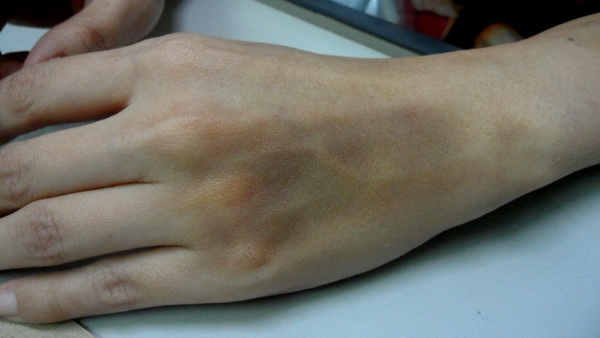


 CANCER STORY
You must be logged in to post a comment.