My mom’s oncologist told us her cancer had recurred and if she does chemo it will extend her life by another six months, and if lucky another twelve months. But the oncologist does not recommend chemo and thought the treatment would make her worse. He suggested waiting until her condition becomes painful or other symptoms appear. He told us chemotherapy does not cure her cancer and it does not make much difference.
I found out about you from the internet. I would like to bring my mom to see you to help treat her.
We are living in Singapore and planning to go to Penang next week to see you. I think we may need to stay in Penang but not sure how many days to stay. Are you able to advise how many days we should stay? I saw the video on healing crisis after taking your herbs. I’m afraid if we just take your herbs and go back, my mom may experience pain, vomiting or has diarrhoea, Then my mom may think the herb is not working and would not like to continue taking the herbs. I think your presence and guidance will give us confidence to face the battle against her cancer.
Here is what I know of my mom’s condition and cancer.
Histology report identified the cancer to be mucinous adenocarcinoma of the iluem which has invaded the muscular wall and peritoneal surface. Conclusion: Pseudmyxoma peritonei, stage 2B.
Surgery was done to remove 10cm of iluem and 7.5 cm of caecum. This was March 2010.
She refused to undergo chemotherapy immediately after surgery.
Subsequently doctor ordered blood tests and PET/CT scan. Her CEA marker has been rising from 5.4 to 6.3, 9.6 and yesterday the oncologist said her CEA was12.9. But the PET/CT did not show any tumour.
My mom easily gets stomach and intestine bloating and discomforts, after she takes cooling food or if it is cold/rainy weather. Even some vegetables make her have loose stools and diarrhoea. Ginger tea helps remove the wind.
Other than that she is losing weight, about 0.5 to 1 kg every 3 to 4 weeks.
She can eat, sleep and has no pain. She has been taking some Chinese medicine to help her but her condition is like above with CEA rising. We do not know what the Chinese medicine contains. Please reply as soon as you can. We pray for God’s help and yours too.
Patient (H-434) and her son came to see us in Penang on 22 October 2010.
e-mail 28 October 2010
Hi Chris,
My mom … is happy and confident about the herbs you prescribed her. She fell asleep Tuesday morning and I didn’t want to disturb her. So we did not come to see you on Tuesday. Please accept my apologies for not turning up Tuesday morning. I’ll keep you updated about her progress via email. Many Thanks and God bless you and Ms Teo.
e-mail 29 October 2010
Thanks for the update —- when she goes home, how is she? Does she feel any better now?
Chris
e-mail 1 November 2010
She feels better after taking the herbs you have prescribed. Thanks for your concern and please take care too.
e-mail 18 May 2011
Hello Dr Chris,
After taking your herbs, her cancer marker came down from 12.9 to 8.8 and the doctor advised her to come back in six months for checkup. My mom feels okay now. I made vegetables and apple juice for her once a week. But she finds them ‘cooling’ and gets diarrhea / indigestion or lots of gas after that. Taking ginger soup helps though.
The patient came to see us for the second time on 21 May 2011. Listen to our conversation that day
Comments
The doctor conveyed this gloomy prognosis:
Since cancer has recurred, patient had only about six months more to live – or at best with luck, a year!
Since human beings are not God, we always tell patients, Believe the diagnosis but don’t believe the prognosis. It is sad that the practitioner of noble profession has come to a point of not realizing what he says is insensitive or damaging to the patient whom he is supposed to help. Telling patients that they are going to die soon is inflicting a nocebo effect.
The oncologist did not recommend chemo and thought the treatment would make her worse. How many oncologists would admit to the fact that there is no cure for metastatic cancers and that chemotherapy will do more harm than good? In most cases and most of the time, chemotherapy seems to be the standard fare “dished” out to all patients – irrespective of age or stage.
Given that this patient has come to the end of the road, there is no option left other than alternative medicine. In spite of that, we often have to remind patients that they have to relax and take it easy. Face the fact squarely and fairly. Do not come expecting us to “dish” out an instant or magic cure. One patient wrote that after taking herbs and the change to vegetarian diet and juices for a month, the tumour is still growing in her colon! What do you expect? Cure cancer with herbs and juice within a month?
Another mistake that caregivers often commit is to over-react. After reading about the purported benefits of juices, raw diet, supplements, etc. they would go over-board feeding their loved ones with all these stuff, sometimes resulting in more problems. In this case, the enthusiastic son thought that juices might perhaps cure his mother. His mother has a yin (cool) body and cannot tolerate raw food and juices. So she ended end up having diarrhea.
Listen carefully to what this patient said if you want to live well with your cancer. She had clearly accepted her lot and has a positive attitude. Relax, be happy and take life easy. Enjoy your days while there is still time to enjoy. You don’t have to give up but at the same time you don’t have to live each day with fear of dying. Go out and smell the flowers.
Update: 27 February 2012
Hello Dr Chris,
My mom is getting better. Just 2 weeks ago she went for medical test and the doctor said he cancer CEA marker has dropped to 5.9. Thank you Dr Chris. And wishing you good health.
Reply: Wah, your mom is doing well and her CEA is 5.9 ? What did her doctor say? Did the doctor ask her why? Did he know that she is taking herbs? And is your mom taking the herbs without stopping?
Yes my mom CEA was as high as 12. She continues to take your herbs. We now add ginger into the C-Tea so that she does not get stomach bloatedness.
Doctor did not even ask why the marker reading is low or ask whether she is taking herbs. All they do is blood tests for cancer marker. Also because her doctor got promoted he now passed my mom to one of the doctor in his team. We only found out on the day of the medical appointment. Also I learned from the nurse that the promoted doctor attends to private patients only. What a surprise to us the way they handled patient.
Suri (M971) is a 61 year old female from Indonesia. Her family came to seek our help on 8 May 2011. She was wheeled into out centre being unable to walk on her own. She was unable to talk, showed no facial expression and did not seem to know what was going. According to her husband, she behaved like a child. Listen to her husband telling us his wife’s story of tragedy.
Suri was diagnosed with non-small cell lung cancer in 2008.
She had 22 times of radiation treatments in Singapore. No chemo was done. She was given the oral drug, Iressa. She took it for about a year. Her tongue became numb and so she gave it up. The doctor then gave her Tarceva. She was on this drug for about two years.
About a year later, in 2009, the cancer spread to her brain. She underwent chemotherapy. This was also done in Singapore. Her chemotherapy consisted of the following:
1 cycle of chemo divided into 3 injections, done once a week for 6 months. That means a total of 18 injections.
1 cycle of chemo every 2 weeks for 6 months. That means a total of 12 injections.
1 cycle of chemo every month for 6 months. That means 6 injections.
1 cycle of chemo every 2 months for a total of 3 injections.
1 cycle of chemo every 3 months. She received only 1 injection.
In total she received 40 chemo injections.
Three months after all these treatments, MRI showed one additional tumour appeared in her brain.
MRI done on 2 May 2011 indicated: “Two small enhancing nodules less than 10 mm noted in the right temporal lobe compatible with brain metastasis.”
Came to CA Care on 5 May 2011
Her husband said, “We knew that chemo did not work for her. We decided to seek the help of CA Care. Please try and help us. Now the oncologist prescribed this drug, Sutent. She has been taking in for about a month now. “(Note: after seeing us, the family decided to stop taking Sutent).
She presented with the following serious problems:
Severe headaches
Vomiting
When her two hands are put together, they “fight” trying to tear each other apart.
My comments to the family then were:
Based on her medical history, I really don’t know what I can do to help her. We can only try.
I don’t want to mislead or cheat you – making your believe that you can find a cure here.
If she cannot drink the herbal teas I prescribed, there is no need to bring her here again. There is nothing I can do. But if she can drink the teas, she may benefit from them.
As for the prognosis – Don’t think too much or too far! You have spent thousands of dollars and yet they can’t cure you. Don’t expect me to cure you. And I am no magician. But I shall do my best to help. That much I can do.
After Two Months of CA Care’s Herbs
On 17 July 2011, the family brought Suri to come and see us again. Watch the following video and see for yourself the healing that had taken place after two months on our herbs!
Suri’s health had improved tremendously after taking herbs for two month.
Before the herbs, her vision was blurred and she was not able to recognize people around her. But this has since improved. She is now able to recognize people around her again.
Previously she was not able to watch the TV at all. Now, she is able to understand what is going on and can laugh when watching certain programs.
Previously she was not able to comprehend our conversation and was oblivious to her surroundings. Now, she is able to understand and talk to us. She knows what is going on around her. Her sister said, “She can now scold people around her”!
Now she can remember past events and can tell stories based on our old photos. Her husband said, “When she saw our old photos she would talk and talk about it.” But she is not able to remember current events.
In the morning, we bring her for a walk. She can walk 8 rounds of the basket ball court every morning without help. Of course she still lacks strength to walk by herself. Before she couldn’t walk at all.
When sleeping, she can now turn to the left or right. Previously she had to sleep flat and straight unable to turn sideways.
I happened to chance upon your blog while doing some searches online on cancer and read about the many success stories of cancer patients under your care.
My mum was first diagnosed with pancreatic cancer in May 2010 and had undergone the Whipple’s procedure to remove the cancerous cells at the head of her pancreas.
In July 2010, she started her chemotherapy, and was put under 6 cycles of Gemcitabine. After completing 6 cycles, at the end of December 2010, CA19-9 has decreased from 5204 to 106.9. About 2 weeks later, CA19-9 value rose to 224.2. The doctor then suggested for my mum to go for a CT-scan. CT-scan result showed that there were several tiny nodules in her lungs. Apart from that, there were no other abnormalities.
Based on the CT-scan result, the doctor told us that he’s sorry and that he is unable to cure my mum anymore as the cancer cells have spread to her lungs. He then asked us to go for a 2nd round of chemotherapy, this time using the combination of 2 drugs with strong side effects to control the growth of the cancer cells. Since there is no guarantee on the success of the treatment and taking into account the stronger side effects, my mum rejected the treatment and has been consulting a Chinese physician specializing in cancer. After taking the herbs prescribed by the Chinese physician for 7 months, the CA19-9 did not decrease but rose exponentially to a value of 66,490 in late June.
My mum has been feeling fine at the start of the year, but somewhere in April 2011, she started having backache and bloatedness in her stomach. At around mid June, she started having diarrhea, followed by serve pain at her back, causing some difficulties in her movement. She has also started coughing about a week ago.
We know that the herbs prescribed by the Chinese physician are not working. But I know my mum has a strong will to live on. It would be really great if you can help us and I look forward to hear from you soon.
Thank you.
Reply: Well, if you think we can help you, come and see me in Penang with all the medical reports and scan.
Daughter’s First Visit
On the afternoon of Friday 12 August 2011, the daughter of this patient came from Singapore. The following are additional details about her mother’s story.
Her problem started with jaundice and after two weeks the patient went to see a doctor. She was diagnosed to have cancer of the pancreatic head with obstructive jaundice. Histology showed pancreatic ductal adenocarcinoma with lymph node metastasis.
She underwent six cycles of chemotherapy. Each cycle consisted of three injections split over a period of one month. So patient received a total of 18 injections. Each cycle cost about S$2,500.
Before the treatment the doctor told patient that she had a high chance of cure. Things worked out rather well from Chemo 1 to Chemo 17. Her CA 19.9 was dropping. At Chemo 5, CA 19.9 dropped from 5204 to 106.9 plus. But a week after Chemo 18, CA 19.9 started to rise from 100 plus to 224.2. The oncologist said, “Something has gone wrong.”
A CT scan on 18 January 2011 showed several new tiny pulmonary nodules in both lungs. The oncologist said she has to do more chemo. There was no guarantee, but just to test out if it works. Patient refused further medical treatment.
While undergoing medical treatment, patients also took herbs from the TCM section of the hospital and she has been under the care of the TCM practitioners from the beginning until the present. TCM consultation cost S$80.00 each time and the herbs cost S$10 per packet – to be brewed into tea as a dose each day.
The CA 19.9 now stands at 66,490.
Our advice: We told her it is indeed a difficult case to handle and please don’t expect us to cure her mother. We at CA Care believe that no one can cure cancer in the first place. But we can try our best to help.
Latest Update
Hi Dr Chris,
My mum has been taking cough No.5 & 6 and the diarrhea and indigestion tea since last Saturday (27 August 2011) until Wednesday (31 August 2011). However, her condition has not improved. Nevertheless, she’s still taking Capsule A, Pancreas 1, Pancreas 2 and Stomach Function Tea daily. I did check with her about how she felt after taking your pain tea, but she’s also not too sure if the pain tea is working on her as her back pain is on and off. Therefore, I still continue to give her the pain tea 3 times a day.
The hospice home care team came to visit my mum on Thursday (1 September 2011) and started her on the painkiller, hoping to give her some relief, allowing her to have some good rest since she has not been able to sleep since her back pain started. They tried Panadeine on her initially but it only managed to reduce her pain by half, so they started her on Tramadol and Durogesic. Apart from the pain, she’s suffering from the side effects of the painkiller now, feeling dizzy and has also been vomiting since this morning. But the doctor mentioned that the side effects will go off in a week’s time as her body tries to adjust to the painkiller. I’m feeling rather lost now and not sure what to do…
Hello Ying Lee,
It is a difficult problem — as I have told you earlier. You have done your best. I have tried to give you all that I have here. If it still does not work, you need to rely on the Hospice … and go on the painkillers. Yes, with all the side effects but what else can we do?If the herbs are not helping — no use taking them. I am sorry I cannot help you much at this point. If you are in Penang perhaps it would be bit different.
You can hear more details by watching this video clip.
Comments:
Can surgery cure pancreatic cancer? I typed this question for Google search. Read what it says:
From the American Cancer Society: Potentially curative surgery is used when imaging tests suggest that it is possible to remove all the cancer. Whipple procedure: For patients to have the best outcomes, they should be treated by a surgeon who does many of these operations … at least 20 Whipple procedures per year. At the time of diagnosis, only about 10% of cancers of the pancreas appear to be contained entirely within the pancreas. Only about half of these turn out to be truly resectable once the surgery is started. Still, even if all the visible tumor is removed at the time of surgery, some cancer cells may have already spread to other parts of the body. These cells may eventually grow into new tumors and cause many problems — even death.
From the Seena Magowitz Foundation – the Face and Voice of Pancreatic Cancer: Whipple surgery is often a surgical option when pancreatic cancer is found in the head of the pancreas. It involves removal of the pancreas head, most of the duodenum (small intestine), a portion of the bile duct, gallbladder, part of the jejunum and the lymph nodes located near the pancreas. Sometimes a portion of the stomach may also be removed. The Whipple Operation does not cure pancreatic cancer. It is an option that has been positively demonstrated to extend survival with a better quality of remaining life. There are risks during surgery that includes chances of not surviving the operation. Chemotherapy and radiation treatments following surgery can increase life-span by about 10%. http://www.seenamagowitzfoundation.org/whipple-operation.html
Dr. Nicholas Gonzalez (http://www.dr-gonzalez.com), of New York, USA, in the book, Knock Out written by Suzanne Somers, said,
“It is hard for me to believe that an oncologist who has gone through four years of college, four years of medical school, three years of residency, and then three years of oncology postresidency training can’t connect the dots. You have to be an idiot not to be aware that for most of the cancers chemo isn’t doing anything. It’s in all the journals. It’s not like it’s a secret.”
“The fact of the matter is that 95 percent of the patients who call my office have been brutalized by the orthodox system … my staff just sits there dumbfounded by their stories, story after story, over and over again. Everyday.”
“Spend a one day in my office listening to the dozens of people who call in with these horror stories about the conventional therapies that were pushed on them with false hope, then you will see why we get upset when we are criticized as alternative guys offering false hope. These people come to me half-dead because they were promised that these treatments could work, and we see this in particular with patients diagnosed with pancreatic cancer because we are known for treating pancreatic cancer.”
“They have compared Gemzar … Median survival improved from 4.2 months to only 5.7 months – about one extra month of life for this expensive drug. Not a single patient out of 126 in the study lived longer than 19 months. But Gemzar has been considered such an advance that the FDA approved it … Gemzar is used all over the world. One month improvement in survival and not one patient in the clinical study lived longer than 19 months, and that has been considered a major advance.”
In the same book by Susan Somers, Dr. Ralph Moss, a highly respected advocate of non-conventional cancer treatment, said,
“Gemzar … is relatively benign and also has minimal effects. You rarely hear about people having major side effects with Gemzar … (it is) a mild form of chemotherapy. (It is) given as a kind of placebo, meaning when they have nothing else to give and they don’t want to burden the patient with a lot of side effects, they give this drug and everybody is happy. The patients feel that something is being done for them, and the doctors gets paid for administering or prescribing something. Then the patients expire and the families feel that at least they tried.”
Response from Susan Somers:
“This is the part I don’t understand – the patient is given drugs that don’t do much and at the end the family is grateful. Recently a young friend of mine died of pancreatic cancer, stage IV. I have never seen such destruction of a human body as I watched him disintegrate and die in four months. Then a few weeks after the death, his wife called and asked if I would come perform for a fund-raiser for his doctor. And I thought, They just killed your husband.”
Miracles have no place in modern medicine. But Dr. Norman Shealy, M.D., Ph.D. wrote in his book, Miracles Do Happen, “Although the conventional approach promises miraculous cures, it often provides only temporary treatment of symptoms and side effects. Fortunately, many alternatives still hold the potential for producing personal miracles. I first became aware of miracles a quarter century ago. Prior to that time, even though miracles occurred regularly, I never noticed them.”
Dr. Norman Shealy went on to say, “allopathic medicine has ignored the most important aspect of healing – the untapped miracle of the individual’s personal will, intuition and heart. When will, intuition and heart are united, even for a few moments, miracles occur.”
For those who care to see, shall see miracles. But for those who wish to turn a blind eye to what is happening around them, would see nothing. I am presenting you this case study. I believe this is a miracle at work on a personal level. I have written two articles about this case earlier but only from the perspective of reporting a case obsessed with results and CT scans, etc. I missed “seeing” the miracle then.
This patient, Anne, came back to CA Care again from 19 – 29 August 2011. This time I had the opportunity to learn more about her case. This led to my realization that I have missed out something very important. We cannot learn from patients if we spend only 5 to 10 minutes talking to them. Since the details of Anne’s medical history had been presented earlier, I shall not delve into that anymore. To read our earlier articles on Anne, click on these links:
Before I came to CA Care in April 2011, I read through your website and saw the videos. The information helped me a lot. I was hopeful that I too would be as like those featured in your video clips – lymphoma cases like Devi and Siew.
Did you really believe in those videos? Or, were these so-called patients merely “paid actors” trying to mislead others? I have no doubtful feeling in my heart.
Besides, I also read your book. So I came rather prepared with a trusting heart hoping for the best to happen.
Comment: This is our advice to cancer patients: If you don’t believe in what we do, please go elsewhere for help. We put out those videos and case studies, blogs, etc., as a source of information for those who need them. Over the years we have been collecting data, learning and documenting from the experiences of our patients. This is part of our research, not a tool for propaganda to make business. In science, documentation is important for future evaluation. Meaningful successes in our work are the only motivating factor that sustain and kept us moving forward. It is most satisfying to know that Anne benefited from our therapies.
Chemotherapy was necessary – no choice
I was in pain and for 3 days was unable to sleep or lie down. My abdomen and both my legs were swollen. I lost my appetite. I was hospitalized for a month. Husband: During that time 8 bottles of fluid had to be tapped out each day – a bottle was 500 ml.
In the second week in the hospital, my condition deteriorated and the surgeon suggested chemotherapy – there was no other choice. I underwent chemotherapy and my condition improved. The swelling subsided. After a month, I was discharged from the hospital. During that time I still had a bit of swelling in my legs and pains in my abdomen.
Comment: In this situation chemotherapy is life-saving. Go for it. When there was no other choice, the choice of chemotherapy proved to be beneficial.
My health during chemotherapy
I received a total of 8 cycles of chemotherapy. My appetite improved but I was not able to sleep well. I had no strength. I was not able to stand up by myself and I needed help to get up. I was not able to bathe by myself because my abdomen was painful and I was not able to bend over. For about a month, my husband had to bathe me.
I had fevers very often and later the biopsy wound in my abdomen burst open and pus was released. After this episode, there were no more fevers. After this, my eye developed an infection and swelled. There was also a time when my whole body became itchy. With medication, the itch disappeared after a month.
My movements were restricted due to lack of strength and feeling of instability or imbalance when walking. I was house-bound. The only time I went out was to see my doctor. I have to use the wheel chair. During that time I not able to attend church at all. My friends would visit me at home.
My health after completion of chemotherapy
There was no more swelling of my stomach but my doctor said only 50 percent of the tumour in my abdomen was gone. I was asked to eat eggs and meat to increase my protein level.
From August 2010 until April 201i, I took all kinds of supplements that friends introduced to me. I took ………….
I gained more strength and could walk. I cooked my own food in the morning. I cook only once in the morning and ate the same food for the whole day. I only cook and was not able to do any other house chores.
Two or 3 months after chemotherapy, I was able to bathe myself without help.
I did not have any pain but there were sores or ulcers in my mouth. My stomach was very congested and uncomfortable.
During this time, I was able to go to church and once a while did some shopping. Because I still did not have much strength my shopping trip was very brief. I felt imbalance and dizzy when I walked.
I still needed a wheelchair 2 or 3 months after chemotherapy.
During the 8 months period after chemotherapy, my health was not fully restored, though I felt better than while I was having chemotherapy.
Recurrence – No More Chemotherapy for Me
In January 2011, the cancer came back. There were swellings in my left cheek and neck. A biopsy of the lump in the neck showed recurrence. My doctor suggested more chemo. I refused. I told my doctor I could not stand the side effects of chemotherapy anymore.
Besides the side effects, the new chemo is going to be more expensive. Just the drug alone would cost 10 million rupiah and I need to do 8 cycles of chemos. This cost does not include charges by the doctor, hospital, scanning, etc.
On top of it all, the outcome is not guaranteed. The doctor was not able to predict the outcome.
After all, I have just completed 8 cycles of chemo in August 2011, and within 4 months the cancer came back.
Were you upset or disappointed by this turn of event? Did you get angry with God? I asked God why? Why this thing happened? No, I was not angry with God but I did ask Him why.
After I declined chemotherapy, the doctor suggested that I undergo radiotherapy. I declined that too.
Did the doctor get angry when you declined his recommendation for chemo or radiotherapy? No, he did not. I told my doctor, I am ready to “go home.” I am not prepared to go through the side effects of the chemo again. There is no need for me to suffer again. And it is not necessary to spent more money. Let me just “go home”.
If I could remember correctly, this was how my doctor responded, “Go back and think this over.”
Comment: Indeed the oncologist response was very honest and fair. Patients must be allowed to make their own decisions without any duress or fear.
I decided to go for CA Care herbs
Before I underwent chemotherapy, a friend gave me your book but I was afraid to read it and kept it aside somewhere. In April 2011, after the recurrence, somehow I came across your book again. After reading the book, I decided to try your herbs. I did not want to go for more chemo. I made that decision on my own. I was prepared to take whatever risks that comes with it.
I discussed this with my family – 11 siblings in all, and also my children. They supported my decision. My friends said they would uphold me through their prayers.
My health improved after taking the herbs
When you came to CA Care in April 2011, were you in good health? My health was not good. My legs were weak and when I walk I had no strength and felt very unstable. My stomach was bad. My heart palpitation started to show up.
When you first came here, what was your expectation? At first I thought CA Care was a hospital! But when I came here, it turned out to be something else! When I was in Jakarta , I had a phobia for hospital. When I went to see my doctor I felt afraid and depressed seeing all those patients. But at CA Care I did not feel that way at all.
Did you come to find a “magic bullet” here? Something that can instantly cure your cancer? No. When I read your book and the articles in the website, I understand that healing is a process that takes time. I don’t expect to find an instant cure. Although at first, I found the herbs did not taste good, I persisted and take them. The diet you advocated is most difficult to follow at first. But gradually I adapt to this change that you asked me to do. Now, I am fully compliant with your advice.
If I were to ask you to go back to your old diet, would you do it? No. Because after I completely changed to this healthy diet my body felt much better.
The path that I asked you to take is difficult –did you harbor any resentment in your heart for having to go through this? No. As I continued to take the herbs, I felt better. Before the herbs, I was not able to pass out wind and my stomach was uncomfortable. With the herbs, I passed out a lot of wind and my stomach felt better. I felt movements in my intestines. Before that I felt everything was “cramped” up. As my health improved I was able to sleep better. I had more strength to walk and when I walked I felt more stable. Every morning, I used to go out to enjoy the morning sun. Before the herbs, I could not feel the sunlight on my skin. And I did not sweat. But after the herbs, I could feel the sunlight and I also sweat. I knew that my health had gradually improved. All these happened within the first two months after I started taking your herbs.
e-Therapy in Penang
You came back to CA Care after 2 months on the herbs. We started the e-Therapy – did you benefit from this? Yes. The swelling in my cheek became smaller and I felt better.
After a week on the e-Therapy you went back to Jakarta. Did your health deteriorate? No, everything was good until one day when I ate “tempeh”. It was hard and I chewed it. It caused laceration on the inside of my mouth. The lump in the cheek became bigger and I felt “warm.” I did not feel good again.
On 19 August 2011 you came back again and stayed on until 29 August 20ll.You did the second round of e-Therapy. Did that help you? Yes. I felt better again. On the first day on the therapy, I had backache. On the second day my leg was numb for the whole night. My throat was sore and I was not able to sleep. Though it seemed to be another “down” for me, I was not afraid. The next morning, the problems resolved by themselves. A few days ago, my stomach was not feeling good – I felt full and bloated. As I have explained earlier this problem came on after the chemotherapy. Today, after a week on the e-Therapy, I feel much, much better. Perhaps this was also because I drank the A-Live 2 and A-Live-8 teas. These herbs and the e-Therapy really helped me.
WHAT DOCTORS SAY
1. The Oncologist
I refused to go for the second round of chemotherapy. I told my oncologist that I am taking herbs. He was not angry that I was taking the herbs. My oncologist requested that I show him the herbs I was taking. On the next visit to him I brought all the herbs – Capsule A, teas for Lymphoma, etc. I explained to him what I was doing and why. He looked at all these herbs and took a long time studying the label of Capsule A. Then he said, “If all these made you well, go ahead and take them.” My oncologist was not angry or object to my taking the herbs.
What would you do if your oncologist objected to you taking the herbs? I would still continue taking them. I am much better now, taking the herbs. I will not stop. Then if he is against me taking the herbs, the next time I would not tell him what I am doing.
Comment: This is not about who is right or who is wrong. Nor is it about who is smarter. The important thing is that patients get better!
2. The Heart Specialist
My heart palpitation came about in March 2011, a month before we came to see you for the first time. Initially, I went to consult a heart specialist. He said there was a minor disturbance. I did not undergo further test because by the next day my problem seemed to have resolved.
In July 2011, the palpitation came back again. Then I came to Penang to see you. After I underwent the e-Therapy, the situation improved but when I went home to Jakarta, the palpitation recurred. It was then that we called you and you suggested that I consult a heart specialist.
This time I consulted another heart specialist. He said my heart was normal. He could not find anything wrong. So, he did not prescribe any medication. I told him that I am currently on herbs and showed him what I have been taking. I asked the heart specialist if this palpitation was due to the herbs I am taking. He repled, “No. Herbs are good. Go ahead and take them.” I told him I am now a vegetarian. I do not take fine table salt, sugar, oil, etc. He said, “That is good. Continue doing it.” He assured me that my heart palpitation has nothing to do with me taking the herbs.
3. The Internist
Before my consultation with the heart specialist, I also went to see an internist for my stomach problem. This problem came on after I had the chemotherapy.
I told the internist that I am currently taking herbs. I asked him if this stomach problem is due to the side effects of the herbs. He replied, “No, herbs are good. There are no side effects.”
Husband: “On the contrary, the internist told us not to do chemotherapy anymore. We should take herbs instead.”
SPIRITUALITY
God spoke to me
You told the oncologist that you would rather “go home” than undergo the second round of chemo. After 2 months of the herbs, did you still want to “go home”? My feelings were up and down. After I had the laceration in my mouth, I was not feeling good at all. That was my down period. I prayed to God to cure me. Let the cancer go and not come back any more. I kept repeating this request to God. One evening I went to church. Out of the blue, a friend who sat next to me started to say this, “You must be patient. Healing is a process and it comes one step at a time and it takes time. There are times when you feel down and there are times when you feel good. But trust in God and go on doing what you are doing. You will get well.” I did not know why this person said that to me. I did not share my concern with her at all. That night, I felt God gave me the answer. I said to God, “Okay God, forgive me. I was too impatient and did not realize this.” The same message came to me again the next morning. Now, I know that this is not yet the time for me to “go home.”
Comment: As a Christian I don’t believe that God is going to drop the “cure, joy and comforts” down from the Heaven as in the days of Moses. But God does hear our prayers and whisper His responses in ways that we may not understand or at a time when we least expected. It is up to us to “listen”! Unfortunately, many of us are deaf. I find the words of this song most inspiring indeed:
God will make a way, Where there seems to be no way; He works in ways we cannot see, He will make a way for me. He will be my Guide, Hold me closely to His side, With love and strength, For each new day, He will make a way.
Emotional Blockage
I went to see the heart specialist because my heart was beating rather rapidly. It came about in March 2011, a few months after chemotherapy. The heart specialist could not find anything wrong with my heart. That night I went to church. We all sang songs and hymns. The next morning, my heart palpitation was gone and up to this day the problem did not bother me anymore.
In your heart, do you keep any emotion that you cannot let go and this makes you very unhappy? Yes. But I cannot share this with anyone here. Even my husband did not know about this. I also do not talk about it with my close friends. (She broke down and cried!)
Comment: Good, you have to let go and cry it out! Never keep emotional problem in your heart. It blocks the healing process in you. Let it go before it kills you.
REAL HEALING OR PLACEBO
From March 2010 to 21 July, Anne had undergone 7 cycles of chemo. Her blood profiles after the 6 cycles of chemo were not alarming. However, after the 7th chemo, the blood profile begun to show deterioration, as below. The haemoglobin, white blood count, platelets decreased. She was given two injections of Leukokin to boost the blood parameters in preparation for the next chemo (Table below). Anne received the 8th chemo on 6 August 2010. After this last chemo, her WBC remained low for many months. Her platelets were also low until May 2011. After Anne started to take our herbs from 29 April 2011 onwards, her blood profiles started to show improvements. By August 2011, her WBC was normal – before that it was still low. Her platelets had also normalized. In September 2010, Anne’s LDH was at 447 (high). In August 2011 it was 272. LDH (lactate dehydrogenase) is frequently used as monitoring test for those who already have lymphoma. Any elevation from the normal range may indicate a relapse or renewed growth.
Below are the results of our AcuGraph study.
Reading taken on 29 April 2011 when Anne first came to CA Care, showed many imbalances of the meridian energy.
Anne returned to Jakarta and started to take the herbs. Her health improved. She came back to Penang again on 1 July 2011. The AcuGraph reading on that day showed many imbalances of her meridian energy. Anne underwent the e-Therapy. Her AcuGraph reading on 8 July 2011 showed a far better picture. Anne returned to Jakarta to continue taking the herbs.
Anne returned to Penang again on 19 August 2011. Her AcuGraph reading is a below. Anne underwent a second round of the e-Therapy and her reading on 26 August 2011 showed a better picture. Anne returned to Jakarta and will continue to take the herbs and undergo the e-Therapy in her home.
Comment: Studying the 5 charts, one cannot help but notice that the pattern of disharmonies was almost the same from April to August 2011. The pattern of disharmony of the hand meridians is like a hill – with a central peak and two sides sloping down. The foot meridians also showed similar pattern. I have yet to understand the significance of this. After Anne had done her reading we tried to prescribe herbs to correct some of these imbalances. She benefited from these herbs. But unfortunately, we were unable to follow up with her progress after she went home to Jakarta. When she came back again after sometime, we were faced with a similar problem again.
As a conclusion, let me present you’re the transcript of my interview with Anne and her husband.
Chris: Can you tell me – are you sure that our therapy helped you?
Anne: Yes, your therapy helped me a lot Dr. Chris. It helped me. From the very beginning, every morning when I wake I am very concerned about my instability when walking. I fear I might fall.
C: The reason I ask you this question is because, in medicine there is such a thing called “placebo effect.” If you believe me very much and you do what I want you to do, you may experience the beneficial effects due to your strong belief. The medicine I gave you may be just a “fake” but you still get the good effect. Because of that I would like to determine if indeed what you are telling me is really true – not a fake or placebo.
Husband: The therapy is good doctor. Put it this way, if the therapy is not good, she will not come back to see you ever again!
A: Like this doctor. I took the herbs for about a month. I know my body. I know the herbs made me better. For me the result is good. Of course, I have to believe Dr. Chris too. It is illogical (not balanced) if I don’t believe in Dr. Chris. That will not bring me any good. I took the herbs, I benefited from it – I believe the herbs because I benefited from it. And I must also believe in Dr. Chris. Otherwise it is meaningless.
C: What about those around you – your friends – when they looked at you, what did they say?
Husband: They said she looked better. Good. It is not only me to can say that. Those friends commented that she look much better now than before.
A: In fact, I feel I am far better off now than I was before. I am much healthier now.
C: I really don’t know what else to say. I learn from my patients. They know better about their bodies than others. There is no reason why other people can know better than the patients themselves. If they say they feel good and they looked good – that is enough, what else can I say?
C: Do you have full confidence in what you are doing?
A: Yes, I have confidence.
C: You don’t want to ask to “go home” anymore?
A: No, no. I am afraid that God will get angry with me.
C: Let me ask again – compare your condition now and before – is there any difference?
A: Oh, a vast difference. Before taking your herbs (shaking her head) – oh, don’t let me say again, it was difficult. My legs were weak. When I walked I felt not balanced. These are the major concern I faced. All these happened after I underwent chemotherapy. Now, my legs have improved. The instability comes once a while only.
C: The most important point of all is – is your health better today compared than before?
A: Of course, I am better off now. I can go anywhere now. I can cook at home. I can climb the stairs in the house.
C: Before the herbs, you couldn’t climb the stairs?
A: No, not at all for a long, long time. If I walk, I was like an old lady. My pace was very slow and I virtually place one foot a time. I could not bend my knees like others normally do when walking.
C: Now you can walk up the staircase?
A; Yes, I can walk up like a normal person. Once I was in the garden in one early morning – this happened about 2 months after the chemotherapy. I was bending tending some plants. I fell down and was unable to stand up. Even if I held onto the fence, I could not raise myself up. So I just sat there on the ground. There was no one in the house to help me. I waited until my husband came back to help me up. Even that he had difficulty pulling me up.
C; Now, can you stand up by yourself?
A: Yes.
C: Looking back at your days before the herbs …
A: Before the herbs, I felt I was useless – absolutely useless, because I couldn’t do anything. I felt sorry for my husband. Now I am okay.
This book has 612 pages organized into 24 chapters. It was published in 2006. The full title is of the book is, Money Driven Medicine – Tests and Treatments That Don’t Work. Readers will be surprised to know that among those dubious treatments discussed include unnecessary Caesareans, cholesterol lowering pills, high blood pressure treatment, invasive cardiology treatment, blood thinners for clots, antidepressant medications, etc., and etc. In Chapter 16, the author discussed chemotherapy – the subject of this review.
The author of the book is Dr. David K. Cundiff, M.D. He wrote: “Shortly after President Nixon signed the “Cancer Act” in 1972, I decided to become a medical oncologist … I was a third year medical student at the University of California, San Diego … I felt that many of my cancer patients were neglected. After internship and residency in internal medicine at the University of Pittsburgh Hospitals, I took a fellowship in medical oncology at the Cancer Control Agency of British Columbia in Vancouver, BC. I returned to San Diego in 1977 for another fellowship combining further medical oncology training with hematology …. I became an Assistant Professor in medical oncology at the Harbor-UCLA Medical Center in Los Angeles.”
Dr. Cundiff later left oncology and became a hospice doctor. He wrote, “It helped me to be able to critically analyze claims about the effectiveness of cancer treatment based on clinical research trials. I can now better spot the numerous potential biases in chemotherapy trials.”
Dr. Cundiff shared some of his experiences. Below are statements quoted directly from his book (pages 217 to 243). All these words are his. I took the liberty to present them in point by point form. I hope this makes the delivery of his messages, one shot at a time, more precise.
Chemo for the sake of doing something heroic or a way to earn more money?
I would not recommend chemotherapy if I did not think that the benefits outweighed the risks. I was so out of step with the other practicing medical oncologists that it became clear that I could not make a living with such a conservative treatment philosophy.
Medical oncologists are paid almost nothing for talking with patients and their families. Their income depends entirely on the number of chemotherapy treatments that they order and how much they charge for each treatment. Unlike other specialists, the government allows them to also profit by selling chemotherapy drugs to their patients.
On chemotherapy clinical trial
While about 60% of all newly diagnosed cancers are in people over 65, they make up only 36% of patients in drug studies. Many chemotherapy drug trials do not accept patients over age 70. This bias is troubling because younger patients tend to respond and tolerate side effects better than older patients.
Older patients that do volunteer for drug trials may be healthier than older patients that do not volunteer or who are not recommended for research studies by their oncologists.
Evidence-basis of cancer chemotherapy, is much less established than in other areas of medicine.
Randomized trials with untreated control groups are hard to do. (My comment: how can you say for sure that chemo is better? Perhaps without chemo patients are better off?).
Clinical responses are divided into complete response (absence of all measureable tumor and freedom from tumor symptoms lasting at least three months); and partial response (reduction in size of the volume of all tumor masses by at least 50% lasting at least three months). Most chemotherapy clinical trials report the response rate (complete and partial) as the main endpoint.
Shrinking tumors may not mean that patients live longer or have a better quality of life. (My comment: They are not talking about cure at all, only response! Patients hope or expect to find a cure!).
The unresponsive tumors have response rates of less than 50%. For patients with these unresponsive tumors, claims of increased survival become statistical exercises of researchers financed by drug companies, with nebulous parameters of measurement wide open to wishful thinking and biases. (My comment: They will manipulate and massage the data to get what they want. Ever heard of this saying – Lies, damned lies and statistics?)
Clinical endpoints that matter to patients – survival and quality of life – often lose out to the endpoint that is important to medical oncologists, drug companies and cancer researchers – tumor shrinkage.
Researchers, paid by drug companies, may harbor biases in favor of new experimental treatments when reporting the results of clinical trials.
Patients, clinging to any thread of hope for a cure, hear what they want to hear from the oncologist. If their medical oncologist does not offer them chemotherapy, they may shop for another oncologist.
Survival of people with identical malignancies varies widely due to factors that are not always well understood and often have nothing to do with chemotherapy given by medical oncologists.
Consequently, by treating enough cancer patients with drugs, chemotherapy advocates can always find some patients with unusually long survivals.
FDA approval
To approve new drug … the FDA does not require evidence that the drug prolongs life or improves the quality of life. Dr. Robert Temple, FDA Director of Medical Policy describes this policy that favors drug company profit over patients and the public as follows: “… our accelerated approval rule allows us to rely on a reasonable surrogate, a surrogate end point reasonably likely predict clinical benefit.” Dr. Temple said, surrogate endpoints (My comment: Tumor shrinkage for example does not have to be shown to correspond with clinical endpoints like living longer and feeling better).
Pharmaceutical companies used endpoints other than survival as the basis for 73% of all cancer drug approvals between 1990 and 2002. Consequently, just one cancer medicine in five has ever proved that it extends patients’ lives. For drug companies and health care providers that are “money driven,” this very vulnerable patient population is ripe for exploitation.
Dr. David Cundiff provided a brief review of the present practice of chemotherapy and the effectiveness of the drugs used.
Chemotherapy for Advanced Non-small Cell Lung Cancer (NSCLC)
Unfortunately, we do not have chemotherapy that significantly increases survival chances for non-small cell lung cancer (NSCLC) patients (about 75% of those with lung cancer).
In my days as a medical oncologist, I never liked to recommend chemotherapy to people with NSCLC because of poor results and distressing side effects. The fact that there is no evidence-basis to support chemotherapy for NSCLC hasn’t stopped drug companies and the FDA from encouraging its use.
Cisplatin (Platinol) has been the acknowledged standard of practice in NSCLC … the average survival with cis platinum chemotherapy added to radiation therapy was 7 months versus 4 months with radiation alone. However, lung cancer patients not receiving chemotherapy probably have more quality time since they do not have to endure the potential toxicities of cis platinum.
Vinorelbine (Navelbine). In 1994, the FDA approved Navelbine on a 6 to 4 vote … to treat advanced NSCLC. What evidence supports this FDA decision? In the first trial, they compared patients receiving vinorelbine given alone with patients receiving the combination of cisplatin with Navelbine. The combination of the two drugs gave a much higher response rate (43% versus 16%) and considerably more side effects. However, the average survival was virtually equal (32 versus 33 weeks). Quality of life comparisons were not reported. Since untreated control groups were not included … these results do not show that either one of these drugs improves survival or benefits patients.
Etoposide. Despite the lack of evidence showing efficacy, etoposide and cisplatin became the acknowledged combination as the standard for treatment of NSCLC in the mid 1990s. One well-designed Italian trial … survival in the drug treatment group averaged 8.5 months versus 5 months without chemotherapy.
Taxol, Gemzar and Taxotere. In 1998, the FDA added Taxol to the list of “safe and effective” drugs for NSCLC. Shortly after …. Gemzar … and Taxotere …. Became FDA approved for NSCLC in combination with cisplatin … Non-inferiority trials served as the evidence basis. These are not medical breakthrough medications ….. (they) used the same kind of purposefully mangled science, poorly designed studies and skillful lobbying to win FDA acceptance. (My comment: Non-inferiority means the effect of a new treatment is not worse than that of an active control by more than a specified margin).
Iressa. Of all the undeserved FDA approvals of chemotherapy drugs for NSCLC, the most irresponsible was the approval of Iressa for patients. The FDA approval of (Iressa) based on a 11 to 3 vote … based on one uncontrolled trial in which 10% of 216 patients receiving the drug had 50% or more shrinkage of tumors lasting for one or more months …. Researchers did not show increased survival or quality of life in these patients. People may die faster with (Iressa) for all we know. (Iressa) should be withdrawn from the market. (My comment: Yes, Iressa was later withdrawn after many deaths in Japan. Currently, it is being replaced by a sister drug called Tarceva).
Colon cancer chemotherapy
In my training and practice as a medical oncologist in the late 1970s and early 1980s, I treated few colon cancer patients with chemotherapy. I did not believe that benefits exceeded risks.
Dr. Charles Moertel’s uncontrolled colon cancer trial in 1960 had made national headlines. He reported an 85% complete and partial response rate in patients with advanced colon cancer who received chemotherapy drug 5-FU. This led to the FDA approving 5-FU for metastatic colo-rectal cancer in 1962. However, when other investigators reported their results in a few years, the response rate rates dropped to the 60% range. After further studies, the average response rates fell to the 40% range. Finally, about 20 years after his initial glowing report, Dr. Moertel wrote, “… lack of beneficial effect of 5-FU on survival.” The response rates around the country ranged from 12% to 20% and overall survival of chemotherapy patients was not proven better than for those not taking chemotherapy drugs.
Leucovorin. In 1991, on a 5 to 4 vote, the FDA approved leucovorin in combination with 5-FU … trials showed only little if any effects on survival. The Mayo Clinic reported marginally significant survival data … and the results from … Canada … showed no statistically significant survival benefit. Mucositis (destruction of the gastrointestinal lining cells from the mouth to the anus) and diarrhea were both more severe with high dose leucovorin added.
Irinotecan (Camptosar). While it may shrink tumors, there is no scientific evidence that irinotecan benefits people with colo-rectal cancer. Despite this lack of evidence, the FDA voted 9 to 0 to approve irinotecan.
Xeloda. In 2001, the FDA approved (Xeloda) … for colorectal cancer. Again, no randomized trials with placebo treated or untreated control groups to show efficacy of (Xeloda) in prolonging or improving quality of life.
Oxaliplatin (Eloxatin) obtained FDA approval in 2004 for colorectal cancer. This approval was based on randomized comparisons showing equivalence (non-inferiority) with other chemotherapy agents – no untreated or placebo control group was included.
Avastin…. FDA approval (was) … based on one small trial comparing two strengths of (Avastin) added to 5-FU + leukovorin. Patients taking the higher does lived 16.1 months on average compared with 21.5 months for those taking half the higher dose. Those taking 5-FU + leukovorin alone averaged 13.8 months of survival. A subsequent trial comparing 5-FU +leukovorin + irinotecan with and without (Avastin) also showed about a 5 month survival advantage with (Avastin).
Erbitux. In February 2004, the FDA approved (Erbitux) ….”although treatment with (Erbitux) has not been shown to extend patients’ lives, it was shown to shrink tumors in some patients and delay tumor growth, especially when used as a combination treatment.”
Pancreatic cancer
From my days as a medical oncologist, I remember pancreatic cancer as the most refractory tumor to chemotherapy.
Gemzar. The FDA approved (Gemzar) for advanced pancreatic cancer patients in 1996. This approval was based on a randomized comparison with 5-FU in which none of the 126 patients in either group had any significant tumor shrinkage. The FDA justified its approval on a new criterion that they called “clinical benefit,” defined as a reduction in pain or pain medication consumption, weight gain or improved functional status. This very subjective endpoint can easily lead to biased reporting by drug company funded investigators.
Brain cancer
Because of the so-called “blood brain barrier,” most drugs do not penetrate well from the blood stream into the brain tissue. With the exception of childhood neuroblastoma, brain cancers respond poorly to chemotherapy.
For over 30 years, the standard chemotherapy drug for adult patients with the most common types of brain cancers (gliomas and astrocytomas) have been BCNU, CCNU and Matulane. These drugs cure no one, are not shown through scientific evidence to prolong survival and are not FDA-approved for brain cancer.
In 1999, the FDA granted accelerated approval status to Temodar for treatment of adult patients with aggressive form of brain cancer. Only about 10% of brain cancer patients had tumor shrinkage in studies that had no untreated or placebo control groups. No meaningful assessment of survival or quality of life could be made.
Conclusion
The direct cost of treating cancers in 2007 in the U.S. (physicians, drugs, hospitals, etc.) will be about US$89 billion. About $52 billion will be for chemotherapy drugs.
Chemotherapy for non-small cell lung cancer (NSCLC), metastatic colon cancer, pancreas cancer and brain cancer are but a few examples of FDA-approved drugs for which there is no convincing evidence of benefit.
Inappropriate chemotherapy treatments cause incredible suffering. Most of the 550,000 Americans who die of cancer each year receive chemotherapy despite of the fact that only about 20% to 30% of them have tumors that respond well to drugs.
Chemotherapy cures many children and some adults that would have otherwise died. However, for most people with advanced cancers of the lung, gastrointestinal tract, kidneys and brain, chemotherapy increases suffering and cost without significantly prolonging life.
Cancer chemotherapy is lucrative for medical oncologists, hospitals, pharmaceutical companies and stock market investors.
Patients and their families hope for miracles despite all odds. Many times their vulnerability leads them to accept treatments uncritically that are not in their best interests.
Medical oncologists are paid well for giving chemotherapy and hardly at all for counseling and supporting their patients.
The economic forces in the current medical marketplace work to patients’ disadvantage.
Comments
Let me stress again, the above 44 statements are words written by Dr. David Cundiff, a medical oncologist turned hospice doctor. Dr. Cundiff left oncology perhaps because he couldn’t “stomach” what he saw and practised. He has now joined the list of those brave souls who have enough conscience and guts to speak up. Einstein once said, The world is a dangerous place, not because of those who do evil. But because of those who look on and do nothing. I am sure, in the years to come, the world would say “thank you” to Dr. Cundiff for what he had said and done. Dr. Julian Whitaker, another medical doctor said this, I am convinced that the best protection against evil that lurks among us – and make no mistake that it lurks among us – is information. I believe Dr. Cundiff shared similar vision – to provide information to those who need it. It is for this reason that the front page of his book has this unique message, “Photocopy authorization policy: Authorization to print or otherwise reproduce items for internal or personal use, the internal or personal use of specific clients or for review is granted by David K. Cundiff, M.D., provided that the source is cited.”
Today, Dr. Cundiff is not alone in trying to call a spade a spade. In his book, The War on Cancer – an anatomy of failure, Dr. Guy Faguet – cancer researcher and medical doctor, wrote, “An objective analysis of cancer chemotherapy outcomes over the last three decades reveals that … the cell-killing paradigm has failed to achieve its objective …. a model based on flawed premises with unattainable goal, cytotoxic chemotherapy in its present form will neither eradicate cancer nor alleviate suffering” (pg.89).
Dr. Nicholas Gonzalez, a medical doctor from New York, USA (in Knock Out by Suzanne Sommers) put it more blatantly when he said, “It is hard for me to believe that an oncologist who has gone through four years of college, four years of medical school, three years of residency, and then three years of oncology post-residency training can’t connect the dots. You have to be an idiot not to be aware that for most of the cancers chemo isn’t doing anything. It’s in all the journals. It’s not like it’s a secret. The fact of the matter is that 95 percent of the patients who call my office have been brutalized by the orthodox system … my staff just sits there dumbfounded by their stories, story after story, over and over again. Everyday. Spend a one day in my office listening to the dozens of people who call in with these horror stories about the conventional therapies that were pushed on them with false hope, then you will see why we get upset when we are criticized as alternative guys offering false hope. These people come to me half-dead because they were promised that these treatments could work …”
I am aware that what is being presented here may not be palatable to some readers. Truths are always bitter. What is more, as Dr. Cundiff said, “Patients, clinging to any thread of hope for a cure, hear what they want to hear from the oncologist.” If they don’t hear what they want to hear, they go away disappointed!
History has shown that bearers of such truths are castigated and condemned – there is no exception, as we sometimes experienced in CA Care. The practitioners of alternative medicine are labeled as charlatans, quacks and snake oil peddlers. That is the way the world operates. Professionals on each side of the fence, throw mud at each other’s face and unfortunately leaving cancer patients with not much choice – having to choose between the devil and the deep blue sea. That is the reality of today.
So I say to all of you reading this, Try, if possible, not to get cancer! How? you may ask. That unfortunately again is another long and debatable subject.
DL is a 47 year-old-male. Sometime in September 2010, he had uncomfortable feelings in his stomach. He went to see a GP who thought it was a food poisoning or gastric problem. He was told not to worry about it as the problem would just go away in a day or two. Unfortunately it was not to be. The problem persisted and in early February 2011, DL felt there was lots of air/gas in his stomach. In the early morning of 8 February 2011, DL went to see the same GP again. This time the doctor took his blood sample for analysis. An ultrasound was also done.
The blood test results of 8 February 2011 showed ESR = 40 (high), GGT 67 (high) while the cancer markers were all within normal range; CEA = 0.7, CA19.9 = 7.7, and Total PSA = 0.5.
Ultrasound of the abdomen showed “thickened loop of bowel, suggestive of colorectal malignancy”. He was advised to undergo a colonoscopy and CT scan of the abdomen. A follow up CT scan confirmed thickening in the colorectal region.
On 10 February 2011, a colonoscopy was performed. There was a caecal polyp, and ulcerated growths in the transverse and sigmoid colon.
Biopsy report confirmed the following:
Caecal polyp: tubule-villous adenoma with high grade dysplasia, along with suspicious foci of infiltration.
Transverse colon: malignant transformation of a tubule-villous adenomatous polyp with foci of infiltration.
Sigmoid colon: malignant tubule-villous adenoma with foci of infiltration. Grade 2 adenocarcinoma with infiltration.
DL was referred to the government hospital for surgery. A second colonoscopy was done at the government hospital and on 1 March 2011, DL underwent an operation to remove the cancer. According to the pathology report, the descending colon, part of ileum of appendix, caecum, ascending colon and descending colon and mesocolon were resected. Histology indicated:
Mycinous adenocarcinoma, well differentiated, pT3NoMx
Tubular adenoma with invasive adenocarcinoma at caecum, well differentiated.
Intramucosal adenocarcinoma (at caecum) forming small polyp.
Inferior mesenteric lymph node: no malignancy.
DL was in the hospital for seven days. He was told that it was a Stage 2 cancer. DL was subsequently referred to an oncologist in the same government hospital. The oncologist offered chemotherapy and this is what DL was told:
“With chemotherapy, the chance of recurrence would be 17 percent, without chemotherapy the chance of recurrence would be 20 percent.” DL would have to undergo thirty cycles of chemotherapy.
Listen to what DL told us when he came to CA Care on 15 July 2011.
Comments
DL was indeed lucky to have met an honest oncologist who told him the “reality” of what chemo is all about.
In exchange for thirty cycles of chemotherapy, DL would stand to cut recurrence rate by 3 percent.
An equally important point not said but implied is that even with chemotherapy there is no certainty that DL would remain cancer free. There is a 17 percent chance of recurrence.
So in dealing with cancer, no one will know with certainty its ultimate outcome. Patients need to be honestly told the odds against them. The cards must be laid out openly on the table. Patients must be the ones to make the decision since this involves their life.
It is most unfair for those in the know to tell only the “good things” about chemo treatment, downplaying the many “bad things.” Patients are sometime “threatened” and “pushed” or “cheered” into taking a path that they are reluctant to take. We salute DL’s oncologist for being honest with DL. Even more so, when he told DL that should DL decids to do chemotherapy in the future, he is welcome to come back to receive the treatment. Many patients tell us, “If we defy our doctors, we will not be able to go back to the hospital again.” This fear is real and has “cowed” patients into following what their doctors want them to do.
Avastin belongs to the group of chemo-agents called the “Smart Bomb” or Targeted Drug. It is used in combination with the conventional chemo-drug for metastatic colorectal, non-small cell lung cancer, metastatic kidney cancer and glioblastoma (brain cancer).
The drug is not only expensive but also comes with a variety of scary side effects. Patients receiving Avastin may suffer from the following:
Serious, and sometimes fatal, side effect called gastrointestinal (GI) perforation. Perforation is the development of a hole in the stomach, small intestine, or large intestine.
Serious and sometimes fatal bleeding, such as coughing up blood, bleeding in the stomach, vomiting blood, bleeding in the brain, nosebleeds, and vaginal bleeding.
Nervous system and vision disturbances. Symptoms may include high blood pressure, headache, seizure, sluggishness, confusion, and blindness.
Stroke or heart problems, which can be fatal. Heart problems include blood clots, mini-stroke, heart attack and chest pain.
Abdominal pain
Nausea,
Vomiting
Constipation
Fever
Slow or incomplete wound healing
Too much protein in the urine, which may lead to serious kidney problems
High blood pressure.
Alimta is used in combination with the conventional chemo-drug for the treatment of non-squamous non-small cell lung cancer and malignant pleural mesothelioma. Alimta is not indicated for squamous cell lung cancer.
Patients may be allergic to Alimta and suffer from hives, difficulty breathing; swelling of face, lips, tongue, throat, pale skin, easy bruising or bleeding and unusual weakness.
The side effects of Alimta include:
Fever, chills, body aches, flu symptoms
White patches or sores inside mouth or on lips
Urinating less than usual, or not at all
Chest pain, trouble breathing
Swelling, rapid weight gain
Skin rash
Numbness or tingling
Depressed mood
Sore throat
Tired feeling
Nausea, vomiting, diarrhea, constipation, indigestion, loss of appetite
Muscle pain.
The most important question which patients want to know:
Can Avastin cure cancer? Try type this question on Google search and see what answer you get? You get nothing. No one is talking about cure at all. They only talk about prolonging life! And that too is amazingly ridiculous.
Dr. Richard Frank, M.D. wrote: “The cost of cancer medicines is breaking the banks of Medicare and patients (private insurers continually raise their rates to cover costs) as well as forcing the closing of many oncology practices across the country. Access to basic cancer care and medicines is being jeopardized because of the exorbitant costs of the new biologic medicines. Unless these medicines can show at least a meager, repeatable improvement in survival for patients battling cancer, then they should not be approved and patients should not be given them in false hope.”
Q: Can Alimta cure lung cancer? This is the answer I got.
Having understood the risks and the potential benefit (but what benefit are we talking about?) let us watch this video on what Alimta + Avastin did to a patient with lung cancer that had spread to his liver.
Note: We received a message on 18 September 2011 that this patient died.
When a lawyer makes a mistake, he loses his case in court; When an engineer makes a mistake, the building collapses; But when a doctor makes a mistake, it gets buried in his patient’s grave ~ A Cancer Patient
Dr. Carlos Garcia, M.D. wrote, “Many patients and support individuals … get incensed when I state that chemotherapy has a FAILURE RATE of ninety-seven percent (97%), or a cure rate of a mere three percent (3%). They are usually shocked and then appalled by this statement. Their body posture changes, their mood becomes more confrontational, in short this statement touches the very core of their belief structure. That is if I am correct, as I will attempt to corroborate with the attachments herein, then why were they not told this prior to being told that chemotherapy, along with surgery and radiation are the ONLY ways of treating cancer and furthermore that alternative practitioners are mere quacks.
The FACTS are that after years of trying, and FAILURE and trillions of dollars in research with no improvement in success why is chemotherapy still being used? Are the oncologists just mindless heartless doctors in it for the buck? How do they justify just recommending chemotherapy, radiation and surgery, while ignoring dietary changers, and emotional issues? How do they justify the continued endorsement that was first known to be ineffective in 1985 and remains ineffective with a ninety-seven percent (97%) failure rate today?
Let’s be honest, spontaneous remission, has a higher success rate than chemotherapy. So potentially one could reach the logical and perhaps factual conclusion that doing nothing when diagnosed with the symptom of cancer is a better medical choice than opting for chemotherapy, with definitely a higher quality of life than that presented by chemotherapy.”
LP (H588) is a 34-year-old mother of two. During her second pregnancy (sometime in July 2009), she felt a lump in her left breast. She ignored it. She gave birth on 5 September 2009. She breast-fed her baby for a month. Her left breast produced little milk. The doctor thought it was due to infection and prescribed her antibiotics. The lump became more prominent. Her gynaecologist suggested removal of the lump.
LP was referred to a breast surgeon. A excision biopsy was performed on 26 October 2009. The specimen revealed features of an invasive ductal carcinoma. Lymphatic invasion was noted. The tumour was less than 1 mm from the surgical margins. The tumour was negative for oestrogen and progesterone receptors but strongly positive for C-erb-2. DNA Probe Kit detection confirmed HER-2/neu gene amplification. The surgery cost RM 6,000.
In view of the above, a mastectomy was recommended but LP refused. She, however, agreed to a second surgical intervention to remove more margin and the lymph nodes. A report on 12 November 2009 indicated that all the margins were free of cancer. All the left 26 axillary lymph nodes were free of metastasis. At the same time, her right hookwired breast lump specimen showed lactating adenoma. A chemo-port was installed on the right side above the breast. The entire surgical procedure cost RM 20,000.
A CT of her thorax, abdomen and pelvis on 11 November 2009 showed NO metastasis in the chest, abdomen or pelvis. A total body bone scan on 12 November 2009 showed no evidence to suggest any osseous metastasis.
LP subsequently underwent chemotherapy. The first three cycles was with FEC (5-FU, epirubicin and cyclophosphamide). This three-cycle treatment cost RM 12,000. The fourth, fifth and sixth cycles consisted of Taxol plus Herceptin. The total cost of these three cycles was RM 46,000. The last chemo-treatment was in May 2010.
From June 2010 to August 2010, LP received thirty sessions of radiotherapy. She was “well” after that.
Unfortunately, a whole body PET-CT scan done on 29 December 2010, showed a solitary liver metastasis. The lesion was 3.4 x 3.0 x 3.0 cm in size. There were also multiple non-specific uptake of FDG in the vertebrae but no bone destruction was seen in the CT.
LP was asked to undergo surgery for her liver metastasis. She declined. Desperate, LP took Tian Xian Liquid for a month. The she and her husband went to Cambodia to undergo a treatment using Marijuana oil (MO). She stayed in Cambodia for two months.
An ultrasound on 11 March 2011 however showed that the right lobe liver lesion increased in size from 3 cm a few months ago to 7 cm. In addition, the radiologist report indicated: “there is suggestion of a small lesion adjacent to this measuring 9 mm and ? another lesion in the left lobe measuring 8.5 mm.” Impression: liver metastasis increasing in size and number.
An ultrasound done on 15 April 2011 showed multiple liver metastases with progression of disease. The radiologist report said: “The previously seen metastatic lesion in the right lobe was significantly larger measuring 12.3 x 7.5 cm occupying almost half of the right lobe. In the left lobe there are at least 4 – 5 lesions, the largest measuring approximately 1 cm.”
Figure 1: Ultrasound and PET scan showing the liver tumour
LP again took Tian Xian Liquid – this time it was the Super variety with triple dosage costing about RM 12,000 per month. Not satisfied, LP and her husband came to seek our help on 21 April 2011.
After hearing her story, we proceed to read her meridians using the AcuGraph 4. We then prescribed LP Capsule A and B, Liver 1 and Liver 2 teas, Breast M and LL-teas. Due to her low Spleen meridian energy we also asked LP to take A-Sp-7 herbs.
LP came back to see us again on 23 May 2011, i.e. after a month. According to LP, she did not feel any change in herself after taking the herbs. Below is a comparison of her AcuGraph readings (Figure 2 and 3).
Figure 2: First visit, 21 April 2011
Figure 3: Second visit, 23 May 2011
During her first visit on 21 April 2011, her meridians showed disharmonies of the LU, PC, SI, SP, LR, KI and BL meridians. After being on herbs for a month, her meridian reading was very much improved. Only SI, SP, KI and ST meridian showed disharmonies.
Comments
This is indeed a sad and tragic case. Before we ask some hard, searching questions, let’s listen to the conversation we had on 21 April 2011.
Journey to Disaster
Like most patients, LP and her husband totally believed in medical science. Doctors are the “experts” and what they advised, LP and her husband followed without a slightest sense of doubt. After the surgery, chemotherapy and radiotherapy, LP was apparently well for a while. She went back to her old way of life – and eating everything “under the sun.” This was what her doctor told her she could do – “Eat anything and everything you like!” As her husband said: “We would only listen to the doctor’s advice.”
When LP was asked to undergo surgery, she did not ask her doctor if surgery would cure her breast cancer. There is no reason to ask such question. Because she and her husband had total confidence in the doctors – they will do the right thing and cure LP!
Can chemo cure her cancer? LP did not ask her oncologist that very important question either. Her husband said: “We were given the impression by undergoing chemotherapy all her problems would be settled – using the best chemo drugs, etc. In fact the doctor said LP would be better off if she would continue receiving Herceptin for another two years! Take note, LP paid about RM 15,000 for a cycle of Taxol and Herceptin. Perhaps if LP could afford the Herceptin treatment for two more years she would have done it not realizing that Herceptin does not cure anything!
Asking the Hard Questions
I asked LP: “What was your health like before and after treatment? Which one was healthier? The husband replied: “Before receiving all the treatments.” LP said: “With a large tumour in my liver, I am not any better at all.” In simple language, by going to the hospital and spending all the money and receiving all the so-called “scientifically proven” treatments, LP was worse off in health than if she were to do nothing. That was the impression I got from the replies of LP and her husband. Is this not a tragedy?
Let me zero down on the CT scan report dated 11 November 2009. This was the CT scan done before LP underwent chemotherapy. It said: “The liver is enhancing homogeneously with a few small cysts within less than 5 mm in diameter. Impression: No metastasis in the chest, abdomen or pelvis.”
From this report, as far as the oncologist was concerned, the cancer had not spread to her liver or any other parts of the body. A few months after LP had chemotherapy and radiotherapy, a 3-cm tumour was found in her liver. What had gone wrong? What had caused that tumour to appear so soon?
I proposed two possibilities – you decide which possibility makes sense.
The CT scan done in November 2009 somehow was wrong somewhere! The scan did not detect the tumour in LP’s liver. Alternatively, could the person who interpreted the CT scan was incompetent or negligent? Could it be that the “few small cyst within less than 5 mm in diameter” were actually metastases? That is to say, the cancer had already spread and this was misinterpreted? If you disagree with this proposal then what about another possibility?
Could it be that the treatments – FEC, Taxol and Herceptin or radiotherapy – might have caused the cancer to appear in LP’s liver? Meaning, the treatment itself was the cause of her liver cancer. LP paid a hefty sum for her chemo and radiation treatments and she ended up with a liver metastasis.
Some important questions to ask: Oncologists tell patients that after surgery, chemo is necessary to “mop up” all the remaining bad cells left behind floating in the blood stream. As a result LP was given 5-FU, epirubicin, cyclophosphamide, Taxol and Herceptin. If the cancer cells were already in the liver, obviously these expensive drugs did nothing at all! If the cancer cells were not yet in the liver before the chemotherapy, did it not imply that the liver was weakened or damaged to the extent that cancer cells were able to make a new home in her liver? For the radiation treatment, the fact is obvious. The radiologist used the “gun and fire power” but they aimed “blindly” at the breast while the cancer cells might have already been in the liver! Target missed.
When the PET-CT scan in December 2010 showed a 3.4 x 3.0 x 3.0 cm lesion in the liver, the doctor advised surgery to remove it – only surgery, no chemotherapy was indicated. LP refused. I asked her why she refused to follow her doctor’s advice this time. She and her husband had lost faith in her doctor.
Unfortunately, LP and her husband had learned a bitter lesson the hard way – and probably a bit too late.
A Romanian proverb said this: “Only the foolish learn from experience — the wise learn from the experience of others.”
I recall what my dear friend, the late Mr. Chew, said: “I went to the oncologist. I saw so many people doing chemotherapy, and so many people doing radiotherapy. In my mind, this must be the correct way. So I went back to the oncologist and asked him to do chemo for me. Later, when I suffered a recurrence and the tumour grew in size, I then realized that I was on the wrong track.”
I told LP this: “Don’t worry – we will do our best to help you. You are not the only one who got into such a mess. Many others are like you too. So take it easy.” I said these words because I understand that spiritually all of us are here on Earth to learn certain experiences. In this learning process, we do make mistakes. At the end of it all, whether we do it right or wrong, we still die.
Seeking Alternative Therapies
CA Care was started in 1995 – we’ve been around for sixteen years now. Almost all people who came to seek our help were medically written off or were in a similar situation like LP – where medical treatments had failed them. Our experience showed that there are two types of people. One, the desperate but sincere ones who came to seek another avenue out of their predicament – like my good friend Chew mentioned above or for that matter, LP. After talking to her and her husband I felt she was the kind of patient we like to work with. Unfortunately, there is another group of people who come “shopping” for instant “magic bullets’. In spite of the fact that they have spent thousands and thousands of dollars paying their medical bills, they want healing on their own terms. Our statistics showed that 70 percent of those who come to us fall into this category. We find it extremely hard to help this group of people.
What we teach our patients about diet is in direct collision course with what oncologists tell their patients. We have written numerous articles about this matter and you can read some of our articles by clicking this link: http://ejtcm.com/category/dietnutrition/
In his book: Weather warfare – the military’s plan to draft Mother Nature, Jerry Smith wrote: “In order to change, science (and individual scientists) must admit fallibility – something that most people of education are reluctant to do. Who wants to admit they were wrong? How much harder would it be to admit being wrong if advancing your career depended on your being right? Also, position within the scientific community (and grant money) does not go to mavericks. This institutionalized resistance to new theories has resulted in it routinely taking from 50 to 100 years for new discoveries to move from ridiculed “nonsense” to revered facts.”
In spite of the thousands and thousands of research showing that diet plays a vital role in cancer cure, doctors are telling their patients to eat anything they like! Perhaps it will take another 50 to 100 years more for the medical community to fully appreciate this fact and come to terms with it. For now we need to be content with the voices of some brave souls who dare to speak up.
Russell Baylock, neurosurgeon and clinical assistant professor at the Medical University of Mississippi wrote:
During my four years in medical school we did not have a single class on nutrition.
In fact, to provide your patients with nutritional supplements opened up to ridicule from your colleagues.
Oncologists HARM their patients by giving them cancer-promoting nutritional advice.
In his book, Alive and well, Dr. Philip Binzel Jr. wrote:
There is nothing in surgery that will prevent the spread of cancer.
There is nothing in radiation that will prevent the spread of the disease.
There is nothing in chemotherapy that will prevent the disease spreading.
The only thing known to mankind today that will prevent the spread of cancer within the body is for the body’s defense mechanisms to once again function normally. That is what nutritional therapy does – it treats the defense mechanism, not the tumour.
A Sad Update
Hi Chris,
I would like to informed u that my wife has pass away yesterday night. I would like to thank u for all the valuable advices and help.
On February 26, 2004, the FDA approved Avastin (or bevacizumab) as a first-line treatment for patients with metastatic colorectal cancer, i.e., cancer that has spread to other parts of the body. Avastin was shown to extend patients’ lives by about five months when given as a combination treatment along with standard chemotherapy drugs for colon cancer (the “Saltz regimen” also known as IFL). IFL treatment includes ironotecan, 5-fluorouracil (5FU) and leucovorin.
Take note of this fact carefully and serious ly – nowhere in the medical literature does it say Avastin cures cancer. It does not. When given with IFL, Avastin made patients lived longer by about five months. That was all. And the average time before tumors started regrowing or new tumors appeared was four months longer than patients receiving IFL alone.
Avastin Approved As Second-Line Treatment of Metastatic Colorectal Cancer
On June 20, 2006, the FDA granted approval for Avastin for use as second-line treatment of metastatic carcinoma of the colon or rectum. This recommendation is based on the demonstration of improvement in overall survival (OS) of patients receiving Avastin plus FOLFOX4 (5-flourouracil, leucovorin, and oxaliplatin) when compared to those receiving FOLFOX4 alone.
Mean overall survival of patients receiving Avastin + FOLFOX4 was 13.0 months while those receiving FOLFOX4 alone was 10.8 months.
Take note again. Patients receiving Avastin + FOLFOX4 lived longer by only 2.2 months. Avastin did not cure. It only extended life by 2.2 months. Is that what patients want? Do oncologists clearly tell this fact to patients before they give them Avastin?
Each Avastin injection cost a lot of money. It is NOT cheap for most people. Money is one point, Avastin comes with a bunch of devastating side effects. The most serious, and sometimes fatal side effects of Avastin are:
gastrointestinal perforation,
wound healing complications,
hemorrhage,
thromboembolic events,
hypertensive crisis,
nephrotic syndrome and
congestive heart failure.
The most common adverse events in patients receiving Avastin are: asthenia (fatigue or weakness), pain, abdominal pain, headache, hypertension, diarrhea, nausea, vomiting, anorexia, stomatitis, constipation, upper respiratory infection, epistaxis (nose bleed), dyspnea (shortness of breath –SOB), exfoliative dermatitis and proteinuria (excess proteins in the urine). Source: http://www.avastin.com/avastin/patient/crc/index.html#/crc/treatment/
A study known as AVANT evaluated the use of Avastin plus chemotherapy in the adjuvant treatment (immediately after surgery) of early-stage colon cancer. The results did not show that it improved disease-free survival in stage III colon cancer.
Evaluation of Avastin in the early-stage setting, the AVANT study shows that standard chemotherapy plus one year of Avastin is NOT effective in reducing the risk of relapses in early-stage colon cancer.
In another posting on 25 Janruary2011,entitled: AVANT Says No Avastin Benefit in Stage III Colon Cancer
A second randomized clinical trial has confirmed what the first one found — adding Avastin to standard chemotherapy does not reduce recurrences after surgery for stage III colon cancer. In presenting the trial results at the 2011 GI Symposium, Aimery De Gramont, MD, PhD, concluded:
The addition of Avastin to FOLFOX4 or XELOX did not improve disease-free survival (DFS) in the adjuvant treatment of Stage III colon cancer.
Immature overall survival data suggest a potential detriment.
In the first year, there was a transient favorable effect.
The treatment effect became unfavorable after one year.
Andrew Pollack of the New York Times, wrote on 22 April 2009: In results from a widely watched clinical trial, the drug Avastin failed to show a significant effect on preventing the recurrence of colon cancer. Avastin had sales of $2.7 billion in the United States alone last year.
Melly Alazrakip of Daily Finance wrote: Roche’s Avastin Fails in Early-Stage Colon Cancer Study
The top-selling cancer-fighting drug Avastin, which was once believed to have the potential to help treat many cancers, has hit another roadblock in testing. In a recent Phase III study, Avastin failed to improve disease-free survival in early-stage colon cancer patients when administered immediately after surgery.
Roche, the world’s largest maker of cancer drugs, said data from the study showed that adding Avastin to standard chemotherapy for one year after surgery wasn’t effective in reducing the risk of relapses. Indeed, the data showed better outcomes for standard chemotherapy alone.
As the world’s best-selling cancer drug, Avastin recorded nearly $6 billion in sales last year.
Avastin has experienced other setbacks this year, including Great Britain again refusing to approve Avastin for colorectal cancer on the basis of its poor cost-effectiveness, and another late-stage study showing Avastin failed to extend survival in men with advanced prostate cancer, compared to current treatments.
Take note here:Avastin is not allowed in Great Britain on the basis of poor cost-effectiveness.
In the poor developing countries, Avastin can be used? Is that logical?
Avastin for Other Cancers
In spite of its poor performance, Avastin had and is being used rather commonly for the following cancers:
Metastatic Renal Cell Carcinoma (mRCC)
Avastin is indicated for the treatment of metastatic renal cell carcinoma in combination with interferon alfa.
Non–Squamous Non–Small Cell Lung Cancer (NSCLC)
Avastin is indicated for the first-line treatment of unresectable, locally advanced, recurrent or metastatic non–squamous non–small cell lung cancer in combination with carboplatin and paclitaxel.
Brain cancer.
Just not too long ago, Avastin was also approved for the treatment of breast cancer.
reported that the FDA approved Avastin as a treatment for breast cancer – a decision that appeared rather baffling to the common mind. But as always, we know that a FDA approval means an additional hundreds of millions of dollars of annual sales to Avastin.
As a breast cancer treatment, Avastin costs about UD$7,700 a month, or US$92,000 a year.
Let us look at the results of the clinical trial on which the approval was based.
Women who received Avastin in combination with the chemo-drug Taxol (or paclitaxel) had a median of 11.3 months before their cancer worsened or they died, in contrast women who received Taxol alone had a median of 5.8 months. This means Avastin only delayed cancer worsening by 5.5 months.
Women who received Avastin lived a median of 26.5 months, compared with 24.8 months for those getting Taxol alone — life extension that was not statistically significant. This means Avastin prolonged life by 1.7 months which is meaningless and this difference could just be due to chance and not real.
Moreover, the women receiving Avastin suffered more side effects. And 5 or 6 of them out of 363 died from the drug itself.
In spite of such miserable performance, Avastin was approved for breast cancer treatment. And many patients in this part of the world, including Malaysia, were given Avastin by their oncologists.
Federal health authorities recommended Thursday that the blockbuster drug Avastin no longer be used to treat breast cancer, saying recent studies failed to show the drug’s original promise to help slow the disease and extend patients’ lives.
The ruling is a significant setback for the world’s best-selling cancer drug and will likely cost Swiss drugmaker Roche hundreds of millions of dollars in lost revenue.
The FDA approved Avastin for breast cancer in 2008 based on one study suggesting it halted the spread of breast cancer for more than five months when combined with chemotherapy. But follow-up studies showed that the delay lasted no more than three months, and patients suffered dangerous side effects.
Roche sells the drug at a wholesale price of $7,700 a month. When infusion charges are included, a year’s treatment with Avastin can run to more than $100,000.
Comment
Avastin – it is all about big money but the results of Avastin are just miserable. It falls far short of the patients’ expectation. They expect the chemo drug to cure their cancers or at least prolong their lives for many more years! The truth is, Avastin does not and cannot do that!
L M Carethers wrote the following in the International Journal of Gastroenterology & Hepatology, Gut2006;55:759-761 doi:10.1136/gut.2005.085274:
The current gold standard for treating patients with advanced colon cancer is chemotherapy with 5-fluorouracil (5-FU) based regimens. This standard is based on compelling clinical trials utilising 5-FU and levamisole, and demonstrating a survival benefit for patients with stage III (Dukes C) colon cancer.
Although there is no set standard for treating stage II patients, some stage II patients do receive 5-FU chemotherapy.
Stage I patients with colorectal cancer do not receive 5-FU as their prognosis is excellent with removal of the tumour.
Stage IV patients may receive 5-FU for palliation (note: this is not cure).
Dissecting the Gold Standard of Colon Cancer Treatment
In 1975, Dr. Charles Moetel, a renowned oncologist of the famed Mayo Clinic in Minnesota, USA, found that the lives of Duke’s C colon cancer patients could be prolonged when treated with a combination of 5-FU and levamisole (a drug used in sheep, swine and cattle to control stomach and intestinal worms and nematode parasite infections).
In this study, 971 patients with Duke’s C colon cancer who had undergone surgery were divided into three groups and given one of the three treatments. The actual median follow-up time is 6.5 years.
Treatment
Number of patients
Number with recurrence
Number died
Surgery only
315
177 (56.19%)
168 (53.33%)
Levamisole
310
172 (55.48%)
158 (50.96%)
Levamisole + 5-FU
304
119 (39.14%)
121 (39.80%)
Benefit of Levamisole + 5-FU over surgery only (no chemotherapy)
Less recurrence by 17.05%
Less death by 13.53%
Source: Moertel, C. G. et al. Fluorouracil plus levamisole as effective adjuvant therapy after resection of stage III colon carcinoma. Annals of Internal Medicine. March 1995. Vol: 122: 321-326. http://www.annals.org/content/122/5/321.full.pdf
The authors concluded that Fluorouracil plus levamisole is tolerable adjuvant therapy to surgery; it has been confirmed to substantially increase cure rates for patients with high risk (stage III) colon cancer. It should be considered standard treatment for all such patients.
The therapy with 5-FU + levamisole: caused nausea, infrequent vomiting, stomatitis, diarrhea, dermatitis, fatigue and mild alopecia. Approximately half of the patients had leucopenia (lowering of the white blood cells).
The unanticipated toxic reaction to 5-FU + levamisole: 40% of the patients had abnormal liver function test results during the course of the therapy. Their toxicity were reflected in elevated alkaline phosphatase levels (which peaked approximately 7 months after onset of therapy), elevated aminotransferase (AST) levels, and elevated serum bilirubin besides causing fatty liver.
Questions:
Does the result show that if you don’t undergo chemotherapy after surgery, you will die?
Does it not show that without chemotherapy 53.3% of patients were dead but even if you have undergone chemotherapy almost 40% died anyway?
Does it not show too that even with chemotherapy 39% of the patients still suffered recurrence?
Would it not be prudent to weigh this advantage against quality of life issues, taking into account the acknowledged side effects of chemotherapy?
From the above data it is clear that chemotherapy reduced recurrence by 17 % and reduced death by 13.5 % but not without side effects which are often brushed off as insignificant.
Chemotherapy is proven to be beneficial by only a slim margin (13% to 17%). Indeed, from the academic point of view, the result is statistically significant. This would please the statisticians and the scientists, but I am not sure if it pleases cancer patients at all. I believe this is not what patients (especially those in the poor developing country) are looking for. They are seeking for a REAL cure (not a MEDISAL CURE either!). If this is not possible, at least they expect a much greater chance of achieving it. I wonder if anything less than 20% benefit is good enough?
Chemotherapy causes severe side effects in most patients. It is not like an “ant-bite” as one oncologist would tell some patients. With less than 20% benefit, is it worth the gamble?
One question comes to mind: Can this slim margin of benefit of chemotherapy not be achieved by some other non-invasive or non-toxic means? For example, does it ever occur to people that by just a change of diet or taking of herbs, perhaps we can also increase our chances of healing colorectal cancer and the result could be better than chemotherapy? At CA Care we have presented many case studies showing that indeed this hypothesis is valid and has merit — herbs and change of diet and lifestyle can prolong meaningful survival better than chemotherapy!
Gold Standard Plus Targeted Therapy
Today, oncologists have a good number of chemo-drug mixes for patients with advanced stage colon cancer. A new generation of “smart bomb” or targeted-therapy drugs can also be added to the mix to help control (ah, not cure?) the cancer. Examples of these regimens are:
FOLFOX (leucovorin [folinic acid], 5-FU, and oxaliplatin)
FOLFIRI (leucovorin, 5-FU, and irinotecan)
CapeOX (capecitabine and oxaliplatin)
Any of the above combinations plus either (not both) Avastin (bevacizumab) or Erbitux (cetuximab)
5-FU and leucovorin, with or without Avastin
Capecitabine, with or without Avastin
FOLFOXIRI (leucovorin, 5-FU, oxaliplatin, and irinotecan)
Irinotecan, with or without Avastin
Erbitux alone
Vectibix (panitumumab) alone
Avastin and Ertibux are now being commonly offered to cancer patients in Malaysia. Vetibix is still unknown here … but soon it will hit our shore. But what do they say about Avastin and Ertibux? Two things are clear: They are expensive. And they don’t cure colon cancer !
In this world we see many fish. Most of what we see or know of are dead fish. Dead fish don’t flow against the current. They just float down with the stream. Drs. Graeme Morgan, Robyn Ward and Michael Barton of Australia (see Part 2 & 3 of this article) are no dead fish – they flow against the stream. I salute them for having the guts to speak up.
Drs Tito Fojo and Christine Grady in the USA appear to swim against the current too. They wrote an interesting paper: How much is life worth: Cetuximab, non-small cell lung cancer and the $440 billion question. The first author is from the Medical Oncology Branch of the National Cancer Institute, Bethesda, USA, while Dr. Grady is from the Clinical Center, National Institutes of Health, Bethesda, USA.
Today the world is still at war with cancer. Thus cancer is a big industry. And “making magic bullets” for cancer is big business with extraordinary good profit. It was said that the year 2008 was one good year where “few major breakthroughs” in cancer were announced. This was also the year when Erbitux (or cetuximab) was added to cisplatin and vinoreline as he “magic” drug to treat non-small cell lung cancer (NSCLC).
When Erbitux was first announced, researchers wrote : Erbitux or “cetuximab add to platinum-based chemotherapy sets a new standard for the first-line treatment of patients with NSCLC.” Doctors were told: “these findings are likely to have a significant impact on the care of patients with these types of cancer.” Those who read (blindly) would swallow this hook, line and sinker! Indeed we were then entering the age where we were about to defeat cancer!
Let us highlight some examples of the so-call scientific breakthroughs
Erbitux –increases survival in those with advanced lung cancer by 1.2 months when combined with chemotherapy. This study involved over a thousand patients in 30 countries with advanced non-small cell lung cancer. Though 1.2 months may appear modest, this study offers hope for this group of lung cancer patients that have a 1-year survival rate of less than 50%.
A study in Spain by Rosell et al (Ann Onclo. 2008. 19(2): 362-369) involved 86 patients. Group A had 43 patients who received cisplatin/vinorelbine. Group B had 43 patients who received Erbitux plus cisplatin/vinorelbine. The results:
Median progression-free survival is 4.6 months in A and 5.0 months in B. This means with addition of Erbitux the disease did not progress by 0.4 month (2 weeks?)
Median survival was 7.3 months in A and 8.3 months in B. This means with addition of Erbitux patients survived 1 month longer!
Drs Tito Fojo and Christine Grady wrote: “Unfortunately, the announcement of a 1.2-month prolongation of survival in NSCLC was not the first time Erbitux garnered attention for marginal benefits.”
The FDA approved Erbitux for advanced colorectal cancer after it was shown that when combined with irinotecan, Erbitux prolonged overall survival (OS) by 1.7 months compared with single-agent Erbitux but not with single-agent irinotecan. (For those who understand a bit of science, this approval appears real “weird” – something is not right somewhere but we are not going to get distracted by this.)
This prolongation of 1.7 months survival came with skin toxicity in 85% of patients.
Drs Tito Fojo and Christine Grady asked: “Is an additional overall survival of 1.7 months a benefit regardless of costs and side-effects?”
To be fair, the authors are not just “gunning” at Erbitux alone. The FDA had also approved another drug called Avastin –a rather well known and commonly used in this part of the world. Avastin was to be combined with carboplatin and paclitaxel for first-line treatment patients with metastatic nonsquamous NSCLC based on an overall survival increase of 2.0 months. As a result of this, addition of Avastin to chemotherapy then became the standard of therapy for nonsquamous NSCLC, despite disagreements among lung cancer specialists regarding the actual benefit.
Avastin is also added to chemotherapy for treatment of breast cancer. The benefit of Avastin for this breast cancer is probably nonexistent. Now, the US-FDA had withdrawn this approval.
In pancreatic cancer, the addition of Traceva (erlotinib) to gemcitabine improved overall survival by a mere 10 days (OS = 6.24 months vs 5.91 months).
Drs Tito Fojo and Christine Grady again asked: “Did the results of this trial constitute a breakthrough?” They said: “But the only reasonable conclusion is that a magic anticancer bullet aimed at an important target missed by a wide margin.”
They asked:
What counts as a benefit in cancer treatment?
How much should COST factor into deliberation?
Who should decide?
How much is life worth?
The above is an abridged version of Table 1 in Dr. Fojo & Grady’s paper and these are what they said about cost:
In the United States, Treatment with Erbitux treatment for lung cancer costs an average of US$80,000 (to prolong life by 1.2 months), which translates into an expenditure of US$800,00 to prolong life of one patient by one year.
The median US household income is US$50,233.
The cost of Avastin treatment is US$90,816 and that is said to prolong life by 1.5 months.
The cost of Tarceva treatment is US$15,752 and it is said to prolong life by 10 days.
The cost of Nexavar treatment is US$34,373 and it is said to prolong life by 2.7 months.
Greater than 90% of the anticancer agents approved by the FDA in the last 4 years cost more than US$20,000 for a 12-week treatment.
These examples challenge the oncology community to address some serious questions:
What should count as a benefit in cancer?
What is the minimum amount of benefit needed to adopt a therapy as the new standard?
Is 1.2 months of additional life a “good” in itself?
How much should the quality of that 1.2 months matter? Or the cost?
(Take note: none of these drugs cure cancer. They just prolong life by just a few days or months)
Comments
It Costs US$350,000 to Die of Cancer in America Today
By the time you add up the costs of surgery, radiation, chemo, hospitalization, hospice care, etc., it costs about US$350,000 to die of cancer in America.
Of course, the conventional modern medical treatments might work. As Julian Whitaker, M.D., told me, radiation and chemotherapy are dangerous placebos. And placebos sometimes work ~ Frank Cousineau, President, Cancer Victors, Cancer Breakthrough USA.
In concluding their paper, Dr. Fojo & Grady wrote:
The all too common practice of administrating a new, marginally beneficial drug to a patient with advanced cancer should be strongly discouraged.
In cases where there are no further treatment options, emphasis should be first on quality of life and then cost.
For therapies with marginal benefits, toxic effects should receive greater scrutiny.
We must deal with escalating price of cancer therapy now.
The current condition cannot continue … the time to start is now.
Earlier, Dr. Fojo & Grady also cautioned that: “As oncologists, we cannot go without answering these questions. The moral character of our specialty depends on the answers.”
Indeed, I am really glad that moral value or character is now being suggested here! Let us talk less about money, more of moral values.
CANCER is not one disease. It is many. Yet oncologists have long used the same blunt weapons to fight different types of cancer: cut the tumour out, zap it with radiation or blast it with chemotherapy that kills good cells as well as bad ones.
The snag, from society’s point of view, is that all these drugs are horribly expensive.
Not all these new drugs work.
In December the FDA said that Avastin’s side effects outweighed its meagre impact on breast cancer.
More generally, some people reckon that new cancer drugs offer small benefits at an exorbitant price.
Provenge (for advanced prostate cancer) costs $93,000 for a course of treatment and extends life by an average of four months.
Yervoy (for melanoma, a kind of skin cancer) costs $120,000 for three-and-a-half months. Some patients live much longer, which fuels demand for the drugs. But others spend a lot and get little.
Who will reform this unsustainable system?
Last year Gleevec grossed $4.3 billion. Roche’s Herceptin (the HER2 drug) and Avastin did even better: $6 billion and $7.4 billion respectively.
My comment: At the end of it all – it is about making huge profit at the expense of helpless cancer victims.
It is my opinion that in general, cancer is not a medical emergency that requires immediate invasive and toxic interventions. It is a degenerative condition that requires improving of health. There are medical emergencies that require the best medical help you can find. Car accidents with catastrophic injuries or life-threatening burns are examples. In those cases, you need the best emergency room you can find. Cancer can become a medical emergency. If the digestive tract is completely blocked by a tumor so that passage of material is impossible, emergency surgery may be needed. If breathing is becoming impossible due to a tumor blocking the respiratory tract, emergency intervention is appropriate. If a tumor in the brain has grown to the point where there is pressure that is causing damage, surgery may be advisable. It also possible that medical treatment for cancer will cause enough damage that more medical treatment will be required. But in general, cancer is not a condition that requires treatments that actually worsen health.
Many people are trying to recover from cancer with non-toxic therapies. This is an attainable goal and it is often achieved. Patients often spend a lot more money than necessary and take huge numbers of pills, many of which do not have a direct bearing on their problem and may even block progress. More may not be better!
People sometimes tell me that they were perfectly healthy until the cancer suddenly appeared. I point out that they were not really healthy. They had viral infections, toxic metals, parasites, infections in tooth sockets, radiation stress, bowel toxicity, chemical toxicity and probably mold toxicity. There may have been a metabolic imbalance. In other words, the things that cause cancer. The things that have to go away so they can get well.
Anyone with a condition that normally requires the services of a physician is urged to consult one. Ask your physician if this program can be used alongside whatever medical treatment you decide on. This is not a “cure” for cancer. It is a method of becoming healthy. If you are considering chemotherapy or radiation, ask your oncologist if the suggested therapy ever cures your kind of cancer. If the answer is “no”, then THINK ABOUT THIS! Of those who depend on chemotherapy for survival (in other words, the surgeon “did not get it all”), the five year survival rate is only 2.1%. For some cancers the rate is better, but for some types of cancer, it is 0%.
Does this make you feel like chemotherapy is a cruel fraud in most cases? If you do not get that impression yet, please study the chart (Table below) some more!
Our Comments
The above table is taken from the paper published in Clinical Oncology (2004) 16: 549 -560, written by Graeme Morgan (*), Robyn Wardy (**), Michael Bartonz (***), (*) Department of Radiation Oncology, Northern Sydney Cancer Centre, Royal North Shore Hospital, Sydney, NSW; (**)Department of Medical Oncology, St Vincent’s Hospital, Sydney, NSW; (***) Collaboration for Cancer Outcomes Research and Evaluation, Liverpool Health Service, Sydney, NSW, Australia.
Let me highlight what the table tells us.
1. A total of 154,971 Americans underwent chemotherapy for their cancers. After five-years, only 3306 were alive, the others died. That works out to 2.1% of Americans benefited from chemotherapy.
2. Different cancers respond differently to chemotherapy – there is no such thing as one size-fit-all for patients. The benefit you get from chemotherapy depends on what type of cancer you have. So beware of this!
3. Chemotherapy provides benefit in excess of 10% in only four types of cancer. Of these four, two are rare. The most common in this group is Non-Hodgkin lymphoma and the five-year benefit of chemotherapy is only 10.5%, for cervical cancer it is only 12%.
Cancer
Total number who received chemo
Number patients who survived after 5 years due to chemo
Percentage 5-year survivors due to chemo
Hodgkin’s disease
846
341
40.3 %
Testis
989
373
37.7
Cervix
1825
219
12.0
Non-Hodgkin lymphoma
6217
653
10.5 %
4. Chemotherapy provides only 8.9%, 4.9 %, 3.7% and 3.4% five-year benefit in four types of cancer.
Cancer
Total number who received chemo
Number patients who survived after 5 years due to chemo
Percentage 5-year survivors due to chemo
Ovary
3032
269
8.9 %
Oesophagus
1521
82
4.9
Brain
1824
68
3.7
Rectum
5533
189
3.4 %
5. Chemotherapy provides less than 2 % five-year benefit in the cancers that most Americans suffer from – breast, lung, Colon, etc.
Cancer
Total number who received chemo
Number patients who survived after 5 years due to chemo
Percentage 5-year survivors due to chemo
Lung
20741
410
2.0 %
Head and Neck
5139
97
1.9
Breast
31133
446
1.4
Colon
13936
146
1.0
Stomach
3001
20
0.7 %
6. Chemotherapy provides zero five-year benefit to the cancers in the table below.
Cancer
Total number who received chemo
Number patients who survived after 5 years due to chemo
The title of this research paper is: The contribution of cytotoxic chemotherapy to 5-year survival in adult malignancies. This study is exactly what patients have been looking for. We are waiting for such an answer. What is the contribution of chemotherapy to overall survival in cancers?
The three authors of the paper are: i) Graeme Morgan, associate Professor and radiotherapist at the Royal North Shore Hospital in Sydney. ii) Robyn Ward, a senior specialist in Medical Oncology and Associate Professor of Medicine at St Vincent’s Hospital, Sydney. She is also a member of the Pharmaceutical Benefits Advisory Committee. iii) Michael Barton, Research Director Associate Collaboration for Cancer Outcomes Research and Evaluation, Liverpool Health Service, Sydney.
Without doubt, these researchers are professionals of great repute. They know what they are saying. Their opinions are just worthy, if not more valuable, than any doctors that you have consulted for your cancer.
They publish their work in the Journal of Clinical Oncology. This is a peer-review well-respected medical journal. Their paper was submitted for publication on 18 August 2003. It was revised and finally accepted for publication on 3 June 2004. What this means is that, the paper has been scrutinized by fellow doctors and has undergone the normal peer-review process. It is not a back-door, arm twisting way to get into the pages of the medical journal.
Given the above, you and I (and even fellow doctors!) should not have any doubt as to the credibility and validity of what they say in their research paper.
Why do they publish such a paper?I cannot give you that answer, but I can only guess. In a radio interview with the Australian Broadcasting Corporation (ABC), Dr. Morgan was asked this question: Is this, I wondered, an in house battle, the revenge of the radiotherapist? Dr. Morgan replied: Well, one can cynically say that but the reason I did was that we were sick and tired of hearing about these new drugs and it wasn’t really cementing into anything. And the reason for my doing that paper was to really show that there hasn’t been any improvement in survival, or the improvement has been very, very modest despite all these new drugs and new combinations and bone marrow transplants.
Albert Einstein said: The world is a dangerous place, not because of those who do evil, But because of those who look on and do nothing. This world is fortunate to have people like Professor Morgan and colleagues to speak their mind. We salute them.
Is there anything wrong with the paper? There is nothing wrong with the paper and the data presented. Their study was based on data of randomised-controlled trials (RCTs – the gold standard of medical evidence) published from 1 January 1990 to 1 January 2004. Data were also obtained from the cancer registry in Australia and USA. The contribution of chemotherapy to survival of those over twenty years old and who suffered from twenty-two major cancers were studied.
If there is anything wrong at all with this paper, it is because it tells the whole truth about chemotherapy. And the truth hurts. The authors did not “sing the same tune” as the majority of the flock. That is the difference (or the wrong!).
What did they say? The absolute real-life data that this article carries is most shocking: The overall contribution of curative and adjuvant cytotoxic chemotherapy to 5-year survival in adults was estimated to be 2.3% in Australia and 2.1% in the USA. In short, they said that the contribution of chemotherapy is not more than 3%.
Can this be true?Well, they are the experts. And they said so, loud and clear. Indeed some doctors in Australia were angry. People said the paper was misleading and unhelpful.
The editorial of the Australian Prescriber (The emperor’s new clothes – can thermotherapy survive? 29:2-3. 2006) quoted Professor Michael Boyer, head of medical oncology at the Sydney Cancer Centre, Royal Prince Alfred Hospital, Sydney as saying: The fact is that from a patient’s perspective they are not really interested in how much chemotherapy contributes to the cure of all patients … I don’t think this paper helps from a patient’s perspective.
Medical experts like to claim that they understand patients better than the patients themselves. So they give authoritative pronouncement on patients’ behalf. I beg to differ. I think patients know themselves better. Do you agree that you are not interested to know how much contribution chemotherapy provides to your cancer cure? To me, this is the very answer each and every patient wants to know before he/she is subjected chemotherapy. But unfortunately, no such answer is ever provided. And if patients ask too many questions, they will be scolded or chased out of their doctors’ office.
In the same radio interview with ABC, Professor Michael Boyer was again quoted as saying: the fact is that if you start … saying how much does chemotherapy … the numbers start creeping up …If you pull it altogether that number probably comes up to 5 % or 6%. I guess what’s important is that it doesn’t go up to 50% or 60%. This is indeed mind-boggling. The percentage of 2.3% was disputed. According to Professor Boyer it could be 5% to 6%.
Wah, to split hairs – it is not 2.3%, it should be 6% . Dear Professor, is that a big enough or meaningful difference for us to dispute on? If you ask any cancer patient what is the difference between a 3 % chance of cure and a 6% chance of cure, most of them may just say it is “nothing, peanuts”. If you tell cancer patients your chemo-treatment is only contributing 3% or 6% to their cure – I would guess MOST patients would just disappear and not see their oncologists ever again!
But to some “tunnel visioned” statisticians and researchers, 2.3% and 6% is a big difference and the difference is significant (to use the scientific jargon).
As an academic myself, I know how we experts “massage” data. For example, if you do chemo-X, you get 2%; if you do chemo-Y you get 4%; and chemo-Z, you get 6%. You can twist the picture and say chemo-Y is 100% better than chemo-X. And chemo-Z, which gives 6%, is three times better than chemo-X. That is how “educated people” massage their data to make it appear and sound good.
What is the “truth” about the contribution of chemotherapy to survival of cancer patients?
Dr. Morgan et al. provided the table below detailing the effect of chemotherapy on 22 types of cancers.
The table above laid out in clear terms the number of people who had various types of cancers and how many of them survived after five-years after receiving chemotherapy.
The data presented are not “massaged” or “manipulated” in any way. This is the kind of data patients have been looking for and which, before this paper, have been elusive and not forthcoming.
The authors said that their numbers were conservative estimates.
Let us critically “dissect” and examine the table and let me highlight what these numbers tell us:
A total of 72,903 adult patients received chemotherapy, and after five-years only 1690 of them were alive. The contribution of chemotherapy to five-year survivors due to chemotherapy is only 2.3%.
The figures obtained for Australians suggested that a benefit of less than 2.5% is likely to be applicable in other developed countries. Well, I leave it to your imagination of what the success rate is like in Malaysia (Malaysia always boleh!).
Let us examine every cancer studied and see what chemotherapy did to them.
1. Chemotherapy provides benefit in excess of 10% in only four types of cancer. Of these four, two are rare. The most common is Non-Hodgkin lymphoma and the benefit of chemotherapy is only 10.5%, for cervical cancer it is only 12%.
Cancer
Total number who received chemo
Number patients who survived after 5 years due to chemo
Percentage 5-year survivors due to chemo
Hodgkin’s disease
341
122
35.8 %
Testis
529
221
41.8
Cervix
867
104
12.0
Non-Hodgkin lymphoma
3145
331
10.5%
2. Chemotherapy provides less than 9 % benefit in eight types of cancer. These are the common cancers we often encounter.
Cancer
Total number who received chemo
Number patients who survived after 5 years due to chemo
Percentage 5-year survivors due to chemo
Ovary
1207
105
8.7 %
Rectum
4036
218
5.4
Brain
1116
55
4.9
Oesophagus
1003
54
4.8
Head and Neck
2486
63
2.5
Colon
7243
128
1.8
Lung
7792
118
1.5
Breast
10661
164
1.5
Stomach
1904
13
0.7
3. Chemotherapy provides zero % benefits to the cancers in the table below.
Cancer
Total number who received chemo
Number patients who survived after 5 years due to chemo
Percentage 5-year survivors due to chemo
Soft tissue sarcoma
665
0
0
Melanoma of skin
7811
0
0
Uterus
1399
0
0
Prostate
9869
0
0
Bladder
2802
0
0
Kidney
2176
0
0
Unknown primary site
3161
0
0
Multiple myeloma
1023
0
0
Pancreas
1728
0
0
The authors want us to know the following:
The most common cancers like colorectal, breast, prostate, lung cancers, accounted for 56.6% of the total cancers in Australia in 1998. The 5-year survival rate due solely to chemotherapy was only 1.6%.
For stomach cancer, surgery is the only established curative procedure. In Australia there were 1904 cases of stomach and only 13 people or 0.7% of them benefited from chemotherapy, i.e. survived for five years.
For colon cancer, surgery is the only established curative treatment with chemotherapy as adjuvant treatment. There were 7,243 cases of colon cancer in Australia and only 128 people or 1.8% benefited directly from chemotherapy.
For rectal cancer, the main treatment is surgery. Of the 4,036 cases only 218 people or 5.4%, benefited from chemotherapy.
For lung cancer, only 410 out of a total of 20,741 people benefited from chemotherapy. This works out to be 2.0%.
In Australia in 1998, 4,638 women with breast cancer were eligible for chemotherapy. Only 164 women (that is, 3.5%) actually had a survival benefit due to chemotherapy. In other words, on average, out of 29 women treated only one woman survived more than five years.
Chemotherapy has been OVER SOLD and the responses of the treatment had been EXAGGERATED.
For breast cancer, innovations like bone-marrow transplantation have shown NO benefit.
Addition of anthracyclines and taxanes (the newer drugs like taxol, etc) to the treatment of breast cancer improved survival by about 1% but this is achieved at the risk of cardiac toxicity and neurotoxicity.
It is worthy to note that any response rates below 15% may be due solely to a placebo effect.
Despite the early claims of chemotherapy as the panacea for curing all cancers, the impact of chemotherapy is limited. Even so, any new chemotherapy drug is still promoted as a major breakthrough in the fight against cancer, only to be later rejected without fanfare that accompanied its arrival.
What do we do with such truth? Give it a quick burial!
There seems to be a bit of hoo-ha in Australia, because the study was done in Australia. But for the rest of the world – in the US, UK, Europe, etc. nobody bothered to know or comment. This NEW truth appears to be of no importance or consequence. The truth, as often done, if it clashes with the Establishment, may just be given a quick burial. Nothing is said even by the so called “independent mass media”.
Certain “enlightened” experts may wish to dispute the above research results. One possible argument would be: “These results were based on “old” drugs. Now we have newer and more effective drugs. We could do better.” If you buy this argument, let me ask you to hang on to your seat tightly! I shall be addressing this issue in the next few articles in this series.
Patients face one well known hazard (but some call that treatment) after being diagnosed with cancer. More often than not they are asked to undergo chemotherapy. The drugs used are cytotoxic. Everyone knows that and that fact cannot be denied – chemo-drugs are toxic to both the good and bad cells.
In fact, chemotherapy has earned a bad reputation among patients. Those who know what chemo is would think a “million times” before they go for chemo (see:Why patients refused to undergo chemotherapy).
Over the years working with cancer patients, I came across many ways how chemo is being “sold” to patients. They are told either one of the following:
a) You do chemo to kill all the cancer cells. What is not being told is that chemo also kills good healthy cells in the body. Chemo may even damage the vital organs of the body. Even worse, some chemo drugs themselves are carcinogenic, that is to say it causes cancer. Similarly, radiation causes cancer. In short, if patients get to live long enough, they may get a new cancer and this time it could be due to the treatment.
b) You do chemo to stop the cancer cells from spreading. This is good sales pitch and very attractive indeed. Many patients “buy” this naïve idea. However, after chemo, the body’s immune system is almost wiped out. Your body is so weak that it cannot even ward off germs attacking you. Generally cancer has already spread after it being in your body for a while – before you even know it or it being diagnosed by the doctors. True some cancer cells can be killed but some will remain in the blood stream unharmed – they are the “dormant” or “stem”cells. These survivors will one day wake up and cause problems.
Indeed, it is encouraging to see the lump shrinks after chemotherapy – but this does not mean the cancer is cured! Often shrinkage is only temporary. The tumour often grows back again and this time more aggressively. One lady wrote that she did not get any cure from chemotherapy, she just moved from treatment to treatment! So where is the control of spreading?
c) You do chemo as an “assurance.” Since cancer cells may be floating around in the blood stream – it is good to get them early! Kill them before they multiply. Well, don’t we know that some chemo drugs and radiation can cause cancer? Don’t we know that these treatments can weaken the immune system and make the body much more vulnerable to enemy invasion? Is “assurance” not achieved by making the body system stronger and not weaker? Is it not better to boost up the immune system through healthy diet and lifestyle? Oh, NO – that is not proven or scientific, so they say!
Knowledge Is Empowering!
Julian Whitaker, a medical doctor, wrote: I am convinced that the best protection against the evil that lurks among us – and make no mistake that it lurks among us – is information.
There is no doubt at all that having access to knowledge is most empowering indeed. I always like to tell patients over and over again – please read and read, if you can, that is if you are not buta huruf (in Malay for blind toprinted words). Know that this is the only way to protect yourself from danger!
The problem is most people still don’t want to do anything with the knowledge that’s available to them. Either they are too busy and have no time for themselves or they would rather accept “canned” answers from the experts – yes, they trust the experts.
Unfortunately they never realize that some of the answers given by experts could be just “empty platitude” and some may even be self-serving. Dr. Chesnut called that “lying with authority” (the title of his book).
I cannot blame the uneducated patients – forgive them for their ignorance – because they can’t read. But if you are able to read this message, then there is no excuse for you to be ignorant. I would say – serve you right if you still fall in the hazardous trap. From the tone of this sentence, you perhaps know that I am very upset with lazy people who just want information to be served on a silver platter.
Let’s Get Serious
According to the World Health Organization, 7.1 million people died of cancer each year. That works out to 591,666 deaths each month or 19,722 deaths a day due to cancer. Every minute of the day, about 14 people die of cancer in this world. I always tell patients this: We all have to die – irrespective of whether we have cancer or not. I too, even without cancer, can die any time. The important thing is: how we die. Let us pray that while we are alive, we live a happy, pain-free life. When the time for us to go, let’s pray that we go peacefully.
Think hard – in cancer, do we die because there are not enough oncologists around, not enough hospital to go to, and not enough chemo-drugs to treat us? To fight cancer and win, do you think we need to build more hospitals, to have more oncologists, to make chemo-drugs more easily and readily available to patients? Is this the way to help cancer patients find their “cure”?
I have written these words before (and more than once), and I am writing this again. In the name of fairness, I feel that anyone who is to undergo any invasive treatment procedures MUST be provided with sufficient and honest information so that he would be able to decide for himself what is best for him. Unfortunately, many people who came to see us were ignorant or very much unaware of what they were going in for – the cards were not laid out for them. Sometimes they were even misinformed.
Without any disrespect to any person or profession, I have to point out that one much needed step that has to be taken is to seek the truth about the current treatments of cancer. Let us study all the records available and let us ask these questions and find honest, unbiased answers. For all the surgery, chemotherapy, radiotherapy (and other drugs) that have been administered to patients:
1 How many patients have been cured?
2 How many have benefited from the treatments?
3 What are the benefits and at what cost?
4 How many died?
5 How many survived after one, two, three, five or ten years after the treatments?
6 How many had metastases of the liver, bone, lungs, etc.?
7 Is there any correlation between the treatments they received and the metastases that occurred?
Unfortunately, such answers remain elusive and not forthcoming. Know that the strategy to remain in this lucrative business is to be as non-committal with the real facts. Be as vague and ambiguous as possible in addition to putting up a false front of “I-know-all” image.You patients, don’t ask too many questions. I am the one who know best and you just follow my orders.
Ask your doctors these questions:
What is the contribution of chemotherapy to my cancer cure? Can the chemo you want to give me cure me or not?
What is the chance of me getting a cure?
If it does not cure, what is the chemo supposed to do? Give you a better quality of life? Stop it from spreading?
If it is quality of life – is it not true that chemo makes life “miserable” with all those side effects? Ask what these side effects are.
If chemo is to stop cancer from spreading – is it not true that cancer has already spread before you are even diagnosed with it? Is it not true that by the time you know you get cancer, the cells have already moved out of the tumour and spilled into the blood stream? If the cancer cells are already in your blood stream, can chemo-drug kill ALL of them without killing you too?
If you get these kind of answers:
Oh, you have a 50:50 chance! Ask what do you mean by chance? Chance of what – curing or dying?
If you don’t go for chemotherapy you get three months, with chemo it is two years. What is the basis of this predication? It is written anywhere in medical journals or text books?
Don’t be afraid to ask even if this is done at the risk that you may get chased out of your doctor’s office (some patients told me that happened to them). It is better to get chased out of his office then to get chased out of this world!
If you seek an easy, ready-made canned-answer, you get an easy and lousy answer. If you are the kind who is seeking for the “instant-noodle” type of answer then you will be disappointed.
In life, I always believe that anything good never come easy. Do you want to know what is the contribution or exact role of chemotherapy to your cancer cure? If you want to know the truth, let me take you on a journey to find that answer. I shall be writing a series of articles under this heading:Dissecting Chemotherapy. It you take time to follow all the articles I shall be writing, I believe you can learn something substantial and come out more enlightened.
By writing these articles, let me say this clearly and plainly: I am not anti-chemo or anti-doctor. The reason I do this is to empower patients so that you know some facts that can help you make informed (hopefully also wise) decision. I wish to say too that at times, I did (and do, and will) urge patients to go for chemotherapy if the situation warrants it. But I am skeptical about a cook-book-style of package deal or one-size-fit-all approach.
A lady came to see us on behalf of her mother who was diagnosed with cancer. The surgeon said that her mother had to undergo chemotherapy. The family refused chemotherapy.
Why the family refused chemo: Why did you not want her to do chemo? Because of her age – she is already 75 years old. Her brother, that is my uncle, had lung cancer and he was then only 68 years old. He died – could not take the chemo. He went for chemo – after the first chemo he became very weak. Then during the second chemo, he became unconscious and died.
The first time he was already weak – why continue with the second one? I don’t know la. Within two weeks – the first chemo and the second chemo – only two weeks and he died.
What do you mean? The first chemo was the first week, and the second chemo was one week later.
Within two weeks he died? Ya
Case 10: Niece Died After Chemo
This lady was diagnosed with Lymphoma and the only treatment available to her was chemotherapy. She refused chemotherapy.
Why she refused chemotherapy: The daughter of my younger sister had cancer. She had an operation followed by chemotherapy. She died. My sister pleaded with me: “Sister, please … please listen to me. Do not go for chemotherapy. You will die.” My niece had two or three times of chemo and she was bald. Then she died. My sister told me not to go for chemo. I also do not want to go for chemo. My husband and children also told me not to go for chemo.
Case 11: My Friend Died After Four Cycles of Chemo
This young man is from Indonesia. He was diagnosed with colon cancer two years ago. He was asked to undergo chemotherapy. He refused.
Why he refused chemotherapy: I do not want chemo! Doctors in Medan asked me to undergo chemotherapy since 2009 (i.e., two years ago). I refused.
Why did you refuse: Because of the adverse side effects!
How did you know the side effects were bad? From friends! One of my friends had colon cancer and another had breast cancer. Both of them had surgery. Then they went for chemo. The one with breast cancer was bad. She died. She received four cycles of chemotherapy and she died never completing the full treatment. The one with colon cancer received two cycles of chemo. Then he gave up. And he is still alive today.
What could have happened if he was to continue with chemo? May be dead by now (laugh). That is why I refused to go for chemo. My friend is alive and alright today. It has been three years now.
Case 12: I saw and I knew that chemotherapy did not cure cancer
Guat had breast cancer for many years. It started with a small lump in her breat. When the tumour grew bigger (almost half a kilo!), she agreed to go for surgery but refused chemotherapy or radiotherapy. She kept herself alive doing what she thought was good for her. She took herbs, supplements, etc. and had a very positive outlook of life. She learned to live with her breast cancer for more than ten years. Later, the cancer spread to her lungs and she eventually died.
We had a chance to talk to Guat. She shared her experiences and views about medical treatments for cancer.
Why she refused chemotherapy and medical treatments: I have seen many people with cancer. After chemo they also died in less than two years! I have seen many such cases. They suffered while undergoing chemo but at the end they all died anyway. So why suffer? After my surgery I was asked to go for radiotherapy to prevent recurrence, according to the doctor. I declined. Let it recur first and then we deal with it. I refused to go for chemo. Assuming after the surgery I would die within two years. It’s okay, at least I don’t have to suffer. If I go for chemo, there is no guarantee of a cure.
From what you observed – people who had chemo or radiation, don’t they benefit from the treatments? They suffered so much. I would rather not suffer and prefer to die sooner without chemo. It is okay for me. I don’t want to suffer. For example, with chemo I would survive for two and a half years, without chemo two years. I would chose two years of quality life. You can take that half a year away. It is okay if I die sooner.
You made all these decisions on your own or were you influenced by others? I made my own decisions based on my observations of what happened to others. Many people tell me many things. I listened to their stories but at the end I made up my own mind. For example when I had a small lump in my breast, I decided to take chances and dealt with it the way I thought was right for me. The lump grew bigger and bigger. I knew then that there was no hope that it would go away. So I decided to go for surgery. But when the doctor suggested radiotherapy to prevent recurrence, I said no. I told him, if there was to be a recurrence, we would deal with the problem as it occurs, not now. Even with radiation, I have seen many cases of recurrences.
I knew a few patients who had cancer. They underwent chemo – and all of them died, including your own distant relative – you remember?
When you see the doctors, they tell you to go for chemo. But there is no guarantee that chemo can cure. It cost RM 30,000 for the treatment. For a poor patient it is a lot of money. One doctor said this to my friend: “It is your mother, why don’t you want to “save” her? True, even a dog, we also want to save its life let alone a mother. But when the treatment cost so much money, where to find the money? Worse still, there is no guarantee that chemo can cure anyway. Unfortunately, many “village folks” don’t know how to respond to such “scolding” from their doctors. I am not angry, but I think doctors should not talk like that!
One reader sent us this comment:
My niece passed away this morning. No, not from cancer! From chemo !!! Her chemo did not even last her more than two months!! This is why so many holistic doctors say our modern GOLD-CLASS CANCER TREATMENTS kill faster than smoking. More: http://twitpic.com/4wjd8f
I know of another who died after one and a half years of chemo (stomach cancer). He was barely 25. And another…they let him have sleeping drugs instead. He was my uncle… Sleeping drugs killed him in four day (he had advanced cancer in pancreas, liver and lungs).
WHERE IS THE FIGHT AGAINST CANCER?
If a fruit doesn’t cure, they say the person who promoted the fruit is a quack!
But when it comes to cancer medicine and therapy, if it does not work, it is not quackery!
Is there SOMETHING WRONG with our medical industry? YOU TELL ME!
Note: We have documented 12 cases of why patients refused to do chemo – so, enough is enough?
“For those who believe, no proof is necessary.
For those who don’t believe, no proof is possible.”




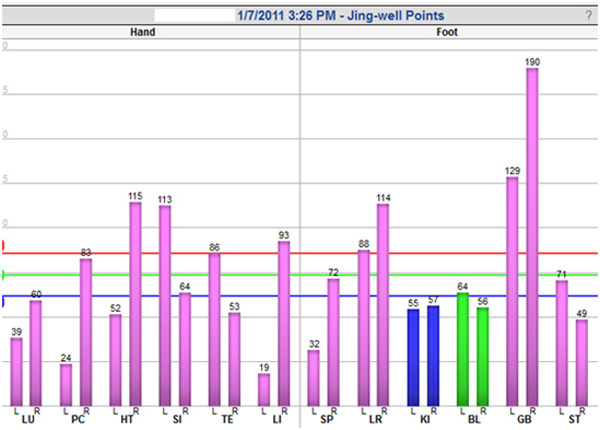
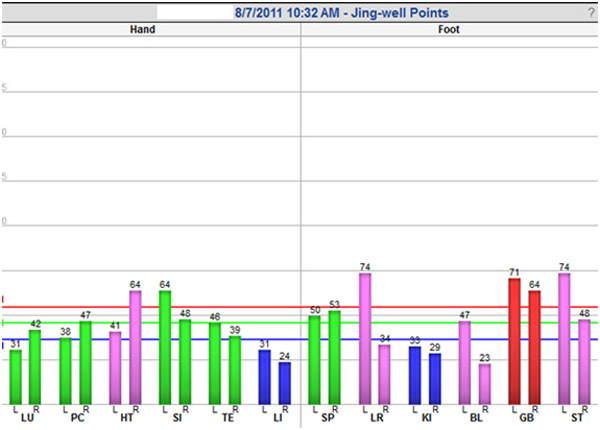
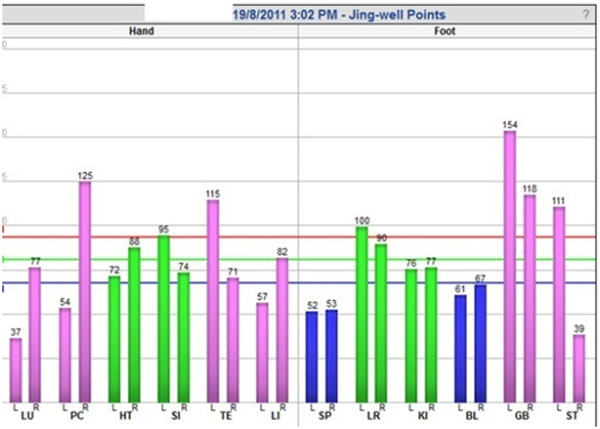


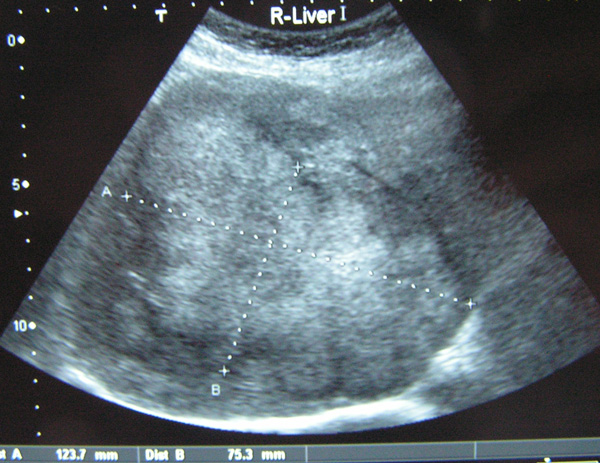

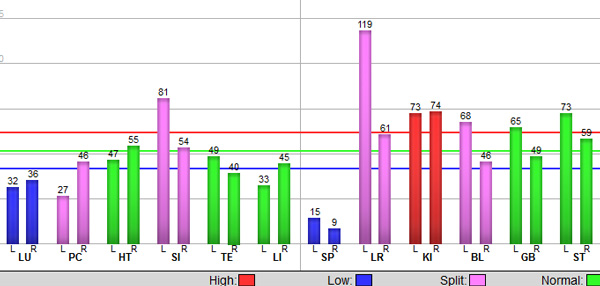

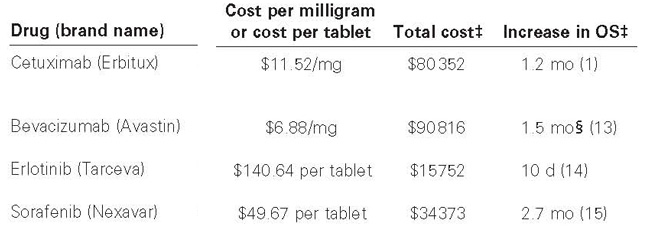


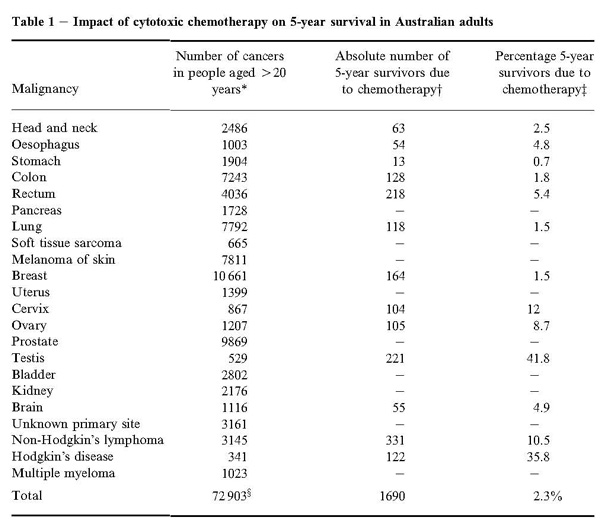
 CANCER STORY
You must be logged in to post a comment.