Research on effectiveness of herbs and alternative therapies for cancer
Author: CA Care
In obedience to God's will and counting on His mercies and blessings, and driven by the desire to care for one another, we seek to provide help, direction and relief to those who suffer from cancer.
A 43-year old lady had constipation problem. She went to the hospital. The doctor did an operation on her and discovered that cancerous tumours had invaded the ovaries, pelvic cavity, omentum, part of the colon and the surface of liver. This was classified as Stage 4 (T3bNxM1) cancer.
Can cancer just appear like that? It is not likely. Perhaps there are early signals or signs that were being presented years before – could you recognise these signals? Do you care or are you not bothered?
In the desire to climb the career ladder it is worth realizing that health is most important. Take time to BE. In silence learn to know what the body is telling you.
As for this lady, there were some signals but she just took them for granted, referring to take Panadol to silence them all. To you ladies take note that irregular, painful, periods indicate imbalances in the body, especially the liver. This 43-year-old-lady had been having pains but ignored them. In addition she did not have her periods for up to six months, then when her periods came it was a very heavy flow, with dark coloured blood clots.
According to the Chinese, blood clots indicate stagnation. Absence or irregular period, etc., all indicate stagnation or poor qi circulation. Stagnation leads to blockage of blood and qi flow leading to pain. If stagnation is allowed to persist, over a long period it transforms into mass which later manifest as tumours.
1997. Melisa’s problem started when she had severe pains in the shoulder muscles. At night she had muscle cramps in the legs. She went to see a doctor who told her that nothing was wrong and that she had been working too hard. She should take a holiday and relax. Some months later she did her annual pap smear. Her doctor said everything was alright.
A few months later, she suffered severe, heavy bleeding. The blood discharge had clots and it flowed out rather suddenly and wet the entire floor of the bathroom.
October 1998. She went to see a gynaecologist at a private hospital. A biopsy confirmed she had cancer. She underwent a hysterectomy. The pathology report dated 2 October 1998 stated the following:
Hysterectomy specimen: uterus and cervix including short vaginal cuff and parametrium together with both appendages weighing in toto 160 grams.
The cervix showed a whitish fleshy friable tumour invading almost the entire length and thickness of its wall measuring 5 x 2 x 1.5 cm. The ectocervix and lower uterine segment were also found to be invaded. The vaginal cuff and parametrium were grossly free from any tumour invasion.
Interpretation: 1. Adenosquamous cell carcinoma of cervix with micrcoscopic invasion of parametrium but vaginal cuff was clear. Figo Stage 1b. 2. Metastatic involvement of one left internal iliac node.
Remark: altogether twelve right pelvic node and eight left pelvic nodes were received.
After the operation, she underwent radiation treatments in a hospital in Penang.She suffered badly from the radiotherapy. Barely two months afterwards, Melisa ended up having to go in and out of the hospital due to pains, fevers and high temperatures. Later, a scan showed that there was pus in her abdomen. The doctor extracted out the pus. She was well for a while. Then, a scan revealed that the cancer had spread to her lungs and liver.
Melisa ended up in a hospital in Singapore – in search for a cure. The doctor at first suggested that she underwent a liver surgery to remove the infected parts. Melisa reasoned out how surgery could have helped her when the entire liver and lungs were infected with cancer? She declined surgery but went ahead with chemotherapy. The first shot of chemotherapy was tolerable but the second and third cycles were really bad. She preferred to die rather than complete the entire regimen.
One of her employee told Melisa to seek the help of a Dr.Teo. On 19 March 2000, Melisa came to see us. At that time she could hardly walk.
We requested to have an interview with Melisa so that we can share her healing experience with others. She agreed. On 14 June 2001 at 4 p.m. a video-taped interview was conducted. Let Melisa herself tell you of her healing experience.
Tell us about your experience of radiotherapy that you had in Penang.
I underwent 25 times of radiation treatment and one session of “internal treatment”. For this internal treatment, three long probes were inserted into me and I had to lie on the bed for 72 hours in a special room – immobilised. During that treatment the doctor visited me once. This was an experience that I would not wish to go through again.
I suffered badly from the radiation treatments. I had sore mouth, was constipated and the anus bled. Sometimes I had diarrhoea. I felt like having a fire inside me. I could not eat or sleep. I vomited. Every morning when I woke up, I dread the thought of having to go through the radiation treatment again.
After the radiotherapy, were you cured or did you feel better?
No. Barely two months past, I spent time in and out of the hospital. I had pains, fevers and high temperatures. The doctor did not know exactly what was wrong with me. Then later, another doctor in the same hospital took a scan and detected that I had pus in my abdomen. I was hospitalised for eight days and the doctor extracted out some 600 ml of pus from my abdomen. He did it three times. Then I was alright. A few months later, during a follow-up visit, a scan showed that the cancer had spread to both my liver and the lungs.
What did the doctor say about the cancer that had spread? How serious was it?
The doctor told me that both these organs had numerous dots and at least thirty spots were visible. They were the sizes of five, ten and twenty cents coins.
There was nothing the gynaecologist could do for me. I went to consult a doctor at the cancer hospital. He told me that I could do chemotherapy as a palliative measure but in my case there was no hope for a cure. This was the last stage cancer. I was told to go and make out my will. My gynaecologist was a nice person – he tried to find doctors elsewhere for me to proceed further with my treatments. At last, I landed in Singapore.
Tell us about your treatment in Singapore.
The oncologist at first suggested that I had surgery to remove those infected parts. On consultation with my Penang doctor, I asked the oncologist how surgery could remove all those spots in the liver. The oncologist replied: Who is the cancer doctor, I or your doctor in Penang? I refused to have the surgery but agreed to go along with chemotherapy.
Before doing the chemotherapy, were you told what this treatment is all about? The side effects and benefits.
No. I had all along believed that the treatment was to kill and get rid of the cancer cells. I was not told that the treatments would be difficult and I had to suffer such side effects. The doctor did not carry out any further test or diagnosis. The appointment was fixed and chemotherapy started the next day “otherwise the cancer cells would spread more” (that was what the doctor told me). I was scheduled to do six cycles divided into 12 shots, i.e. 2 injections represent one cycle. I did not know what drugs were used on me.
(It is indeed most regrettable that Melisa was not able to produce the scan of her metastatic condition. Her Singapore oncologist kept the medical report and scan films. She requested that these be returned to her. Unfortunately, the oncologist refused telling Melisa that she had not completed her chemo-treatments and that he would not be able to return those films and report. This same oncologist also did not disclose the chemo-drugs used on her (many patients also told similar things about this same doctor. This was not an isolated case experienced by Melisa alone).
Point to ponder: The report and films rightly belong to Melisa. She brought them along to Singapore. How could it become the property of the oncologist? Why did the doctor want to keep her record? We wonder if such conduct is humane/ethical or what? Informed consent means that the doctor is supposed to explain the consequences of the treatment plan to their patients – telling them of both the good and the bad).
Tell us what was it like to be on chemotherapy?
It is very difficult to put in words the sufferings I had to endure.
The first chemo-short was tolerable. I felt sleepy, tired and groggy. I did not vomit but I could not sleep.
The second and third shots were really bad. Everything seemed not right. Sitting down was also not right, standing up was also not right. I could not sleep. In whatever position I was in, I just did not feel right. I could not eat. I felt something was blocked in the chest. The stomach felt bloated and there was wind trying to push out. Sometime I vomited. It was difficult to breathe. My hair dropped off every time I bathe and it blocked the drainage hole of the bathroom. When I stood up I felt like falling down. I could not get into the car – felt giddy and the world spinning around me.
Under such a situation I felt I would rather die. Remaining alive had no meaning any more.
Having got to go through that agony, what did the doctor say about the chances of your cure?
He said it all depends on me. He did not know what my chance was. He saidI should be lucky if I could live for three to six months. If I survive then he would give me more chemos. I came to understand that I was given chemo to prolong my life for three to six months. The doctor also told me that if I die I would not die in pain if I had chemotherapy.
(Point to ponder: Chemotherapy was given to Melisa just to prolongher life for three to six months? And when she dies, she is NOT supposed to die in pain, if she had chemotherapy. Right? Is that logical? What about the sufferings she had to endure while on chemotherapy? Also, if she survived – she would need to have more chemos? Where is the cure? When is the chemotherapy going to stop – when she dies?)
How much did it cost you to get your treatment?
One shot of chemotherapy (given over two times) cost me S$6000, i.e. RM 12,000. In addition I have to pay for other costs – like blood test, hospital, hotel, travel etc. So, all in all, each visit to the hospital cost me about RM 15,000 to 20,000.
After all these sufferings and expenses, did your health improved?
No. I was not better at all. I felt miserable. I could not work. I could not do what I like. I had to stay home. I could not even walk out to the gate of my house for lack of strength. I could not sleep and I could not stand up for long. I felt heaty inside. When I put on the air-con full blast, my head felt cold. When I put off the air-cond, I felt I was on fire. In the middle of the night I stood or sat by the window looking out into the darkness and felt the cool air. I wondered if life is worth living. Life has no more meaning – to be alive like this. I knew I was dying.
Did you gave up chemotherapy?
No. Not yet. Then, one nice worker of mine, who worked in the factory came and told me about CA Care which is right in Penang and which I did not even know about. Since I have NO other avenues – To do chemo also die, not to do chemo also die – I then decided to come and see you.
What happened after you came to see us and took the herbs? This is what happened after I took the herbs that you prescribed.
The first day, nothing spectacular happened. I only started to urinate a lot and felt a bit better. The urine was smelly. Before the herbs the urine was always heaty.
The second day on the herbs, I vomited. Anyway, I kept telling myself. This was to get rid of something in me. I still urinated a lot.
The third day was great. I felt the muscle in the neck had loosened up. I was able to put on my dress and went to my office. Before the herbs I was not able to go to my office. Also I was not able to sit in the car. Now I could do all these. Even my office worker was surprised and asked me if I was already well. I felt elated and confidence grew within me. I knew I was on the right path to healing. From that day on I felt better and better.
Then, did you continue with your chemotherapy?
I felt better with the herbs. I was in a dilemma – not sure if I should continue with the chemotherapy or not. I asked your opinion but you (Dr. Teo) were non-committal. I went to consult my gynaecologist and seek for more information. It was then that I learnt that chemo-drugs are actually poisons. They not only kill the cancer cells, but also kill the good cells and may destroy the vital organs in my body. All along I thought that chemo-drugs kill only the cancer cells and they would cure me. If this was what it is, I reasoned that all these treatments would damage the organs in my body. How could my body recover from the cancer? I could NOT sleep the whole night and was unsure of what to do. My husband also told me that I had to make up my own mind and decide for myself. At last, I came to the decision NOT to continue with the chemotherapy.
When you decided to stop the chemotherapy – were you under pressure to change this decision? Yes. Many people said many things to me. The problem is that all these comments came from people who NEVER experience the sufferings – they did not know what it was like to suffer from those chemo-drugs. Then the nurse from the Singapore oncologist called me THREE times asking me to come back and complete my treatments. In addition, the oncologist personally talked to me TWICE over the phone telling me to come and complete the treatment. They told me that it would be dangerous if I did not complete the treatment. However, I was firm in my decision. In the last conversation with the oncologist, I told him that I have NO MORE MONEY to pay for the treatments. With that, no more calls came from his office. My ploy to get him off my back worked!
After you gave up chemotherapy and were on the herbs – did you take any other herbs as well?
No. I was firm with this. There were many kind-hearted and well meaning people who came and told me about who is good or what is good for me. I listened to them but I was firm on taking your herbs only. Some people commented that I have been taking the herbs for so long and I should change them for something else. There is no reason to. The herbs helped me and l kept taking them.
Now, Melisa – you have been on the herbs for about 1 year 3 months now. Did you at any one time experience any difficulty?
No. I felt better with each day. Before I had cancer I was very active – running around like a horse. Then when I was sick I could not do anything – could not even walk to the toilet. Now, I am back to almost normal like I was before – running around again like the same horse before. I drove by myself to Johor Baru, Kelantan, Trengganu, etc. I flew to Hong Kong. I drove my four-wheel drive into the hills. I visited my durian plantation. I played golf and carried my own golf bag. I worked in my factory and office from morning till night. I felt normal and I did not worry about my illness at all. I know I am alright now.
Did you go back to see your doctor for any check up?
No. I used to meet my doctor and he asked me to go back to the hospital and do a scan every six months. He also called me in the office. I said, yes, yes and smiled. Once, I asked my doctor: what would you do if the scan shows that I have a tumour inside me? He said, wellgo for chemotherapy. No, another chemotherapy is not the answer for me.
Melisa, tell us what do you think is the secret of your healing success?
I believe three factors had contributed to my healing. One – 30 percent was due to my full confidence and faith in the healer. If I have difficulty and if it concerned medical procedures, I went to see my gynaecologist and if I have problems related to my cancer I come to see you (Dr.Teo).
Two – 50 percent, was due to the herbs. They helped me from day one of my taking them. I felt the effects almost immediately. From day three I was able to go to my office. From then on I knew that the herbs were good and right for me. I have no doubt about that.
Three – 20 percent was due to my mental attitude. After I came and see you I knew that I have found my way to healing. I was happy and I did not worry any more. I took life positively. I became well. I look forward to living another 20 years and more. For now, I am hoping to build up my company – bigger and bigger. And I shall continue to take the herbs without fail. In fact, I need to tell you this. I took the capsules A and B five times a day instead of three. I kept the herbs in the office, in the car and by my bed. I took the teas using ten spoonfuls instead of six spoonfuls as you told me to take. I took MORE herbs and never less. Some friends said that the herbs were smelly, tasted so awful and I should look out for better alternatives. I must say I should thank the herbs for helping me. In fact, I figured that I hope to be able to take the herbs for the next twenty years or more. I have my hope. I have my vision and my dreams. I know where I am going.
Melisa related to us two interesting episodes.
A nurse in the gynaecologist’s office called Melisa’s office one day. She discretely asked the operator if Melisa was still alive. Her staff replied that her boss was still around and had gone to Hong Kong. The nurse asked if she went to Hong Kong for medical treatment. No, no….on business.
Melisa told us that many of her friends never believed that she had cancer in the first place! On day, one medical doctor came into her office and asked her husband if there was a lady in his office who had cancer and was supposed to die but had recovered instead. Her husband said it was his wife. At the time Melisa walked into the office and the doctor burst out: Who said that people who had cancer need to die?
Comments
We rejoice in this healing. We pray that God will show Melisa His grace and blessing for many more years to come.
It was with sadness that about two years later, Melisa’s urinary track failed and she had stents installed. She was told that this was caused by her earlier radiation treatment. Then her husband found another woman and this led to a divorce. Melisa died soon afterwards.
Jonathan Chamberlain’s wife, Bernadette, was diagnosed with cervical cancer in 1993. She underwent surgical investigation, radiation and chemotherapy and was dead exactly a year later. There is no doubt that she died as much from the treatment as from the cancer itself. Looking back, Chamberlain feels that the biggest mistake they made was to do what the doctors advised because Bernadette could not have died sooner if they had done nothing.
In his book: Cancer Recovery Guide, pg. 28, Jonathan Chamberlain wrote:
When my wife Bernadette learned that despite all the surgery, radiation and chemotherapy her tumour had returned, she was informed that she had three months to live. She was told this on 17 January. She died on 16 April. Three months exactly.
I had a chance to talk with Jonathan when he visited CA Care in 2009. In our conversation one evening by the beach, Jonathan said:
From my own experience with my wife, we were in awe of the doctors …. We were in awe of our ignorance. We assumed that the doctors were best … I realized that was the biggest mistake I have ever made – to do what the doctors advise. You learn the hard way.
She (wife) suffered from chemotherapy and it killed her. She died not just from cancer. She died from cancer plus chemotherapy. She died within one year because she did everything that doctor advised her.
RAM was a 64-year-old lady from Indonesia. She was diagnosed with cervical cancer in December 2000. According to her daughter, the tumour was only the size of a green pea and was visible. RAM was referred to the cancer hospital for treatment. In January 2001, she was started on radiotherapy. Altogether she had 26 radiation treatments and this was followed by HDR brachytherapy (i.e., internal radiotherapy). She also underwent chemotherapy at the same time.
After the medical treatments, RAM was alright for a while. In March 2002, RAM started to have pains in the backbone and the abdomen. A CT scan done on 13 March 2002 showed the presence of at least three hypodense foci in segment 6 of right lobe of her liver suspicious of either cysts or metastatic deposits. Her uterus was distended with fluid within the endometrial cavity. There was mild thickening of the uterine cervix, post radiotherapy. Multiple sclerotic foci scattered in the lumbar vertebral bodies, iliac bones and right head of femur. These were suggestive of sclerotic bony metastasis.
RAM went back to the same cancer hospital. She again underwent 11 times of radiotherapy. After the treatment, RAM’s health started to deteriorate. Disappointed, she went to another private hospital in Penang. The medical report dated 22 June 2002 stated, “She consulted me for the first time on 17 June 2002 with complaints of severe pain in the back and right side of the face. X-rays confirmed secondary sclerotic lesions in the ribs, clavicles, scapulae, skull vault, upper cervical spine and lumbosacral spine suggestive of metastases”. This meant the cancer had spread extensive to her bones. The doctor prescribed RAM a three-month supply of artificial saliva, amitriptylline, morphine sulphate and maxolon.
RAM stopped coming to Penang for treatment. She stayed home. Her entire right side of the body was in pain. She was not able to eat. She breathed with difficulty. Her daughter came to see us on 30 August 2002.
Comments
A small pea-sized tumour in the cervix had created havoc within a year. Are we made to believe that this is a natural course of event in cervical cancer – a pea-sized monster suddenly becoming ferocious and invaded the liver, ribs, skull and bones all over the body?
How could that be? Think carefully and calmly. Could it be due the chemo-drugs or the deadly radiation? If RAM was to take it easy – if she were to do NOTHING, would she be in her current situation? Would NO treatment at all make her worse off? What could have been worse than the current situation?
Her daughter told us that RAM was a healthy lady and weighed 65 kg when she started with medical treatments. After the treatment she became a vegetable. In June 2002, the doctor told her family that RAM had only THREE months to live. RAM eventually died, 1 year and 8 months after her diagnosis.
When I first read the opening pages of this no-holds-barred book, The Confession of a Medical Heretics, I was taken aback, amused and wondered if I was reading the correct book. The author, Dr. Robert Mendelsohn was an experienced, senior medical doctor – known to millions of Americans through his nationally syndicated column The People’s Doctor. He was an associate professor at the University of Illinois Medical School and a director of Chicago’s Michael Reese Hospital. He was also chairman of the Medical Licensure Committee of the state of Illinois. Read what he wrote.
Dr. Mendelsohn confessed that:
· I once believed in modern medicine … But, I no longer believe in modern medicine.
· I believe that …the greatest danger to your health is the doctor who practices modern medicine…I believe that more than ninety percent of Modern Medicine could disappear from the face of the earth – doctors, hospitals, drugs and equipment – and the effect on our health would be … beneficial.
· I believe that modern medicine’s treatment for disease are seldom effective and that they’re often more dangerous than the diseases they’re designed to treat.
The following are Dr. Mendelsohn’s advices to you and me:
· I don’t advise anyone who has no symptoms to go to the doctor for a physical examination. For those with symptoms, it is not such a good idea, either. Unless of course it is an emergency like accidents, etc.
Dr. Mendelsohn reminded us that, If you are foolish enough to make yearly visit for a routine check-up, to be aware of the following:
1) Beware that you may be used for purposes other than your own. You may be subjected or asked to undergo certain procedures for the doctor’s own good.
2) Be reminded that doctors are unable to recognize wellness. They are trained to treat diseases and most likely he will always find something wrong with you.
3) As long as the doctor is in control, he can define and manipulate the limits of health and diseases anyway he chooses. Of course, not all are that dishonest. But the worse scenario is when he has vested interest in something or procedure. Dr. Mendelsohn said: beware of the doctor’s self-interest.
4) Doctors almost always get more reward and recognition for intervening than not intervening. A good analogy to this advice is., ask a barber what to do with your hair. Invariable you will get your hair snipped off for one reason or another. If there is not much chance to snip anything off, then you may end with a different coloured hair.
5) If you are given drugs to take, ask questions and study the side effects of the drugs. For example, if you are given pills for high blood pressure. Take note that there are numerous documented side effects related to the drug – from rashes, muscle cramps to loss of sex drive in both men and women. Dr. Mendelsohn wrote: I wonder just how much of the middle aged population suffers from impotence, not from any psychological cause but simply from their blood pressure medication.
Again, Dr. Mendelsohn asked: what kind of person will take that drug after reading the information? Unfortunately, many of us feel helpless. We are frightened to death. We fear after being told that something has gone extremely wrong with us. In haste, we just don’t think long or far enough. We swallow anything that is given to us. For this reason drug companies sell thousands of tons of pills each month just to pacify those instilled fears – real or perceived. We do not have the slightest inkling of what these chemicals are going to do to us.
6) Dr. Mendelsohn gave an amazing advice, If you are sick … your first defense is to have more information about your problem … You’ve got to learn about your disease and that’s not very hard. You can get the same books the doctor studied from. Read them. It is most likely that after reading you will be more informed than the doctor himself.
In this respect, I urge you to read more than one book. Go into the net and you will be amazed as to how much information you can get – all for free. Let me also ask you to consider this. How long do you get to talk to your doctor when you see him/her? Is it one minute, five minutes or half an hour? I got only a minute for my skin problem and I was shown the door after that. He did not answer any of my questions. Do you think, within that time span the doctor knows what is going on with you? Indeed, the best defense is not to abdicate the responsibility of your health to someone else. Your well being is your responsibility. The bottom line is, if you read and when you get to see your doctor, you can ask sensible questions.
7) Dr. Mendelsohn said, Ask the doctor questions. In some cases, he’ll answer the questions. That’s the rare exception. It seems that doctors are extremely busy people and if you ask too much questions, he may just throw you out of his office. Patients told me these were what they got if they asked too much: Why do you want to know so much? I am doctor or you are doctor? But read what this good doctor wrote, Ask the questions anyway. From his attitude and his response you can judge him as a human being and get an idea of his expertise.
8) This is indeed a hard advice to swallow when Dr. Mendelsohn wrote, Doctors in general should be treated with about the same degree of trust as used car salesman. Whatever your doctor says or recommends, you have to first consider how it will benefit him. Make no mistake these words come from an experienced and senior doctor – chairman of the Medical Licensure Committee of the state of Illinois. The privilege was his to say. In his book he even said that if you don’t like the drug prescribed but you still need to be goody-goody with your doctor, then dump the drugs in the waste chute on the way home!
9) If you have a decision to make, this is one advice that Dr. Mendelsohn gave which again amazed and shocked me to the core. He said, You should seek out and talk to people you regard as having wisdom. Doctors tell you – don’t listen to the untrained, the quacks or pseudo-scientists. But Dr. Mendelsohn wrote, They are wrong – they are protecting their sacred authority. You may find that you can do without the doctor!
There are a few more shocking advices that he gave. Being a director of a Chicago hospital, Dr. Mendelsohn wrote,
A hospital is like a war. You should try your best to stay out of it, and if you get into it you should … get out as soon as you can…. For the hospital is … one of the most dangerous places on earth.
Overall, your chances of getting an infection in the hospital are about one in twenty … Half of the infections in hospitals are caused by contaminated medical devices … sheets, pillow cases, linens … Just because it’s white doesn’t mean it’s clean … the linens may be washed but the mattresses and pillows are not.
Everything gets mixed up in hospitals – including patients. Mix-ups occur … all the times. Surgeons operate on the wrong leg. Medicines are given to the wrong patients…wrong food is served to people … even babies are mixed up.
There are many more shocking points eloborated in Dr. Mendelson’s book. Just try to get a copy of this book and read for yourself. Let me end by this remark made,
I believe that my generation of doctors will be remembered for two things – the miracles that turned to mayhem, (that is the abuse of penicillin and cortisone); and for the millions of mutilations which are ceremoniously carried out every year in the operating rooms.
Don’t just read one or two books and pronounce yourself saved. Read 100 books! Read every book you can find on the subject of health, especially those that expose the dangerous inadequacies of Modern Medicine. Get use to the idea right away that NO SINGLE system can or should claim to have an exclusive fix on the dynamics of health.
I am writing on behalf of a neighbour of mine who is suffering from a type of cancer that I have never heard of until now. It is called Myelodysplastic Syndrome (with AML transformation). He went on a clinical trial treatment using a drug called Decitabine.
He has gone for five cycles of the drug now and due for the last one in November 2011. His name is DT.
DT seems to be responding to this treatment because his blood count has gone back to normal. Only problem is this is only short term as the root cause of the problem is in his bone marrow. His doctor is recommending that he goes for a bone marrow transplant, which will cost him SGD 40,000. The current treatment would have cost him SGD 48,000 but since he does not have money, they offered him for free. Apparently in Singapore past clinical trial using this drug indicated that only 1 out of 20 responded positively to this drug. In this trial, he is the only ‘rat’ and seems to work on him.
He does not wish to go for the bone marrow transplant because he does not have the money and doctor told him the procedure is very risky and he may die during the process. So he called me and I am writing to you.
From talking to DT, I think he has poisoned his body from his past occupation working with chemicals in pest control, etc., which may be the cause of MDS.
I am checking your availability this week and next week so I can bring him to see you. He is still weak but at least he can walk now. The last time I saw him four months ago, he was in terrible shape. He is also suffering from psoriasis which was how they discovered his MDS during the psoriasis treatment.
Rgds, KG
DT came to see us on 11 November 2011. Listen to our conversation that day.
Comments
Doctors are men who prescribe medicine of which they know little, to cure diseases of which they know less, in human beings of whom they know nothing ~ Voltaire, author and philosopher, 1760
My first advice to patient, after having seen a doctor and been diagnosed with a disease, is to take care of yourself. Empower yourself with knowledge – meaning you have to do a lot of “homework” and read about your problem yourself. In this way you can understand what your doctor is doing to you. There are times when you need to make your own decisions.
Indeed we are lucky living today in an information technology era. Whatever you want to know can be obtained and answered with a “click of the mouse”. This is exactly what I did with the internet to learn more about the problems faced by this patient. So before we start to ask questions, let us know first.
About Psoriasis
Psoriasis is an autoimmune chronic disorder of the skin caused by accelerated speed of skin reproduction. It manifests as scaly spots on the skin. One of the major symptoms of psoriasis is joint inflammation. Psoriasis is not a contagious disease.
The treatment for psoriasis includes the use of creams and ointments, oral medicines such as thioguanine, hydroxyurea, cyclosporine, methotrexate, etc. Phototherapy – artificial or natural ultra violet light – is another method used to treat psoriasis.
In spite of a range of options, there is no known cure for this disease. The disease is unpredictable, going through random cycles of improvement and worsening. The effectiveness of psoriasis treatments can be unpredictable. What works well for one person might be ineffective for someone else.
About Myelodysplastic Syndromes(MDS)
MDS is formerly known as preleukemia. The prefix “myelo” means spinal cord or bone marrow, while “dysplastic” means abnormal development. So MDS is a diverse collection of blood-related medical conditions that involve ineffective production of the myeloid class of blood cells when something goes wrong in the bone marrow. The bone marrow does not make enough normal blood cells for the body
Patients with MDS often develop severe anemia and require frequent blood transfusions. Patients may also develop low blood counts due to progressive bone marrow failure.
Some types of MDS are mild and easily managed, while other types are severe and life-threatening. Mild MDS can grow more severe over time. About one third of patients with MDS may end up with acute myelogenous leukemia (AML). This can happen within months to a few years.
Treatment: There is no cure for MDS. But there are three treatment options.
Supportive care – patients with low-risk MDS are usually treated with supportive therapy such as blood transfusion, use of blood growth factors and antibiotics to fight infection.
Chemotherapy – the chemo-drugs used include Lenalidomide (Revlimid), Decitabine (Dacogen), Azacitidine (Vidaza, Mylosar), Cytarabine (Cytosar-U, Tarabine PFS), Idarubicin (Idamycin), and Daunorubicin (Cerubidine, Rubidomycin).
Bone marrow transplant (BMT) – this is a procedure to replace damaged or destroyed bone marrow with healthy bone marrow stem cells.
In the case of this patient, DT first went to the doctor because of his long-standing skin problem, psoriasis. Although he was give a certain cream to apply it did not work for him. This is not unexpected because medical science cannot cure psoriasis.
From psoriasis, the doctors diagnosed DT with MDS – a preleukemia condition. DT was admitted into a chemotherapy clinical trial using the drug, Decitabine or Dacogen. After six cycles of Decitabine his blood parameters became normal. And here we can ask a few questions:
1. Chemotherapy normalised his blood but did it cure his MDS? The answer is probably not. The doctors told him that the disease will recur within a few months if he does not undergo a bone marrow transplantation. So, one dangerous treatment leads to yet another dangerous treatment.
2. Patient had psoriasis and he was treated for MDS. Okay, but did chemotherapy helped his psoriasis? The answer is also no. His psoriasis still persists (see photos).
3. How effective is the chemo-drug Decitabine? And what are the side effects? Let’s go into the website and learn more.
Decitabine is a US-FDA approved drug for treating myelodysplastic syndrome. Before I was able to read the information on this drug from the company’s website, http://www.dacogen.com/, the following Safety Information popped out. I needed to click this “safety button” first before I could get to read the rest of the information in the website: Yes, I have read the DACOGEN Important Safety Information (below).
Treatment with DACOGEN is associated with neutropenia and thrombocytopenia – neutropenia (87%), thrombocytopenia (85%), febrile neutropenia (23%), and leukopenia (22%).
DACOGEN may cause fetal harm when administered to a pregnant woman. Men with female partners of childbearing potential should use effective contraception during this time.
Bone marrow suppression was the most frequent cause of dose reduction, delay, and discontinuation. Six patients had fatal events associated with their underlying disease and myelosuppression (anemia, neutropenia, and thrombocytopenia).
Of the 83 DACOGEN-treated patients, 8 permanently discontinued therapy for adverse events compared to 1 of 81 patients in the supportive care arm.
In the single-arm study, hematologic toxicities and infections were the most frequent causes of dose delays and discontinuation. Eight patients had fatal events due to infection and/or bleeding. Nineteen of 99 patients permanently discontinued therapy for adverse events.
Other commonly occurring reactions include fatigue, pyrexia, nausea, cough, petechiae, constipation, diarrhea, and hyperglycemia.
Because there are no data on use of DACOGEN in patients with renal or hepatic dysfunction, DACOGEN should be used with caution in these patients.
The overall response rate is only 17% consisting of 9% Complete Response (CR) and 8% Partial Response (PR).
That is the message I would like to impart to cancer patients. Before you go into any invasive treatments, read first and know what you are up against. Know the risks and make your decisions accordingly. In cancer treatment, it seems there is no such thing as right or wrong answer. Take your risks and hope for the best.
After enduring the discomforts and “danger” of chemotherapy, DT came out of this experience rather well but the treatment did not solve his problem at all. He still has psoriasis and he was told that without BMT (bone marrow transplantation) he would suffer a recurrence of his MDS. DT did not want to proceed with BMT – in other words he wanted to give up medical treatment.
This is another message I would like patients to think about. Why abandon your medical treatment half way? To achieve medical success DT has to undergo BMT and if he does not do that the purpose of him having chemotherapy earlier becomes meaningless. If you do not wish to proceed with BMT would it be wise for you to undergo chemotherapy in the first place? I have encountered similar situations very often. Patients went to the doctors. They did CT scan, scoping, biopsy, etc. When asked to undergo an operation or chemotherapy, they backed out. It is good to do the CT scan or the scope to know what has gone wrong. But to do a biopsy? There is no need to do a biopsy if you have already decided not to proceed with surgery or chemotherapy or radiotherapy. It is meaningless.
About Bone Marrow Transplantation
Let me be clear. I am not saying DT should undergo BMT after his chemotherapy. I know the risk and danger of such procedure. Let’s have a closer look of what BMT is all about first.
There are three kinds of bone marrow transplants:
Autologous bone marrow transplant: “Auto” means “self.” Stem cells are removed from you before you receive high-dose chemotherapy or radiation treatment. After these treatments are done, your stems cells are put back in your body.
Allogeneic bone marrow transplant: “Allo” means “other.” Stem cells are removed from another person, called a donor.
Umbilical cord blood transplant: Stem cells are removed from a newborn baby’s umbilical cord immediately after being born. The stem cells are stored until they are needed for a transplant.
Before the transplant, myeloablative chemotherapy and / or radiation are given to kill any cancer cells that may be present. This allows new stem cells to grow in the bone marrow. In some cases, reduced intensity (or nonmyeloablative) treatment is done before a BMT. It is hoped that the newly implanted bone marrow will “match” and go to produce healthy cells.
Risks
Infections, which can be very serious
Bleeding in the lungs, the intestines, brain, and other areas of the body
Anemia
Stomach problems, including diarrhea, nausea, and vomiting
Pain
Inflammation and sorenes in the mouth, throat, esophagus, and stomach, called mucositis
Damage to the kidneys, liver, lungs, and heart
Cataracts
Early menopause
Graft failure, which means that the new cells do not settle into the body and start producing stem cells
A bone marrow transplant may completely or partially cure your illness.
Complications or failure of the bone marrow transplant can lead to death.
From my experience, I know of patients who went through BMT and died. And I know of Peter (not real name) who was asked to under a BMT so that he could live ten or more years longer. He refused. Peter was on our herbs and it has been fifteen years now, and Peter is healthy. Click this link to read more, https://cancercaremalaysia.com/2011/09/18/nhl-kidney-cancer-free-after-six-months-on-the-herbs-2/.
But let not my experience influence you. Let us ask the computer these two questions:
What is the risk of dying while undergoing BTM? There is no clear cut answer. The following are some indirect answers:
Two- to 5-year survival rates after transplantation plus chemotherapy range from 40 – 80%.
Complications or failure of the BMT can lead to death (with no percentage given). BMT carries a risk of treatment-related death.
The high-dose chemotherapy and total body irradiation required for BMT can have serious side effects. Before undergoing BMT, you will be asked to sign a consent form indicating that you have received verbal and written information to understand the risks and benefits of the proposed treatment.
Organ toxicity — The lungs, liver, and bones are at greatest risk of damage as a result of treatments used with BMT.
What is the long-term survival of BTM patients?
Although most were apparently well, survivors at 10 years and 15 years after BMT continued to have an increased risk of death. Causes of death were related to relapse of the underlying cancer, development of a second cancer, chronic GVHD, or transfusion-acquired viral infection.
In patients who receive an allogeneic BMT as treatment for acute myelogenous or lymphoblastic leukemia, chronic myelogenous leukemia, or aplastic anemia and who are free of their original disease two years later, the disease is probably cured.
Results of recent studies of allogeneic BMT for CML report long-term survival rates of 55%-80%, with median survival of more than 10 years.
3,788 patients had been observed for 10 or more years. The probability of being alive 10 years after HCT was 85%. The chief risk factors for late death included older age and chronic graft-versus-host disease (GVHD). For patients who underwent transplantation for malignancy, relapse was the most common cause of death
Having done all the reading, it is up to cancer patients themselves to make up their minds – to go for BMT or not. At CA Care we always say this, This is your life. It is you and only you, who can decide what you want to do with yourself. Others around you can only help but ultimately it is you and only you who will have to bear the consequences of your decision. So decide wisely.
Sar (S12) is a 63-year-old lady from Indonesia. She was diagnosed with Stage 3 colon cancer in 2008. Her daughter wrote, “ It was a shocking news. We decided to bring mom to Singapore to get the best possible treatment.”
Sar underwent a laparoscopic anterior resection for localized rectal cancer in April 2008. Four of 15 nodes were infected with cancer. Histopathology report confirmed a moderately differentiated adenocarcinoma – pT2N2. Sar did not receive any chemotherapy after the surgery.
About a year later, in June 2009, during a follow-up, the doctor detected her CEA was rising. Further investigation showed the cancer had spread to her lungs. Sar underwent chemotherapy. The regimen used was Xelox-Avastin (Capecitabine or XELODA +Oxaliplatin + Bevacizumab or AVASTIN). Sar received 6 cycles of this treatment. According to her doctor, the treatment helped stablised her disease. Unfortunately, such “fortune” did not last long. In less than a year, the cancer showed progression.
In January 2010, Sar underwent more chemotherapy. This time the regimen used was FOLFIRI + Avastin (Irinotecan + 5-FU + Lecovorin + Bevacizumab). She received a total of 8 cycles of this chemo. Again, according to her doctor, the treatment stablised her disease. But the doctor also suggested another new drug, Cetuximab (or Erbitux) to be added to the treatment regimen. But Sar could not afford the extraordinary high cost of this drug.
FOLFIRI + Avastin did not help Sar. The cancer continued to progress. In October 2010, a clinical trial comparing Cetuximab (or Erbitux) and panitumumab (or Vectibix) opened at Johns Hopkins Singapore. Sar participated in this trial from November 2010 to June 2011. She received a total of 13 cycles of the treatment at Johns Hopkins. Sar had initial response. But that turned out to be meaningless because later the cancer started to progress.
A PET scan evaluation on 26 July 2011 showed lung metastases as well as lymph node involvement in the mediastinum and para-aortic region. The conclusion: “Overall findings indicate disease progression on comparison with the previous PET study.”
Sar was asked to undergo more chemotherapy. On 29 July 2011, she and her two daughters came to seek our help. We prescribed her some herbs for her colon and lung. Unfortunately we do not get to see them again after this.
The only news we got was what we read in her daughter’s blog, “In total she (mom) has undergone 27 x chemo with three different drugs plus almost a SGD 100,000 loan. The debt is really pressurizing for her and her family who are average income earners. As for mom, she is still surviving in a fairly good condition and now taking herbs since the last chemo had stopped responding.”
Comments
It is indeed sad to hear such a story. Patients and their family went to the “best” for their medical treatment but the “best” failed them. But such a story is not an exceptional story – or is it a norm that happens most of the time? The conclusion is yours to make.
What saddened me most when dealing with cancer patients is their “lack of knowledge.” We can understand if patients are illiterate and therefore have to depend entirely on others – the “experts” to help them deal with their problems. But if you are able to read what I am writing now – then it would be most unfortunate indeed if you still choose to remain “uneducated”, ignorant or “blind”.
Let me pose some questions for you to ponder on.
Her daughter wrote, “We decided to bring mom to Singapore to get the best possible treatment.” The patient received the best treatments alright – and the most expensive treatment as well? But what about the outcome? Did she get the best outcome?
Do you still believe that money can “buy” the cure for cancer? I am reminded of what I wrote in the website earlier. Click this link, https://cancercaremalaysia.com/2010/11/20/the-world%E2%80%99s-most-well-fought-battle-against-colon-cancer/ and you can read about the case of Tony Snow. I gave that article the title – the World’s most well fought battle…Why? This is because the man involved in this battle against colon cancer, Tony Snow, used to walk along the corridor of powerin the most powerful political office on earth. He lost his battle against colon cancer and died. Did he not get the best – the best doctors, the best hospital and the “best” support from the most powerful man on earth? Why did he die? And if you have time, browse through the same website and learn for yourself why many patients who did not get the “best” still survive their colon cancer.
Did it ever occur to you that before you undergo invasive treatment such as surgery, chemotherapy or radiotherapy that you should ask your doctors if these treatments would cure you cancer? Most people don’t ask – they assume that since they get the best, the treatment outcomes would also be the “best”. I always remind patients – ask what the chances of you getting a “cure” are before you undergo any treatment. If you want make sure that you speak the same language like your doctor. Cure means getting rid of your cancer altogether, not just “remission” or buying of time. If the “expert” you are dealing with do not give you a clear cut convincing answer, you might want to seek a second or third opinion from different sources. Weight out the pros and cons before you decide on the path to take.
In this case, Sar was given 6 cycles of Xelox-Avastin. Did it ever occur to you to check with reliable sources what these drugs can or cannot do for patients with lung metastases? Does Avastin ever cure lung metastasis? How effective is the Xelox regimen for metastatic colon cancer?
You can get all these answers if you spend enough time at your computer. Or do you prefer to remain blind and ignorant. For some the easy way out is to be ignorant – after all this is what they often say, ignorance is bliss.
After Xelox-Avastin had failed. Sar underwent more chemo. But this time following the FOLFIRI + Avastin regimen. Is this not doing the same old thing over and over again? Different combination of poisons but the mindset remains the same. This is what Einstein said, “Insanityis doing the same thing over and over again and expecting different results.”
From the internet, information on the effectiveness of Avastin and other expensive chemo-drugs are readily available. To get you started, just click the links below. From there, I wish you a happy journey – go, read more!
“My mom’s oncologist told us her cancer had recurred and if she does chemo it will extend her life by another six months, and if lucky another twelve months. But the oncologist does not recommend chemo and thought the treatment would make her worse. He suggested waiting until her condition becomes painful or other symptoms appear. He told us chemotherapy does not cure her cancer and it does not make much difference.”
Ati (S-71) is a 44-year-old lady from Aceh, Indonesia. Sometime in early 2011, the nipple in her right breast retracted. There was no discharge but she felt pulling pains. Although Ati is a staff in a hospital, she refused medical treatment. She went to seek the help of a sinseh in Medan and was on his herbs. Since this did not help her, she came to a private hospital in Penang in February 2011.
Ati underwent a mastectomy. The histopathology report indicated an infiltrating ductal carcinoma, Stage 2 (T2bN1Mx). One of the five axillary lymph nodes was positive for metastatic cancer. The tumour was positive for ER, PR and c-erbB2 receptors.
After this Ati returned to Aceh. She started to take the tea made from sour sop leaves for about one and half months. She came back to see her surgeon again for a follow up. MRI done on 8 April 2011 indicated multiple ill define mixed lytic and sclerotic lesions involving the spine – predominantly at the lower thoracic and lumbar spine as well as in the pelvis. These are likely bony metastases.
At was asked to undergo chemotherapy. She refused.
In December 2011, Ati came back to Penang again. MRI done on 5 December 2011 revealed extensive vertebral metastasis involving the thoracic and lumbar spine. There was a fracture at L4 vertebra and bilateral neuroforaminal narrowing at L4/5 and L3/4.
Blood test done on 7 December 2011 indicated elevation of the liver function enzymes.
Alkaline phsophatase
109.88
GGT
142.45 High
ALT
74.1 High
AST
66.44 High
Unfortunately her doctor said there was nothing wrong with her liver. Instead Ati was asked to undergo a colonoscopy. She refused.
Ati and her husband came to seek our help on 8 December 2011. She presented with severe pains in her backbone and wind in her abdomen. We prescribed herbs and told her to come back and see us if the pains still persisted.
On 1 January 2012, Ati came back again. We put her on the e-Therapy to help with her pains and restricted mobility. After four days on the e-Therapy her pains had almost disappeared and her movements improved by more than 50 percent. Watch the videos below and see for yourself the wonderous healing that took place.
Permission to use these videos without having to mask their faces was granted by the patient and her husband.
Gist of our conversation
Video 1: Life is hard with cancer in her backbone, but life was good after the e-Therapy
Her mobility was torturous because of the extensive bony metastases. There was also a fracture at L4 vertebra.
She had pains along the backbone and raising her arms was painful.
Ati underwent the e-Therapy from 1 January to 5 January 2012. After just one session of the e-Therapy, she experienced some improvements. She felt better. She could turn her body to left or right when sleeping. The winds in her stomach had improved. However, she still felt tightness along her backbone. With more sessions of the e-Therapy her conditions improved further. She could stand up by herself without any more help.
She did not suffer any side effects of the e-Therapy.
After 5 days, she and her husband decided she was well enough to go home to Aceh.
Video 2: An interview with her husband
After 4 days here, her condition had improved a lot. Before the therapy she had to be supported when walking, but after the first day of the e-Therapy, her condition had improved by about 30 percent.
Then the next day, her conditions improved further. She had less pains and her body felt lighter. By the fifth day, she felt real good. Over all, her conditions had improved by at least 50 percent.
Before she came here, she urinated standing up. Now she can squat down. At home, her mobility was restricted. She moved by sitting on the floor and pushed herself forward bit by bit. Then she had to push herself up slowly. She slowly took a step at a time to walk.
At home she slept most of the time because she had to lie down. I had to carry her to the toilet. Now after the therapy she can sit up and watch the TV – but not for too long.
Actually my wife is a staff in the hospital.
The oncologist asked her to go for chemotherapy but we refused. Even my friends in Indonesia who are doctors advised us not to go for chemo. They asked us to go for alternative treatment. They told us, “Find someone whom you can trust and feel comfortable with.”
When we came to Penang, we have already made up our mind not to go for chemo even if the oncologist in the hospital here told us to do so.
After much thinking during the night and after talking to many friends we decided to seek the help of Dr. Chris. We have confidence in Dr. Chris.
We would like to express our gratitude to Dr. Chris for whatever help he had given us for the past few days. We remain grateful and do not know how to repay you for this kindness.
Chris: We are here to help you. There is no need to repay for what we have done for you. Don’t worry we do this not expecting to get anything in return. It is God who helped you! (Note: e-Therapy for this patient is done without any charge. But we decide who needs the e-Therapy. It is not patient’s right to demand this therapy). My main concern is to know if what we are doing here really helped you or not.
Certainly Doctor, the therapy worked and it helped my wife. Since we came here last Sunday and it is now Thursday – 5 days, my wife’s condition had improved by a least 50 percent. Her pains are very much less and she can walk by herself. She can now turn her body and swing her legs. Before I had to hold and support her and she felt pain. Now when I hold her there is no more pain.
As a Muslim, I pray that God bless you and let you live longer to help others like us.
Chris: God bless you and I am really happy to see you getting well.
AcuGraph Study
As in the videos, the AcuGraph readings taken on 1st , 3rd and 5th January 2012 showed improvements. Her total qi was higher and the energy of the various meridians was more balanced on 5th January compared to her first day, 1st January 2012 (below).
Comments
Indeed we started 2012 with a great story! But let me confess – it was a near miss.
I remember reading what a Red Indian chief said, “Two dogs live in us – one Good Dog and one Bad Dog. And they always fight with each other.” After reflecting on what we saw of Ati when she first came on 1 January, the Bad Dog said to me in the middle of the night, “Just send her home. She might just die here and that would create a lot of problems for all of us.“ Unfortunately the two dogs did not “fight”. The Good Dog remained silent. When I woke up the next morning, I conveyed this feeling to Im – we might just have to do that.
But when we saw Ati’s face and also the way she walked the next morning, we knew that the Bad Dog was wrong!
I have written an article earlier about my experience with back pains – something that I have to live with for many years now (see, http://painandwellness.org/2011/11/08/lower-back-pain-resolved-after-e-therapy/). This video clearly documented the suffering anyone with back pain has to go through. Every moment and every step represent a struggle. I know from experience that it is hard. I can understand the suffering that Ati had to endure.
The Bad Dog in me might be right but I am glad that it did not win.
Lan (not real name) came to see us on 14 November 2011. She had leukemia and had undergone one cycle of chemotherapy without success. Her doctors wanted her to undergo more chemos with more potent drugs. She declined. Listen to her conversation that day.
After having heard her story, I could not help but remember what Dr. Remen wrote in her book, Kitchen Table Wisdom.
“I have always assumed that a hospital was a healing environment. The first twenty years of my work with sick people was in hospitals, and by the time my training was completed I had worked in hospitals all over the United States.
All hospitals look, feel, and even smell the same. Once you are inside a hospital you cannot tell whether you are in Maine or in Mississippi.
I had always thought that this was an example of high standards and quality control. I now know that it is the reflection of the lack of connection between most hospital environments and the natural world around them.
This sort of disconnection from the natural world weakens everyone.
In 1988, during my last surgery, every plant that anyone brought to me in the hospital died. Day by day I would watch these plants dying all around me and worry: If plants could not seem to make it here, was this a good place for me to be?
One of the most common things people with cancer tell me is that experiences of hospitalization and treatment are profoundly isolating. I suspect that this sense of aloneness may even undermine the will to live.”
Dr Rachel Naomi Remen is one of the earliest pioneers of the mind/body medicine and was one of the first to develop a psychological approach to people with life-threatening illnesses and educate their physicians about their needs. She is cofounder and medical director of the Commonweal Cancer Help Program and is a Clinical Professor of the University of California San Francisco School of Medicine.
The title of her book does not sound “scientific” at all but for sure its content is not intended for house wives who mind the kitchen! Her book is for medical doctors and alternative healers – they should read it. Listen to her wisdom and her perceptions of what a holistic, honest and compassionate medicine is all about.
As a closing remark, let me quote what some doctors say about hospitals.
Hospitals can be dangerous places – protect yourself at all times ~ Edward Creagan, Mayo Clinic cancer specialist (in: How NOT to be my patient).
(Our) perception of a hospital is that it’s a safe place … we are surrendering ourselves to the loving care of substitute mommies in an all-protective environment where we will be treated for a disease and make well again. The reality is that, hospital-related errors in treatment kill an estimated 180,000 Americans each year and injure hundreds of thousands more ~ Sheldon Blau, professor of medicine, SUNY Stony Brook (in: How to get out of the hospital alive).
Robert Medelsohn, chairman of Medical Licensure Committee, State of Illinois, USA; associate professor at University of Illinois Medical School and director, Michael Reese Hospital, Chicago. This was what he said:
SN (H19) is a 50-year-old female. Sometime in 2007, she had a black mole on her right foot removed through surgery. It was a melanoma, a dangerous and deadly skin disease. After the surgery she did not do any chemotherapy or radiotherapy. There was no medication either.
About a year plus later, she had swelling in the right inguinal region (see diagram).
A biopsy was performed. The histopathology report dated 20 October 2008 stated, “Right inguinal dissection – right inguinal node malignant melanoma (metastatic)”. SN underwent another operation to remove the lump which was about 1 inch in size. Later she received 30 sessions of radiotherapy.
She was asked to undergo chemotherapy. She declined. There was no further medical treatment. She continued to visit her doctors every three or six month for routine check. Two doctors were involved – the surgeon and an oncologist at the government hospital.
On 23 March 2009, SN came to seek our help. She knew about us after reading the Chinese newspaper – Kong Ming. She did not have any problem, except for a swelling leg. She was prescribed Capsule A, Lymphoma 1 and Lymphoma 2 tea, C-tea and Lower Edema Tea. Ever since her first visit to us, SN returned to update her progress every three to six months. In December 2010, she complained of hot flashes and pain in the back. These were probably due to her menopause. We prescribed Menopause Pill and since then her problems were resolved.
SN came to see us again on 16 December 2011 – this is almost three years since she first came to see us. She and her husband shared her experience which I believe many readers ought to know.
Gist of our conversation
20 March 2009: Since she has declined chemotherapy, the doctor did not have any medication for her. She was left on her own. She read about CA Care in the Chinese newspaper – Kong Ming. So she decided to come and seek our help.
16 December 2011 – 2 years 9 months later: Patient: I am dong fine. My tail bone is painful. I had a fall. Otherwise I have no problem.
Chris: You came in March 2009. Now it is December 2011. That’s about 3 years now. And there is no problem!
P: I go for follow-up with my doctors regularly. I see two doctors – one is the oncologist and the other is my surgeon. My doctor said, “Since there is no swelling, etc. There is nothing wrong with me. Come back every 6 months for check-up.” At one time the oncologist took an X-ray of my chest. He found everything was okay.
Husband: I think the most important thing is the change of diet.
P: I followed your instructions. My friend – fellow patients in the hospital. She just died about two months ago. She had an operation like me and then suffered recurrence. She underwent a second surgery, had radiotherapy and chemotherapy. She did not change her diet and did not take herbs. I told her about you but she did not want to come and see you.
H: The doctor who operated on my wife was very curious. He asked her a lot of questions. He told her that he operated on four melanoma patients – one was my wife. My wife is the only patient surviving today. The three other patients have already died.
P: I told the doctor that I am taking your herbs and also changed my diet.
C: Good. I cannot tell doctors such thing. But patients can tell their doctors!
P: I want the doctor to know the truth so that others who come to him may also have a chance to live like me.
C: I understand. Patients get all kinds of suggestions and advice when they get cancer. All these make them confused. You are our second success case. The other one is also a lady. She had metastatic melanoma that had spread to her lungs. When she came here she was coughing with blood. I did not expect her to survive. Today she is still around – healthy and with no problem.
H: Now my health is getting better. I am “forced” to eat what my wife is eating – following her diet!
Comments
Melanoma is a deadly disease for which chemotherapy or radiotherapy does not seem to be effective. Read the review of the literature below to know. However, we are really lucky that it is a rare disease – at least in Malaysia. Over the 16 years dealing with cancer patients, we encountered less than a dozen cases of melanoma. Off hand, I could only remember four cases.
Last week, a man came with melanoma that had spread to his brain. He underwent a brain surgery. He told us that the doctor had taken everything out and he has no more cancer. I do not know what he came to see us in the first place because as far as he concerned he has no more cancer and he did not want to take the herbs or change his diet.
About two years ago, a young lady came to us after surgery on her leg. It was a melanoma. While waiting to consider if she would go for chemotherapy or not, she came to try our herbs. After a few weeks we did not get to see her again.
The doctor told Guat that her condition was very serious and suggested chemotherapy and radiotherapy. Guat refused further medical intervention and was started on the herbs. It has been four years now and Guat is till healthy and living a normal life. Once she came and told us that many friends have been asking her why she did not die yet! Perhaps it is hard to live a life according to people’s expectation.
Perhaps SN’s life is even harder to live. During the last visit to us (video) she told us that she had just visited a fellow-patient who had just died. This lady also had a melanoma and underwent surgery at the same hospital at the time as she. However, they chose different paths of healing. While SN came to see our help and was on herbs and good diet, this lady went for chemotherapy and ate anything she liked. Although SN shared her healing experience with her friend, this friend would not listen. Back at the hospital, SN was told by the surgeon who operated on her that he had operated four patients with melanoma at that time when SN was his patient. Now, three patients have already died and only SN remains alive. The surgeon wanted to know what SN has done to be able to survive that long.
One message we wish to impart to patients is this – Your healing and your life is a matter of your choice! You decide the path you wish to take and bear the consequences of that decision.
For us at CA Care, we feel satisfied that in spite of the grim and gloomy prognosis of melanoma, these two committed patients who came to us made it good. While they may not be cured – yet they live a normal, happy and pain-free life. To God be the glory!
What you need to know about melanoma
Is the most dangerous type of skin cancer and is the leading cause of death from skin disease.
Treatment is more difficult when the melanoma has spread to other organs. When it spreads to other organs, it usually cannot be cured.
Melanoma that is very deep or has spread to the lymph nodes is more likely to return after treatment.
Surgery is needed to treat melanoma. The skin cancer and some surrounding tissue will be removed. How much skin is removed depends on how deep the melanoma has grown.
If the cancer has spread to nearby lymph nodes, these lymph nodes have to be removed too.
Surgery may be done to remove cancer that has spread to other parts of the body. This is done to relieve pain or discomfort associated with the growing cancer.
Chemotherapy
Chemotherapy has long been a mainstay for treating metastatic melanoma (that is, melanoma that has spread beyond its site of origin).
There is no clear consensus among doctors about the most effective use of these drugs, which most likely reflects their low level of activity. Nevertheless, chemotherapy does help some people.
The bottom line is that chemotherapy as an overall strategy is not very effective in treating melanoma. Only 15% to 20% of patients respond to chemotherapy, it typically works only for less than a year.
The benefit from currently approved systemic therapies is modest. . Clinical responses are observed in 5-10% of patients with stage IV melanoma, irrespective of the mode of treatment. http://news.cancerconnect.com/stage-iv-melanoma/
Although dacarbazine (DTIC) has been recognized as a standard drug of chemotherapy for this neoplasm, response rate by this agent is around 20% and impact on the survival of patients is minimal.
The role of radiation therapy as primary or adjuvant treatment for melanoma is controversial.
Melanoma is traditionally considered a radiation-resistant tumor.
Newer data have challenged this viewpoint, and radiation therapy is now considered to be a useful component of the therapeutic armamentarium for malignant melanoma. http://www.moffitt.org/CCJRoot/v15n3/pdf/233.pdf
RT has also been applied after complete excision of a primary melanoma or after therapeutic lymphadenectomy for regional nodal disease as adjuvant therapy to reduce the rate of local recurrence. Rarely, it has been used as a primary treatment for carefully selected melanomas http://www.uptodate.com/contents/role-of-radiation-therapy-in-the-management-of-melanoma
This is an interesting e-mail we received on 16 December 2011.
Hi Mr. Chris,
Good Day, I’m H from Tanjung Pinang – Indonesia. I’ve visited you in 2007 when my late father suffered from Liver Cancer. However we did not revisit you since our first visit. Frankly I thank you for your help to heal my father. My father passed away in October 2008. I have faith and believe in you to help cancer patients.
Now my friend’s father suffers from lung cancer. His condition is very weak. According to the doctor, maybe he will only live for six months. Now his family decided to seek your help. And will visit you as soon as possible.
Since his condition is too weak, is there any possibility of not to bring him (patient) to visit you in Penang?
His son will bring his medical report and visit you in Penang. If the patient must come along, we will have to wait until his condition is better and pay you a visit. Now he has no appetite. So the condition is not good.
Hope you can understand our situation and give us your advice.
Thank You & Warmest Regards,
The writer of the e-mail and his friend came to our centre in Penang three days later, on 19 December 2011.
Guan (S-82) is a 58-year-old man from Indonesia. After having coughs for about two months, he went to see a doctor in his hometown. An X-ray was taken. The doctor suspected pneumonia with mass in his lung. Guan then went to a private hospital in Johor for further consultation. A CT scan done on 6 December 2011 indicated cancer in his right lung that had spread to his liver. There were also right pleural effusion and pericardial effusion.
Guan then went to Singapore where a biopsy was performed. This cost him about S$1,500 but the results were not definitive and rather puzzling. This is what the doctor’s report looks like.
After the biopsy, the doctor suggested chemotherapy. He was told that with chemotherapy he would be able to live for another two years. Without chemotherapy, he would only have six months. His family refused to undergo any chemo. And the son said he would not even bother to ask how much the treatment would cost.
Why did the family refuse chemotherapy?
The friend who accompanied the patient’s son said, “My friend’s father also had lung cancer. He was around 50 years old. He underwent chemotherapy in Singapore. He died after receiving one cycle of chemotherapy.”
Chris: What you have done was not right at all. If you have already decided not to go for chemo, why did you go for the biopsy in the first place? The procedure cost you money. It was just a waste of money doing the procedure if you did not intend to proceed to the next step. Also some patients told me that after a biopsy they suffer pains. Besides that some people say a biopsy can spread the cancer further. But for the CT scan, it is okay to do it once to know what is inside.
Friend: “Another friend of mine – he was about 30 years old. He had bone cancer. He went for surgery in China. He received one cycle of chemo. The doctor asked him to quickly go home. One week later he was dead.
Comment
I have only one comment to make in this case. According to the good doctor the patient need to do chemo so that he would live longer – for another two years. Without chemo the patient would probably be dead by six months. But to the family members they have seen what happened to their two friends. Both of them died after just a shot of chemo. Perhaps to live six months without chemo is better than trying his luck on the deadly chemo. How trustworthy is the doctor’s prognosis?
Let me close by quoting what I have read in this book, “Doctors in general should be treated with the same degree of trust as used-car salesman.”
Acknowledgment: Permission to use videos and pictures without having to mask the patient’s face is granted by the family.
20 December 2011
She was unable to urinate. Her bladder felt full and distended. We advised her to seek doctor’s help if the problem persisted.
Her legs had no strength.
After the first Detox program, she felt better .
Chris: What do you mean by better?
Patient: My fingers are not tight any more – before I felt tight. I can now move my feet. Before, I was not able to do that.
(Patient stood up with the help of her son – she was not able to this before).
21 December 2011
She was able to urinate – problem resolved.
Strength and movements of her legs improved.
What about your breathing?
P: Good. It is getting better.
Okay Ibu, you came yesterday. Compare your condition before you did the therapy yesterday and today after doing the therapy – did you feel any better?
P: Yes, I felt better. I can now stand up. I can walk. I feel more alert.
D: She started to move her bowels again.
Slowly. I believe you will benefit more in the next few days. You are getting better now. Go home and learn how to take care of yourself. Do not do anything that is not right.
D: Mama, it is only one week (on the CA Care Therapy).
I really cannot believe that it was only last week that you were in the hospital on oxygen – and now you are here.
22 December 2011
Patient has undergone three sessions of the e-Therapy.
Last night was unable to sleep because she had to move her bowels and also urinate (Note: on the first day before the e-Therapy she was unable to urinate).
Yesterday her bowel movements were six times in the day time and four times at night.
Because of her frequent bowel movements she was not able to sleep well. She also feel weak.
Her stomach felt uncomfortable – with churning pain.
She sometimes coughed with white phlegm.
Her legs still lacked strength.
23 December 2011
Her stomach was still painful.
Bowels movements had reduced to six times.
Her coughing had improved.
She still lacked strength in her legs.
24 December 2011
RJ and her family were ready to go home. In the morning we went to visit them in their apartment.
Patient was doing alright. She had no more pain – the stomach pain she complained about earlier was gone.
There was no breathing difficulty at all and she was able to sleep flat.
Her frequent bowel movements were resolved.
Sleeping was difficult.
Coughs still persisted.
Daughter: For the past two days, mama was able to walk to the dining table outside to have her food there. Her appetite started to improve. Last night she had difficulty sleeping. Her coughs still persisted. But this was not as bad as when she was in the hospital.
Acknowledgment: Permission to use videos and pictures without having to mask the patient’s face is granted by the family.
Gist of our conversation
Two days after her return from receiving chemotherapy in Singapore, RJ started to cough and she had fevers. She lacked strength. She was hospitalized in Methodist Hospital in Medan. At that time RJ was still able to walk by herself.
Later her haemoglobin and platelet dropped and she had a blood transfusion. Eight packets of blood were given to her.
After three or four days in the hospital, she was not able to walk. She had no strength.
Suddenly she became breathless. X-ray indicated fluid in her lungs. The doctor tapped out the fluid using a syringe. The first tapping consisted of 19 withdrawals of 60 ml each. X-ray indicated there was still more fluid in the lung.
A second tapping was done – consisting of 12 withdrawals of 60 ml each.
Even after the pleural tapping, RJ still had to use oxygen for breathing.
Before the pleural tapping, RJ was breathless and was on oxygen but at this point in time she did not gasp for air. After the first pleural tapping – the breathing was the same. But after the second tapping, her breathing became heavy and she was gasping for air.
On 15 December 2011, her daughter started to give her CA Care herbs. Capsule A, Lung 1 + Lung Phlegm and Lung 2 + Lung Phlegm.
From 15 December 2011 onwards, RJ was only on CA Care’s herbs. Her daughter kept aside all doctor’s medication. This was done without the knowledge of the doctor or the nurses in the hospital.
After taking the herbs, RJ started to discharge a lot of phlegm. In addition she moved her bowels very often and discharged a lot of stools. The first bowel movement had some traces of blood. After that it was normal – no blood.
By 17 December (three days on herbs) RJ was able to breathe normally. There was no need to use oxygen anymore. She was also able to recognize people around her. Before this she was not able to recognize the family memebrs around her.
Even though she was on oxygen, RL was still gasping for air.
After taking Cough 5 tea for two days, RJ did not cough anymore. Before this she was coughing very badly. So with no cough her breathing became normal.
An X-ray indicated the lung had improved.
After the herbs started to help RJ, the daughter began to gradually reduce the flow of oxygen in the tube. This was done without the knowledge of the doctor or nurses. She even told the doctor, “Let me take charge of the situation.” The doctor responded, “You become your own doctor.”
On 17 December 2011, the doctor told the family to go home and pray. The cancer had already spread throughout the body. The daughter said, “At that time mother was really in terrible condition. She was gasping for breath, her eyes rolled upwards and she was not able to recognise any one of us. I had to dig into her mouth to open it and she bit me.”
All the family members from different parts of Indonesia flew home to be with RJ.
On 18 December 2011, the situation improved. The oxygen supply to the tube was totally cut off. RJ did not need any more oxygen. The doctor came in and said, “It is a miracle. Now you can go quickly to Penang.”
RJ was discharged from the hospital on 19 December 2011, and the next day, she and her family flew to Penang.
We asked her daughter, “Did your mother really benefit from the herbs?”
She replied, “Now there is a vast difference in my mother’s condition. She had improved so much. She is beginning to have more strength and was able to move by herself. Even on the first day we came here, 20 December and now – two days later, there are a lot of improvements. The only problem she has now is the pain in her stomach.” (Note: this stomach pain was gone after the e-Therapy!).
It was a great surprise indeed that on the morning of 20 December 2011, the patient, accompanied by her doctor friend and family members, came to CA Care. Patient was discharged from the hospital the day before and this morning they flew to Penang.
Hear this miraculous story yourself.
Acknowledgment: Permission to use videos and pictures without having to mask the patient’s face is granted by the family.
Chris: Oo, you are the one who came to see me last week – you said your mother was in Methodist Hospital in Medan?
Daughter: Yes, yes. Mother was hospitalized for about 12 days. Immediately after being discharged we all flew here.
Wah, there are so many people?
D: All our family members. Mom has many children. And that one is mom’s brother. And this one is our good friend and she is a medical doctor.
You came to see me on 14 December 2011. And I gave you some herbs. Did your mom take them?
D: Yes. I gave her the herbs starting on 15 December until now. She has taken the herbs for five days already.
(Turning to patient) After taking the herbs for 5 days, how did you feel?
Patient: I feel good – more comfortable. I did not have to use the oxygen anymore.
Brother: Before the herbs, she was breathless and needed oxygen to breathe. After taking the herbs for 3 days she was not breathless anymore.
D: I did not tell the doctor that mom was taking herbs. I did not give mom all those pills that the doctor prescribed. I just gave mom your herbs. But those medication given by injections, they were continued as usual because that was beyond my control.
B: The doctor was surprised. He said it was a miracle (that she could recover).
D: Yes, after taking the herbs, mom did not have to use oxygen anymore. Her lungs had less fluid. Before that she was gasping for breath (showing like a fish gasping for air). Initially after taking the herbs, mom moved her bowels three to four times.
Yes, very good. That is what we want.
D: We were worried if something had gone wrong. But she still continued to take the herbs.
(Turning to patient) Ibu, do you have any problem taking those herbs?
D: Bitter!
P: But I have no difficulty drinking them.
After taking the herbs for a few days, did you not experience some “difficulties” (healing crisis)?
P: No, I felt better, No difficulty at all
So when you were in the hospital, you only took the herbs?
D: Yes, I cooked the herbs at home and brought them to the hospital.
Ibu, now how do you feel?
P: Blank … empty. I cannot urinate. This is my main problem now. I feel my bladder full.
D: Her legs have no strength.
But after taking the herbs, do you still have breathing difficulties?
Soon after undergoing chemotherapy in Singapore in December 2011, she ended up in a hospital in Medan. Is this the final destination after a long journey – one and half years of chemo and spending about two billion rupiahs? On 17 December 2011, all family members from various parts of Indonesia flew home to be with her. She was gasping for breath and unable to recognise people around her – her eyes rolled upwards and were not responsive. The doctor told the family members to just pray.
On 18 December 2011, a miracle happened – three days after taking Lung 1 and Lung 1 plus Lung Phlegm. Breathing normalized and she did not need oxygen anymore. On 20 December 2011 she and her family flew to CA Care Penang. For more, read Part 2 & 3 of this story.
Quotation:According to Big Pharma and the cancer industry, death from chemotherapy is acceptable as long as standard chemo protocol has been adhered to ~ Dr James Forsythe, The Compassionate Oncologist, pg. 91.
——————————————————————————————————————–
RJ is a 55-year-old female. She was a tennis champion. Sometime in April 2010 she accompanied her daughter to Penang. Her daughter came for a checkup regarding her pregnancy. RJ ended up undergoing a checkup herself. The gynaecologist suggested that RJ remove an 8 cm tumour in her uterus. So, RJ underwent a THBSO procedure (total abdominal hysterectomy-bilateral salpingo-oophorectomy). There was no mention of cancer after the surgery.
About 3 months later, RJ was asked to do a CT scan and PET scan. It was then that she was told she had cancer. She was asked to undergo chemotherapy. She refused.
Not satisfied, RJ went to Singapore for consultation. A PET scan indicated metastasis to her lungs. RJ underwent chemotherapy — a total of about 20 cycles (not sure, lost count) spread over a period of over one and half years. The drugs used were: Gemzar & Docetaxel and Doxorubicin & Avastin. The family was told with chemotherapy, there was a 40 percent chance of cure.
A PET scan on 16 February 2011 indicated:
Multiple bilateral nodules in the lungs (3.2, 2.1 cm) while the smaller ones are likely below the resolution of FDG PET.
No pleural or pericardial effusion noted.
FDG uptake in the rim of a nodule in the right side of the pelvis, abutting the sigmoid colon and superior to the bladder.
Paraaortic and mesenteric nodules.
The doctor told her that her lungs were clear of cancer. But in spite of that, RJ was asked to take the oral drug, Iressa for 3 months. She suffered severe Itchiness throughout the whole body.
She went back to Singapore again – and this time to another hospital. She was told that her problem was due to Iressa and she should stop taking the medication.
A CT scan on 29 September 2011 indicated:
Nodules of sizes ranging from 0.5 cm to 2.9 cm in both lungs. The largest mass in the lingual lobe measures approximately 7.2 x 5.8 cm. This abuts the adjacent pericardium. There is also small amount of pericardial effusion.
There is also a tiny left pleural effusion.
CT of 29 Sept 2011
A medical report written on 5 October 2011 reads: “Depression Counselling: Cannot accept impending demise. Can’t sleep. Hoping for cure.”
RJ was asked to undergo more chemotherapy. She did as told. She received her last chemo in early December 2011. Two days after returning home from Singapore she started to cough and had fevers. She was hospitalised in Medan on 8 December 2011. While in the hospital her condition deteriorated and she became breathless. In spite of being given oxygen, her breathing was difficult and she was breathing like a fish gasping for air. Her eyes rolled and she was unable to recognize people around her.
At that point, a visitor told her family: “Why don’t you go and see Dr. Teo?” The next day, 14 December 2011, her two daughters flew to CA Care Penang to seek our help. The following is our conversation that day.
Acknowledgment: Permission to use videos and pictures without having to mask the patient’s face is granted by the family.
Cost of Medical Treatment
The daughters told us that in all the treatment cost almost 2 billion rupiahs. Below is the cost to undergo chemotherapy in Singapore (value in Singapore dollars. S$1.00 = RM 2.43, S$1.00 = 6,991 IDR).
Table 1: Estimated cost for chemotherapy with Docetaxel + Gemcitabine.
Table 2. Cost of a cycle of Gemcitabine (Gemzar) + Docetaxel
From the above a cycle of chemotherapy would cost approximately S$5,000. For a regimen of 6 cycles the total cost would be about S$45,000. Plus expenses for scanning etc. add in another S$3,000. So all in all, a patient should expect a total cost of about S$50,000 or RM 120,000 or IDR 350 million for the first round of chemotherapy. But first round may not be good enough. Patients may need more rounds.
Table 3. Cost of a cycle with Avastin was about S$ 12,000 (RM 29,000 or IDR 84 million).
Some questions for you to ponder on
Having spent about one and a half years on medical treatments in addition to a big bundle of rupiahs – what do you think of this case? They say the treatment is proven and scientific – but what is the reality? What is proven?
Do you believe that chemotherapy has a 40 percent chance of cure as claimed by the doctor? What percentage of success would you give in this case? What does the medical literature say about cure for lung cancer?
This is an era of information technology. Check with the internet and ask if chemo-drugs such as Gemzar, Docetaxel, Doxorubicin and Avastin ever cure this kind of cancer? Patients – you should empower yourself!
Often, alternative practitioners are accused of being charlatans, snake oil peddlers and worst of all provider of false hope! In this case, is the pot calling the kettle black? Who is actually giving false hope to patients?
When RJ’s daughters came to us on 14 December 2011, this was what I told them: “In such a situation (mother about to die in the hospital) I really don’t know what to say or do. I can give some herbs and you go home and try them. If she survived, come back again with all the medical reports. Now, what I can say is – just try. If you are lucky and with God’s blessing she might come out of the hospital alive, otherwise I really don’t know.”
This is not the first “about-to-die” case being brought to us. We encounter such cases very often. When nothing else can be done, family members come to us for help. What can I do? Pretending that I am a superman? Or, a god of some kind? Since CA Care’s mission is to help the helpless and the lost, we generally do not turn them away. Make no mistake at all – we do not promise you a cure. We also do not promise we can resolve your problems. What we can do is try our best to help you the way we know how. We understand that you have suffered enough and also have spent enough money on those medical treatments. CA Care is not here to “suck you dry” of your last dime before you die. We have no intention of misleading or cheating you. If we can provide you with some sense of “last” hope, we are here ready to help – often at the “risk” of being labeled a charlatan or quack. Nevertheless, the risk we take sometimes turn out to be a satisfying success – a miraculous blessing as you will see in this case.
Update: We received a sms informing us that the patient died in the early morning of 21 February 2012.

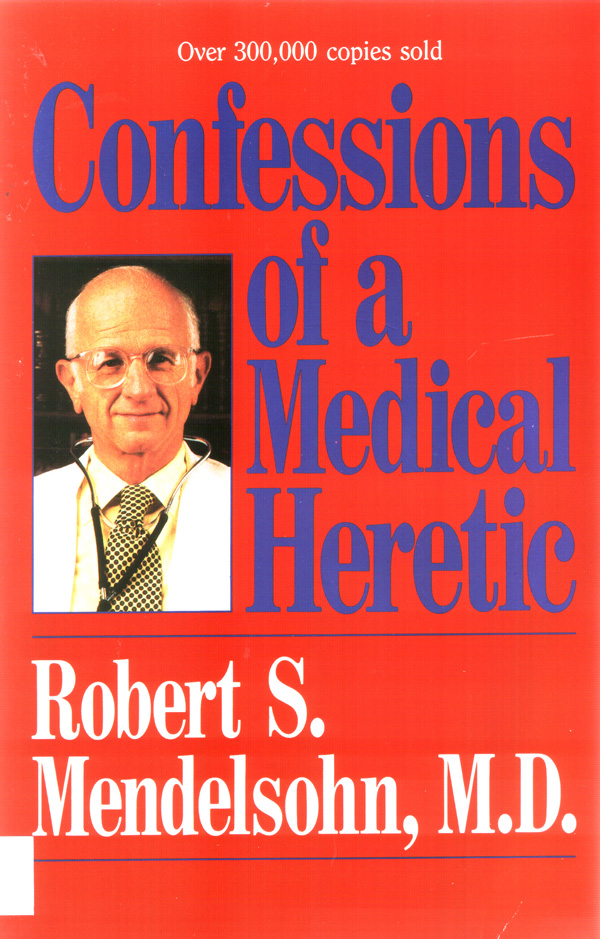


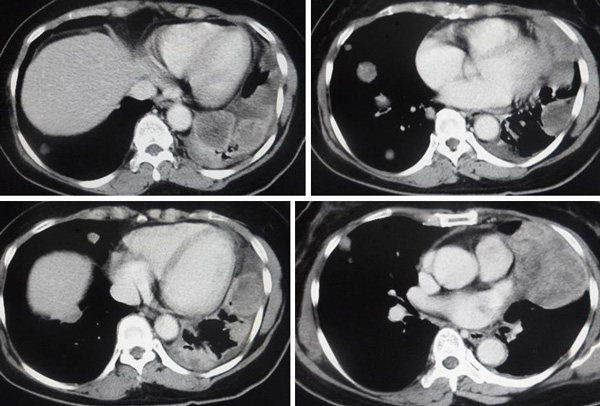

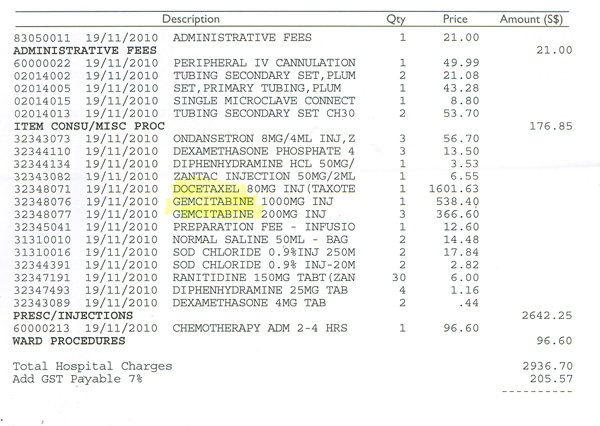

 CANCER STORY
You must be logged in to post a comment.