CN (H878) is a 61-year-old male. For the past four or five years he suffered urine blockage. The doctor prescribed Xatral, a medication to treat the symptoms of enlarged prostate (benign prostatic hyperplasia or BPH). No one bothered to check his PSA. Xatral apparently helped resolve his problem.
In October 2009, he started to have backpain in addition to urine blockage. On 25 March 2011 his PSA was at 991.90. This alarmed his doctor. The doctor told him that CN had prostate cancer.
A biopsy was done on 29 March 2011 but the result indicated no malignancy. A second biopsy was done on 5 April 2011. Again it was negative for malignancy although benign prostatic hyperplasia was indicated.
Due to the severe backpain, MRI was done and showed L4 vertebra was more sclerotic than the other vertebrae. A biopsy was done of the L4 and the result indicated metastatic carcinoma consistent with a primary from the prostate. His PSA then was at 1018.
CN was subsequently treated with Lucrin injection (RM 1,300 per month per injection). He also took the oral drug, Casodex (RM 21 per tablet /day). The treatment brought down his PSA level from the initial level of 991 to 0.2 within six months. Unfortunately, after six months, the PSA started to rise again from 0.2 to 25.1 in May 2012 (Table below).
CN was asked to undergo chemotherapy. He refused. CN came to seek our help on 11 May 2012.
Declined Chemotherapy and Radiotherapy
Chris: The doctor asked you to go for chemo and radiotherapy – you want that?
Patient: No, don’t want. No point.
C: Why no point?
Daughter: No meaning!
C: Why no meaning?
Daughter: He is taking these medications that the doctor gave and he already suffered.
C: Do you have friends or relatives who had gone for chemo or radiotherapy – were they cured?
D: Cannot cure.
P: I know of two friends. About two months ago one of them, aged 67, had colon cancer. After operation he did chemo for four times. The doctor asked him to go home – six months later, he died. There was another one, 51 years old. He had skin cancer. He received radiation but there was one more tumour which could not be treated. He had chemo – four times, he also died.
C: So two friends went for chemo – they all died. So you don’t want to follow them?
When CN came to see us on 11 May 2012, he presented with the following:
He was unable to sleep – remaining awake till 4 to 5 a.m. each night.
He had backache.
He had no strength and found it difficult to even bend forward.
He had difficulty moving his left arm.
He suffered hot flushes and felt “heaty” in his body.
CA Care Therapy
CN was prescribed Capsule A, deTox tea, Prostate A, Prostate B, Bone and Pain Tea. He was also given Menopause Pill for his hot flushes. He was told to abide by our recommended diet. After two weeks, he returned and told us that he was happy! Look at the video – he could walk normally!
Chris: When you came you said the doctor gave you the injection and also the oral drug, Casodex. Because of that you said you could not sleep, had hot flushes. I gave you the Menopause Pill. After taking the Menopause Pill – still has problem?
Son: Much less now.
C: And you said you could not sleep at night – you were still awake until 4 a.m. or 5 a.m. Only then you could sleep. What happen now?
Patent: Can sleep. Better, very good.
C: You feel good already – so no need to take herbs!
P: No, no, cannot. I feel very happy.
(Note: Since patient could not speak / understand much English, our conversation was very limited).
He returned home with a month’s supply of herbs but he never came back after that.
Crash!
To our surprise, CN and his son and daughter turned up on 10 August 2012. He was in severe pain and could hardly walk into our centre. His son had to support him to slowly walk into our centre – watch the video to see how he suffered. In short, his health had deteriorated – WHY?
Chris: I asked you to come back and see me in July – you did not come. Why?
Son: When taking the herbs, he was okay already.
C: So when you were on the herbs, everything was okay? No pain?
S: Just a bit of pain only.
C: So you were happy. Then now there is this pain – what did you eat wrong? Tell me what did you eat that I say you cannot eat?
Patient: Fish head curry!
C: Okay, very good. (Pointing to the daughter) You took care of him?
S: No, me, me! I brought him to Kuala Lumpur the last two weeks.
C: Before that he was not in Kuala Lumpur? In your hometown, did he eat anything he liked?
Daughter: A little bit la! Went out to eat outside.
C: But still okay?
D: Under control.
C: So the past two weeks he went to KL. And what did he eat?
S: Eat outside lor.
C: Everyday eat outside? Aya, you want to die la. Can die one you know!
S: Every night we went outside to eat – like pan mee.
C: You see I have told you before. One day eat, okay. Two days eat outside, okay. And one week, was he still okay?
S: One week still okay but after that he started to have pains.
C: Where is the pain?
P: From the stomach radiating to the back.
C: Before this bad food, do you ever have this problem?
S: No, no, never have this kind of problem.
C: This is my experience. Patients – when they eat bad food for a day, never die. Two days also never die but after two weeks they begin to see the bad effects. Only two days ago, I asked my wife why you did not come. I was wondering why – either you are already well or you are already dead. Now you are here.
S: (Everyone laughing). Ya, now want to die already. The past few days he could not walk much and his condition became more serious.
Why did he suffer again? Two reasons: He stopped taking our herbs for the past one month and on top of that started to eat any food he liked.
e-Therapy Restored Him
We immediately put CN on the e-Therapy. His condition improved after one session. And after four sessions of the e-therapy (i.e. four days) CN felt he had recovered and did not feel it was necessary to travel (one and a half hours drive) to Penang to undergo more sessions of the e-therapy. When CN left he gave me a hug! After that CN mysteriously disappeared (again!). Since then we did not get to see him again!
Comments
Since CN felt well with the herbs – no more pains and he could sleep well – he decide to forget taking the herbs. Since preparing herbs is indeed a chore and he is feeling great, CN decided not take the herbs for a while. So he did not take the herbs for a month. In addition, he went to stay with his youngest son in Kuala Lumpur for two weeks. His son is a bachelor and does not cook at home. Father and son went out for outside food every evening. After two weeks on bad food CN started to have pains. He had to return to his hometown and immediately drove to see us in Penang. CN was in severe pains. His son had to support him to slowly walk into our centre. The video would be able to convey the agony he suffered. And this was on 10 August 2012. Compare this situation to what he was like some ten weeks ago, 25 May 2012.
To us at CA Care, things like this happen very often. When patients get well, they will not come and see anymore. When they get into trouble they will show up. Some patients do not take their herbs or they go out to eat anything they like once they feel well. They want to believe they are cured!
For CN’s case, I really empathize with him. What happened is understandable – but NOT excusable because he cannot get away with what he did wrong. CN’s wife died in an accident some twenty two years ago, so CN lives alone in his home. His children are married and they live their separate lives while the youngest who is close to him, works in another town. My guess is that life to CN could be boring and probably meaningless as well. My favourite author, Harold Kushner – a Jewish Rabbi, in Who Needs God wrote: More than any other human problem, loneliness, the absence of meaningful human connection, drains the joy and the sense of purpose from our lives … in my experience, more die of loneliness. There is perhaps nothing sadder than experiencing intense joy or intense grief and having no one to share it with. At CA Care we understand this message. We try our best to treat patients like a human being. As I have often said cancer is not only about a tumour in your breast, lung or liver. It is about you as a person.
Having seen CN in severe pain, we immediately put him on the e-Therapy. His condition improved after one session. And after four sessions, CN felt he had recovered enough and did not feel it necessary to undergo more sessions of the therapy. The sad part of the story is, up to this day we do not know what has happened to him. Since our last hug, we never get to see CN again. We are more than happy to help him or any other patients, in any way we can – that is, if the patient is willing or needs our help!
The following are the side effects of Lucrin and Casodex, as obtained from the internet.
Side effects of Lucrin: Approximately 52 percent of lucrin users report hot flashes and fluid retention under the skin occurs in at least 8 percent of users. More than 5 percent of patients experience dizziness, pain throughout the body, headache, nausea and vomiting. Some patients experience diarrhea, loss of appetite, anxiety, tingling in the extremities, forgetfulness, sour taste and insomnia. Fever and fatigue, breast tenderness and impotence in men are also possible.
Side effects of Casodex: The very common side effects are: dizziness, hot flushes, feeling sick, abdominal pain, constipation, blood in the urine, abnormal enlargement of the breasts, breast tenderness, chest pain, weakness or loss of strength, fluid retention. the less common side effects are: sleepiness, decreased sex drive, impotence, depression, loss of appetite, weight gain, anaemia, indigestion, wind (flatulence), hair loss (alopecia), excessive hair growth, dry skin, itching (pruritis), rash and liver problems.
Sometime in April 2012, a 79-old-man came to Penang to seek our help. Let’s refer to him as Peter, a successful professional well known in our Malaysian society. He had cancer of the transverse colon that had spread extensively to his liver. These are his CT scan images.
Peter refused further medical treatment in spite of the seriousness of his illness. According to him: I would not be able to endure all these treatments. Presented with such a situation, what could I do?
There were two realities we must face in this case.
One, there was a tumour in the rectum and this had not been removed. And as the scan showed, it was almost blocking the passage way. I pointed out to Peter, if the tumour grew bigger and block the passage of stools then he would be done. Peter understood the message. But he was told by his doctor that even if he was to go for an operation, his life could be prolonged by another three to four months only. Peter categorically told me he would not want to go through the hassle. Okay, this was my bargain with him. Take the herbs and change your diet and lifestyle and if the stools become smaller and smaller (meaning the passage way is blocked) then he has no choice but to go for surgery. There is nothing much I can do to help if this happened.
Problem number two is obviously more serious. The cancer had spread to his liver. I make it clear to Peter that no one on earth can cure liver cancer (for that matter any cancer!).
From my reading of medical literature, this is what you get:
Bower & Waxman (in Lecture Notes – Oncology, pg. 113) wrote: The median survival of patients who are not treated with curative intent is six to seven months. The median survival of patients in the Far East is much poorer, and the vast majority die within two to three months of diagnosis.
To all those reading this article, let me say this clearly:
It would be a great mistake if you come to me hoping to find a cure for your cancer. I cannot offer you any magic bullet because I don’t have any. My experience over the past sixteen years tells me that those who come to CA Care for help are those with late stage cancer or those who have undergone all medical treatments. Let me say again, If you are seeking for a cure, please consider going somewhere else or find someone else who can promise you that!
At CA Care we teach you how to cope and in the process heal yourself. In other words, we try to make your life more bearable and in the process many of our patients live much longer and free of problems – provided of course, they follow what we tell them to do.
Let me briefly outline what happened to Peter during the time that he was taking our herbs and following our therapy.
We often get his phone calls. One time he asked if he could continue to enjoy his cigar after dinner. He said he had “sacrificed” enough forgoing all his favourite food when he was invited out for dinners. Then he wanted to know if he could still drink his wine since he had a good collection of wine at home. To that I remember saying, No – why don’t you have just give those wine to your friends. He answered, But you know each bottle cost a few thousand ringgit.
Surprisingly, Peter was doing fine. Once he called me to say that according to his medical doctor-relative it was dangerous not to remove the tumour in his colon. The tumour would grow bigger and bigger and eventually block the passage way. According to theory or textbook knowledge the tumour will grow if not removed but my experience shows that with herbs and change of diet, this does not necessarily happen! I have seen a similar case before. I asked, But can you pass your stools? Are the stools getting smaller and smaller? He answered, No. Then I said, In that case the tumour has not grown in size yet. We can still wait – but of course you can go for surgery if you like. So we waited, from April to September. Six months had passed and Peter was alright – no problem of blockage.
In early September, Peter came to Penang with a friend, requesting that I also help his friend too. Then Peter decided to buy the e-Therapy machine which had just arrived from the US.
On 12 September I was down in Subang Jaya and Peter came to have lunch with us. Peter said: I am happy. Actually I only need to spend less than a thousand ringgit a month for the herbs and all (note: much less than the cost of a bottle of his favourite wine!) If I were to go for medical treatment it would have cost me a lot more. Thus far Peter was doing just fine.
But not long after this happy lunch together, I got a phone call from his brother. I was told that Peter was not doing well. His stomach was bloated and he felt uneasy, had no strength, etc. Problem like this cropped up very often with cancer patients. Without asking further, I related a story of a similar colon-liver case in which the doctor told the patient he had only 6 months to live. This patient was on our therapy for almost 3 years and was well. After that, the day before one Chinese New Year – succumbing to the suggestions of friends and relatives – he decided to “celebrate” the CNY occasion by eating fried chicken. A few hours after his fateful meal, he suffered severe stomach pain and had to be rushed to the hospital. His stomach was bloated and he died soon afterwards.
So without hesitation, I asked: What did your brother, ate the past few days? I was told – pulut and salted fish. Well, was that all? I was not sure and I did ask further. After this my advice to Peter’s brother was: There is nothing I can do now. We have to take it easy and see if the problem would go away. It is very difficult now.
Not long afterwards Peter himself called. In his frail voice told me that he was not going to take our herbs anymore. These herbs are not helping me anymore. I went for the blood test and the results showed the liver function were all high. I am now tired and have no strength. My friends invited me for dinner but I can’t accept their invitation anymore. I want to return the-Therapy machine and you pay me back half its original price. Without hesitation, I replied: Yes, Datuk, no problem! (One week after buying back this machine, one patient from Indonesia decided to buy it at that half-price! I am glad that I can help another patient in need through the generosity of Peter for wanting to sell off his useless machine.)
I did not ask Peter what went wrong. He did not offer to explain what went wrong either. So I left it at that.
One early morning of November 2012, I received an email from another patient informing me that Peter had passed away. In the evening of the same day, Peter’s brother called to convey the same sad news. This was what his brother told me: Please tell all your patients. Do not eat pulut and pulut kacau (all that sweet stuff laced with brown sugar). After my brother took that food, his stomach became bloated immediately after he went home. Surprising there was no problem about his colon being blocked. My response: Yes Datuk, for the past 16 years I have been shouting from the top of the mountain telling patients to take care of their diet!
Comments
There is no need for me to make further comments on this case. I only hope that some patients do learn from this story.
Let me share with you what I learn about life.
Over the years dealing with cancer patients, I have come to accept that we cannot help everyone. We can only help those who want to help themselves. So there is no need to be upset if we fail once in a while. This thing happened most of the time. I often tell patients: If you can eat, can sleep, can move around and have no pain – what else do you want? Learn to be grateful for what you are each day. Unfortunately not all patients have that virtue. Once they feel well, they demand to eat what they like! Unfortunately most patients have to pay a heavy penalty of this violation.
To me, the secret of happiness in life is to cultivate a sense of gratitude. Be grateful for what we are. Be thankful for what we have and what we are blessed with. This virtue on its own breeds a sense of contentment and satisfaction in life. That is healing. We learn to live with the cancer but at the same time we live in peace with ourselves.
Recently, we came across an article by Jessica Richards, a specialist in personal transformation and leadership. The title of the article was most intriguing. “I refused drugs and chemo to battle my breast cancer with fresh vegetable.” You can read the article at the following links: –
Alternatively, you can just Google the title of the article.
Subsequently, we bought her book “The Topic of Cancer” which is an inspired and practical guide that will help you take control when faced with cancer. Summarised below are Jessica’s main points of her cancer journey this far: –
Why she refused conventional treatment:
In May 2007, Jessica was diagnosed with breast cancer with a relatively large tumour up to 3.5cm and was advised that it would require 5 months of aggressive chemotherapy, a partial or total mastectomy, removal of lymph nodes and radiotherapy followed by five years of drugs.
Jessica visited 3 hospitals…..”I was recommended surgery, chemotherapy, radiation and drugs by three consultants at two different hospitals, but I chose an alternative route”.
At each hospital, “I found I was automatically booked in for chemotherapy. This is mainly the case with cancer treatment and I understand that it works this way because most people don’t question anything; they just assume that it’s the right way and for the best. Personally I felt like I was just being “processed” like everyone else and was no longer an individual. Most people accept treatment in the belief that it’s the only way. It was assumed that I would just allow it all to happen as if I was part of a computerised process, where my details had been entered and the treatment programme spat out and I was duly expected to sleepwalk through the whole thing.
In the following paragraphs, Jessica described how she decided against chemotherapy:
I was recommended AC accelerated Taxol chemotherapy
I asked the Oncologist how my treatment would benefit me, how would it increase my chances of survival. He said it would only increase it by up to 7% compared with the survival chances of not having chemotherapy at all.
The oncologist also told me that they don’t really have the figures to give accurate answers which surprised me, considering that chemotherapy has, to my knowledge, been used for about fifty years! I then asked how they had decided on my treatment programme, and he told me it was a computer programme. Then I asked him what details were fed into the programme and he told me it was my age, whether I was pre or post-menopausal, and the size and grade of my tumour.
(Please read the addendum at the end of this review for comments by another M.D. on how chemo drugs are selected for patients).
I asked him why chemotherapy was recommended for me, given the only slightly better chance of survival and the appalling risks associated with the ‘therapy’. He answered that at that particular time where they were trailing the effectiveness of using chemotherapy before surgery rather than after it, in order to shrink the tumour and necessitate less extensive surgery. Apparently, they were hoping to find out whether this increased overall survival levels. In fact, I have since found out that shrinking a tumour with chemotherapy prior to surgery has no impact on survival levels. I need to mention here that in medical terms, ‘survival’ is taken to mean still being alive five years after diagnosis. It doesn’t mean, as one would like to think, that survival means you’re cured and will live happily ever after.
It seemed I was supposed to accept what I considered to be unreasonable risks to my health simply to keep more of my breast, a purely cosmetic issue, as I saw it. These risks included a depleted immune system, possible tissue damage from chemotherapy leaking out of veins, memory and serious blood disorders such as leukaemia and many other shorter term horrors such as tiredness, muscle aches, eye irritation and hair loss. I told the oncologist that although I didn’t relish losing most of or my entire breast, I was 50 years old and not a 19 year old page three girl, or even death in the hope of ending up with a better pair of jugs was hardly my priority.
He (the oncologist) agreed that I should think about it very carefully. I then asked the ‘six million dollar question’. “If you were in my situation” I said, “would you accept chemotherapy? “No” was his reply.
I walked out of the hospital hugely relieved having made the decision that I was in no way going to submit to chemotherapy, and no-one had given me what I would consider a reasonable or rational explanation as to why I should. The numbers simply didn’t add up and I had no interest in being part of that “trial”.
On researching further, Jessica discovered further information on chemotherapy : –
What are longer term side effects of chemotherapy? This is a very important question, as you can be left with long term health issues. In my case, I was leaving myself open to a small but nonetheless possible risk of leukaemia associated with Taxol chemotherapy.
Toxic agents like chemotherapy have to be metabolised by the body in order to eliminate them and this means that they have to be processed by either your liver or kidneys or both, depending on the type of chemotherapy used. This can cause permanent damage to those organs.
Chemotherapy, in most cases, is designed to bring you to the point of death in order to destroy as much of the cancer as possible.
Chemotherapy is never recorded as a cause of death. Death of cancer patients is always attributed to cancer.
After refusing chemotherapy before surgery, Jessica started on the metabolic therapy, which meant an alkaline diet. Within 3 weeks, the tumour changed from an impenetrable, hard, calcified lump to a soft, jelly like mass. Later when they (the doctors at one hospital) completely changed their recommendation from a lumpectomy to a mastectomy with lymph nodes dissection (even though there is now new research to which suggests that lymph node removal does not extend life.) Jessica was particularly pissed when the senior surgeon just told her “Oh, why don’t you just have a mastectomy and get it over with.”
As her father had been a radiographer in a nuclear power station, Jessica learned from an early age of the dangers of radiation, the main one being that “radiation causes cancer” besides : –
radiation can kill cancer cells but will also cause damage to healthy tissue,
radiotherapy could cause heart damage, lymphedema (a build-up of lymphatic fluid which is painful, compromises the immune system, and makes one susceptible to infections should that area be scratched in some way) in that arm.
On the subject of Diet and Nutrition, the writer is equally vocal as well. In her opinion and experience, diet and nutrition play the biggest part in recovery from most illnesses.
When she visited the 3 hospitals…she was told that they didn’t know anything about nutritional advice. One hospital told her that “it made no difference what you ate or drank”
How can diet be recognised as having an impact on some disease and not others? If you have diabetes, you must address your diet, if you have a heart condition, you will be given dietary advice….but if you have cancer, no such thing happens.” WHY??
The idea of a specialist cancer diet is to support the immune system and at the same time create a hostile environment to the cancer within the body.
If you make your decision to use diet as part of your treatment, then take full responsibility and stick to it wholeheartedly. Don’t mess around with it, there are no half measures.
Jessica recommends Ten Things Not to Eat & Why
Sugar-cancer cells are anaerobic and glucose-receptive which basically means that cancer cells are dependent on sugar rather than oxygen for growth.
Alcohol--it is actually toxic to the body and is a highly refined form of sugar and may cause DNA damage, which in turn can cause cancer.
Tea-black tea has an acidic effect on the body
Yeast cause fermentation in the gut, which in turn creates an acidic environment in the body. Cancer cells as well as yeasts love an acidic environment.
Fizzy
drinks and squashes–these are basically sugar and chemicals. These drinks are often recommended to cancer patients who, because of chemotherapy and other treatments have a much compromised immune system, because there is nothing live contained in them. The thinking behind it is that with such a compromised immune system, a microbe from fresh food or drink could prove life threatening so patients are advised to eat and drink only dead substances.
Dairy products create acidity. Not only do milk and cheese create acidity but cheese is also full of microbes which add to the gut problems and acidity. It’s especially not a good idea to ingest dairy products if you have hormonally driven cancer, such as breast or prostate, as dairy products are full of hormones including growth hormones which all milk has in order for the baby animal to grow.
Jessica recommends Ten Things to Begin Eating and Drinking
Water dehydration can have long term devastating effects on health. During some forms of chemotherapy, it’s very important to drink plenty of fluid as the chemotherapy agent is metabolised through the kidneys and therefore the kidneys need to be flushed out with fluid throughout the treatment.
Vegetable juice is alkalising, releases and eliminates toxins and provides antioxidants and nutrients directly into the body system.
Green leafy vegetables–they are alkalising and full of chlorophyll as well as other nutrients and enzymes. Chlorophyll acts as an oxygen carrier of your blood and therefore your red blood cells.
Whole fruits – which still contain all the fibre. Some are acidic or very high in sugar. Stick to fresh pears, pineapples, papaya and banana.
Short grain brown rice
Nuts & seeds, apricot kernels – choose fresh, raw nuts. Avoid roasted, salted or any other kind of processed nuts such as dry roasted. Steer clear of peanuts as they contain microbes which are something to be avoided on a cancer recovery program.
Lentils & pulses such as beans and chickpeas.
Green, white & herbal teas.
Onion and garlic, herbs & spices are packed with powerful antioxidants.
Fish & meat – choose any fish except farmed fish.
ADDENDUM…. How chemo drugs are decided for cancer patients:
a) In another book, DEFEAT CANCER edited by Connie Strasheim, a medical doctor, Dr Juergen Winkler, MD who practises integrative oncology, has this to say:
“There’s a strong fraternal order among doctors and it’s especially strong among oncologists. Most oncologists are very ‘cookbook like’ in their treatments of patients. They have a regimented way of doing things, with no in-betweens. They have a book that they use to look up chemotherapy treatments for their patients, called the “ Guide to Chemotherapeutic Regimens.” When prescribing a regimen, they just calculate their patients’ weight and body surface area, and from those, determine what their treatments should be. That’s how conventional medicine treats patients” (page 153)
b) In the same book, Dr Martin Dayton, MD, DO licensed and Board Certified osteopathic physician and surgeon in Florida, has this to comment: “Chemotherapy drugs selected empirically and based on the results of clinical trials, using limited patient specific data (tumour size, site, and metastasis) induce positive responses (in patients) only 30 percent of the time” (page 206)”
NB: Dr Dayton quoted the above from the book PHARMACOGENICS by Dr Kalow Werner published in 2001.
In summary, Jessica Richards (diagnosed in 2007) did not submit herself to surgery, chemotherapy, radiotherapy or hormonal therapy at all. Is she still alive? Yes, very much so. Would you have done the same thing? We would like to hear from you.
Jessica Richards obviously did a lot of reading and research before she decided against chemotherapy, radiotherapy or hormonal therapy. For further reading on breast cancer and its treatment, we recommend the following books:-
1) Breast Cancer: The Herbal Option by Dr Chris Teo (ISBN NO. 978-983259-0231)
2) Breast Cancer: What You Should Know (But May Not Be Told) About Prevention, Diagnosis and Treatment by Steve Austin, N.D. and Cathy Hitchcock (ISBN NO: 1-55858-362-2)
3) What Your Doctor May Not Tell You About Breast Cancer by Dr John Lee, M.D.
(ISBN NO: 0-446-67980)
4) The Truth About Breast Health, Breast Cancer by Dr Charles B. Simone, M.D.
(ISBN No. 0-9714574-0-9)
5) The Complete Natural Medicine Guide to Breast Cancer by Dr Dharam Kaur, N.D.
(ISBN No. 0-7788-0083-0)
6) Waking The Warrior Goddess by Dr Christine Horner, M.D. (ISBN No. 1-59120-155-1)
7) My Healing From Breast Cancer by Dr Barbara Joseph, MD
(ISBN 0-87983-711-x)
8) Your Life in Your Hands by Professor Jane Plant (ISBN 1-85227-809-9)
9) Choosing to Heal by Janet Edwards (ISBN 978-1-905857-00-5)
10) A Cancer Battle Plan by Anne Frahm and David Frahm (ISBN: 0-87477-893-x)
11) Knockout – Interviews with Doctors who are Curing Cancer by Suzanne Somers
(ISBN NO: -978-0-307-58746-6)
12) The Breast Cancer Wars by Dr Barron H. Lerner, MD (ISBN No: 0-19-516106-8)
13) Enough Already – The Overtreatment of Early Breast Cancer by George Goldberg
(ISBN No: 0-9651453-3-8)
14) You Did What? Saying No to Conventional Cancer Treatment by Hollie and Patrick Quinn
(ISBN No: 978-0-692-00904-8)
15) A Lighter Side to Cancer by Sandra Miniere (ISBN NO : 978-0615642710)
WHEN YOU ARE ONLINE, YOU MAY WISH TO READ THE FOLLOWING:
1) www.drday.com (This is the website of Dr Lorraine Day, MD….read why she refuse chemotherapy and radiotherapy after the removal of her cancerous breast tumour).
2) Does Chemo for Breast Cancer cause more harm than good?
NB: THERE ARE A LOT MORE OF SUCH INFORMATION ON THE INTERNET….BE MORE CREATIVE IN YOUR GOOGLING LIKE:
a) Chemotherapy Spreads the Cancer.
b) Anti-Cancer Drugs make Tumours More Deadly.
c) Why Chemo Kills.
d) How effective is Chemotherapy/Radiotherapy.
e) How toxic is Chemotherapy/Radiotherapy.
OF COURSE, YOUR ONCOLOGIST/DOCTOR WILL ADVISE YOU NOT TO TRUST THE INTERNET…. (ONLY THEIR ADVICE/INFO CAN BE TRUSTED). HOWEVER THERE ARE A LOT OF OTHER BOOKS WRITTEN BY DOCTORS/ONCOLOGISTS….SOME OF THESE ARE:
1) THE COMPASSIONATE ONCOLOGIST by Dr James W. Forsythe, MD, HMD…..read what cancer specialists don’t want you to know.
2) MONEY DRIVEN MEDICINE by Dr David K Cundiff, MD…..read about the effectiveness of chemotherapy for Non-responsive cancers
3) NATURAL STRATEGIES FOR CANCER PATIENTS by Dr Russell Blaylock, MD…..Chapter 3 is entitled Chemotherapy: Poisoning Cancer (and You).
4) WHAT YOU REALLY NEED TO KNOW ABOUT CANCER by Dr. Robert Buckman incollaboration with specialists at The MD Anderson Cancer Centre, Texas. (read Chapter 9–With So Many Breakthroughs, Why is There No Progress?) .
5) THE END OF ILLNESS by Dr David B Agus, MD…..read about the effectiveness of chemotherapy by this prominent oncologist.
6) THE ENZYME FACTOR by Dr Hiromi Shinya, MD….read why anti- cancer drugs do not cure cancer
7) FIGHTING CANCER WITH KNOWLEDGE AND HOPE by Dr Richard Frank, MD….read an oncologist’s explanation on why chemotherapy and targeted therapies may not work.
8)A WORLD WITHOUT CANCER by Dr Margaret L Cuomo,MD…..read her expose on Poisons: The Limits of Anti-Cancer Drugs.
On 16 November 2012, I had a chance to sit down for a chat with Henry (not real name). This is our conversation that day.
Let me highlight some of things that we talked about that day.
Henry has four sisters in his family. Sister No:1 was diagnosed with lung cancer in June 2010. She was the third member of the family to have cancer. Sister No:3 had breast cancer about ten years ago. She was the first member of the family to have cancer. She underwent a mastectomy, chemotherapy and radiotherapy and died within a year. Then Sister No: 4 had breast cancer in April 2004 – the second member of the family with cancer.
Dramatically we can put it this way (this is what the number-professionals do, i.e., massage and sweeten the data):
75 percent of the sisters ended up with cancer; and
50 percent had breast cancer.
Let us hope that this is NOT the kind of statistics the world has to contend with in the future.
Sister No: 1 with Lung Cancer – Alive
She was 66 years old. On 7 June 2010 her CA 19.9 was at 191.0. On 17 June 2010 a trucut biopsy confirmed she had lung cancer.
Chris: It is about two and a half years now, is she okay?
Henry: According to the CT scan, the tumour had grown smaller.
C: All these years, did she ever face any problem?
H: No problem at all.
C: And she did not go for any treatment – chemo or anything else?
H: Nothing, except taking your herbs.
C: Did she take care of her diet?
H: Yes. She took care of her diet and so far no problem.
C: I have not met her before.
H: No, no. All her problems seemed to go away. The cholesterol level went down, high blood pressure down and sugar level down after a few months on the herbs. Everything became normal.
C: Amazing!
H: She started off with a big tumour in her lung and now it has gone smaller.
Doctor said: Operate and chemo – otherwise you will die within 3 months
H: The doctor said she only has 3 months.
C: What do you mean?
H: The doctor told my sister if you don’t do chemo you will die within 3 months. And I told my sister if you want to live listen to me, don’t listen to the doctor. I told her if you operate, you die within 3 months! The doctor wanted to operate on her and then do chemo. The doctor didn’t want to give us back her medical report. I called the doctor and argued with him. If you don’t want to release the report, I shall make a police report. But I hope we don’t have to go to that extent. We just want the medical report back. The doctor asked me: What do you want to do? Go to another hospital? I told the doctor, we wanted to go for alternative medicine. He said: What is it? I replied: I have no problem sharing with you on this but I believe you are not interested to hear about this. He even asked me: Are you a doctor? No, no, I am not.
C: You mean you called the doctor and said all these?
H: Yes. I argued and argued. I told him I wanted to do a police report. Then I would come to see him with the police to get the medical report. That is the worst thing I can do. Ah, then he agreed to give us back the report.
C: I cannot understand this. You paid for his services, for the scan, etc. These are yours.
H: Money, money! He was asking for RM 60,000 plus for the treatment.
C: To do the surgery and the chemo?
H: Yes. I told her doctor: My sister did not have the money, but I have the money. But this is not about money. It is about life. The doctor said: What do you mean? I said: You do chemo you die! You operate you die! The doctor countered: But you are not a doctor! I answered him: Yes, I am not a doctor but I have read and I have experiences to tell me so. Then the doctor said to me: You don’t do, you only have 3 months. I told the doctor: If you insist, I shall bring her to see you after 3 years!
Lung tumour shrunk – Started CA Care Therapy on 2 July 2010
C: Are you sure that the tumour has shrunk?
H: Yes, yes. After about one and a half years but I don’t know exactly when.
C: Amazing but nobody is going to believe what you have said.
H: I told my sister’s daughter to ask the doctor two questions and get straight answers from him:
Is her current condition under control? I want that answer.
Do we still continue to do what we are currently doing based on this result?
C: Did you go back to the same doctor (who you argued with earlier)?
H: No, no.
C: Tell me again. When the doctor said she only has 3 months, did you talk to the doctor personally?
H: Yes. He also told my sister’s son: If you don’t operate you only have 3 months. Then they (family members) made a lot of noise. You see, the eldest son (my nephew) is almost the same age as me. The son wanted to follow the doctor’s advice. But my sister knew the experiences of what our two other sisters had gone through. My sister trusted me because I am the most educated in our family. Generally our family members will consult me and ask for advice.
C: Your sister wanted to follow you but her son wanted to follow the doctor? So you all fight?
H: No need to fight. I told my nephew. I am paying for your mother’s medical treatment. If you want to pay for her bills you go ahead! As simple as that! If your mother takes the herbs, I pay for her. If you want to go for medical treatment you pay! You take the full responsibility. Just look at your auntie (our 4th sister) – she is doing so well.
C: Request from CA Care. If you have a chance, please bring her complete medical reports / scans. We would like to make a study of this case.
Sister No: 3 with Breast Cancer – Died after surgery, chemo and radiation
C: The first time. Your sister No: 3 – you didn’t know (what to do)?
H: I did not have any experience with cancer before that. But actually I already knew about you but I was not sure – it did not come to my mind. They did not consult me. She went for surgery and chemo without letting me know. I did not know about it. Only after the (recurrence) and the second round of chemo that they told me about it.
C: Where do they live? From kampung (village)?
H: Yes, kampong.
C: Kampung people are very simple minded and they will follow whatever the doctors say.
H: I also brought her to Kuala Lumpur and talked to the oncologist there. At that time I did not know much about this.
C: Fair enough. You have to pay to learn.
H: Then I started to read. I have already known you after the TV and newspapers appearances.
Sister No: 4 with Breast Cancer – Still alive and well on CA Care Therapy
C: So when the second one had cancer, you knew exactly what to do?
H: She went for the operation and then the doctor told her to go for chemo. She called me and I told her: If you want to live, you listen to me. Our third sister is an example for you already.
C: Yes, I remember that –both of you were here arguing about chemo! Now this sister is in Johor Baru – is she fine today? I was told she did not work anymore?
H: She is a volunteer (in a Buddhist organisation). Before she had cancer, she was a manager in a plastic company. She resigned her job after she had breast cancer. She is doing fine. She is normal and goes for blood test regularly. Nothing wrong with her.
Comments
From Henry’s story, it seems that an encounter with the doctor can be as tragic as being told that you have cancer. Why the arrogance – why the threat or instilling of fear? That unfortunately is the way patients are “beaten” into submission. And such unfortunate incidents happened not only in Malaysia but everywhere too! Dr. Morton Walker, D.P.M., (in Cancer’s cause, cancer’s cure) wrote about his experience with the oncologists at the Massachusetts General Hospital, Boston, USA.
I was astounded at how distorted the physicians’ presentations … The doctors appeared to become almost like used-car salesmen in a pitch for their surgery, radiation therapy and/or chemotherapy. I know something about medical practices and oncology from my work as a medical researcher and as a former practicing podiatrist. In my opinion, the information the oncologists gave my fiancee was hardly an honest assessment of the relative benefits and risks associated with the recommended treatments … Both radiation and chemotherapy oncologists went about selling their separate treatments to the patient, her sons, and me … The oncologists were steadfast in their declarations. I knew they were lying.
Often to keep patients in line or quiet, they will say: You doctor or I doctor? Henry was not intimidated by such remark. In fact I would say the doctor had barked at the wrong tree! No amount of bullying, threat or fear-mongering is going to make Henry toe the doctor’s line. Henry knew better through his own experience. His third sister had breast cancer – undergone surgery, chemo and radiation. Within a year she was dead. Do you really have to die within a year? Even if you do nothing you don’t die from breast cancer within a year!
When his fourth sister again had breast cancer he would not want her to travel the same road again. His sister did not go for chemo or radiation although she was under pressure for months by the doctor to do so. I knew of this because she was my patient. So when Henry’s first sister was diagnosed with lung cancer, and the doctor said she only had 3 months to live if she did not go for surgery and chemo, Henry knew the game just too well. No amount of pressure was going to work on him.
You don’t need an MD to understand things. What you need is just to have commonsense. It was commonsense that enabled Henry to tell his sister that if you want to live you listen to me but you want to die then listen to the doctor.
Henry had learnt his lesson. When his third sister died, he knew why. He began to read books and learned from what others have got to say, besides reflecting on his own experiences. Unfortunately knowledge does not come easy served on a silver platter. You need to do your part to be learned and be knowledgeable. Read and read and read – that’s the only answer.
Unfortunately not many people like to read. Why don’t people want to read? To them ignorance is bliss. Why want to know so much? Let the doctors take care, they know best. Reflect again seriously on the three quotations above!
It is bad enough to be diagnosed with a metastatic kidney cancer. The situation gets to be real grim when you are told that for this type of cancer there would be no cure. But how do you take it if on top if this you were told to take a drug that cost 100 million rupiah a month that would NOT cure you? And you were scolded for not wanting to take the medication! What can you do if you were just a 33-year-old man earning 1.5 million rupiah per month? You have not accumulated enough savings to be able to transfer that life’s saving to the hospital’s account! Do people realize that with that amount of monthly income you still have to feed your wife and young children? How could this world be so cruel? Perhaps the gods of the cancer world has gone crazy?
Let me share with you his tragic story.
Wanto (not real name) is a 33-year-old man from a town in Central Sumatera, Indonesia. He and his wife came to seek our help on 16 November 2012. Typical of a young man, Wanto was a smoker – burning away a packet of cigarette a day for the past 16 years. He was also a drinker. Two months ago, Wanto had backaches that lasted for about two weeks. Then he had difficulty breathing. His chest was painful.
Wanto came to a private hospital in Penang. He had to travel for 9 hours by bus to get to Medan. After an overnight stay in Medan he flew to Penang. A chest X-ray and ultrasound of the abdomen were done on 29 September 2012. The results indicated:
Lobulated appearance of right hilum inferiorly suspicious of lung nodules.
A large solid heterogenous mass occupying the whole left renal bed measuring 142.1 x 11.6 x 121.6 mm.
Thrombosed left renal vein seen.
Blood test results were as below:
ESR
78 H
Platelet
499 H
Alanine transaminase
56 H
GGT
104 H
AST
117 H
Uric acid
518 H
Creatinine
98
Wanto was asked to undergo a biopsy. He declined. This procedure would cost about 8 million rupiah (RM 2,544.00). Then he was asked to take an oral drug, Sutent (sunitinib). Wanto also declined. According to Wanto’s wife a month’s supply of Sutent would cost 100 million rupiah (that is RM 31,807.00) per month. In addition, Wanto’s wife read about the various side effects of the drug.
Wanto then consulted an herbalist and took his herbs. This cost about 10 million rupiah (RM 3,180.00) per month. Wanto was told to abstain from taking broccoli, cabbage, beans, toxic fish, meat, etc. (Note: This is partly opposite of what we tell patients at CA Care). Wanto was told by the herbalist that the herbs can cure his cancer.
Initially he felt better after taking the herbs but after one and a half months he did NOT feel the herbs were helping him anymore.
Wanto came back to Penang again on 14 November 2012. He went to the same private hospital that he went earlier. This time a CT scan was done.
The results of the CT scan showed extensive well circumscribed nodules in almost all broncho-pulmonary segments of both lungs. The nodules measured approximately 4 to 25 mm in diameter each. Enlarged lymph nodes noted in both right and left perihilar regions and azygo-oesophageal recess. The nodules measured approximately 15 to 25 mm in diameter each.
About two weeks later, 1 October 2012, another CT scan was done. The results showed multiple well defined nodules of different sizes in both lungs and aortopulmonary region. Large mass lesion seen in the left lung with paraaortic lymphadenopathy. Conclusion: Carcinoma left kidney with paraaortic lymphadenopathy, lung metastasis.
Wanto and his wife came to seek our help on 16 November 2012. The following are excerpts of our conversation on that day.
Chris: Was the doctor angry when you told him that you were taking herbs?
Wife: Yes, he was angry and asked me why I did not follow his advice.
C: But what did he want you to do?
W: He insisted that I take sunitinib (Sutent).
C: What was his reaction when you said you did not want to take sunitinib?
W: He said: “You must take the medication. Otherwise you have zero chance. The cancer will spread all over the body.”
C: Did you tell him that sunitinib cost so much money?
W: Yes I told him that. But he said even though it is expensive I must still buy it!
C: Oh, where are you going to get the money from? Rob a bank? You did not buy the medication but went to an herbalist instead. You told the doctor about this. Then you went back to the doctor again for more scan after a month or so.
W: Yes. The doctor was angry. He said: “You see the scan, there is no improvement.”
C: But was your husband getting worse?
W: According to him (husband), NO.
C: According to your husband, he was better after taking the herbs?
Wife: Yes (while the patient nodded in agreement).
C: What else do you want?
CT scan: Once is enough!
C: What is important for you to know is that there is no need to do CT scan all the time or too often. Once is enough. If the patient feels he is good means he is doing good. What else do you want? I am here trying to teach you commonsense. Go and do CT scan every month (every visit to the hospital) is not good for you! Do it once is enough!
Take care of your diet
C: The herbalist told you not to take broccoli, cabbage beans, certain fish and meat. Did he tell you not to take sugar?
W: No, can take sugar. He (husband) drinks Milo everyday!
C: Oh no. Here we teach you differently. You need to avoid sugar, oil, table salt, dairy products and meat. Avoid taking anything that walks. That is the way we do here.
Expensive Drug That Does Not Cure
C: You saw the doctor twice – first in October and a month later you went back to him again. You did the scan and the doctor asked you to take sunitinib. Okay, did he tell you that after taking that expensive drug, it is going to cure you?
W: The doctor said sunitinib cannot cure his (husband) cancer.
C: Cannot cure? Then why did he want you to take the medication then?
W: Just to prolong his life. By taking the drug, he can live for another two years.
C: Prolong life by two years – that was what the doctor said?
W: Yes.
C: Okay, extending life for two years but the medication is going to cost you 100 million rupiah per month. If you live for two years, that is going to cost a lot of money. But that drug cannot cure?
W: Yes, cannot cure. There is no guarantee.
C: In addition to this, there are a lot of side effects. How would you know that after taking the drug for a few months, he may even die?
W: Yes, exactly.
C: So, what is the meaning of all these? You need to understand that correctly. Even you take the drug it is not going to cure you. You have been clearly told about this. Everyone who comes to see me also wants to find a cure – wanting me to cure him/her. But in a serious condition like this there is nothing anybody can do – especially in your case, where the cancer has already spread extensively to the lungs. I have read many medical books and I have not come across anything that says metastatic kidney cancer can be cured. To ask you to take medication – that is fine. After all somebody wants to sell his medicine and make some profit out of it. But the point is, there is NO cure. And in addition you have to contend with all the severe side effects. Then you have to find 100 million rupiah a month. Where are you going to find that kind of money? In Indonesia, how much does an ordinary person with an ordinary job gets paid?
W: A worker earns about 1.5 million rupiah a month.
C: Oh, only 1.5 million? So you need to have a lot of people earning for him, to make 100 million rupiah.
W: Ya.
C: The solution provided for you is really NOT a solution at all. If you have to spend 100 million for a month and then it cures you, that is fine.
W: Ya, if it is only for a month that is okay.
C: But that is not so!
Under Pressure and Facing Reality
W: You know doc. After the CT scan the doctor wanted to do a biopsy. My husband refused. But the doctor insisted on doing the biopsy. It was going to cost 8 million rupiahs. Actually I wanted to do the biopsy and even take the medication – sunitinib, but my husband just refused to do the biopsy. I was the foolish one. In fact, before going home, I planned to buy the medication. But he (husband) refused.
C: Your husband refused the medication? Let me tell you this truthfully. At this point, you need to face reality.
W: I was under pressure. The doctor said the longer we wait the more the cancer is going to spread and spread and spread. He said: Your husband will not have any more hope.
C: But if he takes the medication, would there be any hope?
W: The doctor said with the medication the cancer will keep quiet.
C: Keep quiet for how long? How many months or years? But the doctor said your husband will eventually die anyway.
W: Yes.
C: You take sunitinib and it cost you 100 million per month and the doctor said you can live for two years. If you go back and go to the bank and ask for a loan – can you ever repay that loan? Can pay back the bank?
W: That’s true.
C: I know. It does not make sense – meaningless – having to pay so much for a drug that does not cure. What is the purpose? On top of that you suffer the side effects. Do you understand this? So yesterday you said you wanted to buy the drug – what was your expectation? You were expecting a cure?
W: Laughed!
C: And the doctor had already told you that there would be no cure. I want you to understand this first before we go further.
Misled & Misinformed – Herbs Can Cure Cancer!
C: Then you went to see an herbalist and you paid for his herbs – 10 million rupiah per month. At least that was cheaper! What did the herbalist tell you? Did he say his herbs were going to cure your husband?
W: Nodding.
C: Can cure? Are you sure that he said can cure? What does it mean by can cure? Do you understand him correctly? Some people say – take herbs today, tomorrow you feel well and he is cured. But the day after tomorrow the patient is dead. That is still cure! You need to understand what cure means. Do you really hear him correctly when he said he can cure your husband?
W: Yes.
C: You have seen your medical doctor and he told you your husband cannot be cured. Now this herbalist said your husband’s cancer can be cured. Whom do you believe now?
W: I don’t believe the herbalist. That is why I come to see you doc.!
C: You need to think properly. Don’t be stupid. The herbalist said he can cure, the doctor said no cure. Ask – who is telling the truth? Do you want to know the real answer? I want to say this as frankly, honestly and directly to you – there is no medicine in this world that can cure cancer – even more so for the kind of cancer your husband has. Don’t be shocked – but you have already been told by the doctor anyway. In my experience helping cancer patients for the past 16 years, and I have read most of the books on cancer that are found in this world, I must say I have not found any medication that can totally cure cancer. So if you come to me and ask for herbs that can cure your cancer then I must say to you: NO, I don’t have any. So don’t have the wrong expectation when you come here. You have gone to see this herbalist and you have taken his herbs for about one and half months and he promised you a cure. Why don’t you go and see him again and take more of his herbs? He promised you a cure, but when you come to see me I say I cannot cure you!
There Is No Cure For Cancer
C: To all those who come and see me, I cannot promise you a cure. I tell them this: After you take the herbs, you need to take care of your diet and if you feel better – can sleep, can eat, can more around – don’t ask for more! This is because I don’t know of anybody in this world who can cure your cancer. But if you want to live longer without much suffering or problem, you need to change your lifestyle, your attitude and your diet. All these must change! By doing these, I hope you can live a bit longer without much suffering. If we can achieve that, I have done my job. Don’t ask for more.
C: Who ask you to come here?
W: I have been wanting to come and see you for a long time already but I did not know where to find you. Now, this uncle brought me here.
Comments
Wanto’s wife was told that sunitinib would cost 100 million rupiah per month or about RM 30,000. That is extremely expensive. I think she has been misquoted. The first time I knew about sunitinib some years ago, the cost was only about RM 20,000. I believe it is cheaper now? Nevertheless, by any standard it is still expensive to the ordinary Indonesians who earn about 1.5 million rupiah (RM 450) per month. They still need to burst their bank account to pay for such medication!
Let me be quick to say – this is not about money alone. Ask this question, What can I get in return? Cure? Not at all. Prolong life – probably, but for a few months. The doctor quoted the good side – two years of life prolongation which may be rare. The norm is just a few months. Is it worth it? To the wealthy, every minute of life is worth all the gold he has but to the poor it may mean accumulating debt for the next few generations to pay!
The all too common practice of administrating a new, marginally beneficial drug to a patient with advanced cancer should be strongly discouraged.
In cases where there are no further treatment options, emphasis should be first on quality of life and then cost.
For therapies with marginal benefits, toxic effects should receive greater scrutiny.
We must deal with escalating price of cancer therapy now.
The current condition cannot continue … the time to start is now.
In addition, prolonging life comes with another price – severe side effects. The following list of side effects are obtained from the drug company’s own website: http://www.sutent.com/rcc.aspx
Common side effects of SUTENT include: Skin and hair may get lighter in color, Tiredness, Weakness, Fever, Gastrointestinal symptoms, including diarrhea, nausea, vomiting, mouth sores, upset stomach, abdominal pain, and constipation; Rash or other skin changes, including drier, thicker, or cracking skin; Blisters or a rash on the palms of hands and soles of feet; Taste changes; Loss of appetite; Pain or swelling in your arms or legs; Cough; Shortness of breath and Bleeding, such as nosebleeds or bleeding from cuts.
SUTENT may cause serious side effects, including:
Serious liver problems, including death.
Heart problems—heart failure and heart muscle problems (cardiomyopathy) that can lead to death.
Abnormal heart rhythm changes— dizzy, faint, or abnormal heartbeats.
High blood pressure.
Bleeding sometimes leading to death – Painful, swollen stomach (abdomen), Bloody urine, Vomiting blood.
Headache or change in mental status.
Black, sticky stools.
Jaw-bone problems (osteonecrosis)—Severe jaw bone problems may happen.
Tumor lysis syndrome (TLS)—TLS is caused by the fast breakdown of cancer cells and may lead to death
Hormone problems, including thyroid and adrenal gland problems.
Tiredness that worsens and does not go away.
Heat intolerance.
Loss of appetite.
Feeling nervous or agitated, tremors.
Nausea or vomiting.
Sweating.
Diarrhea.
Fast heart rate.
Headache.
Weight gain or weight loss.
Hair loss.
Feeling depressed.
Patient’s Experiences
To know more about the effects of Sutent on patients who take them, go to the links below:
In 1995, I prayed in my heart: O God, with the knowledge You bestowed upon me, show me Lord, Your way! Sometime later CA Care was founded. We adopted St. Francis Assisi’s prayer as our guiding principle:
When I was confronted with this case, I could not help but remember our reason-to-be. Wanto and his wife came to us in desperate need of help. We at CA Care should do our best to help the best way we know how. So, help us Lord.
My first task was to tell Wanto and his wife the truth but without depriving them of hope. I asked them to face reality – no use burying their heads under the sand. Medically there is no cure for his cancer. Therefore for someone to tell him that herbs can cure his cancer is indeed tragic. It sounds like the herbalist is after his money rather than his cancer. On the other hand to offer a solution whereby the drug cost so much money but does nothing much to cure is useless. It is bad enough to get cancer but it would be even worse to make a person bankrupt while he is still alive – perhaps leave a pile of debt that may require even his grandchildren to repay. What good is that?
While at CA Care we clearly tell patients our herbs cannot cure their cancer, but we also tell them they need not have to give up. We don’t want to raise unrealistic false hope but we also don’t want to extinguish hope. At CA Care we have numerous cases of terminal cancer – the doctors say: You only have 2 or 3 months to live. With our therapy, many of these patients go on to live for years, not months! We are optimistic about this because we have seen many successes.
It really sadden me to see that in the face of inability-to-do-anything-meaningful patients are pressured into following medical advice even if it does not sound reasonable. Indeed Mrs. Wanto felt the pressure and wanted to do what she was asked to do. Amazingly, Wanto being the patient himself kept a cool head!
The Virtue of Doing Nothing
It is human nature that once told that we got cancer we go into a frenzy – madly rushing here and there believing that we must get things done quickly. There is no need to behave like that. I always tell patients: Don’t panic. There is no need to rush. You did not get cancer yesterday. The cancer has been in you for years already – only that you don’t know that it is there. So take it easy and calm down. At CA Care we ask you to relax and reflect to understand what has gone wrong. Then we sit down with you to plot your cancer journey using as much common sense as possible.
Stamatis Moraitis, a 60-plus-year-old man living in the US was diagnosed with lung cancer. Nine doctors confirmed the diagnosis. He was given 9 months to live. This was in 1976. Moraitis declined to seek the aggressive cancer treatment. He and his wife decided to return to Ikaria – his native Greek island to live out the rest of his life. He figured a funeral in the United States would cost thousands, a traditional Ikarian one only $200, leaving more of his retirement savings for his wife, Elpiniki. Moraitis said: I might as well die happy. With good, clean fresh air, simple but healthy diet, gardening, good company and care-free life Moraitis got well. About 25 years later Moraitis returned to the US hoping to see his doctors again and to see if the doctors could explain it to me what had actually happened. Moraitis said: My doctors were all dead.
This is indeed an inspiring story that we can learn from.
My Last Word
I am glad that I have set up CA Care! Doing nothing is not about you not doing anything to help yourself. When you come to CA Care we teach you to live a “happy life” to take care of yourself – to take care of your diet, change your life style and mental attitude, take herbs and seek blessing from Above. All these, could probably make your remaining time on earth more meaningful. And you can also be sure you would not end up being a bankrupt when you go home!
Part 2: Experience with Iressa & Tarceva while on CA Care Therapy.
Part 3: Side effects of medical treatment and attitude of doctors.
Part 4: Can the e-Therapy help him?
When patients come to see us, they face two problems. One – they suffer the side effects of the treatments as discussed in Part 3 of this article. We are expected to solve these problems for them, i.e., to “repair” the damage. Two, we also have to take care of their cancer – which actually should be our main concern. But most often than not, we ended up doing the “repair” work while the management of cancer has taken second place.
As I have said, we are indeed amazed that Sujo did not have any problem with respect to his lung cancer! Look again at the condition of his lungs when he first came to see us. He started to take the herbs and was well. Since then he did not have any problems with his lungs. Now, he has problems with his mobility!
One way to help Sujo with his current problems is to use the e-Therapy.
Muscle Tightness, Numbness and Trembling of Legs
Chris: When you came you said you have problems. What are these problems?
Patient: My legs feel numb. The muscles at the backbone feel tight.
C: You said the stomach muscles on both sides of the stomach also feel tight?
P: Yes, I feel tight on both sides of my stomach.
Wife: This happen after eating – he does not feel comfortable.
C: If your stomach is not full – okay?
P: Less problem.
The e-Therapy Helped to a Certain Extent
C: You did Program 66 – for the hip and leg. Did you feel any better?
P: I feel better – less tight.
C: Yesterday, you did Program 102 for the backache and muscle spasm. How was it?
W: The muscle does not feel as tight as before.
P: But not much better – a bit better only.
C: About 20 percent better?
P: About like that.
C: Your leg – how is it now?
W: His leg trembled involuntarily. This happens especially at night.
D: His legs shake by themselves.
C: Both legs?
W: Yes.
C: What happened to the trembling last night?
P: The trembling was much less.
C: The numbness in your legs – what happen?
P: The numbness is still there. No improvement.
After Four Days of e-Therapy
C: Last night – you did the therapy?
P: Yes.
C: After doing the e-Therapy for a few days now, do you feel any better?
P: I feel a bit lighter.
C: You have three problems. One is the numbness of the leg. How is it now?
P: The leg numbness still persists. The therapy does not help.
C: What about the tightness of the back muscles?
P: The back muscles are less tight now – better.
C: The muscles are less tight now and there is no pain?
P: No pain.
C: The hip muscle – you said the muscles were tight. What happen now?
P: I feel a bit better now.
C: You said there was pulling of the stomach muscles. This usually occurs after a meal.
What happen now?
P: The same – not helpful.
C: The numbness of your legs?
P: No difference – also not helpful.
C: The leg numbness – the e-therapy does not help you at all?
P: After undergoing the e-therapy I feel a bit better – it helps. But then after that the problem comes back again.
Comment
Indeed, the e-therapy is not a magic therapy. Sujo underwent only four sessions of the therapy here. I don’t expect any magic either! Nevertheless, in all it was not a wasted effort. He did benefit from the e-therapy even though this did not solve all his problems all at once. I am hoping with more of the therapy over a period of time, his problems will improve. He needs to undergo the therapy 2 to 3 hours daily. I have taught his wife and daughter how to go about doing the e-therapy properly. I am optimistic Sujo would improve.
Part 3: Side effects of medical treatment and Attitude of doctors
This case study consists of four parts:
Part 1: Tragedy struck again and again.
Part 2: Experience with Iressa & Tarceva while on CA Care Therapy.
Part 3: Side effects of medical treatment and attitude of doctors.
Part 4: Can the e-Therapy help him?
I often ask patients: After the oncologists tell you to do chemo, radiation or take the oral drug – do you ever ask them if all these can cure your cancer? Unfortunately, not many patients ask such question! They take it for granted that doctors know best! They believe that these interventions are going to cure them. For patients who “dare” to ask such a question – the answers they get usually vary from being ambiguous or evasive: You don’t even try it yet, why ask so much? There is no guarantee! We do this to control the cancer from spreading. Generally the consultation does not go further than that. But what about asking another question: What are the long-term side effectsof the treatment? Most likely this question would draw a lot of flak from your doctors!
Before I proceed, let me ask you to reflect on the follow quotations:
Side Effects of Medical Treatment
Let me highlight what these authors said:
Four medical researchers at Vilnius University, Lithuania and VU University Medical Center in the Netherlands (in the EPMA journal) said clearly and bluntly that current medical treatment modalities can stimulate tumour growth, spread cancer and decrease survival of patients (meaning kill patients sooner?).
Perhaps that is the reason why Dr. Harvey Bigelsen, M.D. wrote: Misdirection and misinformation serve the status quo and industry profit….. damaging surgeries are being performed … we are given chemicals and poisons under the euphemism of prescription drugs!
Dr. John Trowbridge wrote: We gamble with a devil in the hope of bringing back a full life …. But instead of a full life we have chronic disease, treatment effects … problems that crop up years later, directly related to a past treatment. No one experiences surgery and remains in full health.
Dr. Patricia Ganz of UCLA Cancer Centre, Lost Angeles, USA asked: What is the price of cure or long-term survival? The answer is: Many problems. She suggested: We need a greater investment in research to study the late effects of cancer treatments! Well said doc., but your statement is not likely to be well accepted by the vested interests and researchers. We all know that researchers need funds to do their studies – and who pays for the study? The vested interest! No one is going to risk their “rice bowls” doing things that do not please their “sugar daddy.” Yes, the answer to this question is very important for patients to know, but who cares? That is not going to add to the bottom line – there is no profit to know the truth.
Perhaps that is the reason why there is a dearth of information about the long-term side effects of medical treatment. In fact, I too did not realize the significance of this question until I read the article – The price of anticancer intervention by Dr. Patricia Ganz?
On reflection – a patient come to mind when talking about long-term side effects: Tok Eng who had NPC (nose cancer). She underwent chemotherapy and radiotherapy. The cancer recurred and she was asked to undergo more chemo. She promptly refused and came to seek our help. She has been on our CA Care Therapy for some sixteen years now and is doing well to this day. After her medical treatment, one ear became deaf due to the radiation. Some ten years later, the other ear started to fail and now she has hearing difficulty. This, according to the doctor, is due to the radiation she had earlier. Most patients die after treatment so we do not get to “see” the long-term effects for their treatment but if a patient survives long enough, like Tok Eng, we see problems cropping up.
Study this video carefully. When Sujo came to see me he was limping. I was wondering why.
Side Effect of Surgery
Chris: When you walk, you have no pain?
Patient: No pain.
C: When you walk, why are you limping towards one side (left)?
P: This is because of the (lung) operation I had before.
C: Oh, after you had that (lung) surgery then you started to limp to one side. Before the surgery, were you able to walk straight?
P: Okay, no such problem.
C: When you walk you do not feel any pain? Only limping towards one side?
P: No pain.
C: What about your hands?
P (raising both hands): No problem.
Tightness of Muscles at the Hip and Trembling of Legs
C: Can you sit down for long?
P: If forced to do so – yes, can sit. But I feel tightness of my muscles at the hip.
Wife: If the muscles become tight, he has to lie down in bed.
C: And you said your legs also tremble?
W: His legs trembled involuntarily. This happen mostly at night.
C: You said when you sleep your legs also tremble?
W: Yes, when he turns to one side.
P: When I turn to one side the muscles start to pull. Then my legs tremble and shake uncontrollably.
C: Shake for how long?
P: For a while only and then it stops. There is no pain.
Side Effects of Tarceva
C: What happened after you first started to take Tarceva?
P: I developed rashes on my face and then it spread to the upper parts of my body. No rashes in my legs.
C: How long did you take Tarceva to develop such rashes?
P: Five days after I started taking the drug.
C: What about your skin?
P: There are now no more markings on my fingers and thumbs.
C: What happened when you renewed your passport?
P: All the markings on my thumbs and fingers were gone! At the passport office I tried to make my thumb print. There was no marking! All the fingers have no markings!
C: Any pain?
P: No pain and my hands are strong!
Weak and Collapsed Legs
C: I thought you would not be able to walk anymore.
W: He bent his knees, and the legs just collapsed.
P: When I bent my knees, my legs just collapsed – no strength. I had no strength to get up or walk. I became very weak.
D: After the (bone) surgery the surgeon did not ask us to come back for any follow up. By that I knew that this was a hopeless case.
Attitude of Doctors
In Hope or Hype – Drs. Richard Deyo & Donald Patrick wrote:
You get that? Instill fear and you have compliant patients! Dr. Morton Walker, D.P.M., wrote in his book, Cancer’s cause, cancer’s cure:
The underlying psychology coming from purveyors of conventional cancer treatment is: Do what I tell you to do or you will die. At that moment, the emphasis shifts from science to business. The patient is no longer facing a scientific decision … Instead the patient becomes a customer of the medical (or cancer) industry which makes profit from the patient’s illness.
Let’s get back to Sujo’s case.
Daughter: Before undergoing the (bone) surgery, I told the surgeon: We want to consult Dr. Chris first. The surgeon replied: If you go away now, I would not have time for you anymore.
Wife: He said, If you wait until tomorrow, I don’t have time for you anymore.
P: When he saw me, he immediately wanted to operate on me.
D: I said: I wanted to see Dr. Chris first for advice. But the surgeon said, No. If you leave I would not be able to operate on you anymore.
P: Earlier, after my (lung) surgery I said I did not want to go for chemo. The surgeon was not happy with that and insisted that I go and see the oncologist. He immediately asked his staff to bring me to the oncologist’s office.
W: After the (lung) surgery, the doctor said, You must do chemo. But we refused.
Part 2: Experience with Iressa & Tarceva while on CA Care Therapy.
Part 3: Side effects of medical treatment and attitude of doctors.
Part 4: Can the e-Therapy help him?
After encountering disaster after disaster, Sujo had no choice but to turn to the “cancer doctor” in his hometown for help. Initially he was prescribed Iressa, which he took for 10 days and gave up due to the side effects. He then moved on to Tarceva.
Chris: You stopped taking all those herbs and supplements after all the problems. What did you do after that?
Daughter: We went to see a “cancer doctor” (in Medan).
Patient: Iressa was not good for me. I bought 10 tablets.
D: The doctor recommended Iressa. We tried it but it was not suitable for him.
C: You took 10 tablets – for only 10 days?
P: After I took Iressa, I developed itchy blisters on my back.
C: Then you stopped the Iressa and switched to Tarceva – the doctor gave them to you?
D: He only gave the prescription.
C: Ten tablets and you paid 7 million plus rupiahs?
P: More than 7 million rupiahs.
C: After you switched to Tarceva, were you better off?
Wife: He had less bad effects.
C: In addition you also took medication for the bone?
P: I took the pill for the bone for about a month.
D: Then the next month, we switched to injection for the bone. The injection was done once a month. So far he had received a total of 7 injections. After the Tarceva he was able to get up again.
C: How long were you on Tarceva to be able to do that?
P: I bought 3 boxes of Tarceva – that is a supply for 3 months – each box for a month.
D: A box cost 16.5 million rupiahs.
P: The first month, I used up one box – taking one tablet a day. The second month, I only took 15 tablets for the month. The third month, I only took 10 tablets per month.
D: In addition to Tarceva, we still continued to take your herbs.
C: Oh, you still continue to take my herbs while on Tarceva.
D: Yes.
W: The fourth month, he took 10 tablets per month.
C: You bought 3 boxes – have you finished taking all the tablets?
P: No, I still have 5 more tablets to go!
C: Who asked you to reduce the dosage like that?
D: We do this by ourselves. I told my father about the possible bad effects.
C: While taking Tarceva like this, you said you still continued taking my hebs?
D & W: Yes, yes.
C: After taking Tarceva, you were able to get up and also walk? What about the CEA?
P: It decreased.
W: The CEA dropped to 90 plus.
P: The CEA dropped to 97 from the previous 800 plus.
C: While you were doing this – did you encounter any problem?
P: No.
C: While you were taking Tarceva, did you feel you were getting better?
P: Yes.
W (nodding): Better.
D: While he was on Tarceva, he still took care of his diet.
C: When exactly did you feel you get back your life? You could walk, you could climb the stairs – when exactly did this happen?
D: About a month after taking Tarceva. He was able to walk up the stairs again.
C: Only a month on Tarceva and he was well again?
D: Yes.
C: One month on Tarceva – that was when he was still on full dosage – one tablet per day. The next month you halved the dosage, that is taking only 15 tablets per month. What happened to you – okay?
P: I was okay.
C: When you took 10 tablets per month – what happened?
P: I was also okay. When I was on 5 tablets per month, I was also okay. Now, I am only on 5 tablets per month. I am still okay.
C: I am really amazed. What happen if you don’t take any tablet at all?
D (shaking head): We don’t know.
C: When you were on such low dosage, how did you feel?
P: Nothing – no problem. My health was as usual – stable.
C: Your condition while on full dosage (30 tablets per month) until 5 tablets per month – you felt the same all the time?
P: Yes, all the same. No difference.
D: While my father was taking Tarceva, he still continued to take Dr. Chris’ herbs as usual.
C: I am really amazed. By right you would have problems with your lungs. But over the past two years plus you have no problems with your lungs! How could this be?
Comments
Again, I say, this is an amazing story of an amazing survivor. Sujo had met disaster after disaster in trying to find his healing. He and his family did not give up – indeed they showed their determination of steel. They are not the kiasus and kiasi (afraid to loose and afraid to die) type. Granted, life is learning through experience. We do make mistakes – the kiasus and kiasi want to be in control of everything all the time, wanting to ensure that things would work according to what they want. Unfortunately life does not work that way – particularly so when dealing with cancer. Nothing follows the way you want it to be. Each person takes on the cancer journey on his / her own accord and comes out with an experience unique to his / her own.
I am indeed humbled from Sujo’s experience and I have learnt some important lessons from him. Let me elaborate.
1. Gurdjieff was perhaps truly right when he said, The wise man is not educated, and the educated man is not wise. Sujo and his wife had probably not gone beyond high school in life yet they are wise in their ways. They have a lot of common sense that is much to be admired. They stretched things to the limit and if it was a mistake retreated! Many people are dumb – they keep on repeating the same mistake and expected different results!
2. They say desperate people do desperate things. Indeed Sujo was desperate after facing disaster after disaster. In the end he turned to a “cancer doctor” for help. That is a wise move. He tried Iressa and found it did not work well for him. He switched to Tarceva. That is to be expected because that is about all that any cancer doctor could offer. But remember, Sujo did not forget to take our herbs even when he was doing something else. In our conversation, Sujo’s daughter kept reminding me that her father continued to take our herbs and took care of his diet. He had been on our therapy for the past two years (since October 2010) and still had faith in what we do! I wonder why they believe in us so much? Perhaps from their own experience, they felt our therapy did help them in some ways.
3. Take note that while taking Tarceva, Sujo was also taking our herbs. This is something most oncologists say, YOU MUST NOT do. Their command, No herbs while on chemotherapy, which according to Dr. Blaylock is based on ignorance and probably on arrogance too! Fortunately, Sujo lives in Indonesia and I know from patients that some doctors in that country are more “open and tolerant “ to and sometimes even supportive of alternative therapies. In this case, Sujo had shown that taking herbs while on Tarceva is okay! NOTHING went wrong and nothing to fear! So what is the fuss about? Some skeptics may say, One swallow does not make a summer. Let me tell you – there is also a similar case that happened in a hospital in Jakarta. He was also down with lung cancer and was in the hospital. He took herbs instead of doctor’s chemo. Then he took Iressa and came out very much alive like Sujo. That’s two swallows. And I have many more other swallows flying around!
4. Over the years, I have come across many cases of patients taking Iressa and Tarceva and they failed miserably. Read these stories:
When I first started CA Care I encouraged patients to follow what their oncologists want them to do. Go for surgery, chemo or radiotherapy! But with time, my world view of cancer treatment begun to change based on what my patients tell me, what I saw happened and what were written by medical doctors themselves. I am not a fanatic and I don’t belong to any “Vested Interest” group. I shall call a spade a spade and my world views on cancer are “tuned” based on facts and observations that I have. Thus far, I must admit I am never an enthusiastic supporter of patients taking Iressa or Tarceva. After all according to the medical literature these drugs do not cure lung cancer at all. Iressa was shown not to do anything much for cancer patients. Tarceva did a bit better – prolonging survival of lung cancer patients by 2.8 months. But the benefit of taking Iressa or Tarceva comes with a heavy toll. You have to endure the toxic side effects. Besides, for the ordinary man, the cost of the drug can make a hole in your pocket or bank account. They are not cheap!
However, over the past one year, I have encountered two case of lung cancer. One man took Iressa while taking herbs at the same time. He did extremely well. And now I see Sujo doing well after taking Tarceva while on our herbs. Must I now change my world view about these two drugs? Yes – of course. Those of you who want to try your luck with Tarceva or Iressa , I say – Go ahead! But before you do that, please study this case carefully and learn from Sujo’s experience. Also I urge you to read another case which I presented in Chapter 11 Lung-Bone-Brain Cancer: When Doctor and Herbalist Collaborate Miracle Happens, of my book:
5. Before I go to my next point, let me ask you to reflect on this quotation:
Many people are not interested to know why or to ask why – it’s a waste of time! Also asking why threatens the status quo! If you find the answer you have to change your worldview – i.e., if you are man enough! Most people don’t want to change! To most people if I don’t learn “this stuff” in school then it cannot be true. Anything out of the norm is just hogwash or snake oil. But a scientist worth his salt would want to dig deeper to know why. Why did Sujo NOT continue to take the full dose of Tarceva after knowing that the drug was helping him? Anyone would say it’s crazy to stop doing what you are doing when what you are doing is helping you. Why stop? I asked Sujo – who asked you to reduce the Tarceva dosage? The daughter said they did it themselves without being told by anyone. That was taking a bold step indeed – or even taking a great risk!
I guess at the initial stage Sujo was desperate. He had no choice but to take Iressa and later Tarceva. But I believe he also knew from the very beginning that he was taking poison. So after a month, after the poison has done its job, Sujo thought there was no reason to continue taking the poison much more! More does NOT mean better. So Sujo reduced the dosage into half, and gradually ended up taking only 5 tablets per month. His 3-month supply of Tarceva was stretched to a year!
If you think Sujo is dumb or crazy, read what happened to these two patients.
As I am writing this article, there is a 42-year man from Kuala Lumpur who came to see me . He had lung cancer that had spread to the bone – just as bad a situation as Sujo. He took Iressa in November 2011. A month later, CT showed that the tumour and lymph nodes had reduced in size. He continued taking Iressa at full dosage. Three months later, March 2012, a CT scan showed the disease was stable. But in May 2012, CT scan showed disease progression – i.e., more tumours grew elsewhere and the lymph nodes grew bigger. More does not mean good or better!
Kathy is a 44-year-old Indonesian lady. She had a 4.39 x 4.67 x 4.54 cm tumour in her right lung. She took Iressa in December 2010. With Iressa the mass started to shrink until the size could not be measured. She continued taking Iressa at the same dosage for another seven months until August 2011 when her health deteriorated. The mass in the lung that had “apparently” disappeared grew back to twice its original size. Again, more poison did make the cancer would go away at all.
Perhaps Sujo was right! Brilliant idea indeed! I salute him!
No one in his wildest dream would ever do what Sujo did. But Sujo did it and he came out a winner and a survivor. Dare you say he is wrong? To me Sujo’s brilliant stroke of insight is like a spark that could light a fire to great discovery and rethinking for cancer treatment! Or is it? Given the world as it is today, this fire will be promptly extinguished. To the vested interests this suggestion is dumb. If lung cancer patients were to start doing what Sujo did, do you think the doctors, hospitals, pharmacists and drug companies like it?
Part 2: Experience with Iressa & Tarceva while on CA Care Therapy.
Part 3: Side effects of medical treatment and attitude of doctors.
Part 4: Can the e-Therapy help him?
The night of Sunday 18 November 2012 was one special night for me! Sujo, his wife and daughter suddenly appeared! I looked at him with amazement. Let me confess – I never ever thought that I would see this patient again. The last time I saw Sujo was in February 2011. Now it is November 2012. That is almost two years! The only thing I can say at this moment is– I am really happy to see him. Thank the Almighty God for this blessing.
I have written a story about Sujo earlier, Lung Cancer: Pain and Sleepless Night after Chinese New Year Dinner
Sujo (M858) was 58 years old when he first came to see us. He is from Indonesia. Sometime in August 2010, he complained of breathlessness when climbing the stairs. A CT scan in October 2010 indicated gross left pleural effusion associated with severe lung collapse. There was lesion at T4 vertebral body associated with erosion. This means the cancer had already spread to his bones.
While in a private hospital A in Penang, the doctor tapped out two liters of fluid from his lung. This treatment cost him RM 10,000. His blood test on 21 October 2010 showed CEA = 85.86 and CA19.9 = 78.6. Sujo was asked to undergo chemotherapy. He went to a cancer hospital, signed all the papers and was ready to do what was told. But the night before chemotherapy, he and his family decided not to go ahead with the treatment.
A friend in Medan told Sujo about CA Care. On 22 October 2010, Sujo came to seek our help and was prescribed Capsule A, Lung 1 and 2 teas, Bone Tea and C-tea. After taking these herbs, Suja came back to see us twice and reported that his health had improved. He was able to eat, sleep and walk quite a distance without any problem. His breathlessness had resolved. His bowels movements were good.
After a few months on our herbs, Sujo started to have fevers. He came back to Penang and was admitted to Hospital B. He saw a lung specialist who did a CT scan and told him nothing could be done except to go for chemotherapy. Not satisfied, Sujo saw another specialist in the same hospital. Another scan was done. This doctor agreed to operate on Sujo. After the surgery, Sujo was asked to undergo chemotherapy but he promptly refused. The doctor was upset and insisted that Sujo undergo chemotherapy. Again Sujo flatly refused chemotherapy.
On the eve of the Chinese New Year (CNY, 2011) Sujo took chicken curry (only the gravy not the chicken). Besides he also ate steam fish with salted beans (tau chiau). Two days later, on the morning of the second day of CNY, he suffered severe pains. Sujo said: “I am very tolerant to pain. But this pain was so severe that I cried. I have never cried before in my life.” He had to sit upright and the pain lasted from 8 to 9 p.m. until 3 a.m. Then he would fall asleep for about 2 hours. He had pains every day. Sujo took the painkiller, Tramadol. But the medication did not relieve his pains. Sujo confirmed that before this dinner, he did not have any pain at all. The pains only came after the misadventure during the CNY’s dinner.
Sujo came to see us on 13 February 2011. He presented with severe pains in the back and shoulder blade. He had partially lost his voice. For the past 8 days or so, he was not able to sleep. Seeing Sujo’s condition, we put him on the e-therapy right away. All his pains disappeared after 4 sessions of the e-therapy. Sujo was well after this. He was able to walk around, ride the motorcycle, etc. His life was back to normal again.
Tragedy Struck Again and Again
Listen to our conversation during his visit in November 2012.
Chris: Wah, you can walk now! For how long have been walking?
Patient: For 3 months now.
C: Wah, you have also put on weight. Actually, you are really fortunate and blessed!
Curse of the Seven-Needle-Leaf
C: The last time I saw you was when you came after Chinese New Year, 2011 in pain because you ate something “wrong.” You used the e-Therapy machine and the pains went away. You went home and everything was all right. You could ride the motor-bike, etc. Then what happened? You ate something wrong again?
P: I took Seven-Needle Leaf.
C: Who asked you to take that? How long were you taking that?
P: I took it for 5 days. My friend said this would help cancer patient. I took seven leaves, munched them and swallowed them.
C: What happened after 5 dyas?
Daughter: He could not walk after that!
C: Before taking the leaves, were you okay? Can walk?
P: I was okay, no problem.
Wife: Yes, he was able to walk up the stairs.
C: After 5 days taking the seven-needle, what happened?
P: My legs “went soft” – no strength.
D: He landed in bed – could not walk.
C: Before taking the seven-needle, were you able to walk?
P: Yes, I could walk. I could ride the motor-bike even.
Bone Surgery and Radiotherapy in Penang
D: He had to be hospitalized in Medan. The doctor said the cancer had spread to his bone.
C: Then you came to Penang and had surgery. Before the surgery, did the doctor say he could cure you?
P: He said, “50:50 chance”.
W: Even after the operation, his legs just collapse when he bent his knees. No strength. He could not stand up all. Actually even before the surgery, he already could not stand up.
C: How much do you have spent for the surgery?
W: About 70 to 80 million rupiahs.
D: He also underwent radiotherapy after the surgery.
W: Radiation for 5 times.
C: After the surgery, any more problems – any pain?
P: No pain, but my legs were numb. Later, my legs started to shake vigorously by themselves.
C: And your legs still shake now?
P: Yes, even to this day.
W: When he turned to the left or right, the legs would just tremble.
C: After the surgery, you still could not stand up?
D: No and the legs became thinner and thinner.
C: At home you just stay in bed and could not walk?
W: He could not walk – always sleeping on the bed. I have to lift him up whenever he wanted to move his bowels.
C: How long were you in such a situation?
P: For more than a year.
C: More than a year? – Wah! immobolised for more than a year. It must be very difficult for you all.
W & P: Yes, very difficult.
C: Were you able to eat? Any pain?
P: Can eat, no pain.
D: Only could not walk and his legs were numb.
W: His legs trembled and trembled.
Acupuncture Did Not Help
C: So for a year plus lying on the bed – what else did you do?
D: Continued to take your herbs and then went for Acupuncture – 2 to 3 times a week.
C: How long were you on Acupuncture treatment?
P: About two months.
C: Did the Acupuncture help you?
P: No.
C: During the whole year in such a condition, did you continue taking our herbs?
W: Yes! He continued taking your herbs.
C: Did you go and see any doctor at all during this time?
P: No, no.
C: Let me ask you – all this while you have problems with your legs, but what about your lungs? Any problem – was your breathing okay?
P: I had no problems with my lungs.
W: No breathlessness, no phlegm – nothing!
Alternative Treatment from a Batak Herbalist
C: Now, lying on the bed unable to move for a year plus – then what made you well again?
D: We went for alternative medicine.
C: Before going for alternative treatment, you were still not able to walk?
D: Couldn’t walk and he was getting thinner and thinner.
C: What was this alternative medicine?
D: Herbs from a Batak herbalist. He lives in the northern part of Medan. The herbalist said the blood flow was blocked. So he gave herbs that he formulated himself. This comes in the shape of small round pellets.
W: A day we need to take 9 pellets – 3 each time. Then there was also a liquid for external application.
D: This is also herbs and we need to mix with water and apply to the body and legs.
C: Are these herbs expensive?
P: No! One packet can last for one year! And it cost 5.8 million rupiahs.
C: Wah, that is cheap! And it is for a year’s supply. But why do need a year’s supply?
P: He told me to take the herbs for a year to get the best results.
C: But you took the herbs for only 5 months – initially what happened?
P: I passed out a lot of wind.
C: Did you get any better?
P: Yes, I could bend my knees and my legs did not collapse anymore.
W: He could also stand up.
C: Before taking the herbs, you were not able to stand up or walk?
P & W: No, no. After taking the herbs my legs were stronger and did not collapse anymore!
W: He could lift up his legs high.
P: I could stand up and started to walk slowly using a walking stick.
C: Okay, before taking the herbs, you could not walk at all?
W: No, no, cannot.
C: You took this Batak herbs for 5 months, did you still continue taking my herbs?
W: Yes, yes.
C: During those 5 months, did you have any problem with your lungs? Did you feel breathless?
P: No, no.
C: That means my herbs and this man’s (Batak) herbs can be taken at the same time. Then, why did you stop taking the Batak herbs after 5 months. Why did you not continue?
P: After a blood test, the CEA shot up to more than 800! When I came to Penang earlier on, the CEA was only 80 plus.
C: With CEA at 800 plus, did you feel anything bad?
P: No, I felt nothing.
D: His stomach felt bloated.
W: The stomach felt a bit harder. Looked like there was wind.
Another Disaster – the Cell Food
D: After the increase in CEA, he started to take supplement – Cell Food. He took one bottle a day.
W: A bottle cost 400,000 rupiahs. He took 3 bottles.
D: He started to have blisters.
W: Then he could not get up from bed.
P: I have no strength like before again.
C: Before you took that Cell Food, you could wake up? After the Cell Food you “collapse” once again?
P: Yes.
W: He was not able to wake up or turn around – left or right. Very difficult.
C: Did you ask the Cell Food people why?
D: They said it was the “healing crisis.”
C: Oh, very good answer! Why did you not continue taking it?
P: No, no. I am afraid!
Comments
I have great admiration, respect, and empathy for Sujo, his wife and family members. In their own simple ways, they showed a determination of steel to find healing. Over the period he laid immobolised in bed in Medan, I did get news about his well being. His wife, brother or sister came to our center and collected herbs for him and kept us informed about his well being. Then on 18 November – Sujo, his wife and daughter came to Penang. It was a wonderful meeting. I was sorry that I could not offer him much help when he was bed-ridden but I am glad that all ends well. Now, our attention is to try and help him regain this muscular mobility using the e-Therapy.
I must admit that I did not expect Sujo to make it at all. If we were to study the images of his lungs (below), how could we expect him to live without problem? But the truth is – he did survive and it is beyond expectation.
There are a few lessons we can learn from this case.
Many patients wrote me emails asking my opinion about this product and that product – mostly those direct-selling stuff. I am sorry I cannot tell you whether you should take them or not. This is because it is not my job to go around commenting on other people’s products. I only work and research on my herbs and there is enough job on hand for me to do for the next hundred years! So, please don’t write to ask me about my opinion on things like This Factor or That Factor, or This Grass or That Grass. Sujo tried some supplements and he got burnt. So if you believe what others say or recommend, then try it and find out for yourself. No need to be a kiasu!
Let me also clarify that I am not against you taking any supplements or going for any other alternative therapies. Go ahead and try them if you like. Then I hope you can share your experience with us by writing in your blog or email. This is what Sujo did and we should be grateful for that – at least he is honest enough to share his story. From my heart, I wish that ALL that Sujo took or did – like Seven-Needle Leaf, Cell Food, Acupuncture, etc., would have helped him. Unfortunately, in his case, they did not. You may have better luck.
Though the herbs from the Batak herbalist was abandoned, I believe it did help Sujo in some ways.
Without that herb to start with, Sujo could still be bed-ridden. It is unfortunate that his CEA was elevated. There must be a reason for that – I love to study why! But in the meantime, I want to say that I have full admiration for this herbalist. He is not a “crude money sucker!” For a year’s supply, his herbs only cost 5.8 million rupiahs. There are a lot of “medications” out there in the market that cost a hundred times more than this herb and yet are worthless! A least this Batak herbalist is not after your money. He is honorable!
And for those who think their ways are “more scientific or more proven ” perhaps you may wish to take a pause and ask , How could a few pellets of herbal concoction make a bed-ridden patient get up and walk, even when surgery and radiotherapy could not even help a bit? Let us not underestimate or take for granted the wisdom of the “bomohs and bushmen” – they could do more than what we thought our science and technology can ever solve.
Tag (not real name) was a 59-year-old man from Indonesia. In April 2011, he had coughs with itchy throat. He went to see his doctors and was give medication but these did not help. In August 2011, he came to Penang for further consultation. A CT scan on 22 August 2011 showed an irregular mass (6.6 x 8.0 cm) in the upper left lung extending to the pulmonary hilum with left hilar and mediastinal adenopathy. He also complained of pain in the left pelvis. MRI done on 6 September 2011 showed lesion at the body of C6, body and left pedicle of the L5 vertebra. This was probably metastatic in nature. The doctor said Tag had a Stage 4 cancer.
Subsequently Tag underwent 5 sessions of radiation treatment to his neck area. He also received Zometa injection and the oral drug, Tarceva. But later EGFR testing showed no mutation so Tarceva was discontinued. Tag underwent chemotherapy with Alimta (Pemetrexed ) plus cisplatin.
Tag was told that chemotherapy would not be able to cure him but would prolong his life. He was told he had 6 months to live.
After radiation and chemotherapy Tag seldom cough and the pain in the cervical and lumbar vertebrae nearly disappeared.
Re-examination of his chest CT scan showed his lung tumour had increased in size. Tag went to China for further treatment in October 2011. In China Tag underwent a biopsy again. The cancer was again confirmed as a poorly differentiated adenocarcinoma. Tag underwent the following treatments in China:
Microvessel interventional chemotherapy using Alimta + cisplatin and nano material.
Cryotherapy under CT guidance.
Iodin-125 seed implantation under ultrasound guidance – 10 seeds were implanted in the lymph nodes.
All done, the treatment in China consisted of 5 cycles of chemotherapy, 2 times of cryotherapy and one Iodine seed implantation. The treatment was spread over a few visits, each lasting 1, 3 or 6 weeks.
In March 2012, Tag returned to Indonesia and continued to receive chemotherapy with Alimta at the local hospital.
In August 2012 Tag returned to China again. After receiving one cycle of chemotherapy his condition “dropped” (worsened). He was asked to go home to Indonesia.
Not satisfied, Tag came to Penang again – to be hospitalized in the same hospital that he had received his first treatment. His main concern was his elevated leucocytes count. He was rather obsessed with this high number. He was only given antibiotics infusion because he refused anymore chemo-drugs. In spite of the antibiotics Tag’s leucocytes count remain stubbornly high.
In the meantime while in the hospital, Tag’s wife came to CA Care and asked for our opinion. The following are the images of his CT and PET scans.
Based on his medical history and failed medical treatment, I told Tag’s wife to learn how to accept and face reality. There would be no cure. And for him to come to Penang and check into a hospital trying to reduce his leucocytes count was surely mind boggling! He was barking at the wrong tree! Perhaps this is what Professor Jane Plant meant when she wrote, Conventional cancer treatment can process patients to the extent that they no longer understand what is really being done to them. They have lost the ability to think rationally! They come wanting to only hear that they can be cured.
Tag’s wife told me that after a few days on antibiotics infusion, the doctor planned to do a PET scan. I objected to this idea. What is the whole rationale of doing scan over and over again? Know that all these procedures are not good for cancer patients. Do it only if it is absolutely necessary. Just two months ago, you did a CT scan. Now you want to do it again. What do you expect to see and get?
I advised her to bring Tag home as soon as convenient. And if he was agreeable to take herbs, then he can start on our therapy while at home. If he were to stay in Penang, he would have problems cooking, preparing the herbs, etc. It would do him a lot of good to stay home in a familiar environment.
Unfortunately, the next day my wife received a SMS informing us the Tag would want to go ahead and do the PET scan!
A few days later, Tag and his wife came to our centre after being discharged from the hospital. No, his stay in the hospital receiving the antibiotic infusion did not do any good at all. Then Tag complained that his arm was painful after the PET scan and asked if I have any herbs for this. My answer, Go back to your doctor and ask him to “repair” you.
After some days in Penang, Tag and his wife went home to Indonesia with a supply of herbs.
Sometime later, I received an email from his son informing that Tag had gone into a hospital in Jakarta. He still complained that his leucocytes count was high! After a few days, his son wrote to say that Tag did another PET scan and this time he was concerned with the infected lymph nodes in his neck.
On 14 October 2012, I received an email from a medical doctor who is actually Tag’s relative. This is what the lady doctor wrote:
Hi Prof, I had sent you an email last week, did you receive it? Prof, last couple of weeks there was my family member with lung cancer who came to Penang..Now he is in hospital in Jakarta. There is fluid in his lung, The main tumor in his lung grew bigger and so he experienced dyspnea (breathlessness). Doctor wanted to do radiation to the main tumor because it is pressing his airway. I want to ask, can we give him Ascites tea? What do you think of radiation? He keeps drinking your tea. What about the radiation, should he do it? Thank you for your help. Best regards
Reply: Hello B. Sorry for taking so long to write you. I have been busy with so many patients needing my attention. Okay about your relative. I am afraid it is difficult for me to say anything or help. He did not follow my advice. Even when he was in Penang he was in the hospital trying to make his leucocytes count lower!!! I told him you are doing the wrong thing in the wrong hospital. When the doctor wanted to do PET scan his wife SMSed my wife. I told him earlier not to do the PET scan.but the next day he did the PET scan! After he went home to Jakarta his son wrote that he had another PET scan!!!
I really don’t know. Since he is in the hospital, let the doctors take care of him. He is NOT like you …you followed what I said. He did not. Well, that is the way it is. I am not angry but I just give up. It is better for me to move on and help others who really need me. Take care and I believe you father is doing fine. Regards, Chris
23 October 2012: Prof, thank you for your reply, but unfortunately patient died last week in a hospital. He had been in ICU for 1 week. I have same problem here too. One of my family member — 29-year-old, breast cancer metastised to the bone, liver, brain, pancreas and lungs. She did all that the doctor instructed — TACI, streotactic for her brain, etc. It is very difficult to persuade any person, if she does not believe us …even after she saw my father’s case. I also give up. Let her make her own decision. At least I have given her all the information. My father is in a good shape, he is gaining weight 12 kg, but still on Iressa. Regards, B.
(Note: Why did this lady doctor, B write such an email? The full story of her father’s recovery from advanced lung cancer is found in my latest book below – Chapter 11 Lung-Bone-Brain Cancer: When Doctor and Herbalist Collaborate Miracle Happens.)
2. Difficulty to recognize that doing nothing could be a better option!
The behavior of this patient really puzzled me. He came to ask for our opinion. He wanted to try our herbs, but he would not listen to what we say. There is no reason for such person to come and see us in the first place! Even more so, this man had done all the medical treatments and nothing had helped him. But why go on doing the same thing all over again?
In trying to understand him, I asked, What is your occupation? This is one question I would never my patients, especially during the first visit. To me who you are is not relevant and I don’t want to be bias or influenced by your answer. But in this case I thought by knowing what he is will shed some light about the attitude of the person. His answer: I am an administrator in the government. That explains it all. I told him, Your job is to make people follow rules. If they don’t follow what you say, you give them “hell.” You follow the rules handed down to you without questioning. You can do that with the human beings that you “administer”, but unfortunately cancer in you does not behave according to your wishes or rule. You have cancer in you and you want the leucocytes count to come down – by just decreasing that number does not cure you at all. I told you not to do the PET scan but you did it anyway because the doctor said so! You follow “the authority“ like you do in your job. Unfortunately it does not work when it comes to cancer.
3. Not all patients who come to us find healing!
At our centre is a poster on the wall. It says:
You come to find the best doctor There is none here, because the best doctor is found within you. We too wish to find the best, that is the best patient.For it is with the best patient that we can both find healing together — for you!
Tag came to us after knowing that the father of the lady doctor above recovered from his lung cancer. This man had cancer in 2010, a year earlier than Tag. His cancer is more advanced than Tag’s –having spread from his lung to his brain and bone. Yes, this man is still doing fine as of this writing. Why does he not die likeTag? It is because he chose “to do nothing.” Doing nothing does NOT mean that you go home and wait to die! It means you do not need to follow “the so-called established authority” and follow what they tell you to do. Dr. B’s father refused to “medical authority”. He went for alternative therapy. Unfortunately it did not work out well at first. He went down to the bottom of the pit before he found CA Care. That was when his two daughters flew to see us in Penang asking for help. Daughter B is a medical doctor and we agreed that we should work together and avoid as much invasive and toxic treatments as possible. The patient recovered.
Tag was able to see what happened to Dr. B’s father, who actually is a relative. But Tag wanted to follow his own path – doing things his own way. He followed the well established “rules” because he was “trained” not to question “authority.”
THE AUTHOR:Dr. Richard C. Frank, MD,an oncologist, is the Director of Cancer Research, Whittingham Cancer Center, Norwalk Hospital, Norwalk, CT, and Medical Director, Mid-Fairfield Hospice, Wilton, CT.USA
WHAT THE BOOK IS ABOUT: As expected, the whole book is devoted mainly to describing the virtues of conventional treatment of the various types of cancers via surgery, radiation, chemotherapy, targeted therapies and hormone therapies. However in the chapter on “How Cancer Grows and Cancer Treatments at Work”,Dr. Frank gives an explanation as to why chemotherapy may not work for you. We summarize the main points below:-
CANCER CAN GROW UNPREDICTABLY (pages 124-126)
a) Although cancer appears to develop in an organized fashion when viewed from the outside, if we were to go inside a tumour with a little magnifying glass and monitor the movement of cells and the integrity of DNA; we would see a much more chaotic situation.
b) As a cancer develops and grows, the DNA that guides it along is prone to change…. as a cancer grows, its genetic makeup becomes diversified, which leads to a diversity of cell types within it…. cancer is not a collection of identical cells.
c) The tendency of a cancer to generate cells with different capabilities explains many of the dreadful aspects of cancer that patients find so hard to grapple with:
Why it can spread from one location to another,
Why it stops responding to a treatment that was working,
Why it can return when it was in remission
The reason is that every cancer, whether it arises in the lung, breast, prostate, bone marrow, or elsewhere, contains different populations of cells that have distinct properties.
d) A cancerous tumour does not contain billions of identical clones. Cancer could never develop in this way because it must avoid the immune system’s attack on it, live in areas of low oxygen tension, and compete with the rest of the body for vital nutrients.
e) Inside any tumour are cells that are living and cells that have died. There are cancer cells capable of reproducing many others, called cancer stem cells, and cells completely devoid of this capacity. Cancer’s diversity is generated early. By the time it is diagnosed, some cells may already be capable of metastasizing and others may be able to withstand a particular cancer treatment. This is the basis of cancer’s resistance to treatment i.e. chemotherapy (see section “Why Do Cancer Treatments Sometimes Fail?”).
f) When new cancer cells are generated inside a tumour, some will be hearty enough to survive and others will not be. If some cells survive the treatment, then it is mainly because their DNA contains the necessary alterations that help them resist the chemotherapy drug; this population of cells will then expand, and the compositions of the cancer will again change. (page 126)
g) …. when a cancer returns after being declared in complete remission, it is because a few cells were different enough to stay alive after a treatment killed nearly all the other cells; this difference could have been present from the start of treatment or it could have developed as a response to it. Whichever occurred, it is cancer’s ability to diversify and adapt its DNA that enables it to survive. (page 126)
WHY DO CANCER TREATMENTS SOMETIMES FAIL? (PAGES 188-190)
(a) Drug resistance or the growth of cancer in the face of ongoing or recently completed treatments represents the main barrier to cure for many cancers…. (page 188). In many instances, oncologists cannot specify why a person’s cancer develops treatment resistance…. treatment resistance is probably the most complicated area of oncology. (page 189).
(b) The root cause of a cancer relapse lies in the fact that cancer is not an accumulation of exactly the same cells but rather a mixture of cells with differing properties. Some may have sensitivity to certain drugs and be killed by them, whereas others are resistant to those drugs. The resistant population will survive treatment and in time be detected as a cancer relapse. (page 189)
(c) Drug resistance may be present in an untreated cancer or emerge in response to therapy…. the innate adaptability of cancer cells and how they can sometimes outwit an effective therapy by altering their DNA or other molecules. This property explains the acquisition of resistance during a cancer’s growth. (pages 189-190)
(d) Chemotherapy may lose its effectiveness when cancer cells activate a protein that pumps the drugs out as soon as they enter the cells; targeted therapies may lose their ability to control their targets when those receptors and signalling proteins mutate and morph into different shapes; hormone therapies may stop controlling cancer growth when estrogen or androgen receptors undergo a shape change or get massively overproduced, overwhelming the drugs meant to neutralize them. (page 190)
(e) Several types of cancer have been found to contain a very small population of cancer stem cells, which are believed to be responsible for continually replenishing the pool of cells in a tumour. It turns out that an additional property of these cancer stem cells is their natural resistance to chemotherapy and other cancer treatment.
(f) Some chemotherapy drugs (as well as radiation therapy) may contribute to (or directly cause) the development of new cancers many years after treatment (page 174). And it has been known for decades that chemotherapy alone cannot eradicate the advanced stages of the most common cancers (page 175).
TARGETED THERAPIES: (PAGES 175-180)
The current hot trend is to offer targeted drugs like Erbitux (for colorectal, head and neck cancers), Rituxan (for lymphoma), Herceptin (for breast cancer), Tarceva(for lung cancer), Sutent (for kidney cancer) and etc. Once in the bloodstream, they act like heat-seeking missiles, locating cancer cells wherever they lurk and gripping onto them via one specific receptor target (among thousands of receptors) that projects from the outer surface of the cells. The result is that the receptors stop transmitting growth signals inside the cells (page 177).
(a) Are targeted therapies “magic bullets”?
According to Dr Frank …..” although targeted therapies were developed with the hope that they would be magic bullets that would neatly eradicate cancer through selective targeting of one critical molecule, in general they have fallen short of this lofty goal. No cancer is considered curable by treatment through a targeted therapy alone… (page 180) The reason for the muted success of targeted therapies is that most cancers are caused not by one genetic derangement but by several; no one target functions as an Achilles heel. “(page 180)
(b) Do targeted therapies cause side effects?
“Like any other drug taken for any purpose, unintended effects may occur with these medications. Generally speaking, targeted therapies are easier to tolerate – less hair-loss, smaller declines in blood counts, less nausea… still, substantial side effects may occur with some targeted therapies, and they tend to increase the toxicities of chemotherapy when used in combination.” (page 182)
Finally, angiogenesis inhibitors (like Avastin, Sutent, Nexavar, Thalomid) constrict blood vessels not only inside tumours but also in other parts of the body. As a result, they often cause some degree of high blood pressure and are associated with an increased risk for kidney damage, bleeding, stroke and coronary artery blockage. (page 183)
In conclusion, we quote two very relevant statements by Dr. Frank:-
i. Efforts to blast away metastatic cancers with mega doses of chemotherapy have fallen short because they do not root it out but rather cause more harm than good: the cancer is still present and the patient is sicker than ever. (page 143)
ii. Even though billions of dollars are invested in cancer research every year, most new drugs in the research pipeline will extend life rather than the silver bullets that pierce the heart of cancer. (page 145)
THE FOLLOWING ARE SOME WORDS OF ADVICE BY DR FRANK ON NUTRITIONLpages 102-110.
Although the whole book is about conventional cancer medicine, Dr Frank did make some notable comments/advice on diet and cancer (not the”eat anything you like” type). We summarise the main points as follows:-
a) …the contribution of diet…to the development of cancer is so large that if behaviours could be changed, many cancers could be avoided altogether… (and many oncologists will be without jobs). Almost 30 years and a great deal of research later, the link between poor nutritional habits…and the development of cancer have been solidified…
b) A large and ever-growing number of studies indicate…..cancers are highly influenced by one’s pattern for living: a diet high in red meat and animal fats and low in fruits and vegetables…contributes an unhealthy pattern for living that often leads to major illness.
c) Diet can promote or inhibit the formation of cancer…through:-
(i) The presence of carcinogens in food (which can be natural constituents or man-made additives);
(ii) The generation of carcinogens by cooking…when foods are smoked, fried, or grilled, polycyclic hydrocarbons are produced;
(iii) The increased exposure of the body to carcinogens by a diet low in fiber, which slows down bowel movement;
(iv) ”over-nutrition” or excess body weight.
d) Excess body fat promotes the development of cancer because it leads to two important changes in the body’s chemistryLpage 109)
(i) The development of the insulin resistance syndrome or metabolic syndrome; and
(ii) The increased production of estrogen.
e) More fat, more estrogen, more breast cancer. The ovaries are the main source of estrogen production in menstruating women. When ovarian function ceases upon menopause, estrogen is still produced in the female body, although in lesser amounts. In post-menopausal women, fat becomes the main estrogen factory, with higher body weights correlating with higher estrogen levels…and estrogen stimulates the growth of the breast and uterus. Just as the normal cells in these tissues multiply in response to estrogen, so do (most) cancers derived from them.(page 109)
f) The connection between fat and breast cancer is in part caused by the fact that fat contains an enzyme called aromatase that increases estrogen production. So even after menopause, when the ovaries have ceased producing estrogen, the hormone still gets made in the body. That’s why a class of medicines called aromatase inhibitors (AIs)…. blocks aromatase from working and thereby drastically reduces the levels of estrogen in the bloodstream. Examples of AIs are femara (Letrozole), anastrazole (Arimidex)(page 110)
Note: This book was published in april 2009. Isbn no: 978-0-300-1510-2
MM came with her sister’s medical reports and scans below:
Facing Up to Reality
Having seen the scans and medical reports, the first thing I told MM was for her to be ready to accept the reality of the situation. Based on the medical reports, I do not see any chance to cure her at all. Even the oncologist had told MM that at best further chemotherapy would only prolong her life by a few months. So facing death is a reality and we have to accept that. I then posed another question to MM. In this case, do we really want to prolong MS’s (patient’s) life at all cost?
At this juncture I remember what I have read.
Dr. James Gordon, clinical professor of Georgetown University School of Medicine, (in Manifesto For A New Medicine) said, Death … needs to be addressed differently. If we do not fear it quite irrationally or regard it as our own enemy, we would be unlikely to reflexively mobilize extraordinary and extraordinarily dehumanizing and debilitating technological measures to prolong lives of patients who are clearly dying. Instead of acting out of blind instinct to preserve life … at all costs, we ought … to devote our time, energies and resources to spending time with dying people and their families.
Richard Reoch (in Dying Well) wrote, We often make the mistake of trying to keep a dying person alive as long as possible, no matter what the cost. There are many occasions when the kindest thing to do is not to hunt for “better medicine” or a “better doctor” but to be close to and supporting the person who is dying. Let them know that you are glad for all the time, the joy and sorrow you have shared … In the last hours, love and acceptance will do far more good than medicine.
Dr. Bernie Siegel (in Peace, Love & Healing) said: It is important that we realize that we can never cure everything. We will never find … cure for all the diseases. Dying can be a healing, ending a full, rich life for someone who is tired and sore and in need of rest.
Three Options
I offered MM three options and requested her to go back and discuss with her sister or her family members in Indonesia.
Continue with medical treatment in Penang – do whatever the oncologist wanted her to do.
Take her home to Indonesia without anymore treatment.
Stay in the hospital but stop further medication from the hospital. Take herbs, i.e., follow the CA Care therapy.
However, I made it clear to MM that the decision as to what to do next must be hers. She had to take the risks and assume all the consequences, especially if she wanted to take option 3. I made it clear that I cannot be held responsible for whatever happens after taking the herbs. Her sister might just die – I don’t know!
MM decided not to continue with any more chemotherapy. And it is also not possible to bring her sister home right now because of her weak condition – she would not be able to stand the journey home. So Option 3 seemed to be the only way out. Let her sister stay in the hospital but take our herbs. When her condition improves, prepare to take her home quickly. The time frame – give CA Care Therapy a try for one or two weeks.
It was indeed a brave decision for each of us to make! Within the next three weeks (from 15 October to 8 November) we wrote 175 emails to each other. Let me reproduce just a few emails to give you an idea of what eventually happened.
18 October 2012: Yes doctor we have already been informed that her this first or second week will be very hard for her. Hope she can cope with all the problems that would arise. Her main issues now:
1. Tummy hardened.
2. Hard to breathe.
3. Area on upper abdominal and gastric pain.
4. Swelling on legs.
5. Some redness – allergy that I observed maybe due to the vitamin and milk infusion. It had already been stopped since yesterday. But still the redness persists but lesser than yesterday.
6. Hard to relax and cannot sleep well.
7. Tense.
19 October 2012: After taking your herbs since yesterday 3 p.m. – started with Pain Tea, I observe that she had already passed motion three times, which is in my view is good. Not watery but soft. She passed out urine many times. Pain became lesser a bit but still hard to breathe. The liquid come out from the pig tail is lesser. Yesterday it came out around 850 ml. This morning it is only 150 ml. I have already discussed with the doctor in hospital that we cut off all infusions given to her previously including albumin, vitamin and the other drips. Any other issues I shall inform you later. Hope she responds well with the herbs. Thank you for your kind attention.
19 October 2012: She can sleep quite well now. She felt and looked very tired. Her first bowel motion started at 12.30 a.m. Back to sleep again and suddenly around 3.30 am she woke up and wanted to vomit. Nothing out only saliva, nausea. Is the process of taking the herbs like this? As I know that having diarrhea is one of taking the herbs. How about the nausea? So far, I observe her overall condition is ok. She is still very weak, her legs swelling, tummy bloated, tiredness of the back (often asking for massage). One more thing – she can turn left and right and without complaining. Before turning her body makes her tummy pain. No complaining of pain now. The redness due to allergy still on her legs, lesser though. She took all your herbs yesterday according to your prescription without any single medicine from the hospital.
19 October 2012: Since last night she still passed out stools. She cannot sleep well yet. She just told me now that her heart beats so fast since yesterday noon. Her hands and feet are cold. She cannot eat and drink much at this moment, even though she has no nausea anymore. She always feels very full. Does the inability to eat and drink much at this time affect her heart beating faster than usual, the tummy full (not hungry), and at the same time she should take too many herbs in a day? Her tummy looks smaller than before. Her feet are still swollen. The liquid came out was getting lesser to 600 ml yesterday. I took a picture of her while she was lying down. Kindly ask your advice based on her update condition.
Reply: 21 October 2012: The big question that you need to answer is only this: After stopping the doctor’s medication and going on herbs — IS she better or not? I expect life is going to be difficult for the first one or two weeks. Is it worth it? Or do you prefer to go back to the old ways and put in all the 13 to 16 drugs that the doctor gave. You have to decide. I don’t know if her situation is better or not, so I cannot say anything on that. Look at her condition – before and after the herbs – which one do you prefer? If you see a glass with water but it is not full with water …you can say it is a glass half full of water or you can say it is a glass half empty … this represents two different basic attitudes and perspectives… I don’t know which she belongs to.
22 October 2012: I can assure you that she is much better after stopping the doctor’s medication and going on herbs. Day by day there is improvement. Though she still feels the body heavy, legs swelling, hard to close her eyes to sleep because she feels there is much energy, though walking exercises makes her tired easily. Her passing of stools is lesser day by day. Since yesterday she passed out only 2 times passing stools. Today she has not had one yet. Passing urine is quite ok. Her liquid comes out around 600 ml per day. Her tummy is smaller than before but still swollen. Her pain is lesser day by day. No nausea. Her tummy still makes sound of water flowing. She has stopped all doctor’s medication since the first time taking on your herbs until now, including all infusion of albumin, vitamin and no more asking for morphine Injection. Has she passed through the healing crisis? We plan to go back end of this month or early of November and continue with your herbs. Kindly need your advice.
22 October 2012: She told me she feels she is getting better and better even though she can hardly move freely. She feels heavy. She just moved her bowels. The doctor just came in and checked on her. He surprised to see her very fresh, and no more complain of pain and nausea. So he cut off the medication for nausea (which I have already done so without his knowledge).
23 October 2012: I notice in this few days, there are some red spots on her arms. What are those red dots?
Since this morning, she started to feel no energy and power, lazy and is slow to respond if we ask something. She does not know what to do. Confuse. No energy and power to turn her body to left and right. Her face looks tired and sleepy. I think she lose her weight again…only bone and skin. If I ask her, Are you ok? Her answer is, I don’t know “. She sweat quite a lot.
23 October 2012 at 9:45 PM: Ok. Let see what surprises she will show us in the next few days. Right now, her body frozen, cannot move, do not know what is going on, do not know what to do.
(Note: At this point on receiving this email, I thought the patient’s time is up. There is no more hope. Tonight night, I did not want to check my mail again after reading this. I just wanted to have a good night sleep, expecting to be told the next morning that she is gone. But the next morning it was a great relief to receive this email).
24 October 2012: She has no cold, no fever. Her blood pressure and temperature are ok. Breathing is still ok. She feels her body heavy and stiff, uneasy to move and turn left and turn right compared the day before which she felt a lot energy.
25 October 2012: Her pains is lesser compared to yesterday. She still cannot tell if her stiffness has improved or not compared to yesterday. I tried the e therapy, Detox 2 for her at 10.30 am today. She still has nausea. It comes and goes. Is it also one of the side effects of the 50 mg Durogesic patch? She can eat half bowl of vegetable soup afterwards and rest for a while but after half an hour she feels the nausea again. Most of the time she is stayed lying down. How about the therapy for her tonight? Is it ok for her to eat a bite or two kuih pasar (contained of coconut covered with flour)?
Today is the third day. She still feels lazy, no energy to talk, and weak.
26 October 2012: This morning woke up at 5.30 am and I gave her a little bit Naturex to drink, and help her to sit up in her chair closet to pass urine. After that I try to make her calm and relax by explaining that she is still in healing crisis and hope the condition will get better afterwards today or tomorrow because she is afraid of her condition had weaken and she has no energy this week. One thing that her nausea is getting lesser after the Durogesic patch is reduced to 25 mg. But, she feels a little bit pain on her abdomen. Seems she can bear the pain. If she cannot bear it, I plan to give her only Pain Tea whenever the pain comes. What do you think of this situation? Do you think the sodium level dropped? Or anything on your mind? Anyway, let see again later after she wake up. I will keep you informed.
26 October 2012: If it is found that she lacks of electrolytes and need infusion, can I still give her the herbs during infusion? Yes, she is still easily tired, lazy and no energy till now, she cannot sit too long and she feels uncomfortable for the whole body. Terrible she said. She still feels hard to swallow. Every time she eats and drinks make her nauseous so that is why she does not drink water. The liquid (from her abdomen) comes out yesterday. It was only 450 ml. Lesser. A lot of blood clots came out. Thanks a lot for your advices all this time, guiding me what to do.
27 October 2012: Around 9 a.m. this morning, I gave her the therapy for Anxiety and before the program finished she was already wanting to sleep. Succeeded to make her sleep even for only half an hour.
Her current condition is:
1. Still weak, lazy, no energy, tired easily.
2. Worried and fear of her condition right now that she feels terrible and getting worse
3. Hard to swallow
4. Uncomfortable body.
5. Legs swollen
6. Red spots still on her arms
7. Tummy still bloated even lesser day by day.
8. No passing stools yet only passing gases.
9. Passing urine only one or two times. The colour is also yellow dark.
Yes, I believe her condition will get better in these few days.
27 October 2012: Doctor is curious because her stomach is getting smaller, the fluid also did not come out too much. No complain about pain anymore and no nausea after the Durogesic patch was decreased to 25 mg. So, the doctor plans to take the blood test on Monday to check her cancer marker and will do ultrasound to see the tumour inside. Do you think this Monday is the appropriate time to check as her condition is still weak and the red spots are still there along her arms? What do you suggest?
28 October 2012: The results of ultrasound showed not much liquid inside. The size of the tumour is still the same. Some tumours spread to spread out but still in the tummy. Sounds bad? Doctor will give her 1 pack of blood transfusion tomorrow morning, and keep giving her sodium infusion until Friday. On Wednesday, she will take the blood test again to make sure the platelets, sodium, Hb , etc., are ok before we go back. She is still weak with no energy, but she can swallow better than yesterday. She is very moody today and ask to go home already. She continues taking the herbs.
29 October 2012: Good morning. Last night when I get back to the hospital, she has just passed motion a lot and smelly after 1 week of constipation. After 4 packs of platelets infusion yesterday night, and 1 bottle of sodium chloride she looks more energized but she still feels weak. Her main issues since last night until now:
1. Her chest pain – the feeling of something pressing the chest.
2. Her difficulty to swallow. Doctor found out that her throat has a lot of white fungus.
3. Her cocyx pinched so even after we cover it with duoderm, she still feel the pain and uncomfortable. No wound found actually.
30 October 2012: Her condition suddenly changed. She told me at around 5.30 a.m. she passed out stools and urine on the bed. After everything cleaned up, she cannot open her eyes, she is in coma state. It happened for almost one hour and suddenly she woke up by herself and asking to change position for her buttocks. Doctor is going to take the blood test again to make sure that she has the electrolytes she needs at the moment. While in coma, her oxygen level, glucose, blood pressure and temperature were good. The doctor explained to me that the cancer may have spread of to the brain. The cancer had attacked the brain so we should be prepared that she will be in this state on and off. Or it may be also because of low sodium. That is why he arranged to take another blood test just now.
He cannot dare to give blood transfusion at this moment as the risky of allergy is high. So, he planned to give her Eprex instead of blood transfusion. Her chest is now bruised because this morning a nurse tried to rub her chest very hard and of course this happen because the platelets are too low.
30 October 2012: Doctor will continue to give platelets, 4 packs today. And sodium chloride. For blood transfusion it is a bit risky because my sister’s antibody is positive. So the doctor said it is a bit risky due to allergy.
30 October 2012 P.M: We change our plan to go back tomorrow night to Jakarta. Doctor suggested to go back as soon as possible. Doctor still gives sodium and we are still waiting for platelets donor. No blood transfusion as the risk of allergy is high. The chance is 50%.
Her stomach swelled because I stopped giving her Abdominal Distention tea, only Lower Edema. But this morning I give her Abdominal Distention. After infusion her stomach becomes bigger and the fluid comes out more. She passed out less urine. This morning she passed a lot of stools together with urine. Leg still swelling sometimes looks bigger and sometimes smaller. Doctor suggest to give the blood transfusion in hospital in Jakarta, because if giving now may be afraid of allergic reaction such as swelling on face, arms and redness. Afraid we cannot go back this Friday.
30 October 2012: Yes. Thank you doctor. I will keep the pigtail (tube from her abdomen) to Jakarta, as the internist doctor in Jakarta whom we have already contacted was also suggested that we keep the pigtail. Yes, I have got the tickets back to Jakarta tomorrow night. My brother and sister will come tonight to help me bring her home. She is now having the platelets transfusion, 4 packets. During the day, she has no complaints of pain or anything. She is just calm, alert and silent. I only give her Capsules A, C, and D. After we get back to Jakarta, we will continue giving her the herbal teas. Thanks a lot for all your kind attention, support and good cooperation. I will keep communicating with you and and updating her conditions.
3 November 2012 (in a hospital in Jakarta): Good morning. Since yesterday night 7 p.m., she had to struggle to drink water. Until this morning, she has not eaten anything. She is still continuing the sodium concentrate 3% (2nd bottle) and amino acids (2nd). She told me last night that she felt getting worse, she couldn’t even open her eyes, her body has no energy, and now it is really hard to swallow. What do you think of it? What we can do? Is there any solution for her esophagus? So we stop the herbs at this moment cause her difficulty to swallow. Need your advice.
4 November 2012: Dear Dr. Chris, with this email, I would like to inform you that she has already left this world today at 18.30. Since this morning, she is very calm and peaceful. Thank you very much for your kind attention and assistance during this period. Kind regards.
Reply:Thank you for telling me this sad news. Though sad, I also feel that this is the best medicine for her. You have done you best to help her and it seems there is no cure. It is no use to prolong her suffering so much. Though I feel it is sad thing to happen but I also think there is no other choice. Please take care of yourself now. Chris
8 November 2012: Good morning. This morning my beloved sister will be cremated at 10.00 a.m. May her rest in peace.
Once again, on behalf of my sister, I would like to thank you for all your kind attention and good cooperation. Thank you and regards,
Reply:Thanks so much MM for writing. Please take care of yourself. You have done your best for her. Chris
Would I Take On Such A Case Again?
Perhaps I was sticking out my neck out too far. But I agreed to take on this case because at that point in time, I felt inside me that this unfortunate lady desperately needed my help. And I had to do it. Would I do this again? Probably never again, unless I hear a loud thunder from heaven asking me to do so!
I just wonder what would happen if this story ended up differently, would I be made a scapegoat? Would they say that I kill the patient by giving her herbs and not the doctor’s medication? You can never guess the fallout from this case and what others may accuse me of. But I remember telling MM this, I may not be able to help your sister because her case is way beyond me, but I may be able to help you – the one who is still living and not sick. Perhaps the experience you go through with CA Care can help you in some ways in the future.
On reflection, did CA Care make a difference in this case? Make your own conclusion! Cast your first stone if you may.
Let me end by quoting Glenn Miller, M.D., (in the Introduction of Ancient Herbs, Modern Medicine):
Throughout my career in medicine, I have always had great respect for my patient’s opinions and have advocated using whatever it took to give patients the best results.
I come to understand that there is more than one way to effectively treat patients. If Western medicine did not have the right or best answer, I was free to search for a better answer. When we integrated Chinese and Western medicines, the battle against disease had a much greater chance of being won.
The efficacy of Chinese medicine can rival that of Western medicine – and for many chronic illnesses, Chinese medicine is actually more effective and a better choice. The strength of Chinese medicine comes from three thousand years of treating illnesses and promoting health.
On Mon, Oct 15, 2012 at 11:18 a.m., the patient’s sister, MM, wrote me this email.
Dear Mr. Chris,
I saw your website accidentally this morning. I tried to search about the other ways of giving treatment to cancer patient whom doctor has already given up after giving chemotherapy treatment for 7 times. The first and second chemotherapy were given every 2 weeks. The third was given weekly 3 times and fourth chemotherapy given 2 cycles. The last 2 cycles of 4th chemotherapy showed the CA 125 (CA 19.9) increase … Based on these lab tests, the doctor suggested to stop using the same chemotherapy drug and change to other drugs. This is to be done on 16 October, and stressing that the drug is not for curing but only for prolonging life.
After discussing with family, I plan to go for herbal and found your website. At the same time, we are now staying at XYZ Hospital, Penang. So, I already tried to make an appointment with you this Friday at 3 p.m. and shall bring all medical report of the patient. For your information the patient is my youngest sister.
Reply: If you are in Penang, come and see me tomorrow at 10.30 a.m. Go to www.cacare.org and you see map in there. No need to bring the patient, but bring all medical reports. I don’t think you need to do the chemo tomorrow yet. Wait until you come and see me first.
MM wrote, She is very weak, hard to walk and sleep, her tummy getting bigger of the tumor cancer and liquid inside. Actually I would like to ask your opinion about the need to continue the next chemotherapy which doctor said is not meant to cure only to prolong life. The next chemotherapy is tomorrow on Tuesday.
Reply: I don’t think you need to do the chemo tomorrow yet. Wait until you come and see me first. Chris.
Meaningless Decrease and Increase of Tumour Markers
The initial chemo treatment cause both CA 125 and CA 19.9 to drop drastically. But that did not mean much. After more chemo, these markers started to rise again. And it was at this stage that the oncologist told the patient’s sister that the treatment did not work. She needed to go for more chemo using other drugs. Or she could just go home – and go ahead and take herbs if she would like to do so!
Date
CA 125
CA 19.9
10 August 2012
6,794
90,055
22 August 2012
2,798
49,301
18 September 2012
1,260
14,694
25 September 2012
1,462
21,496
2 October 2012
1,739
25,110
Do You Need Tumour Markers to Tell You That Patient Was Getting Better or Worse?
Medications While In Hospital
Based on the medical bills, MM was given the following medications while in the hospital.
Table 1: Medical drugs given to patient during one and half months in hospital
Short of breath, rapid heart rate, trouble concentrating, easy bruising, unusual bleeding, purple or red pinpoint spots under your skin, fever, chills, body aches, flu symptoms, sores in your mouth and throat, stomach pain, dark urine, clay-colored stools, jaundice, numbness or tingly feeling in hands or feet, hearing or vision problems, low magnesium (confusion, uneven heart rate, jerking muscle movements, muscle weakness or limp feeling, nausea, vomiting, loss of appetite, tired feeling.
Chlorpheniramine
Allergies, itchy, sneezing
Fast or uneven heart rate, mood changes, tremor, seizure (convulsions), easy bruising or bleeding, unusual weakness, short of breath, urinating less than usual or not at all, dizziness, drowsiness, dry mouth, nose, or throat, constipation, blurred vision, feeling nervous or restless.
Controloc
Acid reflux
Most serious: allergies – hives, swelling or closing of air passages and throat. Less serious: flatulence, stomach upsets, diarrhea , insomnia.
Dexamethasone
Anti-inflammatory, immunosuppressant steroid
Acne, dry skin, thinning skin, bruising or discoloration, slow wound healing, increased sweating, headache, dizziness, spinning sensation, nausea, stomach pain, bloating, muscle weakness,vision problems, swelling, rapid weight gain, severe depression, seizure (convulsions), bloody or tarry stools, coughing up blood, low potassium (confusion, uneven heart rate, extreme thirst, increased urination, leg discomfort, muscle weakness or limp feeling), dangerously high blood pressure (severe headache, blurred vision, buzzing in your ears, anxiety, confusion, chest pain, shortness of breath, uneven heartbeats), sleep problems (insomnia).
Diphenoxylate / atropine (Lomotil)
Diarrhea
Stomach pain or bloating, diarrhea (watery or bloody), numbness of hands or feet, depressed mood, confusion, fast heart rate, urinating less than usual or not at all, drowsiness, dizziness, headache, tired or restless feeling, nausea, vomiting, upset stomach, loss of appetite, skin rash, or itching.
Dormicum
Sedative
Gastrointestinal disturbances, changes in libido, skin reactions, anterograde amnesia (selective memory loss), depression, restlessness, agitation, irritability, aggressiveness, delusion, rages, nightmares, hallucinations, abrupt withdrawal of Dormicum may provoke seizures.
DURAGESIC patch
Pain
Slow heart rate, weak or shallow breathing, sighing, severe drowsiness, confusion, extreme fear, unusual thoughts or behavior; feeling like you might pass out, dry mouth, nausea, vomiting, constipation, headache, drowsiness, tired feeling, white patches or sores inside mouth or lips.
Eprex
Anemia, bone marrow to produce red blood cells
Hypertensive crisis, brain problems or seizures, nausea, deep vein thrombosis – this may be fatal, diarrhea, flu or flu-like symptoms including fever, jointpain, musclepain or tenderness, pulmonary embolism – this may be fatal, skin rash, vomiting, heart problems, oedema of the extremities.
Heparinised Saline injection
Anticoagulants, prevent blocking by blood clots
Unexplained nosebleeds, bleeding from gums when brushing teeth, red or dark brown urine, bloody or black stools, rash, itching, hives on the skin, swelling of the face, lips, tongue or other parts of the body, shortness of breath, wheezing or trouble breathing, fever, chills, runny nose, watering eyes, vomiting, nausea, itchy soles of the feet.
Decrease of blood cells, Numbness, tingling or burning of hands and feet, Increased blood pressure (severe headache, blurred vision, buzzing in your ears, anxiety, confusion, chest pain and shortness of breath, uneven heartbeats), Seizure, pale skin and unusual weakness, Fever, chills, body aches and flu symptoms, Joint and muscle pain, swelling, redness, skin color, mild nausea, vomiting, diarrhea or hair loss.
Kytril inj
Vomiting and nausea caused by chemotherapy.
Fast or pounding heartbeats, fever, body aches, flu symptoms, easy bruising or bleeding; unusual weakness, headache, stomach pain or upset, loss of appetite, diarrhea or constipation, dizziness; or
sleep problems (insomnia).LexaproAntidepressantConstipation, Insomnia, Dizziness, dry mouth, headache, nausea, exhaustion, Hallucinations, irregular heartbeat, panic attack, allergic reactions, seizures, stomach pain, deteriorating depression, mood change, irritability, severe insomnia, breath shortening, fatigue.Lignocaine InjectionDisturbances in the heart’s rhythmNausea, drowsiness, mental/mood changes, ringing in the ears, dizziness, vision changes, tremors, numbness, headache, backache, fever, unusually fast or slow pulse, trouble breathing, seizures, chest pain, allergic reactions – rash, itching, swelling, dizziness, trouble breathing.MetoclopramideHeartburn, nauseaTremors or shaking in of arms or legs, uncontrolled muscle movements in face, slow or jerky muscle movements, problems with balance or walking, stiff (rigid) muscles, high fever, sweating, confusion, fast or uneven heartbeats, depressed mood, thoughts of suicide, hallucinations, anxiety, agitation, jittery feeling, trouble staying still, swelling, feeling short of breath, rapid weight gain, jaundice, seizure (convulsions), feeling restless, drowsy, tired, or dizzy, headache, sleep problems (insomnia), nausea, vomiting, diarrhea, urinating more than usual.Morphine Sulfate InjectionPainMost serious: respiratory depression. Dizziness, lightheadedness, drowsiness, upset stomach, vomiting, constipation, stomach pain, rash, difficulty urinating, fainting.NeurontinEpileptic and seizuresDizziness, drowsiness, weakness, tired feeling, nausea, diarrhea, constipation, blurred vision, headache, dry mouth, loss of balance or coordination, increased seizures, fever, swollen glands, body aches, flu symptoms, skin rash, easy bruising or bleeding, severe tingling, numbness, pain, muscle weakness, upper stomach pain, loss of appetite, dark urine, jaundice, chest pain, irregular heart rhythm, feeling short of breath, confusion, nausea and vomiting, swelling, rapid weight gain, urinating less than usual or not at all, new or worsening cough, fever, trouble breathing; or rapid back and forth movement of your eyes.OxycotinPain killerConstipation, nausea, drowsiness, dizziness, itching , vomiting, dry mouth, weakness, sweating, loss of appetite, insomnia or abnormal dreams, fever or chills, abdominal pain (stomach pain), diarrhea , indigestion, or heartburn, nervousness, anxiety , or an unusual pleasant feeling (euphoria), shortness of breath, twitching, hiccups, slow heart rate (bradycardia), difficulty passing urine, low blood pressure (hypotension), slow or irregular breathing, ringing of the ears (tinnitus).OxyNorm (oxycodone)Opioid painkillerItching, nausea, vomiting, dry mouth, headache, sleepiness and drowsiness along with dizziness and euphoria (extreme happiness and feelings of well-being), difficulty passing urine, constipation, upset stomach, loss of appetite, slow body movements or tiredness, insomnia, disorientation, low blood pressure, rapid heartbeat, vision problems, hiccups, shortness of breath, fast or deep breathing, confusion, nervousness and anxiety or hallucinations and hypothermia (a drop below the normal body temperature), facial flushing, rigid muscles and nervousness as well as difficulty swallowing, edema (swelling) of the legs, ankles and feet.PanadolPainAllergic reaction – hives; difficulty breathing; swelling of your face, lips, tongue, or throat, nausea, upper stomach pain, itching, loss of appetite, dark urine, clay-colored stools, jaundice, liver and kidney damage.SpironolactoneFluid retention (edema), low potassium levels in the bloodMild nausea or vomiting, dizziness, headache, gas, stomach pain, numbness or tingly feeling,muscle pain or weakness, slow, fast, or uneven heart rate, feeling drowsy, restless, or light-headed, urinating less than usual or not at all, shallow breathing, tremors, confusion, nausea, upper stomach pain, itching, loss of appetite, dark urine, clay-colored stools, jaundice, severe skin reaction — fever, sore throat, swelling in your face or tongue, burning in your eyes, skin pain, followed by a red or purple skin rash that spreads (especially in the face or upper body) and causes blistering and peeling.StilnoxInsomnia and brain disordersHeadaches, nausea, vomiting, dizziness, anterograde amnesia, hallucinations, delusions, altered thought patterns, difficulty maintaining balance, euphoria and/or dysphoria, impaired judgment and reasoning, when stopped, rebound insomnia may occur.XanaxAnxiety, depressionBlurred vision, headache, memory problems, trouble concentrating, sleep problems (insomnia), swelling in your hands or feet, muscle weakness, lack of balance or coordination, slurred speech, upset stomach, nausea, vomiting, constipation, diarrhea, increased sweating, dry mouth, stuffy nose, depressed mood, thoughts of suicide or hurting self, unusual risk-taking behavior, decreased inhibitions, no fear of danger, confusion, hyperactivity, agitation, hostility, hallucinations, feeling like passing out, urinating less than usual or not at all, chest pain, pounding heartbeats or fluttering in chest, uncontrolled muscle movements, tremor, seizure (convulsions) drowsiness, dizziness, feeling tired or irritable.ZantacUlcers in stomach and intestinesDrowsiness, dizziness, sleep problems (insomnia), nausea, vomiting, stomach pain, diarrhea, constipation, chest pain, fever, feeling short of breath, coughing up green or yellow mucus, easy bruising or bleeding, unusual weakness, fast or slow heart rate, problems with vision, fever, sore throat, and headache with a severe blistering, peeling, and red skin rash.ZofranNausea and vomitingDiarrhea or constipation, weakness or tired feeling, fever, headache, dizziness, drowsiness, blurred vision or temporary vision, short of breath, fainting, fast or pounding heartbeats, slow heart rate, trouble breathing, anxiety, agitation, shivering, feeling like you might pass out, urinating less than usual or not at all.
Let me ask you to ponder critically what Dr. Andrew Weil, graduate of Harvard Medical School and currently Director of Integrative Medicine at University of Arizona, said In Health & Healing:
The average patient in a hospital today is placed on half a dozen drugs simultaneously. How some of these chemicals react with each other is anybody’s guess. Moreover, a significant percentage of drug doses in hospitals involve errors: wrong drug, the wrong patient, the wrong dose, the wrong time …. Adverse drug reactions are the leading variety of iatrogenic illness (iatrogenic illness is caused by the effects of medical treatment by the doctors).
Voltaire penned this magnificent snipe: Physicians pour drugs of which they know little, to cure diseases of which they know less, into humans of which they know nothing.
The excesses of drugging in allopathic medicine are one of its worse sins.
I find allopathic medicine glaringly deficient in theory and philosophy of any sort … they have no clear conception or theory of what disease is, nor any general concept of treatment.
We understand – the doctors in the hospital were trying their best to help the patient. They did what they knew based on what they were taught in medical school. But Dr. Weil – a Harvard trained medical doctor concluded that:I find allopathic medicine glaringly deficient in theory and philosophy of any sort … they have no clear conception or theory of what disease is, nor any general concept of treatment.
Why did he say such a thing against his own profession? Let me venture to explain. Take a critical look at the table of medications above again. MM was given 11 to 19 drugs (either orally or infusion) each day while in the hospital. What do these drugs do while in the body? It is anybody imagination! And what is the purpose of each drug – trying to “repair” the damage caused by another drug?
Table 2. Patient received 19 drugs on chemo-day – 18 September 2012
Table 3. Patient received 18 drugs three days after receiving chemotherapy – 21 September 2012
Table 4: Patient received 11 drugs on an ordinary day – 6 October 2012.
Even on an ordinary day (Table 4), her daily staple was 11 drugs consisted of the following:
Albumin injection.
Three types of pain medication – Durogesic patch, Oxycontin, and Oxynorm.
Two types of anti-depression and anxiety medication – Laxpro and Xanax.
Medication to acid reflex.
Medication to prevent blood clot.
Medication for nausea and vomiting.
Medication for low potassium in blood.
Medication for insomnia or sleeping pill.
Why did she need 11 drugs a day?
Why did she need albumin every day?
Where did the albumin go to after infusion each day?
Ask this question:If you give these medications (11 to 19 types of drugs) a day to any healthy person– what do you think would become of that person? Would he/she not go ko-ko?
Study the various side effects that can be caused by each drug received by the patient.
Let’s take albumin injection for example. She was given this injection almost every day for the past one and a half months. This injection may give rise to various side effects such as allergic reactions – fever and chills, rash, nausea, vomiting, hypotension.
So she has to take medication for nausea and acid reflex, for example, to take care of the side effects of albumin infusion.
But this is not all. There are 10 more drugs that she was taking and all of them have side effects.
For example, she took 3 types of pain killers – Durogesic patch, Oxycontin, and Oxynorm. The possible side effects of these drugs are: Slow heart rate, weak or shallow breathing, severe drowsiness, confusion, extreme fear, unusual thoughts or behavior; feeling like you might pass out, dry mouth, nausea, vomiting, constipation, headache, tired feeling, dizziness, itching , sweating, loss of appetite, insomnia or abnormal dreams, fever or chills, abdominal pain (stomach pain), diarrhea , indigestion, or heartburn, shortness of breath, twitching, difficulty passing urine, low blood pressure (hypotension), slow or irregular breathing, slow body movements or tiredness, disorientation, low blood pressure, rapid heartbeat, vision problems, shortness of, nervousness and anxiety or hallucinations and hypothermia (a drop below the normal body temperature), facial flushing, rigid muscles and nervousness, difficulty swallowing, swelling of the legs, ankles and feet.
Looking at the list, is there any wonder that the patient was asked to take two types of anti-depression and anxiety drugs and one type of sleeping pill? Again, these three drugs – anti-depression / anxiety and sleeping pills, would by themselves bring on more side effects. So the list of side effects grows and grows.
On 18 October 2012, patient’s sister wrote:
Her main issues now:
1. Tummy hardened.
2. Hard to breathe.
3. Area on upper abdominal and gastric pain.
4. Swelling of legs.
5. Some redness of allergic that I observed maybe from the vitamin and milk infusion.
6. Hard to relax and cannot sleep well.
7. Tense.
Is this what Dr. Weil was trying to tell us when he wrote: The excesses of drugging in allopathic medicine are one of is worse sins?To Professor Jane Plant, this sounds like a battle between the disease and the treatments – with the patient as the battle ground!
Dr. Weil also said this: Adverse drug reactions are the leading variety of iatrogenic illness (iatrogenic illness is caused by the effects of medical treatment by the doctors).
The question we would like to ask is: To what extent are the drugs given to patient causing the problem? In other words, are her problems caused by cancer or by the drugs that she was asked to take?
Some important questions to ask are:
What is the aim of all these medications? Just to keep the patient alive?
What are the medications that would improve her health and make her healthy?
Is there hope that she would be able to come out of this staple diet of medicines and become normal and healthy again?
What is the philosophy of the treatment? Often we hear, Your cancer can be treated! Yes, it is possible to treat the patient by giving her medications but where is the cure?
Dr. Weil said it out again loud and clear: I find allopathic medicine glaringly deficient in theory and philosophy of any sort … they have no clear conception or theory of what disease is, nor any general concept of treatment.
(Note: As I was writing this sentence, someone sent me an email with this message: Doctors destroy health.)
As a conclusion, let me be clear. I am not here blaming the doctors. They have done their best in wanting to help and save life but unfortunately they have to operate within their medical system, which unfortunately is still stuck in a quagmire.
This is a tragic story of MS, a single, 41-year-old lady from Jakarta.
In early May 2012, MS felt uncomfortable in her abdomen. She felt something moving inside. She went to see an internist in Jakarta. A blood test showed elevated CA 125 – more than 1400. MS was asked to go and see a gynaecologist. A ultrasound was done and the gynecologist told her to go home and pray. She was told consult an oncologist. MS went to see a doctor who treated her with semi—chemo injection.
I was rather curious and enquired more about this treatment! This treatment was provided by a “retired” medical doctor who sees many patients a day. MS was given a concoction of “semi-chemo’ injection every day for two months. For her diet, MS was allowed to take only broccoli juice, egg white (albumin) – 12 eggs a day (4 eggs, thrice a day), banana and pears. MS felt better for the first month of treatment. But in the second month she felt the food rather boring. Her abdomen became bloated. In short, her condition worsened.
MS and her elder sister (MM) came to a private hospital in Penang for treatment in mid-August 2012. She stayed two weeks in Penang and received two cycles of chemotherapy. She went home to Jakarta but did not get any better.
After three days in Jakarta her condition deteriorated (drop!) She was admitted into a hospital in Jakarta due to low albumin. Her abdomen became bigger in size.
On 28 August 2012 MS and MM came back to Penang again and was admitted into the same private hospital. And she has been in this hospital up to this day – almost one and a half months. While in Penang she received seven cycles of chemotherapy. According to MM, the family had already spent RM 100,000 but the patient was not getting any better – in reality MS’s condition had worsened.
Since the current chemo regimen failed, the oncologist suggested switching to another regimen consisted of Caelyx and Topotecan. She was told that this would not cure her, but could prolong her life by about six to eight months. This information shocked MM and triggered here to try and look for another option. MM told me that after a short prayer that night she went off to sleep. The next morning she went to the internet and searched for kanker ovarium. This was her first attempt to find information for herself. There she found CA Care on the YouTube.
MM came to see us on 16 October 2012. She brought along a stack of medical bills but not much medical reports!
From her medical bills, I get to learn many things about staying in a private hospital.
1. It is not cheap to stay alive
The total cost for a 41-day-stay in a private hospital in Penang is almost RM 86,000. This works out to about an average of RM 2,000 per day.
Daily Cost in Hospital
RM (Ringgit Malaysia)
28 August 2012
3,932.70
29 August 2012
1,568.50
30 August 2012
1,436.20
31 August 2012
1,590.80
1 September 2012
2,065.20
2 September 2012
1,917.50
3 September 2012
2,006.00
4 September 2012
1,355.70
5 September 2012
1,723.90
6 September 2012
1,804.30
7 September 2012
1,609.80
8 September 2012
1,663.00
9 September 2012
1,618.30
10 September 2012
1,859.60
11 September 2012
2,459.80
12 September 2012
1,592.50
13 September 2012
1,220.50
14 September 2012
2,999.70
15 September 2012
1,264.50
16 September 2012
1,531.50
17 September 2012
1,178.00
18 September 2012
4,000.80
19 September 2012
2,389.80
20 September 2012
1,479.50
21 September 2012
4,041.70
22 September 2012
2,055.30
23 September 2012
1,856.60
24 September 2012
3,016.20
25 September 2012
2,826.20
26 September 2012
2,312.20
27 September 2012
3,036.10
28 September 2012
2,642.50
29 September 2012
2,164.60
30 September 2013
2,038.50
1 October 2012
2,108.10
2 October 2012
2,922.70
3 October 2012
2,605.40
4 October 2012
1,418.70
5 October 2012
1,664.80
6 October 2012
1,394.20
7 October 2012
1,014.40
Total cost of 41 days in hospital
85,386.30
Average cost of hospital per day
2,082.59
2. The Most Expensive and Cheapest Seven Days in Hospital
At certain days the cost could be as high as RM 4,000 and the cheapest day is about RM 1,000
The most expensive 7 days in hospital
21 September 2012
4,041.70
18 September 2012
4,000.80
28 August 2012
3,932.70
27 September 2012
3,036.10
24 September 2012
3,016.20
14 September 2012
2,999.70
2 October 2012
2,922.70
The cheapest 7 days in hospital
4 October 2012
1,418.70
6 October 2012
1,394.20
4 September 2012
1,355.70
15 September 2012
1,264.50
13 September 2012
1,220.50
17 September 2012
1,178.00
7 October 2012
1,014.40
3. What Makes A Hospital Stay Expensive?
The cost of a hospital stay consist of: room charge, doctors’ fees, nursing care, laboratory services, medical supplies, medication / pharmacy charges, procedures – dressing or nursing, X-ray and CT scan charges.
Laboratory services
RM (Ringgit Malaysia)
CA 125
85.20
CA 19.9
85.20
Full blood picture
53.20
Liver Function Test
47.20
Creatinine
39.60
Prothrombin time (PT)
47.20
Cancer Treatment Monitoring Profile
220.40
Blood-screening and processing
304.00
Blood transfusion
100.00
Imaging
CT scan
880.00
X-ray Charges
800.00
Professional Services
Doctor attendance fee
80.00
Dietetic for follow up
35.00
Nursing care
60.00
Lodging & Physical Facilities
Lodger
20.00
Room – single
310.00
Regular meal – single room
60.00
Clinical waste
10.00
Ripple mattress
20.00
4. The Week of Chemotherapy in Hospital
The Week of Chemotherapy
18 September 2012
4,000.80
19 September 2012
2,389.80
20 September 2012
1,479.50
21 September 2012
4,041.70
22 September 2012
2,055.30
23 September 2012
1,856.60
24 September 2012
3,016.20
Total cost for the week
18,839.90
On 18 September 2012 MS underwent chemotherapy. The drugs used were Carboplatin and Intaxel (generic Indian paclitaxel). And these are the drugs that matters – trying to “kill” the cancer. Take note that the cost of Carboplatin and Intaxel are only RM 363.30 + RM 363.30. But the total cost for the day in hospital was RM 4,000.80. Just imagine, it would be most wonderful if Carboplatin + Intaxel were not toxic – treating cancer would be cheap and everyone could afford it! But the problem is, chemo drugs are toxic, i.e. poisonous! Because of that a lot of other drugs are needed to support and keep the patient alive! Study the details of the costs and types of drugs used for that day.
Itemised bill of 18 September 2012
After receiving the chemo injection, patients generally suffer side effects. Three days later the situation had probably become severe and the patient needed more support. The total bill for the day shot up to RM 4,041.70. Then three days later, further support was needed and this time the bill came to RM 3,016.20
Itemised bill of 21 September 2012
Itemised bill of 24 September 2012
(For information on what these drugs are for, go to Part 2 of this story)
From the above, I learned that to administer a drug to “kill cancer” which costs only RM 363.30 + RM 363.30, patient had to spend more than RM 18,000 in the form of supporting drugs and services. Again I say, how nice it would have been if that RM363 + RM 363.30-chemo-drugs were not toxic to healthy cells. Then we don’t need all those supporting drugs and don’t have to incur all those additional costs.
Can someone “invent”, synthesize or make a drug for cancer that is entirely safe? Or it is AGAINST their vested interest to look into such a proposition? I am not naïve when I ask these questions. Read the quotations below:
Professor Paul Stoller is an interesting man and he wrote a very interesting book.
Why is he an interesting man?
He wrote: As a child my parents immersed me in the culture of Judaism. I attended Hebrew school. As a young man, my graduate education assimilated me to the culture of anthropology. I learned how to write research proposals, conduct ethnographic research and “write up” the results. I have been a professional anthropologist for more than twenty-five years. When he was a young anthropologist Stoller went to Niger, Western Africa, to study the culture of the Songhay, the main ethnic group that form the Songhay Empire – one of the largest Islamic empires in history, sometime in early 15th to the late 16th century. The Songhay practises sorcery – the art of black magic or witchcraft and use supernatural power to heal or to control others. Stroller was initiated into sorcery by Adamu Jenitongo. Perhaps they are like bomohs or village shamans in this part of our world. Stoller wrote: In Niger, I learned to mix potions, read divinatory shells and recite incantations.
Why is his book interesting?
Professor Stoller was diagnosed with lymphoma and has undergone chemotherapy. He came out “successful” after his treatment and he wrote vivid accounts about his cancer journey – his fears, his pains, his worries and how he coped.
Stoller wrote: My own religious background, Judaism, gave me a set of abstract principles about the world in which I lived, but provided no concrete formulas for dealing with an unexpected and incurable disease. So Stoller had to rely on his sorcery knowledge that he learned in Africa to see him through his cancer experience. Being thrust into a new world that would change my life forever prompted me to think long and hard about my experience among the Songhay people of the Republic of Niger. In time of despair, over and over again, Stoller found comfort in the words and teachings of his long-gone Master, Adamu Jenitongo. At times, he heard Adamu whispering to him and telling him what to do.
There are many things in Stoller’s writing that cancer patients can learn from. The following (italic) are extracts from his book.
Diagnosis of Cancer
Professor Stoller was diagnosed with non-Hodgkin’s lymphoma in March 2001. He wrote:
In a flash, cancer had abruptly taken control of my life and forced me onto a dreadful new path that promised unspeakable pain and endless suffering. The terrifying prospect of a slow and unbearable death made me tremble. These frightening thoughts quickly transformed me into a powerless person.
I didn’t notice my surroundings. Like a zombie, I signed in, sat down and waited. I felt like a dead man walking to the gas chamber.
In that moment the world that I had known completely crumbled. My head, suddenly heavy and weary, sunk to my chest. I stared at the floor unable to move. Cancer, I said to myself. How could I have cancer? I had done all the right things: good diet, exercise, minimal stress. Would I be dead in six months?
Despite improvements in treatment and better rates of survival, a diagnosis of cancer is still perceived as a sentence to a slow and painful death.
Now I wondered if I would survive one year, two years, perhaps five. Ten years suddenly seemed like a life time. If only I could have another ten years.
My current circumstances had compelled me to spend quite a lot of time thinking about my life.
Cancer always makes you confront death. This unwelcome and unexpected confrontation quickly erodes the gender, ethnic and class differences that divide American society… social differences among university professors, construction workers, and secretaries quickly fade away. Cancer makes us involuntary kin in the village of the sick.
Lessons from the Songhay
A fundamental lesson in Songhay sorcery is: One must make careful preparations and be thoroughly protected before undertaking a task – especially with respect to the physical and psychological disruptions that a serious illness can trigger. You expect to confront all sorts of trouble – betrayal , loss, and illness – along your path. Although you cannot expect to evade misfortune … you can try to be prepared for it.
Feeling confident about the outcomes of our choices gives us a sense of control over our lives – something that most Americans strive for. Most Songhay people see the world quite differently. They believe that they have little control over what happens to them … uncertainty, rather than certainty, governs their journey through life. Like many Americans, I have a difficult time dealing with ambiguous uncertainty. In our main stream culture, we prefer quick, clear, concrete answers to difficult problem. We’d like to believe that we are able to control our destiny. If we get sick, we expect a quick fix. How many of us are able or willing to jump into a fast-moving stream and let the current carry us to an uncertain destinations? Most of us would feel that we were being foolhardy if we did so.
No amount of denial, numbness, or work, though, could erase my awareness of the “undefined mass” growing in my abdomen. I longed to be more like the Songhay. Why couldn’t I let fate carry me away to some unknown destinations? Why couldn’t I live with ambiguous uncertainty?
You have been told that you have cancer, an event that marks a point of misfortune. Events have compelled you to decide which path to follow into the village of the sick. You also know that you alone will bear the consequences of that decision. When I found myself standing on this point of misfortune… I desperately wanted someone – anyone – to tell me what to do. As Adamu Jenitongo would say, they must find their own way. They must choose which path to take and bear the consequences. Cancer patients must make the same fateful choice. That is the reality that the newly diagnosed cancer patient faces; it is a hard reality to bear.
Most Americans don’t like to think too much about death. Many of us can’t even accept inevitable changes to our aging bodies, a sign that life is finite, let alone the specter of death. In the world of sorcery, however, illness is ever present in life. In that world, illness is a gateway to learning more about life. As for death, it is your continuous companion.
Chemotherapy Experience
I spent hours reading about the side effects of chemotherapy, information that filled me with fear and anxiety. I geared myself up for body-wrenching nausea, bone-weary fatigue, and hair loss. I bought an electric razor to avoid excessive bleeding from a shaving cut – and a soft toothbrush to guard against painful mouth sores. I also read the literature about Rituxan – it, too, could cause serious problems – fever, chills and heart irregularities – especially the first time it was administered.
The best strategy, which I followed one day prior to my initial treatment session, was to get a buzz cut to reduce the psychological shock of being suddenly bald.
Cancer patients were also advised to use mild shampoos, soft hairbrushes, and low heat setting on hair dryers.
Mouth sores, tender gums and sore throat, usually occurred seven to fourteen days after the beginning of treatment. Each person reacts differently. Side effects also depend upon the drug combinations you get.
I had appreciated the phone calls and cards I had received from family members after the diagnosis. Their expressions of concern made me feel better.
As I prepared to go to bed … I realized yet again that cancer patients – me, in this instance – must live alone with a disease that their own bodies had produced.
I had to learn to live with cancer, but somehow not allow it to take over my life.
As the chemotherapy agents destroyed healthy as well as malignant cells … my body would throb, especially in the neck, shoulders and back. In time, my throat would burn. I might get sores on my tongues, cheeks and lips. Periodic fevers would make me sweat. Rashes might spread over my body. And just as my body had cleansed itself of the poisons that precipitated this misery, I’d once again have to drag myself to the Cancer Centre … I’d be hooked up for another treatment and another three-week cycle of side effects.
I now knew that my life would never return to “normal.” Cancer and chemotherapy treatments would leave their mark on me. “You can stop the chemotherapy anytime you want,” one of my friends asserted after hearing vivid descriptions of the side effects. “Yes,” I said, “but what’s the alternatives?”
In treatment the world slows down. You must sit for hours as the chemotherapy drugs drip into your bloodstream. The drugs make your body ache. They make you tired. You have to pace yourself. They force you to be patient. Patience is the password in the village of the sick. Cancer patients have no choice. They have to confront their weariness and make the necessary accommodations. It is a humbling exercise.
As I went through the last phase of chemotherapy, though, the going got tough – more bad than good days. I developed periodic sore throat. A line of painful mouth sores developed on the blade of my tongue, making it difficult to swallow. My bones throbbed, and I developed such pulsing pain in my right knees. Pain and restlessness made a good night’s sleep a gift to be savored. Numbness became more and more noticeable in my feet and hands. Hand and foot cramps froze my joints in painful positions. …chemotherapy’s side effects were cumulative.
No formula can wash away the pain and suffering that comes with the diagnosis and treatment of cancer.
Lessons from the Songhay
I somehow managed to make it through the last six weeks of treatment…. In my dreams, I’d see myself seated next to my teacher in the shade of his conical straw hut. The world is patience, he’d say. The world is patience. Never before had I realised the importance of this adage.
Although my own middle-class suburban American upbringing had paved the way for my professional life, it had not prepared me for the pain and suffering of cancer. Instead, the wisdom of Songhay sorcery helped me to deal with the devastation that cancer brings to life. It calmed me in stressful situations. It enabled me to be patient in circumstances that provoked impatience. It gave me strength and determination in times of physical and emotional stress. And, as odd as it may seem, it showed me how to incorporate cancer into my life so that I could use it to grow both physically and emotionally.
Success – Remission!
CAT and PET scan results showed Professor Stoller was lymphoma-free. He was in complete remission.
How many years of good health, exactly? How long could I expect to remain in remission? You could be in remission for two years, five years. In some cases, people remain in remission for ten years. In other cases, the lymphoma comes back in six months. (Note: from the Internet, I learned that Professor Stoller is still healthy. His success is most outstanding. It has been 11 years now).
At the end of treatment, the side effects of chemotherapy drugs slowly fade away. The aches and pains dissipate. The mouth sores disappear. Your throat clears. The fevers fade away. Your appetite returns. Energy surges through your body. Even though you feel “normal,” you still think about cancer every day – if only a little while.
When cancer patients enter the zone of remission … you are in a space between the comfortable assumptions of your old life and the uncomfortable uncertainties of your new life. You have long left the village of the healthy … Once you enter the village of the sick, you can never fully return to the village of the healthy.
Restoration of health does not make you a conqueror.
Lessons from the Songhay
If a Songhay develops a serious illness like cancer, he or she is likely to build respect for it. Respect for cancer – or any illness – does not mean that you meekly submit to the ravages of disease. Following the ideas of sages like Adamu Jenitongo, illness is accepted as an ongoing part of life. When illness appears, it presents one with limitations, but if it is possible to accept the limitations and work within their parameters, one can create a degree of comforts in uncomfortable circumstances.
Remission can also be like a prison from which the cancer patient cannot escape. Confronting remission’s impermanence is not easy. There are junctures during remission that remind you what a delicate state it can be. Once in remission, waiting for the results of regularly schedules CAT scan can become exceedingly stressful and can plunge you into depression. If the results come back normal, remission continues. If the scans indicate the return of malignant cells, you may need an additional, more powerful toxic treatment. You may even need palliative care to ease the journey toward your ultimate demise – a destination we all share.
My experiences in the world of Songhay sorcery have helped me to cope with the diagnosis of and treatment of lymphoma. What’s more, Adamu Jenitongo’s soft voice comes to me regularly in dreams. He reminds me to accept my limitations and remove resentment from my mind. He tells me to be patient in a world of impatience. He encourages me to be humble and refine my knowledge so that others might learn from it.
Balance and Harmony
In Songhay philosophy, internal and external harmony enables a person to see life more clearly.
When you learn you have cancer, the world spins out of control. You are thrown into a world of medical procedures and inconclusive diagnoses. What’s more, you have to interact with technicians and medical professionals, many of whom can be insensitive.
You find yourself in the vortex of a whirlwind. No matter what kind of support you have from friends, family and professionals – ultimately you … must face your fate alone. No matter the degree of support that they gave, cancer patients must confront their illness alone.
Optimism, which can be learned, enables people to live longer, healthier, and happier lives, as compared with the experience of pessimistic people. Pessimism can lead to a sense of helplessness and trigger depression. Helplessness and depression, in turn, weaken the immune system, priming the body for serious illnesses and even premature death.
Being optimistic should not blind us from reality. You can be pessimistic, but not in a way that clouds your vision completely. Above all, you should attempt to be prepared to confront whatever life presents – pragmatic optimism laced with a practical pessimism.
I attempted to see things – including myself – more clearly. I attempted to prepare myself for what had appeared on my path. I read widely about my illness and possible treatments for it. To keep myself going, I tried to eat well and get plenty of sleep. I continued to write and do my work. I tried to enjoy my life. Although these measures did not wash away my worries about pain and death, they did sustain me through eight months of chemotherapy. They sustain me now that I’m in remission. And yet I realize that in the future I will face trouble for which I must be prepared. If the medical literature is accurate, it is only a matter of time until lymphoma cells reappear in my body. When that happens I will have to undergo more diagnostic test and more treatments. Despite the “darkness” of my future, I hope that my tempered optimism will enable me to enjoy the pleasures of good health for as long as I can.
Among the Songhay, clear vision also embodies a sense of humility. Arrogance, I have learned, can do a person great harm. The medical stance toward illness is militaristic. Illness is an invading force, a foreigner attempting to colonize the body. That alien force must first be subdued and then eliminated. Medical science has developed an impressive array of technological weapons to kill invading cells … which leads to the belief that we have the capacity to eradicate illnesses like cancer. In Balinese and Songhay society, by contrast, people have a more humble take on illness …. To respect the power of illness, which means that they attempt to incorporate it into their lives. If illness is incorporated into one’s life, people can use it to become stronger in body and wiser in spirit.
Cancer propels you down a difficult path on which it is important to be humble. If you are arrogant about life and believe that you can master illness, a disease, like cancer, can force you into a needlessly desperate corner.
The world of cancer is particularly fraught with war metaphors. We are fighting the war on cancer. Cancer cells attack and overwhelm healthy cells. Oncologists then send a sortie of chemotherapy agents on search-and-destroy missions. These agents destroy the enemy, but also kill healthy bystanders – collateral damage. These missions often result in heavy casualties. Although the technological marvels of modern medicine may make you the survivor of many battles, can you ever win the war? Adamu Jenitongo told me that one needs to respect illness as a part of life. If you respect illness, you can use it to develop your being.
Illness is a part of life; it lies within us and waits for the right moment to appear. The ideal for Songhay is to learn to respect the unalterable presence of illness and live with it. If you learn to live with illness, your being becomes stronger and stronger. The idea of living with an illness runs counter to major themes in American culture. No one wants to live with an illness. If we contract an illness, we want to conquer it.
Lessons from the Songhay
My teacher always said that there are many paths to well-being. I now understand more fully what that meant.
Confronting cancer is a frightening lonely proposition. How do you deal with your isolation? Songhay sorcerers have one suggestion; they say that you should diligently perform personal rituals. Each of us has his or her personal rituals. Doing certain things when we wake up or go to sleep may help to set the world straight and bring us a sense of calm. Where we are able to perform these personal rituals, they give us a good feeling … we can generate and maintain a measure of control over our lives. Engaging in personal rituals, of course, cannot guarantee a successful course of chemotherapy, but it can assure, I think, a certain sense of personal control, which goes a long way toward maintaining quality of life. Any cancer patient can engage in this kind of ritual … you might recite a certain prayer or poem … that gives you comfort. You might wear clothing that makes you feel confident. You might bring music that sends you on a soothing dreamlike journey … They can bring you peace, so that you can be ready for what life presents on your path.
Finding Meaning in Your Cancer
Having been diagnosed with and treated for lymphoma forced me to reflect deeply about the meaning of my life. It is unthinkable to be grateful for a diagnosis of cancer. No one desires the pain and suffering that come with a serious illness. But once you’ve got it… why not incorporate it, as the Songhay would say, to bring to your being a deeper understanding of life’s forces and meanings? Cancer can be used, and my example is one of many thousands, to grow and change.
Cancer compelled me to see myself – my being – more clearly.
As odd as it may seem, the unanticipated and devastating presence of cancer in my body opened a pathway to personal growth and development. It deepened my spiritual beliefs, refocused my professional visions and forced me to understand more realistically the symbiotic relationship between illness and health. In time, my experience of cancer toughened my body and strengthened my resolve.
What I Learned from Professor Stoller
I benefited a lot from Stoller’s writing. He showed me in words what it means to live with fear, in anxiety, and what it was like to suffer pains associated with a diagnosis, treatment of cancer and even after the doctor had said you are cancer-free (really, cancer-free?).
For sixteen years, I saw how patients suffer from their cancer but I have not read any book that describes in detail their cancer experiences. What Stoller wrote impacted me very much. It helped me to understand more about my patients’ sufferings – mentally, emotionally and physically. As healers or caregivers, we experience cancer as a by stander – just from the outside, and we are not really involved. We assumed that we understand the patients’ sufferings – generally we don’t. We only learn about their problems through our “textbooks.” We don’t feel how they feel although we think that we know and care. The truth is – we are not supposed to be involved. The medical term for this attitude is detached concern.
These words that Stoller wrote had made an impact on me: When I found myself standing on this point of misfortune… I desperately wanted someone – anyone – to tell me what to do. As Adamu Jenitongo would say, they must find their own way. They must choose which path to take and bear the consequences. Cancer patients must make the same fateful choice. That is the reality that the newly diagnosed cancer patient faces; it is a hard reality to bear.
Here it was, an educated man – a professor of an American university, wanted someone – anyone – to tell him what to do. He lived in America and had access to the best of medical facilities, why did he need someone – anyone – to advise him? It just shows how vulnerable we all are. I recall one patient who had cervical cancer. She did not know what to do after her diagnosis. Through the phone we talked to each other every day – and I was guiding her all the way. Even before going into the operation theatre, I had to talk to her to encourage her to take things easy. After the operation she called to say thank you and said that she benefited very much because I was there “by her side” all the way. Well, I took what she said as the usual compliment. After all, I thought, it is my job to help people. Let me put it right – this job is provided without any fee! But I still call it my job – perhaps social responsibility is more appropriate? However, after reading what Stoller wrote this responsibility acquired a deeper meaning. I felt more empathy for those who come to seek my help (which previously I called shopping spree) – for they are really lost and need someone – anyone, to guide them. I wonder, like Stoller – why don’t they go to the hospitals and consult the “real” professionals?
From this, it dawned on me that the role of CA Care has evolved to yet another level. Two days ago, two patients flew in from Makassar, Indonesia. They came to ask what to do. By right, they should have gone to see doctors in the hospitals, why come to CA Care? Their problem is they don’t even know where to go and what doctor to see! This time, I felt more empathy for them. I now realize that they are desperate and lost. I have to be patient. They needed someone to guide them – like Stoller too. And these patients are far less educated than Stoller and they come from a much less developed place than America!
Last night, while I was writing this article, a lady with breast cancer called. She had undergone a mastectomy and wanted to know what to do next – to go for chemo or not to go. I told her not to panic or be in a rush to do things. Take it easy and ask her to come and see me with all the medical reports. She replied: No, I am not afraid. I don’t panic either. I am glad that I have you to guide me from the very beginning. I am okay. Her words brought a different meaning to me – after reading Stoller’s book.
Professor Stoller benefited from the wisdom of his Master, Adamu Jenitongo. How could this be – a professor from America learning from an African bushman? Listen to the wise words of Adamu: We all live on borrowed time. We should make the most of our borrowed time. To accomplish this feat, we need to pick our battles very carefully and exert our force when it is important to do so. A true sorcerer must not waste energy on needless battles. You must avoid conflict as often as possible. When you do fight a battle, make sure it is an important one. Knowing when to fight is the mark of courage; it prepares you for battles worthy of your power. Winning is not the goal of everyday confrontations. Cancer patients, old and young, male and female, have often learned to live with their illness and accept the difficult fact that death is part of life. Those lessons have enabled them to maintain their dignity and improve the quality of their lives. For me, that is the mark of courage.
I urged you to reflect deeply those words in bold. I for sure also benefited from this great, wise, 100-year-plus-old man, who came from the bushes of Africa.
Some Quotations
Given the realities of the American medical system, patients are often treated with insensitivity … “patients” must be “patient” for they have few rights and limited importance. Arthur Frank (The Wounded Storyteller) suggests that patients are subjects who are colonized by medicine.
Truth, I learn, is an unstable condition. To paraphrase William James, truth is like a check. It’s good only as long as there is money in the bank.
Skepticism has been central to the Western pursuit of knowledge. They tend to be skeptical of alternative medicine or nonscientific approaches to healing the body. It makes them cautious about diagnosis, a practice … that is laced with uncertainty and doubt. From within the village of the healthy, skepticism makes good sense; it has advanced our knowledge of and control over the world by leaps and bounds. From within the village of the sick, in which death is our constant companions, skepticism fades away … you begin to wonder if skepticism is good for your body.
You look, but you don’t see. You listen, but you don’t hear. You touch, but you don’t feel – it takes a lifetime to learn how to “see,” “hear,” and “feel” the world.
You must earn knowledge. To earn it, misfortune must test your courage. Knowledge is greater than we are. You have to learn it slowly. You have to respect its power.
The Songhay realise that knowledge they acquired is borrowed and that their responsibility is to refine what they have learned and pass it on to the next generation.


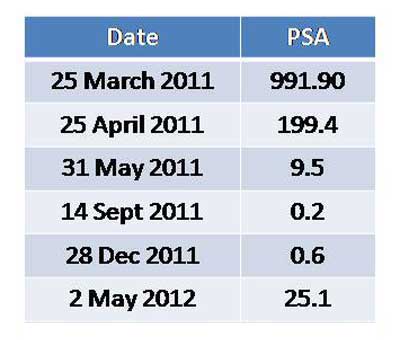
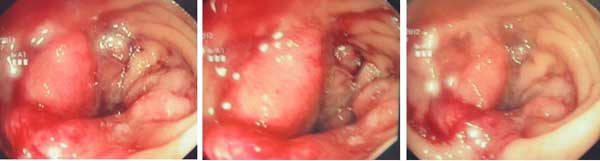

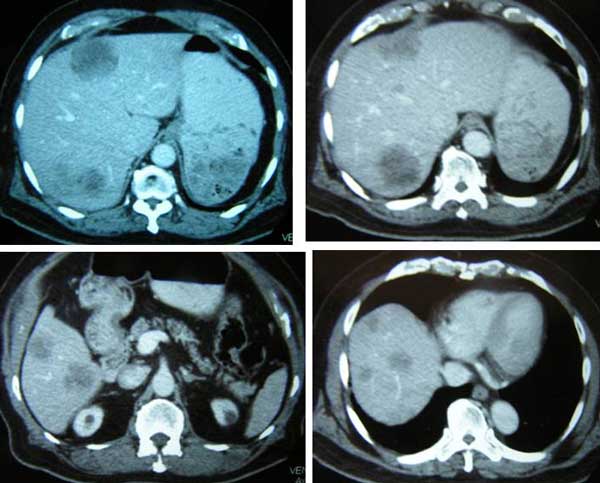


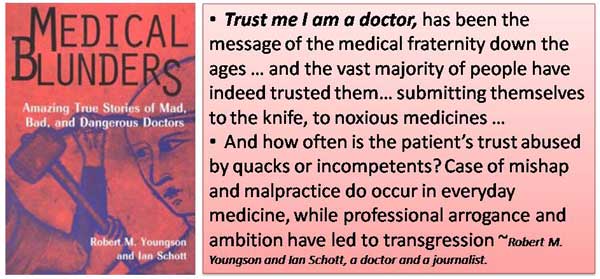


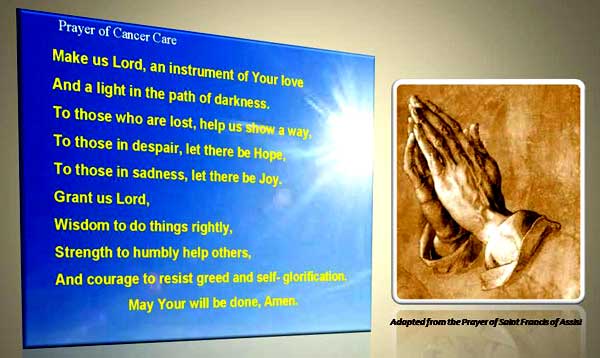
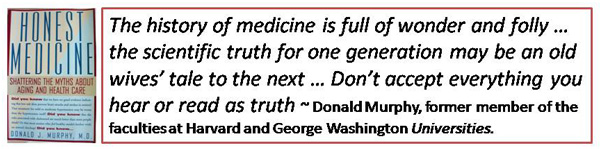
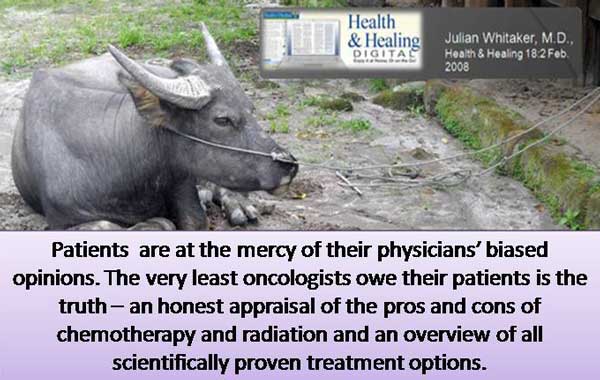


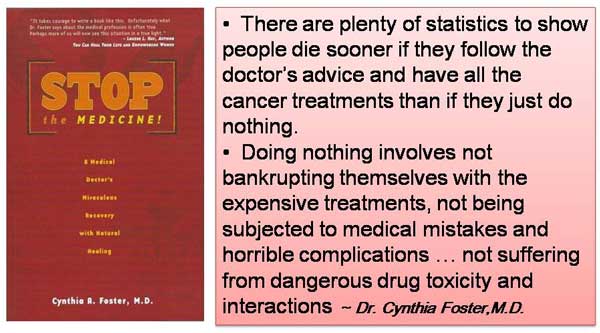


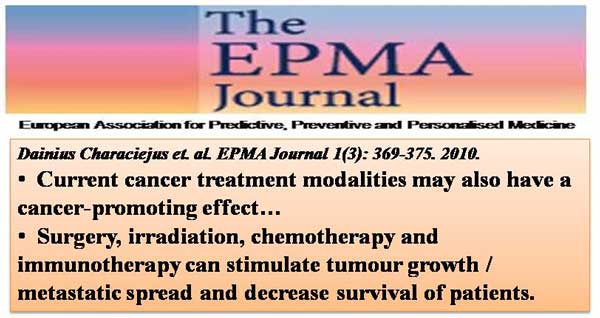
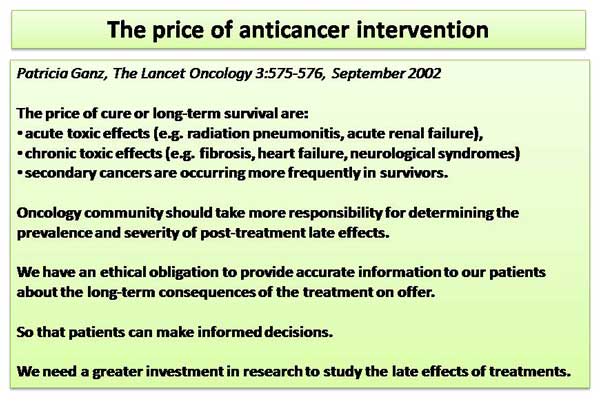

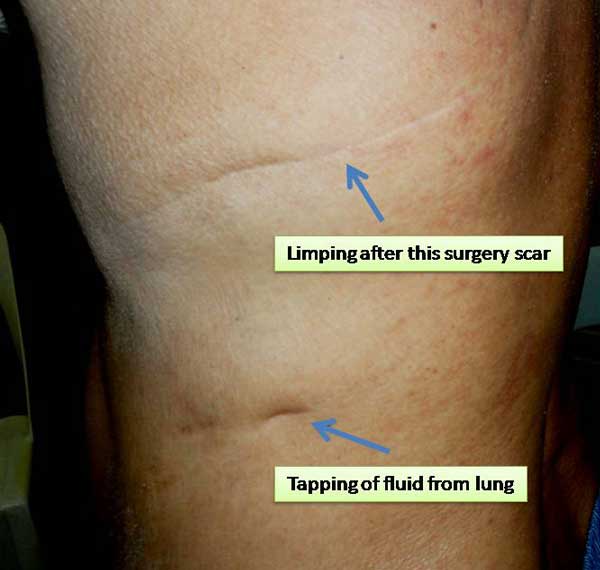

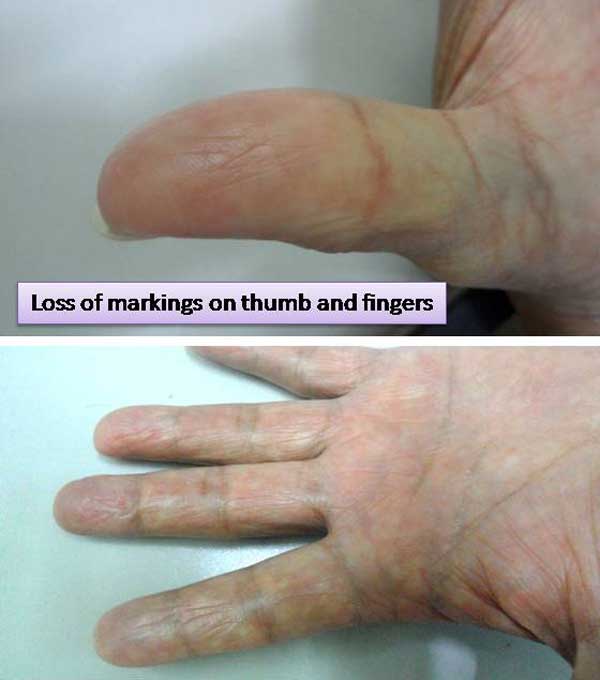



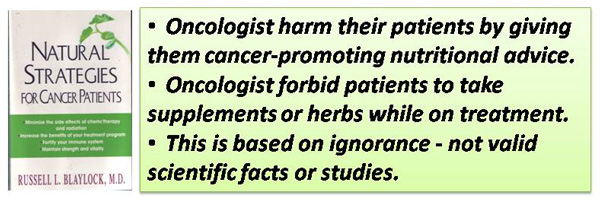


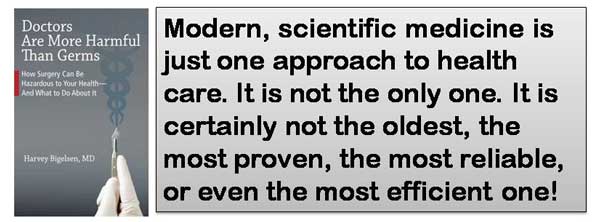


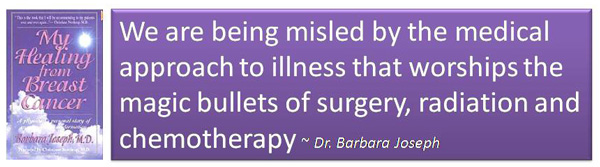


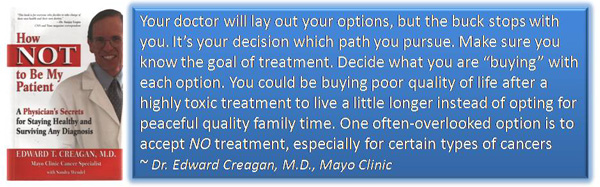
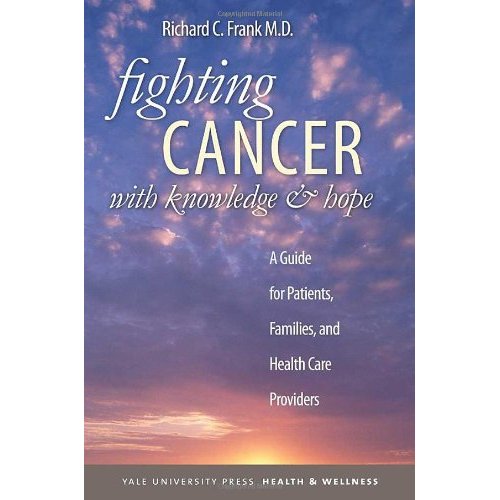
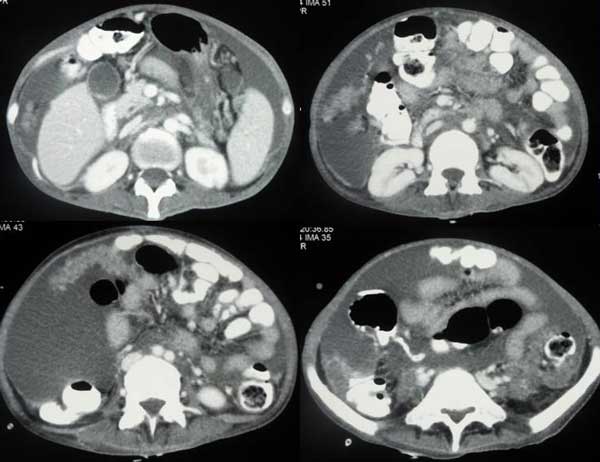

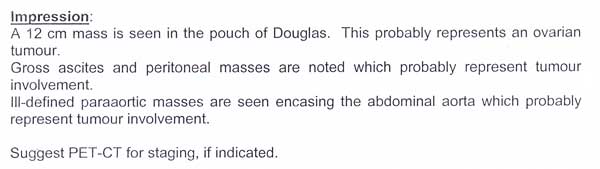


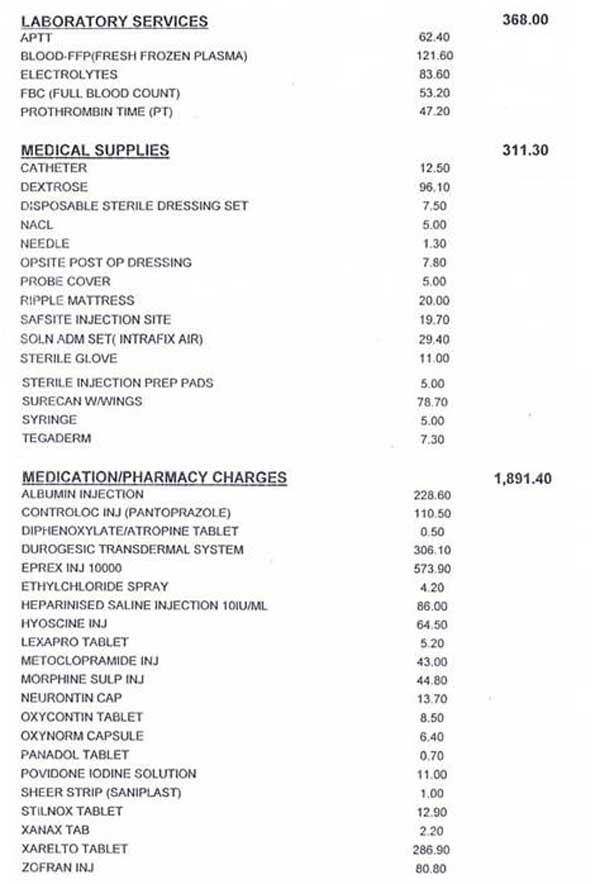


 CANCER STORY
You must be logged in to post a comment.