Do chemotherapy, you have a 70 percent chance of cure for your breast cancer! You believe that?

RP is a 44-year-old Indonesia lady. She was diagnosed with breast cancer and had undergone a left mastectomy with axillary clearance. Three out of 5 sentinel lymph nodes were infected with cancer. It was a stage 2A cancer.

RP as asked to undergo 8 cycles of chemotherapy. Each cycle of 5-FU, Cyclophosphamide and Epirubicin cost RM3,000.  After receiving 3 cycles of chemo,  RP was asked to install a chemo-port because her blood vessel was unable to take in the drug. RP also suffered severe bleeding during her menses. She came to seek our help on 13 June 2014.


Chris: Before you did the chemo, did you ever ask if chemo was going to cure you.

RP: The oncologist said chemo can give a 70 percent cure!

C: What happen to the 30 percent?

RP: I did not ask!

C: Did you ask if you belong to the 70 percent cure group or do you belong to the 30 percent failure group?

RP: He told me it is not a 50:50 percent case. I have a 70 percent chance!

Comment

Let me not give my own views about chemotherapy. Reflect on the following:

2 chemo-2-percent benefit

3 Chemo attempt to kill cancer before killing patient JohnLee 4 Chemo die OK if follow protocol

14 Drug-cause-cancer-spread-ag

12 Chemo-short-cut-to-make-mon


BOOK REVIEW: THE WOMAN WHO KNEW TOO MUCH: ALICE STEWART AND THE SECRETS OF RADIATION

Woman who knew too much

by Yeong Sek Yee & Khadijah Shaari

This biography illuminates the life and achievements of a remarkable woman scientist who revolutionized the concept of radiation risk.  Written by Gayle Greene, who was the Professor of Women’s Studies and Literature, Scripps College, UK, the book is compelling reading for activists and policy makers.

In the 1950s Alice Stewart began research that led to her discovery that fetal X rays double a child’s risk of developing cancer. It was towards the end of 1955 that Dr. Alice Stewart, head of the Department of Preventive Medicine at Oxford University, first became aware of a sharp rise in leukemia among young children in England. Dr Stewart subsequently discovered that the number of children dying of this cancer of the blood had risen over 50 percent in only a few years. In the United States an increase about twice as large had occurred. One aspect of this rise was extremely puzzling: the leukemia seemed to strike mostly children over two to three years of age.

Dr. Stewart undertook another study to find out. With the assistance of health officers throughout England and Wales, she obtained detailed interviews with the mothers of all of the 1694 children in those counties who had died of cancer in the years 1953 to 1955, as well as with an equal number of mothers of healthy children. By May 1957, the analysis of 1299 cases, half of which involved leukemia and the rest mainly brain and kidney tumors, had been completed. The data showed that babies born of mothers who had a series of X-rays of the pelvic region during pregnancy were nearly twice as likely to develop leukemia or another form of cancer, as those born of mothers who had not been X-rayed.

Subsequently, in a research paper she published in June 1958, Dr. Stewart concluded that the dose from diagnostic X-rays could produce a clearly detectable increase in childhood cancer when given during pregnancy and this was an extremely low dose. However, it took until 1980 before the major American medical groups recommend that doctors not routinely x-ray pregnant women—and even so, 266,000 pregnant women were x-rayed in that year. Dr Stewart believes that “it takes about 20 years…for an unpopular discovery to be digested and you’re lucky if it takes only that long.”

There were a few other very unpopular discoveries made by Dr Stewart and her team of researchers. Some of these are:

  • Radiation is the most powerful mutation known to man, a poison that no one can feel, smell, see, or detect until people drop dead.
  • There is no safe level of radiation…her research clearly debunked the universally accepted “threshold hypothesis” that claimed that there was a threshold below which radiation was safe.
  • Any dose of radiation, however small, is going to have an effect in the bodyany dose has the potential of damaging a cell…low dose may injure cells rather than kill them…and a surviving mutated cell can cause cancer or a birth defect.
  • Lower doses received over time might actually produce more cancer per unit of exposure than a single large dose. Dose fractionation increases the cancer risk.
  • Even more than the cancer threat is the genetic damage—the possibility of sowing bad seeds into the human gene pool…and the danger with recessive genes is that once they are into the gene pool, you can’t get them out.
  • Radiation damage to a cell may show up only after the cell has divided several times, producing a genomic instability that might result in broken or misshapen chromosomes and muted genes and early cell death.
  • Researchers found that children whose fathers were exposed to the highest levels of external radiation were six to eight times more likely to develop leukemia than were the controls…in other words there is a correlation between paternal exposure to radiation and childhood cancer.

As a woman scientist, she faced a significant amount of prejudice and ridicule from the male-dominated scientific community, and other groups who found it hard to accept the findings of her research that radiation was harmful even in low doses to unborn fetuses. Despite all this, she stood by her studies and research and eventually convinced doctors to stop x-raying pregnant women even though it took twenty years to eradicate the practice.

From about 1970, Stewart turned her attention to the underlying issue raised by her work: the serious underestimation, in her view, of the risks of exposure to radiation in nuclear power plants. She again astounded the scientific world with a study showing that the U.S. nuclear weapons industry is about twenty times more dangerous than safety regulations permit. The finding put her at the center of the international controversy over radiation risk.  Dr Stewart became one of a handful of independent scientists whose work is a lodestone to the anti-nuclear movement. In 1990, the New York Times called her “perhaps the Energy Department’s most influential and feared scientific critic.”

With her life time research experience in the field of radiation, Dr Stewart had a firsthand knowledge of the misuses and politicization of radiation science. The radiation field is so politicized, there is so much invested, ideologically and economically, that these scientists just cannot change their mind. They simply cannot say, “We may have been wrong.”

Politicized the field has been, and politicized the field remains. The Atomic Energy Commission had strong vested reasons for downplaying the effects of radiation and maintaining a safe threshold theory and continues to argue that low doses of radiation are negligible.

Marginalized by mainstream British medical research, starved of funding, blackballed, blacklisted, cold-shouldered, she has borne with more than her share of slights, snubs, and rebuffs. In her parting remark in the biography, Dr Stewart said, “If I were GOD tomorrow, I should take every job away from the nuclear physicists”

Dr Alice Stewart died in June 2002 at the age of 95. With her passing, gone are the days of researchers like Alice Stewart.

FURTHER REFERENCES:

LINK: http://en.wikipedia.org/wiki/Alice_Stewart

2)      Early Life Exposure to Diagnostic Radiation and Ultrasound Scans and Risk of Childhood Cancer: Case-Control Study

LINK: http://www.medscape.com/viewarticle/738082

3)      Alice Stewart, 95; Linked X-Rays to Diseases

LINK: http://www.nytimes.com/2002/07/04/world/alice-stewart-95-linked-x-rays-to-diseases.html

The Woman Who Knew Too Much: Alice Stewart and the Secrets of Radiation

    LINK: http://muse.jhu.edu/journals/bhm/summary/v075/75.1more.html

The Unheeded Warning

LINK: http://www.ratical.org/radiation/SecretFallout/SFchp2.html

 The Woman Who Knew Too Much

LINK: http://www.press.umich.edu/16780/woman_who_knew_too_much

Obituary: Alice Stewart … The Guardian

   LINK: http://www.theguardian.com/news/2002/jun/28/guardianobituaries.nuclear

YOUTUBE VIDEOS

1)      YOUTUBE: Alice Stewart: The woman who knew too much

LINK: http://www.youtube.com/watch?v=proyrn2AAMA

2)      YOUTUBE: Dr. Ernest Sternglass on Radiation & Health

LINK: http://www.youtube.com/watch?v=J3ib085o-K0

WHY HAYLEY MILLS QUIT CHEMOTHERAPY AS SHE BATTLED BREAST CANCER

by Yeong Sek Yee & Khadijah Shaari

1 Harvey

Who is Hayley Mills? If you are in your 6-series (in life) you would probably have heard about her. Hayley Mills began her acting career at the age of 12, starring alongside her father John Mills in “Tiger Bay” and at 14; she appeared in “The Parent Trap” and then “Whistle Down in the Wind” in 1961. Her later film “Pollyanna” in 1960 brought her to fame and she was awarded the last juvenile Oscar.

Below is a short story of her encounter with double breast cancer…yes she had cancer on both breasts.

In April 2008, Hayley Mills was diagnosed with breast cancer on both breasts on her 62nd birthday, but she chose to keep her illness private. After undergoing several tests and biopsies, the Pollyana actress had surgery but refused radiation therapy.

However she was persuaded to start a course of chemotherapy which she did.  Subsequently, after 3 sessions she decided to quit chemo and decided to seek an alternative route. Hayley admitted that she found the chemo treatment more daunting than the actual disease. In December, 2012, she revealed why she decided to quit chemotherapy:

“It made me feel awful…I was more frightened of the chemo than the cancer…I could feel it (the chemo) draining me and killing me. I felt I was dying”

Four years later from that traumatic time, she explained how, despite turning down chemo, she is happy and cancer-free. Hayley, now 66, credits her survival to the alternative treatments she used to heal her body. She changed her diet and cut out foods that “feeds the cancer” including sugar, dairy and acid creating foods. And she also embarked on a serious course of exercise and meditation.

In an interview with Mirror (UK), Hayley explained that “a tremendous amount of healing is in your hands. What you can do to boost your immune system and what you can do to keep your mind, body and soul healthy and positive is important”

Hayley also did caution that her decision to go the alternative route may not be for everybody, but there are some fantastic, brilliant doctors out there…and, it doesn’t make sense that there is only one way of dealing with cancer.

If you would like to read more why Hayley Mills quit chemotherapy, just visit the following links:

1)      ARTICLE : “I felt I was dying”: Hayley Mills on why she quit chemotherapy as she battled cancer  Link: http://www.mirror.co.uk/news/uk-news/hayley-mills-why-i-quit-chemotherapy-as-she-battled-1505199#ixzz2mayENo2p

2)      ARTICLE: My secret triumph over breast cancer by actress Hayley Mills Linkhttp://www.express.co.uk/news/showbiz/293433/My-secret-triumph-over-breast-cancer-by-actress-Hayley-Mills

3)      ARTICLE :  ‘I could feel it killing me’: Hayley Mills reveals how she beat double breast cancer after quitting chemotherapy  LINK: http://www.dailymail.co.uk/tvshowbiz/article-2253271/Hayley-Mills-reveals-beat-breast-cancer-quitting-chemotherapy.html#ixzz30qISjH6B

4)      ARTICLE: Hayley Mills describes secret battle with breast cancer LINKhttp://www.telegraph.co.uk/culture/film/film-news/8989623/Hayley-Mills-describes-secret-battle-with-breast-cancer.html

5)      ARTICLE:Hayley Mills quit chemo, used nutrition and alternative therapies to heal breast cancer in 2009  LINK: http://www.chrisbeatcancer.com/hayley-mills-quit-chemo-used-nutrition-alternative-therapies-to-heal-breast-cancer/

If you would like to read the story of Sally Baker, a charity volunteer who did not opt for chemotherapy even after a double breast mastectomy, just visit the following link:  http://www.dailymail.co.uk/health/article-2459756/Ive-refused-chemo-breast-cancer-gain-isnt-worth-pain-After-double-mastectomy-woman-defends-hugely-controversial-choice.html

Pain Recurred After Eating Rojak

Patient, 66-year-old, was diagnosed with lung cancer that had spread to her bones and brain. She had undergone radiotherapy, took Iressa and later switched to Tarceva but the treatments failed her. After 9 months of medical treatment she decided to try out our CA Care Therapy.

Patient led a miserable life. She was constantly in pain and had difficulty sleeping. Patient, her husband and daughter came to CA Care Penang on 8 June 2014. She was started on the e-Therapy. After 4 days, her pains were gone!

When she got well – no more pain, good appetite, happy, etc…. she ate young coconut followed by rojak at 10 p.m. About an hour later she started to cough badly and the pain recurred. Things went bad for the whole night.

Listen to her story.


Our message to all cancer patients.

1. Take care of your diet if you want to live.

2. This is my observation. When patients are dying they will listen to our advice. But the moment when they get well, they easily forget what we teach them.

3. Patients come up with various reason why they want to eat whatever they like! One amusing story. A liver patient told his family. He would not want to die with an empty stomach, else he would turn into a hungry ghost. He ate whatever he like, he lived for 1 year and 8 months, went into a coma and died. Everyone in the family was happy!

4. Very often you were told you can eat anything you like. Food has nothing to do with your cancer. It is your choice!

5. Learn, please learn from this story.

Lung-Bone-Brain Cancer: Pain Gone After 4 days of e-Therapy

Patient, 66-year-old, was diagnosed with lung cancer that had spread to her bones and brain. She had undergone radiotherapy, took Iressa and later switched to Tarceva but the treatments failed her. After 9 months of medical treatment she decided to try out our CA Care Therapy.

Patient led a miserable life. She was constantly in pain and had difficulty sleeping. Patient, her husband and daughter came to CA Care Penang on 8 June 2014. She was started on the e-Therapy. After 4 days, her pains were gone!

Listen to her story.


Patient was in pain for 2 weeks before coming to see us in Penang.

Nature of her pain:

  • Poking pain in the left rib.
  • Pain radiated from front to the back.
  • Pain comes on and off lasting from 5 minutes to 30 minutes at a time.

After the e-Therapy

The following are notes recorded by her daughter.

Day One

  • Started with Detox #2 on Sunday evening. Felt mild pain at the ribs while undergoing the therapy.
  • Mild pain at 2 am to 4 am.

Day Two

  • Detox # 3 and Insomnia #18 on Monday morning. More pain during the session. Went home felt very, very tired, restless and irritable. Had deep sleep for 30 minutes.
  • Pain at 2 p.m. and then at 9.30 p.m. The pain gradually increased at 11.30 p.m. and 4 a.m. Able to sleep but woke up due to the pains.
  • Overall she had more hours of sleep.
  • The pain now is a bit less than what she experienced while at home before the e-Therapy.
  • Good appetite.

Day Three

  • Pain # 65, 80 and 89. No pain and had good sleep during the therapy. Had mild pain at 1 p.m., 3 p.m. and 4.30 p.m. Duration of pain decreased.
  • At night she was alert, talkative and energy level higher.
  • No pain throughout the night but had coughs with a lot of phlegm.
  • Wake up, sleep, wake up, sleep. Didn’t sleep well.

Day Four

  • Whole day and night NO pain.
  • Before the therapy she had pains every day and night.
  • At night she had pain 2 to 3 times and daytime it was 3 to 4 times per day.
  • After 4 days of the e-Therapy the whole day and night no pain.
  • She felt better, whole day comfortable. She was happy.

Daughter: (The e-Therapy)… It is very good. At night no pain, the whole day no pain. Very good mood. Very good appetite. Happy.

Chris: You can’t ask for more!

The Story of Mom’s Lung-Brain-Bone Cancer

This is the story of a 66-year-old lady who had lung cancer. The cancer has spread to her lymph nodes, bones and brain.

This is what her daughter wrote about her mom.

Mom who cooked and ate meat, dairy, eggs, honey, garlic and onion as part of her diet since young, became a vegan since 3 years ago when she started to follow Master Ching Hai’s teachings.

Mom had high blood pressure for about a decade now. She used to take medicine to control her blood pressure but has since stopped taking it about 6 months now. Mom is a non-smoker.

Since June 2013, mom started to complain about being tired and she slept a lot. She felt no mood or lazy to do housework. We thought all these were due to aging. She also tended to forget things, like misplacing items.

Sometime in early August 2013, she lost her balance and fell. Mom declined to see the doctor.

Mom started to look very tired. She also had a hard time formulated her speech and stammered. She started to take vitamin B12 pills in the hope of improving her condition. We all thought she might suffer from vitamin B12 deficiency being a vegan. Mom wanted to monitor for 2 weeks before seeing a doctor.

Walking extremely slow, one step at a time, and very tired, we brought mom to see a GP. The doctor advised blood test together with a CT scan at a hospital. The doctor suspected a minor stroke.

Mom Had Cancer

We brought mom to a university hospital. Her CEA was more than 1,000. She was referred to an oncologist who suspected mom had cancer. He prescribed mom Dexamathasone, to reduce swelling of the brain and Omezole – to take care of the side effects of the steroid medication.

CT/PET scan on 3 September 2013, confirmed that mom has Stage 4 lung cancer. The cancer had spread to her brain, mediastinal nodes and bones. The next day, she did a biopsy. The tissue was positive to EGFR.

Radiotherapy and Iressa

From 11 to 23 September 2013, mom had 8 session of radiation treatment to her brain. From 21 September to 11  November 2013 (about 7 weeks) she took Iressa.

Deceptive Positive Results

A second  MRI and PET scan was done on 13 November 2013. The results were great! Mom’s brain metastases reduced tremendously. Also the lesions in her lungs shrunk.

However, liver function test taken on 11 November 2013, indicated liver damage.

Mom had to stop Iressa.

Another blood test on 9 December (i.e. 3 weeks after stopping Iressa), indicated liver got better. Mom started to take Iressa again. This time, a table on alternate days. But in January 2014, mom started to take Iressa daily.

More of Deceptive Positive Results

During the Chinese New Year (February 2014) mom started to lose her voice. A third MRI/PET/CT scan was done on done. The results were:

  • The oncologist was pleased with the MRI result. The oncologist mentioned that in September 2013 MRI there were about 50 lesions in her pain. In this February 2014 MRI showed less than 10 lesions. The oncologist said when he first saw mom’s MRI, he did not think mom was going to make it.
  • However, the PET scan results showed a different story. In the September 2013 PET scan it was a nice result with much reduced lesions (almost not seen). But for this February 2014 PET scan results, some lesions had recurred near her right neck (near vocal chords — therefore loss of voice?).
  • The oncologist mentioned that he was very worried, “it looks like the cancer cells got smarter and tried to overcome the Iressa.” Mom was asked to continue with her Iressa.
  • The oncologist, however, suggested a few options:

1. Start chemotherapy on day 1 and day 8, then rest for 3 weeks. In addition, mom take another oral drug, Tarceva or Afatinib (which was recently approved and is now available for free). We told the oncologist that we preferred not to do chemotherapy. As such the oncologists suggested the following options.

2. Start radiotherapy to the body in addition to taking another type of oral drug similar to Iressa.

3. Take only Tarceva or Afatinib without chemotherapy. But the oncologist said this was not a viable option.

  • For  mom’s voice issue, we brought mom to see an ENT specialist. Endoscopy to the nose/throat showed the left vocal cord was not moving (paralysed?) but the right one was doing fine. The ENT specialist said the problem could be due to the cancer. There is no medicine that he could prescribe for mom.

March 2014 — Iressa failed, switched to Tarceva 

  • Blood test on 5 March 2014, showed the tumor markers were slightly higher. The oncologist said he was worried that the cancer cells were growing and spreading. He suggested chemotherapy. He said he would give mom a lower dosage, perhaps 80 percent strength instead of the normal 100 percent strength. However there will be side effects such as low white blood cell count but the doctor said this can be countered by taking medicines. He also mentioned that patients can get better after going through the “weak” phase.
  • As we were reluctant to undergo chemo, the oncologist suggested radiation treatment to the neck and the left side of the lung. This treatment cost RM 9,100. Mom received 10 sessions of radiation.
  • The oncologist switched mom to Tarceva since Iressa doesn’t seem to be effective anymore. Tarceva cost RM 8,000 per month while Iressa cost RM 7,000 per month.
  • On 24 March 2014, mom received her fist xGeva (denosumab)  injection to protect her bones. This cost RM1,600 per shot and mom is supposed to have it every month.
  • 28 March 2014, mom started to lose her appetite.

April 2014 — 9 months Later 

  • Blood test on 7 April 2014 showed mom’s calcium level had gone down a little due the previous xGeva injection. She was prescribed medicine to bring up mom’s calcium level.
  • Mom was having frequent bowel movements. The oncologist said this might be due to the side effect of Tarceva, which causes minor diarrhoea.
  • Mom still had coughs and still choked when drinking fluid. The throat was dry and her voice hoarse. Her appetite was poor.
  • At this point, we discussed chemotherapy with the oncologist.

1. What after one session, we decided to stop the treatment. Any side effect / problem?

Oncologist: Of course we can stop at anytime, no problem.

2. How does the treatment work in terms of session, timing and rest period?

Oncologist: Do chemo on day 1 and 8 and this is considered as one cycle. Do 3 cycles first.

3. Drugs to use?

Oncologist: Two options. One, Carboplatin + Alimta which is more expensive, costing around RM 8,000 per cycle. Two, Carboplatin + Gemcitabine which cost about RM 1,000 per cycle. This option is much easier on patients but may be less effective (?). It it would be Carboplatin + Gemcintabine, the oncologist suggested that mom go for 4 to 6 cycles.

May 2014 — Tarceva Failed 

  • 5 May 2014, we told the oncologist about mom’s side effects. The oncologist recommended to stop Tarceva for 4 days and we were asked to come and see him again after that. He prescribed medications for insomnia, itchiness, and inflammation.
  • 9 May 2014, after 4 days not taking Tarceva, mom got much better. Acnes on scalp were drying up and there were not more rashes. But there seemed to be a new growth at mom’s neck. Oncologist asked mom to take Tarceva again but on alternate day.
  • MRI on 19 May 2014, showed disease progression. There were about 7 tumours.
  • PET/CT scan on 21 May 2014, showed disease progression:

1. Lymph node at the neck has enlarged.

2. Few new lesions at T9. 

The Final War Plan 

The oncologist laid out the following options.

  1. Tackle the brain first – and fast! He recommended that mom go for Cyberknife and then followed up with chemotherapy. After that mom continue taking the oral drug again after 4 months. If mom’s backache persist then we need to give radiation to that location.
  2. The oncologist also explained that giving mom whole brain radiation again would cause more side effects (e.g. sleepy, headaches) and only low radiation dosage could be give. If mom’s goes for Cyberknife she shouldn’t have such side effects because Cyberknife is more targeted.
  3. Cyberknife cost RM 67,000.
  4. Another option is to go for chemotherapy first. Do MRI after 1 or 2 months and if the tumour is shown to be growing very fast then go for Cyberknife.
  5. The oncologist assured us the mom would be able to tolerate chemotherapy. The only thing we need to really watch out is the white blood cell count.
  6. Mom will have to continue with her monthly xGeva injection to strengthen her bone.

One Final but Most Important Question

Can all these treatment cure mom?

The answer is: No cure. There is no guarantee that the cancer will not recur even after Cyberknife. 

CA Care – the Last Resort, 23 May 2014 

Patient came to seek our help and was prescribed herbs. On 8 June 2014, patient and her husband and daughter came to CA Care Penang and underwent the e-Therapy for her pains.

Comments

As I was about to upload this story, I received an email from Singapore. This is what it says.

Dear Mr Teo, 

My husband, age 61 was diagnosed with lung cancer 2 years ago. He was on Iressa since last year September 2013. Two months ago the oncology asked him to start chemo as he has developed tightness in the chest. We decline. So we just have to carry on with Iressa. Two weeks ago he developed bloatedness  in the stomach with  wind and fluid. Again oncologist scheduled him for chemo this coming Monday. Currently he feels  very fatigue and is too weak to go for chemo cause he lose a lot a weight. 

We are not in favour of chemo because in year 2012 he had gone through that already and we find it is too damaging to the lung and show no result because 10 months later lung had fluid. 

It is indeed sad.
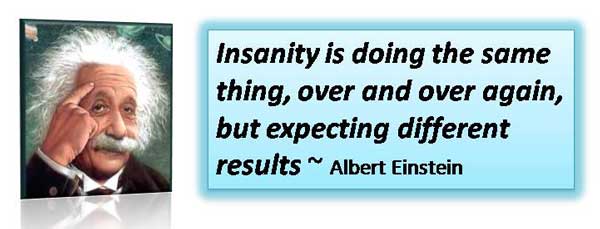
1 Insanity-by-Einstein

Don’t those who are supposed to know, know that Iressa does not cure any cancer? And chemo does not cure lung cancer either? Click this link: https://cancercaremalaysia.com/category/lung-cancer/ and you will see that I have written no less than 70 stories about lung cancer and chemotherapy / Iressa / Tarceva, etc.

Can we not learn something from these stories? 

More stories about this patient:

Lung-Bone-Brain Cancer: Pain Gone After 4 Days of e-Therapy

Pain Recurred After Eating Rojak

Chemotherapy for Sarcoma: He died after 8 months

In an earlier posting, I related the story of a 16-year-old son of Pak X. He had soft tissue sarcoma and went for treatment in China. His leg was amputated and he received chemo. These treatments did not cure him. The cancer spread to his lung and he died (2 years after his diagnosis).

Pak X related the story of another 16-year old boy who had soft tissue sarcoma like this son. He had chemotherapy and died within 8 months.

Listen to what Pak X said:

Pak X: Living in front of my house was a boy of 16 years old. He was also diagnosed with soft tissue sarcoma – exactly like my son. His father came to ask me for advice. His father asked: “What treatment did your son had?” I told him: “I have failed, no result. I have made a mistake. Please don’t ask me about my son’s treatment because I did not succeed. I have made a mistake.”

Chris: No. Don’t blame yourself.  Tell me, when did this happen?

P: About 4 years ago.

C: What happened to this boy? Did he go for chemo?

Daughter: He went to Singapore and had chemotherapy.

P: He died after 8 months.

C: Only 8 months.

P: My son died after 2 years of treatment (in China). In a way, I have more success. I felt grateful because for the herbal treatment (in Beijing). So now in my head, I always believe in herbs.

C: Again, this boy you told me about was your neighbour? He stayed just in front of your house?

Daughter: Yes.

C: And he did chemo in Singapore and he died 8 months later?

P: It started as a small green-pea size lump. A month later it grew into corn-size. Two to three months later it became marble-size. Every day he cried in pain.

C: I understand. This is a similar story of sarcoma.

Related stories:

Regretted for not giving mom chemo for her sarcoma

Sarcoma: Son died after leg amputation and chemotherapy

Sarcoma: Son died after leg amputation and chemotherapy

Pak X, an Indonesian from Medan came to seek our help. His wife had a big,cancerous lump in her breast. She refused surgery. I told them: “If you don’t go for surgery, I would not be able to help you.” Reluctantly the patient agreed to a mastectomy. However, she refused chemotherapy or radiotherapy.

One day, I asked Bapa X why he was so adamant about not wanting to go for chemotherapy. Listen to what he said:


Gist of what Pak X  said:

  • I don’t want chemo. This is based on my son’s bad experience. I now know chemo is not effective. My son was 16 years old when  he had a painful, reddish rash on his shin. This was later diagnosed as soft tissue sarcoma.
  • I brought my son to Guangzhou, China for treatment. They amputated his leg up to the thigh. Then they gave him chemo – 5 or 6 times (I am not sure now). We stayed in Guangzhou for about 6 months. The treatments were not effective.
  • I then brought my son to Beijing for further treatment using herbs. This was done in a hospital. We stayed in Beijing for about one and a half years. The treatment failed, the doctors surrendered.
  • I brought my son home to Medan. He died after 4 months. The cancer had spread to his lungs.
  • At least I was grateful that my son survived for one a half years with the herbs.

Chris: When you were in Guangzhou – they cut off his leg and gave him chemo – did you ever ask if the treatments were going to cure him?

Bapa: Yes, the doctor said the treatments can cure him.

C: When the treatments failed, did you ever ask the doctor again why he was not able to cure your son?

B: I did not ask that question. I just packed off and went to Beijing instead. We did not return to Guangzhou again.

C: In Beijing, did you ask the doctor if the herbal treatment was going to cure your son?

B: “Diusaha” (we’ll try our best).

C: How much did it cost you to undergo all those treatments?

B: I cannot remember now, but I have to sell a house to pay for the medical expenses.

(Bapa broke down in tears after this. This was not the first time Pak cried. Earlier, while taking a ride in our car to his apartment, he broke down  and cried when relating his son’s story. Now, it is his wife who has breast cancer and they refused chemotherapy or radiotherapy).

C: I am very sorry to bring this matter up. It stressed you a lot. Please don’t regret for what you have done. Don’t blame yourself. You have done your best. Also know that things like this happen to many people – having to sell their house or land to pay for medical expenses.

B: You asked me earlier why I did not want my wife to go for chemo. No, she is not going to do that. No chemo – anywhere! Property gone, life also gone after chemo, besides having to suffer. No. No to chemo. If we take herbs, life may go but at least there is no suffering!

Related stories:

Regretted for not giving mom chemo for her sarcoma

Chemotherapy for sarcoma: He died after 8 months


RADICALLY CHANGING YOUR DIET

Yeong Sek Yee & Khadijah Shaari

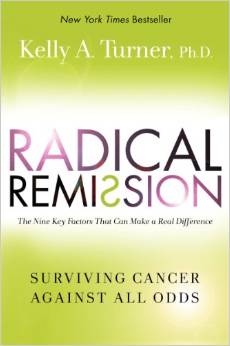
radical remisssion

The above is the title of Chapter 1 of the book RADICAL REMISSION (released March 2014) by Dr Kelly A. Turner, PhD, a researcher and psychotherapist who specializes in integrative oncology. In her doctoral research of over a thousand cases of Radical Remission – people who have defied a serious or even terminal cancer diagnosis – Dr Turner found very similar factors that nearly every Radical Remission survivor employed to defy the overwhelming diagnosis of cancer. The most important factor that consistently comes up over and over again is radically changing one’s diet in order to help heal cancer. What’s more, the majority of the people that Dr Turner studied all tend to make the same 4 dietary changes. They are:

  • Greatly reducing or eliminating sugar, meat, dairy, and refined foods.
  • Greatly increasing vegetables and fruit intake.
  • Eating organic foods.
  • Drinking filtered water.

Much has been researched and written about this radical change in diet and how it has benefitted cancer patients. The first major heading in this chapter is NO SWEETS, NO MEAT, NO DAIRY, and NO REFINED FOODS. This is very much in line with the recommendations of integrative oncologists/doctors like Dr Keith Block MD, Dr John Forsythe MD, Dr Russell Blaylock, MD and cancer survivors like Prof Jane Plant, Dr Anthony Sattilaro MD, Dr Lorraine Day, MD and Dr David Servan-Schreiber, MD. There are just too many to include in this short article.

For this article we shall not delve into the details of the radical diet that Dr Turner has uncovered but suffice to just mention the main points to jolt your memory again: –

  • Sugar just feeds the cancer,
  • Dairy products are cancer promoting,
  • Casein, the main protein in cow’s milk, makes cancer cells grow,
  • Scientific studies have linked regular consumption of meat to many types of cancer,
  • Refined foods, especially refined grains…have a very high glycemic index….this give cancer cells plenty of glucose to feed on and also creates high insulin levels in the blood… another condition strongly linked to cancer

On the other end of the spectrum, Dr Turner found that Radical Remission survivors ate a lot of vegetables and fruits…in fact; the cancer survivors who ate lots of vegetables and exercised regularly lived twice as long. Vegetables and fruits provide the human body with everything it needs: vitamins, minerals, carbohydrates, fiber, glucose, protein, and even healthy fats.

In the Chapter, Dr Turner shared the leading stories of Ginni and John when they were faced with breast and prostate cancer respectively by using the above 4 strategies to heal their cancer. There are many more survivors who have done it using a similar radical change in diet. Some of those are:

a)      Prof Jane Plant—Breast Cancer

Link: https://cancercaremalaysia.com/2014/01/13/book-review-your-life-in-your-hands/

b)      Dr Anthony Sattilaro—Prostate Cancer

Link: https://cancercaremalaysia.com/2014/01/07/book-review-recalled-by-life-the-story-of-my-recovery-from-cancer/

c)      Barry Thomson—Melanoma and Colon Cancer

Link: https://cancercaremalaysia.com/2014/05/14/book-review-defeat-cancerlike-i-did-twice-with-no-chemotherapy-or-radiation/

d)      Ian Gawler—Osteosarcoma

Link: https://cancercaremalaysia.com/2014/01/17/book-review-you-can-conquer-cancer-a-new-way-of-living/

e)      Dr Lorraine Day—Breast Cancer

Link: www.drday.com

Concluding Remarks by Dr Kelly Turner

After researching thousands of Radical Remission cases, Dr Turner is thoroughly convinced that….”Hippocrates was absolutely right: FOOD IS MEDICINE. Eating more organic vegetables and fruits while eliminating sugar, meat, dairy and refined food products can only help your body to heal – and in fact, it may turn out to be the only medicine you need. Hippocrates believed that healthy food and water should be the first medicine given, and surgery and drugs should only be used as absolute last resorts. Two thousand years later, we have somehow managed to turn that order on its head: now we first look to medications and surgery to heal our sick bodies, instead of the powerful medicine we already take three times a day: our food.”

The above statement by Dr Turner reminds us of an ancient Chinese proverb which very aptly describe the above concluding remarks: –

“One quarter of what you eat on your plate keep you alive…the other three quarters keep the doctors alive”

Have you changed your diet radically?

FURTHER REFERENCES:

If you would like to read further on how your diet can enhance your radical remission, we recommend the following books written by medical doctors, a Professor of Nutrition and a cancer survivor.

1) ANTI-CANCER A NEW WAY OF LIFE by Dr David Servan-Schreiber, MD, PhD who was a clinical professor of psychiatry and co-founder of the Center for Integrative Medicine. He passed away in 2011 – after 19 years with brain tumour. Was it Radical Remission? (Read Chapter 8: The Anti-Cancer Foods…in fact, we recommend that you read the whole book)

2) LIFE OVER CANCER by Dr Keith I. Block, MD, Director of Integrative Medical Education at the University of Illinois College of Medicine and Medical Director of the Block Center for Integrative Cancer Treatment in Evanston, Illinois. (Read Chapter 4: The Anti-Cancer Diet and Chapter 5: The Life Over Cancer Core Diet Plan).

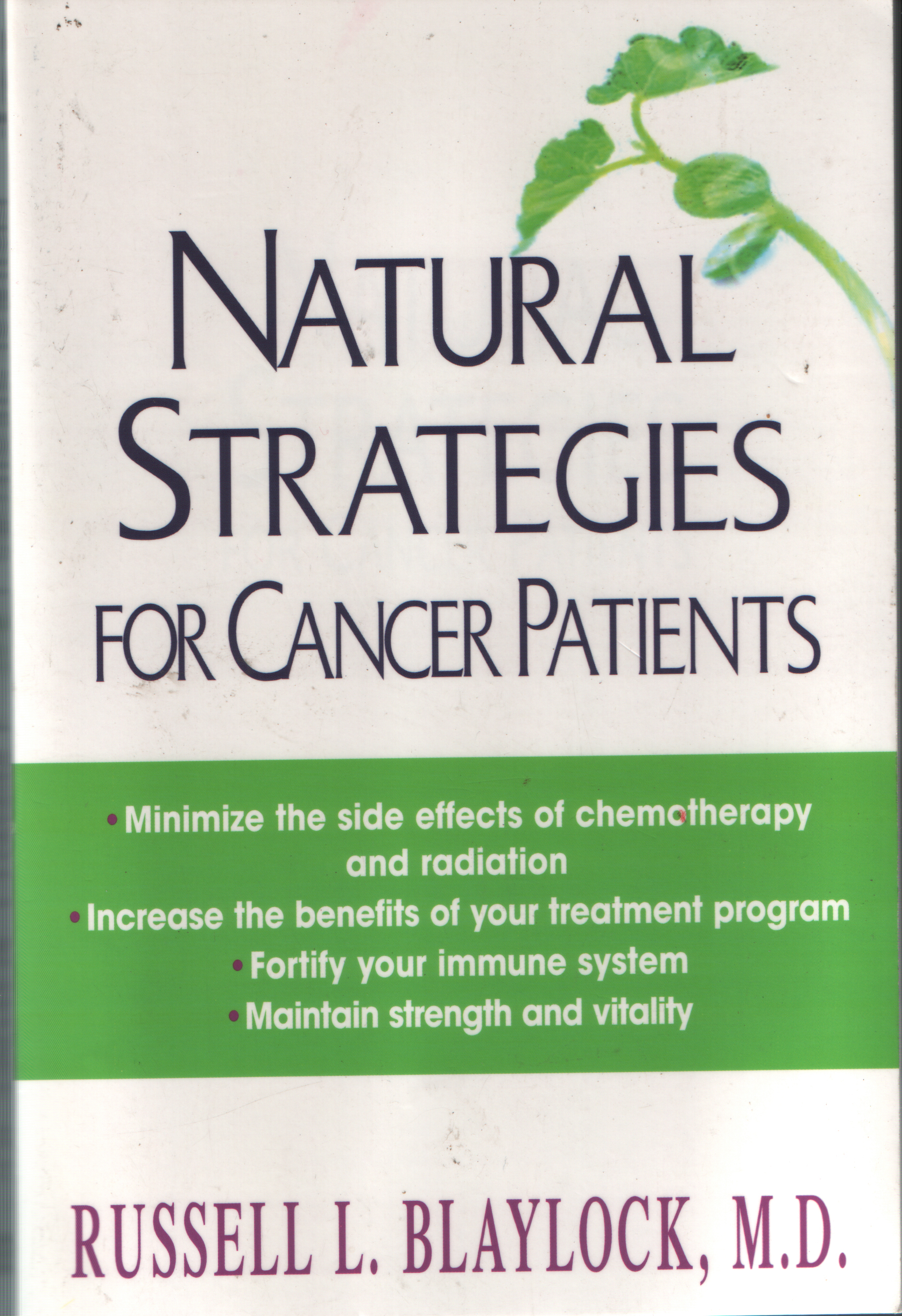
3) NATURAL STRATEGIES FOR CANCER PATIENTS by Dr Russell Blaylock, MD and a board-certified neurosurgeon and formerly the Professor of Neurosurgery at the Medical University of Mississippi. (Read the whole book–it is all about nutrition and cancer and also valuable information on how chemotherapy is poisoning you and how radiotherapy is burning you–to death).

4) THE CHINA STUDY by Dr T. Colin Campbell, PhD, who was the Professor Emeritus of Nutritional Biochemistry at Cornell University. (Read the whole book to understand why nutrients from animal-based foods increase tumor development while nutrients from plant-based foods decrease tumor development.)

5) YOU CAN CONQUER CANCER, A NEW WAY OF LIVING by Dr Ian Gawler, a veterinarian and decathlon athlete before his diagnosis, is Australia’s most “notorious” cancer patient and radical remission survivor. (Read Chapters 11-14 to find out that although diet may not be the total answer to cancer, but without a good diet, there is no answer).

There are lots of other such books written by oncologists/doctors/cancer researchers/survivors, etc. However, if you choose to follow the advice of our Malaysian “apa pun boleh oncologists/doctors,” you can only dream of the possibility of a radical remission.

The choice is yours.

Regretted for not giving mom chemo for her sarcoma

The husband of one breast cancer patient from Indonesia told us that he regretted for not subjecting his mother to chemotherapy after she had undergone surgery for her sarcoma. After the surgery, the cancer recurred and she had two more surgeries before she died.

I told this man, “You should not regret for not giving her the chemo. It is most likely that chemo would not be effective anyway.”


Review of Medical Literature on Sarcoma

Sarcoma is malignant tumor that can be divided into 2 groups:

1. Bone sarcomas, arising from bone or cartilage, and

2. Soft tissue sarcomas, arising from tissues such as fat, muscle, nerves and nerve sheath, blood vessels, and other connective tissues.

Soft tissue sarcomas are the most frequently occurring sarcomas. There are more than 50 different subtypes of soft tissue sarcoma. Some examples of soft tissue sarcoma:

  • Angiosarcoma arises from blood vessels
  • Kaposi’s sarcoma arises from blood vessels
  • Fibrosarcoma arises from fibrous tissue
  • Leiomyosarcoma arises from smooth muscle
  • Liposarcoma arises from fat
  • Malignant peripheral arises from nerve sheath tumor arises from Nerve tissue
  • Rhabdomyosarcoma arises from skeletal muscle.

Sarcomas are more common among children, accounting for 15% of pediatric cancers, but become less frequent with age, accounting for about 1% of all adult cancers.

They can occur anywhere in the body.  Around 60% of sarcomas develop in the arms or legs. The rest begin in the gastrointestinal tract (25%), the back of the abdominal cavity and its internal organs, called the retroperitoneum (15-20%), or the head and neck area (9%).

Treatment

1. Surgery

Surgery has been the preferred primary treatment for soft tissue sarcoma. The aim of surgery is to completely remove or excise the tumor. A border or margin of 2-3 cm of normal tissue around the tumor is also desirable to minimize the chance that tumor cells have been left behind.

Nonetheless, treatment with marginal surgery has been associated with local failure rates of 30 to 50 percent. Generally, small, low grade tumors can be treated with surgery alone.

2. Radiotherapy

The standard practice for the treatment of soft tissue sarcomas is radiotherapy in combination with surgical resection.

3. Chemotherapy

One of the major deterrents to adjuvant chemotherapy has been the difficulty in justifying exposure to the significant toxicities of these drugs for potentially non-responding patients.

Even in the best of circumstances, only 30 to 50 percent of patients with soft-tissue carcinomas will respond to standard chemotherapeutic regimen.

Systemic cytotoxic chemotherapy is generally not considered curative for patients with metastatic soft tissue sarcomas.

Treatment of patients with soft tissue sarcomas remains a challenge.

Recurrent Disease

There is always a possibility that a soft tissue sarcoma will recur.

Surgery may be possible if it is a limited recurrence.

It may be difficult to give additional radiation if the tumor recurs in an area that has already received maximum radiation in the past.

Chemotherapy is often offered.

Metastasis

The incidence of metastasis in high-grade soft-tissue sarcomas is 20 to  50 percent when the primary tumour diameter is greater than 5 cm.

Fifty percent of soft tissue sarcoma patients will die from distant metastasis.

One common site of metastasis (50 percent) is the lung, followed in frequency by liver, bone and to a lesser degree, skin.

Patients with retroperitoneal sarcomas had a greater tendency for local recurrence and disseminated disease throughout the abdomen.

Patients with head and neck and truncal sarcomas had a higher local recurrence rate than those with extremity sarcomas.

Prognosis

The overall relative 5-year survival rate of people with soft tissue sarcomas is around 50% according to statistics from the National Cancer Institute (NCI).

The 5-year survival rates for soft tissue sarcomas have not changed much for many years. The 5-year survival rates were:

  • 83% for localized sarcomas (56% of soft tissue sarcomas were localized when they were diagnosed)
  • 54% for regional stage sarcomas; (19% were in this stage)
  • 16% for sarcomas with distant spread (16% were in this stage)

References

http://sarcomaoncology.com/s_as_sarcoma.html

http://www.cancer.org/cancer/sarcoma-adultsofttissuecancer/detailedguide/sarcoma-adult-soft-tissue-cancer-survival-rates

I.J. Spiro et al. Soft tissue sarcoma (in Clinical Oncology, Ed. Philip Rubin. Health Science Asia, Elsevier Science).

A. Yasko et al. Sarcomas of soft tissue and bone (in Clinical Oncology. Ed. Raymond Lenhard, et al. Amer. Cancer Society).

Vernon Sondak & A. Chang. Clinical evaluation and treatment of soft tissue tumors (in Soft Tissue Tumours, Ed. Sharon Weiss and J. Goldblum, Heath Science Asia, Elsevier Science).

WHAT RADIATION THERAPY DOES TO THE BODY (PART 5)

Yeong Sek Yee & Khadijah Shaari

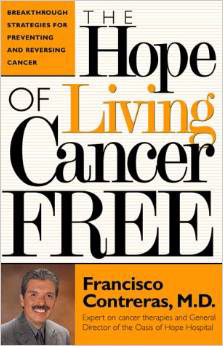
Continuing our journey, we summarize some points mentioned in THE HOPE OF LIVING CANCER FREE, published in 1999 andwritten by Dr Francisco Contreras, MD, the General Director of the Oasis of Hope Hospital in Baja California, Mexico.

Hope-of-living-cancer-free

In this book, we will learn why Dr Contreras described….radiation therapy…has proven to be another medical blunder. Why is this so?

Dr Contreras’s thoughts on the dangers of radiation therapy are summarized as follows:

  • Radiation therapy is the second line of attack. For a short time, total body radiation was used; however, that was stopped when many patients died from extreme toxicity.
  • Now radiation therapy has evolved into a localized therapy in which dosages as well as the size of the fields (areas where the radiation is beamed) have diminished significantly.
  • X-ray type beams are used to actually burn malignant cells. There are adverse reactions to the therapy because, even though the fields are limited, the beam will go (within the field) through benign as well as malignant cells.
  • Radiation therapy, in which we place so much faith a few decades ago, has proven to be another medical blunder. Motivated by the desperation of failure, radiation therapists have dreamed up new ways of applying increasingly aggressive doses to their patients. They have literally “burned” patients, leaving many permanently disabled. Plus, these patients have had to experience the temporary side effects of severe nausea, malaise, loss of appetite and the loss of other functions.
  • Radiation doses have to be specifically measured, and there is an air dose, skin dose and a tumour dose. The calculation has to be done by an expert, many times by the physicist. The radiation therapist does the planning to prevent the burning of the skin. The lighter the skin, the more it will be affected.
  • According to Dr Mario Soto, when the field of entry is large, there will be side effects. For example:
  • If the esophagus is touched during radiation to the chest, esophagitis, or the burning of the lining esophagus, can result.
  • In the case of cancer of the cervix or the uterus, proctittis, or burning of the lining of the rectum, can be caused.
  • In radiation to the head and neck, if radiation is given to the tongue, the salivary glands can be impacted, and the patient will be without saliva.

NB: Dr Mario Soto is the clinical oncologist at the Oasis of Hope Hospital where Dr Francisco Contreras is the Director General.

In a later book “50 CRITICAL CANCER ANSWERS” published in 2013 which Dr Contreras co-authored with Daniel E. Kennedy, M.C., both authors discussed Radiation: A New Era of Precision.

50 critical answers

Although researchers have worked hard to hone in the radiation onto the tumours while shielding the normal cells, there are still limitations to date. These are their comments:

  • Despite the improvements in 3D and 4D image-guided radiotherapy, brachytherapy, and proton therapy to target tumours more precisely, exposure and injury to surrounding tissues and organs with serious and permanent side effects still limits the amount of radiation therapy that can be administered to a patient undergoing cancer treatment.
  • Furthermore, the state-of-the-art technology, developed to increase efficacy and reduce injury, is so complex that human and mechanical error is inevitable due to software flaws, faulty programming, poor safety procedures, or inadequate staffing and training. The problem is compounded by how difficult radiation injuries are to identify.
  • Even with intensity-modulated radiation therapy (IMRT), a serious complication exists. Most tumours “move with us” when we breath, or with peristalsis (the natural movement of our bowels); though this shifting is subtle, high-dose radiation still burns the normal tissue that moves into the beam.
  • Complications due to organ damage and radiation-induced cancers are not apparent for many years, even decades; meanwhile insufficient dosing is impossible to detect or interpreted as failure to respond to treatment.
  • According to the New York Times, accidents are chronically under-reported. In June 2010, a Philadelphia hospital gave the wrong radiation dose to more than 90 patients with prostate cancer, and in 2005 a Florida hospital disclosed that 77 brain cancer patients had received 50% more radiation than prescribed because one of the most powerful and supposedly precise-linear accelerators had been programmed incorrectly for nearly a year. The article’s author concluded, “ Regulators and researchers can only guess how often radiotherapy accidents occur”

According to the authors, ionizing radiation damages cellular molecules in both direct and indirect ways. It splits directly hit molecules into highly reactive fragments known as free radicals. These, in turn, can attack other molecules they encounter in a continuing and damaging chain reaction.

  • One key damage target in irradiated cells is DNA, which acts as a crucial blueprint for cellular function. Severe damage to DNA can induce cell death, and this effect is an important mediator of lethal radiation toxicity.
  • Radiation can attack DNA directly, but more often DNA is damaged by hydroxyl radicals formed when radiation interacts with water molecules in the body. 

CONCLUDING REMARKS:

It is extremely tragic and incomprehensible that the medical (or cancer) establishment still uses ionizing radiation that is clearly proven and known to be carcinogenic (as established by the International Agency for Research on Cancer).

It is also inconceivable that such conventional cancer treatments should cause so much pain, agony and money and then the patient has to suffer another form of cancer, heart disease or disorders to the bones, etc. Hence the cycle of treatment has to be repeated. 

Is this why conventional cancer treatment is referred to as “the Cancer Industry?”  Is this healing or is it “xxxx”? 

We welcome your opinion.

Lung Cancer: Six to 12 Months to Live. Must do chemo, that’s the only way. With herbs still alive after 2 years!

CB (H894) was 74 years old when he was diagnosed with lung cancer.  His daughter came to seek our help on 25 May2012.

CB’s problem started two weeks prior to his daughter’s visit. He had coughs and became breathless. He was brought to a private hospital where fluid was tapped out of his lung.

His CEA on 8 May 2012 showed 13.18 (High). Pleural fluid (fluid from the lung) showed atypical cells suggestive of small cell carcinoma.

Preliminary scanogram on 10 May 2012, showed right pneumothorax of approximately 40 percent and partial collapse of the right upper lobe and total collapse of the right lower lobe.

Bilateral small pleural effusions are seen in the bases.

According to the doctor, the only treatment available for  CB is chemotherapy. There is no other option. There will be no cure, only control the cancer. At best he has 6 to 12 months to live.

Since he was already old the family decided not to do any chemo.

CB’s condition at that time:

1. Breathing difficulty.

2. Cough with white phlegm.

3. Bowel movements, 2 to 3 days once.

4. No appetite.

5. Unable to sleep.

We prescribed Capsule A, Lung 1 and Lung 2, Lung Phlegm, Cough 5, Constipation and Gastric paste.


Chris: Who asked you to come and see me?

Daughter:  Alice told me about you. She was your student some years ago.

This was what I told CB’s daughter:

  • I can’t cure your father! It all depends on him – whether he wants to take care of himself or not.
  • If he does not believe in what we do, there is no point coming here. You must believe first.
  • If you believe your doctor, then go and see the doctor. But some people refuse medical treatment, then it will be a different story.
  • The herbs are bitter – not nice to the taste, awful smell, etc. Can you father stand that? Some people cannot accept that.
  • He has to take care of his diet. Cannot eat anything he likes. He must understand this first. Only then can he take care of himself.
  • There is no such thing as “magic bullet”.
  • I suggest that you don’t take any herbs first. Go home and discuss with your family. There is no point wasting money and time. He has to be committed. That is the important thing.  Then don’t take meat, sugar, table salt, dairy products and oil.
  • If he cannot take care of his diet, there is nothing I can do to help him.

Up to this day, I did not get to meet CB at all. He did not come to our centre. in fact, CB’s case of out of our “radar”.

However, on 11 June 2014, i.e. two years later,  I happened to “bump” into CB’s daughter when she came to collect herbs for her father.

Chris: How is your father doing.

Daughter: Okay, no problem, no complaints.

C: Amazing – it has been more than 2 years now. He can eat, can sleep and has no complaints? Cannot ask for more!

WHAT RADIATION THERAPY DOES TO THE BODY (PART 4)

Liver over cancerYeong Sek Yee & Khadijah Shaari

Our search for answers to what radiation does to your body takes us to review LIFE OVER CANCER written by an Integrative Oncologist, Dr Keith Block, MD who is the Director of Integrative Medical Education at the University Of Illinois College Of Medicine and Medical Director of the Block Center for Integrative Cancer Treatment in Evanston, Illinois.

This is what we found in the book on the dangers of radiation therapy:

  • Radiation therapy delivers a powerful dose of X-rays to kill cancer cells. It is used most in the care of patients with early breast and prostate cancer. But because the intensity of this radiation is many times stronger than that of diagnostic X-rays, it can harm normal cells, too, especially in patients with advanced cancers who are receiving palliative radiotherapy to shrink recurrent tumours. In this case, immune cells (lymphocytes) in particular may become impaired, making the body more vulnerable to other diseases.
  • Other common side effects of radiation include fatigue, eating problems, emotional distress, nausea, vomiting, bloating, discomfort in the neck or throat, and skin changes such as itching, blistering, toughening, and darkening.

The effects of radiation depend on where it is targeted…some main points:

  • Radiation to the abdomen and pelvis can cause radiation enteritis, which is characterized by inflammation of the intestines with severe diarrhea.
  • Radiation to the chest or breast can inflame the esophagus, causing difficulty swallowing.
  • Radiation to the breast can result in a painful skin reaction.
  • Radiation to the head, neck, and mouth can cause fungal infections in the mouth in addition to the usual irritation of the muscous membranes.
  • Radiation to the whole-brain can leave patients with cognitive and physical deficits.
  • Radiation to the lungs zaps so much normal tissue (its breathing and its attendant up-and-down movement of the chest causes healthy tissue to move into the X-rays’ path) that it leads to sometimes irreversible lung damage.

Elsewhere in the book, we gained an insight as to why radiotherapy and chemotherapy may not work for cancer patients:

  • Radiation and many chemotherapy drugs kill malignant cells by generating lethal oxidative stress. That is, they generate an avalanche of free radicals that the cells are destroyed. The problem is that there are always some survivors. Cancer cells that are exposed long-term to free radical levels that are high, but not high enough to kill them, adapt. In a perverse case of Darwinian “survival of the fittest,” some cancer cells may mutate in a way that makes them more and more resistant to treatment. If even a few develop resistance to treatment, all of their descendents have it too.
  • Indeed, cancer’s ability to continually adapt is one reason why chemotherapy and radiation are not more effective against cancer: the treatments also produce free radicals that support the disease process, allowing any cells that survive the barrage of radiation or chemotherapy to thrive.

CONCLUDING REMARKS:

It is extremely tragic and incomprehensible that the medical (or cancer) establishment still uses ionizing radiation that is clearly proven and known to be carcinogenic (as established by the International Agency for Research on Cancer).It is also inconceivable that such conventional cancer treatments should cause so much pain, agony and money and then the patient has to suffer another form of cancer, heart disease or disorders to the bones, etc. Hence the cycle of treatment has to be repeated.

Is this why conventional cancer treatments is referred to as “the Cancer Industry?” Is this healing?

We welcome your opinion.

WHAT RADIATION THERAPY DOES TO THE BODY (PART 3)

by Yeong Sek Yee & Khadijah Shaari

Continuing our search to find answers to what radiation therapy does to the body, we re-read Chapter 4 RADIATION THERAPY: BURNING CANCER found in the best-seller “NATURAL STRATEGIES FOR CANCER PATIENTS” by Dr Russell Blaylock, MD. He was a board certified neurosurgeon and neuroscientist and was the Clinical Professor of Neurosurgery at the Medical University of Mississippi. ( http://www.russellblaylockmd.com/)

Natural Strategies for CA

Dr Blaylock’s comments gave us further insights into the hazards of radiation therapy. Some salient points in the chapter are:

  • Most cancer patients, upon first learning they will face radiation treatments, have an image of lying down under a death ray. Most know that radiation is dangerous and can cause burns, nausea and vomiting, loss of hair, and even additional cancer. Their fears are not unfounded.
  • Authorities in the field of radiation biology do not even agree on the safety of diagnostic X-rays, which involve infinitely lower doses of radiation than radiation therapy.
  • Today, many doctors recommend that their cancer patients undergo radiation treatments following surgery just as a precaution. In my (Dr Blaylock’s) estimation, this is not good science. Despite the fact that we have many sophisticated ways to determine who should have post operative radiation and who shouldn’t, we are not using many of these tools with the majority of cancer patients.
  • X-ray particles could not only kill cancer cells, but also cause cancer. In fact, Marie Curie and her daughter, Irene Joliot-Curie, both died of leukemia caused by their prolonged exposure to radium.
  • Radiation’s harmful effects are accumulative…even when the treatments are fractionated, the damage can accumulate and produce injury to the tissues in the path of the beam. In addition, the beam continues to reflect off hard surfaces, such as bone and surgical implants, with the result being delayed damage.
  • Because no way existed to really concentrate the X-ray beam on the cancer, the result was often a wide zone of damage, including to the overlying skin. The effects of this damage were not always immediate.
  • Often, patients who undergo radiation treatments experience degeneration of tissues months or even years after their treatments end. For example, delayed radionecrosis can occur following penetration of the brain or spinal cord by X-rays. 

The nervous system is not the only tissue that can be damaged by scatter radiation. Most vulnerable are the cells lining the gastrointestinal tract, as well as the cells of the bone marrow, lymph system, spleen, and hair follicles. This is because these are all rapidly dividing cells, easily damaged by radiation.

  • Over half of all our immune cells are found in the gastrointestinal tract. Abdominal radiation treatments, especially when combined with chemotherapy, also can kill off the bacteria in the colon, such as the acidophilus and bifidus organisms. This, in turn, can result in an overgrowth of harmful microorganisms such as Candida albicans and pathogenic (disease-causing) bacteria. When such bacterial disruptions are severe, which is not uncommon, yeast and bacteria can enter the bloodstream, with significant consequences to the immune system.
  • The damage to the cells lining the intestine, colon, and rectum can range from defective absorption (malabsorption) to severe inflammation of the bowel wall with resulting bloody, mucus-filled stools.
  • The cells lining the intestine are very complex and delicate. Damage to these cells can significantly alter the body’s ability to absorb foods, vitamins, and minerals, leading to significant malnutrition, despite a healthy diet. The simple fact is that if food cannot be properly digested and absorbed, a healthy diet does little good. This is especially a problem when chemotherapy is combined with radiation.

One hazard rarely considered, even by radiation oncologists, is the danger of blood vessels injury caused by the radiation passing through blood vessels, from small arterioles to larger arteries. Major arteries course very close to a cancerous tumour, and sometimes they are encased by the tumour. This means that the blood vessels receive a large degree of the radiation dose. The artery most often damaged by the radiation was the carotid artery (the main artery supplying blood to the brain)…another most often injured is the vertebral artery, which supplies blood to the brain stem. 

CONCLUDING REMARKS

It is extremely tragic and incomprehensible that the medical (or cancer) establishment still uses ionizing radiation that is clearly proven and known to be carcinogenic (as established by the International Agency for Research on Cancer). 

It is also inconceivable that such conventional cancer treatments should cause so much pain, agony and money and then the patient has to suffer another form of cancer, heart disease or disorders to the bones, etc. Hence the cycle of treatment has to be repeated. 

Is this why conventional cancer treatments have been referred to as “the Cancer Industry?” Is this healing or is it “legalized” ???? We welcome your opinion.

To conclude this article, we recommend that you read Dr Blaylock’s article which describedHOW MODERN MEDICINE KILLED MY BROTHER…at the following link: http://www.wnho.net/medicine_killed_brother.htm

Pain Gone After e-Therapy

Jane (not real name) was a 47-year old lady from South Africa. She lived with her husband and their dog in a boat that sailed around the world. The happy family had been sailing like this for the past 15 years. Sometime in mid-2013, they landed in Malaysia. Jane developed breathing difficulty and was subsequently diagnosed with lung cancer. CT scan showed a 3.2 x 4.1 x 6.7 cm mass in her lung.

Jane was asked to go for chemotherapy but she refused. She was in severe pain when she came to seek our help. One way to help Jane with her recurrent persisted pains was to put her on the e-Therapy.

Listen to what happened to her.


Day 1: After detox 1 and detox 2: She went through “hell”. She felt very tired and the pains were more severe.

Day 2: She had nausea, was very tired and the severe pains persisted! She became very irritable, did not feel like eating and it was pain, pain, pain – all the time.

Day 3: In the morning, things seemed to improve a little bit. She became less irritable and less nauseous. However, the pain remained the same.

In the evening, Jane had more of the e-Therapy (almost 2 hours). She had hot flushes, she had a lot of sweat and felt something “moving” inside. The pains did not improve.

Day 4: She awoke at 3 a.m. and felt real good! I jumped out the bed. No pain. I felt absolutely healthy. Jane had more of the e-Therapy in the morning. She walked some distance to an organic shop for lunch. Her pains started to come back.

Day 5: I felt good, rested and it was fantastic.            

Day 6: Jane was better off today than she was on Day 1.

Comment

boat

We were glad to be able to help Jane with her pains. The next day, she sailed away with her boat (picture) and we never get to see Jane again. Later we received an e-mail from her husband saying that Jane had passed away on 1 January 2014. The cancer had spread to her brain. It was indeed unfortunate that we were unable to help Jane using herbs because her “Caucasian” stomach would not tolerate them.