Breast Cancer: IDR 4 Billion Gone, One Breast Lost

Jenny (not real name) was 44 years old when she found a lump in her right breast. A mammography done in a Singapore hospital on 21 December 2009 indicated no mammographic evidence of malignancy.

An ultrasound done on 22 December 2009 in another hospital showed the following:

Right breast

  • 1 o’clock palpable nodule, 2.15 x 1.8 x 0.9 cm
  • 2 o’clock nodule, 0.72 x 0.56 x 0.39 cm
  • 12 o’clock nodule, 0.36 x 0.54 x 0.29 cm

Left breast

  • 4 o’clock nodule, 0.84 x 0.72 x 0.41 cm
  • 10 o’clock nodule, 0.45 x 0.74 x 0.22 cm

Bilateral axillary lymph nodes

  • Right – 1.07 x 1.35 x 0.66 cm
  • Left – 1.31 x 1.44 x 0.55 cm

A lumpectomy was done and the histology report showed:

  • Extensive high grade ductal carcinma-in-situ with foci of stromal invasion.
  • Largest grade 3 invasive ductal carcinoma is 12 mm across.
  • Lymphovascular involvement suspected.
  • Multiple resection margins involved.
  • Tumor is positive for estrogen and progesterone receptors.
  • There is HER2 and p53 over-expression.

In September 2010, Jenny and her husband came to seek our advice. We told Jenny to go and have her entire right breast removed. She hesitated and we did not get to see Jenny again until 5 years later.

In November 2015, Jenny and her husband came to seek our help again and shared with us her IDR 4 billion adventure with the oncologists in Singapore.

Listen to our conversation that day.


Gist of our conversation.

Chris: You came in 2010.

Husband: Dr. Chris asked to go for mastectomy. My wife did not want to go for the operation. She had chemo.

C: Wait, first there were lumps in her breast. Why did you not want to go for operation?

H: Afraid.

Chemo and More Chemo — Bleeding Financially

C: After you consulted us, you went home and then went to see an oncologist in Singapore. You had chemo. Did you ask if the chemo was going to cure you?

H: The doctor said, yes can cure — guarantee!

C: Oh, that oncologist guaranteed that the cancer could be cured? Another breast cancer patient also went to this same oncologist — also guaranteed a cure! But unfortunately, after chemo and more chemo the cancer went to her brain. She eventually died (see story under comment). So for you, chemo after chemo — also can cure?

H: The lump was gone.

Jenny: Normal.

H: Normal but the oncologist kept wanting us to have more chemo. So we ran away from that oncologist.

C: Why did you run away from that oncologist?

H: Cannot afford to pay anyway — we were bleeding financially.

C: Oh, you ran away because you could not afford paying for the treatments. That was after how long of receiving the chemo?

H: Almost one to one and half years of chemo like in the chart below (chart prepared by husband).

1-chemo-injections

Note: From 25 October 2011 to 14 June 2012, Jenny received:

  • 12 injections of Herceptin.
  • 16 injections of Navelbine.
  • 20 injections of 5-FU.
  • In addition, she was given Eprex and Gran (self administered at home) to deal with her low blood counts. Refer to comment section to know what this blood boosting injection is all about.

Another oncologist: Don’t worry. We have a lot of medicine to treat you!

C: You ran away from the first oncologist and found another one. This oncologist once told a patient, “Don’t worry, we have a lot of medicine to treat you!” And this oncologist gave you one drug after another? When one medicine is not effective, change to another one? So you were started on oral drugs. Was it cheaper?

H: Ya, much cheaper because my wife just need to swallow the pills.

Jenny: Cheaper!

C: Did you ask the oncologist if the medicines were going to cure you?

J: Just to control.

C: How long were you taking these medicines — one type after another?

H: A long time, from January 2013 to November 2015. When the first round of oral drugs failed, the oncologist started her on Herceptin injections as well.
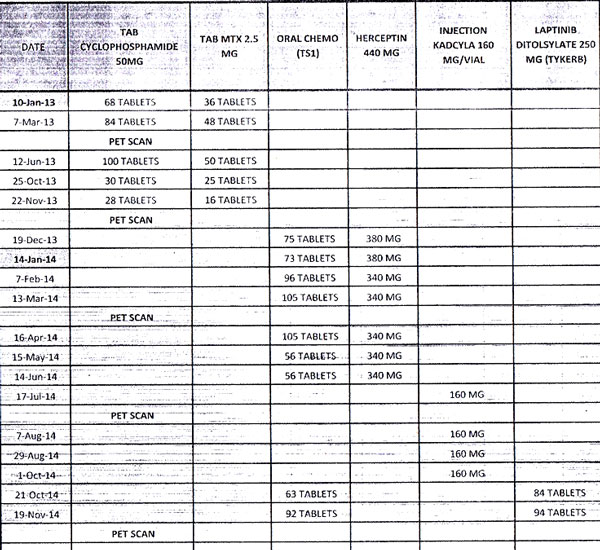
2-Oral-1

  • January 2013 to November 2013: On Cyclophosphamide + MTX. PET scan showed failure.
  • December 2013 to July 2014: On TS1 + Herceptin injection.
  • July 2014 to October 2014: On Herceptin injection + Kadcyla (Trastuzumab emtansine)
  • October 2014 to November 2014: Back to oral drug TS1 again + Tykerb (lapatinib).
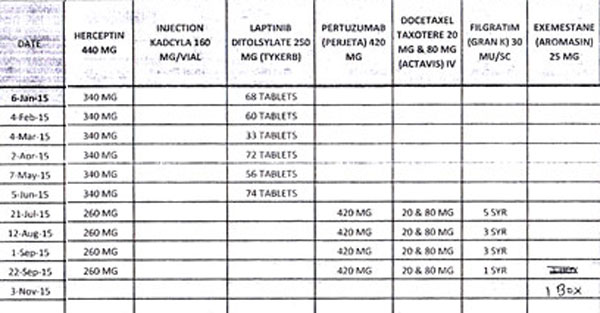
3-Oral-2a

  • January 2015 to June 2015: On Herceptin injection + Tykerb (lapatinib) again.
  • July 2015 to September 2015: On Herceptin injection + Perjeta (pertuzumab) + Taxotere + Filgratim (Gran).
  • November 2015: On Aromasin (exemetane).

C: What happened after taking all those oral drugs for more than a year?

H: The cancer came back again. The oncologist then started her on Herceptin injection again. She had a total of 7 injections.

C: Did you ask if this kind of injection was going to cure her?

H: The oncologist said the medicine given earlier did not work. Because of that the medicine had to be changed and changed. After one medicine failed another different medicine was tried. Then the doctor tried Kadcyla injection. This too did not work and the doctor changed to lapatinib. After lapatinib failed it was back to chemo injection again.

C: Then what eventually happened?

H: When the cancer did not go away in spite of all those treatments, Jenny had to remove her breast. After the mastectomy the doctor wanted to continue giving her chemo again — more Herceptin and pertuzumab (Perjeta).

Confused

C: I am really confused!

H: Me too. I also know that Herceptin can adversely affect the heart.

C:  When you first came to see us, I asked you to remove your breast. But you did not do that. You opted for chemo. Then after chemo and more chemo and also spending a lot of money you also lost your breast. How much did you spend for all those treatments?

H: A lot of money, about IDR 4 Billion.

C: Do you think the oncologists are good?

H: They spin money!

J: More and more chemo, until we have no more money!

Comments

When injecting toxic chemo drugs into patients, the oncologists also gave their patients Eprex and Gran. These are blood boosting shots. Perhaps this was done as a precaution because chemo could make the platelets, red and white blood go down. Perhaps too this is also a way to keep patients happy and well. Of course patients pay for such injection. But what is not known to patients is that this “red juice” and “white juice” may encourage tumor growth! Dr. Otis Brawley is an oncologist. Read what he wrote below:
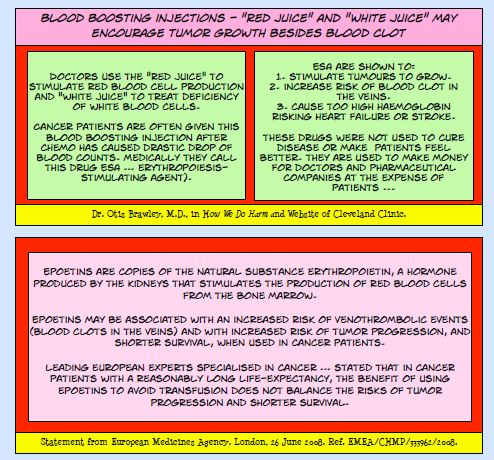
Read juice

Different Oncologist, Different Business Model but Similar Pathetic Story

  1. Cure Guaranteed!

APT 1 APT 2 APT 3

From: http://bookoncancer.com/productDetail.php?P_Id=76

 2. We have a lot of medicine to treat you!

Hw 1

Hw-Composite-1 Hw-Composite-2

Hw 2

From: http://bookoncancer.com/productDetail.php?P_Id=75

One final note. IDR 4 billion — I could not imagine how “big a sum” this is. A patient who went to China for treatment of his lung cancer also spent a similar amount. And he came home just as disappointed. According to his wife, IDR 4 billion is worth 2 bungalow houses if you live somewhere around Medan.


Colon Cancer: When Medical Treatments Did Not Cure Them

The past few weeks, many patients came to us with problem of colon-rectal cancer. Let us share with you some of the cases. We hope the experiences of these patients could provide us some lessons. Perhaps we don’t have to travel the same road that they took!

Case 1: Stage 4 Colon Cancer – surgery and chemo. Kidney problem and told to go for more chemo?

Dear Dr Teo,

My name is SL, aged 50 this year and I am from Singapore. I am writing to you in hope that you can provide me with medical advice regarding my condition.

I was diagnosed with stage 4 colon cancer in April 2015. Since then, I have gone through an operation to have a stoma attach to my stomach and had received 8 chemotherapy sessions. The first 6th treatment, I was still able to take the side effects, but the 7th chemo treatment onward, I felt relatively weak.

After the last treatment and a CT scan, the oncologist told me that there is a swelling on my left kidney and was referred to the urologist. The urologist told me that the disease has pressed on my urinary tract which require an operation to have a permanent stoma bag for my urine. I am not comfortable with that idea as I am currently having a stoma bag for my solid waste, which has caused me a great due of stress. I told him that I will observe and monitor my situation first. The oncologist has also advise me to go for 2 more chemo treatment again with a different drug as my cancer marker had increase from 40 plus to 60 plus. The initial scan shows 1000 over and has significantly decrease to now. I am dishearten that I would need to go through chemotherapy again.

I am stuck at a crossroad now and I am seriously considering my next medical approach to recovery. I was introduced and recommended by one of a church member with regards to the medical services you provide at your center. I wish that it can be possible for me to receive treatment from you but I would like to hear from you first of your views to my condition.

I look forward to your reply. Thank you. Yours Sincerely. 

Reply:  Sorry SL, it is indeed very, very hard for me to say anything. The chemo has done a lot of damage to your body and your kidney. It is difficult for  me to repair such damage. Honestly, I really don’t know what to say. To go for more chemo?  — for what? But to tell you not to go for chemo is also not right. I suggest that you pray and ask God for guidance. Let Him guide you. And then follow what God tells you in your heart. If you want to know more about what I do, go to www.CancerCareMalaysia.com

Dear Dr. Teo,

I  have read up on the herbal therapy done at your clinic. After praying about it, I feel that it would be best for me to visit your clinic. I will be able to show you my medical reports and I hope you can advise me if I am suitable to receive treatment from you or not. If it’s possible, I would like to arrange for an appointment with you. Thank you.

Reply: Yes, you are welcome to come and see me Monday to Friday at about 11 a.m. You can come in the morning and return in the evening /afternoon. Let me know.

Case 2:  Meaningless Decline of CEA and Shrinkage of Liver Tumour After Chemotherapy
Patient 2 (P2) is 67 years old. His problems started in October 2014, when he had constipation and later passing out stools with blood. A colonoscopy was done which showed that he had colon cancer.

P2 underwent surgery.  Unfortunately, the cancer had spread to his liver. P2 had 5 cycles of chemotherapy with Oxaloplatin. At the same he also took Xeloda for 5 cycles.

After chemotherapy, the CEA dropped and the tumour in his liver shrunk. Bravo!

But this great news did not last long. Soon afterwards, the CEA climbed up again and there were more and bigger tumours in his liver and other parts of the body.

Date CEA
8 January 2015 61.5 H – before chemotherapy
2 March 2015 38.2 H – while on chemo
4 May 2015   8.8 H
13 July 2015 10.7 H  – did more chemo!
19 October 2015 87.0 H  – more chemo, change drugs
CT scan 8 January 2015 – before chemotherapy 27 April 2015 – after 5 cycles of chemotherapy 11 August 2015 – before going for 2nd round of chemotherapy
1. There are hepatic hypodensities see in segments 6/7.

2. Largest is in segment 6 measuring 3.8 x 2.4 cm.

3. A new segment 7 lesion seen.

4. There is a nodule in the left inguinal canal.

5. There is a soft tissue mass present between the left 10th and 11th rib, suspicious of a metastatic deposit.

6. There is NO soft tissue thickening at the anastamotic site and laparotomy scar to suggest local recurrence.

1. Hypodensisties in segments 6 and 7 of the liver are all smaller. These are suspicious of metastases. No new lesion is seen.

2. A metastatic nodule to the right intercostal node is also smaller.

3. Left inguinal soft tissue suspicious for peritoneal spread of disease is also smaller.

4. No recurrence is seen at the bowel anastomic site.

  1. Interval increase in the number and size of liver hypodense lesions.

2. New hypodense lesions in segment 8/6, segment 4a/8, and segment 6/7.

3. Small left inguinal hernia with stable enhancing peritoneal thickening, suspicious for peritoneal metastasis.

4. No enhancing mass at the bowel anastomosis to suggest local recurrence.

Since surgery and the first round of chemotherapy did not cure P2, the doctor suggested more chemotherapy! Starting in August 2015,  P2 received another 3 cycles of chemotherapy with Oxaloplatin + oral Xeloda.  Unfortunately, these treatment was not effective. The CEA started to climb higher, from 10.7 in July to 87.0 in October 2015.

The doctor decided to change to another chemo regime. This time, P2 received Irinotecan + oral Xeloda. The doctor was not sure how many cycle P2 had to undergo with this regimen.

P2 said after the chemo:

  • The first week, he had no appetite and was tired.
  • The second week. he regained 50 percent of his wellbeing.
  • The third week, overall regained 80 to 90 percent of his health.

Since P2 showed during his consultation with us that he was still going to chemotherapy, we suggested that he goes home first and do not take any of our herbs.

Later, we received this e-mail from P2.

In your book you mentioned that those undergoing chemo can take capsule A and B to reduce the side effects.
Can I do that now ? I am more tired and the nausea lasted longer than before

Reply: If you want to continue taking the chemo — go ahead and complete your chemo first. When they cannot do anything else for you, then come and see me again. No use trying to make your own combination of treatment. Either you follow your doctor or you follow me.

Case 3: Surgery, chemo, radiation – the cancer spread to his lung 

In May 2014, I received an email below:

Dear Dr Teo,

Thank you very much for your kindness in helping the cancer patients.

My colleague (57 years old) had just underwent rectal tumour operation and he is very worried that he might have to go for chemotherapy or radiotherapy. For your information he is diagnosed with rectal cancer stage II. We would like to go to Penang to get consult you.

We met P3 and prescribed him with herbs. We also told him to take care of his diet, change his high-pressured-lifestyle and take it easy. During our meeting, P3 also told us that he was going to undergo dendritic cell therapy to be administered with a doctor whom he knows. The treatment originated from Japan and the whole treatment would cost something like RM 65,000.  Although I did not object to what he wanted to do, I told him about another patient who had similar treatment. He had lung cancer. Started the dendritic cell therapy in Singapore – it was a failure. He then flew to Japan and continued with more dendritic cell therapy. He died.

P3 apparently took our herbs and took care of his diet. Initially we saw P5 two or three times but after that he “disappeared from our radar.”

Later, we received this email.
Dear Prof. Dr. Chris Teo,

My blood test result is bad and is increasing daily

  • 19 May 2014 before undergoing dentritic cell therapy my CEA was 1.4.

I started consuming herbal medicine given by CA Care.

  • 4 July 2014 after completion of 6 X 4 jab (24 jabs) of dentritic cell therapy my CEA was 11.3
  • 9 July 2014 go for second opinion CEA was even higher 13.4 

This is very worrying and I am very concerned about metastatic spread. Please help.  How to stop the CEA to increase soonest.

I’ve just done my colonoscopy again this afternoon and the surgeon told me that the intestine is joining up well at my rectum and tomorrow morning at 11 am he is going to do the surgery by rejoining the intestine to my stomach and seal the hole. Expected to be admitted for a week. Best Regards.

P3 was again out of our radar, not until November 2015.  This is the email.

Dear Dr Teo,

It has been 15 months that since we last wrote to you.  How are you Dr Teo?  I wish that you are always in good health.  I still read your stories, write-up on your web-site.  Your kindness in helping the patients is greatly appreciated.

Patient  has been doing chemotherapy since August 2014 and has been monitored by the doctor closely.  However, recently he was informed by the doctor that the cancer cell had spread from the rectum (stage 4) to right lung.

We do not know what to do now as we think that he has been in the good hand all this while. Dr Teo,  please let us have your advice. Thank you very much.  

 Note: Chemotherapy since August 2014:

  • From 5-August 2014, chemo drugs used: oxaliplatin + 5FU + Avastin.
  • 13-10-2014, done IMRT (Intensity-modulated radiation therapy) for 6 weeks.
  • After IMRT, continued with chemo — Avastin, 5FU. Still ongoing.
  • 28-9-2015, had needle radiotherapy (radiofrequency ablation) because of 2 tiny spots on the right lung.
  • 19-10-2015, oxaliplatin was introduced again and 5 FU still on.

Since August 2014 the CEA was always higher than normal range and CEA dropped to within normal range in May 2015.  But for the past two months, the CEA was going up again.  His recent CEA was 14.7. 

Awaiting your comment please.

Case 4: Surgery and Xeloda did not stop this colon cancer from recurring

As we were dealing with many cases of colon cancer, a friend (P4) dropped by our centre. He is 70 years old and was diagnosed with rectosigmoid cancer in October 2014.

Chee LSeng Colon

P4 underwent a surgery and the histopathology report indicated a Duke Stage B cancer with no spread to the nodes or other parts of the body. After the discharge from the hospital, P3 was given oral chemo-drug, Xeloda which he took faithfully.

Barely a year later, October 2015, the cancer recurred. P4 underwent another surgery. The histopathology report confirmed a moderately differentiated adenocarcinoma of the colon, recurrent in the abdominal wall.

Now, what is P4 going to do now? He had two options: Go back to his doctor and undergo chemotherapy. Or, he come to us and opt for non-medical management of his cancer. P3 decided not to undergo further chemotherapy.

Let me ask you to reflect on these two quotations:

Insanity both

7 Repeating-error-over-and-ov

Let me end by sharing with you one case which fortunately seldom happen at CA Care — a patient who does not want to share his story.

P5 is a man in his early 50s. He flew in from Singapore to seek advice about his colon cancer. As he sat down to talk, he requested that this consultation should not be video-taped. I assured him that there is no need to worry — we would not stop our video-tapping but we would not use “his” video conversation with us.

I casually asked him: How do you come to know about us?

His answer: I went into your website and read the articles your wrote. I also watched the videos you put up in the You Tube!

My response: Oh you know about us because other patients would not mind sharing their stories, and I wrote their stories and used their videos in the website. But when it comes to your turn, you would not want to allow others to know about you!

P5 started to tell his story. Basically, he had problems of his bowel movements which he ignored for some time.  When things got worse, he decided to go to the hospital for help. Colonoscopy showed a big tumour in his colon. The doctor wanted him to undergo radiotherapy and chemotherapy first. These have to be done with the hope of shrinking the tumour first before proceeding with surgery.

P5 was not happy with the doctor’s suggestion. He would not want to go for chemotherapy or surgery. After learning about us, he decided to fly all the way from Singapore to see us. He was hoping to take our herbs and the tumour will go away. My answer to him: That is wishful thinking and “madness.” I have no such magic bullet. Go home and see your doctor. Let him remove the tumour first. After your surgery, you can come back again if you think I can help you.

Before leaving, P5 asked, How much do I have to pay for this consultation? I responded:  Pay nothing!

Having documented these cases, we have two other colon cancer stories to share with you. These two patients are unique in their own ways. And they are the kind of patients who made our day! Watch out for them:

  1. Conversation with a 34-year-old with colon cancer.
  2. Conversation with a 82-year old with colon cancer.

Metastatic Breast Cancer: She Found Her Healing

WP is a 45-year-old lady. Within a period of LESS than a year, all these happened.

  • In November 2014, WP had a lump in the right arm pit. A mammogram showed multifocal clusters of micro-calcification. A surgeon did a bad, piecemeal excision of the lump. Test confirmed it was an infiltrating ductal carcinoma with DCIS margins involved.
  • A week later, another surgery was done to remove the other remaining half of the lump.
  • WP consulted an oncologist in Singapore. She was asked to do a PET scan.
  • PET scan results showed:
  1. Small focal areas of mildly increased FDG uptake seen in the right breast — foci of satellite tumours have to be considered.
  2. There are several hypermetabolic lymph nodes noted in right axilla and in the pre-carinal region of the mediastinum. These findings are suspicious of metastatic nodal disease.
  3. No definite scan evidence of FDG avid hepatic, pulmonary and skeletal metastasis is noted.
  • WP was told she had a Stage 4 cancer and needed chemotherapy. She received her first shot of chemo in Singapore — AC regimen costing SGD 6,000 per cycle.
  • Not happy with the first oncologist, WP decided to seek another oncologist.
  • She did a total of 6 cycles of chemotherapy in Singapore. Since her cancer was Her-2 positive, WP was given Taxol + Heceptin. One injection of Herceptin cost SGD 4,000.
  • All treatments were completed in April 2015. Another PET scan was done. The results showed:
  1. The foci of increased FDG uptake in the right breast have resolved.
  2. The FDG-avid lymph nodes in the right axillary region and precarinal region of the mediastinum show interval metabolic resolution.
  3. No new suspicious FDG-avid lesion is detected.
  • In layman’s language the first round of chemo was a great success! But this success did not last long.
  • Six weeks later, a lump was again found in WP’s right breast. FNAC confirmed cancer.
  • The oncologist wanted WP to continue receiving Herceptin. Each treatment cost SGD 4,000 and WP will need to continue receiving Herceptin for life!
  • CT scan was done and it showed lung nodules.
  • In simple layman language the first round of chemo was a failure. It did not cure her.
  • WP was referred to a lung specialist who suggested a surgical removal of the infected nodes.
  • WP consulted a breast specialist in Kuala Lumpur and had a mastectomy (total removal of right breast).
  • A PET scan was again done on 11 August 2015. The results showed:
  1. There is interval development of several FDG-avid lymph nodes in the lower cervical, right supraclavicular, left internal mammary and medistinal regions. A consideration would be nodal metastases.
  2. A stable subcentimetre subpleural lung opacity without FDG-avidity in the right lower lobe is non-specific.
  • The breast specialist suggested more chemotherapy — the same advice as the oncologist in Singapore.
  • 18 August 2015, the breast specialist wrote: “The consensus on treatment from our Tumour Board was for her to complete her Herceptin and have radiotherapy to the chest well … radiotherapy to include the SCLN and Mediastinal LN as well as continuation of Herceptin and Perjeta in combination.”

After a month on CA Care Therapy, WP returned and said she was happy, confident and looked prettier! Listen to her.


Knee and joint Pains Gone After e-Therapy

WP suffered two side effects after her medical treatment.

  • After her surgery and axillary lymph nodes removal she felt numbness in her right arm. This is a very common problem suffered by patients.
  • After the chemo with Herceptin she had pains in her knees, ankles and joints.

Since WP planned to stay in Penang for 3 days, we took the opportunity to put WP on our e-Therapy.

After 3 sessions of the e-Therapy (each session lasted less than an hour) the numbness and pains were gone! Let WP tell you her experience.


Comments

Many cancer patients came to see us after all their medical treatments have failed them. We are their “last one stop”.  We also reminded them: Don’t expect us to cure you! We don’t have any magic bullet. You learn how to heal yourself. In this case, we are indeed glad to know that we can help WP in many ways — If you can eat, can sleep, can move and have no pain, don’t ask for more! Be grateful and be happy. WP had demonstrated to us that she had found her way to healing!

We always tell patients to ask two questions before undergoing any treatment (medical or alternative).

Before undergoing chemotherapy (radiation or surgery), did you ask the oncologist if the chemo is going to cure you?

WP did not ask this question when she met the first oncologist. But the second oncologist did tell WP that chemo would cure her cancer — saying, Many of my patients lived for 5 years.  To the doctors, surviving 5 years or more means cure, which unfortunately is not true.

I learned about Amy Cohen Soscia from the internet. She had breast cancer when she was 43-years old. Amy underwent a mastectomy, reconstructive surgery, chemotherapy and radiotherapy. She received treatments in one of the world’s outstanding cancer hospitals in the United States. In spite of the aggressive treatment,  Amy’s cancer spread to her liver and spine. She also received Herceptin. The cancer spread to her brain. More chemo drugs and radiation but these did not help her. Before she died, she wrote:

Capture2

In this case, WP had chemo with Herceptin. The treatment did not work. So, the oncologist’s respond was more chemo and top it up with radiation.  For the chemo, there is a new but expensive “bullet.”  This is the first time we heard about Perjeta.  What is it? Perjeta (chemical name: pertuzumab) is approved by the U.S. Food and Drug Administration (FDA) to be used in combination with Herceptin (chemical name: trastuzumab), another targeted therapy medicine, and Taxotere (chemical name: docetaxel), a type of chemotherapy, to treat HER2-positive, metastatic breast cancer  (Perjeta was called Omnitarg in earlier studies).

Can Perjeta cure cancer? How much does it cost?

Perjeta helped patients with HER2-positive breast cancer live significantly longer. But how long is that?  According to a study rolled out at the European Society for Medical Oncology meeting, Perjeta helped half of patients live at least 15.7 months longer than patients in the control group, the study data shows. In the world of metastatic, HER2-positive breast cancer, that’s a whopping result.”We’ve never seen anything like this before,” lead author Sandra Swain of MedStar Washington Hospital Center told The New York Times. “It’s really unprecedented to have this survival benefit.” Perjeta’s U.S. list price is about $5,900 per month, and it’s used in tandem with Herceptin, which costs $5,300 per month. Source: Roche’s Perjeta helps breast cancer patients live a record-setting 15.7 months longer

“Most patients will take the combination of Perjeta and Herceptin until their disease worsens, which is about 18 months,” the spokesperson said. “The estimated cost for a course of treatment … for 18 months is approximately $188,000.” Source: FDA approves Roche’s pricey new Herceptin partner, Perjeta.

Put this in the context of a patient in Malaysia. You need to spend RM 827,200 (current exchange rate of 4.4) to live for 18 months. The treatment does not cure you — does it prolong your sufferings?

Not too long ago, a friend whose wife had breast cancer was told by a renown oncologist: If you have a million or so, this is the time to spend your money, to show your concern for your wife. But the big question is, Can the treatment cure her? The answer is NO. My friend told me, It was a disgusting advice! We never went to him again.

One Indonesian cancer patient asked her oncologist if he could consider giving some discount for her chemo treatment. After all she had been receiving so many cycles of chemo from him but he could not cure her. The oncologist replied, Ask your husband to go and rob the bank to pay me.

Read more about medical cost: https://cancercaremalaysia.com/category/medical-costs-technology/

Reflect on the wisdom below:

Capture1

WP came to see us a month ago. She decided to believe in her own body in wanting to get well. She did not want to go for anymore medical treatment. Would you regret for making this decision? WP said she is now happier, healthier and prettier! Will she make it to another two years without having to spend a million bucks? Time will tell.

Ella was told without chemo she had only three months and with chemo she would live for two and a half years (no cure!). Ella forgo chemo and made it to seven years. And today she is still healthy! At CA Care, we have seen many Ellas (and you don’t have to rob the bank!). Praise God, the Almighty Healer.

Click on this link to browse through the many cases of breast cancer that we wrote about https://cancercaremalaysia.com/category/breast-cancer/


Chemo Kills

Dr. Russell L. Blaylock, a neurosurgeon and author of Excitotoxins: The Taste That KillsHealth & Nutrition Secrets to Save Your Life and Cancer Strategerieshttp://www.russellblaylockmd.com) wrote an article: How Modern Medicine Killed My Brother.

Let me quote some of what he wrote:

  • Earlier this month, I traveled to Monroe, La., to bury my dear older brother, Charles. Charles, unfortunately, began smoking when he was in law school, something I warned him about repeatedly.
  • After misdiagnosis after misdiagnosis, Charles was eventually diagnosed with lung cancer. Once the diagnosis was made, an oncologist was naturally called, who wanted to start a complete course of chemotherapy drugs.
  • I advised my brother against it, knowing the cancer would not respond and the toxic drugs would dramatically increase his breathing difficulties, hastening his death. He took my advice.
  • Then, a radiation oncologist suggested radiating the tumor to shrink it. I wasn’t supportive of this treatment, but my brother wanted something done. Soon afterward, he started five and a half weeks of radiation treatment.
  • The oncologist told Charles he was losing too much weight and he needed to eat more bread, pasta and even sweets to gain weight. …I told him that losing the weight would make it easier for him to breath. I had given him a copy of my book on the nutritional treatment of cancer and told him it was critical he follow the advice exactly.
  • Unfortunately, Charles decided he didn’t like the taste of the blenderized vegetables and would do what the oncologist suggested. He began to eat ice cream, cookies and other items that cancer patients should never eat. Once he finished the radiation treatments, he developed fever, severe shortness of breath and had to be admitted to the hospital… he had to be intubated and placed on a respirator.
  • The practice of medicine has changed drastically in the world, especially in this country.
  • The new breed of doctor, like my brother’s doctors … are convinced this “cookbook” medicine is superior and their elite journals and medical associations know best… they are mere cogs in the wheel …They are unable to think for themselves.
  • Unfortunately, doctors, like those who killed my brother, are being turned out of medical schools all over the country like robots.

Read carefully what Dr. Blaylock wrote and you will soon realize that such tragedy can happen anywhere and everywhere; over and over again. And yet no one seems to learn.

Let it be known, this is how the world operates — misdiagnosis after misdiagnosis; surgery, chemo or radiation if it is  cancer; eat anything you like, etc. etc. It is all the same in every hospital you are in no matter where you are. Then the patient may eventually dies! For those who can afford, not before spending a pile of money. Yes, the family feels good for putting up a great fight — heroic act, so to say, in trying to save their loved one.

I can fully understand how frustrated Dr. Blaylock felt having to go through the experience he had described — seeing first-hand how modern medicine killed his brother but being unable to do anything to help even though he himself is a medical doctor.

Chemo Kills

I decided to write this article to share with you my own experience, which is somewhat similar to Dr. Blaylock’s.  No, it did not happen to my own brother or sister, but a very close dear relative, two years younger than me.

Not too long ago (June 2015) this dear relative was diagnosed with a recurrent cancer. Unfortunately the cancer had spread to her liver which had ruptured, spilling fluid in the abdomen and pelvis. The cancer could have infiltrated the pancreas as well. The right lung was filled with fluid and the cancer could have also spread to her lungs.

Her CA 125 = 775.6; CA 15.3 = 234.5; and CA 19.9 =171.2

No doubt, to anyone who knows something about cancer, this is a very serious case with no chance of a cure. Her doctor wrote: she is not a candidate for surgery due to the advanced disease and also her poor general condition. However, she may perhaps benefit from systemic therapy. In simple language, she had to undergo chemotherapy (what else?).

I was not involved in any decision that the family made — rightly, this is what it should be.  Everyone in the family should have a say but no outsider involved!

Perhaps, as a matter of “courtesy”,  I received a call informing me that she was going for chemotherapy as advised by the “best oncologist in the best hospital” in the country.

On hearing this, I did my part — not to object to chemotherapy but to explain what chemo is (even if I am aware that the family consists of medically educated members). It took me more than an hour to deliver my simple but crude message: Chemo is going to kill her.  My estimation was she would not go pass three rounds of this poisonous treatment. She will die.

Round one of chemo caused much misery.

Round two of carboplatin resulted in an almost total disaster. She had to be hospitalised — she was weak, unable to walk, was very fatigued and had very poor appetite. All along, she was on morphine due to severe pain.  Her blood was low and she needed blood transfusion. Fluid had to be tapped out of her right lung.  At last, the doctor’s recommendation —  supportive cares, no further chemo.  In simple layman language they gave up on her after two shots of chemo.

It was at this point that the family went into a frenzy and started to call me for help. Needless to say, I was glad that the doctor had come to realise the folly of giving chemo to terminally ill patient. Chemo had been shown to add misery to the already miserable patient.

My advice to the family were:

  1. Let her stay in the hospital for a while more to stablize her condition after all the damage done.
  2. Okay, put in the blood because she is anemic.
  3. Take care of the diet …no rubbish food.
  4. Bring the house maid to our centre so that we can teach her how to cook “healthy food.”
  5. Drink juices. But can take porridge BUT no meat, egg, sugar, oil, etc. … a bit of fish okay.
  6. Once she is stable then we can slowly give her the herbs.
  7. From the medical reports, she needs a lot of herb teas but I am not going to be too ambitious or aggressive because after the chemo had destroyed the stomach lining, she may react badly to the herbs.
  8. Slowly, later, I shall replace the morphine with Pain Tea. But for now she can still take the painkiller because of the pain.

We need herbs for her liver, pancreas, lymph nodes, lung (even fluid in the lung) and abdominal distension / ascites. I have herbs for all these problems … but as I have said let her recover from the chemo damage first otherwise she would throw out all these.

Please let me know how she is recovering after the transfusion. Be sure that I am ready to do my best to help in whatever way I can.

Sadly, a day after I wrote the e-mail, a message came through that this dear relative died.

I took this news with a heavy heart but I expected this tragic end all along. I was sad at the same time angry because I felt helpless.

Nevertheless, after seeing deaths like this happen a hundred and one times, it dawned on me that the ultimate and  true healing for any terminal cancer patient is death. If possible, let death comes without pain or any added man-made sufferings.  Let us die with  dignity surrounded by our loved ones. Let us not die as a rotten vegetable. That is what I would want it to be — for me.

Do you really know what chemo is?

Onco dont tell the truth about chemo

Chemo one poison combination

Chemo kill  Compassonate onco Chemo kill patient

Chemo-MORE Harm than-g

Chemo-drug-makes-cancer-wor

Chemo drugs 3 percetn effective

 Chemo-and-Prolong-Life

Ang Peng Thiam

Chemo-Suffer-near-death

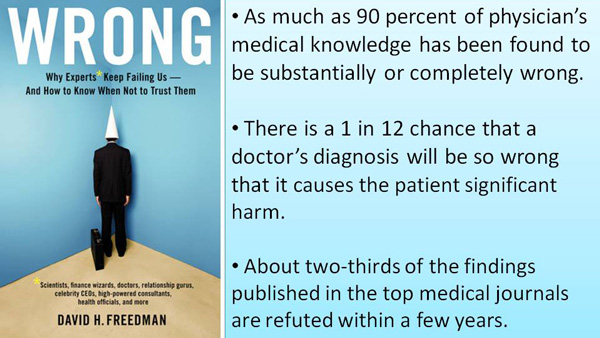
Wrong

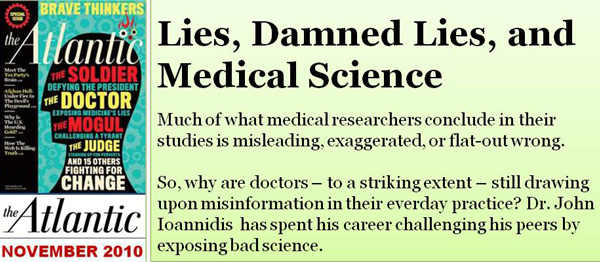
Lies-Damned-Lies-and-Medica

Let me end by asking you to reflect on what Henry Ford and Albert Einstein said:

 Insanity both

To my dear relative. Now that you are gone, rest in peace with the Lord.

Heaven is such a beautiful place. In the not too distant future, we shall meet again.

Related articles:

What really matters at the end of life

The Cold Hard Facts About the US Cancer Program, Part 2: Misguided and Ineffective

Dissecting Chemotherapy 11: No Chemo for Dad’s Liver Cancer – Wisdom of a Daughter

Using Emotions of Fear or Hope to Sell Cancer Treatments


Why do cancer drugs get such an easy ride?

BMJ 2015350 doi: http://dx.doi.org/10.1136/bmj.h2068 (Published 23 April 2015)Cite this as: BMJ 2015;350:h2068

Donald W Light, professor and Joel Lexchin, professor 

Rushed approvals result in a poor deal for both patients and cancer research

Unlike most other diseases, cancer instils a special fear and “is treated as an evil, invincible predator, not just a disease.”

The ability of drug companies to charge very high prices, even when most approved cancer drugs provide little gain for patients, drives much of the research, as desperate patients lead some governments and private insurers to pay whatever companies charge.

Officials within the US Food and Drug Administration are enthusiastic about new cancer drugs. Richard Pazdur, who oversees oncology activities for the FDA says that new cancer drugs are so effective that “We don’t have a lot of questions on [these] drugs because they’re slam dunks. It’s not if we’re going to approve them. It’s how fast we’re going to approve them.”

The methodological weaknesses in oncology trials do not support such enthusiasm.

Trials for cancer drugs were 2.8 times more likely not to be randomised, 2.6 times more likely not to use a comparator (single arm), ….

and to READ MORE ….. Article access for 1 day: Purchase this article for £23 $37 €30 * http://www.bmj.com/content/350/bmj.h2068

If you don’t have the money to pay for a one day access to this article, try “googling” the subject matter, and with some luck you get a “free ride” and enjoy comments from various sources.

From http://www.sciencedaily.com/releases/2015/05/150507135917.htm: Highly priced cancer drugs get rushed approvals despite poor trial methodology and little effect on the longevity of patients, cautions York University Professor Dr. Joel Lexchin in the School of Health Policy and Management.

“Patients and their doctors should demand that regulators require pharma companies to provide clear evidence of clinical effectiveness of the drugs, resulting from rigorous methodology,” suggests Lexchin. “Drug agencies like the Food and Drug Administration (FDA) and the European Medicine Agency (EMA) don’t actually look at whether people live longer.”

In an article in the British Medical Journal, titled “Why do cancer drugs get such an easy ride?,” Lexchiin and co-author Donald Light, a professor in the School of Osteopathic Medicine, Rowan University in New Jersey, note that accelerated approval and shortened review times also make it a smooth sail for cancer drugs.

Lexchin cites earlier research reviewing solid cancer drugs within 10 years of EMA approval to point out that these drugs improved survival by just over a month.

“Similarly 71 drugs approved by the FDA from 2002 to 2014 for solid tumours have resulted in median gains in progression-free and overall survival of only 2.5 and 2.1 months, respectively,” he says adding, “Also, only 42 per cent met the American Society of Clinical Oncology Cancer Research Committee’s criteria for meaningful results for patients.”

From: http://www.yourhealthbase.com/ihn260.pdf: How Effective Are Newer Chemotherapy Drugs?

  • An editorial in the April 23, 2015 British Medical Journal examined the recent accelerated drug approval process for cancer drugs in both the US and Europe. The subtitle was “Rushed approvals result in a poor deal for both patients and cancer research.”
  • This editorial contains some extremely disturbing statistics and information the authors obtained from reviewing the chemotherapy clinical study literature and other papers over the last 8 to 10 years.
  • Between 2007 and 2010, … almost 9000 oncology clinical drug trials were compared with trials for other diseases, the former were 2.6 times more likely not to use a comparator and 1.8 time more likely not be blinded (open to bias from the investigators) … this undermine the validity of the outcomes, it also reflect what regulators will allow. (In lay man language this means bad research. And the regulators — FDA, allows that!).
  • The European Medicine Agency … found that new oncology drugs improved survival by a mean of 1.5 months and a median of 1.2 months.
  • The 71 drugs approved by the US FDA from 2002 to 2014 for solid tumors have resulted in median gains in progression-free survival of 2.5 months and overall survival of 2.1 months. (Pay thousands of ringgit plus suffer side effects and you live 2.5 months longer? Not cured? As you told about this before you started paying though your nose?).
  • Post-marketing changes in the package insert (so-called label) were substantially greater for oncology drugs given priority approval as compared to those going through the much longer standard process, which the authors suggest reflects deficiencies in the accelerated review process. (In layman language it means, quicky, sloppy job — a rush to make quick bucks?)
  • Both the European and US regulators allow companies to test cancer drugs using a surrogate endpoint rather than survival or other more patient-centered outcomes. Tumor size is given as an example of an unreliable endpoint since it is highly variable in predicting overall survival. (In layman language the measure of trial outcome is not reliable. Just making the size of tumor smaller — or tumour shrinkage — may not mean anything. Surely it does not mean the cancer is cured! So, the measure of effectiveness is faulty).
  • In 2013, two peer-reviewed papers appeared where a total of over 100 oncologists protested against the high prices being charged for cancer drugs when 11 out of 12 approved in 2012 provided only small benefits for patients. (Do you realize that chemo drugs are getting more expensive …the prices of the newer drugs are beyond our imagination. But are they effective? Yes, make you live longer by 2 or 3 months????? But patients want a CURE)
  • The authors term the approval process an “Easy Ride” and suggest that this serves both patients and research badly.
  • It can also be argued that the majority of cancer drug development research currently leading to new drug approval is bogged down in merely getting more ineffective drugs approved in the hope that marginal improvements in survival will lead to enhanced profits. (The root of this evil is greed! They go after your cancer or after your money?)
  • … generally priced so high that the choice is between bankruptcy or declining treatment except for the wealthy.
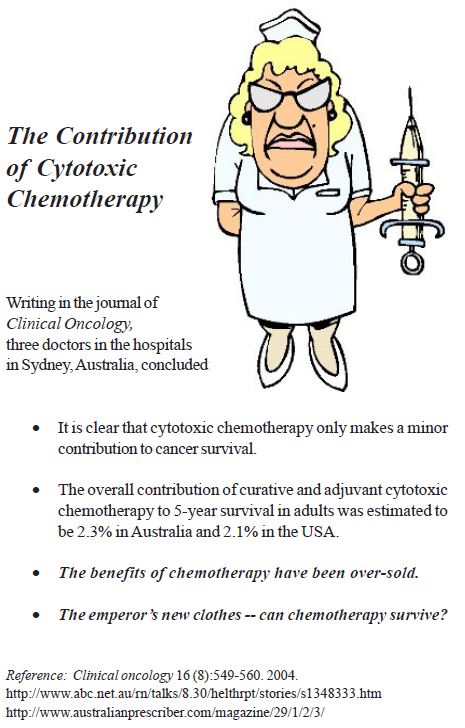
  • The results discussed above are consistent with those presented in 2004 by Morgan et al14. Based on reports from Australia between 1992 and 1997, the contribution of curative and adjuvant cytotoxic chemotherapy to 5-year survival in adults was 2.3% whereas in the US it was 2.1%. These results suggest that over this period in these two countries chemotherapy made little contribution to cancer survival. (Yes, they tell you … chemo will give 60% chance, 99% chance, bla, bla …the Australian showed chemo is only 2 or 3% effective).
  • Furthermore, not much appears to haves changed between 1992 and 2014 from the patient’s perspective. It is important to note that we are talking about cancers that involve solid tumors. (Why change or improve? As it is – the drug companies are happy, hospitals and doctors are happy! And patients believe and trust them!)
  • BOTTOM LINE: When offered one of the new “wonder” chemotherapeutic drugs, it is important to ascertain the actual expected life extension in order to weigh this against the side effects. Trivial life extensions are sufficient to gain regulatory approval and allow patients to be told the treatment will extend their life. Unless carefully qualified, such an approach appears unethical.


Lymphoma Part 1: Eighty-percent-cure-rate-chemo Failed. No to Bone Marrow Transplant. I don’t want to die before my parents

Lymphoma Part 1: Eighty-percent-cure-rate-chemo Failed. No to Bone Marrow Transplant. I don’t want to die before my parents. 

Lymphoma Part 2: Healing in Progress After Two months on CA Care Therapy. Full of fear. But you would not die in December! 

Lymphoma Part 3:  Digging my own grave with my fork and spoon!


Daisy (not real name) was 42 years when her problem started around July/August 2012. She found lumps in her arm pit and groin. The lumps grew bigger. She went to a private hospital. A biopsy was done.  She was told she had peripheral T cell lymphoma, Stage 2.

Daisy underwent 6 cycles of chemotherapy  — CHOP regimen. The treatment cost RM 40,000 — paid for by her insurance company. She suffered severe side effects: nausea, vomiting, mouth ulcers, numbness, loss of appetite, chest pain, constipation and hair loss.

Daisy said she almost died after 3 chemos, but she  managed to complete the scheduled 6 cycles by January 2013.

Chris: Before chemotherapy, did you ask the oncologist if the treatment was going to cure you?

Daisy: The oncologist said, “There is a 80 percent cure rate.” It was just a Stage 2 cancer.

C: You believe that?

D: Yes and I was happy!

Everything went well for Daisy during the initial stage after the completion of the treatment. She went back to work.  Unfortunately, soon afterwards she found a lump in her left arm just above her elbow and also swelling of her axillary lymph nodes,  but she did not tell her doctor. She thought there was nothing to worry about since she had just completed the treatment. However, during the second follow up she told her oncologist about the lump. In July 2013, Daisy had surgery to remove the lump in the arm. Histology confirmed recurrence of the T cell lymphoma.

A whole body CT scan was done on 30 July 2013 and indicated the following:

  • There are bilateral multiple mildly enlarged cervical nodes which are increased in size when compared with the previous scan. The largest node measures 14 mm.
  • Bilateral mild to moderately enlarged axillary nodes have increased both in number and size since the previous scan. The largest node the left axilla measures 13 x 8 mm.

The oncologist told Daisy that she had no other option but to go for  BMT – bone marrow transplant. She would need to undergo 4 cycles of high dose chemotherapy followed by an autologous transplant.

 C: Can BMT cure you? 

D: The oncologist said the cure rate is 50 to 60 percent. 

C: You believe that? Previously he said chemo would give you an 80 percent chance and you had a recurrence.                                                                          

The BMT procedure would cost RM 100,000 and this would be paid for by the insurance company.

C: So, that’s free treatment, why don’t you want to go for it. 

D: I am afraid I would just die. My father and mother are still alive. That’s why, I don’t want to die before them. 

C: I understand, if your father has to bury you … no, I don’t like the idea either. 

C: How many sisters and brothers do you have? 

D: Six. 

C: What did they say? 

D: All of them do not know what to do. 

C: Good to have sisters and brothers like that. At least they don’t fight among themselves for trying to be too smart.

Now, go home and decide what you want to do. After you have made your decision, there will be a lot of people who will say this or that! 

Don’t worry. Learn how to take care of yourself. Go home. Pray that God will tell you what is the right thing for you to do. Don’t eat anything you like. Above all, be friends with your cancer. No need to fight with the cancer. 

For more, watch this video. 


Stomach Cancer: No to surgery and chemo. Why?

EK is a 66-year-old female. About 2 years ago, she felt stomach discomforts after eating. If she had soft diet, then she was okay. She did nothing about this problem. During the Chinese New Year, 2015, she felt something blocking when she took food. Then she vomited. The problem went away after that. In June 2015, she went to a medical clinic and the doctor said she might have thyroid problem. However, an endoscopy and biopsy in July 2015 indicated stomach cancer.

EK and her son came to seek out help after being told that EK had to undergo chemotherapy followed by surgery. EK did not want to undergo these procedures. Why? Listen to our conversation that day.


Summary of our conversation

Chris:  Does your mother know about this?

Patient: Yes. When doing the scope, the doctor told me on the spot that I have cancer. The doctor then asked me to undergo chemo. Must decide immediately. Chemo is to shrink the tumour first. After that, they will operate me, to remove my stomach.

Son: He was trying to convince her to immediately proceed with the treatment. But when I did research on line the chemo does not work so well with diet causing cancer.

C: I understand. You are not the only one. Many others are like you too. You do not get cancer only yesterday. Perhaps it has been there for the past 5 or even 10 years already.

P: Only 2 years ago.

C: Perhaps 5 years ago it was already there but it did not show up and you did not feel anything. Most people do not “listen” to their body. For you, only now it shows up. What do you want to do? You have to decide. Correct, on the one hand you can have it removed and maybe it is gone. Do you want to operate?

P: I don’t want to operate. The doctor told me if I do not operate the tumour will grow. It may cause blockage and  bleeding. And it is going to be very painful.

C: The doctor said you have to do chemo first and then surgery. Did you ask him if these procedures are going to cure you?

P: No doctor would guarantee that.

S: Why I feel not satisfied is every time we discuss with the doctor — he never want to tell us the probability. They don’t know. Depend on patient, this can happen, that can happen. They don’t know and dare not go into this subject.

P: The doctor told me it is going to be 50: 50.

S: They never tell us about the side effects. What can happen after that? I spent about 2 weeks researching (in the internet) I know that there are a lot of (side effects).

C: Okay, take it easy. Relax. Go home and think about it and decide. Listen to your heart and not your head. If your heart says operate, then go for the operation. If your heart says no operation, then don’t do the operation.  Take it easy.

This is a major surgery. The whole stomach has to be removed. Understand this. If the cancer does not spread, then removing it is good. Clean and throw it away and it is gone. But if the cancer has already spread, that is where the problem is. If it has already gone to the liver, what do you do? Cut the liver also? It is hard for us to decide what is the best thing to do now.

After removing your stomach, you can’t eat anything you like any more. You need to adjust your diet. It is going to be a bit difficult.

Then that 50:50 chance — may be it may not end up 50:50 at all — we don’t know.

You can’t blame the doctor because that is all they know.

Then, back to this again. What if you do not do operate? First, the tumour may grow and block (the passage way). You cannot eat and vomit. So, you may have to face these problems.

All these basically mean — you cut, you die; you don’t cut you also die. But everybody also has to die. The question to ask is: How do you want to die? That is the most important thing.

If you go for surgery, you may die on the table. We don’t know.

P: Yes, that was what the doctor told me. If something goes wrong, you die.

C: You also need to know this. If you cut, you also need to suffer later … due to the chemo, etc. Go through all these sufferings and die. May be not worth it. This is one scenario. Another scenario is, now you are still well with no problem. If you can take care of yourself, maybe you don’t have to die sooner, may be you don’t have to suffer so much. But know that one day you have to die. So, which one do you want” Think for yourself.

You come and see us — can we cure you? No, we are not god. But we also know that we have helped a lot of people already. They don’t die that soon. But they have to learn how to help themselves. Learn how to live with your cancer. Tell your cancer — you stay in there but don’t disturb me, and I don’t disturb you. If I die, you (cancer) also die.

If there is blockage, then you have to go for surgery. If not, relax.

We know this is dangerous, we know this is a rare cancer. In one year, we do not see many case like this.

Okay, do you want to go home and think first what you want to do?

P: No, I don’t want surgery. Then go for chemo — no, my whole body would collapse! The doctor also told me that even if I did the operation, he would not be able to remove everything. May be something may be left behind. Because of that, I want to go for natural therapy.

C: Do you understand that it may not cure you? People come and ask us to cure them. Our answer is, No we cannot cure you. Because we know that cancer cannot be cured, but to help you — YES. But you have to want to help yourself first. But how long you want to help yourself is up to you. Some people get well after 6 months — they forget what we taught them after that!

S: Professor. Thanks for reminding us. I know in terms of diet, it is not easy to change.

Comments

EK and her son were desperate. And they need help. The doctor wanted her to go for chemo and surgery for her stomach cancer that had probably spread to the liver, pancreas, spleen and lymph nodes. In simple language, this is an advanced cancer,  where surgery alone cannot cure her.  The cancer cannot be totally removed. That means, the chance of recurrence is very high. In addition EK has to undergo chemotherapy. EK knew what she was asked to go into and decided not to follow the medical way.

EK and her son clearly need help. CA Care was set up to exactly to do this — to help those in need of direction and help. And we are ready to help. But for those who come to CA Care in search of “magic bullet” or any easy way out, then we say you have come to the wrong place. Please go elsewhere to shop for your cure.

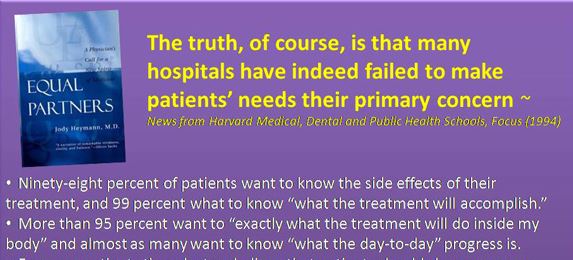
EK’s son took time to browse the internet for more information. He was clearly unhappy that he could not discuss anything with the doctors. Understandable, doctors are busy people and they don’t have the time to explain things to the patients or their family members.  Read what Dr. Heymann wrote:

Doctor visit 12 minutes

It is unfortunate that doctors do not have the time to show much concern about the patients. EK was told right there and then, while doing the scope, that she has cancer and chemo has to be done immediately. The message came like a bomb. No doubt about, the “death sentence” as many like to call it, caused much anxiety and distress not only to the patient but also the entire family. Patients and their family members want to know MORE, but they cannot get much information from the doctor. At CA Care, we try our best to answer your concerns and provide information as honestly as we can — to empower you with knowledge so that you can make informed decisions.

Bill-Henderson-Informatin-i

While in the midst of writing this story, a patient came to our centre. He was diagnosed with pancreatic cancer that has spread extensively to his liver. After the CT scan, the doctor told him: We cannot operate you. We cannot chemo you. Go home, eat anything you like and go and play as much golf as you like. The patient told us, I know what that mean. The doctor virtually told me to go home and wait to die. It was indeed a great let down. We don’t know how he took it, knowing that this man was once the deputy head of a state government, a VVIP.  He and his wife spent about one and half hours at our centre. We answered everything that they wanted to know. No doubt, they were satisfied. They now know what they CAN and NEED to do next.

Read again what Dr. Jody Heymann wrote:

Hospital not concern of patients

Pose this question to the Power-that-Be, Given the above situation, what can we do to improve the situation? Is building more hospitals  the answer? Perhaps we don’t need expensive hospitals but train people who run hospitals with a more “human heart”.

I am fully aware too that during our consultation, I am often very blunt. To most people, may be the mention of the word “death” is a taboo and is very objectionable. But at CA Care, we often bring this subject up with the patients. This is because we want them to understand the bigger picture of the problem. We fully understand, ALL patients want to be cured of their cancer, no matter how advanced their disease may be. Many patients say they want to “fight” to the end. Well said, but do you still want to fight with the SAME weapons,  if you know with almost certainty that you are going to lose the war. In addition, you  suffer as a consequence. Some even leave a “big hole” in their bank account for the next-of-kin to settle. The only winners in the game are the doctors, hospitals and drug companies!

Perhaps you may wish to reflect on these two quotations:

47-Late-stage-cancer-no-tre


Chemo-Suffer-near-death

We are not implying here that patients with terminal cancer should just give up — go home and wait to die like the case of the VVP above. Far from it. Perhaps the question to ask is, If the expensive, scientific medicine cannot cure your cancer, can there be another option? At least another option which can allow patients to live in peace without suffering, even though we all know that cancer cannot be cured.

EK and the VVIP above did not give up. At least they came to CA Care and they found “peace” and a new “hope”.


Better to let the doctors take care of her. We can’t cure her!

HL came to see us on behalf of her 70-yer-old mother who was diagnosed with T-cell lymphoma. Her mother had been in the hospital for the past 2 weeks. She needed blood transfusion every 2 days because her platelets count was down to 1.0 (normal range 150-400). Her red blood count had stabilized at 8.0. For the past 1 week HL’s mother was given steroid injection.

What to do now?

  1. The doctor suggested chemotherapy and this would be a 50:50 chance. The idea is to “control” the cancer.
  2. If the patient does not want chemo, it is okay. But according to the doctor it would be a “hopeless” case. She could stay in the hospital to receive supporting treatment, such as blood transfusion, etc. when needed.

Desperate and not knowing what to do, HL came to seek our opinion. Listen to our conversation that day.


Gist of what we talked about. We hope that all who come and seek our help learn this too.

Part 1

  1. What can we do with her platelets so low. Let her stay in the hospital and let the doctors take care of her. They have all the facilities to assist her.
  2. The doctors did not pressure the family to do chemotherapy — they are open. To do chemo, they claimed it would be a 50:50 chance (of what?) but not to do chemo it would be a case without any “hope”.
  3. The daughter asked the doctor: Her condition is deteriorating, can she stand the chemo? The doctor said it would a modified low dosage.
  4. The question to ponder: Even when you give full dosage, you cannot cure the cancer, what do you expect to get with a low dosage?
  5. The doctor said chemo is just to suppress or control the cancer. To put the cancer cells to sleep.
  6. Daughter was very concerned about the side effects of chemo but someone told her that chemo had to be done to cure the cancer first. Only after the cure, then she can try natural therapy.
  7. Question to ponder: What happen if the chemo kills the patient right away?
  8. With your mother’s condition — platelet = 1, did you ever ask the doctor if your mother is going to be able to survive the chemo treatment? Can it kill her right away or not? Reply: Yes, that’s our worry too.
  9. I would be very happy if the chemo does not kill your mother. But know that nobody can cure any cancer. When you come and see us, don’t ever believe that we are going to be able to cure your mother’s cancer.
  10. 10.Since your mother is now in the hospital, let her stay there and you should follow the doctors’ instructions. Don’t take our herbs. Because if anything goes wrong, after she takes the herbs, you are going to blame us.
  11. Many people are like that. They sent us e-mails asking if our herbs caused these problems or that problems. And their cases were already medically given up. For this type of people I say — Please don’t come and see us.
  12. When you take our herbs, you may feel unwell first (healing crisis) before you start feeling better.

Part 2

  1. Know that everyone has to die. Today, I am not sick but I may also die tomorrow. That is the reality. It is a fact.
  2. With your mother’s condition like that, platelet = 1, what is the chemo going to do for her? Daughter: That is why the oncologist said there is only a 50:50 chance.
  3. You have to decide, she is your mother. Daughter: There is no other solution.
  4. Do chemo, your mother may die, don’t do chemo she may also die.
  5. Let me remind you. If you don’t do the chemo and if your mother dies, people will blame you and you are going to regret. If you do chemo and she died you will also regret. In life you cannot win all the time. And I know, in cancer, most people are going to lose.
  6. So go back, take time and discuss with your two brothers and sister. Decide what you want to do.
  7. You come here wanting herbs, believing that these are going to cure your mother — forget about that. Our herbs are not magic. We cannot cure her cancer. That is why I ask you to go home and think about what you want to do.
  8. Daughter: With my mother’s condition like this, we cannot wait! Aya, always want to win! There is still time.
  9. Daughter: You mean the herbs cannot cure her? Cure cannot — how can? I don’t see how our herbs can help her. You expect the platelets to go up by tomorrow after taking the herbs? No way.
  10. Daughter: Can she just take the herbs for a while? Well, what do you say if she dies?
  11. Daughter: Are there any herbs to strengthen her body now? There is no magic bullet.
  12. Daughter: While doing the chemo, no need for her to take herbs? NO. Because if anything happens, the doctor is going to blame the herbs.
  13. Daughter: Can she take your herbs after her chemo? We will wait and see what happen first after the chemo.

Go home and Pray

  1. You pray to who? Reply: Buddha.
  2. Okay, go home and pray to Buddha. Ask Buddha for an answer — now that my mother is in this condition, Buddha can you help me and tell me what shall I do now? If Buddha says do not go for chemo then you can come back and see me again. But if Buddha says she goes for chemo, then go ahead and do the chemo. This is the only sensible advice I can give you.
  3. There is this lady from Indonesia. She was scheduled to do chemotherapy on Monday. But on Friday she came to see us. She was not happy with chemotherapy. I told her to go back and pray to Jesus (since she is a Christian). Ask Jesus to tell her what she should do — go for chemo or not. We did not give her any herbs yet. On Monday, she came back and said God has given her the answer. She would not go for chemo. Only then we gave her the herbs.
  4. I am telling you to do the same thing. Go home and pray to Buddha and ask for guidance. By doing this, you cannot blame anybody anymore. And you will be at peace with yourself.
  5. We respect all religions. Many people came here and told us that Buddha asked them to come and see us. Some said Kuan Yin asked them to come. And some Christians said God showed them the way to see us.
  6. Let me say again, we cannot answer all the questions you asked. Nobody can answer all the questions either. The One who can answer you is Buddha. So go home and take time to pray to Buddha. Ask one simple question — What do I do now. I am lost. I have been praying to You for so long. Please let me have Your guidance.
  7. Follow your heart, not your brain.
  8. Now, there are millions of people out there. Ask them and you get a million answers.
  9. For now, don’t take our herbs yet. Like your mother I am just as desperate. I am also in the hole. I give you the herbs … that does not seem right. My conscience is not clear. And I also cannot sleep.

Comments

Many patients and their family members are often made to believe that chemotherapy — even if it cannot cure cancer — can prolong life and can control the cancer from spreading. They are also told that chemotherapy can also promote patients’ quality of life. Do you believe all these?

Ask those who have undergone chemotherapy and see what they have to say! Some told us they went through “hell” while undergoing chemotherapy but so far no one has yet tell us that undergoing chemo is a “heavenly” experience. Yes, some patients did say they did not suffer much during their chemo. Some said they could tolerate the chemo. But some others said after one, two or six shots of chemo, their loved ones just died. So, in chemo it is always, to each your own.

To say that chemo would prolong your life or improve your quality of life — as in the case above — may be stretching the imagination a bit too far. Research has shown that these claims are not necessarily true. On the contrary even the American Society of Clinical Oncology acknowledged that in some or most cases, chemotherapy was wasteful and unnecessary, in cases where cancer was too far advanced.

Chemo-and-Prolong-Life


Chemo-and-QOL

Perhaps you may wish to ponder seriously the advice of Drs. Blanke & Fromme below.

Chemo-Suffer-near-death

What about the claim that chemotherapy can stop the cancer from spreading or make the cancer cells go to sleep? It is indeed most shocking to know what some cancer researchers tell us.

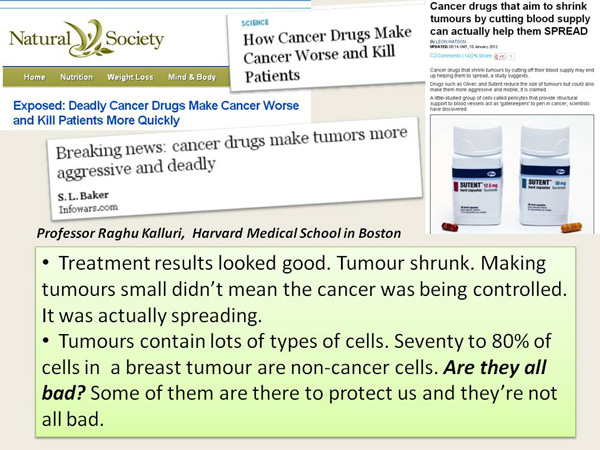
Read this:  Chemo spreads and makes cancer more aggressive.

Chem-spreads-cancer-Fred-Hu

Chemo-drug-makes-cancer-wor

Our final word 

When patients come and see us. Please show us your commitment and show us that you really believe in what we are doing. Of course, you can come here for “shopping” — just to know what to do, but we want you to go home after that to make your own decision. Please do not ask us to decide if you should go for chemo or not. Also do not come saying my doctor said this or my doctor said that. We know in cancer there is no right or wrong answer. So it is no use commenting of what others say you should do or not do. Know that YOU, and you alone must decide what you want to do with your cancer. We can only provide up to date, honest information, but whatever you want to do after that must be your own decision and your responsibility.

You may also wish to read our earlier postings:

When chemotherapy does more harm than good  

Follow your heart not your head when it comes to deciding whether you should go for chemo /radiation or not

Breast Cancer: Surgery, Chemo, Radiation and Hormonal Therapy Did Not Cure Her. Xeloda made her miserable! Patient, Only You Should Decide What You Want To Do!


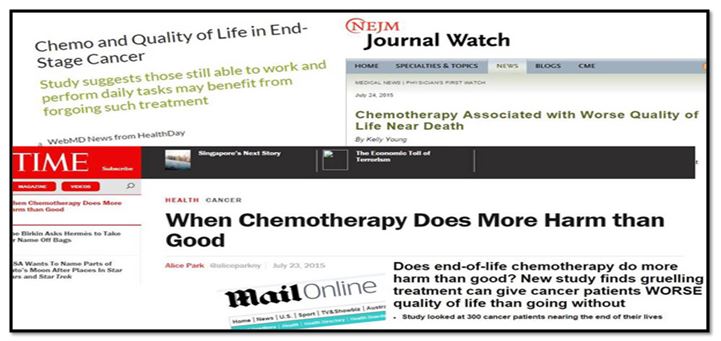
When Chemotherapy Does More Harm than Good

Chemo-MORE Harm than-g

One of the news reports above was written by Alice Park,  Time: 23 July 2015. You can read it here: http://time.com/3968918/when-chemotherapy-does-more-harm-than-good/

Some points highlighted in the article:

  • Latest data suggests that chemotherapy can also do more harm than good for some patients.
  • Holly Prigerson, director of the Center for Research on End of Life Care at Weill Cornell Medical College and her colleagues studied the use of chemotherapy among a group of 312 terminal cancer patients. All had been given no more than six months by their doctors, and had failed at least one if not multiple rounds of chemotherapy. About half were on chemotherapy, regardless of its ineffectiveness, at the time of the study.
  • Despite the common assumption that any treatment is better than none, there is not much evidence that chemotherapy is the right choice in these cases—and it may very well be the wrong one.
  • Prigerson’s analysis showed that these patients experience a drop in their quality of life if they get chemo, and that they are therefore worse off than if they hadn’t opted for the treatment.
  • Prigerson said: “The finding that the quality of life was impaired with receipt of the toxic chemotherapy was not surprising. The surprising part was that people who were feeling the best at the start of the therapy ended up feeling the worst. They are the ones most harmed and who had the most to lose.”
  • In other words, the chemo made the patients feel worse without providing any significant benefit for their cancer.
  • Previous studies have shown that chemotherapy in terminal patients is essentially ineffective.
  • And whatever tumor shrinkage occurred wasn’t linked to a longer life.
  • The decision about how long to continue care, including chemotherapy, is up to each cancer patient.
  • Despite explanations from their doctors, many cancer patients still believe that more rounds of chemo will provide some benefit to them, and are therefore reluctant to stop receiving therapy. But at some point, the data shows, more treatment is not better.
  • For patients with end-stage cancer who are still relatively healthy and not feeling sick, additional chemotherapy will likely make them weaker, not to mention eat up more of the precious time they have left traveling to and from infusion centers.
  • Prigerson … hopes the latest findings at least convince doctors to reconsider how they advise their terminal patients about end-stage chemotherapy.

For those who want to believe only in “scientific papers”, let’s go to the study of Dr. Prigerson et al., published in JAMA Oncology: 23, 2015: http://oncology.jamanetwork.com/article.aspx?articleid=2398177

Chemotherapy Use, Performance Status, and Quality of Life at the End of Life

Holly G. Prigerson, PhD1,2; Yuhua Bao, PhD3; Manish A. Shah, MD4; M. Elizabeth Paulk, MD6; Thomas W. LeBlanc, MD, MA5; Bryan J. Schneider, MD7; Melissa M. Garrido, PhD8,9; M. Carrington Reid, MD, PhD2; David A. Berlin, MD10; Kerin B. Adelson, MD13; Alfred I. Neugut, MD, PhD11,12; Paul K. Maciejewski, PhD1,14

  • Physicians have voiced concerns about the benefits of chemotherapy for patients with cancer nearing death.
  • In 2012, an American Society of Clinical Oncology (ASCO) expert panel identified chemotherapy use among patients for whom there was no evidence of clinical valueas the most widespread, wasteful, and unnecessary practice in oncology.
  • Despite the lack of evidence to support the practice, chemotherapy is widely used in cancer patients with poor performance status and progression following an initial course of palliative chemotherapy.
  • Available data for patients with NSCLC (non-small cell lung cancer) show a response rate of 2% for third-line and 0% for fourth-line chemotherapy.
  • Although many patients with end-stage cancer are offered chemotherapy to improve quality of life (QOL), the association between chemotherapy and QOL amid progressive metastatic disease has not been well-studied.
  • The goal of palliative chemotherapy for patients with incurable cancer is to prolong survival and promote QOL.
  • We have shown that chemotherapy use among patients with metastatic cancer whose cancer has progressed while receiving prior chemotherapy was not significantly related to longer survival but was associated with more aggressive medical care in the patient’s final week and heightened risk of dying in an intensive care unit.
  • The objective of this study was to examine the effect of chemotherapy use on patient quality of life in the last week of life — QOL near death (QOD). Patient QOD was determined using validated caregiver ratings of patients’ physical and mental distress in their final week. QOD scale: 0 (worst possible) to 10 (best possible).

The results of this study showed that:

  • Chemotherapy use was not associated with patient survival.
  • Among patients with good (ECOG score = 1) baseline performance status, chemotherapy use compared with nonuse was associated with worse QOD.
  • Although palliative chemotherapy is used to improve QOL for patients with end-stage cancer, its use did not improve QOD for patients with moderate or poor performance status and worsened QOD for patients with good performance status.
  • The QOD in patients with end-stage cancer is not improved, and can be harmed, by chemotherapy use near death, even in patients with good performance status.
  • Patients receiving palliative chemotherapy with an ECOG performance status of 0 or 1 had significantly worse QOD than those who avoided chemotherapy. No difference in QOD scores was observed by chemotherapy use among those with ECOG performance status of 2 or 3.
  • Given no observed survival benefit in the studied patients with refractory metastatic disease and the observed significant association between chemotherapy use and worse QOL in the final week of life among those with a baseline ECOG score of 1, these results highlight the potential harm of chemotherapy in patients with metastasic cancer toward the end of life, even in patients with good performance status.
  • Chemotherapy use in patients with metastatic cancer with chemotherapy-refractory disease is common. A recent study found 62% of NSCLC patients received chemotherapy within 60 days of death.The trend toward more aggressive care of terminally ill patients is increasing and has been noted as a serious problem in the Institute of Medicine’s 2014 report Dying in America.
  • Our results raise questions about the benefits and use of chemotherapy in patients in the end-stage of their illness regardless of their performance status.
  • Our study does highlight the danger of continuing chemotherapy as patients approach the end of life.
  • Results of this study suggest that chemotherapy use among patients with chemotherapy-refractory metastatic cancer is of questionable benefit to patients’ QOL in their final week. Not only did chemotherapy not benefit patients regardless of performance status, it appeared most harmful to those patients with good performance status.

Let us look at another published article.

Chemotherapy Near the End of Life: First—and Third and Fourth (Line)—Do No Harm

Charles D. Blanke, MD1; Erik K. Fromme, MD.

JAMA Oncol. Published online July 23, 2015. http://oncology.jamanetwork.com/article.aspx?articleid=2398175

  • In reality, only 2 major reasons exist for administering chemotherapy to most patients with metastatic cancer: to help them live longer and/or to help them live better.
  • In exchange for treatment-related toxic effects (as well as substantial time, expense, and inconvenience), chemotherapy can prolong survival for patients with a variety of—though not all—solid tumors.
  • Chemotherapy may also improve quality of life (QOL) for patients by reducing symptoms caused by a malignancy.
  • In this issue ofJAMA Oncology, Prigerson and colleagues report some troubling trial results: chemotherapy administered to patients with cancer near the end of life achieved neither goal.
  • Patients might live longer at the cost of a brief decline in QOL from toxic effects. Patients might also feel better from a reduction of malignancy-related symptoms, even if they do not enjoy improved survival.
  • It is disturbing that this trial demonstrated no benefits of chemotherapy for patients with solid tumors or poor prognosis.
  • And it is disconcerting that oncologists still recommend and use systemic therapy so close to patient death.
  • What does this mean for clinical practice? Must we then just say no to late-line chemotherapy?
  • Patients often want systemic treatment until the bitter end. We have long known a substantial minority of patients with incurable NSCLC would desire chemotherapy, even in the setting of severe toxic effects for a 1-week gain in survival. Similar data exist for patients with breast and large bowel cancers.
  • It is hard to say no to chemotherapy, because doing so could potentially make an oncologist feel they are depriving the patient of all hope.
  • Importantly, this does not mean that the oncologist cannot have a meaningful conversation with most patients about prognosis, especially when there is suspicion that time is limited.
  • These data from Prigerson and associates suggest that equating treatment with hope is inappropriate. Even when oncologists communicate clearly about prognosis and are honest about the limitations of treatment, many patients feel immense pressure to continue treatment.
  • Patients with end-stage cancer are encouraged by friends and family to keep fighting, but the battle analogy itself can portray the dying patient as a loser and should be discouraged.
  • Costs aside, we feel the last 6 months of life are not best spent in an oncology treatment unit or at home suffering the toxic effects of largely ineffectual therapies for the majority of patients.
  • Oncologists with a compelling reason to offer chemotherapy in that setting should only do so after documenting a conversation discussing prognosis, goals, fears, and acceptable trade-offs with the patient and family.
  • Let us help patients with metastatic cancer make good decisions at this sad, but often inevitable, stage. Let us not contribute to the suffering that cancer, and often associated therapy, brings, particularly at the end.


Follow your heart not your head when it comes to deciding whether you should go for chemo /radiation or not

TT is 56-year-old Indonesia lady. She presented as a easy going, cheerful lady who takes care of her health rather seriously. One late morning we got a phone call from her requesting to see us immediately. Her urgency was rather understandable since she was to start her radiotherapy on Monday. We waited for her to come, even though our centre was about to be closed for the day!

This is her story.

In 2013, TT had her routine pap smear. According to her doctor, there was nothing, except some kind of fungus infection. She was given antibiotics. She was okay for 6 months. A checkup 9 months later showed fungal infection again. She was on antibiotics again and was better. But her problem persisted after that. TT was not happy and wanted to solve her problem. She was referred to another doctor. She was found to be positive for HPV (human papilloma virus — a virus associated with cervical cancer).

TT was referred to an oncologist who recommended surgery. TT came to a private hospital in Penang and  underwent a radical hysterectomy with bilateral salpingo-oophorectomy (that is the removal of the uterus, cervix, fallopian tubes (salpingo), and ovaries (oophor) and  omentectomy. Histopathology indicated squamous cell carcinoma, Stage 2B with pelvic involvement.

The operation cost about RM 25,000.

TT was asked to undergo follow up chemotherapy. She met up with 2 oncologists in the hospital. One oncologist suggested 6 cycles of chemo and 30 times radiation. Another oncologist offered 4 cycles of chemo and 20 times radiation plus 2 times of brachytherapy, also known as internal radiotherapy. Obviously, TT was drawn to the second oncologist because of less severe treatment.

During our conservation, we asked TT: Did you ask the oncologist if he could cure you with that treatment? She replied: 60 to 70 % chance of cure. When she asked the oncologist if there was any other option, the answer was: No, no other way. Must do chemo and radiotherapy as soon as possible. It you don’t do quickly the cancer is going to spread and will be more serious.

TT agreed to undergo the recommended treatments. She was scheduled to start treatment on 15 June but unfortunately the oncologist was on leave and her treatment was brought forward to 23 June 2015.

TT came back to Penang in mid June. However, TT said she was not satisfied and felt heavy in her heart. She was not sure if these treatments would be good for her or not. She was in a dilemma and went to see the oncologist again. The oncologist said these to her:

  • Don’t listen to what other people say.
  • The dosage you are going to get is only small dosage.
  • Your hair don’t drop.

TT had no choice. She paid RM 13,000 as an advanced payment for the radiation treatment. Then she drove to a cancer hospital to have her “marked.” TT said as she drove to that hospital she felt she was led to the “slaughter house.” When the young technicians removed her clothing to make markings on her body she felt she was being “processed” for a death. But again, she had no other choice.

Then she went back to the hospital where she was supposed to undergo chemotherapy. She met someone who told her: Let us sit down and pray together. After the prayer this someone said: Why don’t you go back and see the oncologist again and ask him again if you can skip chemotherapy. But for radiotherapy, you have already paid for it.

For the third time, TT went to see the oncologist and express her reservation about chemotherapy. The oncologist told her again:

  • Don’t worry I guarantee that you would not loose even 1 kg after the treatment.
  • If you have no appetite, I shall give something to help you with that.
  • If your blood count is low I will give injections to help avoid infection.

TT was not convinced with the above assurance because staying in the same boarding house was a patient who was undergoing chemotherapy. He was once a very strong man but with the treatment he lost 16 kg and lost his appetite and could not eat. He told TT, if I know I have to go through this, I would rather die.

The next day (i.e. Thursday) after meeting the oncologist, TT decided to go shopping — a way to take pressure off her. On Friday morning, while she was preparing food in her boarding house one person told her this:

  • Who is sick? You are not sick. Don’t go for chemo. It would be a disaster.
  • Before you proceed further with your treatment, go and see this Chris Teo first and talk to him.

So, that Friday, late morning we got a call from TT requesting to see us urgently.

At CA Care, we spent almost an hour talking to TT and her husband.

Knowing that TT was under so much stress and jittery about what she was going into, it would not be fair or ethical to put more pressure on her. In situation like this, we know patients are generally vulnerable and we don’t intend be become “vultures” taking advantage of such desperate patients.  So basically our advice to TT and her husband were as follows:

  • Relax and take it easy. Go home and talk to your God. It’s Friday and you still have until Monday morning to listen to what God has to say. God will not shout out loud to answer you but I believe He will touch your heart in one way or another. Listen to your heart.
  • We tell everyone who comes to us, God will answer your prayer if you sincerely ask Him for guidance. And if He does not answer you, in time of desperate need like this, then there is no reason why you should worship Him day in and day out.
  • Go home first and don’t make any decision yet, not until you have done your part. Read these two comic books: Knowing The Truth May Save Your Life And Money and The Treacherous Journey. At least before you ask God to help you, you need to help yourself first. Go home and read. At most you need only 1 or 2 hours to understand the messages in these books.
  • Come and see us again if you decide you don’t want to follow up with your oncologist. But if you decide you want to go ahead with your chemo /radiotherapy, then go ahead.
  • Nobody should decide for you what you should do.
  • Follow what your heart says for that is where God speaks to you.
  • For now, there is no need to take any herbs — why the rush? You do not get cancer only yesterday!
  • There is no need to pay any consultation fee. God bless you and guide you.

TT and her husband understood our message and their facial expressions showed they felt very happy indeed. There was no compulsion, no threat, no sales talk! This has always been our way — to help those who need our help as honestly as we know how.

Monday — TT and her husband came back to see us again. The first word that out of her husband was, God has spoken to us. The husband read the books aloud while TT relaxed and listened. The story of Ella inspired her a lot, No chemo you live only three months, with chemo two and a half years! 

Tuesday — We chatted with TT and her husband to know more of what had happened. Watch this video (in Bahasa Indonesia) to get more details.

TT was determined that she was not going for chemotherapy or radiotherapy as recommended by her oncologist. By reading and knowing more she and her husband felt that there is another option — not radiation or chemo. We make it clear to them that this important (life and death) decision has to be TT’s decision. She had made her choice and she should be prepared to enjoy or suffer the consequences of that decision. TT said, I felt very much relief. Peace! The heavy load in my heart has been lifted away.

You have already paid RM 15,000 as a deposit for your radiotherapy. What has happened to that money? That’s another story to follow.


Breast Cancer: Surgery, Chemo, Radiation and Hormonal Therapy Did Not Cure Her. Xeloda made her miserable! Patient, Only You Should Decide What You Want To Do!

Mdm PG was 59 years old when she was diagnosed with breast cancer in June 2009. She immediately underwent a right mastectomy. Histology report indicated:

  • Three lesions of invasive ductal carcinoma.
  • Focal lympho-vascular invasion is seen at the periphery of the 2 small lesions.
  • Resection margins, skin and nipple are not involved by tumour.
  • 4 out of 13 axillary lymph nodes contain metastatic carcinoma, with focal extracapsular spread.
  • pT2N2aMx, Stage 3A

Prognostic factors:

  • Oestrogen receptor –   Moderate reactivity
  • Progesterone receptor –   Moderate reactivity
  • C-erb-B2 –  No reactivity
  • P53 –  Weak reactivity

PG underwent follow up chemotherapy and radiotherapy. She was also on Fermara (for 5 years). At the same time, she started to take herbs. The following is a brief summary of her treatment progress (extracted from the e-mails from her daughter).

May 2013 – almost 4 years after diagnosis

My mum is doing extremely well and I thank God every day for you and His protection over my mum’s life.  My mum recently went for her blood test and check-up again.  The doc said that her bones are getting brittle due to the regular intake of this hormonal pill that she has been taking every day for the past 3 years to keep her condition under control.  It is one of the side effects of this pill.  He is advising her to go through a kind of treatment to strengthen her bones.

I found out the name of the bone strengthener that the doc recommended to my mum.  It’s called “Zometa.”  It is an injection.  The hormonal pills that she has been taking is called ” Femara.”

October 2013

I would like to update you with regards to my mum’s latest blood test.  Her tumor marker is 5.9.  Her usual is 3.5.

January 2014

I would like to give you an update of my mum’s latest tumor marker result.

CEA 7.1  H
CA 125 29.4  H
CA 15.3 24.1  H

Her CEA is out of the normal range and it has escalated from 5.9  last Oct to 7.1 this week.  Both her CA125 and CA15.3 have also gone up even though it is still within the normal range.

The doc is suggesting for mum to go for a pet scan to find out the problem.

My sis and I are personally not so comfortable with her having to go through another cycle of invasive treatment should we find out if there is another growth elsewhere in her body.  We are really hoping that we can help treat mum’s condition with your herbs and diet advise.

February 2014

I’ve attached my mum’s latest report to show it to you.  The doctor said that there is a relapse and the lymph nodes behind her lungs are affected but there is no spreading to her organs which is a good thing.

The doc has changed her oral medication to Tamoxifen because her Fermara  doesn’t work anymore.  She recently went for a jab to protect her bones from turning brittle.

May 2014

Tumor markers on 7 May 2014
CEA 13.5  H
CA 125 64.5  H
CA 15.3 33.5  H

My mum went for her medical appointment yesterday. Result is negative. ..conditions of marker has worsen. Doc said there is a high chance of relapse but he doesn’t know which spot … could be bone, liver or kidney. If my mum does not wish to find out the cause, the doc can’t prescribe proper medication for treatment but he will change her current medication to see if there is any improvement upon her next visit on 19th June.
The doctor explained that the life span of such case if the patient refuses finding and treatment,  usually won’t pull through. The cancer cells will multiply very fast within a year and she will not make it.

Mum’s tumour marker in January this year comparing to now has escalated from  a marker of 7 to 14 now and another two marker have also increased from positive range now all to negative range. She is  physically very well but result has shown otherwise.

Doc suggested mummy to go for PET scan to at least find out what’s the problem so we can seek early treatment since she is still healthy now. And not wait till she turns fragile and can’t proceed with any more treatment.

March 2015

My mum’s cancer marker has apparently gone up quite a bit recently and the doc said that there are tumours growing quite rapidly in her body that explains why the cancer marker is high. The doc asked if my mum has been taking any other medication that is causing interference with his. And he immediately changed my mum’s medication from tamoxifen to Exemestane Aromasin 25mg per tab and he is trying to see if the new medication can help control her tumour  growth.

The nurse warned my mum about all the side effects. My sister advised my mum to stop taking your herbs and see if there is any improvement with the western medication alone because she also believes that there could be that possibility of your herbs clashing with the oncologist’s prescription. I personally am against the idea of my mum stopping your herbs temporarily.

Doc mentioned since last year that cancer has spread to her bones and there are tumours found around her chest outside her lungs and other parts of her body too. He said it was a good thing that it didn’t spread to her organs. I’m a little worried that my mum will eventually feel the adverse side effects of her new medication if she continues with it and not take your herbs. I’m really concerned.. Anyways, no matter what the doctor said and her deteriorating condition, my mum is still in high spirits and her appetite is well and she still goes to church and play mahjong with her friends regularly like a healthy person. Her strong belief in God keeps her in good spirits too.

June 2015

I am wondering if I can bring my mum to come see you on. She has been taking Xeloda for the past one month and the sole of her feet started to turn black since last week.  I am not sure if it is due to Xeloda.  Would love to show you her feet. Blood test also showed that her glucose level is very high.  So I am not sure if she could be diabetic.

Not sure if Xeloda is the culprit? Just read the internet.

Side effects of Xeloda: Hand-Foot Syndrome

Hand-foot syndrome, also called palmar-plantar erythrodysesthesia, is a side effect of some types of chemotherapy.  In mild to moderate hand-foot syndrome, the following symptoms may occur on the palms of the hands and/or the soles of the feet:

  • Redness (similar to a sunburn)
  • Swelling
  • A sensation of tingling or burning
  • Tenderness (sensitive to touch)
  • Tightness of the skin
  • Thick calluses and blisters on the palms and soles

Symptoms of severe hand-foot syndrome include:

  • Cracked, flaking, or peeling skin
  • Blisters, ulcers, or sores on the skin
  • Severe pain
  • Difficulty walking or using the hands

The drugs that may cause hand-foot syndrome include:

  • Axitinib (Inlyta)
  • Cabozantinib (Cometriq)
  • Capecitabine (Xeloda)
  • Cytarabine (Cytosar-U)
  • Docetaxel (Docefrez, Taxotere)
  • Floxuridine (FUDF)
  • Fluorouracil (5-FU, Adrucil)
  • Idarubicin (Idamycin)
  • Liposomal doxorubicin (Doxil)
  • Doxorubicin (Adriamycin)
  • Sunitinib (Sutent)
  • Sorafenib (Nexavar)
  • Pazopanib (Votrient)
  • Paclitaxel (Taxol)
  • Vemurafenib (Zelboraf)
  • Regorafenib (Stivarga)

Not everyone who is treated with these medications develops hand-food syndrome. The severity of hand-foot syndrome can vary from person to person, even among people taking the same medication for the same form of cancer.

Source: http://www.cancer.net/navigating-cancer-care/side-effects/hand-foot-syndrome-or-palmar-plantar-erythrodysesthesia

Lisa Bonchek Adams  was 37 years old when she was diagnosed with breast cancer in 2007. After all the medical treatments in one of the world’s best cancer hospitals (in New York), she died in March 2015.  In her blog, Lisa wrote about her experience with Xeloda:  http://lisabadams.com/2012/11/

… the end of the (chemo) round ended up bringing hand/foot syndrome  from the Xeloda. Hand/foot syndrome is not the same as neuropathy (though it may include some of those symptoms), which many people on chemotherapy experience.Hand/foot syndrome is associated with a few particular drugs, Xeloda is one. The capillaries in your hands and feet leak and/or rupture, causing the chemo to spill into the extremities. This causes them to be extremely red, swollen, painful, sensitive to touch, cracked, peeling, and potentially ulcerating. Numbness and tingling also accompany the condition.For the past month I’ve been trying to keep these effects at bay, but eventually the toxicity builds up. Fine motor activities like tying shoes are hard at the moment, anything that touches/puts pressure on hands and feet. Thankfully I have some shoes with furry insides and cushioning. Socks must be worn 24/7 and slippers at all times. Holding the steering wheel is uncomfortable but doable, thankfully …

Our Meeting and Advice

We got to meet Mdm PG and her daughter in mid-June 2015. GP looked great but she felt miserable inside. She told us that she did not suffer any effects taking Xeloda during the first week. After the second week things started to get worse. She had sores in her mouth, both hands and soles peeled making walking difficult. Then she felt “tired” throughout the day.  She was not able to continue living the “good life” she had earlier on.

The daughter said, “before the Xeloda she was okay. Able to walk about, taking the bus anywhere she wanted to do. She can spend time playing mahjong, etc. Now she can’t do that anymore. She look good and healthy before that. But the doctor said, she was not healthy because the blood test was bad. Now, after the Xeloda her blood result was better, but she was feeling bad.”

PG reminded us that when she was diagnosed with (Stage 3) cancer, the doctor told her that she could last about 3 years if she did all the treatments. Now, it is already 6 years. She believed the herbs did help her. But now living such a miserable life after Xeloda, life has not much meaning anymore.

PG told us that she has 2 daughters – both love her very much and wanted her to live as long as possible. But unfortunately, these  2 daughters  have their own ideas about her treatment. One daughter wanted to strictly the doctor’s treatment while another daughter wanted her to go for herbs and was not happy with all those medical drugs. PG said, they started to “quarrel in front of me and that left me in a limbo — not knowing what to do and who to please!”

Indeed, we have “sensed” this feeling all along when we read the many emails the daughter wrote us. So, this meeting was a good opportunity for us to give our advice frankly and directly. These are what I told PG:

  • You have already understood that nobody on earth can cure cancer. Even with medical treatment the doctor already told you would only last 3 years. Now, it is 6 years. Look at it in a positive way. You have been well blessed. During these years, you did not suffer and have lived a good life (unlike now due to Xeloda). PG responded, I am aware of this. I have been taking your herbs and I felt well. Your herbs helped me a lot.
  • If you can eat, can sleep, can move around and have no pain, please don’t ask for more. Be ever grateful to God for this.
  • No one lives forever, even for those who are supposed to be healthy. One day, I too would return “home.” So let us not fear death because no one can escape this reality. I have read many books of people who have “gone” and saw “heaven” and came back to earth. They said, Up There, it is so beautiful – calm and peaceful, free from all miseries. So why are we so afraid to go there?  Don’t be afraid.
  • We fully understand the dilemma you are in — trying to please both daughters, but each wanting you to take a different path. I am afraid I cannot decide for you and tell you what to do. You will have to make your own decision. Let each of your daughter know what is important for you in life. Tell them how you feel and they must respect your wishes.
  • If you feel that you want to endure all the suffering undergoing more medical treatments, go ahead and tell your daughters you want to do exactly that. If you cannot endure these sufferings and want to just go on herbs, say that out clearly to your daughters. Your daughters should respect and honour your wishes.
  • You need to tell your daughters that what you want to do, is entirely your decision and they should not feel guilty or responsible for whatever the outcome. In this way, there would be “peace.”
  • The last thing — which is a real disaster — to have family members quarrelling among themselves.

23 June 2015

Thank you so much for taking time out to see my mum and I the other night.We are eternally grateful. Words cannot describe how grateful I am. I can never repay your kindness. My sis will still be bringing my mum to see the oncologist the next few days. Hopefully she will make a firm decision and not be swayed by their persuasion. She is recovering well, Dr.

============================================

5 July 2015

Hi Dr Chris,

Guess what?  My mum has decided not to continue with the Chemo treatment anymore.  She told my family and her friends that she will depend solely on your herbs to help stabilise her condition.  Praise The Lord!  She is very diligent in taking your herbs everyday now.

===============================================


Chemo and Tarceva Did Not Cure His Lung Cancer: Another meaningless decline of tumour markers

Jack (not real name) was 43 years old when he was diagnosed with lung cancer.  His problem started in October 2013, when there was a swelling in the right collar bone. Apart from this, there was no other symptoms — no cough, etc.  Jack said in 2013, he had fevers on three occasions that make him feel tired.

A blood test on 24 October 2013 showed his CEA was at 133.3 and CA 19.9 at 9,524.0

A CT scan on 30 October 2013 showed:

  • An irregular lesion in the right lung apex, 35 x 42 x 28 mm.
  • Speckles of calcification in both lungs upper lobe suggesting prior tuberculous infection.
  • Bilateral supraclavicular lymph node 10 to 20 mm.
  • Multiple enlarged mediastinal and right hilar lymph nodes.
  • Numerous small nodules in both lungs – likely metastases.
  • Liver shows a least 7 hypodense lesions, largest 30 x 32 mm in the left lobe – likely metastases.
  • Multiple enlarged lymph nodes in the celiac and paracaval regions.
  • Sclerotic lesions at vertebral bodies of L3, L4 and L5 – likely metastases.

A tru-cut biopsy of the right lung mass was performed and confirmed a moderately differentiated adenocarcinoma.

Jack underwent 6 cycles of chemotherapy. The drug used was Cisplatin. Each cycles cost about RM10,000. The treatment lasted until February 2014.

Let’s follow the progress of Jack’s treatment.

Table 1:  Blood test results during chemotherapy.

Date 24 Oct 13 25 Nov 13 16 Dec 13 6 Jan 14 27 Jan 14 17 Feb 14
Total bilirubin 18.1  H 13.7 15.5 13.5 14.8 17.8
Alkaline phosphatase 210   H 217 147 132 (normal) 148 125
ALT 49 62 59 34 26 23
AST 28 30 30 21 19 17
GGT 114   H n/a n/a n/a n/a n/a
Platelet 495   H 477 250 258 233
CEA 133.3  H n/a n/a n/a n/a n/a
CA 19.9 9,524  H 2,394 325 268 246 195
Before chemo After chemotherapy
At this stage, chemotherapy was very effective and helpful.  Alkaline phosphatase declined. Platelet count was down and CA 19.9 decreased from 9,524 to 195. Bravo – great results.

After the completion of chemotherapy in February 2014, Jack was put on the oral drug Tarceva. He was on Tarceva until June 2015.

His tumour markers – both the CEA and CA 19.9, continued to decrease (Table 2).


Table 2: After intravenous chemo, patient was on oral drug, Tarceva.

Date 25 Mar 14 15 Apr 14 14 May 14 16 Jun 14 21 July 14 18 Aug 14
Total bilirubin 31.6 37.7 27.5 25.5 24.6 27.8
Alakaline phosphatase 142 136 125 84 78 66
ALT 26 43 36 17 16 14
AST 27 56 24 20 19 16
GGT n/a n/a 40 26 23 23
Platelet 370 253 281 313 266 281
CEA n/a 28 2.3 1.9 1.6 1.4
CA 19.9 n/a 14 5.0 6.5 <2.0 3.8
Six months on Tarceva (from February 2014 to August 2014) the CEA and CA 19.9 decreased significantly.Again, great results!

From April 2014 to December 2014 Jack also received 6 to 8 monthly injections of Denosumab. This is a monoclonal antibody used to treat bone cancer. It is also known by its brand name, Xgeva and Prolia.


Table 3:  CEA and CA 19.9 started to increase even though Jack was on Tarceva.

Date 22 Sep 14 20 Oct 14 24 Nov 14 29 Dec 14
Total bilirubin 21.8 21.6 21.9 27.1
Alakaline phosphatase 66 76 69 77
ALT 16 15 16 16
AST 18 22 19 20
GGT 23 23 26 24
Platelet 277 329 294 299
CEA 2.2 3.9 7.4 12.6
CA 19.9 7.2 6.6 11.4 27.9
From September 2014 both the CEA and CA 19.9 started to increase in spite of Jack being on Tarceva. In September 2014 the CEA was 2.2 and it increased to 12.6 by December 2014. Similarly, CA 19.9 increased from 7.2 to 27.9 during the same period.

Because of the rising CEA and CA 19.9, Jack was again given 4 cycles of chemo. This time the drugs used were Carboplatin + Gemzar. The total treatment cost RM40,000.


Table 4: The second round of chemo with Carboplatin + Gemzar produced limited benefits.

Date 26 Jan 15 27 Feb 15 6 Mar 15 13 Mar 15 27 Mar 15
Total bilirubin 24.6 17.6 19.9 15.6 24.7
Alakaline phosphatase 74 87 54 67 61
ALT 16 19 25 20 15
AST 21 17 16 16 14
GGT 27 27 27 27 23
Platelet 315 295 453 192 259
CEA 22.3 21.6 22.0 28.6 29.9
CA 19.9 47.2 44.6 31.9 52.5 70.2
From January to April 2015, Carboplatin + Gemzar regime managed to stabalized the CEA level ranging from 22 to 30. CA19.9 stabalized from 31 to 70 during the same period.


Table 5: CEA and CA19.9 on the march — treatment failed!

Date 3 Apr 15 17 Apr 15 24 Apr 15 19 Jun 15
Total bilirubin 20.4 25.8 24.8 33.7
Alakaline phosphatase 49 73 65 73
ALT 24 14 23 12
AST 16 14 18 14
GGT 24 22 24 24
Platelet 509 276 268 321
CEA 29.6 32.7 31.6 93.2
CA 19.9 45.1 52.5 37.7 511.5
Error in platelet reading? In April CEA was around 29 to 31 while CA 19.9 was around 37 to 45.But  barely 2 months after the completion of chemotherapy, the CEA shot up to 93.2 and CA19.9 went up to 511.

Jack said he was disappointed with the results, in spite of the initial good response to chemotherapy. He decided to “shop” for alternative medicine while waiting for his doctor to take the next step.

Comments

This is indeed a sad case but not a unique one. Over the years we have seen cases after cases like this. After the chemo, the tumour markers dropped or the tumour shrunk or disappeared. But such responses did not last long. After a few months, the cancer recurred and this time it became more aggressive.

We sat down with Jack and tried to understand what was going on. No doubt about it, he was very much encouraged with the initial results. Within 8 months of treatment his CA 19.9 which was at 9,524 dropped to less than 2.0. That was a great achievement indeed. Who would not be excited about such feat? But what many patients don’t know or what those who should know do not want to know is that such dramatic drop of CA 19.9 (or even total shrinkage of tumour) is not permanent. It NEVER translates into a cure. It is meaningful in the short term but meaningless in the long term.

Read some of the stories here:

https://cancercaremalaysia.com/2015/04/02/lung-cancer-meaningless-temporary-drop-of-cea-after-iressa/

https://cancercaremalaysia.com/2014/07/05/the-story-of-moms-lung-brain-bone-cancer/

https://cancercaremalaysia.com/2014/04/24/two-billion-rupiah-chemo-and-surgery-failed-oncologist-said-more-chemo-you-just-have-to-trust-me/

https://cancercaremalaysia.com/2014/01/27/lung-cancer-meaningless-shrinkage-of-tumour-and-decline-of-tumour-markers-reading/

https://cancercaremalaysia.com/2013/11/29/lung-cancer-chemo-experiments-that-failed-and-failed/

https://cancercaremalaysia.com/2012/10/08/metastatic-lung-cancer-meaningless-fall-and-rise-of-cea-with-iressa-and-tarceva/

Let me ask you to ponder what Einstein wrote:

1 Insanity-by-Einstein

Do you see any truth is that statement?

Many of us may want to ask: Where is the problem? What causes this problem? What can we do about it?

Jack told us that his oncologist is a very nice man and he was trying his best to cure him. Understandable. We cannot blame the doctor. Legally and medically, apart from chemo or oral drugs, he has nothing else to offer you. He can’t ask you to take supplements or herbs, etc.

Unfortunately, some oncologists will rip apart those who dare to suggest that patients  take herbs, vitamins or control their diet. Nonsense they say — all these non-medical ways are not scientifically proven.

But hang on, is the present day treatment like above  based on “real science”? Granted, these chemo-drugs have undergone clinical trials and have been approved by Government Authorities. But, what does all this mean? The approved drugs can cure your cancer? Far from it! Ask,  why do we see failures after failures being repeated over and over again? It appears that failures  seems to be the norm rather than an exception.

Chemo drugs 3 percetn effective chemo drugs only 25 percent effective

I have one suggestion for those who want to do something!  Think about it seriously.

Granted, chemo-drugs sometimes can make the tumour markers drop to normal level or the tumour shrunk completely after the treatment. But what do you do after this achievement? Send the patient home and ask him to live the same style of life that he/she had before — the earlier life that promoted his/her cancer?

Free fall

  • What if we have a program that teaches patients how to live a healthy life after being effectively treated?
  • What if we teach them to change their life style and diet?
  • What if we ask them to take supplements, vitamins or herbs to make them healthy?
  • What if we ask them to take time to exercise?

These are things that patients can do for themselves when they go home after their “apparently successful” medical treatment.  Above all, these are “harmless” efforts that can result in a better and healthier cancer-free life.

  • In short, why can’t the medical establishment work together with the alternative healers to try and help patients prevent or minimize their cancer recurrence?

At CA Care we teach patients all the above. We take over after patients decide not to go for any more medical treatments. And often for those who are really committed, we succeeded in helping patients to heal themselves.


Surgery, Radiation and Chemo Did Not Cure Malignant Peripheral Nerve Sheath Tumour (Neurofibrosarcoma)

Alex (not real name) is 23 years old. He was born with a certain nerve disorder. His right arm had many benign lumps. When he was 11 years old, his right palm started to swell. He could not write with his right hand anymore.

Composite-1-Hand

Alex underwent a debulking surgery — the lumps were removed. He was told that it was not cancerous. Later in September 2013, there was a swelling in his right arm pit. The mass grew bigger and became painful.

Composite-2-Armpit

A CT scan in January 2014 indicated:

  • A large axillary mass — malignancy needs to be considered. The right subclavian, axillary and brachial arteries pass above and lateral to this mass.
  • No evidence of lung or mediastinal metastasis.

A true-cut biopsy was done and indicated:

  • High grade spindle cell sarcoma favouring malignant peripheral nerve sheath tumour.

Alex underwent an operation to remove this entire right upper limb. Below is the surgeon’s note indicating the extensiveness of the surgery.

Alaister Lim scan

Histopathology confirmed a malignant peripheral nerve sheath tumour (T2bNoMo), Stage 3.

After the surgery Alex received 32 times of radiation treatment. There was no other medication.

Barely six months later, August 2014, the cancer spread to his lungs. Alex underwent 3 cycles of chemotherapy. The treatment was not effective. Alex again had more chemo — 12 cycles in all. The drugs used were Gemzar and Cisplatin.

lung--600

In February 2015, follow up examination showed:

  • Mixed response of the lung nodules. Some nodules are smaller but some previously small ones are larger.
  • A new nodule seen in the left upper lobe adjacent to the left 4th rib.

Chemotherapy did not help control his lung metastasis. Alex decided to give up medical treatment and came to seek our help.

Comment

It is indeed a sad story. As we talked to Alex, we had full admiration for his determined spirit. No, he did not sulk in spite of the fact that he had gone very rough patches since he was born. When he was not able to write with his right hand, he learned to write with his left. He attended university in Australia. When asked if there was anyone taking care of him there, he replied, No, I took care of myself. When medical treatment failed him, he said he wanted to try another way. There was no sign of bitterness in his voice. And he was determined to live.

Internet information about malignant peripheral nerve sheath tumour

Malignant peripheral nerve sheath tumors — MPNSTs (also called neurofibrosarcomas):

  • are a type of cancer that occurs in the protective lining of the nerves that extend from the spinal cord into the body.
  • can occur anywhere in the body, but most often occur in the deep tissue of the arms, legs and trunk.
  • tend to cause pain and weakness in the affected area and may also cause a growing lump or mass.
  • occur more frequently in people with an inherited condition that causes nerve tumors (neurofibromatosis) and in people who have undergone radiation therapy for cancer.

http://www.mayoclinic.org/diseases-conditions/malignant-peripheral-nerve-sheath-tumors/basics/definition/con-20035841

  • are aggressive, locally invasive soft tissue sarcomas, typically presenting as a rapidly growing and painful lump.
  • these tumours account for up to 10% of all soft tissue sarcomas.
  • a common cause of nerve sheath tumors is neurofibromatosis type 1 (NF1).
  • Evans et al. estimate the lifetime risk of developing MPNSTs in the population of patients with NF1 to be as high as 13%.

http://www.hindawi.com/journals/sarcoma/2009/756395/

  • a very rare tumor, with an incidence of 1 per 1,00,000 population.
  • these tumors may arise spontaneously in adult patients, although 5% to 42% of MPNST have an association with multiple neurofibromatosis Type-I

http://www.ncbi.nlm.nih.gov/pmc/articles/PMC1560134/

  • are rare sarcomas with one of the poorest prognoses of all the soft tissue sarcomas.
  • information about adjuvant treatment is scarce.

http://www.ncbi.nlm.nih.gov/pubmed/21303750

  • NF1 is an autosomal dominant condition with a birth incidence of about 1 in 2500 and a prevalence of 1 in 4000.

http://jmg.bmj.com/content/39/5/311.full

  • A peripheral nerve sheath tumor (PNST) is a neoplasm arising from a peripheral nerve.
  • All ages and both sexes may be affected by PNSTs.
  • Sporadic MPNSTs are most common between 40 and 50 years of age, while those occurring in the setting of NF1 are diagnosed some 10 years earlier.

http://atlasgeneticsoncology.org/Tumors/PeriphNervSheatID5094.html

  • Peripheral nerve tumors are uncommon and many neurologists will see only a handful in their careers, unless they have a practice enriched in patients with neurofibromatosis.

http://www.uptodate.com/contents/peripheral-nerve-tumors

  • The role of chemotherapy in advanced malignant peripheral nerve sheath tumor (MPNST) is unclear.

http://annonc.oxfordjournals.org/content/early/2010/07/23/annonc.mdq338.full

  • MPNSTs are highly aggressive in NF1. Conventional chemotherapy does not seem to reduce mortality, and its role must be questioned.

http://www.ojrd.com/content/8/1/127

  • The recommended treatment of this type of sarcoma is the surgical extirpation including wide margins and complementary radiotherapy.However, the prognosis is poor. http://www.sciencedirect.com/science/article/pii/S174194090500004X
  • Malignant peripheral nerve sheath tumors are rare soft tissue sarcomas. They are considered to carry a poor prognosis with current therapeutic approaches.

http://www.casesjournal.com/content/2/1/7612

  • Malignant peripheral nerve sheath tumors (MPNST) are uncommon, biologically aggressive soft tissue sarcomas of neural origin that pose tremendous challenges to effective therapy.
  • Prognosis is generally poor, with high rates of relapse following multimodality therapy in early disease, low response rates to cytotoxic chemotherapy in advanced disease, and propensity for rapid disease progression and high mortality.
  • MPNSTs comprise ∼2% of all sarcomas, a small fraction of a group of cancers that affect 5 people per million per year.
  • Whereas MPNST may arise at any age with no gender predilection, it tends to present earlier in life than most other complex sarcomas.
  • Half of MPNSTs are associated with neurofibromatosis type 1 (NF1), the autosomal dominant condition that, affecting 1 in 3000 live births, represents the most common human cancer genetic predisposition syndrome.
  • The lifetime risk of developing MPNST in a patient with NF1 syndrome is 8%–13%.
  • In general, MPNST is known to have high metastatic potential and poor prognosis.
  • As is the case with all soft tissue sarcomas, complete surgical extirpation with clear margins is the treatment of choice.
  • In the case with most large (>5 cm) high-grade limb sarcomas, adjuvant radiation is advocated to reduce local recurrence. The risk-benefit profile of adjuvant radiation in patients with NF1 must be carefully discussed with all patients in view of the heightened risk of radiation-induced sarcomas.
  • There are no randomized data examining adjuvant chemotherapy specifically in MPNST.

http://theoncologist.alphamedpress.org/content/19/2/193.full


Can the best of medicine in the world cure brain cancer?

This week, there are 3 sad stories about brain cancer.

The Brain Tumor That Killed Beau Biden http://www.thedailybeast.com/articles/2015/05/31/the-brain-tumor-that-killed-beau-biden.html

  • On Saturday, Joseph “Beau” Biden, the son of Vice President Joe Biden and former attorney general of Delaware, died following a long battle against brain cancer.
  • The 46-year-old’s death raises new questions about the disease that killed him—one that’s alarmingly common in adults and chronically misunderstood by the public.
  • This past year there were nearly 70,000 new cases and 14,000 deaths from this disease.
  • There are many different types (of brain cancer) that occur in adults—each with a unique set of features. Each types carries with it a separate prognosis—ranging from a life expectancy of eight months to non-life threatening.
  • Glioblastoma is an aggressive and often fatal tumor, with an estimated 2-year survival rate of around 17 percent for patients between 40 and 65 years old. The underlying cause of GBM is unknown.
  • It’s still unclear which specific type of tumor that Biden suffered from, but whether malignant or benign, it’s clear that the treatment to keep it from coming back ultimately failed.
  • Treatment options typically include a combination of radiation, chemotherapy, and surgery. The goal of surgery is usually to reduce the tumor burden, followed by radiation therapy and certain chemotherapeutics. Chemotherapy may delay the disease course in some cases, but most chemotherapeutic agents for GBM have an extremely low response rate, around 10 percent. The prognosis is not particularly good for any age group.

Brain cancers like Beau Biden’s kill about 15,000 adults each year http://www.washingtonpost.com/news/to-your-health/wp/2015/05/31/brain-cancers-like-beau-bidens-kill-about-15000-adults-each-year/

  • A variety of malignant brain and central nervous system tumors kill about 15,000 people in the United States each year, often after difficult courses of surgery, radiation and chemotherapy.
  • Beau Biden was first diagnosed in August 2013 and after surgery, radiation and chemotherapy returned to normal duties in November that year. But his cancer recurred this spring, and he began treatment again at Walter Reed National Military Medical Center.
  • Former Massachusetts senator Edward M. Kennedy died in August 2009, 15 months after he suffered a seizure and was diagnosed with a malignant glioma, the most common form of brain cancer.
  • For most incurable brain tumors, the primary challenge is managing the portions of the tumor that are undetectable by diagnostic imaging, These tumor cells are often the source of recurrence, traveling undetected to other brain regions of the patient and then driving the formation of new areas of growth with little warning. Most malignant brain tumors eventually recur.

Beau Biden fought bravely before losing battle with brain cancer; here are the lessons you should learn  http://www.nydailynews.com/life-style/health/doctor-lessons-beau-biden-death-article-1.2242753

  • Beau Biden had been dealing with health problems since 2010, when he suffered from a stroke.
  • Three years later … after he suddenly felt disorientated and weak during a vacation, he was admitted to M.D. Anderson Cancer Center in Houston. Not long after that, he was diagnosed with brain cancer. He underwent surgery and was free of the cancer; however, it returned this spring.
  • Biden underwent aggressive treatmentat Walter Reed National Military Medical Center in Bethesda, Md.
  • We do not know what causes brain cancer. Most brain tumors are not linked to any known risk factors. While there is no proof that radiation causes cancer, we do know that radiation is not good for you. The use of cell phones has long been led to debate about whether they may increase a person’s risk for brain cancer. Current research shows conflicting results. Regardless, it is probably a good idea to limit cell phone use as much as possible or at least use a hands-free headset to reduce your exposure to radiation.

Beau Biden Dies at 46 From Brain Cancer: Why the Disease Is So Hard to Beat https://www.yahoo.com/health/beau-biden-dies-at-46-from-brain-cancer-why-the-120362278807.html 

  • Details about Biden’s healthprior to his death are scarce. What is known is that he was hospitalized the week up until his death at Walter Reed National Military Medical Center, and that he did have a small lesion removed from his brain in 2013 at University of Texas M.D. Anderson Cancer Center, but was given a clean bill of health after the procedure.
  • …. brain tumor is known to have a high propensity for returning, even after being successfully removed
  • No matter what, almost all the time you’re talking about a kind of tumor that is going to come back and become more resistant to therapies,” Weiss, who specializes in treating adult malignant and benign brain tumors, tells Yahoo Health. “That’s why you hear these patients have a brain tumor, a primary brain tumor, and they’ve been given a clean bill of health. But they’re never really in a position” to have a clean bill of health for the rest of their lives, she says.

Case from Singapore

Someone from Singapore sent me this message:

Dear Doctor Chris,

Thank you for reading this message! I know it is hard for u to make any diagnosis without seeing the patient – but can I just ask before I bring my 32 year old wife over from Singapore if you are able to help her treat Glioblatoma Multiforme Grade 4 brain cancer. She has done surgery to remove 70% of tumor on 28 April and has not started on Chemo/ Radiation. We hope to let her do Immmunotherapy (T cell) before bringing her to u for treatment – do u advise that and know of a reliable hospital/ clinic in Malaysia for recommendation? Please for your kind advice!

Reply: I have bad impression of IT!

Can we seek your treatment for glioblastoma? … can we please seek your help for her glioblastoma?

Reply: Unfortunately … no cure from that ca

Can extend? For how long?

 Reply: Can’t say or predict. 

Case from Penang

May 30, 2015 at 4:20 PM,

Dear Dr Chris Teo,

My sister is a cancer patient with brain tumors, grade 4, high grade glioblastoma.

Sep 2013- She fainted and was sent to hospital, scan showed she had some bleeding in her brain.

Oct 2013- another scan showed that she had a 3cm big tumor.

She had her tumors removed in Oct 2013 by X of General Hospital Penang due to emergency.

Oct 2014-her tumors grew back and scan report found that there’re 5 tumors.

She had undergone 2 sessions of radiotherapy and 3 sessions of chemotherapy since then.

There is no more chemotherapy for her. Her brain swell every week and had to go for dripping and treat with mannitol.

She has strong will to survive as she has a 4 year old daughter. Please save her. We would like to make an appointment with you to see if there’s any advice from you.

I look forward to your reply. Warm regards.

Reply: I am sorry I cannot save her. Her cancer is very, very difficult.

Dear Dr Chris Teo,

Thank you for your reply.

Although it looks like her condition is very critical but she has very good blood test report, all her other organs are functioning very well.

Other than her speech problem and body coordination due to her brain’s tumors, she has clear mind, strong surviving will, she eats very well and pass motions and urine as normal person.

I just feel that if you’ve any herbs that can help to alleviate the swell and cancer cells in her brain, that would be very helpful.

My mother and her husband are there at your clinic now to seek your opinion. Please at least give them some advice.  My mother has been very careful in her diet … It was very surprise to see a glioblastoma cancer patient to survive more than 5 months. My sister has already passed her 1.5 years after diagnosed.

This 29-year-old patient (on wheel chair), her husband and mother came to see us. The following is a letter from her oncologist:

Mdm H is my patient since 2014 with brain cancer, now recurrence with multiple nodules in the brain. This has left her with weakness of her limbs, unsteady gait and double vision. She is therefore dependent and reliant on her carers for mobilising and self-care at home. Her disability is deemed permanent in view of her recurrence of cancer in the brain. She gets agitated and irritated due to her tumour in the brain. Hope you will understand the emotional changes that she is going through due to her illness.

Composite-1

Mdm H underwent surgery on 18 October 2013. This was followed by 30 sessions of radiation and 2 cycles of chemotherapy given as 12 injections. The drug used was Avastin.

By 2 September 2014, H was told that there was NO MORE cancer! Her mother said H was cured!

Unfortunately, about 2 months after this “great news” the cancer came back again. H again underwent chemotherapy. After the 11th injection, the oncologist in a private hospital told her to go and seek further treatment in a government hospital.  As far as he is concerned he could not help H anymore.

At this point, the family decided to come to us for help. I told the family. I cannot cure your cancer. 6 Surgery Tobias Brain ca

It is indeed sad that patients and their families don’t seem to understand that surgery does not cure any cancer (unless it is of a very early stage).  Listen to this: 5 Ssurgery come back again

Over the years, I have come across many cases of brain cancer. Here are some of their stories:

Brain Tumour: Operation, you have an 80 percent chance of cure! Do you believe that?

Brain Cancer: Surgery and Radiotherapy. Died

Brain Cancer: Radiotherapy – Recurrence; Chemo – Recurrence; and Avastin – Dead

Helping a Six-Year-Old with Cancer of the Brain Stem

Brain Tumour: Herbs and e-Therapy Helped Him

Brain Cancer – Marvelous Technology, Dismal Outcome

Brain Cancer – Yet She Lives !

Brain Cancer: She Was in a Coma

Declined Surgery Only On Herbs

Brain Tumour Shrunk With Herbs


Lung Cancer: Chemo prolongs life? Why do a biopsy if you don’t want chemo?

KB is a 67-year old Indonesian — with a history of heavy smoking for some 50 years. About 3 months ago, he had fevers and started to cough; sometime with white phlegm and sometimes just dry cough. He also lost a lot of weight.

He went to see a doctor in a private hospital. X-ray and CT scan indicated:

  • a 9.8 x 11 cm mass in the right upper lobe.
  • a non calcified 1.2 cm nodule in the left lower lobe.
  • small (1-1.5 cm) mediastinal lymph nodes.

A FNA of the right lung mass done on 17 March 2015 confirmed lung cancer, likely an adenocarcinoma, Stage 4.

Composite

Chemo does not cure stage 4 ca


KB was asked to undergo 8 cycles of chemotherapy. The total cost of the treatment is about IDR 120 million.

Chris: Did you ask the doctor if chemo is going to cure your father’s cancer?

Daughter: Can only extend his life.

C: So what do you want to do now?

D: No, we don’t want to do chemo.

Questions to ask

The above are the standard questions I often ask patients when they come to seek our help. Almost all patients were told that in spite of their terminal cancer, they should undergo chemotherapy to either stop the cancer from spreading or to prolong their life. Chemotherapy is also said to improve quality of life.

Frankly, I find these justifications rather hard to swallow.

Ask these questions:

  1. Can chemotherapy really prolong life? Many patients told me that they would not go for chemo because their relatives, friends, parent, etc. had chemo and died. To these people chemo did not prolong life.

Nose (NPC) Cancer: Chemo and He was Dead Six Months Later – Why?

Dissecting Chemotherapy Part 7: Avastin + Alimta Nearly Killed Me (after saying this, the patient died).

Of course, some patients benefited from chemotherapy and remain alive but NOT without enduring severe side effects.

I googled “does chemotherapy prolong life” and here are some interesting answers I got.

One person asked: Does chemo work? I don’t think it will prolong my life, and most likely kill me? He got the following responses.

  • I was a cancer chemotherapy specialist doctor for twenty years.I treated thousands of people with various combination chemotherapy regimens. I don’t think I killed any of them with the treatment – though over two thousand died from their cancers. I often thought it would be better to not use chemotherapy in situations where no cure had ever been achieved with drugs – pancreatic cancers, advanced non-small cell lung cancers, many brain malignancies, etc. I spent a great deal of time trying to talk some patients out of taking chemotherapy. In the USA, many people will not accept the ‘supportive care only’ option no matter how carefully it is explained that chemotherapy has never cured some types of advanced malignancies.
  • Nobody can or will give you any guarantees with chemotherapy.Why do you think it will most likely kill you? What evidence are you basing this on? … Some people conclude that the treatment is worse than the disease, and myths about people being killed by chemo bolster this belief. It isn’t always effective. But in those cases it is the cancer, not the treatment, that kills the patient – they have died in spite of treatment, not because of it. Distressed relatives sometimes look for something or someone to blame, and some conclude that it was the treatment that killed the person. People with aggressive and advanced cancers who agree to chemotherapy aren’t duped; they do so in the full knowledge of these facts because they have a life-threatening disease and this is their best chance. Chemo and other cancer treatments are not perfect, very far from it.
  • No, if chemo worked there would be fewer people dying, and in most cases it’s the “therapy” rather than the cancer that killed the patient. The drug severely damages the liver and ravages the immune system.
  • Wow, what a question. It’s a personal choice. You should research it very carefully, all positive and negative opinions about it.I know that I would never choose chemo. I would be willing to have surgery, and I’m not sure about radiation, but chemo, never. We are all going to die anyway, and we should die the way we want to and not let others tell us how. Chemo would take away my will to live, so what’s the point?

Another person asked: Will Chemo buy me more time ?? Anyone, Ideas? I was diagnosed 6 weeks ago with stage IV non small cell lung cancer with a tumor in left lobe, 1 brain tumor and several swollen lymph-nodes. I was told today I could expect to live 1 year. Beyond 12 months will be in God’s hands. I had targeted radiation on the brain tumor. I have started chemo and it has made me feel horrible. I’m short of breath and I little tired. But when I take the Chemo I feel like it’s speeding up my clock. What I mean is I cannot help but wonder if the side effects of the chemo will steal more days of my life than this dreaded cancer. Close friends and family are telling me to stop killing myself with chemotherapy!!! Has anyone out there been thinking the same way? I’m so afraid of losing the ability to function normally daily.

The following are some comments from readers.

  • My mother struggled with this decision when she was diagnosed with leukemia. Hers was a very aggressive form that didn’t respond well to treatment. Her doctor then wanted to start her on a very aggressive chemo regimen called CVP, which has tons of nasty side effects (it is one of the regimens they give when getting patients ready for bone marrow transplants). She was torn with the decision of what to do. I had already told her that if I had to choose between quality and quantity, I would rather have her feeling good for a month, than a year of her being miserable. When the decision came, she asked me what she should do (I am an only child). I told her there was no way I could answer that. It was her decision, her body, her life. I told her that I would love her and support her in whatever decision she made. She went to church regularly, so I told her to pray about it and she would find the answer. In a few days, she told her oncologist that she wanted to suspend her treatment. She never started the aggressive chemo, and I cared for her until she passed away.

    Now as I watch my husband go through chemo for lung cancer, and see how he suffers with it, I can even more clearly see how my mom made the right decision for her. My husband is a different personality, therefore he has a different approach. No one can blame you for the choice you make at this point. It is yours to make. I know you will make the right choice for you, and I pray you find peace as you make that choice.

  • I’m sorry that this disease as come in to your life, yes it SUCKS!!! I pray that you will feel better soon. My dad is 55yrs old and was diagnose just about a year ago, and yes they told him he’s terminal and only had 6 months to a year to live. Is going to chemo worth it?? That just depends on YOU ….
  • My wife, 53 years of age, was diagnosed in May 2011 with two tumours in the lung and three brain mets. We were told ‘months rather than years’! Decided on no radiation treatment as there is no conclusive proof that it extends life. Began chemo at the end of June (Cisplatin and Pemotrexed). The first two scans on the lung showed a reduction in the tumour size each time. The third lung and brain scan in December showed that the lung tumours were continuing to shrink and one of the brain mets had disappeared completely. The oncologist told my wife ‘that without this treatment you wouldn’t be here now’. My wife has had a pretty horrid time with nausea and vomiting … Fatigue is another problem, along with a sore mouth but she hasn’t lost her hair. She’s been working in our garden, and has considered going back to work but I think the constant need to have naps might prevent that. Overall, very happy with the way things are going.
  • It’s definitely your choice. Chemo is doable and not everyone has a horror story to tell about it. For me the worst part was the fatigue. Maybe I’m fortunate that I have no long term side effects. No doctor should be telling you that you only have a year to live, as they’re not God and don’t know how you’ll respond to treatment.
  • My husband, Jerry, was diagnosed with stage IV lung cancer the last week of Jan. 2011. When his oncologist saw him for the first time he said “I can’t cure you, but I can give you an extended amount of time, and a better quality of life”. After 7 weeks of chemo and radiation the tumor that was the size of an orange is now the size of a pea and is inactive. The other four active spots in his other lung are gone as is the spot on his lower neck and lower spine. His oncologist now is saying he can have surgery to remove the dead tumor (we have till Jan. 26 to decide if he wants to go through surgery as he is 74 years old). Please don’t believe everything your doctors tell you. With your own determination, the help of all medical options, and with prayer, anything is possible.
  • My sister just passed from non-small cell lung cancer (BAC). She was on Alimta as her chemo drug. As soon as the dr. gave her a time frame of life expectancy she went downhill. We had her on supplements, vitamins, etc. There are tons of alternative treatments if you just type in alternative cancer treatments you will find tons of treatments. Most of the alternative treatments you can do at the same time as chemo. I believe all green is the way to go – I could not get my sister to try that.
  • The first line of chemo can be very difficult – I won’t sugar-coat it. But they should know pretty quickly if it’s working or not, and may be able to adjust your dosage if the side effects are too hard. When I got the first scan back that said the chemo had shrunk my tumor by almost half, I decided I could handle it for awhile longer. It was worth it. The second line of treatment was much, much easier My hair grew back, the side effects were only 2 or 3 days and very manageable. That chemo worked so well that all signs of active cancer have disappeared, and I was able to stop chemo and do a watch and wait. I am now 2 1/2 years past my Stage IV diagnosis, and doing great.
  • If only we could clone ourselves, try various treatments, then pick the one that worked best.
    I was diagnosed in August with stage IV NSCLC with a dozen mets to ribs femur pelvis, skull, and spine.
    I had 2 week radiotherapy to the skull, which was effective in stopping progress, and headaches.
    I cancelled my scheduled Chemo after testing showed I had no identifiable mutations, So was not eligible or targetted therapy. I have adopted a strict vegetarian diet, I meditate and do Gigong. I have 5 fresh vege juices a day, and take a few supplements. A herbalist specialising in traditional medicine has made me a tonic I take 3 times a day. This is my alternate chemo.
    My latest scan showed no new cancer and a mild progressive enlargement of the existing ones.
    I feel fine, no one would suspect I was ill. Apart from the 2 weeks Radio I have spent VERY little time in the hospital environment
    I had chemo 30 years ago for leukemia, so it does not worry me. I do not believe chemo offers me much advantage. It will also do a huge amount of damage to my own defense system.
    Maybe I am just fortunate to have a slow growing cancer, or maybe what I am doing is right. I will never know. But I am so happy i gave my body a chance to figure this out for itself before embarking on toxic intervention. Chemo might be the right thing for me down the track, but for now my body’s immune system has a chance to catch up to the disease and maybe stop it. Myself, my wife and my oncologist are very happy with my situation and see no reason to change, at this stage.

Many thanks to each of you who took the time to give me your opinions. I will re read your notes and think carefully. My Dr was intent on me starting chemo full speed ahead. To be honest I wonder if money is a driving force in the push for so much random chemotherapy. I wonder how they select a drug for each person. I would like be sure it’s not eny meney miney mo —- let’s try this one to see if it will help her. They gave me so little information I have had to hunt the internet for details … Poison is poison —- and poison kills right?

  1. If chemo prolongs life, don’t you want to ask ” prolong by how long or how much” – – days, weeks, months or years?
  2. Next question, Prolonging life at what cost — in terms of suffering and money?

Drs Tito Fojo and Christine Grady in the USA appear to swim against the current too. They wrote an interesting paper: How much is life worth: Cetuximab, non-small cell lung cancer and the $440 billion question. The first author is from the Medical Oncology Branch of the National Cancer Institute, Bethesda, USA, while Dr. Grady is from the Clinical Center, National Institutes of Health, Bethesda, USA.

This is what Dr. Fojo & Grady wrote in their paper:

  1. In the United States, Treatment with Erbitux treatment for lung cancer costs an average of US$80,000 (to prolong life by 1.2 months), which translates into an expenditure of US$800,00 to prolong life of one patient by one year.
  2. The median US household income is US$50,233.
  3. The cost of Avastin treatment is US$90,816 and that is said to prolong life by 1.5 months.
  4. The cost of Tarceva treatment is US$15,752 and it is said to prolong life by 10 days.
  5. The cost of Nexavar treatment is US$34,373 and it is said to prolong life by 2.7 months.
  6. Greater than 90% of the anticancer agents approved by the FDA in the last 4 years cost more than US$20,000 for a 12-week treatment.
  7. These examples challenge the oncology community to address some serious questions:
  8. What should count as a benefit in cancer?
  9. What is the minimum amount of benefit needed to adopt a therapy as the new standard?
  10. Is 1.2 months of additional life a “good” in itself?
  11. How much should the quality of that 1.2 months matter? Or the cost?

(Take note: none of these drugs cure cancer. They just prolong life by just a few days or months)

In concluding their paper, Dr. Fojo & Grady wrote:

  • The all too common practice of administrating a new, marginally beneficial drug to a patient with advanced cancer should be strongly discouraged.
  • In cases where there are no further treatment options, emphasis should be first on quality of life and then cost.
  • For therapies with marginal benefits, toxic effects should receive greater scrutiny.
  • We must deal with escalating price of cancer therapy now.
  • The current condition cannot continue … the time to start is now.

For more read:

1.  Dissecting Chemotherapy Part 4: How Much Is Life Worth? Erbitux for Lung Cancer

2.  Are Medical Bills Killing Patients?

3.  The cost of cancer drugs 

What about the side effects?

Read this research paper on chemo-radiation. http://www.oncologynurseadvisor.com/chemoradiotherapy-prolongs-life-for-older-patients-with-lung-cancer/article/245291/

Median overall survival for the chemoradiotherapy group was 22.4 months, compared with 16.9 months for the radiotherapy-only group. This means chemotherapy prolongs life by 5.5 months.

Although chemoradiotherapy was well tolerated, grade 3 and grade 4 hematologic toxic effects were more prevalent among those patients:

  • Leucopenia occurred in 63.5% (61) of the chemoradiotherapy participants, but in none of the radiotherapy patients;
  • neutropenia in 57.3% (55) of the chemoradiotherapy patients and none of the radiotherapy patients; and thrombocytopenia in 29.2% (28) of the chemoradiotherapy patients and just 2.0% (two) of the radiotherapy patients.
  • Grade 3 infection also was more common with chemoradiotherapy (occurring in 12.5%, or 12 patients) than with radiotherapy (4.1%, or four patients).
  • Incidences of grade 3 and grade 4 pneumonitis and late lung toxicity were similar between groups.
  • Seven treatment-related deaths occurred, in three chemoradiotherapy patients (3%) and four radiotherapy patients (4.0%).

No thanks to chemo

In this case, KB decided not to go for chemo. The choice is easy to make. The treatment is going to cost him IDR120 million or RM 33,171 — to prolong life with no cure. Then there are the side effects to contend with. The daughter said, My father would not be able to stand it.

Yes, chemotherapy can make you feel nauseated and make you throw up. It can make your hair fall out. It can temporarily depress the immune system. It can cause bleeding complications, such as GI bleeding. It can cause kidney damage. It can cause heart damage. It can cause lung damage. it can cause nerve damage. It can make you lose weight. It can even result in your death from complications. In short, it is not something to be taken lightly. Unfortunately, the disease it’s meant to fight is a formidable foe indeed. It is your own cells, and often the difference between the toxicity of chemotherapy against the cancer and against normal cells is all too often not that great. http://scienceblogs.com/insolence/2009/05/20/chemotherapy-versus-death-from-cancer/

  1. Does chemo really improve quality of life?

Chemotherapy is the primary treatment approach for metastatic … lung cancers. Although the treatment can prolong life—by weeks or months—it is not likely to produce a cure. While chemotherapy may prolong life and provide some relief from symptoms of disease, it is also associated with substantial side effects. Patients facing incurable cancer must weigh the risks and benefits of a treatment that will not cure their disease, but could prolong their life. Unfortunately, the reasons for choosing chemotherapy treatment in the face of incurable disease may be unclear to patients. http://news.cancerconnect.com/patients-with-advanced-cancer-may-have-inaccurate-expectations-of-chemotherapy/

Our advice

  • As you can see from the above, different people have different perceptions about chemotherapy –confusing indeed. Eventually it boils down to, It is all about your own choice! Do what you feel comfortable with… follow your heart! There is no definite answer, we are each different and for some chemo works and for some others it does not.
  • Referring to this case (and many others like this), I have this advice: If you don’t want to do chemo, why do a biopsy?

Read more:

1.  Lung Cancer: Why do a biopsy when you don’t want to go for chemotherapy?

2.  The Truth About Biopsy