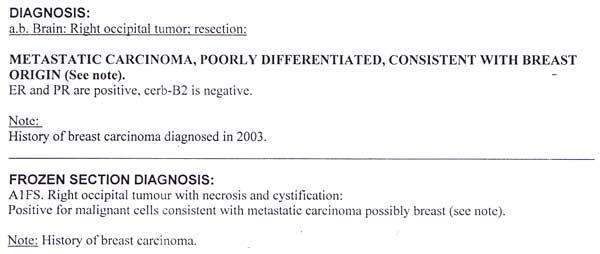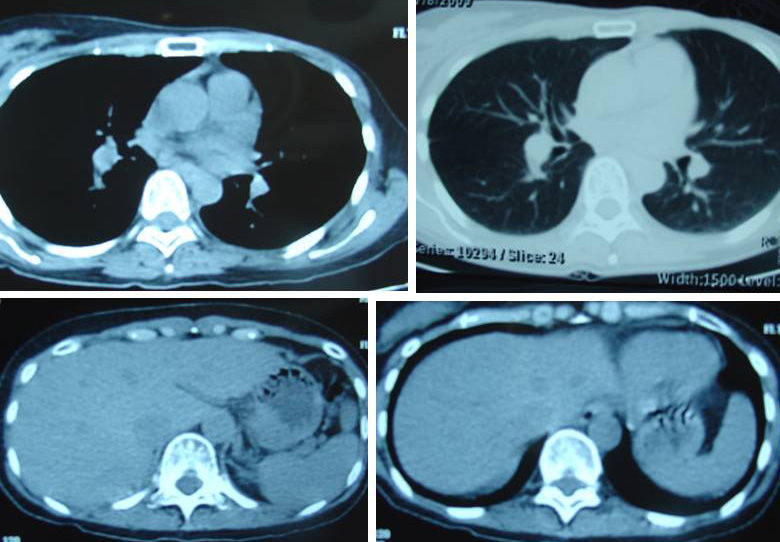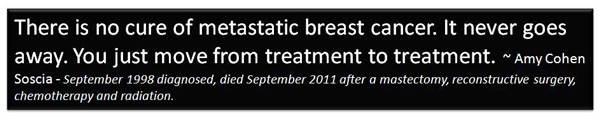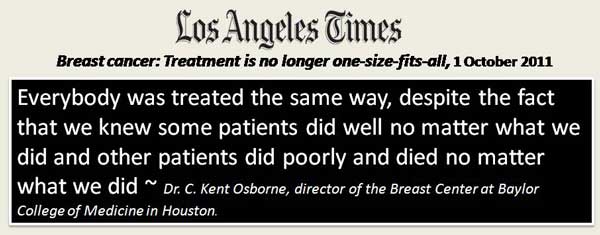
Get It Right: Can Chemotherapy Really Cure Cancer?

If you are a scientist, and if you have done many scientific experiments / research in your life, and if you have a bit of common sense (never mind about having a Ph.D. — these days you can buy one easily), you will know that something is not right with the current medical way of treating cancer using poisonous drugs.

Well, I am not a medical doctor – in a way, that is a blessing because I can critically “see” that something does not add up.  Why?
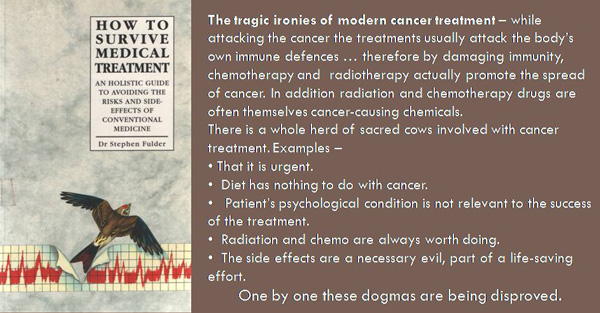
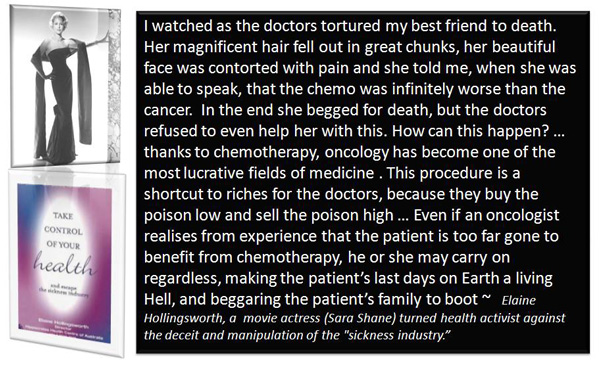
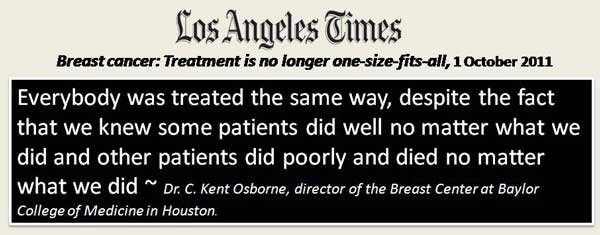
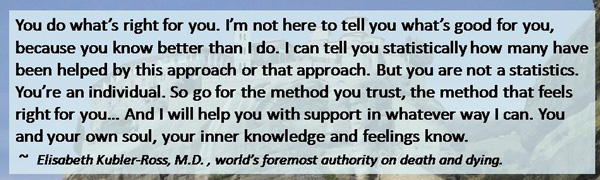
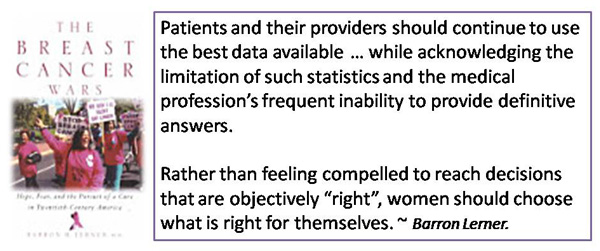
But, let me also say this. You don’t need to be a scientist to “see” what I see and to know what I know.  Hear what a broadway playwright and a movie star has got to say:

In this article, I am not trying to tell you how bad or how good chemo is.  I think you have had enough of that. I am going to bring you yet another different but related message.  I hope you can learn many things from what is written below.

The recent website of the Dana-Faber Cancer Institute, Boston, USA, had this headline: Advanced cancer patients overoptimistic about chemotherapy’s ability to cure, study finds

http://www.dana-farber.org/Newsroom/News-Releases/Advanced-cancer-patients-overoptimistic-about-chemotherapys-ability-to-cure-study-finds.aspx

A study was conducted and led by medical researcher, Jane Weeks, who is also a professor of medicine at Harvard Medical School and Professor of Health Policy and Management at Harvard School of Public Health.

Others in the research team are Deborah Schrag, MD, MPH and Paul Catalano, ScD, Angel Cronin, and Jennifer Mack, MD, MPH, of Dana-Farber; Matthew Finkelman, PhD, of Tufts University; and Nancy Keating, MD, MPH, of Brigham and Women’s Hospital.

What Did They Study?

  • The study was conducted by surveying 1,274 patients at hospitals, clinics and treatment centers across the USA. Participants were recruited from geographically diverse populations and health care systems in order to systematically evaluate cancer care delivery in the U.S.
  • Study participants had been diagnosed with metastatic lung or colorectal cancer at least four months earlier and had received chemotherapy for their disease.
  • They studied their records in great detail.

The Results of the Study 

They found that 69 percent of patients with advanced lung cancer and 81 percent of patients with advanced colorectal cancer did not understand that the chemotherapy they were receiving was not at all likely to cure their disease. Their expectations run counter to the fact that although chemotherapy can alleviate pain and extend life in such patients by weeks or months, it is not a cure for these types of advanced cancer except in the rarest of circumstances.

  • Patients with advanced lung or colorectal cancer are frequently mistaken in their beliefs that chemotherapy can cure their disease.
  • Inaccurate expectations about the role of chemotherapy were found among patients from varied backgrounds treated in many different health care settings across the U.S.
  • Surprisingly, patients who rated their communication with their physician highly were the most likely to hold overoptimistic views about chemotherapy’s curative potential.
  • Strikingly, those patients who rated their physicians as worse communicators were more likely to have a realistic view of the potential benefit of their chemotherapy.
  • While there is no doubt that communication about prognosis in advanced cancer is challenging, a sizeable minority of study participants did grasp the incurable nature of their cancers.
  • Dr. Weeks noted: “If patients do not know whether a treatment offers a realistic possibility of cure, their ability to make informed treatment decisions that are consistent with their preferences may be compromised. This misunderstanding may pose obstacles to optimal end-of-life planning.”
  • Dr. Deborah Schrag said: “skilled clinicians can set realistic expectations without their patients’ losing either hope or trust.”

This study was published in the Oct. 25, 2012 issue of the New England Journal of Medicine. The study was funded by grants from the National Cancer Institute and by a grant from the Department of Veterans Affairs

Mass Media Response To The Results Of This Study

  1. Are cancer patients’ hopes for chemo too high? http://www.reuters.com/article/2012/10/24/us-cancer-patients-idUSBRE89N1M220121024 
  • At least two thirds of people with advanced cancer believed the chemotherapy they were receiving might cure them, even though the treatment was only being given to buy some time or make them comfortable.
  • Their expectations are way out of line with reality,
  • Perhaps ironically, the patients who had the nicest things to say about their doctors’ ability to communicate with them were less likely to understand the purpose of their chemotherapy than patients who had a less-favourable opinion of their communication with their physicians.
  • This is not about bad doctors and it’s not about unintelligent patients.This is a complex communication dynamic. It’s hard to talk to people and tell them “we can’t cure your cancer.”
  • Doctors find it uncomfortable to hammer home grim news and patients don’t want to believe it.
  • It was a reminder to doctors to slow down and take some time to realize how hard the issue is.
  • If patients actually have unrealistic expectations of a cure from a therapy that is administered with palliative intent, we have a serious problem of miscommunication we need to address.

Hossein Borghaei, an oncologist at the Fox Chase Cancer Center in Philadelphia said:

  • What are you supposed to do, stand in front of someone with advance disease and argue with them? It’s not productive.

Thomas Smith and Dan Longo of Johns Hopkins University School of Medicine wrote:

  • The results are probably due, in varying degrees, to patients not being told their disease is incurable.
  • Patients not being told in a way that lets them understand.
  • Patients choosing not to believe the message, or patients being too optimistic.
  • Many patients think they are going to beat the odds.

2.      Many cancer patients mistakenly believe chemotherapies will cure them, new study says

http://www.boston.com/dailydose/2012/10/24/many-cancer-patients-mistakenly-believe-chemotherapies-will-cure-them-new-study-says/P4Sv84A5u4syPuWeD9ANUI/story.html

  • A majority of patients with advanced lung and colorectal cancer harbor the fundamental misperception that treatments that can extend life and alleviate pain might also cure them.
  • But the study couldn’t pinpoint where it occurs: whether patients receive unclear information from a physician or fail to fully comprehend what they are told, or whether there is a kind of clinical “collusion” in which the discussion moves rapidly from a dire prognosis to a focus on what can be tried, leaving patients with an inflated sense of hope.
  • The issue here … thinking that a treatment offers a chance of cure when in fact it doesn’t. This deprives these patients of the opportunity to weigh the risks of chemotherapy, including the chance of some rough side effects, against the true benefits, perhaps some symptom relief and a few months longer life but no chance of cure.

Dr. Eduardo Bruera, chair of the Department of Palliative Care and Rehabilitation Medicine at the University of Texas MD Anderson Cancer Center, said:

  • A bearer of good news might be seen in a more welcoming way; that might explain why sugar-coating might make people more liked by their patients.

Dr. Deborah Schrag, a colorectal cancer specialist at Dana-Farber and co-author of the study, said:

  • We had this hypothesis when it comes to giving bad news: Doctors who work at an integrated health care network, they’re not an independent practice, they’re more free to disclose the unvarnished truth, without worrying about the ramifications of, ‘If I’m not super cheerful and positive and optimistic, my patients would not like me.

Dr. David Ryan, chief of hematology/oncology at Massachusetts General Hospital said:

  • You have to provide the information about whether a situation is curable or not curable, and what the odds of doing well are for a long period of time.
  • But you also have to provide hope, and it can be difficult sometimes to convey that difficult information and also provide hope.

Oncologists said it was crucial to find where and why the misunderstanding takes root so that doctors can be sure their patients are making informed decisions.

3. Many Terminal Cancer Patients Mistakenly Believe A Cure Is Possible http://www.capradio.org/news/npr/story?storyid=163572138 

  • A survey finds that the majority of advanced stage lung and colon cancer patients believe chemotherapy might cure them, when it can actually only buy them a few months. Oncologists are worried about how this impacts end-of-life decision making.
  • Doctors are often called upon to deliver bad news to patients, and there isn’t much that’s worse than a diagnosis of an advanced-stage cancer for which there is no cure.
  • A large majority of patients who receive this news don’t fully comprehend it, or perhaps willfully choose to ignore it.
  • When people have unrealistic expectations they’re much less open to discussing end-of-life planning.
  • But patients always want positive news. In the short term, people will be happier if you give them happier news.”

Sandra Swan an oncologist at the Washington Hospital Center said:

  • Ultimately the doctor’s responsibility is to ensure that their patients fully understands what’s happening to them.
  • There needs to be continued communication about the prognosis and it needs to be done early on. I don’t think physicians do it particularly well. … Many physicians just have a very hard time communicating that they’re not going to be able to cure the patient.
  • Doctors need do a better job of helping terminally ill cancer patients let go of false hopes without squashing all hope.
  • You don’t want to take away hope from patients. They’re not going to be cured but it’s not like they’re going to die instantly. So it is a really hard balance to achieve.

4.   Most patients with incurable cancer still think they’ll survive, study finds

http://www.cbsnews.com/8301-204_162-57540242/most-patients-with-incurable-cancer-still-think-theyll-survive-study-finds/

  • Many patients who receive chemotherapy for incurable cancers still believe they can beat the disease, a new study suggests. The researchers behind the study question if patients are simply in denial or doctors are skirting the truth with their patients’ prognoses.
  • The research also highlights the problem of overtreatment at the end of life — futile care that simply prolongs dying.
  • For cancers that have spread beyond the lung or colon, chemo can add weeks or months and may ease a patient’s symptoms, but usually is not a cure. This doesn’t mean that patients shouldn’t have it, only that they should understand what it can and cannot do, cancer experts say. But often, they do not.

Dr. Thomas J. Smith of Johns Hopkins University School of Medicine and Dr. Dan L. Longo, question:

  • Whether patients are being told clearly when their disease is incurable. Patients also may have a different understanding of “cure” than completely ridding them of a disease – they may think it’s an end to pain or less disability.
  • If patients actually have unrealistic expectations of a cure from a therapy that is administered with palliative intent, we have a serious problem of miscommunication.

How should doctors have this difficult conversation with patients?

Smith told CBS This Morning that doctors should operate on an “ask, tell, ask” basis when patients are faced with a life-threatening illness. That means doctors should ask patients up front how many details they want to know about their illness. Then, they should tell patients in understandable terms their prognosis, such as by saying “based on people like you, you may have weeks or months.”

While some patients may have positive attitudes and think they’ll still beat the disease, Smith says he’ll tell patients that doctors won’t stand in the way of miracles, “but we can hope for the best but still need to plan for the worst.”

The study raises concerns about unnecessary but costly medical treatments for dying patients.  Smith said having the difficult conversation with a patient about their end-of-life care may lower these costs because many patients may want to be comfortable at home, and not in a hospital. This really isn’t about saving money, so much as honoring people’s choices.”

Read more on CBS: Doctors unveil “Choosing Wisely” campaign to cut unnecessary medical tests  http://www.cbsnews.com/8301-504763_162-57409204-10391704/doctors-unveil-choosing-wisely-campaign-to-cut-unnecessary-medical-tests/?tag=contentMain;contentBody

Should parents’ belief in miracles trump medical expertise in end-of-life decisions? http://www.cbsnews.com/8301-504763_162-57493154-10391704/should-parents-belief-in-miracles-trump-medical-expertise-in-end-of-life-decisions/?tag=contentMain;contentBody

Truth Is a Bitter Pill – Hard For You to Accept Reality

Chemotherapy Game Changer for Stage 4 Cancer http://www.envita.com/cancer/finally-chemotherapy-game-changer-for-stage-cancer/?UA-29060687-1

  • The current model and approach being used by numerous cancer centers and hospitals is the “germ theory.” This model aims to focus on destroying cancer cells using a “one size fits all” protocol.
  • The doctors at Envita explain that each person’s cancer is unique and cannot be put into one category or group even if patients have the same type and stage of cancer.
  • So why are cancer centers not using this approach to treatment? It is very difficult for large structured institutions and pharmaceutical companies to move quickly with the world’s modern technologies because they have so much invested in the old system.
  • The doctors at Envita noted that when patients were tested, over 75% of them were on the wrong treatments prior to coming to the center. No wonder so many patients are struggling with cancer!

The war on cancer

Back home in Malaysia, this is what Dr. Amir Farid Ishak wrote in his Star column. http://thestar.com.my/health/story.asp?file=/2012/10/28/health/12226744&sec=health 

  • Chemotherapy is not necessarily the best strategy to fight cancer.
  • In several previous articles, I quoted several major reviews on chemotherapy, reported in the top peer-reviewed journals that concluded that chemotherapy only helped 2-7% of the cancer patients, at the cost of so much additional suffering, and enormous financial burden.
  • Oncologists and the medical community in general continue to believe that chemotherapy protocols should be continued despite the overwhelming scientific evidence to the contrary.
  • They then convince cancer patients that chemotherapy is essential if they hope to prolong their lives or recover from the disease. Yet, the scientific studies show that what is believed by the oncologists is not always the same as what is proven by the studies.
  • The most recent comprehensive review of the effectiveness of chemotherapy was published by three oncologists in 2004 in the top cancer journal Clinical Oncology (16:549-560), and the conclusion was that overall, chemotherapy contributes just over 2% to improved survival in all the cancer patients in Australia and the US.
  • In 2004, most of the other oncologists neither refuted nor changed their reliance on chemotherapy despite the conclusive evidence. Now eight years later, although no similar comprehensive review has shown any significant improvement, that review is said to be outdated by some oncologists.
  • What I lament is the painfully slow progress in cancer therapy, such that many are not saved. The US is arguably the most advanced nation medically, yet for 2012, the American Cancer Society expects almost 600,000 deaths from all types of cancer (including 160,000 from lung cancer, 50,000 from colorectal cancer, and 40,000 from breast cancer). One in four deaths in the US is due to cancer. There will be about 1.6 million new cancer cases this year. Those figures certainly show that we are far, far away from winning the war on cancer.
  • Have we won the war? Or have we the lost war?
  • I strongly encourage readers to read War on Cancer – A Progress Report for Skeptics (Feb 2010) by Dr Reynold Spector, clinical professor of medicine at the Robert Wood Johnson Medical School, US (www.csicop.org/si/show/war_on_cancer_a_progress_report_for_skeptics/). His conclusion: “… unlike the successes against heart disease and stroke, the war on cancer, after almost 40 years, must be deemed a failure with a few notable exceptions.”
  • While the oncologists continue to look for the latest chemo and smart drugs, it is my duty to highlight the fact that while the next promising drug will be amply funded to prove its effectiveness, the next promising nutritional therapy is likely to be abandoned because nobody wants to spend money on something that cannot be patented in order to recoup the costs, as well as make a handsome profit.

Comments

For the past 16 years, we at CA Care have been spreading the above message. Now, I am glad to say that cancer experts in the US are saying the same thing. I don’t think I have to add any more messages!  But let me just share with you our frustrations over these years.

  1. Almost all cancer patients who came to us have undergone all medical treatments. Most of them are “medically written off.”
  2. And 70 percent of them come expecting us to cure them – they are seeking the elusive magic bullet. There is nothing wrong with wanting to find hope or not giving up hope, except that they are also the kiasu (only want to win) type . For this group of people, we would rather they go and find help elsewhere.
  3. The kiasus want healing on their own terms.  They only want to hear what they want to hear. They want things easy and cheap. Boiling the herbs to help themselves is a big chore to handle. They don’t want to take responsibility for their own well being. They want a cure but they want to eat anything they like.
  4. Only 30 percent of those who come benefit from our therapy.  They know what they are up against after being told the truth. They are determined to heal themselves and are willing to try. I have great respect and admiration for such patients.
  5. We are fully aware that patients come here to find hope. And telling them that they don’t have any more hope is a disaster. So we know we need to strike a balance. Correct, we cannot cure your cancer, because I believe that no one on earth can cure cancer either! That is the reality. My auntie had cancer. She had surgery and radiation. She thought she was cured. Thirteen years later, the cancer recurred in her lungs and she died. Where is the cure? And do I need to hide that reality to cancer patients?
  6.  Make no mistake, I don’t want to mislead them or cheat them. But by telling patients this, do I deprive them of hope? Yes or No, depending whether you are a kiasu or not! If you are the one who only want to win and would not want to lose, you would not like what I say. You don’t want to face reality.
  7. By telling you the truth – that I cannot cure you, does not mean that you are going to die now! If you have been reading the stories in our CA Care’s website, you will note that those patients were told to go home and die, but they do not die. They continue to live! That is hope! At CA Care we have seen miraculous healing week after week and month after month. But, make no mistake, this healing is NOT cure – the cancer can come back again if you become complacent and irresponsible.  But the unfortunate part is that many patients are just irresponsible. Period.
  8. So, by being honest and asking you to face reality we are not depriving you of that hope – on the contrary we provide you with new path and take you through another journey of hope.  The only problem is this – the journey is not easy to travel and is not meant for the kiasu.  I have enough documented stories to show you that you need not have to die yet if you are prepared to take the responsibility of your own healing into your own hands – you do your best and we do our best. And together we take this journey. Many remain healthy for years. Click on the success stories of our cancer patients and hear them tell you their stories. Just one example –  I like to tell you the story of this sweet lady from Makassar. https://cancercaremalaysia.com/2012/05/05/cervical-cancer-stage-3b-health-restored-after-taking-herbs-and-giving-up-chemo-radiation-treatments/
  9. The kiasus like to hear only things that they want to hear. For example:
    1. Cancer can be treated! Many patients don’t realize that to be treated is one thing. To get cured is another. While writing this article, I have a lady who came for help. She brought her sister for treatment in a private hospital  here and had already spent RM 100,000. A few hours ago, the doctor told the sister to bring the patient home quickly. She was not getting any better – in fact her health had deteriorated. Cancer can be treated for a long as you have the money to pay the bills (and preferable if you have a fat health insurance coverage!)  Read my articles: Part 1: The High Cost of Staying Alive in a Private Hospital. Part 2: One or Two Dozens of Drugs A Day Could Not Help Her?
    2. With chemo, you have a 80% chance of curing your lymphoma!  Patients love to hear that message of hope. And they believe such statistics!  Here is one example. A lady with cervical cancer was told that she had a 98 percent chance of cure with chemotherapy and radiotherapy. She believed her doctor. Four months later the cancer spread to her lungs. And that is cure? I hear this kind of stories very often. https://cancercaremalaysia.com/2012/05/02/cervical-cancer-eighty-nine-percent-chance-of-cure-vanished-with-the-collapse-of-her-right-lung-four-months-after-radiotherapy-and-chemotherapy/

Here is another example. A breast cancer lady underwent chemotherapy, radiotherapy and took Tamoxifen for five years.  Then cancer spread to her bones. She asked the doctor why she was not cured. The answer was:  It is your fate.  But the recurrence has nothing to do with what you eat. It is just your fate. Believe that? Where is the so-called science in cancer treatment? https://cancercaremalaysia.com/2012/05/12/breast-cancer-when-a-so-called-cure-was-not-a-cure/

Let me end with these quotations:

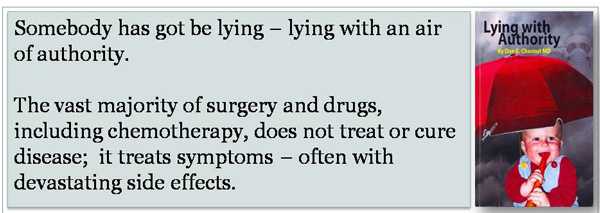
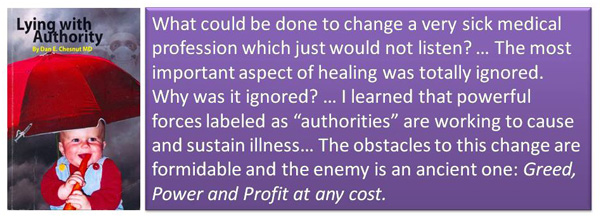
Take note, the author, Dr. Dan E. Chestnut, is a medical doctor of 44 years.

Book Review: When All You’ve Ever Wanted Isn’t Enough

And the Story of A Millionaire Plastic Surgeon from Singapore With Lung Cancer

I have just finished reading this great book written by my favourite author – a wise and great man. He is a Jewish rabbi.

Then, I found an article in my mail box. Testimony from Singaporean, Dr Richard Teo, Plastic Surgeon, 40 years old … I almost deleted it thinking it was yet another “junk” mail. But his name attracted my attention. After all I am also a Teo – perhaps, people might think he is my brother! So let me reproduce this email and share with you the story of my “brother” (no blood relationship though). 

Dr Richard Teo Keng Siang, was 40-year-old millionaire and cosmetic surgeon. He was diagnosed with stage 4 lung cancer. This is the transcript of his talk at the Dental Christian Fellowship on 24 Nov 2011.

HIS BACKGROUND:  Hi good morning to all of you. My voice is a bit hoarse from the chemotherapy, so please bear with me. I thought I’ll just introduce myself. My name is Richard. I’m a friend of Danny, who invited me here.

I’d just begin to say that I’m a typical product of today’s society. Before this, I was talking about how the media influences us, etc. So I’m a typical product of what the media portrays. From young, I’ve always been under the influence and impression that to be happy, is to be successful. And to be successful, is to be wealthy. So I led my life according to this motto.

Coming from a poor average family, back in those days, I was highly competitive, whether in sports, studies, leadership. I wanted it all. I’ve been there, done that. But at the end of the day, it’s still about money.

So in my recent last years, I was a trainee in ophthalmology, but I was getting impatient, cos I had friends of mine who were going out into private practise, making tonnes of money. And there I was, stuck in a traineeship. So I said, ‘Enough, it’s getting too long.’ At that time, there was a surge in protégés of aesthetic medicine. I’m sure you’re aware, aesthetic medicine had peaked over the last few years, and I saw good money in there. So much so that I said, ‘Forget about ophthalmology, I’m gonna do aesthetic medicine.’ So that’s what I did.

The truth is, nobody makes heroes out of the average GP in the neighbourhood. They don’t. They make heroes out of rich celebrities, politicians, rich and famous people. So I wanted to be one of these. I dived straight into aesthetic medicine. People were not willing to pay when I was doing locum back in those days. Anything more than $30, they would complain that “Wah, this lo kun (doctor) jing qwee (very expensive)”. They made noise and they were not happy. But the same people were willing to pay $10,000 for a liposuction. So I said, ‘Well, let’s stop healing the sick, I’m gonna become a beautician; a medically-trained beautician.’

And that was what I did – liposuction, breast augmentation, eyelid surgeries, you name it, we do it. It was very good money. My clinic, when we started off, waiting time was 1 week; 1 month; became 2 months; became 3 months. There was so much demand that people were literally queuing up to have aesthetic work done on them. Vain women – easy life!

So the clinic grew. I was so overwhelmed, from 1 doctor, I employed 2, then 3, then 4 doctors, and carried on. Nothing is ever enough. I wanted more and more and more. So much so that we set up shop in Indonesia to lure all the Indonesian tai tai’s. We set up shop, set up a team of people there, to get more Indonesian patients to come in.

So, things were doing well. I’m there, my time has arrived.

Around some time in February last year, I said, ‘OK, I have so much spare cash, it’s time to get my first Ferrari. So there I was, getting ready for the deposit. ‘OK! There comes my first Ferrari!’ I was looking for land, to share with some of my friends. I have a banker friend who makes $5 million a year. So I thought, ‘Come, let’s come together. Let’s buy some land and build our houses.’

I was at my prime, getting ready to enjoy. At the same time, my friend Danny had a revival. They were going back to church, some of my close friends. They told me, ‘Richard, come, join us, come back to church.’

I have been a Christian for 20 years; I was baptised 20 years ago, but it was because it was fashionable to be a Christian then. All my friends were becoming Christians then. It was fashionable! I wanted to be baptised, so that when I filled in a form, I could put there “Christian” – feels good. In truth, I had never had a Bible; I don’t know what the Bible is all about.

I went to church for a while, after some time, I got tired. I said it’s time to go to NUS, stop going to church. I had a lot more things to pursue in NUS – girls, studies, sports, etc. After all, I had achieved all these things without God today, so who needs God? I myself can achieve anything I want.

In my arrogance, I told them, “You know what? You go tell your pastor to change your sermon to 2 p.m. I will consider coming to church.” Such arrogance! And I said 1 statement in addition to that – till to date, I don’t know if I’ve regretted saying that – I told Danny and my friends, “If God really wanted me to come back to church, He will give me a sign.”. Lo and behold, 3 weeks later, I was back at church.

THE DIAGNOSIS:  In March 2011, out of the blues – I was still running around, ‘cause I’m a gym freak and I always go to the gym training, running, swimming 6 days a week. I had some backache, and that’s all I had, but it was persistent. And so I went for an MRI to exclude prolapsed disc. And the day before I had my scan, I was still in the gym, lifting heavy weights, doing my squats. And the next day, they found that half my spine had bone marrow replacement. I said, “Woah, sorry, what’s that?”

We had a PET scan the next day, and they diagnosed that I had terminal lung cancer, stage 4B. It had spread to the brain, half the spine, whole of my lungs were filled with tumour, liver, adrenals…

I said, “Can’t be, I was just at the gym last night, what’s going on?” I’m sure you know how it feels – though I’m not sure if you know how it feels. One moment I was there at the peak, the next day, this news came and I was totally devastated. My whole world just turned upside down.

I couldn’t accept it. I have a hundred relatives on both sides, my mom and my dad. A hundred of them. And not a single one has cancer. To me, in my mind, I have good genes, I’m not supposed to be having this! Some of my relatives are heavy chain smokers. Why am I having lung cancer? I was in denial.

ENCOUNTER WITH GOD:  So the next day, I was still in a state of denial, still unable to accept what was going on. There I was lying in an operating theatre in a hospital, for a needle biopsy (for histology). There I was, just completed the biopsy, and lying in the operating theatre. The nurses and doctors had left; they told me I had to wait for 15 minutes to do a chest X-ray to make sure there’s no pneumothorax (a complication).

And there I was, lying on the operating table, staring blankly at the ceiling in a cold, quiet operating theatre. Suddenly I heard an inner voice; it was not like coming from the outside. It was from inside – this small inner voice that I had never felt before. And it said very specifically “This has to happen to you, at your prime, because it’s the only way you can understand.”

I said, “Woah, why did that come from?” You know, when you speak to yourself, you’d say, “OK, what time should I leave this place? Where shall I have dinner after this?” You’d speak from a first person point of view. You don’t say, “Where should YOU go after this?” Whereas the voice that came spoke as a third party. It said, “This has to happen to YOU, at YOUR prime, because this is the only way YOU can understand.” At that time, my emotions just overflowed and I broke down and cried, alone there. And I knew then, subsequently, what it means  – to understand why this is the only way.

Because I had been so proud of myself, my whole life, I needed nobody else. I was gifted with things that I could do, why do I need anybody else? I was just so full of myself that there was no other way I could have turned back to God.

In fact, if I were diagnosed with stage 1 or 2, I would have been looking around busily for the best cardiothoracic surgeon, remove a section of the lobe (do a lobectomy), do preventive chemotherapy. The chances of it being cured is extremely high. Who needs God? But I had stage 4B. No man can help, only God can.

A series of events happened after that. I wasn’t sold after that inner voice. No I wasn’t. To me, it was just ‘maybe there was a voice; or maybe that was just me talking to myself.’ I didn’t buy the story.

What happened next was that I was being prepared for chemotherapy. I started off with a whole brain radiation therapy first; takes about 2 -3 weeks. In the meantime they prepared me for chemotherapy, supplements, etc. One of the things they used for chemo was a thing Zometa. Zometa. They use it to strengthen the bones; once the bone marrow is cured of cancer cells, it becomes hollow, so we need Zometa to strengthen the bone to prevent compression fractures.

One of the side effects of Zometa is that it can cause osteonecrosis (bone death) of the jaw, and I had to have my wisdom teeth removed. Years ago, I had my upper wisdom teeth removed, cos it was giving me trouble. The lower ones didn’t give me trouble so I said, “Forget it, just leave it.” So of course, Danny volunteered to remove it for me.

So there I was, lying there in a dental chair, asking myself, suffering all the side effects of radiotherapy, and now I have to go through wisdom tooth surgery. As if I’ve not had enough to suffer! So I asked Danny, “Eh, bro, is there any other way? Can I not go though this?” He said, “Yes, you can pray.”

I said, “What’s there to lose? Ok lah, pray lah!” And so we prayed. And we did an X-ray after that. Everything was all there, all the appliances and everything. And lo and behold, the X-ray showed that there was no wisdom teeth in the lower jaw. I know most people have 4 wisdom teeth, maybe some have none, but to be missing one or 2, as I understand – I’m not too sure, as I understand – is not that common.

Still I was, “Nah, I don’t care about that.” To me, as long as I didn’t have to take out the tooth, I was happy. At that point, I still wasn’t sold on prayers. Maybe it was just a coincidence – for whatever it’s worth.

I continued meeting my oncologist, asking him, “How long do I have?” I asked him. He said, not more than 6 months. I said, “Even with chemotherapy?” About 3 – 4 months, he said.

I couldn’t grasp that. It was difficult to come to terms. And even as I went through radiotherapy, I was struggling every day, especially when I wake up, hoping that it’s just a nightmare; when I wake up, it’s all over.

As I was struggling, day after day, I went into depression, which is the typical denial, depression blah blah blah that you go through. But for 1 reason, I don’t know why, there was this specific day that I was supposed to meet my oncologist. At about 2 p.m., I felt this sudden surge of peace, comfort, and in fact, a little happiness. It was just overflowing. For no rhyme or reason, it just came about 2pm, as I was getting ready, dressing up to meet my oncologist. So much so that I told  all my friends, “Bros, I just feel so good suddenly! I don’t know why, it just came!”

And it was only days, or was it weeks after, that Danny revealed to me that he had fasted for 2 days for me and he ended his fast at that exact same point, about 2 p.m. thereabouts, that this surge of sensation came to me for no rhyme or reason. And I didn’t know that he was fasting for me. And when he ended the fast, I felt that sensation!

Whoa, things were getting a bit too coincidental. I was starting to buy a bit of the story, but still I wasn’t sold. As days passed by, I completed my radiotherapy, about 2 weeks plus. Getting ready for chemo, so they let me rest for a few days.

Lung cancer has the highest mortality rate. Breast, colorectal (colon) cancer, and prostate cancer (the top few cancers in Singapore for men and women) –  if you add up the mortality rate of these 3, it still doesn’t add up to lung cancer. Simply because, you understand, you can remove the prostate, the colon, the breast, but you cannot remove your lungs.

But there’s about 10% of lung cancer patients who do pretty well for some reasons, because they have this specific mutation; we call it the EGFR mutation. But still, my oncologist was still not hopeful for me to have this mutation.

The chances of it happening for me were maybe 3-4% for me to get it. That’s why I was being primed to go for chemo. But through all the intense prayers, friends like Danny, people that I don’t even know, it turned out that, during my waiting for chemo, the results came back that I was EGFR positive. I was like, “Woah, good news!” Cos now I don’t have to undergo chemo at that time, because there’s this oral tablet that you can use to control this disease.

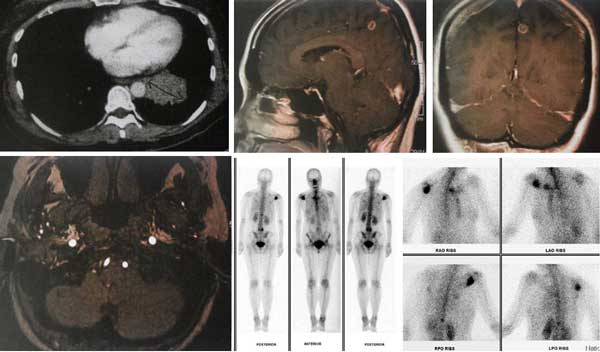
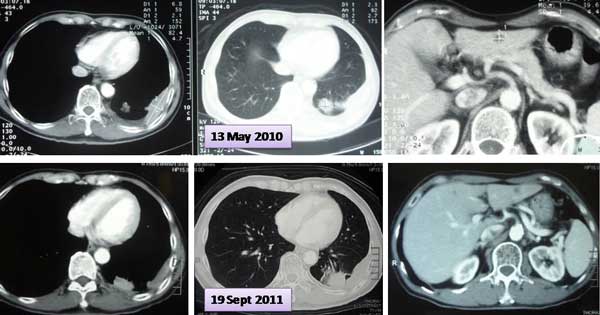
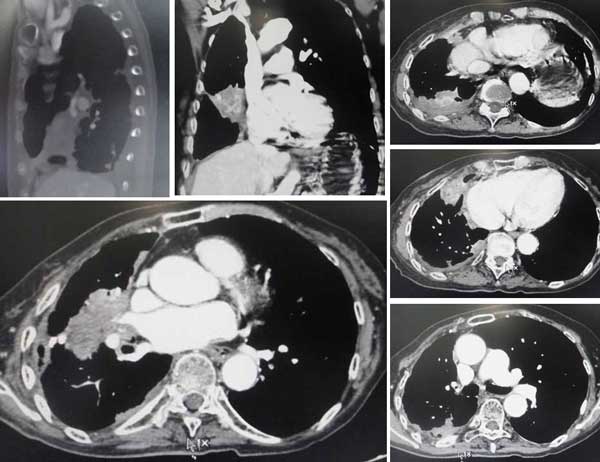
AFTER AND BEFORE:  Just to share with you some idea – this is a CT scan – thorax – of my lungs, before treatment.

Every single dot there is a tumour. You can see all the mets (metastasis) there. This is just one single plane. Literally I had it in both lungs, and I had literally tens of thousands of tumour. That’s why the oncologist told me, even with chemo, at most 3-4 months.

But because of this mutation, they have this oral medication.

At that point, I said, “Well, it’s to be expected, isn’t it? The medicine is good.” I’m still not buying the story. Well, the guys prayed for me and the tumour markers started to come down. 90% of the tumours were wiped out, and the tumour markers came down to more than 90% over the next few months.

But still, you know, once you have the clinical knowledge, you know the statistics. One year survival, two year survival; having all this knowledge is not a good thing. Cos you live with the knowledge that even with all this, the cancer cells are so unstable, they keep mutating. They will overcome and become resistant to the drugs, and eventually you’re gonna run out of medication.

So living with this knowledge is a huge mental struggle, a huge mental torture. Cancer is not just about a physical struggle, it’s a huge mental torture. How do you live with no hope? How do you live with not being able to plan for the next few years? The oncologist tells you to bear with it for the next 1 – 2 months. So it’s a lot of struggles as I went through: March, then April. April was my lowest point, in deep depression, struggling even as I was recovering.

ACCEPTANCE & PEACE:  And one of those days, I was there in bed, struggling in the afternoon, asking God, “Why? Why do I have to go through this suffering? Why do I have to endure this hardship, this struggle? Why me?”

As I fell asleep, in my dreamy state, a vision just came, that says Hebrews 12:7-8.

Now mind you, at this time, I had not read the Bible. I have no clue what’s Hebrews, I don’t even know how many chapters there are. Totally clueless.

But it says Hebrews 12:7-8, very specifically.

I didn’t think too much of it. I just continued sleeping. Then I woke up, and I said, “What’s there to lose? I’d just check it out lah!” Danny had bought me a Bible; it’s still quite new. I said, “It’s ok, just try.” So I flipped to the Old Testament. Hebrews to me sounds like something ancient, so it should be in the Old Testament right? So I flipped through the Old Testament. No Hebrews there. I was disappointed.

Then I said, “Maybe New Testament, let’s have a look!”  WOW – New Testament, there’s Hebrew!! Hebrews 12:7-8 says, “Endure hardship as discipline as God is treating you as His children.”

I said, “WAH!! Where did that come from?” I was getting goose pimples all over my body. I said, “This can’t be, right?” I mean, what’s the chance of somebody, who has never read the Bible, to have a vision of a specific verse that answers my question directly?

I think God had called to me directly as I was there sleeping, struggling with it, asking God, “Why do I have to suffer? Why do I have to suffer this?” And God says “Endure hardship as discipline as God is treating you as His child.”

At this point, the chance of that happening is even lesser than my EGFR being positive. There’s just no way; there’s so many thousands of verses in the Bible, how can I just conjure up something like that?

So at that point, I was sold I said, “YOU WIN! YOU WIN!!”

Ok , I was convinced. And so from that day onwards, I started believing in my God. And the last time I heard that inner voice was the end of April. And that inner voice, same thing, in the afternoon, as I was sleeping (this time I wasn’t struggling, just going to sleep). In a dreamy state I just heard Him say, “Help others in hardship.”

It was more like a command, rather than a statement. And that’s when I embarked on this journey, helping others in hardship. And I realised that hardship is not just about being poor. In fact, I think a lot of poor people are probably happier than a lot of us here. They are so easily contented with whatever they have, they’re probably pretty happy.

Hardship can happen to rich people; it can be physical hardship, mental hardship, social, etc. And also over the last few months, I started to understand what this true joy is about. In the past, I substituted true joy with the pursuing of wealth. I thought true joy is about pursuing wealth. Why? Cos let me put it to you this way, in my death bed, I found no joy whatsoever in whatever objects I had – my Ferrari, thinking of the land I was going to buy to build my bungalow, etc, having a successful business. It brought me ZERO comfort, ZERO joy, nothing at all.

True joy comes from interaction with other people. And at a lot of times, it is a short term pride, the past. When you pursue your wealth, Chinese New Year is the best time to do it. Drive my Ferrari, showing off to my relatives, showing off to my friends, do my rounds, and then you thought that was true joy? And your relatives, wow, they share this joy with you? In truth, what you have done is just to illicit envy, jealousy, and even hatred. They are not sharing the joy with you, and what I have is that short-term pride that wow, I have something you don’t have! And I thought that was joy!

So what we have is basically a short-term pride at the expense of somebody else. And that wasn’t true joy. And I found no joy at all on my deathbed, thinking of my Ferrari – to hold on to it, sayang it?!?

True joy I discovered comes from interaction. Over the last few months I was so down. Interaction with my loved ones, my friends, my brothers in Christ, my sisters in Christ, and only then was I able to be motivated, able to be uplifted. To share your sorrow, to share your happiness – that’s true joy.

And you know what makes you smile? True joy comes from helping others in hardship, and because I’ve gone through this, I know what hardship entails. In fact, there’re some cancer patients who tell me a lot of times, people come up to them and tell them, “Stay positive. Stay positive.” Yah, right. You come in my shoes and you try to stay positive! You don’t know what you’re talking about!

But I have the licence. So I’ve been going out to meet other fellow cancer patients, to share with them, encourage them. And I know, because I’ve been through it, and it’s easier for me to talk to them.

And most importantly, I think true joy comes from knowing God. Not knowing about God – I mean, you can read the Bible and know about God – but knowing God personally; having a relationship with God. I think that’s the most important. That’s what I’ve learnt.

So if I were to sum it up, I’d say that the earlier we sort out the priorities in our lives, the better it is. Don’t be like me – I had no other way. I had to learn it through the hard way. I had to come back to God to thank Him for this opportunity because I’ve had 3 major accidents in my past – car accidents. You know, these sports car accidents – I was always speeding , but somehow I always came out alive, even with the car almost being overturned. And I wouldn’t have had a chance. Who knows, I don’t know where else I’d be going to! Even though I was baptised it was just a show, but the fact that this has happened, it gave me a chance to come back to God.

Few things I’d learnt though:
1. Trust in the Lord your God with all your heart – this is so important.
2. To love and serve others, not just ourselves.

There is nothing wrong with being rich or wealthy. I think it’s absolutely alright, cos God has blessed us. So many people are blessed with good wealth, but the trouble is I think a lot of us can’t handle it. The more we have, the more we want. I’ve gone through it, the deeper the hole we dig, the more we get sucked into it, so much so that we worship wealth and lose focus. Instead of worshipping God, we worship wealth. It’s just a human instinct. It’s just so difficult to get out of it.

We are all professionals, and when we go into private practise, we start to build up our wealth – inevitably. So my thought were, when you start to build up wealth and when the opportunity comes, do remember that all these things don’t belong to us. We don’t really own it nor have rights to this wealth. It’s actually God’s gift to us. Remember that it’s more important to further His Kingdom rather than to further ourselves.

Anyway I think that I’ve gone through it, and I know that wealth without God is empty. It is more important that you fill up the wealth, as you build it up subsequently, as professionals and all, you need to fill it up with the wealth of God.

I think that’s about it. It’s good to share. Thanks.

(Note:  He was diagnosed with stage 4B lung cancer in March 2011. He was told he had 3-4 months to live but he lived for another 19 months. He died on 18 October 2012.)

In When All You’ve Ever Wanted Isn’t Enough, Rabbi Harold Kushner asked, Was there something I was supposed to do with my life? Let me quote what he wrote:

  • This book is not about how to be happy or how to be popular. There are a lot of other books to do that. It is about how to be successful, but not in the way most people use the word… It is about how to know that you have lived as a human being was meant to live, that you have not wasted you life. It is a book about giving your life meaning,  feeling that you have used your time on earth well and not wasted it, and that the world will be  different  for your having passed through it.
  • Ask the average person what he wants out of life, and he will probably reply, “All I want is to be happy.”
  • Even the rich and powerful find themselves yearning for something more. We keep thinking that if we had what they have, we would be happy…. For all the outward trappings of success, they feel hollow inside. They can never rest and enjoy their accomplishments. They need one new success after another.
  • Our souls are not hungry for fame, comfort, wealth, or power. Those rewards create almost as many problems as they solve. Our souls are hungry for meaning.
  • What frustrates us and robs our lives of joy is this absence of meaning. Our lives go on day after day. But do they mean anything? Is there anything more to life than just being alive…What does life mean? Does our being alive matter? We will find ourselves sick, lonely and afraid if we cannot answer them.
  • What we miss in our lives, no matter how much we have, is that sense of meaning. We may have all the things on our wish list and still feel empty. We may have reached the top of our professions and still feel that something is missing.
  • The need for meaning is not a biological need like the need for food and air. Neither is it a psychological need, like the need for acceptance and self-esteem. It is a religious need, an ultimate thirst of our soul.
  • The question of whether life has meaning, or whether our individual lives make any real difference, is a religious question not because it is about matters of belief or attendance at worship services but because it is about ultimate values and ultimate concerns. The pursuit of happiness is the wrong goal. You don’t become happy by pursuing happiness.  You become happy by living a life that means something.
  • The happiest people you know are probably not the richest or most famous, probably not the ones who work hardest at being happy by reading the articles or buying books and latching on to the latest fads. I suspect that the happiest people you know are the ones who work at being kind, helpful, and reliable – and happiness sneaks into their lives while they are busy doing those things.
  • You don’t become happy by pursuing happiness. It is always a by-product, never a primary goal. Happiness is a butterfly – the more you chase it, the more it flies away from you and hides. But stop chasing it, put away you net and busy yourself with other more productive things than the pursuit of personal happiness, and it will sneak up on you from behind and perch on your shoulder.
  • And worst of all, society applauds this imbalance, honouring us for our financial success, praising us for our self-sacrifice.
  • In the Bible, the sin of idolatry is not just a matter of bowing down to statues. Idol worship is treating the work of your own hands as if it were divine, worshipping yourself as the highest source of value and creativity … believing that you have enough power to control the world in  which you live and the other people who live in it.
  • Hell is having worked so hard for success that it corroded your relationship with other people so that you learned to see them only in terms of what they could do for you … hell is the loneliness of having everything and knowing that   it is still not enough.
  • When you have learned how to live, life itself is the reward. It is a sign of maturity when we stop asking, What does life have in store for me? And start asking, What am I doing with my life?
  • How do you overcome the fear of dying? he asked me. I told him that I was not ready to die, that I hope to live for many more years, but that I was not afraid of dying because I felt satisfied with what I had done with my life. I had the sense that I had not wasted it, that I had lived with integrity, had done my best, and had an impact on people which would outlast me. It is only when you are no longer afraid to die that you can say that you are truly alive. The final ingredient which enables us to say, “I have lived and my life mattered,” is the knowledge that we have made a difference. Nobody on his deathbed ever said, I wish I had spent more time on my business.
  • Who needs God? Can we deal with the issue of life’s ultimate meaning without reference to God? The existence of God in not the issue; the difference God can make in our lives is.
  • In the same way that the human body is fashioned so that certain foods and certain kinds of activity are healthier for us than others, I believe that God made the human soul in such a way that certain kinds of behaviour are healthier for us than others. Jealousy, selfishness and mistrust poison the soul; honesty, generosity, and cheerfulness restore it. We literally feel better after we have gone out of our way to be helpful to someone.
  • God is the answer not because He will intervene to reward the righteous and punish the wicked but because He has made the human soul in such a way that only a life of goodness and honesty leaves us feeling spiritually healthy and human.

Comments

Over the years – 16 plus years, I have all kind of people coming to CA Care for help. Some were wealthy and famous. Some had impressive tittles in front and behind their names. But some were plain simple folks with no viable income at all. Some were nice and gentle while others were outright abusive and rude. Some cherished the idea that they did not have to pay anything talking to me, while others were happy that they had to pay very, very much less for their medicines than if they were to see their oncologist.

In short, I have seen them all – human beings in all their forms, attitudes and human values.  But what made my heart bleed is to see those “high and mighty” coming to us with terminal cancer – their medical reports and scans showed that they may not make it through three to six months – yet they have not learned or realized that living life is more than just money. These people (not that they don’t have money) would call wanting to return the herbs (how much was that worth? RM 200 or RM 400?and you do that with your doctors do you?) that they bought after they did not get the results they expected, even if they had already lived six months or more!

But fortunately we have learnt early that CA Care is just a door mat. Some come to us expecting to extract the maximum they can squeeze from us! Some came in a BMW or Mercedes and still asked for special discount! We know that is the way life is!

May many of us learn and benefit from the story above and the wisdom of Rabbi Kushner.

Our Herbs Did Not Cure His Mother of Her Terminal Leukemia Within Two Weeks

H-733 was a 65-year-old lady. She came to see us on 6 November 2011. She had leukemia and was treated in the hospital in Sungai Petani, Kedah for eight days. Then she was in a Penang hospital receiving treatment from 3 October 2011 to 4 November 2011.

She received one cycle of chemotherapy consisting of seven injections. She was scheduled for four cycles but refused to undergo further chemotherapy. The only thing I could remember of this case was the patient telling me that her days in the hospital undergoing chemo were a real “hell”.

In this patient’s file are only two pieces of paper – the Disclaimer and Release of Liability form (signed by her son) and a short note about her case. There was no medical report of any kind. Understandable! She went to the government hospitals and if you are not “persuasive enough” or don’t know “your way” enough they don’t give you your medical reports.

Based on the patient’s story, I prescribed herbs for her leukemia.  Listen to my conversation with this lady after she took   our herbs for a week.

In this video conversation it was clear that the patient felt better after taking the herbs for one week.  I have told this patient (and many more  before her) that,  If after you have taken the herbs for two or three weeks and still do not seem to benefit from the herbs – i.e., do not benefit in any way, my advice is: Stop taking the herb. Go and find someone else. Do not waste your precious time.

Take note of what she said after taking our herbs for a week, I am happy now. One month in the hospital (doing chemo) was hell but now I am in heaven. Unfortunately we never get to see this patient again after this. Why did she not come back to see us again? Did she think that she was already cured after being well? Or could it be that someone had told her to stop taking our herbs and go for something else “better”? I can’t understand.  Definitely it is beyond me to comprehend why!

But as far as we are concern, her file was set aside and left forgotten. We know that a majority (70 percent) of patients who came to us were just shopping for a magic bullet. So this case is nothing unusual.

Nearly a year later, I received an email from the patient’s son. Let me reproduce the email exchanges we had. Perhaps we all can learn from this episode. The emails from Mr. Chin (that is what he called himself) are reproduced here as they are, without any editing.

Oct 16, 2012 Hello Dr Chris,

My Name is Mr Chin..I not sure you still remember last year December you have a Accute Myleoid Leukemia

Patient From Sungai Petani, Her name is Miss Ong. She was my Mother, she pass away this year March. The reason I write this letter to you, Just want to Inform you.. your medicine did not work at all for my Mother Case.. and I hope you can keep this Information for your own record. maybe Next time got the Some cancer patient, you can let them know my mother end result. Maybe 2 week also is a vey important time frame to the other Patient.

Thank you Chirs.. Regards, Mr Chin.

Reply: Yes…thank you. Is she the one who was in the hospital and she told me that she went through hell in the hospital? How long did you take the herbs? Only for two weeks? …two months or what? I cannot remember the case. Can you give me the file number? Chris.

Oct 17, 2012

Sorry I don’t have the File number with me anymore, yes My mother does mention she went through hell in hospital. But Chris to be frank, Me as a outsider, my Mother judgement on that time is not right anymore. Penang Hospital do the thing they suppose to do.. So nothing wrong with them. Just that time my mother is in pain and worries, and make such comment, and that time I just want her release her stress, so did not make a correction on that spot… My Mother took your herb for 2 week… Mr Chin.

Reply: You mean she only took herbs for 2 weeks … and you expect the herbs to cure her? I now remember, she came once to see me and never come back again. And you expect taking herbs for two weeks you can get a cure?

 Oct 17, 2012

Mr Chris.. In the first Place you mention to us, let my mother try 2 week, If this medicine is not work, then this medicine is not effective to her. please move on and try another remedy… I guess you are too busy till you did not remember your word.

The reason i make a afford to write a letter to you, just want to share information to you… and hope this info will benefit to another patient. You will do a Job with Love and Caring , and please don’t fall to the trap of hate and criticism..” May God Bless you” have a strange to care to another cancer patient….Thank you. Mr Chin.

Reply:  Yes… you are right. I have her file H 733 — your mother is 65 years old ..Ong WK ..is that correct? She had chemo  once when she came and it was after 7 injections … she suffered the following side effects…a) rashes b) arms and legs swelling  c) fevers on and off and  d) skin peeled off.

She took herbs on 6 Nov 2011. That is the record I have. Yes, very correct …if you take herbs for 2 weeks and don’t benefit, go elsewhere. Yes, you are correct. I am here to help people but I cannot remember all the cases …I have people coming to see me everyday ….. especially if they come to see me only one time, I cannot remember them. How to remember? You are also correct that I need to know and keep my record so that I can learn and tell others. Yes, I am happy to tell others about your mother’s case. I also want to learn from your mother’s case.  So to make my record complete …Can I ask you the following questions so that I can help others understand what is going on:

a) Did your mother go for more chemo in the GH?
b) Or did she go to someone else for help?
c) She died in March 2012 — can you tell me what happened between this time? If she took the herbs for 2 weeks …it means that by December 2011 she has finished taking my herbs …. but you only wrote me this email two days ago — almost one years after this? I wonder why you only write me only now? Why wait for so long? I am not trying to blame you, I am just curious to understand what is going on.

I also want to tell you that I am not angry …. I am just curious to know what happen and how people think. I see all kinds of people and they all write different things. So this is my learning experience. Thank you for writing and if you have the time, please let me have your answers. Regards and God bless you too. Chris

Oct 18, 2012  Mr Chris. Below is the answer you wanted..

a) No my Mother just go for 1st round chemo, and GH already said she are not fit to go for 2nd round of Chemo..

b)  Yes.. we look for the China chinese doctor for help. http://yanqiang.net/ 

c)  Her Body condition is getting weak, and putting palette and blood into her body.. also didn’t work for her anymore.

c)  Chris as i mention to you at the first place, Just share this info so that you can use it for your reference.. I am not here try to Blame anyone…In Fact In this world there is no 100% way can cure cancer. So instead wasting the time condemn people medicine did work and how harmful to people, why not take this precious time study how to solve this cancer problem. But I know this is very Challenging… Thank you! 

Reply: Thank you very much for replying. It is good for you to reply and complete the story of your mother. I would like to write this story.  I have just written a book and the last chapter is called My Patients My Teacher ….. I am sending this copy to you. May be you want to read it.

Over 16 years I have helped thousands and thousands of patients …and there is NO cure for any cancer. Everyone should know that. Everyone who has cancer all die. Even without cancer, we all also die.

If you have time, it is good if you can answer the question I asked you earlier but understand that no one is trying to blame anybody. We understand that.

What I would like to know is this —- your mother only took my herbs for 2 weeks and she died some months later….the question is: Why did you write to tell me about this only NOW … many months after she died or almost one year after coming to see me once? Why not write earlier? I may have helped better.

What about the Chinese doctor — he also cannot help her? How long did she take herbs from the Chinese doctor? Did you also write to the Chinese doctor and tell him that your mother died?

It would be good if you give your answers so that we all can understand the real story. And I also can write a good story about this so that all patients understand what is going on. Thank you again for writing me. Chris.

Oct 18, 2012

Thank you for Sharing Your Book… hope this book will be benefit for the cancer patients and theirs family.

Chris Hope You can understand , with Lose a family member is not a easy thing… and we need time to calm down ourself and get refresh to think what we suppose to do , to help another cancer victim..

If the Chinese Doctor can help, My mother will not be died…My mother take 2 month for this chinese doctor herb… Yup I  do wrote the letter to this chinese doctor, The answer from them is simple. thanks For Sharing, They will keep my mother as their study record. and thanks me for Informing them.

Chris  i Just hope you just can share my mother Case to another AML Cancer Patient, Your Medicine is not work For AML Patient Before and at least let them aware about it. If They Still want to try your method then is their choice….and I also think maybe for some Patient 2 week try period also is a very important time frame for them.. I believe some Patient Family did not report the result to you, and make you can not judge your method is workable for which type of cancer..

Reply: Chin
1. Did your mother go to China for treatment?

2. How long was your mother on this Chinese treatment? … also 2 weeks like mine?

3. Is she on any treatment when she died? Was she on the Chinese treatment or no treatment at all.

When I share this story, I need to have as much information as possible, otherwise I cannot understand and explain why.

Oct 18, 2012

1. Did your mother go to China for treatment? No her Condition is not fit to fly over there, and the Chinese doctor also mention no need her to go over there because of my mother condition.

2. How long was your mother on this Chinese treatment? …also 2 weeks like mine?  2 month

3. Is she on any treatment when she died? Was she on the Chinese treatment or no treatment at all.  No treatment at all when she died..

My mother also gave up for the Chinese Medicine after 2 month taking it… her condition is not improve at all, and at the last when i am on the mid of planning send her to try the DC-CIK treament is was too late. so I hope with Sharing this the next cancer Patient If have choice.. don’t waste the time to try the Medicine which is not work.. then with saving the time they maybe can find a better alternative way to treat this AML cancer.. Chin

Reply: You are right …don’t waste time on medicine that do not work …you tried the chemo …  it did not work, you came to CA Care and took my herbs for 2 weeks and it did not work…then you tried 2 months of herbs from Chinese hospital in Shandong and it did not work … so where do you think you can find medicine that can work?

Do you think that DC-CIK you mentioned can work? If so, how do you know that it will work? … my patient had this treatment in Singapore and then went to Japan for the same treatment and for many months …to do this treatment and he died. It did not work either.

It only means, nobody in this world can cure cancer  …. click this link and see what patients wrote me about their leukemia…. http://adaywithchristeo.wordpress.com/category/leukemia-2/

You can see they all need help…BUT who can cure leukemia????? Have you read anything about leukemia?

When I write your mother’s story, I shall explain that there is no one on earth who can cure leukemia. If and when you think you know where to find cure for cancer, please let me know. I too want to know.

And if you read the chapter of the book that I sent you…. I tell everyone who come to see me … there is no cure for cancer ….I have no magic bullet for cancer….that is why I tell you…take my herbs for 2 weeks and go elsewhere if you don’t think it helps you… simple as that.

It is good that you write me. I shall write some articles to let patients know more about cancer. It is not an easy problem. Chris.

Oct 19, 2012

Chris I know your frustration… Seeing people In front of you who’s seek for help and you can not do anything about it. Maybe Is good too, let me Paint my picture more clearly… as a Patient of the Family who do hope too Reduce the ” NOISE” during company our family member for the last journey… ” NOISE” mean’s the fault hope.. the hope that think this cancer can be fix, the hope thats make us didn’t prepare our family member will be gone.

I think if we were know this cancer can not be cure at all in the first place , then we will do a necessary preparation for it.

so please pardon me if i said it unclear…I believe my mother just a single small dot in your journey to help the cancer patient.. so with my mother result I telling you, maybe you can use it as a data. within of how many Leukemia person who come to seek for your help.. is benefit it form your medicine…and you can come out a percentage chart of a effectiveness of your herb toward Leukemia.

If the answer is only 1% then, you can tell the patient are they welling to try it or not, But If 0% then I guess you can cloose down your herb section for Leukimia.. This Happen Is GH Penang too , Doctor Goh do mention to us, with my mother condition, the 2nd Chemo will have a 15% success rate only. She Ask us to think cafully… so we decide not to go for it.. In my First Letter to you I already wrote in this world still don’t have a 100% effective way to cure the cancer.. we all know that…Chin. 

Reply: Thank you for your reply. After reading and replying to your emails, I think I need to send you the complete book that I wrote free-of-charge: Cancer – Is there another option. Take it, read it and try to understand it. It is definitely too late to save your mother, but perhaps it may be able to help others.  That is if read and understand it.

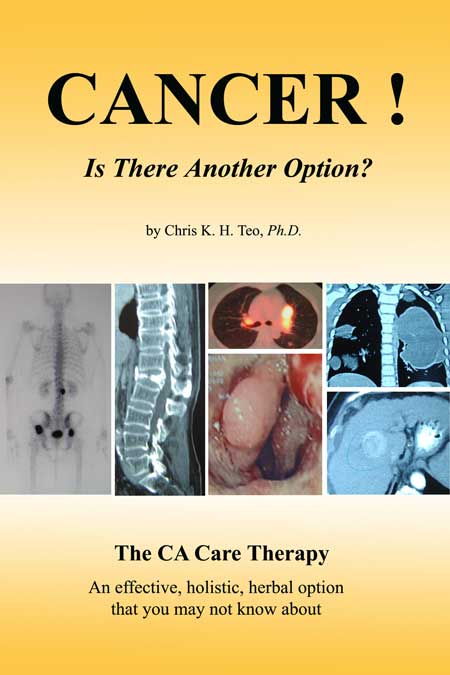
(Available at http://bookoncancer.com/productDetail.php?P_Id=56)

Let me tell what you need to know that may help you in the future.

1. In the first two pages of the book, I talk about ignorance.

  • Over the past many years, many (thousands!) cancer patients had come to seek our help and advice. They wanted to know what else they could do, generally after modern medicine had failed them. Most of these patients were totally ignorant of what they were up against. Many think that they could easily find a cure for their cancers. They come seeking for that non-existent magic bullet for their cancer. Alas! Many failed to find a cure. At CA Care we don’t talk about cure, because we do not see a cure for any cancer.
  • Many patients come to us – not wanting to see the left or right – they have only one aim, expecting and wanting us to cure their cancer. No, we cannot cure you! Don’t ever expect that after you have taken our herbs the cancer will go away the next day or a few weeks or months later. Such expectation is ridiculous. The situation becomes even more ridiculous when patients who come had already undergone all the medical treatments and failed. Yet when they come to us they expect a miracle – to be cured!  When I think of this – and it happens very often – I am flabbergasted. Simple common sense tells you that it is not possible and unreasonable.
  • In cancer, it is worth noting that ignorance kills. To be able to find healing, patients should realise that they must do something for themselves, not to rely entirely on others to help them.

 2.  You are right – your mother is  just a single small dot in your journey to help the cancer patient. Yes, your mother died but it does not mean that other patients should follow her to the graves as well. Read Chapter 7 of my book:  Chronic Leukemia: Blood Improved While On CA Care’s Herbs. This lady works in the Hospital in Hong Kong and she has been taking my herbs for two years (not two weeks like your mother) and she is doing fine.

After you have read that story, click this link: http://cacare.com/index.php?option=com_content&task=view&id=243&Itemid=57

This is the story of Pak Jam’s wife (teacher) who had leukemia and was in worse condition than your mother. But she survived and could go back to resume teaching again. She came to see me beginning of this year (2012). And she was taking herbs for more than 2 years, not two weeks like your mother.

Then you want to know what? She died after she came to Penang (in 2012) – because she went to the hospital in Aceh and they put in the wrong blood for her!

3.  Same medicine, different patients

  • One lesson anybody need to learn is that you may give the same medicine but patients are different. If the medicine fails it is not because the medicine is not good – it may be the patients are not good. Human beings are not the same. They carry different baggages.
  • After helping thousands of patients over the years, I have learned that almost 70 percent of them are here to find a magic bullet or wanting to find cure on their own terms. Our therapy is not easy to follow. You need to heal yourself – and it is you and you alone who can heal you. Others can only help but you decide you own fate.
  •  No two persons taking the same path would end up at exactly the same destination. Cancer is about you as a person. If you are not able to change your mental attitude, your diet, your lifestyle, etc. no one else can help you. You are a goner if you come and tell me: If I cannot eat meat life is not worth living; I have no time to cook the herbs; The herbs taste awful, etc.

4. Accept Reality

One thing we all must do is to accept reality. If the cancer is already serious, there is nothing in this world that can cure it.  Read Chapter 12 of my book:  Mayo Clinic Gave Him Only One More Week to Live. The Doctor Is Not Convinced That Chemo Can Kill the Cancer This Time. Do you know what Mayo Clinic is? This is one of the best hospitals in the world. Kings and rich men all over the world go there for treatment. Yes, after Mayo this young man wrote asking me to help his father. Let us face reality! I understand – he wanted to do the best for his father. Like you wanted to do the best for your mother – and you thought buying herbs from China can cure your mother. 

Read also Chapter 13:  Salivary Gland (Parotid) Cancer: The Doctor Said: It Would Be Useless to Keep Him Alive. Do you know that the wife of this patient is a dental specialist?  She is medically trained. She too could not find a cure. She too wanted to do the best for her husband. But there is a limit to what anybody can do to help.

The same is true for you. Your mother went to the hospital and had chemo. When she came to me she was suffering side effects like rashes, swelling of legs and arm, she had fevers and her skin peeled. It was lucky that she did not die of the chemo. She was on my herbs for two weeks and then went for herbs from a hospital in China for two months. And you expect a cure for her leukemia when even the doctor in GH had told you the second round of chemo will only give you 15% success rate only. And you did not think 15% was good enough. What you don’t understand is success rate — success rate does NOT equal to cure. What is success rate? Nothing – it is not cure.

CA Care is the last one stop – we are people’s door mat

I jokingly tell patients – CA Care is your last one stop. The cases that come to us are usually beyond us to cure. Make no mistake, we are under no illusion. Over the years we always call a spade a spade and we face reality without any pretence. Death is a reality – it can happen to you or me, anytime – irrespective of whether you have cancer or not. Perhaps with cancer, the journey to the grave seems more certain and somewhat shorter!

I said this again and again, we at CA Care can only help you. Your healing is yours to seek and achieve. To those who truly need our help, we say this: Live and don’t give up hope. There is an option. There is hope. But if you want healing on your own terms and refuse to learn and change, then there is nothing much anyone can do to help you.

Okay, with this, I think I have written enough. I thank you again for writing. I would like to end this discussion and let me move on to help others who need my help. I hope you have time to read this book that I send you. Take your time to read and understand. It may help you or others one day. Chris.

Oct 20, 2012  Chris

Really appreciate your thoughtful and meaningful write back..Chris Please don’t miss understanding I am here judging what are you doing….In fact I don’t have a right and qualified to do this at all.I just hope I can provide my mother result as a data, so that maybe you can use it in the future..My mother AML Cancer is just a single case of so many different type of cancer. Me, by hoping provide you this info, you roughly may know your herb is more effective to which type of cancer…Lastly You mention to us just let my mother try 2 week your herb. but that time if you were tell us to try 2 years ( like a Hong kong Ladies) and follow your diet guide…then we will follow you…. That time is not we want to give up, we done that because you tell us 2 week is the limit.

Chris Really Thank you for Your Time ,and I think I took too much time from you.Please move on with GOD faith.. and continued your meaningful journey. ” God Bless You” Chris… Chin. 

Comments:  I have asked myself – why do I have to waste time replying to such emails? Let me tell you why.

  1. I realize that it is not only the sick person who needs help. At times, the caregivers and family members or even friends too need help. If you view it from this perspective, it makes sense.
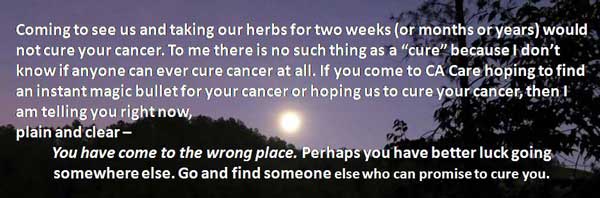
  2. The message that Mr. Chin wants you to know is this: Coming to see us and taking our herbs for two weeks did not cure her mother of her leukemia.  I fully agree with him. In fact I want to add a bit more to this message.  If you come to us hoping to find an instant magic bullet for your cancer, then I am telling you plain and clear – you have come to the wrong place. Perhaps you have better luck going somewhere else. Go and find someone else who can promise to cure you.
  3. Some weeks ago, one lady came to see me. She had cervical cancer. After surgery, she took Sabah Snake grass every day. A year later, her cancer came back. She came to seek our help. I told her to go for chemo but she refused. She told me she understood the serious risk that she was taking in wanting me to help her with our herbs. She did not come to see me hoping to find a cure! I was impressed by her attitude and plan to write a full story of this case. Then there is another case of a man from Jakarta, Indonesia. He had pancreatic cancer. I told him I am not able to cure his cancer.  He told me he understood that very well and he wanted me to help him as best as I can. He knew that nobody can cure his cancer. I plan to write his story too.
  4. Do you see that Mr. Chin’s case came at an “appropriate” time indeed? Mr. Chin’s case adds another perspective to my two other stories. Here, Mr. Chin came to CA Care expecting to find a cure. And my herbs cannot cure his mother’s leukemia within two weeks.

Let me end this article by quoting my favourite author, Harold Kushner, a Jewish rabbi. This what he said, When all you’ve ever wanted isn’t enough. This is what he wrote,… the irony of the phase “the best and the brightest”… The best and the brightest was the way we described the government officials who got us into Vietnam to begin with then kept getting in deeper and deeper. They were undeniably brilliant men, honor graduates of the finest universities, armed with mountains of information from the most sophisticated computers, and still they kept making the wrong decision. They had intelligence. They had information. But they lacked wisdom… smart enough to lead, but not wise enough to know where they should be going.

It there is one lesson which I think you can learn regarding this case. Use your common sense (or be wise!) when gathering information – especially from the internet. They are a lot of “junk” information in the cyberspace. We can find all kinds of claims – this and that stuff can cure cancer. Evaluate these claims critically. Mr. Chin’s mother underwent chemo for about a month. This did not work. After one cycle she gave it up. She came to CA Care and took our herbs for two week and decided that our herbs did not cure her. The son “hunted” for more herbs – this time from China and his mother took them for two months. It did not cure her either.  Mr.  Chin was in the midst of wanting to “send her to try the DC-CIK treatment” – also in China. But it was too late – his mother died! How long can you go on trying – hopping from one treatment to another? Leukemia does not wait for anyone. You don’t have the luxury of experimenting anymore when you have cancer.  What many of us fail to realize is that healing starts from our own self first!  The real good doctor who can heal us resides within us.

Let me quote Kushner again, indeed many of us believe are smart but only … smart enough to lead, but not wise enough to know where they should be going. 

================================================================

Thanks for writing! For the time ever, I received some responses after posting this article: Our Herbs Did Not Cure His Mother of Her Terminal Leukemia Within Two Weeks

 —————————————————————————————————————–

Dear Dr. Chris,

Thank you for the sharing H733 story. In one if your book: “We also learned that for those who want to believe, there is no need for too much explanation or proof. But for those who do not wish to believe, no matter what evidence is provided, it is never enough. There is always something not right about it and there is always a reason to reject it.”

It was such a long time I didn’t visit you in Penang. But I never stop taking your herbs since Dec-2009 till now. BTW my recording is H237. God is good, He sent me to your place, I always remember “Our hands but God heals”. I just want to let you know I am very good now. I have been sharing my testimonial to those cancer patient but it is not easy to let people to believe especially Chinese medicine (Herbs). As usual they ask me how many cycle of herbs I need to take, my answer to them is that when is the last day God calls me home.

I have stopped my work and become a house maker for one year already. Life is great and I look healthy and young after taking your herbs for the past 3 years. I believe God will make a way for me. I want to Thank you again. Send my regards to Beng Im. God Bless you and your family. Jessie

—————————————————————————————————————-

Hi Chris,

Simple mind uses simple interpretation. Simple minded read your sentence and put a fool-stop. Well, I think about 30 to 40% of people think this way.

I observe that many church members sway in the direction by one speaker and then in another by another. This leads to a temporal understanding of Bible. Reality of the world today. With kind regards, Siew

—————————————————————————————————————-

Dear Dr Chris,

Thank you very much for sending me articles and updates regarding the good work  CA Care is doing.

I only have one of your books entitled Understanding Cancer War and Cure. i have read it many times over and i am grateful that you have devoted your time and life to help people ‘manage’ their cancer. i hope to purchase more of your books soon.

We all know you have emphasised time and again that you have no magic bullet to cure cancer but you are here to offer another option; the herb and holistic approach to life. To me, only God can heal and people like you, Dr Chris, are willing instruments for God and i thank God for that. In fact, i understand very well the frustrations you face when patients and loved ones expect miraculous healing (which can only come from our God Almighty). i remember now the video where you said, ‘if you can eat and sleep, what more do you want?’

i would like to encourage you to keep up your good work because many people are helped by you. To God be the glory! Blessings, Grace

——————————————————————————————————————-

Hi  there! Your reply to that Mr. Chin was awesome. Take care! GG

——————————————————————————————————————-

Hi Chris,

Thank you for sharing this. I admire your patience with this Mr. Chin. The way I interpret his reason for emailing you after such a long time after the death of his mother would have to be he is still grieving and has not fully come to terms with the loss of his mother just yet. It is unfortunate there’s no grief counselors or support groups available for him to help him stop raving on like a ‘lunatic’.

On a brighter side, Chris, I had my yearly follow up with my oncologist last week and told her I had stopped taking Tamoxifen since March due to the side effects and guess what ? She agreed that I don’t really have much benefits at all taking Tamoxifen because my excised DCIS tumour was only 7mm so it is ok to stop it. This blew me away! I thought to myself then why did she prescribe Tamoxifen in the first place? Anyway, I didn’t want to waste my time disputing the issue. I just thank GOD for guiding me to seek you.

Thank you and God Bless, LC

——————————————————————————————————————

Hi Chris and Im,

I have recently read the article you wrote re. the lady with leaukemia who tried your herbs for 2 weeks followed by 2 months of chinese herbs. All of this after receiving heavy doses of chemo prior to seeing you.

When I was diagnosed with stomach cancer over 20 yrs ago I was advised to try a new treatment called Chemo.  20yrs ago very few people contracted cancer and even the specialist whom I saw had difficulty explaining what Cancer is.   After I read many books on the subject I formed a basis of why I contracted this disease. I was very impressed with Dr Binzel’s work, Dr Hans Nepier and the Oasis of hope clinic in Mexico. I devoured these books in a few short weeks as I was told that i must act instantly if i wanted to live.  What i learned was that it is imperitive to take time and understand what was happening to my body and why.   I called dr Hans Nepier in germany and asked if I should come to his clinic. He asked me what treatment i have had and when I replied none, he asked what do i intend to do. I told him I was taking herbs and changed my diet and also letting go of much sadness in my life.  He seemed very impressed as he said I was on the right track and to continue with the herbs and my changed attitude to good food and letting go of emotional baggage.   He said to have more tests in 6 months and if all is well continue what I was doing for the rest of my liife.

The specialist was amazed to find no cancer and even feebly said that perhaps I did not have cancer in the first place. Boy, was i angry at this response as If I had done what he instructed I may not be alive today.

Very few then, if any survived according to the Australian statistics.  Chemo was not seen as a cure back then and many good doctors would advise their patients to have the surgery, if necessary, then follow a clean and healthy eating plan. I know a few people whom were given this advice and are still alive today.  No side effects and in fact feel the best they have ever felt.

When I contracted Uterine cancer stage 3, 4 yrs ago, I knew why and I was one of the lucky ones as I knew what I needed to do to heal my body.  You are spot on Chris when you say we are our own best doctors and with knowledge, understanding and assistance from caring people as you we can and do heal our bodies as I have long believed that the body can cure anything but first we need to know how. Mother nature is very powerful and I believe that god put on this earth everything to heal man’s ill.  You in your wisdom and training in the use of herbs and your unstoppable desire to help your fellow man should be the first port of call when told one has cancer.   I, like you see so many when they have exhausted all medical help and told “There is nothing more we can do”. I have seen so many times what this can do to the soul, when you put your trust in an establishment whom should be seeking the best treatment, whether orthodox or natural therapies. Sadly the medical system will not allow their doctors, oncologists etc., to administer any natural therapy as in their words “Where is the science behind such treatment”.   I say to them , “Show me the INDEPENDENT research undertaken to prove Chemo and radiation cures cancer. They cannot as all research undertaken is Kill the cancer.

In the turn of the 1900 century Professor John Beard from Edinburgh University found that cancer cells were trophoblast cells, which now have no pancreatic enzyme termination agents to curtail them.   When the people realise that instead of trying to kill the cancer it is best to heal the body and the best way to heal is to develop an action plan which I promote as E.K.A. Education, Knowledge, Action.   How can one fight an unknown if we do not know what we are dealing with.  Learn from the people who have had great successes, gain the know how of feeding the body good clean food, no animal, dairy, sugar etc. Raw is best and I love the new me and the energy and health I now have.

I was meant to find you Chris as I was guided to finding and reading your books.  I devoured 3 books in one evening as it made complete sense to me what you had written.   Modern societies, especially the west, is in the grip of an epidemic as cancer affects 1in2 of us.   I call it the rich men’s illness as the poor countries do not have anywhere near our shocking numbers.   Herbs have been used long before the introduction of modern medicine. They are the base of most drugs today, but sadly man made concoctions are added with terrible side effects. All in the name of medicine.   I have read many books and spoken to hundreds of medical, herbalists and scientists whom seek the truth above all else and honour the Hippocratical Oath “DO NO HARM’

They, as you have Chris, assisted many in their quest to optimal good health. I am so glad I found you and I am living proof that if one opens their mind and not give in to the fear tactics thrown at them , can and do go on to lead a long and happy life.   My surgeon is in awe that I am so well as I was told that without treatment, Chemo, I would not live any longer than perhaps 3 months.  I believe in knowing all there is to know about ones illness so as we can make an informed choice based on this information.

Most people are only too happy to give their permission to someone else to cure them, they take no active roll in their healing.  The brewing and taking of herbs, organic foods, clean water, being in control of your own happiness, deal with past traumas are all essential.  the cancer is a symptom of the disease. Rid the body of the cause and the symptom disappears. It worked for me and many whom I have assisted. They are alive and well today.

You and Im have dedicated your life to assisting others in their time of need and for that you are blessed with the knowledge that you have reached out to your fellow man and this is rare in our societies today.   Thank you both from the bottom of my heart for giving me your knowledge and wisdom of how I can heal my body of cancer.   Take heart that your time on earth was spent wisely and for the betterment of its people.

May you both live long and healthy, happy lives surrounded by those whom you love and marvel as I do at this wonderful world we live in.    I am sure I speak for many of your patients in saying, God Bless You Both and thank you for your guiding hands, caring for the many whom seek your help.

One day, Orthodox medicine will see the benefits of natural medicine and this will be the basis of treatment as the people will demand it.

Love to you both and keep up the good work, the world needs more Chris Teo’s.   xxx

—————————————————————————————————————-

On Tue, Oct 30, 2012 at 5:22

H-733 was a 65-year-old lady. Our Herbs Did Not Cure His Mother of Her Terminal Leukemia Within Two Weeks

Dear Chris,

I wrote after seeing the above posting. My wife SJ.57 also passed away on the 24 October 2012 at 8.15am, with cancer started from her colon, ovarian, liver and lungs.

After her ops on her colon and ovarian on 22 May, 12, she declined chemo and we supported her wishes and my daughter took her to see your Subang branch and took the prepare boiled herbs for 2 months, then we went back to Sabah to attend her father’s 10 years death anniversary for 7 days. I asked her to bring all the herbs back but she said she can take the capsule type as not convenient to cook in others’ home. Told her we get a gas tank to compensate. She said too troublesome.

While there her feet swell and subside. On return my daughter saw her swelling feet and told her to go to Sunway Medical Centre but she declined. Saying there is no cure. I told them we go to Penang to see you but she declined as she said even Dato Punch Gunalan with a Doctor son also died. My daughter had to respect her wishes. She told me no cure for mum. Two weeks later her stomach bloated.

I told her that she might as well take holy water from her church if she declined chemo and Dr. Chris herbs. Then I gave Sabah Snake Grass for 2 weeks and nothing happens but her stomach kept growing every week at the rate like a pregnant woman baby growing per month. She blamed me and the Sabah Snake Grass but told her I only administrate it after her bloating stomach.

My daughter said no cure, her liver motas and discharged liquid. Her eyes showed jaundice.  We requested the Govt. Hospital to tap the liquid. The Dr. said the motas had attacked her liver and ultrasound showed no liquid. We knew it’s a matter of time before her body system will shut down completely, yet I bullied her to fight on, until she chased me away. Saying I’m killing her faster.

Finally she agreed to go to Sunway Med. for tapping, the Dr. said there is no hope and he would not give chemo to his relatives AT THIS STAGE , but do pain management. Warded to monitor for tapping and this cost about RM10K a week to stay there. Her body was shutting down, she lost about 3 kilos fast every week. Eating 4-5 spoonful mee sauh every 3 hours. Tapping done twice. She died 5 days after the 2nd. Tap.

We thank GOD and Drs. She died peacefully with very little pain and we know we have done the best for her but we lost the battle.

I wrote to let Mr. Chin, the son of the above mentioned lady that I lost my wife, I blamed nobody but fate.
Let their souls RIP. Amen.

Ng Thian Yew

Reply: Thank you for writing. Do you mind if I share this email with others. I shall cut off your name if you want me to do so, but it is good if the name remains but with no phone number, otherwise people think I am cooking up this email. Thanks. Chris.

Dear Dr. Chris,

Please do with my name too for I wish to tell the truth. You did what you can to help others. My wife made the mistake to stop taking your herbs which help during the 2 months but she wanted a cure fast which is not possible as it was too late.

We wish to thank you, please continue to help us, as Dr. Amir wrote in the STAR saying
chemo may not be the solution (barking at the wrong tree) and the specialists should heed his warnings.

It is painful to lose a dear one and it is frustrating when no cure is found, but others were cured.

Thank you Dr. I admire what you do to fight cancer. May the GOD guide your hands.

Best regards,
Ng Thian Yew

31 October 2012

Book Review: A New Strategy for the War On Cancer


by Terry Thompson. His wife died of breast cancer, his eldest brother died of lung cancer and another brother died of a rare cancer that attacked his heart. Thompson is a retired colonel in the US Air Force. He was also a staff pastor of a large church. Later he became the GM of a nationally syndicated outdoor sports TV program. He is professor of John Brown University, a private, Christian liberal arts college in Arkansas, USA.

Why Write This Book

…at the time she (Connie, wife) was first diagnosed with breast cancer … We assumed that the narrow application of conventional treatment prescribed by our oncologist was the only option. In fact, this assumption drove our approach to her treatment for almost three years. Until just prior to her death, we continued to believe that conventional medicine alone was the only choice we had. There was never any advice offered concerning CAM (Complementary and Alternative Medicine). We were not advised about diet, immune system enhancement, supplemental vitamins and herbs, … etc. We had been prescribed the traditional standard treatment of surgery, radiation, and chemotherapy, and we never considered that there could be other therapy options or complements.

Cancer will touch your life – hopefully indirectly, but likely directly. The knowledge you gain about it, and what you choose to do with that knowledge, will make a huge difference in your response to the disease. It will make a difference in your personal life and in the lives of your closest loved ones. Your knowledge and actions can save or enhance the lives of present and future generations.

Statistics

  • According to the World Health Organization, about 12.3 million people worldwide will develop cancer this year. Of those, 7.6 million will die from the disease – more than 20,000 each day.
  • In the US, over 1,500 cancer victims die each day from the disease. That is over 560,000 cancer deaths per year.
  • In America 140,000 people die each year from FDA approved drugs.
  • It takes an average of about 12 years and costs over $800 million to process one drug through America’s new medicines approval system.
  • Over 18 million people have died of cancer since 1971 (when the war on cancer was declared by US President Nixon). That is 16 times more cancer deaths than the number of deaths from all of our nation’s wars combined.

Reality of the War on Cancer Today

We are in a war that has been waged for nearly a half century at immeasurable cost … and lives with seemingly little hope for victory. A battle is won here, and some ground is gained there, but, by-and-large, we’re mired down in a war that has been going on since before most of us were born …we are in a seemingly endless marathon, and the enemy is winning.

The plan depends on a trilogy of conventional medicine: chemotherapy, radiation, and surgery… my position is that the traditional strategy to defeat cancer … is powerless. It is ineffective. Conventional oncologists must stop limiting their methodologies repertoire to those of the last century… we absolutely must – find a more promising way to wage this war… We cannot just keep fighting a losing battle… It is time to deploy the unconventional forces.

The unbearable pain and morbid bodily disfigurement made the treatment much worse than the disease in many cases.

Aggressive Medical Treatment

Philosophy of the United States’ medical culture: aggressive, “if in doubt, do a lot.” But aggressiveness is not always a good thing, especially in conventional cancer treatment … European doctors will almost always opt for a gentler approach.  The differences are because of their national culture, history and medical training. American medicine is aggressive partly because doctors are trained to be aggressive but also because many patients equate aggressive with better.

Most medical practices are reflections of culture – culture of the physicians and culture of the patients.

The Public Spin

…There is a need to put the best face on a war … the leadership hierarchy purposely avoids  stating the obvious, choosing instead to focus on the incremental advances that are taking place.  The major institutions and organization of the medical community regularly make celebrative announcements about new positive cancer findings and statistics.

…the fact that a few more people are surviving cancer has little to do with treatment breakthroughs and everything to do with earlier diagnosis and a healthier lifestyle… exercise, better nutrition, and ending bad habits prevent the occurrence of cancer.

Root of the Problem – Resistance to Change

A quagmire is ground that is mushy causing anyone attempting to pass over it to sink into it. It renders the person almost unable to move if not completely stuck. I believe the quagmire … applies to the war on cancer. What seemed promising decades ago has not materialised as the ultimate solution, yet the medical community continues, to pursue the course with limited results.

We are in a quagmire in the war against cancer. We are slipping, spinning around, and bogging down. Yet, many call it progress …It is time for a strategy change.

To rescue ourselves from a quagmire, we must understand what got us to that point, then try to determine why we’re still there.

Conventional thinking in medical world seems to be extremely difficult to change, regardless of the evidence. The syndrome tends to prevail that, if we have been doing it this way for years, it can’t be wrong. The status quo is usually the easiest course, but seldom the best.

Genuine progress in medicine, particularly cancer treatment, is being restrained by old thinking about new strategies. The established practitioners generally stand in staunch defenses of their methodologies.

We have to conclude that the lack of progress in cancer treatment is not a capability issue, not a motivational issue, not a science issue, and not a resources issue. Then what is it? In a word: it is politics. It is quite a paradox that a nation founded on the values of life, liberty, and the pursuit of happiness finds little of the three reflected in its approach to health care. Regarding liberty, it controls its doctors’ practices and prescriptions, by legislation, policy, or culture more restrictively than most other places in the world. Regarding the pursuit of happiness, its citizens have less control over their treatment choices than almost anyone anywhere else.

I can’t point a finger at any individual, or any group of individuals and say that is why we are not making headway against cancer. The problem is much larger than that. It is an institutional culture that has been building for many decades… products of an environment that has standards and strategies established by the most powerful secular influences on earth. The institutions of medicine, pharmaceuticals, and government form a train that is seemingly unstoppable… This express train that moves the largest industry in America has reached cruise speed, everyone on it – practitioners and patients alike – are just going along for the ride.

A major political paradigm shift is critical to winning the cancer war. Congress, the FDA (Food and Drug Administratioin), the AMA (American Medical Association), the NIH / NCI (National Institute of Health/National Cancer Institute), the ACS (American Cancer Society) as well as prominent cancer centers and medical schools must accept natural , non-pharmacological cancer treatment options. They must be convinced that these options are a necessary and integral part of the overall war strategy. They need to take a hard, honest look at the lack of progress in our ability to overcome the disease over the past several decades. Such a shift would begin with the medical establishment acknowledging the slow progress of the last half-century and that headway could be gained by looking beyond the traditional, conventional treatment options.

Hope for Success

Real hope must lie in more than the limited successes that conventional treatment has produced. Real hope will come with substantially more resources directed toward Complementary and Alternative Medicine (CAM) research, and that isn’t happening. My best estimate is that CAM cancer research receives only about 1% of all cancer research grants … our nation allocate about 99% to conventional (medicine).

It is time for the established medical community to look outside the conventional medicine box to explore the vast realm of integrative possibilities… Nutrition for cancer patients is criitical. Yet, nutrition seldom receives high priority in conventional cancer treatment. Many oncologists remain skeptical about the efficacy of a particular diet in relation to treatment. Unfortunately, too frequently, conventional medical advice suggests that patients eat whatever they want. Acting on this advice can actually feed the patient’s cancer, promote their malnutrition, and contribute to the patient’s inability to tolerate treatment.

How Much Evidence Is Enough?

Shouldn’t acceptable evidence include both modern scientific research AND the experience of hundreds of years of practice? I submit that anecdotal or testimonial, justification for the use of a product or procedure should be a consideration. Granted, anecdotal data alone should not be the sole basis for agency approval, but it should be a major factor.

If enough people get the same results from a particular practice, it works! The evidence is not in the means; it is in the end – the person.

Obviously, no provider or patient wants to use medicine without evidence of efficacy. The question is what is acceptable evidence? The mantra of conventional medicine is “evidence-base practice.”  However, the new cancer strategy should also consider “practice-base evidence.” There are many practices that have been effective for thousands of years but are not practised today simply because medical science has “insufficient evidence” of their validity… Sometimes, perfect medicine can be the enemy of good medicine.

Cancer As a Metabolic Disease

Author: This book is written by Thomas Syefried, Ph.D. He has taught and conducted research in the fields of neurogenetics, neurochemistry and cancer for more than twenty-five years at Yale University and Boston College. He has published more than 150 scientific articles and book chapters and is on the editorial boards of Nutrition & Metabolism, Journal of Lipid Research, Neurochemical Research, and ASN Neuro. Supported by evidence from more than 1,000 scientific and clinical studies, Dr. Syefried provided evidence that cancer is primarily a metabolic disease (NOT a genetic disease).

The author dedicated his 438-page-book to: The millions of people who have suffered and died from toxic cancer therapies.

Do you get his message? The present day cancer therapies are toxic! And millions die – from the cancer or from the toxic treatment? Do you ever wonder why the present day cancer treatment has come (or allowed to come) to such a tragic state of affairs?

Mitochonrdia – the Energy Production  Houses of the Cell

The last time I sat in class (Universiti Malaysia) learning about energy production by mitochondria was in early 1970. That’s a long time ago. When I taught Plant Physiology at USM, I dabbled a bit here and there with energy pathways and that too was many years ago! So to fully comprehend what Dr. Seyfried said and then write this article –  trying to put things in layperson’s language –  did take a rather longer-than-usual-time for me. I have to go back to my textbooks again!

Let’s start from the basics!

Mitochondria are unusual organelles found in the cytoplasm and they are the powerhouses that generate energy for the cell. They have their own genome and they can divide independently of the cell in which they reside.  Mitochondrial division is stimulated by energy demand, so cells with an increased need for energy contain greater numbers of these organelles than cells with lower energy needs. http://www.nature.com/scitable/topicpage/mitochondria-14053590

A typical animal cell may have anything from 1,000 to 2,000 mitochondria. Indeed there are a lot of these structures in a tiny cell. http://hyperphysics.phy-astr.gsu.edu/hbase/biology/mitochondria.html.

The mitochondria produce the energy-rich molecule called ATP (adenosine triphosphate). ATP is required to drive all the cellular activities. Indeed ATP is the energy currency of the cells. ATP is like petrol, without it your car cannot move.

The process of energy production in cell is called cellular respiration. It involves a range of metabolic pathways and processes that take place in the mitochondria to convert biochemical energy from nutrients that we eat – sugars, amino acids and fatty acids – into ATP and other waste products.

This energy production (respiration) in cell can take place with or without the presence of oxygen.

If the energy production process occurs in the presence of oxygen it is called aerobic respiration. This process is up to 15 times more efficient than anaerobic metabolism (respiration without oxygen).

This is what happens in aerobic respiration: C6H12O6 (sugar) + 6 O2 (gas) → 6 CO2 (gas) + 6 H2O (water) + heat + ATP

Without oxygen the process of energy production is called fermentation. It is a less efficient way of producing energy because only 2 ATP are produced per glucose molecule (compared to 38 ATP per glucose produced by aerobic respiration).The waste products of fermentation still contains plenty of energy. However, this process creates ATP more quickly. During short bursts of strenuous activity, muscle cells use fermentation to supplement the ATP production from the slower aerobic respiration.

Beside energy production, mitochondria are also involved in the process of cell division and apoptosis (or naturally occurring process of programmed cell death).

In this book, Dr. Seyfried provides us with information saying that mitochondria are also deeply implicated in the initiation, growth and proliferation of cancer.

Energetics of the Healthy Living Cell

In order for cells to remain viable and to perform their functions, they must produce usable energy – and to do so as efficiently and economically (no wastage) as possible.

  • About 88% of total cellular energy is derived from oxidative phosphorylation. This oxidative phosphorylation pathway is probably so pervasive because it is a highly efficient way of energy production than other ways below. In theory oxidative phosphorylation yields 38 ATP molecules per glucose molecule but in reality the current estimate is about 29 to 30 ATP per glucose.

The other remaining 12% of energy is produced about equally by:

  • Substrate-level phosphorylation through glycolysis in the cytoplasm. Substrate-level phosphorylation is the direct transfer of phosphoryl  group (a process called phosphorylation) to ADP to form ATP or GTP. This serves as fast source of ATP. This process takes place in the erythrocytes, which have no mitochondria and in muscles during oxygen depression. In this process only 2 ATP molecules are produced.
  • ATP is also produced through the TCA cycle (tricarboxylic acid cycle or Krebs cycle) in the matrix of the   mitochondria. The net result is production of only 2 ATP molecules.

It is obvious that substrate-level phosphorylation  and TCA  cycle area less efficient method of energy production since only 2 ATP are produced per glucose compared to 38 ATP per glucose by oxidative phosphorylation.

When AT P is  hydrolysed  (hydro =water, lysis = separation) the high energy stored in the ATP is released. The standard free energy change (ΔG) for the hydrolysis of the terminal pyrophosphate bond of ATP under physiological conditions is tightly regulated in cells between -53 to -60 kJ/mole.

The ∆G’ ATP among cells irrespective of how this energy is being produced is similar. For example, the as ∆G’ ATP in heart, liver and erythrocytes are approximately -56 kJ/mol despite of  having very different electrical potentials.

The constancy of the ∆G’ ATP of approximately -56kJ/mol is fundamental to cellular homeostasis. Any disturbance in this energy level will compromise cell function and stability.Cells can die from either too little or too much energy.

Mitochondrial Dysfuction (or Defective Energy Metabolism) May Mean Cancer

Cancer cells produce more energy through substrate-level phosphorylation while normal cells produce most of their energy through oxidative phosphorylation. This goes to say that cancer cells are not efficient energy producers.

A major difference between normal cells and cancer cells is in the origin of the energy produced. Regardless, all cells – normal or cancer cells – require approximately -56 kJ/mol for their survival.

  • A prolonged reliance on substrate-level phosphorylation for energy production produces genome stability, cellular disorder, and increased entropy, i.e. characteristics of cancer.
  • Numerous studies show that tumour mitochondria structure and function is abnormal in cancer cells and they are incapable of generating normal levels of energy.

Against Current Mainstream Thinking

As far back as 1924, Nobel laureate Otto Warburg postulated that cancer was principally a disease of mitochondrial dysfunction. To Warburg, the prime cause of cancer is the replacement of the respiration of oxygen in normal body cells by a fermentation of sugar.

The question which needs to be asked is: Is it genomic instability or is it impaired energy metabolism that is primarily responsible for the origin of cancer?

Metabolic studies in a variety of human cancers showed that the loss of mitochondrial function preceded the appearance of malignancy. However, the general view over the last 50 years has been that gene mutation and chromosomal abnormalities underlie most aspects of tumour initiation and progression.

Gene theory of cancer would argue that mitochondrial dysfunction is an effect rather than a cause of cancer, whereas the metabolic impairment theory would argue the reverse.

It is suggested that genomic abnormalities found in the majority of cancers can arise as a secondary consequence of mitochondrial dysfunction. Impaired mitochondrial function can induce abnormalities in genes and oncogenes.  Once established, somatic genomic instability can contribute to further mitochondrial defects.  For example, impaired mitochondrial function can induce abnormalities in p53 activation, while abnormalities in p53 expression and regulation can further impair mitochondrial function.

Implications for Treatment and Prevention of Cancer

  • Numerous studies show that dietary energy restriction (DER) is a general metabolic therapy that naturally lowers circulating glucose levels and significantly reduces growth and progression of numerous tumour types to include cancers of the mammary, brain, colon, pancreas, lung and prostate.
  • Dietary energy or calorie restriction (DER) can be considered a broad-spectrum, non-toxic metabolic therapy.
  • It is the amount of the diet consumed rather than the composition of the diet that determines blood glucose levels. Many people have difficulty appreciating this fact because they often think that low carbohydrate diets will produce low blood glucose levels. This is clearly not the case here. Our data show that blood glucose levels are influenced more by the amount of calories consumed than by the composition of the calories consumed.
  • Malignant cells use glucose and amino acids like glutamine as their energy source through the process of fermentation even in the presence of oxygen. So cutting off glucose and glutamine should help in starving cancer cells of their fuel.
  • The cancer research field has drifted off course for too long in my opinion. It is now time for all cancer researchers to pause, and to reconsider the foundation upon which their views rest. In light of the compelling counter arguments against the gene-based theories of cancer together with our extensive in vivo studies in brain cancer, it has become clear to me that genetic theories are wanting in their ability to explain the origin of cancer.
  • I do not dispute the overwhelming evidence that defects in DNA, genes, and chromosomes occur in all cancers. The evidence is massive. What I do question, however, is whether these defects actually cause the disease. I will review evidence showing that most of the genomic defects seen in tumor cells can be linked directly or indirectly to insufficient respiration.

 Interview with Thomas Syefried

Dr. Thomas Seyfried believes that cancer is primarily a metabolic disease and so should be tackled as such. Cancer cells have high metabolic needs and so by manipulating the energy balance in the body through diet restriction, Dr. Seyfried is convinced that these malignant cells would suffer more than normal cells and even be killed. 

Pauline Davies: Well let’s go right back to the beginning, tell me why is cancer a metabolic disease?
Thomas Seyfried: Well, all cancers suffer from the same kind of problem; they have inefficient respiration. The inefficiency of respiration forces those cells to use an alternative fuel which is fermentation, and it can happen in cytoplasm or even in the mitochondria. It’s the fermentation that compensates as an alternative source of energy for damaged respiration. This leads to genomic instability, local inflammation and the features that we see as the hallmarks of the disease.

Pauline Davies: Because cancer cells are growing very rapidly, they need a great amount of energy to respire, to actually grow, and that’s where the stress comes from?
Thomas Seyfried: Well actually they need a great amount of energy because they’re not effectively metabolizing all of the energy in the molecules they take in. Cancer cells release significant amounts of un-metabolized molecules … the cancer cells are wasting this, and this is an indication of an inefficient respiratory system. And it’s the fermentation that drives the proliferation of the tumor cells and also it’s the fermentation that makes the cancer cells drug resistant.

Pauline Davies: Can you, in a very simple way, explain why the fermentation actually drives the cancer. Does fermentation give them more energy to do that?
Thomas Seyfried: Well, you know, we have liver regeneration, the division of normal liver cells to regenerate, they’ll actually grow much faster than a cancer cell and they don’t ferment. The cancer cells are locked into a fermentation profile because they have lost their ability to respire. Cells that can respire will stop their fermentation once the cell becomes more differentiated. The differentiation is also controlled by the energy efficiency of the mitochondria, and if that organelle is damaged in any way, it makes it incapable of using respiratory energy, the cells get locked into a primitive form, the way life was on the planet prior to oxygen. All the organisms were highly fermentative and highly proliferative. The cells were highly proliferative cells in a fermentation reduced environment. Oxygen then brought in stabilization and differentiation and this became the result of having mitochondria in our cells. When those organelles become damaged, these cells revert back to a proliferative condition as they were in ancient times before oxygen came onto the planet. And they will continue to do this now even in the presence of oxygen, because the respiration is deficient and cannot stop this fermentation process. So these cells, as long as they have access to the fuels that drive fermentation, which is glucose and glutamine, they will continue to proliferate and it becomes very difficult to kill them.

Pauline Davies: So you came up with some suggestions for actually controlling cancer. What did you say?
Thomas Seyfried: Our approach to managing cancer will be effective against all forms of the disease, because we view the disease as a singular disease of energy metabolism. So they all suffer from the primary inefficiency of respiration. Now knowing that, can we manage the disease? This becomes not an insurmountable problem. The first step you have to do is you have to treat the whole body, not just the tumor. The body has to be brought into a new metabolic state of metabolic stress where the evolutionary programs for our survival have evolved over millions of years, where we can then tap into alternative fuels due to the genomic flexibility that we have in our systems. Once our body gets into one of these metabolically, or I should say, an energy stress condition, which is actually very healthy, it’s not a painful or harmful situation, the cancer cells now become more stressed than the normal cells because they lack the metabolic flexibility. So the first things we do is put the patients in a state of energy stress by restricting the amount of calories they eat. We bring blood glucose down and ketones up. Blood glucose is the major fuel for the cancer cells and most other cells, especially brain cells. But many normal cells will transition to fat ketones, breakdown product of the fat, which cancer cells have great difficulty utilizing. So putting the patient into a global state of energy stress, puts great pressure on the metabolism of the tumor cell while making the normal cells healthy. The mutations that the tumor cells have, makes them restricted in their ability to adapt to this new energy state. Once we hit those fuels, we can manage the disease; patients can live a lot longer.

Pauline Davies: So what does it actually mean for a patient? How much do they have to restrict their diet?
Thomas Seyfried: Well this is an important point and this is one of the reasons it’s a stumbling block. Some patients have to realize they have to stop eating for several days, and get their blood sugar down to 55 to 65 milligrams per deciliter and their ketones up to about 3 to 2 millimolar and then they know they’re in the state. So we have clear biomarkers for patients to get into this particular metabolic state. The problem is a lot of patients are reluctant, they have other thoughts, the issue of cachexia always comes up and they say, “How could you have a patient who’s losing weight stop eating?” And as I said, they’re losing weight because the tumor cells are mobilizing glucose from their tissues of fats and protein. So by lowering the glucose in the patient, you are actually killing tumor cells that are releasing those cachexic factors, so you will lose additional weight at the beginning, but then the body will regain weight and become far more healthy. So it’s a whole systems physiology that has to be used, together with those drugs that target the ability to use glucose and glutamine. 

Pauline Davies: So what should people do … What sort of food should they be eating after starving themselves for three or four days?
Thomas Seyfried: Well it various from one person to the next; people have to know what their own bodies are capable of doing. They just have to measure their blood glucose and ketone levels which gives them an idea as to, you know, does this food help or not help. You know some people just have to stop eating for a week, it sounds terrible but it works, I know it works, we’ve seen many people benefit from this.

The biggest obstacle to this is the medical establishment is clueless as to how this works. It’s totally different than the way people view the disease; the disease is not viewed as a metabolic disease. If you’re not viewing the disease as the nature of what the disease actually is you’re going to be doing things that are irrelevant to the nature of this. I mean there are some people who are cured by the standard of care and current therapies, but they pay a price for that. They have all kinds of other health issues in those who do survive the treatments. And you know, 60 percent of the people treated with cancer do survive. So you have these many survivors but they pay a price for that survival, they’re debilitated in many ways for the rest of their life if they don’t get a recurrent tumor some other time in the future. We want to eliminate that, we want to eliminate the tumor and keep the body healthy, and that’s what our therapy and understanding will do.

Pauline Davies: Why are we not doing this?
Thomas Seyfried: Because the physicians and oncologists are not trained to do this. If they were trained to do this they would be instituting this. This is not part of the medical practice of the field. Cancer is viewed as a very different kind of disease that needs to be treated with toxic chemicals and radiation. No one is talking about the nutritional metabolic approaches to managing the disease because the physicians themselves are not trained in this. If you’re not being trained to do this, how could you institute this, or even understand the principles and concepts? This is a major stumbling block for the improvement of cancer. We’re not going to make any major advances until the physicians in the field understand that this is a metabolic disease.

Pauline Davies: What I don’t understand is why people haven’t looked at cancer as a metabolic disease so much in the past. Why are they focusing on the nuclear problems?
Thomas Seyfried: Well that took place over a many year period, it really kind of exploded with the discovery of DNA in the 1950’s as being the genetic material, and you find broken chromosomes in cancer. It was a natural connection to say, “Oh this is the hottest area in biology; cancer cells have broken DNA; everybody’s looking at gene transcription,” all this kind of stuff. It was only natural course of action to go that route. But Otto Warburg had clearly defined what the nature of the disease was many years ago, and that was kind of considered not important for a variety of reasons, but it was the core issue here.

Pauline Davies: So is there any way of preventing cancer in the first place? What would you suggest, that people starve themselves for a couple weeks a year?                   Thomas Seyfried: Well I don’t like to call it starving because starving is a pathological condition which is very unhealthy. But if you stop eating for three days, two to three days, and see your blood glucose go down and your ketones go up, you already know you’re enhancing the health and vitality of your mitochondrial system. The inefficient mitochondria undergo autophagy, they’re consumed by the cell for the good of the whole. So the body has an internal control system to purge any cell inefficient in its metabolism. The best way would be to one-week fast once a year, would probably be the singular best way to prevent cancer. This is hard for most people, so maybe three days twice a year, something along this. And as I said you dovetail it in with a religious experience for whatever and it makes everybody feel happy. You can do this with whatever culture or whatever religion; it can be worked in for most people. Let’s put it that way. 

In the foreword of the book, Dr. Peter Pedersen, Professor of Biological Chemistry, Johns Hopkins University School of Medicine, Baltimore, USA wrote:

  • I have worked in the cancer metabolism field since the late 1960s and have extensively published works on the metabolic basis and properties of cancer.
  • I am very impressed with the excellent job he (Dr. Thomas Syefried) has done in highlighting abnormal energy metabolism as the central issue of the cancer problem.
  • I recognized long ago the privotal role of mitochondria and of aerobic glycolysis in sustaining and promoting cancer growth.
  • A key point made by Seyfried is that most of the genomic instability seen in cancer is likely arises as a consequence rather than as the cause of the disease. Seyfried’s book provide substantial evidence showing how cancer can be managed using various other drugs and diets that target energy metabolism. The restriction of glucose and glutamine, which drive cancer energy metabolism, cripples the ability of cancer cells to replicate and disseminate.
  • The cancer field went seriously off course during the mid-1970s when many investigators began considering cancer as primarily a genetic disease rather than a metabolic disease.
  • The inconsistencies of the gene “only” theory make it clear why little progress has been made in the cancer war and in the development of effective nontoxic therapies.
  • The gene theory had deceived us into thinking that cancer is more than a single disease … cancer is a singular disease involving aberrant energy metabolism.
  • Cancer has remained incurable for many due largely to a general misunderstanding of its origin, biology, and metabolism.
  • If cancer is primarily a disease of energy metabolism, then rational approaches to cancer management can be found in therapies that specifically target energy metabolism.

From the internet I have obtained the following comments:

  • His book is well-written; it has a lot of technical details which are suitable for biochemists and geneticists but at the same time he does a good job in making things comprehensible to the layperson. He has taken apart the official stand on cancer research – one that uses billions of dollars in research grants ultimately coming out of public money – while producing little if any useful results for the millions of cancer patients who suffer and die more perhaps from the toxicity of treatment rather than the disease itself, hoping for the next miracle drug which the drug companies promise to be just around the corner. His anguish at the state of cancer research as well as clinical management comes out quite clearly in the book ~ http://cassiopaea.org/forum/index.php?topic=29102.0
  • It’s (cancer) a huge field and it’s an intimidating field because decades of funding and efforts have resulted in perhaps hundreds of thousands of papers, so it’s impossible to grasp what is known. The good news is that unfortunately most of what we learn does not seem to mean much because we still haven’t made much progress in cancer.
  • I believe that they (mitochondria) play an important role in many diseases including cancer… What I think most people will now agree is that they play some kind of role. Because up to ten years ago most people thought mitochondria just damaged, just a result of the cancer process and therefore if you look at them as damaged, they’re not therapeutic targets whereas if you start looking at them as playing a potentially causal role, then all of the sudden they become therapeutic targets. And since the field is in desperate need for new therapeutic targets, mitochondria provide an extraordinary opportunity for new therapeutic options… I think it’s to break down all the existing biases and dogmas and start looking at what the data shows us, what the information about the mitochondria shows us and take a multidisciplinary approach … Keep in mind that there is this new theory for cancer but it hasn’t been based on dramatically new information, it’s just information that was always there, but people looked at it from a different perspective. So now people are just starting to look at it differently and now you have a metabolic theory for cancer being born. So alternate approaches and new ways of looking at the same data is really needed ~ Evangelos Michelakis, a professor at the University of Alberta in Edmonton, Canada.
  • To me it’s what science is all about; the problem is on the table, you attack it in an intellectually honest way, let the chips fall where they ~Erik Schon, Colombia University, trained as a molecular biologist but have spent the last twenty-six or twenty-seven years working on human mitochondrial genetics and human mitochondrial disease. 
  • It’s clear that the strategy to treat cancer as a genetic disease is not working, but this fuels the pharmaceutical industry. Enormous amounts of money are spent on large cancer genome projects, but this has not advanced our understanding or treatment of cancer. The information from these genome projects has actually created more confusion amongst cancer researchers, and this is very clear if one reads the literature. On the other hand, when cancer is viewed as a metabolic disease the strategies to treat and prevent cancer become incredibly simplistic and economical.
  • Why our own medical profession has not looked into this feature of cancer for therapeutic strategies is also odd.
  • The fact that our PET scans show high glucose uptake in almost all types of cancer proves that cancers have a unique metabolic abnormality unlike normal differentiated cells. Simply put cancer cells require large amounts of glucose, or sugar to survival and multiply ~ Dominic D’Agostino. 

Comments

Let’s again highlight some of the important messages that Dr. Syefried wants us to know:

  • All cancer cells regardless of tissue origin express a general defect in mitochondrial energy metabolism.
  • Cancer can be effectively managed and prevented once it becomes recognized as a metabolic disease.
  • It … became clear to me why so many people die from the disease.
  1. Many of the current cancer treatments exacerbate tumour cell energy metabolism, thus allowing the disease to progress and eventually become unmanageable.
  2. Most cancer patients do not battle their disease but are offered toxic concoction that can eventually undermine their physiological strength and their will to overcome the disease. Cancer treatments are often feared as much as the disease itself.
  • The view of cancer as a genetic disease is based on flawed notion that somatic mutations cause cancer.
  • Substantial evidence indicates that genomic instability is linked to protracted respiratory insufficiency.
  • Once cancer becomes recognised as a metabolic disease with metabolic solutions, more humane and effective treatment strategies will emerge.

A study of medical history tells us that new ideas will be rewarded with toxic reactions by the Vested Interest. I am glad that Dr. Syefried has the guts to speak out. And he spoke with scientific evidence and data.  Of course many self-serving researchers may label him as yet another quack or charlatan! That is the way most scientists behave anyway.

In reading this work of Dr. Thomas Seyfried, I am particularly disturbed with the following findings:

  • Although radiation therapy can help some cancer patients, radiation therapy will also enhance mitochondrial damage and fusion hybridization, thus potentially making the disease much worse.
  • Malignancy and invasiveness of tumours are directly related to vascularity (blood vessel development or angiogenesis). Reduced availability of glucose has been observed to reduce vascularity and cell proliferation. In light of our findings, it is surprising that the cancer field would persist in treating cancer patients with toxic antiangiogenic drugs such as bevacizumab (Avastin)  and cediranib (Recentin), which show marginal efficacy and appear to enhance the invasive behavior of tumor.
  • Compared to bevacizumab (Avastin), which targets angiogenesis, while producing adverse effects and enhancing tumor cell invasion DER (dietary energy restriction) targets angiogenesis, while improving general health and inhibiting tumor cell invasion. 
  •  Is it better for oncologists to target tumor angiogenesis using toxic drugs with marginal efficacy or is it better to use nontoxic metabolic strategies such as DER with robust efficacy? Oncologists should consider this question.

The question I would like to pose is: In the light of Dr. Seyfried work, can we honestly say that chemotherapy and radiotherapy help cancer patients? Will these treatments do more harm than the cancer itself?

They say, ignorance is bliss but I also learnt from my observation that ignorance kills and it kills mercilessly.

To conclude, let me ask you to reflect on the quotations below:

The information in this article are extracted from:
1. Thomas Seyfried & Laura Shelton, Cancer as a metabolic disease http://www.nutritionandmetabolism.com/content/7/1/7

2. Interview with Thomas Seyfried: http://cancer-insights.asu.edu/2012/05/asu-psoc-worksop-wednesday-march-21st-friday-march-23rd-2012-2/

Metastatic Lung Cancer: Meaningless Fall and Rise of CEA With Iressa and Tarceva

DS is a 54-year-old lady from Singapore. In 2010, she had persistent coughs for about six months.  In November 2010, she went to the hospital after having severe headaches and vomiting.  She was hospitalised for tests. Subsequent imaging procedures revealed lung cancer that had spread to her bones and brain.


Brain scan on 29 November 2010: Multiple small intra-axial solid and ring enhancing lesions in the brain parenchyma. Findings highly suggestive of brain metastasis.

CT Thorax of 30 November 2010: A 4.8 x 4.6 cm mass is seen in the medial basal segment of the left lower lobe.  Few satellite nodules measuring up to 1.2 cm are also seen distally in the left lower lobe. Left hilar lymph nodes are enlarged measuring up to 2.6 x 1.4 cm. Further, mediastinal lymph adenopathy is also seen involving the subcarinal and aorto pulmonary lymph nodes. Small subcentimeter sized pre tracheal lymph nodes are also seen.

Bone scan on 8 December 2010: Abnormal uptake projected over the right scapula /glenoid, suspicious of metastasis. Indeterminate uptake at the L5 vertebra. Mildly increased tracer uptake over the right temporal-mandibular junction. Degenerative changes involving the sternum, knees and feet.

DS was treated with Iressa (150 mg daily from December 2010 to mid-April 2012) and monthly injection of Zometa  (for her bones). Iressa was stopped after the drug was found to be no more effective.

Her doctor then prescribed Tarceva. From mid-April 20-12 to June 2012, DS was on Tarceva (75 mg daily, and one 150 mg pill taken every two days).  DS still continued receiving Zometa infusion once a month.

Within two weeks on Tarceva she suffered side effects such as: pimples and rashes. The doctor reduced the dosage to half. Her tumour marker – CEA – kept on rising. The lung tumour increased in size, her bone and brain metastases worsened.


Vitamins and Supplements

  1. Barley Green / chorella powder
  2. Vitamin B12 or B-complex
  3. Vitamin C – 500 mg
  4. Calcium 800 mg
  5. IP6 (inosital hexaphosphate) 800 mg
  6. Milk thistle
  7. Glucosamine + Chondrotin
  8. Omega 3 or Krill oil
  9. Curcumin extract
  10. Probiotics plus enzymes
  11. Chia seeds, protein shakes, blueberry concentrate.

CT Thorax of 27 October 2011: Since CT scan of 30 May 2011, a mixed response is seen where the dominant left lower lobe nodule shows increase in size whereas the subcentimeter nodule nodule in the left lower lobe lateral basal segment has virtually resolved.

Bone Scan of 13 April 2012: Scan shows foci of increased tracer uptake at: inferior glenoid region of the right scapula (more intense and extensive); T12 vertebra (new) and L5 vertebra (more extensive). Since 25 May 2011, there is interval progression of bone metastases.

MRI Brain with Contrast of 16 April 2012: There are multiple new areas of pial /cortical as well as parenchymal enhancing lesions, highly suggestive of metastases.

Now, the doctor is suggesting that DS undergo chemotherapy with Alimta + Cisplatin. She refused.

DS decided to stop Tarceva and came to Penang to seek our help. She presented with the following:

  1. Pains in left shoulder (scale 5 out of 10) if carry things.
  2. Chest congested and “tight.”
  3. “Crawling” sensation on back of head and sometimes face.
  4. Internal “ticks or twitches” on face.
  5. Sometimes, feet swollen.
  6. Urination 7 to 8 times during waking hours, once at night.
  7. Persistent non-productive coughs. Sometimes felt like being strangled and this feeling passes after a while. Very strong coughing fits sometimes causes urinary incontinence.
  8. Pain in chest after coughing.

DS was prescribed Capsule A, Lung 1 and 2 tea, Brain 1 tea, Bone Tea, Pain Tea and Cough 10 and Cough 11.

Her AcuGraph reading on 7 September 2012 appeared fairly good compared to other cancer patients. She had imbalances of her LU (lung), SP (spleen), KI (kidney) and GB (gall bladder) meridians.  Based on this reading, DS was prescribed A-Lung-2 and A-Kid-2 tea.


Comments

If you have been reading our articles in this website, I am sure you would have come across stories of lung cancer patients who have taken Iressa and /or Tarceva.  I think I have said and written enough, just read the stories below:

Lung Cancer and the Side Effects of Iressahttps://cancercaremalaysia.com/2012/08/15/lung-cancer-and-the-side-effects-of-iressa/  

Meaningless Shrinking of Tumour by Chemotherapy https://cancercaremalaysia.com/2012/05/26/meaningless-shrinking-of-tumour-by-chemotherapy/ 

Lung Cancer: The Meaningless Decrease and Increase of Tumour Markers After Chemotherapy https://cancercaremalaysia.com/2012/04/30/lung-cancer-the-meaningless-decrease-and-increase-of-tumour-markers-after-chemotherapy/ 

Meaningless Shrinking of Tumor While on Tarceva https://cancercaremalaysia.com/2012/04/26/meaningless-shrinking-of-tumor-while-on-tarceva-treatment/ 

Meaningless Decline of CA 15.3 and Tumour Shrinkage Following Treatment With Iressa and Tarceva https://cancercaremalaysia.com/2012/04/26/meaningless-decline-of-ca-15-3-and-tumour-shrinkage-following-treatment-with-iressa-and-tarceva/ 

Lung Cancer: After One-and-half Years of Iressa, He Moved to Tarceva https://cancercaremalaysia.com/2012/09/04/lung-cancer-after-one-and-half-years-of-iressa-he-moved-to-tarceva/

Mom With Lung Cancer: Surprise! Surprise! Four Years on Herbs and Still Doing Well! https://cancercaremalaysia.com/2012/08/30/mom-with-lung-cancer-surprise-surprise-four-years-on-herbs-and-still-doing-well/

Let me conclude with some quotations for you to reflect on:


Breast Cancer: A War Lost After Mastectomy, Reconstructive Surgery, Chemo and Radiation

Cellulitis After Breast Reconstruction Surgery and Chemo

The file of EC laid buried on my table for almost four years. At first I thought I wanted to write her story but then perhaps it was not necessary – let her secret go away with her, buried in her grave! But on 13 August 2012, a lady came to our centre for help. She too had breast cancer. And her story resembled EC’s case. This make me think again – I should write this story!

EC – an Indonesia female, was 40 years old when a mammogram on 29 August 2003, showed the following results:

Following further evaluation, EC was diagnosed with breast cancer. She subsequently underwent a biopsy leading to a right mastectomy with axillary clearance. At the same time she had a right breast reconstruction with latissimus dorsi flap and saline implant.

The histology reported a Grade 3 ductal carcinoma measuring 2.5 x 2 x 1 cm. Three of 17 dissected lymph nodes showed metastatic disease. None of the 2 lymph nodes in level 2 showed metastatic disease.

The immunohistochemistry showed the tumour had hormonal receptors as below:

Taking into account of the 3 involved lymph nodes, EC was started on adjuvant chemotherapy with Cyclophosphamide and Andriamycin (A + C) for 4 cycles. Another 4 cycles of taxol was schedule after the AC. However, the use of taxol had to be aborted due to severe reaction and complications as explained by her oncologist’s report dated 6 January 2004:

She tolerated chemotherapy fairly well with growth support using Granocyte. Although she is not diabetic on repeated measures, she unfortunately developed repeated episodes of skin infection following the last dose of Cyclophosphamide and Andriamycin. 

There was substantial celulitis over the implanted right breast. For that reason, EC is finding it difficult to proceed with further chemotherapy with the fear of recurrent flare of cellulitis. 

Since there is a fear of further exacerbation of her cellulitis with ongoing chemotherapy, Tamoxifen  for 5 years was proceeded instead.  As she has already achieved post menopausal status, there is no further recommendation for ovarian ablation at this stage.

EC took Tamoxifen from 2003 to 2005. She received Zometa injection (for bone) ever six-monthly.

Her progress was monitored regularly.

  1. 3 April 2004: Mammogram and ultrasound of her left breast and CT of thorax and abdomen showed everything in order. A bone scan on 5 April 2004 showed no specific evidence of bone metastasis.

21 March 2005:  Mammographic findings are unchanged. On the four-quadrant ultrasound examination, there are two hypoechoic nodules demonstrated within the left breast. These are benign looking lesions. These ultrasound finds are already present in a previous examination dated 3 April 2004 and allowing for technical differences, are essentially unchanged. CT scan of the thorax does not reveal any mediastinal lymphadenopathy or pulmonary nodules. Two hypodense lesions demonstrated in the liver were also seen previously with no significant interval change in size or in character. These may represent small hepatic cysts.  Bone scan showed no specific evidence of bone metastasis.

(Note: Tamoxifen was stopped and changed to Arimidex in 2005 until 2008).

27 March 2006: No suspicious lesion is seen in the left breast. A small cyst is seen at 9 0’oclock position. The other cyst demonstrated previously is not seen today.  Ultrasound of abdomen showed liver is normal in size and there are two small cysts present. These are likely to correspond to the hypodense lesions seen in previous CT scan done in March 2005. No solid mass seen. No pulmonary nodules demonstated. No hilar masses seen. No specific evidence of bone metastases.

5 July 2007: No mammographic evidence of malignancy. Tiny left breast cyst. No focal solid mass lesion is visualised. Ultrasound of abdomen showed a 1.9 x 1.7 x 1.5 cm anechoic cyst in segment 7 of the liver. This appears to have shown slight interval increase in size. The previously noted subcentimetre cyst in segment 6 is no longer seen. No other abnormality is seen.

17 December 2007: Bone scan showed no specific evidence of any new bone metastases. Ultrasound of liver showed no sonographic evidence of hepatic metastases apart from a 1.9 x 1.8 x 1.6 cm anechoic cyst in segment 7 of the liver.

15 January 2008: Due to rising tumour markers, PET was ordered to assess for recurrent disease. The cancer had spread to her brain.

EC underwent a craniotomy or brain surgery to remove the tumour.  Her tumour was consistent with metastatic carcinoma, possibly breast.

Oral drug Arimidex was abandoned and EC was given Aromasin instead. Zometa injection was continued as usual – every six-monthly.

11 February 2008: EC received 5 times of stereotactic radiotherapy to her brain.

17 July 2008: The cyst in her liver seemed to grow bigger.

EC received another 5 times of stereotactic radiotherapy to her brain.

20 October 2008: Her brain surgery and 10 radiation treatment did not cure her brain cancer. The tumour recurred.

24 October 2008: EC and her husband came to Penang to seek our help. EC was prescribed Capsule A, Brain 1 and Brain Brain 2 teas and Breast M, C-tea plus Brain Leaf Tea.

Comments

Unfortunately EC was not able to follow our therapy properly. We always tell patients – our herbal teas are smelly and taste awful. They have to be brewed and this could be a great chore indeed. And if you have undergone chemo and radiation, the chances are that you will suffer when you first start taking the herbs.  Well, but that could not be as bad as the chemo or radiation side effects. Nevertheless, some people are less tolerant when they come to us. The reality is – they expect magic even if medical science has failed them.

We did not get to meet EC and her husband again after their initial visit to us. They had decided to continue with more medical treatments. When nothing worked, EC decided to give up and turned to God for a miracle. She then died.

EC and her husband told us that after the reconstruction surgery and chemotherapy, her breast became red, swollen and painful. I wondered what could have caused this. If you read the oncologist report above, an innocent-sounding terminology was used –cellulitis. What doesthis actually mean? The word cellulitis means inflammation of the cells.  Specifically, cellulitis refers to an infection of the tissue just below the skin surface.

The following are information from the internet when I searched for breast reconstruction and cellulitis,and breast implant infection.

Someone posted this question – Is cellulitis of a reconstructed breast (after breast cancer) common?and she wrote: I have gotten cellulitis of my reconstructed breast three times in the last six months. The first time I was hospitalized for a week. I was very sick and it was very painful. Is this a common occurrence? http://www.medpedia.com/questions/1823-is-cellulitis-of-a-reconstructed-breast-after-breast-cancer-common

The Answers:

  • Cellulitis is an inflammatory reaction involving the skin and underlying subcutaneous tissue. Patients who undergo surgery for breast cancer, whether in the setting of breast conservation or mastectomy, are at risk of developing infection at the surgical site and in soft tissue. Surgical trauma predisposes patients to skin infection. Postoperative skin infections develop after 2%–7% of all surgical procedures. The incidence of surgical site infections is 12.4% following mastectomy with immediate implant reconstruction.
  • Infection following breast implants is an uncommon event. This is somewhat surprising, since the human breast is not a sterile anatomical structure. Treatment of the periprosthetic infection usually involves implant removal, but salvage by systemic antibiotics is sometimes possible. ( http://www.ncbi.nlm.nih.gov/pubmed/2663982)
  • Infection can occur with any surgery. Most infections resulting from surgery appear within a few days to weeks after the operation. However, infection is possible at any time after surgery. Infections with a breast implant present are harder to treat than infections in normal body tissues. Toxic Shock Syndrome has been noted in women after breast implant surgery, and it is a life-threatening condition. Symptoms include sudden fever, vomiting, diarrhea, fainting, dizziness, and/or sunburn-like rash. A surgeon should be seen immediately for diagnosis and treatment for this condition. http://www.lookingyourbest.com/info/breastimplant-complications.php 

Complications of Breast Implants 

  • After having breast implant surgery, about 30% of women will require further surgery within 10 years of their initial operation.
  • Additional surgery may be needed as a result of complications such as capsular contracture (hardening of the scar capsule around the implant, see below), age-related changes to the breast or the shell of the implant rupturing (splitting).
    • If you are having an implant fitted for breast reconstruction following a mastectomy (breast removal) you may have a greater risk of infection and bleeding.
    • Most infections can be treated using antibiotics. But if your breast becomes severely infected, you may need to have the implant removed to prevent further complications developing. You should be able to have the implant re-inserted once the infection has cleared up. http://www.nhs.uk/Conditions/Breast-implants/Pages/Complications.aspx 

Why not solve one problem at a time?

I am fully aware that for some ladies losing a breast is most traumatic. Many patients come to us with rotten breast and they still harbour the hope that I would say herbs can cure their breast cancer. When I suggested removal of their breast, they hesitated. To get the message across I said this: You choose – you life or your breast. In the 16 years dealing with cancer patients, I rarely come across patients who had breast reconstruction after a mastectomy.  I also understand some ladies are very sensitive about their body image. They want their breast replaced immediately after losing one.

One lady told us, she only agreed to undergo a mastectomy after her husband promised that she could go for a breast reconstruction. While writing this article, one lady came. She has just had a mastectomy. I asked her: How is it like – the mastectomy? She replied:  I don’t know. I went in and when I came out I felt one breast was gone. Then I knew that it was cancerous. This lady just laughed after that! To her saving her life comes first. She and her surgeon had made an agreement that she would not want a needle biopsy but rather the tumour be removed and tested immediately. If it was found to be malignant, the surgeon would proceed with the mastectomy right away.

I just wonder – why does someone want to rush into trying to fix problems all at once – immediately? Removal of the cancerous breast is not a cure. The cancer can recur. Would it not be sensible to wait until everything looks promising first before you move to the next problem of the missing breast? If there is a flare up of cellulitis as in the above case, are you not making your problem more complicated? Why not solve one problem at a time?

Breast Cancer: Herceptin and Brain Metastasis

She Might Have Won Many Battles But Ultimately She Lost Her War

The thick file of SA laid buried on my table for the past three years. Perhaps I should write her story. May be some patients can learn some lessons from her tragic experience.

SA’s problem started in 2006 when she felt a pea-sized, painless lump in her left breast.  She went to Singapore for evaluation.

Bilateral mammograms on 6 March 2006 showed an irregular solid mass, measuring 29.4 x 17 x 23.2 mm  with abnormal blood flow within it. Ultrasound of the liver showed normal size, configuration and echnogenicity. No focal lesions seen. Whole body bone scan was normal with no specific evidence of bone metastasis.

SA subsequently underwent a total mastectomy on 10 March 2006. The pathologist report indicated a poorly differentiated invasive ductal carcinoma with lymphatic and vascular infiltration. This was classified as T2NoMx (Stage 2A).

The tumour was negative for oestrogen and progesterone receptors. It was strongly positive for C-erb-B2 and moderately positive for P53.  These imply that the breast cancer is unlikely to show any response to tamoxifen / hormonal therapy.

After surgery SA underwent six cycles of chemotherapy with FEC (5-FU + Epirubicin + Cyclophosphamide).  No radiation or oral medication was indicated.

SA was well after the chemotherapy. She went back to her doctor every six months for routine checkup. Nothing was amiss.  But about two years later SA started to have coughs for about a month. SA went to Kuala Lumpur and underwent a whole body PET CT scan on 28 April 2008,

  • Her brain and neck showed no abnormality.
  • There were multiple nodules in both lungs.  Possibility of lung metastasis.
  • A 2.5 x 2.6 x 3.2 cm FDG-avid lesion was seen in the right lobe, segment of liver. Possibility of liver metastasis.
  • Extensive hypermetabolic nodal involvement in the thorax and left supraclavicular region.

SA was then advised to have chemotherapy but she decided to return to consult with her Singapore doctors.  An ENT surgeon detected vocal cord paralysis.  Another cancer specialist performed a biopsy of her left supraclavicular lymph node on 6 May 2008. It showed metastatic adenocarcinoma consistent with a primary from the breast.  The tumour was strongly positive for HER-2. SA’s Stage 2 cancer had turned into a Stage 4.

SA consulted another oncologist.

Subsequently SA underwent another round of palliative chemotherapy with Herceptin + Vinorelbine and Xeloda.

A repeat CT was done on 9 July 2008. The result showed a reduction in size of the pulmonary and liver masses and resolution of the mediastinal and hilar lymphadenopathy (see below).

SA continued with her chemotherapy, as usual (from 8 May 2008 to 20 October 2008).

SA was again evaluated. X-ray, MRI and PET / CT scan done on 12 November 2008 indicated the following:

  • Chest X-ray showed lungs were well inflated. No focal mass lesion, lobar collapse or consolidation was seen. Normal chest radiograph.
  • CT brain is normal. No intracranial bleed or space-occupying mass lesion.
  • MRI of thoracolumbar spine showed no evidence of enhancing mass lesion in the distal spinal cord and conus medullaris. No bone metastasis was detected. However, there was abnormal soft tissue enhancement seen in the interspinous space from L2-L3 to L4-L5 levels. Mild disc protrusions were present at L3-L4 and L4-L5 levels.
  • PET / CT scan showed:

SA remained well and she continued to receive her Herceptin injections in Indonesia.  However, in the early morning of 2 January 2009, she fainted and was unconscious for a few hours. She was sent to a hospital where she  regained her consciousness.

SA suffered generalised epilepsy with dizziness. She had memory loss, confusion and vomiting. SA went back to her oncologist in Singapore on 12 January 2009. MRI of her brain showed the cancer had spread to many parts of her brain. The biggest of these multiple lesions was 3.5 cm x 3. 5 cm.

MRI Report 13 January 2009

As a result of the above, the neurologist started SA on Keppra (leveticetam) – an anti-epileptic drug to treat seizures. She was also referred to the radiation oncologist for whole brain radiotherapy.

This was what her oncologist wrote:

Impression: Metastatic HER 2 positive breast cancer with multiple brain metastases.

SA was started on Xeloda and Tykerb

Tentative Chemotherapy Schedule  1 April 2009

A PET / CT scan was done on 8 July 2009. Unfortunately the nodules in her lung showed increase in FDG activity. And some of the lung nodules had grown in size.

PET / CT Study  8 July 2009

In July 2009, SA fainted again while at home. This time it took a longer time for her to regain her consciousness. Nevertheless she continued taking her medications.

SA and her husband came to seek our help on 24 August 2009. She was unable to walk straight. She could not focus her eyes and her angle of vision was narrow.

She was prescribed herbs: Capsule A, Breast M, Lung and Brain Teas. Unfortunately, no long after her visit, SA died.

Comments:

SA was diagnosed with Stage 2 breast cancer in March 2006 and about two years later, it progressed to Stage 4 – with metastases in her lungs and liver. How and why could this happen? Perhaps her breast cancer was of an aggressive kind?

Treatment of Stage 4 is just palliative as stated by her oncologist’s report. Do patients understand what palliative means? Perhaps patients need to take note of what Amy Cohen said:

Herceptin and other drugs were used after the discovery of SA’s metastases.  The treatment probably cost a lot of money. And this was just to keep her alive for a while more? Not to cure her, of course. Please understand that!

SA was on Herceptin from May 2008 to December 2008 – a three weekly treatment.  A CT scan of her brain on 12 November 2008 did not show any abnormality.  However, less than two months later, 2 January 2009, SA fainted and was unconscious.  The cancer went to her brain. The multiple lesions in her brain were mind boggling. How could this happen so fast?  Why did the cancer spread to the brain in no time?

I must admit I feel a chill in my spine whenever patients come to me after being treated with Herceptin for their breast cancer.  I have two patients like SA before this.

Fransiska, an Indonesian lady, was thirty-two years old when she found a 1.6 cm lump in her breast. She underwent a lumpectomy in a Singapore hospital in November 2004. Some lymph nodes in her arm pit were also infected. After surgery, Fransiska received 35 radiation treatments. She was well after the treatment. About two years later her cancer spread to her lungs. She underwent chemotherapy and received six cycles of Taxol plus eight injections of Herceptin. A bone scan showed the cancer had spread to her spine. In January 2008, a scan showed a  8 x 7 mm mass in her brain and a 1.4 x 9.0 cm mass in her liver. She was prescribed Xeloda and Tykerb (lapatinib). The last email I received from Fransiska was on 30 October 2008. Soon after this, Fransiska slipped into coma and she died in mid-December 2008 – four years after being diagnosed with breast cancer.  https://cancercaremalaysia.com/2010/12/09/fransiska-died-after-surgery-radiotherapy-chemotherapy-herceptin-tamoxifen-xeloda-and-tykerb/

Yee was 40 years old when she was diagnosed with breast cancer in October 2005. She underwent a mastectomy. It was a Stage 2 disease with no lymph node involvement. The tumour was 3 x 2 x 2 cm in size. After surgery, Yee received six cycles of FAC chemotherapy (5-FU, Andiamycin and Cyclophosphamide). No radiotherapy was indicated. After chemotherapy she was started on tamoxifen. Yee was well for about 9 months. In January 2007, she noted a swelling in the right side of her neck. The cancer had spread to her lungs. Yee was given eight cycles of taxane-based chemotherapy but the treatment was not effective. Yee received more chemotherapy – six cycles of Navelbine + Herceptin. Yee was also on the oral drug, Tykerb. The treatment failed again. Yee received 28 times of radiation treatment while at the same time continuing with Tykerb. A CT scan done on 19 December 2008, indicated multiple brain metastases. Yee diedin early February 2009. https://cancercaremalaysia.com/2010/12/08/yee-died-after-extensive-and-costly-medical-treatments/

Doing the Same Thing and Expecting Different Results?

Study the three tragic cases above. Do you see a common trend?  Fransiska – with Stage 2 breast cancer with some node involvement – underwent surgery and received chemotherapy, radiotherapy, Herceptin, Tykerb and Xeloda. The cancer went to her brain. Fransiska died.

Yee had Stage 2 breast cancer without lymph node involvement. She underwent chemotherapy – FAC,  and later taxane- based drugs, and lastly Navelbine + Herceptin – at different stages of disease progression. She also took Tamoxifen and Tykerb. The cancer spread to her brain. Yee died.

In this case, SA had Stage 2 breast cancer with node involvement. She had chemotherapy, Herceptin, radiotherapy, Xeloda and Tykerb. She too had brain metastases and died.

Einstein once said:  Insanity: doing the same thing over and over again and expecting different results.

Herceptin and Brain Metastasis

The analysis of 231 patients who received trastuzumab as first-line therapy and 61 who did not receive the drug showed that patients who received trastuzumab  (Herceptin) had nearly a threefold higher risk of developing CNS (central nervous system) metastases  compared with patients not receiving trastuzumab. http://www.cancernetwork.com/display/article/10165/61283

A posting in the internet by Gregory Pawelski said: In regards to Herceptin, you might want to note that past studies have suggested a potentially very serious weakness in the drug, the problem with central nervous system (CNS) metastasis. Patients receiving Herceptin as first-line therapy for metastatic disease frequently developed brain metastases while responding to or stable on Herceptin at other disease sites.

Herceptin combined with standard chemotherapy will have as many as 4% of women who take the regimen develop symptoms of congestive heart failure, compared with less than 1% of women given chemotherapy alone. Herceptin has been in use only a few years. We don’t know what will happen 10 or 20 years from now. http://www.medicalnewstoday.com/opinions/10503/

Japanese researchers wrote this: A high rate of brain metastases has been reported among patients with human epidermal growth factor receptor (HER2)-over-expressing metastatic breast cancer who were treated with trastuzumab (Herceptin).

In their research they found that patients with HER2-overexpressing breast cancer treated with trastuzumab had a high incidence of brain metastases (36.3%). http://www.springerlink.com/content/t377q1587m66n0m3/ Brain metastases in patients who receive trastuzumab-containing chemotherapy for HER2-overexpressing metastatic breast cancer.

Brain metastases are increasingly reported as a site of first relapse in breast cancer, particularly among women receiving trastuzumab (Herceptin) for HER2-positive metastatic breast cancer. http://www.uptodate.com/contents/management-of-brain-metastases-in-breast-cancer

This is a write up in the website of City of Hope  (a well known cancer hospital in California, USA):

Physicians know it. Researchers know it. Breast cancer patients learn it quickly after diagnosis. Cancer isn’t one disease with one cure for everyone. That helps to explain why some treatments don’t work against breast cancer, even when they seem like they should.

A patient whose breast cancer is HER2-positive is often treated with the drug Herceptin. But some HER2-positive patients don’t respond to Herceptin. There’s currently no easy way to tell in advance whether the drug will work for each HER2-positive patient. So how can a woman avoid the side effects and cost of the drug if it’s unlikely to work?  http://breakthroughs.cityofhope.org/tag/herceptin/

Look At the Big Picture

After the mastectomy and chemotherapy, SA was well for two years. Ask this question: Even WITHOUT chemotherapy could she not be well for two years? Anyway, let us give everyone the benefit of the doubt (let’s say that you need chemo to live for two years, without chemo you are dead right away). In this round one, SA won a battle.

SA’s cancer recurred and spread to her lungs and liver. Why?

Dr. Barry Boyd (in The Cancer Recovery Plan) said: Once cancer treatment is completed, most patients are left on their own to cope with the rest of their lives. This is what I call falling off the cliff. Patients are left in free fall. I would call this MISMANAGEMENT or BAD MANAGEMENT. Often patients are told to go home – eat anything they like and live the old-lifestyle that had brought about their cancer. In short, patients are not taught to change and live a healthier life.

After the metastasis, more chemos were given. The tumours in her lungs and liver decreased in size. Again another battle appeared to have been won. The idea that after treatment the tumour has shrunk in size is very attractive indeed – to both doctors and patients alike. The point not clearly told to patients is that the shrinkage of tumour may   eventually turn out to be meaningless. Shrinkage may not translate into cure or prolonged survival. It is true in this case – and it is equally true with many other cases that I have seen. A PET scan in July 2009 unfortunately showed that the lung nodules had increased activity and had grown in size. The earlier good and encouraging results are just meaningless.

In the earlier stages of treatment, SA seemed to have won some battles but she lost the war against her cancer. Not long after her apparent victory SA died.

Healing of Cancer is About You As A Person

The author of this book, Tami Boehmer is a Stage 4 breast cancer patient. She wrote: I fought off depression and was haunted by the sinking feeling I was going to die. I felt useless and empty. I was searching for meaning in life. On one of my daily morning walks, an idea popped into my mind. “Why not write a book about other advanced stage cancer patients and how they beat the odds?” I thought it would not only be therapeutic for me, but it could help others. I knew from experience that people needed to hear success stories and the importance of hope in fighting cancer.

These miracle survivors taught me cancer doesn’t have to be a death sentence. From them, I learned cancer was the beginning of a new way of life filled with appreciation, hope and discovering my potential.

Common attributes of “miracle survivors”

My biggest question was: What sets people apart who beat the odds of a terminal or incurable prognosis? As I was putting the stories together, I noticed many similarities among survivors. Rather than passively accepting their circumstances; they decided to transform them by:

  • Refusing to buy into statistics and the death sentences.
  • Never giving up, no matter what.
  • Relying on support from family, loved ones or support groups.
  • Choosing to look on the bright side and see the gifts that cancer brings.
  • Giving back and making a difference in other people’s lives.
  • Having a strong faith in God or something larger than themselves.
  • Being proactive participants in their health care.
  • Viewing their lives as transformed by their experience.

There are 27 chapters written by 27 outstanding cancer survivors. Let me quote what some of these champions said.

Greg Barnhill, 56 years old, intraocular melanoma and mesothelioma

I’ve had two rare diseases. Now to be alive and well – it’s a miracle. From the fall of 2001 to December 2006, I’ve had seven surgeries. I have no gallbladder, spleen, omentum, or left eye, but thanks to the man upstairs taking good care of me, I’m here. I believe it’s for a reason. My faith had a lot to do with my survival.

I’ve read we all have gifts and we should use them. Mine is compassion, and until now, I didn’t realize I had it. If this building burned down, I could tell you what you’d need to rebuild it. That’s not a gift, it’s skill. Compassion is a gift. I know what it’s like to lie there wondering if you’re going to live or die. Some of the patients I see don’t get any visitors because they’re from out of town. I can be there and let them know someone cares and understands.

Deb Violet, 55 years old, stage 3A lung cancer

I feel there was a reason I had lung cancer. Why did I get it, and why did I survive? I think it was so I could give back to society, help people with this disease, speak up and give them encouragement that they, too, can survive.

I wake up in the morning and thank God for the day because every day is a blessing. And when I crawl in bed at night, I thank God for the day, no matter how good or bad it was. Cancer has blessed me to be able to do that.

If I have inspired others and given them hope, I know my work is well worth it.

Cathy Winebrenner Wolfe, 38 years old, ovarian cancer

This experience has changed forever who I am as a person. It makes the little things seem nonexistent. I know what the big obstacles can be; I’ve already climbed that mountain. I am thankful for each and every day.

Bob Kiesendahl, 39 years old, chronic mylogeneous leukemia (CML)

It wasn’t a matter of IF I was going to survive, it was WHEN I survived. And I knew when this was all over; I wanted to do something to help others affected by cancer.

By sharing my story, I can say, “Cancer rearranges your priorities in life and puts things in perspective. I tell them how my cancer has never left me. It may have left my body, but it is always in the back of my head. I have chosen to embrace how the experience has changed me for the better, not what it has taken from me.

Brenda Michaels, 60 years old, cervical and breast cancer

I began to look at the emotional and spiritual components of disease. It opened my eyes, and I had a profound awakening as a result … and I wanted to share that with others. I never prayed, “God help me with this.” I always prayed from the position that, “Okay God, this is what’s happening. I am asking for guidance, and I’m open to receive.”

I started feeling grateful for all the good in my life, including my cancer. In that moment, cancer was the right thing for me to be experiencing because it was part of my waking-up process.

I was always trying to control everything. It’s incredibly fatiguing to try to control everything in life when in actuality there’s no control. I realised that while I couldn’t control events in my life, I COULD control my response to them. I could learn from it. I used to always have to be right as opposed to letting my spirit guide the ship. I’m not about being right anymore.

People think if you surrender to cancer, it will kill you. But that’s not true.

Paul Falk, 32 years old, acute myeloid leukemia

They gave us the choice of standard treatment protocol or an experimental one called the Denver Protocol. We chose the latter.

To kill the cancer, you have to prune the tree severely without killing it.

Lisa (mother): But when he was going through that, I started praying the rosary. I dozed off and woke up at 2 a.m. There was a beautiful lady dressed in white and she was sponging Paul’s head … and murmuring to him softly. The next morning … we knew that he (Paul) was going to be all right. We didn’t discuss it for a year because I thought I was nut. The woman in white obviously wasn’t a nurse. I have a friend who prays to Mary … (My friend) said, “… Mary has been here.”

We asked the doctor what happened to the other kids in the Denver Protocol. She told us ninety-seven had died, two were close to death, and one made it – that was me.

I believe I survived because I fought the disease and stayed positive. I understand now that even in grief and sorrow, God works through all our experiences.

Ann Fonfa, 61 years old, Stage 4 breast cancer

One of the things I like least about the medical establishment is when a doctor says, “You have two months to live.” They can’t know absolutely, so don’t believe it. Don’t accept it. Spit on it! Stomp on it! They’re wrong.

People used to call me and say, “I’m dying from cancer.” I’d say, “Wait, let’s have an attitude adjustment. You’re LIVING with cancer. Get that dying stuff out of your mind.

It is all how you look at it, not what is happening.

The big thing for me is to be able to help people in a meaningful way. I have that joy in my life ever day. Making a difference in people’s lives; that’s what keeps me going. It’s an incredible feeling.

Evan Mattingly, 43 years old, Stage 4 neuroendocrine cancer

One oncologist said I had three to five years to live; another said five to eight. I thought, “They’re both liars; I’m going to live longer than that!”

Steve Scott, 48 years old, Stage 4 colon cancer

You can talk to friends or relatives all you want, but they aren’t in the same orbit. You need to talk with others who are going through it. I saw other people going through this, and found there was something I could learn from each one of them.

We need to make a difference in the world. We understand now material things aren’t what we need in life. Connections to other people, empathy, and helping others are what’s important.

My advice to people who are going through a similar diagnosis is to never let a doctor take your hope away.

Jonny Imerman, 34 years old, Stage 4 testicular cancer

Cancer has taught me to live one day at a time. If you wake up happy and go to bed happy knowing you’re helping people, you can be grateful for that.

There is no question in my mind I had cancer because I was supposed to figure out a way to make the system better. I think people go through certain things because there’s a larger purpose. They see a gap and get passionate about filling it. I’m one of those guys. That’s what gets us stoked and motivated: knowing we’re making a difference.

Dave Massey, 51 years old, Stage 4 germ cell cancer

When my cancer was first discovered, my fate seemed sealed. The doctor told me if I wanted to live even six months, both my legs would need to be amputated at the hip … The doctor didn’t even determine what type of cancer I had. His motto appeared to be, “When in doubt, cut it out.”

Thankfully, I found another doctor who disagreed. I was successfully treated with legs intact.

The doctors told me they could save my legs, but the chemo would be very harsh. At times it felt as though they would figure out how much chemo would kill me, dump a little bit out, and give me the rest. In fact, the chemo almost killed me twice.

Once you’ve had cancer, everything else seems easy. It’s amazing how when you change the way you look at the world, the world changes. You just have to have faith it’s going to work out, and it always does. 

Charlie Capodanno, 10 years old, Stage 4 chroid plexus carcinoma (CPC)

Mother (Deirdre Carey): We believed in miracles and the power of prayer and held on to that one glimmer of hope. If his chances were one in a million, our thought was, there’s no reason he can’t be the one. We had our faith, which absolutely carried us through.

Attitude is the driving force of every action you take. You can live in a world of doom and gloom or you can rise above it.

Daniel Levy, 50 years old, oligodendroglioma

From my experience and from talking with other cancer survivors, I realize you must accept that you may die before you can do what’s necessary to go on living. Otherwise, you may freeze and not do everything you can to beat this or any other “terminal” illness.

The mind has a tremendous capacity to heal. I believe the act of participating in getting well helps make that happen.  I discovered I have to be my own primary care physician. You go to the doctors for their expertise, but they are fallible. I knew I need to make the final decision about what happens to me. I took charge of my own health and my treatment. That’s why I’m here today.

Mary Jocobson, 55 years old, adenocarcinoma

Actually, you have a 5 percent chance of surviving. When we cut you open, it’s going to spread. You already have about forty tumours all over the area. If we don’t do the surgery now, you’re not going to make it.

I didn’t die on the table, but I didn’t wake up from the surgery either. I was in a coma for two years. Doctors and nurses at San Diego Balboa Hospital kept me alive with feeding tubes, while treating the cancer with chemo, full-body radiation and hormones.

While doctors were studying my case, they found fifty other women with my type of cancer. But most women had died because they didn’t know how to treat it.

With all the hormones they gave me, I had gained a whopping 152 pounds. I was 160 pounds when I was admitted and left weighting 302. (My daughter told me) “Mom, the cancer didn’t kill you, but the weight will.”

… I went to the gym…within six months I slimmed down to 180 pounds … by the end of it … my body weight was down to 165 pounds.

Over the years, I made a name for myself. People thought it was a joke … I became the first woman to pull a 250-ton (500,000 pounds) train.  Today I hold the title as the world’s Strongest Woman in my age group.

It’s not a matter of how strong I am. I’m a normal, everyday woman. We’re all strong if we put our minds to it.

Buzz Sheffield, 59 year old, Stage 4 carcinoid cancer

I don’t wake up and fear dying; I don’t even think of dying. We’re all going to die. I know with Spirit guiding me, I’m strong enough to survive anything. If there’s a will, God always has the way. That’s what motivates me to keep going. Even when I’m in pain, I know it’s serving a purpose – usually it’s a reminder to slow down because I’m a very active person.

How long I’m here, it’s up to Spirit. I think there is one reason why I’m doing so well: God does not want me yet.

Denny Seewer, 60 years old, Ewing’s sarcoma

I began to vomit just driving to the office for the next chemo. The smell of the place made me nauseous. Everyone in the waiting room looked like I did – emaciated.

There were times when I felt totally alone. Even my wife could not truly understand how I felt since I was the one with cancer. I didn’t understand why it happened to ME. Most days I doubted that I would ever survive.

I remember a turning point … but it was not a pleasant one. I felt so utterly ill from treatments, I didn’t know if I wanted to live any longer. I was sitting on the toilet and vomiting into a bucket at the same time when I specifically asked God to either heal me or take me home. I had enough.

My advice to anyone facing a grim cancer diagnosis is to please never give up. God didn’t create you to go through this life and its unexpected turns all alone.

A word from Bernie Siegel, M.D.

Self-induced healing is not an accident or a spontaneous lucky occurrence. It takes work, and the work is learning to love ourselves, our lives, and our bodies. When we do that, our bodies do the best they can to keep us alive. Remember life is uncertain, so do what makes you happy and eat dessert first.

Foreword by Doug Ulman, survivor of chondrosarcoma  – President and CEO of Lance Armstrong Foundation

If all you do is share your story, you are doing a great deal. It is such a powerful testimony … its significance can’t be measured. Sharing your experience is almost always therapeutic for you, and the benefits to others are far-ranging … Knowing others have been down the same road is very powerful. People want to be inspired and hopeful.

Comments

These are stories of exceptional people. We honour them. Science cannot explain why they survived their terminal cancer. Neither can science hope to duplicate or replicate these successes. Theirs are stories about the resilience and endurance of the human spirit. Success is more than just undergoing surgery, chemo or radiation.

What strikes me most about these survivors is their desire and willingness to share – to give rather than to take all the time. This is indeed a rare human quality.

How many of us appreciate that at times it is more blessed to give than to receive?

At CA Care we receive many phone calls and emails every day. It is all people asking for help all the time.  We choose to set up CA Care to help others, so we have no complaints. We understand our role – most of the time being a doormat.

Let me share with some of my thinking about what cancer is all about.

Ovarian Cancer: “After chemo, 99 percent of cancer will be gone!” Do you believe that? How much truth has to be told?

SK came to see us on10 August 2012. This 64-old, Indonesian lady looked frail and timid and did not seem to know what was going on. Her abdomen was distended like a pregnant lady. She handed us her CT scan report (dated 9 August 2012).

  • There is left pelvic mass, measuring 5.3 x 3.6 x 3.6 cm, in keeping with dermoid cyst.
  • There are multilobulated soft tissue lesions in the pelvis – the largest measures 4 x 2.7 cm.
  • There are multiple peritoneal nodules.
  • Impression: Likely ovarian carcinoma with moderate ascities, associated with peritoneal, omental and mesenteric metastases.

The gynaecologist suggested surgery and this costs RM 16,000. SK came to seek our advice. We told SK to go ahead with  the surgery. There is NO way the herbs can help her with such an advanced stage cancer. The tumours have to be removed first, then she can come and take the herbs.

On 24 August 2012, SK came back to see us again, accompanied by her daughter.  SK had undergone a surgery – TAHBSO (Total Abdominal Hysterectomy and Bilateral Salpingo-Oophorectomy ) with omentectomy + appendectomy.  She was hospitalised for five days. She had the surgery at another hospital where the cost of the operation was only RM 12,800.

SK felt better after the surgery. It was a Stage 3B cancer.

SK was asked to return to the hospital on 25 September 2012 for chemotherapy.  She and her daughter consulted an oncologist and below is an account of what happened during their meeting.


Chris: What did the doctor want you to do after the operation?

Daughter: Must do chemo – six times. I asked the oncologist if this can kill all the cancer cells in the body. He replied very confidently – Definitely, 99 percent of the cancer cells will be gone.

C: He said 99 percent will be gone?  You asked him that? And this is his answer? Did he really understand your questions?

D: Yes, he understood me. I asked him if chemotherapy is the only best option for my mother. He said: Chemo is the only option – there is no other way.

C: You asked him in Bahasa Indonesia or in English?

D: In English – the cancer cells will be gone? Will it be 100 percent gone? He said: 99 percent gone.

C: Meaning, 99 percent can cure?

D: Yes.

C: How many times did you ask him this question?

D: Two times. He was so sure about what he said. He said: Yes, you do six times of chemo, 99 percent of the cancer will be gone.

C: When you asked him this question – did he get angry?

D: No, not angry.

C: For six chemos, how much do you have to pay?

D: RM 3,000 each time. I also asked him if the treatment is going to be painful. He said: No, not painful at all.

C: Oh, chemo is not going to be painful? That is going to be good!

D: But he also said there will always be some side effects. There will be loss of hair and nausea. Then mama asked the doctor: Will I be strong enough to withstand the chemo treatment? The oncologist said: Sure, you are strong enough for the treatment.

C: How long did you talk to the oncologist?

D: About 15 to 20 minutes. And he said: Go back home and eat whatever you want – KFC, McDonald and anything.

C: Oh, you can eat KFC, McDonald and also anything?

D: Yes.

C: What else did he tell you?

D: Cannot take herbs while on chemo. You cannot mix – chemo and herbs. Only after completing six times chemo, then we can take herbs if we want to.

C: How much did you pay for talking to him?

D: RM 100.

C: After he said chemo will give you a 99 percent cure and then you can  eat anything you like when you go home, do you believe him or not?

D: I really want to believe him!

C: Go home and think carefully what you want to do now. Did you mother understand what you and your doctor were saying?

(Daughter broke down and cried)

C: Don’t worry. I understand. It is a difficult situation. Everyone who come here are really lost. Don’t worry. It is okay to cry. What is important is that after the surgery your mother feels better now.  The doctor asked you to do chemotherapy – do you want to do that? It is difficult for me to say what you should do – to go for chemo or not to go for chemo.

But what the doctor told you – to eat what you like when you go home – that is not right. My advice is – Don’t eat anything that walks or has legs! Also avoid oil and sugar. Please listen to my advice. Again, other than that, whether you want to do chemo or not, I cannot say anything.

The doctor said you can’t take herbs while on chemo – that is also not true.  Many of my patients take herbs while they are on chemotherapy. They came out better – they felt better. But I am not going to ask you to believe me. If you believe your doctor, go ahead and believe him.

Have you read or really understand what chemotherapy is?

D: I have heard about it from other people.   I saw people going for six times of chemo and they never come back (die).

C: Honestly, tell me – when the oncologist said there is a 99 percent cure after the chemo – do you really believe him?

D: (shaking her head) No.

CA Care Therapy

 C: Ibu (mom), when you go home please take care of your diet. Take time and go for exercise. Don’t just stay home and think too much about your problem. That will not be good for you. Try to be happy always. You are a Christian? Pray to God for help and guidance. God knows that you are sick. Pray that you have the strength to overcome this.

Comments

You may want read a related story: Cervical Cancer: Eighty-nine Percent Chance of Cure Vanished With the Collapse of Her Right Lung Four Months After Radiotherapy and Chemotherapy  This patient underwent radiotherapy and chemotherapy.  She was told that there was a 89 percent chance that she would be cured. However, barely four months later the cancer recurred.

Let me ask you this question: Should patient be told the truth?  Some people would say yes, some people would say no. So, you decide for yourself the acceptable level of truth that you want.  Then, let me ask another question: How much truth can you expect from your doctor? Let me ask you to reflect on the following quotations:

In the case of SK above, her daughter wanted very much to believe what the oncologist them – after six cycles of chemo 99 percent of the cancer will be gone! But will it come back again soon? That is not told! Anyway, the patient and her daughter did not have the peace of mind to believe what they heard. Otherwise they would not have come and sought our help.  At this point let me quote what Dr. Walker wrote about his own experience:

Side effects of Treatment

Some patients suffer seriously from the side effects, others don’t. I wonder if it is all about luck (and not science)? Retired US Air Force Colonel, Thompson wrote:

Read what Rose Kushner said:

Cancer Patients – Eat anything you like! At CA Care we say this is not right! We are not alone in this. Read what some outstanding doctors in the US said about the importance of diet and cancer.

What You Need to Know About Ovarian Cancer

The information and data below are obtained from the internet and oncology text books:

http://emedicine.medscape.com/article/255771-overview#aw2aab6b2b5aa http://www.acancer.net/ovarian_cancer/stage3.php

http://health.nytimes.com/health/guides/disease/ovarian-cancer/chemotherapy.html http://www.webmd.com/ovarian-cancer/features/ovarian-cancer-chemo-options?page=2

http://www.malaysiaoncology.org/article.php?aid=10

  • Around the world, more than 200,000 women are estimated to develop ovarian cancer every year and about 100,000 die from the disease.
  • According to the National Cancer Registry, ovarian cancer is the fourth most common cancer among women in Peninsular Malaysia, making up five per cent of all female cancer cases.
  • Epithelial tumors represent the most common histology (90%) of ovarian tumors. This type of cancer often spreads on the peritoneal surfaces –  e.g.,  undersurface of the diaphragms, paracolic gutters, bladder, surface of the liver,  mesentery and serosa of the large and small bowel, omentum, uterus, and para-aortic and pelvic lymph nodes.
  • Most ovarian cases are diagnosed in an advanced stage and their prognosis is closely related to the stage at diagnosis. Overall, prognosis for advanced-stage patients remains poor. Overall 5-year survival of ovarian cancer is 45 percent. In the case of SK, who has Stage 3B, the 5-year survival is about 29 percent (Table below).
  • As I have always told patients – we don’t have to believe this statistics but we also don’t want to bury our heads in the sand and pretend that everything will be okay. We need to know the reality and then try hard to beat the odds.

Source: DiSaia, P.J & W.T. Creasman. Clinical Gynecologic Oncology, pg. 298, Mosby.

 Treatment:

  • Currently, the standard treatment for stage 3 ovarian cancer consists of both surgery (surgical debulking) and chemotherapy.
  • Unfortunately, less than 40% of patients experience long-term survival following standard treatment.
  • Approximately 60-80% of patients with stage 3 cancer will experience a recurrence of their cancer, even after complete surgical removal of cancer.
  • Nearly all patients with stage 3 disease have small amounts of undetectable cancer that have spread outside the ovary and were not removed by surgery. These cancer cells cannot be detected with any of the currently available tests and are referred to as micrometastases. The presence of micrometastases causes cancer recurrence.

Chemotherapy for Stage 3 Ovarian Cancer

  • The chemotherapy drugs used to treat ovarian cancer are fairly standard. Typically doctors combine a platinum-based drug such as carboplatin or cisplatin with a taxane such as paclitaxel (Taxol) or docetaxel (Taxotere).

Perez, C.P. et. al, (in Clinical Oncology, 8th Edition, Health Science Asia, pg. 489) wrote:  The combination of paclitaxel plus a platinum compound is considered by most to be the first-line adjuvant chemotherapeutic regimen in patients with advanced ovarian cancer.  The pathologic complete response is only 20 to 26 percent (Table below).

Source:   Thigpen, J.T. (in Clinical Oncology Pt.2, 2nd Ed., Harcourt Asia, pg. 2026)

  • Ovarian cancers are very sensitive to chemotherapy and often respond well initially. Unfortunately, in most cases, ovarian cancer recurs.
  • Fewer than 20% of patients treated with a platinum compound and paclitaxel survive without evidence of cancer recurrence 5 years following treatment.
  • Unfortunately, even in patients who respond, the disease eventually becomes resistant to the first-line drugs, and the cancer returns. Some ovarian tumors are resistant to platinum drugs. Once cancer recurs or continues to progress, the patient may be treated with more chemotherapy.
  • Despite the development of several new chemotherapy drugs over the past few years, there is no substantial evidence that any of the treatments have increased the number of women cured of ovarian cancer.
  • Gemcitabine (Gemzar) is also used in combination with carboplatin for women with advanced ovarian cancer that has relapsed. Other drugs include doxorubicin (Adriamycin, Doxil), etoposide (Vepesid), and vinorelbine (Navelbine).

Side Effects of Chemotherapy

  • Chemotherapy can cause side effects during and after treatment. The type and severity of these side effects depends upon which chemotherapy drugs are used and how they are administered.
  • The most common side effects are nausea, vomiting, mouth soreness, temporary lowering of the blood counts, and hair loss.

Surveillance After Treatment

  • At the end of treatment (both surgery and chemotherapy), a patient is considered to have a “complete response” if her physical examination is normal; there is no evidence of cancer on imaging studies (such as a CT scan); and the blood level of the tumor marker like CA-125 is normal.
  • However, even when all of these criteria are met, microscopic amounts of residual cancer (i.e., not visible on imaging studies) can still be present. Growth of these microscopic tumor cells is probably responsible for tumor recurrence at a later date.
  • To monitor for the possibility of recurrence, blood tests, physical examinations, and imaging tests are to be done.

Signs of Recurrence

  • The likelihood of a tumor recurrence is highest in women with more advanced-stage disease at diagnosis, particularly if the initial debulking surgery was unable to remove all visible tumor.
  • The earliest evidence of recurrent ovarian cancer can be indicated by a rising blood level of one of the tumor markers (CA-125)  and symptoms such as abdominal pain or bloating with or without back pain, or presence of pelvic mass.

What Can I Expect After Chemotherapy Treatment?

  • Surgery plus chemotherapy drugs can get rid of ovarian cancer, but often they can’t keep it away forever.
  • Surgery and chemotherapy are usually effective in treating the cancer so it will go away for a while, but in most cases the cancer ends up coming back.
  • Often, the cancer will return within one to two years after treatment is finished. If  the cancer does return, another round of chemotherapy is necessary.

Some Cases of Ovarian Cancer at CA Care

Over the past two years, some patients came to CA Care for help after medical treatments have failed them. Unfortunately, we did not get to see most of these patients after one or two visits. We are not sure what had happened to them. The cases below will portray the reality of ovarian cancer. Compare the facts of these cases with the readily available information found in the internet above.

Case 1:  H297 was a 66-year-old female. She was diagnosed with ovarian cancer, Stage 1C. She underwent an operation followed by six cycles of chemotherapy. Three months later, the cancer spread to her liver. She was asked to undergo more chemo. She refused. 

Case 2: H256, 34-year-old lady, had pains associated with lower abdominal mass in December 2008. She had bilateral ovarian tumours. Her left ovarian tumour invaded the sigmoid colon. There were extensive small nodules all over the peritoneal cavity. The undersurface of diaphragm was also extensively involved by the tumour nodules. She underwent TAHBSO, omentectomy, appendictomy and resection of the sigmoid colon. All significant sized tumour nodules were debulked.

She received six cycles of chemo – carboplatin + paclitaxel. And this completed in June 2009. A repeat CT scan did not show any evidence of recurrent or residual tumour. Her CA 125 which was in the range of 11,000 pre-op normalised after three cycles of chemo and remained below 10 after that.

However, six months later, December 2009, she had severe pains and was hospitalised. There were tumour nodules in her pelvis and she had extensive recurrence of her cancer. Overall her prognosis appears poor. Her surgeon wrote: Nevertheless, I believe we should make one final attempt at chemotherapy. 

Case 3:  H394, 40-year-old lady, underwent an operation to remove a malignant ovarian cyst in 2007. This was followed by a hysterectomy.  It was a Stage 3 cancer. Not satisfied, she went to Singapore for consultation. She was told her cancer was a Stage 4. H294 underwent six cycles of chemotherapy with carboplatin + taxotere. In addition she received 25 radiation treatment and 2 brachytherapy (internal radiation treatment). All treatments were completed in October 2007. She was well for a while.

But two years later, October 2009, her CA 125 started to increase. A CT scan showed the cancer had recurred and spread. She received another three cycles of chemotherapy with cisplatin. The treatment was not effective. Her CA 125 increased further and the tumour grow bigger by 1 cm. She went to China for further treatment. This too was not effective.

Case 5:  H284, 50-year-old lady, had ovarian cancer and underwent a surgery – TAHBSO in February 2006. In addition she received 3 times brachytherapy (internal radiation) and six cycles of chemotherapy. Two years later, in September 2008, CT scan showed lesions in her liver and soft tissue mass in her pelvis. Her CA 125 was in a rising trend.

In April 2009, she felt pains in her abdomen. A PET scan confirmed cancer recurrence. The soft tissue nodule in her pelvis was 2.9 x 2.6 cm in size. Nodule in Segment 6/7 of her liver was 2.2 c x 2.5 cm in size. She underwent 6 cycles of chemotherapy. The pains were gone but three months later, the pains came back. The doctor said more chemotherapy!

Case 6: H813, 54-year-old lady, went for a general checkup. The doctor found something in her uterus. Subsequently she underwent an operation, TAHBSO. It was a Stage 3 ovarian cancer. She underwent 12 cycles of chemotherapy with Gemzar + Carboplatin. All treatments were completed in August 2009. Everything was okay.

About two years later, September 2011, the doctor found lesion in her pelvis. In January 2012, CT scan showed the lesion was still there. A biopsy was done and was found to be malignant. She was asked to undergo another 18 cycles of chemotherapy with Taxol + carboplatin. 

Case 7. Dying In the ICU After Surgery for Ovarian Cancer and Chemo for Lymphoma.Wan went to see a doctor in a private hospital. She was told that she had ovarian cancer and needed an operation. Wan then moved on to another private hospital believing that another doctor was better able to handle her case. On 16 February 2009, Wan underwent an operation to remove her so-called cancer in the ovary. It was a total hysterectomy. But Wan’s condition did not improve in spite of the surgery. Read more of her story here: https://cancercaremalaysia.com/2010/12/11/dying-in-the-icu-after-surgery-for-ovarian-cancer-and-chemo-for-lymphoma/

Success Stories of Ovarian Cancer with CA Care Therapy

Case 1: Siti was 48 years old when she was diagnosed with ovarian cancer Stage 4. She underwent a total hysterectomy in 2005 followed by three cycles of chemotherapy. She gave up chemo. At first Siti and her husband did not believe in what we at CA Care are doing. Many times, they were “pushed” by a friend to come and see us. Eventually Siti and her husband relented and came to Penang. From then on it was no turning back. Siti’s health improved.  It has been seven years now and she is going well.

Read more:  https://cancercaremalaysia.com/2012/01/31/ovarian-cancer-part-1-she-gave-up-chemotherapy-and-turned-to-herbs-still-healthy-after-seven-years/

Case 2: June (not real name) was 42-years old when she was diagnosed with ovarian cancer in December 2006. A TAHBSO surgery was performed. The histopathology report confirmed a bilateral ovarian adenocarcinoma with metastasis to the omentum. June underwent chemotherapy and took herbs. Unfortunately the cancer recurred. The doctors wanted her to undergo more chemo. She refused and continued with the herbs. This time June’s spleen became swollen and caused severe pains. She had no choice but to undergo more chem. She was well up to this day.

Read more: https://cancercaremalaysia.com/2010/12/11/june-regained-her-health-after-8-days-on-e-therapy/

Related Cancer: The Endometrium

Case 3: GS (T791) is a 54 year-old lady.  A cervical biopsy and endometrial curetting indicated a moderately differentiated adenocarcinoma of the endometirum. Subsequently, GS underwent a surgery – TAHBSO at a private hospital. The pathology report confirmed a well differentiated adenocarcinoma of the endometrium, classical endometrioid type, Stage 3B (T2bNxMx), tumour invades into cervical stroma.

Read more: https://cancercaremalaysia.com/2012/02/08/cancer-of-the-endometrium-stage-3b-no-chemo-no-radiation-only-on-herbs/ 

Case 4: Ella was diagnosed with endometrial cancer. She underwent a TAHBSO and resection of the omentum and left and right pelvic nodes. After the surgery, her surgeon told her: No chemo, you have three months. With chemo, it would be two-and-a-half years. She asked: What? Ella was started on herbs right away – and NO chemo of course. As of this writing, it is about four years now and Ella is well and healthy.

Read more: https://cancercaremalaysia.com/2012/01/28/cancer-of-the-endometrium-no-chemo-you-live-only-three-months-with-chemo-two-and-a-half-years-with-herbs-she-is-still-having-fun-after-more-than-three-years/

Let me conclude by quoting a wise man who I have much respect for –  Jewish Rabbi Harold Kushner. His words have always been my moral compass whenever I deal with patients who come to us for help.

Lung Cancer: After One-and-half Years of Iressa, He Moved to Tarceva

SS is a 73-year-old male from Johor. He was a casual smoker of about 20 plus years. Sometime in early 2010, he experienced weight loss and lack of energy. There was no cough. He went to the general hospital and fainted while there. A CT scan on 13 May 2010 indicated lung cancer, as below.

SS was subsequently referred to the university hospital in Kuala Lumpur. He was started on the oral drug, Iressa, on 21 February 2011.

On 22 June 2011 another CT scan was done and the results showed:

  1. The mass in the left lower lobe has increased in size from 2.3 x 2.7 x 1.0 cm to 4.0 x 2.2 x 3.1 cm.
  2. The adjacent pleural base mass has increased in size from 6.8 x 2.1 x 8.0 cm to 6.9 x 2.1 x 6.7 cm.
  3. New lung nodule in the right upper lobe.

Impression: Comparison with the previous CT scan there is progression of the disease.

SS continued taking Iressa and was monitored regularly by CT scan.

CT scan done on 19 September 2011 showed the following:

CT scan on 12 December 2011 showed:

  1. A slight reduction of the pleural base mass.
  2. No significant changes in the size of the left lower lobe mass.
  3. Multiple liver lesions and solitary right lung nodule, no significant changes compared to previous study.

A comparison study with CT was done on 26 March 2012. The results showed:

  1. The lung mass in the left lower lobe is still seen and appears slightly increase in size – measures 3.9 x 2.9 cm (previously 2.6 x 2.5 cm).
  2. The adjacent bronchiectatic change remains.
  3. Three lung nodules seen in left upper lobe each measures 2- 5 mm; previously only one seen in the right apex.
  4. Multiple persistent hypodense lesions in the liver in segments 8, 5, 2, 3, and 4 remains similar in sizes and appearance.
  5. Underlying generalised osteopenia and degenerative spine changes.
  6. Left thyroid lobe hypodense lesions remain similar.
  7. No suspicious lytic bone lesions.

Scans on 13 May 2010 & 19 September 2011 (top) and 26 March 2012 (below)

SS came to seek our help on 19 August 2012. He was told by his doctor that Iressa was not effective and about a week ago he was asked to stop Iressa and this was replaced with Tarceva.

SS had been taking Iressa for almost one and half years at a cost of about RM 7000 per month. Tarceva costs him RM 8,900 per month.

SS said he wanted to try out herbs and would not wish to continue with his doctor’s medication.

SS’s  meridian bioenergy was read using the AcuGraph (below):

There is a marked energy imbalance between the upper   (left) and lower part of his body (right). We prescribed herbs to correct the imbalance of his LU and BL energy.  SS also told us that he has problems with his prostate. Unfortunately, no one has addressed this problem. For this, we prescribed Prostate A tea. In addition we prescribed SS Capsule A, C-tea, Lung 1 and Lung 2 teas, for his cancer.

Comments

As I was writing this article, a lady from Singapore wrote:

Dear Chris,

I am thinking of going up to Penang to consult you … I was diagnosed in December 2010, with lung cancer (adenocarcinoma), with metastasis to the brain, adrenal glands, lymph nodes and bone. I took Iressa for 1 year, then switched to Tarceva when the CEA started climbing up again. CEA went down from 400+ to 28 within the first few months of taking Iressa, then plateaued for a few months and then started climbing again from December 2011. I am currently on Tarceva.

The case of SS happened in Kuala Lumpur. Now you see a similar story repeated in Singapore! I am reminded by what was supposed to be said by Einstein below:

If you are following and reading this website you will know that cases like the above are not rare or exceptional! May be the results are and can be expected to happen to you! Read: https://cancercaremalaysia.com/category/lung-cancer/

Please don’t get me wrong. I am not suggesting anyone is insane here. What I am suggesting here is: Why don’t you be a bit WISER?

I remember my friend SK. He did not go to any university but he was wise. You don’t have to be a university graduate to be a wise person! SK had lung cancer that had spread to his liver. He said: I saw the oncologist. He told me to do the chemo. When I saw everybody do chemo, everybody do radiotherapy, I told myself this must be the only way. I went back to the doctor and asked him to do the chemo on me. So SK underwent both chemo and radiotherapy. He did not get well but instead ended up with three more tumours in his liver. And they were growing in size. SK told me: I knew then that I had taken the wrong path. I started to find other ways. You can listen to his story here.

Why do people keep repeating the same, old “mistake”? Perhaps ignorance! Perhaps they are just being stubborn or even arrogant – believing that they know better! But often it is just plain powerlessness, being placed in a situation that a person does not know what else to do. SK knew he had a choice – to find other options and not repeating the same “mistake” which Einstein said is insanity

Like SK, you should know that you too have a choice. But for some people it is better to choose the devil that you know than the angel that you don’t know!

I have no problem with what you choose. My responsibility ends after telling you the truth the way I know it. So, be wise and make your choice.

What Your Need to Know About Iressa (or gefinitib)

  • The US-FDA approved Iressa for lung cancer based on the results of a study of 216 patients with non-small cell lung cancer (NSCLC), including 142 patients with refractory disease, i.e., tumors resistant or unresponsive to two prior treatments.
  • The response rate (defined as at least 50% tumor shrinkage lasting at least one month) was about 10%.
  • On September 24, 2002, the Oncologic Drugs Advisory Committee (ODAC) recommended that where there are no viable treatment options, a 10% response rate was reasonably likely to predict clinical benefit and recommended that Iressa be approved. Source: http://www.medicinenet.com/script/main/art.asp?articlekey=23250 

If you understand this statement correct, it just means this: Iressa does not cure lung cancer. Iressa  caused shrinkage of tumours for at least a month in only 10 percent of patients.  Many alternative practitioners (including me) will tell you that shrinkage of tumour is just plain meaningless. Ask yourself: Why do I take Iressa? Is it to cure my lung cancer? Is it to only shrink by lung tumour for a few months and then it grows back again? 

Possible side effects:  Each person’s reaction to any drug is different. Some people have very few side effects, while others may experience more:  Diarrhoea, acne-like rash, loss of appetite, feeling sick (nausea) and being sick (vomiting), tiredness, eye problems, change in blood pressure, breathing problems and it is potentially very serious, and a small number of people have died because of the lung problems they have developed while taking Iressa.  Source:  http://www.andygaya.com/chemotherapy/chemotherapy-gefitinib.html 

Cost:  About RM 7000 per month

What Your Need to Know About Tarceva (or erlotinib)

Between August 2001 and January 2003, researchers enrolled 731 patients with advanced non-small cell lung cancer (NSCLC) whose disease had progressed after one or two courses of chemotherapy. The patients were divided randomly into two groups. One group (488 patients) received Tarceva and the other group (243 patients) received a placebo.

Results 

  • Those who took Tarceva has a median survival of 6.7 months compared to 4.7 months for those on placebo.
  • At one year, 31 percent of the patients taking Tarceva were still alive compared to 22 percent of those taking the placebo.
  • The time it took before the cancer progressed was also longer in the Tarceva group – 2.2 months compared to 1.8 months in the placebo group.
  • Researchers found certain subsets of patients were most likely to respond to Tarceva: Asians; women; patients with adenocarcinoma; and those who had never smoked.
  •  Patients receiving Tarceva experienced more toxic side effects. For example, 9 percent of the Tarceva group suffered from moderate-to-serious rash while none of the placebo group did. Overall, 5 percent of patients stopped taking Tarceva because of toxic effects as compared to 2 percent of those taking placebo. Source: http://www.cancer.gov/clinicaltrials/results/summary/2004/lung-and-erlotinib0604

If you understand the results of the above research, you will know that Tarceva does not cure any lung cancer. Those who took Tarceva lived longer by 2 months (median survival 6.7 months vs 4.7 months). After one year, 31 percent of patients were still alive – meaning 69 percent of patients died even if they took Tarceva. If you take Tarceva, your lung cancer progression is delayed by 0.4 months — 0.4 months? What does that mean – the disease slowed down by just about 2 weeks only?

Study the numbers carefully. Ask yourself again: Why am I taking Tarceva? Is it going to cure me? And it is proven that Tarceva produced toxic effects on patients – 9 percent of patients in the study gave up taking Tarceva because of the side effects.

Possible side effects: Skin changes, tiredness (fatigue) and a general feeling of weakness, feeling sick and being sick, eye problems, changes in hair growth, sore mouth and ulcers, loss of appetite, and breathing problems. Source:  http://www.macmillan.org.uk/Cancerinformation/Cancertreatment/Treatmenttypes/Biologicaltherapies/Cancergrowthinhibitors/Erlotinib.aspx

 Cost:  RM 8,900 per month.

As a conclusion, you may ask: But what choice do I have?  There is no choice if you choose to remain deaf, dumb and blind to what is going on around you!  At least to start with read what I have written in here:  https://cancercaremalaysia.com/category/lung-cancer/

Mom With Lung Cancer: Surprise! Surprise! Four Years on Herbs and Still Doing Well!

SC (H222) was 68 years old when her problem started. She is a non-smoker. She started to have coughs for the past six months. There were no other symptoms apart from pains at the right shoulder blade.  A CT scan on 4 September 2008 showed a  3.0 x 4.75 x 3.0 cm opacity in right middle lobe of her lungs, suggestive of a neoplastic mass. Bronchial brushings showed moderately large neoplastic cells. Her blood test was normal, apart from a mildly elevated CEA (8.0).

CT scan on 4 September 2008.

SC underwent a CT scan of her brain and abdomen and these were normal. Her bone scan was negative for metastasis.

Her doctor suggested surgery since this was regarded as an early stage lung cancer, Stage 1B. Surgery was done on 29 September 2008 but it was aborted – an open and close case. The cancer had spread to the back of the chest wall and was now considered a Stage 4 lung cancer. The doctor suggested chemotherapy and said that without this treatment she would only have six months to live. SC declined chemotherapy. Her sister died one year after undergoing surgery, chemotherapy and radiotherapy for her breast cancer.

SC came to seek our help on 18 October 2008 and was started on Capsule A, Lung 1 and Lung 2 teas. SC has been taking our herbs ever since – four years now.

We received this email from her daughter on 9 August 2012.

Hi Prof Chris, Im

Last week, my brother and I took Mom to see Prof X, the doctor who referred Mom for surgery back in September 2008.   We last saw him in October 2008 when we went back to him after Mom has recovered from the open-close surgery.   At that time, he recommended chemo which we did not go for.

I still remember the conversation that we had with Prof X back in October 2008 when I asked him what will happen if we decided not to go for chemo.  He mentioned then that at stage 4, a patient will generally have 6 months to live or at the most 2 years. When I asked him what will happen if we decided to go for chemo. He was unable to give a reasonable answer. And we never went back since then.

As Mom was complaining that the pain was still there even after we tried the ‘Soothanol’, we decided to take her to see Prof X hoping that he can prescribe something to ease her pain.

The following was what transpired:

When we went inside his office, Prof X was flipping back and forth what seems to be Mom’s file.  I was surprised that they still managed to find Mom’s file after 4 years.
He looked up from his file and read out Mom’s name.

Prof X:  Chan Saw Chun  …. (scanning our faces)

Kim:  Yes… this is my mother (I gestured to my Mom)

Prof X gave Mom a look, gestured her to sit down and then went back to the file, which understandably does not contain any information post 2008.

Prof X:  You were last here in October 2008 … (he was trying to recall).

Kim:  Yes

Prof X:  What happened since then?  Did you go to another hospital?

Kim:  No

Prof X:  What happened?  (We could see that he was scanning Mom with a look of bewilderment)

Kim:  You recommended chemo but we decided not to do the chemo.  So, we did not come back.

Prof X:  Are you seeing any doctor? (He was still having this bewildered look on his face)

Kim:  No.

Prof X:  You look good Auntie (speaking to Mom).  Prof X repeated: You did not see any doctor?
Kim:  No, the only “doctor” that we saw was Prof Chris.  My mother is taking his herbs.

Prof X quickly scribbled your name on Mom’s file.

Prof X:  Is this the guy who wrote the book on the rodent tuber?

Kim:  Yes, I believe Prof Chris wrote on the subject.  You can find more information about Prof Chris on his website.  (I volunteered)

Prof X:  She is looking good.  (Prof X gave Mom a smile).  Why are you all here today?

We told him about Mom’s pain which has been there from Day 1 but currently more intense.

He then gave Mom a physical check behind the screen. When he was done…

Prof X:  She looks good.

Prof X then recommended that we do an X-ray of the chest to find out what is causing the pain which we complained.  I happened to bring along the old x-ray.  Prof X compared the 2 x-rays but there was not much that we can see from the new film except that the new one shows that the same patch is slightly bigger.

He recommended that we come back next week to do a CT scan.  I asked him what will happen next.  He said: Depends on the results, radiotherapy may be recommended.

He then asked whether we are taking any pain killers.  I said, No but we have tried before some over-the-counter pain killers which did not help.   He scribbled some prescriptions for us to buy from the hospital’s pharmacy and it turned out to be Arcoxia which Mom had tried before.

I was hoping that Prof X could prescribe some pain management pills or programme but I guess that would not be forthcoming until another round of thorough check is done.

We are of two minds about going back next week for the CT scan.  On one hand we thought perhaps it would be good to know Mom’s current status so that we can get relevant herbs from you if the cancer has spread to other parts?  But at the same time, I don’t want Mom to worry too much or having to go through the whole process again –  up and down the hospital for checks over & over again.   Shall we go for the CT scan?  Are all those rays going to do Mom any good especially in her condition?  We have heard that CT scan can cause damage to cells.

However, it has given us tremendous pleasure to see Prof X’s reaction when he saw Mom still in such good shape after 4 years without chemo and just taking your herbs.   His bewilderment seems to give Mom a lot of motivation too.

We have stopped using the Soothanol for the past few days as Mom was complaining about skin irritation.  I am currently applying tea tree oil on her – which provides her with some comfort but the pain is still there.

We received another email from Kim the following day.

Hi Prof Chris, Im

Guess what!  I have just received a private call from a nurse.  We have never spoken to each other before.  The last we saw her was 4 years ago.  She “heard about our visit to” Prof X last week.  And after seeing Mom’s condition after 4 years, she wants to know more about your herbs.  She has a friend with cancer and would like to recommend her friend to try. I have given the website (www.cacare.com, www.cacare.org )and told her about Mr. Yeong and Khad for her to find out more.

She confided that it is very sad to see patients “going off” one by one. She’s hoping that her friend can try the herbs. This is incredible! Seeing is believing! Keep up the good work!  Best regards, Kim.

Update: 15 August 2012: Hi Prof, Im, Irene,

We went for the CT scan yesterday. We reached the hospital at 3 pm. Did the scan at 3.30 pm but only managed to see Prof X at 7.30 pm. Left the hospital at 8.30 pm. We ended up spending nearly 5 hours at the hospital.

CT scan 14 August 2012

Anyway, we are VERY HAPPY with the results. Mom was expecting the worst as she thought the cancer has spread to other areas hence the persistent and intense pain. But as it turns out, the cancer has not spread – still confined to the right lung only. The left lung is all clear.

When Prof X told us the results, Mom asked again in disbelief. “No spreading?”   She was very happy. Prof X explained that the shape of the right lung has changed. The tumour has grown bigger and the pleura has thickened. There was some fluid but he said not to worry as its minimal. Prof X explained that due to the enlarged tumour and thickening of pleura, Mom will experience some chest congestion (which I think explains her shortness of breath?).

When we asked what is causing Mom’s pain then? Prof X explained that it’s from the enlarged tumour “pressing” the lining or thickening of the lining? (Hope I got this right.).

Prof X later asked us whether Mom wants to try chemo. My brother and I replied that Mom didn’t want it. He then asked Mom the same question directly. Mom replied, No.

Prof X then suggested that he will trace the samples that the surgeon took during the open-close surgery for lab testing to see whether Mom can take oral medication. We asked whether it is similar to chemo. His reply was, but it does not have the side effects of chemo as the drug attacks the tumour directly. He did not tell us the name of the medication but I suspect he is talking about Iressa.

As I was writing this, a nurse called me. I took the opportunity to ask her about the oral medication that Prof X mentioned yesterday. She said it is indeed Iressa. She also shared some of the side effects, e.g., pimples, nails coming off in some cases… she said so far she has not seen any patients on Iressa who survived longer than three years. She told me again just now that she is very surprised to see Mom in her fourth year on herbs.
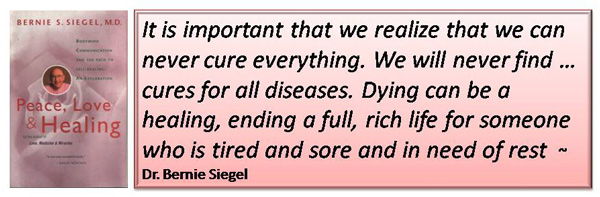
As we were wrapping up for the evening, Prof X finally said it again, looking really pleased, “I am very surprised to see your Mother maintaining so well for 4 years.”

To sum up, we came away feeling really happy especially Mom. It’s as though a whole burden has been lifted off her. As we waited to pay for the bill, Mom told me adamantly that she doesn’t want to take anything else but your herbs.

She woke up late today at 8.00 a.m. instead of her usual 6+ a.m.   I have not seen her so well-rested for a long, long time.

I guess, we will have to continue to keep her positive. She now knows that there is nothing really “wrong”’ inside her except for the tumour.

Luv, Kim & family 

The full story of Kim’s mother.


Read more: https://cancercaremalaysia.com/2012/02/27/lung-cancer-stage-4-open-close-surgery-six-months-to-live-she-refused-chemo-and-took-herbs-for-three-and-half-years-now/

Acknowledgment: Thanks so much Kim for sharing mom’s story with us.

What to Do If You Have Breast Cancer: A Step by Step Suggestion

Over the past weeks, many patients wrote and came to CA Care asking for help with their breast cancer.  Below is the kind of e-mail we get.

Excuse Me, Dr. Chris K.H. Teo, 

My name is W. I am from Indonesia. My mother had a breast cancer on her right breast. She already did a biopsy, and was told that her cancer is grade 3 and the diameter is 3cm. But her body and psychology looks great. Her breast structure still looks good, only a little bit bigger than before. The doctor here recommended that my mother go for a surgery, chemotherapy, and so on. Question: What I want to ask is: Can my family come to your place (CA Care as I know) and get a better solution for my mother’s problem besides undergoing surgery and the chemotherapy stuff?

Let me present you the story of LL below. I hope those (like the writer above) who face similar problem can learn from her experience. May this story be your guide and make you think hard about what you can or need to do. Be an empowered patient – decide what you want and don’t be led by the nose.

1.  Breast Lump – What to do next?

Fifty-one year old LL is a family friend. In mid-July 2012, she felt a lump in her breast. Without wasting much time she went to see a doctor in a private hospital. An ultrasound was done.  The findings are:

  1. There is a solid irregular hypoechoic lesion in 1 o’oclock left breat, which is palpable. It measures 1.2 x 1.4 cm in size. This is associated with enlarged left axillary node, measuring 1.2 x 2.2 cm in size.
  2. There are multiple round well defined cysts in both breasts.
  3. In the left breast, the cysts are at 1 o’clock (0.3 cm); 6 o’clock (0.6 cm) and 9 o’clock (0.7cm) and 11 o’clock (0.6 cm).
  4. In the right breast, the cysts are at 12 o’clock (0.7 cm), subareolar region 12 o’clock (2.9 cm) 3 o’clock (04. cm), 4 o’clock (0.6 cm) 6 o’clock (2.1 cm) and 8 o’clock (0.5 cm).

LL was a bit concerned about the above findings and wanted our advice. She came to our house and we went through the report and images.

My Comment: I told LL she had taken the right first step. And I am saying this to all patients who find lumps in their breasts. Go and see a doctor and ask him to do an ultrasound. Find out exactly what the lump is. Don’t be like an ostrich trying to bury your head in the sand.  Some patients would want to pretend that there is nothing wrong – a kind of denial! Let me say this: It is dangerous! Don’t play with your life!

Based on the images below, I told LL that the irregular shaped lump in her left breast was suspicious. It looks like a malignant lump. There is reason to be concern. The rest of the lumps or cysts in her breasts appear to be benign.

2. To do biopsy or not to do a biopsy?

LL was told by her doctor to do a biopsy. If the result confirms malignancy the next step is to undergo a surgery.

My Comment:  As I have said earlier in this website, you need to remove the malignant lump. There is no two ways about it. Don’t ever hope that by taking juices, herbs or applying certain “magic” potion, the cancerous lump will go away. Over the past 16 years I have seen women who came to us with “rotten” breast – being misled, believing that some of these alternative treatments can make the tumour disappear. That is wishful thinking.  Perhaps it some cases people claim that the lump may disappear after their “magic” treatment but that could possibly be a rare exception rather than a general outcome.

Read these:

Some Women Gamble With Their Breasts,

Breast Lump: Get It Out.

3.  Why double surgical intervention?

LL went to see a breast specialist. He was rather busy and LL did not get to talk to him much. LL was hurriedly told that after the biopsy she needed to proceed with surgery. Then after the surgery there are many other things more to do.

My Comment: I asked LL: Are you happy after meeting that doctor? LL replied: No. But what can I do. He is supposed to be the best in town. My advice to LL and all ladies: If you are not happy with your “potential” caregiver or doctor, go find someone else. Don’t be that helpless, because you have other  doctors who can do the same job for you.

There is a lump in LL’s breast. This is most likely cancerous or it may turn out against all odds to be benign. Here are a few questions to ask:

  1. If the biopsy result shows that the lump is not cancerous, do you still want to keep it inside your breast? Or you still want to remove it? Perhaps for the sake of “peace of mind” you want to get it out too?
  2. What if the biopsy result is wrong? That is to say, the result says it is benign but sometime later it turns out to be cancerous? A negative result may not necessary be negative – or to put it differently, if something is not there, it does not mean that it is not there! It is just that you don’t see it or you don’t have a tool sensitive enough to see it. But whatever is there that can be seen, it is most probable that it is there! How else can it not be there (unless it is an artifact or “manufactured”)!

LL told me that it does not matter whether the lump is cancerous or not, she wants it out. If that is the case, LL needs to tell her doctor that there is no need for her to undergo surgical intervention twice. Why do a biopsy first. Wait for the result and the come back again to do another surgery.

Ask the surgeon to remove the lump with a clear margin and immediately send the tumour for testing. If it is cancerous, the surgeon should just go ahead and remove the lump or breast. This way LL suffers less stress and anxiety. So that is what LL decided to do.

4. Lumpectomy or mastectomy?

The lump in question is 1.2 x 1.4 cm in size. It looks like LL has a choice to either do a lumpectomy (i.e. remove the lump only) or do a mastectomy, i.e., remove the entire breast.  LL decided to remove her whole breast.

My Comment:  From my reading, for a small lump, a lumpectomy is equally effective as a mastectomy. While in theory, it is so – in practice it may not be so. I have often seen patients coming to us after a lumpectomy. Some cancerous tissue was still left behind in the breast! The most common problem is the margin was not clean. This goes to say that not all breast surgeons do a good job. So, LL understood the risk she has to take if she were to go for a lumpectomy.

However, I need to stress that patients need to decide for themselves – lumpectomy or mastectomy. However, if the tumour is large (above 3 cm) then a lumpectomy may not be indicated. You have no choice!

5. Find the right surgeon

Not all doctors are the same.  Some are good, some are not good. In this, any empowered patient has a choice to who you want to go to.  My advice to all patients: Go to someone who shows some concern and empathy towards you. If you don’t like the way he talks to you, or even if for some reason you don’t like “his/her face” – then go find someone else!

The reality of today’s medical treatment is all about money. With due respect, if you don’t have money to pay the bills, there is no use talking about choices. You have no choice but to go to the government hospital. There you pay a minimal amount for your cancer treatment, but if you elect to go to a private hospital, you can except to fork out RM 5,000 to RM 20,000 for your initial treatment. But, if you have the money to pay or are covered by medical insurance, then you have a choice.  In this case, LL has an insurance cover to a limit of RM 50,000 per year for 10 years!

I have written two articles:

Breast Lump: Two Experts, Two Different Opinions – you like that?,

 Breast Lump: Different Surgeons, Different Approaches and Different Costs of Surgery

When I first wrote these articles I was shocked to learn that there is such a wide variation in the costs, from doctor to doctor, for doing the same job. An all-in surgery cost can be around RM 15,000 (it is common knowledge that fees and expenses are jacked up if you have insurance cover!). Since we are on this topic of money, I also learned that a 10-minute chat with an oncologist can cost S$700 (RM 1,500) in Singapore;  RM 106 to RM 150 in Penang; and RM 250 in Kuala Lumpur. So you have a choice. Some patients are not concerned with the fees, because their insurance will pay for it anyway. But if you have to foot the bill from your own pocket, perhaps you would appreciate my point.

The lesson to learn is, no matter who you see, the probable “knowledge” you get from the oncologist is not far from this – You need to go for chemo. The chance of cancer coming back is X percent if you do chemo and radiotherapy and take the hormonal pill. If you don’t do as suggested your life will be at risk. The chance of cancer coming back is high.  And if you have the financial resources to consult two or three more experts, the chances are you end up more confused because different experts give you different percentages, views and approaches.

Having made the above points to LL, I then suggested that she go and see more surgeons for her problem.  She has already consulted with one and was not happy with him. I suggested a few more names. Let me say this right out front. I know of these names from our patients who say they are good. I have never met anyone of them before and I gain nothing for doing this. I do this because I believe I am doing the right thing – to ask you to go to the right doctor of your choice so that you will have more confidence going through this ordeal.

So LL went to see Surgeon No: 2. She came back to let me know that he was okay – although a bit too busy to make her feel comfortable. Since she is not entirely happy with this surgeon, then I told LL to go to Surgeon No: 3. He was not a busy man and was not in a rush to show her the door. Unfortunately, he has an uncompromising style.  Bear in mind that LL goes to see her doctor with a well defined aim. She does not want to do a biopsy first and then a mastectomy later.  This surgeon probably has not much experience dealing with an empowered patient. He got irritated and told her that it is the standard operating procedure and she must follow what he said. Well, he lost a patient that day (perhaps, future referral from me too!).

Not happy, LL went to Surgeon No: 4. LL felt good about him. He had the patience to explain what he wanted to do for her. After the lump was removed, LL would be “kept aside” for about 30 minutes while the lump was sent for analysis in the lab. If the result shows malignancy the surgeon would go ahead to remove her whole breast. LL was given a choice to go for the surgery the next day or wait for another “operation day” three days later.

I asked LL if she was happy with Surgeon No: 4. She said: Absolutely. Although I told LL not to rush into the surgery, she had decided that she wanted to go ahead with it the next day. After all she was mentally prepared to face the knife. So be it.

The total cost of LL’s mastectomy was RM 13,000 and post-surgery expenses came to another RM 5,000. For your information, I have two patients who underwent a mastectomy in a similar grade private hospital. One patient paid RM 3,500 only and other RM 6,000.

There were no complications and LL came out of it well, as expected and as planned. But the next battle is about to begin.  The histopathology reported a tumour nodule measuring about 20 x 15 x 12 mm. It is an invasive ductal carcinoma, Grade 2. There is probable lympho-vascular involvement. Three out of a total of 18 axillary lymph nodes contained metastatic ductal carcinoma. The tumour is negative for Her-2 but positive for estrogen and progesterone   receptors. LL was told this is a Stage 2 cancer.

6. Meeting with an oncologist

LL told her surgeon that she would not want to do chemotherapy or radiotherapy. The surgeon persuaded her not to abandon the standard medical treatment. He referred LL to an oncologist.  I told LL to go ahead and consult the oncologist – after all, his consultation costs only RM 106. I told LL: Don’t close your door – go and listen to what the oncologist has got to offer you. In this way, you would not regret for missing out “something.”  And this same message applies to all patients who come and see us.

Patients would be better off if they go to the oncologist well prepared with the following questions:

  1. Can chemo, radiotherapy and the hormonal therapy that he is going to give you CURE your cancer? Remember, a cure means the cancer will go away and not recur at anytime in the future?
  2. If there no “permanent” cure, then what is the objective of the treatment?
  3. What is the success rate of the treatment? What would happen if you do not do the treatment that he suggested?
  4. What are the short-term and long-term side effects? How serious would that be?
  5. How much will the whole treatment cost? (That is, If money is a concern).

LL came back to report what happened.  The consultation lasted about 10 minutes (that probably would not be enough time to answer all those questions?).  How do you like the meeting with the oncologist?  No, LL was not impressed or happy. Her husband said: The talk was about money first. This treatment will cost RM 30,000. In addition LL has to undergo 25 times of radiation treatment at a cost of RM 7,000. After that LL has to take hormonal drug (Fermara or Tamoxifen) for five years. This cost about RM 700 per month.  Since LL has a health insurance, they will make sure that all the expenses will be paid by the Insurance Company.  LL has to undergo six cycles of chemo with FEC (5-FU + Epirubicin + Cyclophosphamide) – the standard recipe for breast cancer.

The only time left for discussion is: What happen if I do all these treatments? With chemotherapy, the chance of cancer NOT coming back is 75 percent, according to the oncologist’s computer. What happen if I do not do all these treatments? The chance of cancer NOT coming back is 30 percent. This means that with all these treatments the oncologist claimed that LL has a benefit of 45 percent. According to LL, the oncologist obtained all these numbers from his computer. He looked at the medical report, keyed in some data and read out the prognosis. I asked: He did not look at you in your eyes and rattle out the numbers based on his very own experience – after treating so many patients?  LL felt the same way – he just read out the numbers from the computer!

My Comment: I guess the oncologist was using the Adjuvant Online program. But I am a bit puzzled if LL has misunderstood what the oncologist said – benefit of 45 percent. A lady with breast from Singapore also had her prognosis read out from a computer. For a tumour  of 2.1 to 3.0 cm in size (which is bigger than LL’s tumour) and ER positive (like LL) the benefit of combined chemo and hormonal therapy is only 17.4 percent!

LL told me. No I have already decided that I am NOT going to do all these treatments. I value my quality of life and I don’t want to go through all these and suffer. I want to live a normal life.

I fully understand the fear LL has. In this website, I have written many articles under the general heading: Dissecting Chemotherapy. Read them and you know what LL means. In one article, Experiencing the Harmful Side Effects and Collateral Damage, Terry Thompson, a retired US Air Force colonel wrote about his wife’s experience with chemo for her breast cancer. He wrote: Today, I can assure that its devastating effect was eclipsed only by Connie’s death. And, of course, my experience was nothing compared to what she had to deal with.

I want to make it very clear here that the decision to undergo and not to undergo chemotherapy MUST BE YOUR DECISION.  I am not here to encourage or discourage you from undergoing any medical treatment. I can provide you with honest, alternative views for you to make up your mind. But you must make that vital decision yourself and don’t try to make us your scapegoat should anything go wrong later.

7. The burden shifts to CA Care

Before cancer patients come and see us, we require them to see the doctors first. We require their medical reports to understand what is going on. Almost all patients who come have undergone medical treatments and they could not find their cure. CA Care was their last resort. In spite of that, some patients still want to make CA Care their scapegoat.

In this case, LL had made her decision not to go for chemo. I respect her wishes. But to LL and all patients, let me remind you not to close all doors of opportunity. If indeed, in the future, you fail to achieve what you want, you should still go   for your chemo. Of course, the mantra is that – It is too late! You should not have wasted your time with those unproven therapy. As explained earlier, the real fact is that, the so-called proven therapy is just as unproven!  Most of the patients who come to see us are medically given up cases (unlike LL). Terry Thompson’s wife died after three years – that was after undergoing the proven medical therapy!

Patients are often told that with the proven therapy, the chance of cure is 89 percent (click link to read this story), and in LL’s case it is 75 percent. However, a study by oncologists in Australia said the benefit of chemotherapy is only 2.3 percent in Australia and 2.1 percent in the USA.

In my article: Please Tell Patients the Real Truth, I quoted Dr. Morton Walker: I was astounded at how distorted the physicians’ presentations were when they discussed the side effects of their treatments. The doctors appeared to become almost like used-car salesmen in a pitch for their surgery, radiation therapy and/or chemotherapy.  I know something about medical practices and oncology from my work as a medical researcher and as a former practicing podiatrist. In my opinion, the information the oncologists gave my fiancee was hardly an honest assessment of the relative benefits and risks associated with the recommended treatments. 

If LL wants to travel this alternative road for her breast cancer, she must understand the following points.

1. Not all breast cancer are the same, and not all patients respond to the same treatments in the same way.

2. Statistics is about a group of people, and it does not necessarily apply to you.

3. There is NO right or wrong choice.

4. Patients should give full respect to their doctors. Listen to what they have to say or offer. Evaluate what they say and then make up your own mind. Patients should not be arrogant when expressing their requests or questions.

Remember, you are not “at war” with the doctors – you are “at war” with your cancer! However, patient-oriented care, also calls for doctors to give due respect to their patients. Caregivers should be sensitive to patients’ need, wishes and beliefs. In short, respect must work both ways.

5. This is your journey. It is only you and you alone who have to choose your path. Others can only empathize and help you. So with all the information you gather from different sources, make your decision wisely. Do what you think is right for you.

Book Review: Beyond the Magic Bullet – the Anti-cancer Cocktail


This is book is written by Dr. Raymond Chang, M.D. Dr. Chang received his medical degree from Brown University. After completing his post-doctoral work, he joined the staff of Memorial-Slone Kettering Cancer Centre. Dr. Chang also served on the faculty of Weill Cornell Medical College. In addition, Dr. Chang found the Institute of East-West Medicine, an organization focused on integrating Eastern and Western healing systems.

  • Over the last several decades, billions of dollars have been poured into stopping cancer in its tracks … Yet, a cure has yet to be found… the simple “hit or miss” strategy persisted and dominated cancer treatment philosophy. I believe that a radically different strategy is needed. The time has come to think beyond the magic bullet.
  • The limitations of the conventional cancer treatments – surgery, chemotherapy, radiation and newer targeted therapies – may largely result from one-dimensional and simplistic strategy that is usually followed to the exclusion of other approaches… a disease like cancer should not – and cannot – be treated using the same simplistic strategy of applying one drug at a time, one punch after another.
  • … it is clear that we need a new and improved strategy that reflects and addresses the complexity of the disease. It would be naive to imagine a complex problem to be solvable in simplistic terms. Current treatment methods … applied one after another reflect such naivety.

Surgery

  • In many cancer cases, surgery still offers the best chance for survival – especially for early-stage cancer – and is a key aspect of cancer management.

Radiation

  • Radiation may reduce the growth of cancer or lessen its symptoms, but it does not necessarily eliminate the disease completely.

Chemotherapy

  • The practice of chemotherapy is problematic because, like radiation, the treatment may damage healthy cells, causing serious and even fatal side effects such as anemia, bleeding and suppressed immunity, with consequent risk of infection, nausea, hair loss and fatigue.
  • Chemotherapy is also imperfect in other ways. Frequently, cancer is able to build resistance to the treatment and eventually return.
  • Even worse, some cancer cells (so-called cancer stem cells) are completely immune to the treatment.
  • Therefore, in practice, chemotherapy does not lead to a cure for most cancers. Rather, it provides a temporary reprieve or period of stability for the patient.
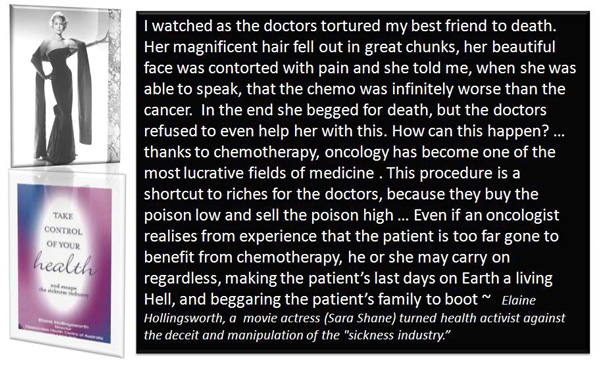
Hormonal Therapy

  • Today, hormone therapy remains the mainstay of breast and prostate cancer management, as well as a treatment for rare gynecologic and endocrine cancers. Unfortunately, hormone therapy is not effective for the majority of cancers.

Inadequate and Misguided Strategy

  • We are not lacking in cancer therapies. Although these “weapons” may assist us in fighting the war on cancer, they do not necessarily guarantee a victory. Could it be that we are losing the war on cancer not because of inferior weaponry, but because of an inadequate and misguided strategy?
  •  The current treatment strategy of cancer is based on the early, simplistic understanding of the disease as unabated cell growth, and is modeled after the successful treatment of infectious diseases.
  • Modern science and medicine is guided largely by reductionism, a philosophy based on the idea of trimming a complex “whole” down to its simpler individual parts in order to understand it. This mode of thinking is entrenched in classical scientific thought in the Western world…. Individual parts do not necessarily provide or allow knowledge of the whole.

Cocktail Therapy

  • Cancer biology is complex … Based on what we know about the multifaceted, multi-pathway biology of cancer, a better strategy is one based on the dynamic and simultaneous use of diverse agents, including drugs, vitamins, herbs, and diet, in order to overwhelm the disease. The logic underlying this approach may yield better results.
  • Although it has yet to be used widely in Western medicine, cocktail therapy is a major component of non-Western medical traditions such as the Traditional Chinese Medicine.
  • The idea of the “medical cocktail” is not new. For over a thousand years, traditional medical systems throughout the world have effectively used the multi-agent approach to restore health.

Embracing Alternative Medicine Therapies

  • Many conventional doctors may still be suspicious or disregard the use of alternative treatments for cancer, mainly because of their concerns about possible negative interactions and the lack of scientific proof of its effectiveness.
  • Also so-called alternative medicine therapies such as herbs, vitamins, supplements, meditation, acupuncture and diets are unconventional in the sense that they are generally not prescribed by mainstream cancer doctors, sanctioned by the FDA or covered by health insurance.
  • Yet, just because a therapy is not officially considered a cancer treatment does not mean that it lacks scientific or clinical validity.
  • The word “alternative” can have a negative connotation because it implies that a treatment is untested, unscientific and an alternative to mainstream medicine.

Herbs

  • Modern pharmaceuticals have their origins in crude herbal medicines, and many drugs to this day are extracted from raw herbs and then purified to meet pharmaceutical standards. Today, there are approximately 7,000 compounds in the pharmacopeia that are derived from plants.

Diets

  • The relationship between nutrition and disease is a vast topic. Diet undoubtedly plays a huge role in human health. It also goes without saying that dietary factors have greatly contributed to the modern-day cancer epidemic.
  • Some scientists estimate that 30 to 40 percent of cancers and 35 percent of cancer deaths can be linked to dietary factors.
  • It is common knowledge that some foods, such as fruits and vegetables, can prevent certain types of cancer, whereas foods like red meat and alcoholic beverages may increase the risk. It follows, therefore, that diet should be integral to cancer prevention and treatment.
  • Cancer doctors tended to tell patients that they could eat what they wanted.
  • A diet is appropriate when it is a component of an overall strategy and treatment plan that includes both conventional and unconventional therapies.
  • Diets should not be used as stand-alone cancer treatments.

Mental and Spiritual Approaches

  • Although often overlooked, mental and spiritual health is an important aspect of cancer therapy. With cancer comes the possibility of death, causing mental suffering in addition to physical suffering.
  • the disease depends not only on medical interventions, but also the patient’s will to live and survive. Recent studies have also confirmed that psychological intervention may actually reduce the risk of cancer recurrence as well as prolong cancer survival. As such, a positive attitude and a will to overcome the disease form a vital cornerstone of cocktail therapy for cancer.

Conventional treatments (like surgery, chemotherapy, and radiation, etc.) should then be complemented by and combined with unconventional treatments in order to reduce side effects and/or improve the outcome. Embracing unconventional treatments like herbs, vitamins  …  does not mean forsaking surgery or chemotherapy.

This book does not endorse only alternative cancer treatment, but rather the integrative and complementary use of non-standard approaches… (it) envisions a comprehensive cocktail approach that includes all potentially effective treatments – it does not promote alternative medicine to the exclusion of conventional therapy.

The Foreword of the book was written by Dr. Ben Williams, Ph.D., Professor Emeritus of Psychology, University of California, San Diego. In 1995, Dr. Williams was diagnosed with Glioblastoma multiforme a deadly brain tumour, and using a cocktail of conventional and alternative therapies, he has become cancer-free.

Dr.  Ben Williams wrote:

  • When diseases have been persistently intractable to the best standard of care, as defined by conventional medical standards, common sense dictates that we enlist all possible treatment resources, not just those that have passed the test of trials  ~ Dr. Ben Williams. 
  • Doctors who use cocktail treatments in their clinical practice do so under the cloud of being unscientific and at risk of being labeled proponents of alternative medicine, which carries a significant stigma among the conventional medicine camp. But such concerns say more about maintaining hegemony by the professional guild than concern for patient welfare. This is especially true when dealing with diseases for which conventional medicine concedes that it offers no effective treatment ~ Dr. Ben Williams.

Comment

In 1995, when we started CA Care, we also adopted similar philosophy and approaches as Dr. Chang’s “cocktail” therapy. Perhaps, there is only one minor difference – Dr. Chang approaches cancer treatment as an oncologist and a medical doctor, while at CA Care our view on cancer management is based on herbs and diet with medical treatment as an absolute essential complement whenever  and wherever appropriate. As Dr. David Agus, M.D., another outstanding oncologist of America said: Don’t put blind faith and trust in your doctor. Be your own doctor first! (in The End of Illness, pg. 66).


Dissecting Chemotherapy 14: Please Tell Patients the Real Truth


Author: Dr. Morton Walker, D.P.M., is the author of 2000 clinical articles and 92 published books. Dr. Walker is the recipient of 23 medical journalism awards and was named, “The World’s Leading Medical Journalist Specializing in Holistic Medicine” by the American Cancer Control Society. (Note: Podiatric medicine is the study of human movement, focusing on the foot and ankle. A doctor of podiatric medicine (DPM) is to the foot what a dentist is to the mouth or an ophthalmologist to the eye).

Why Write this Book? When cancer took my wife, my mother, my sister, and my fiancee who had pledged to spend her last years with me, I knew I had to step up …let the world knows about it.

Fiancee With Pancreatic Cancer: We planned to be married within the early months of 2005, instead, during late fall and early winter of 2004, I frequented the reception areas and consultations of Massachusetts General Hospital … because my fiancee had been admitted to this hospital with pancreatic cancer.

Prognosis:  Such cancer (pancreatic cancer) is an illness with a devastating prognosis … less than 7 percent of cases are detected early. The rest are spotted when pain or other symptoms appear. Some 37,680 new cases of pancreatic cancer occurred in 2008, with a mere 2 percent experiencing a five-year survival rate.

Oncologists and Radiotherapists Push: I was astounded at how distorted the physicians’ presentations were when they discussed the side effects of their treatments. The doctors appeared to become almost like used-car salesmen in a pitch for their surgery, radiation therapy and/or chemotherapy.

I know something about medical practices and oncology from my work as a medical researcher and as a former practicing podiatrist. In my opinion, the information the oncologists gave my fiancee was hardly an honest assessment of the relative benefits and risks associated with the recommended treatments.

My fiancee, her two educated, middle-age sons and I consulted twice with a group of oncological specialists. The decision was made that this 62-yera-old woman, diagnosed with an aggressive pancreatic cancer, required immediate surgery employing the Whipple’s operation triad. The Whipple’s is a very extensive operative procedure that involves the excision of at least three internal organs, including a majority of the victim’s pancreas.

Preoperative radiation was recommended for her, and following operative recovery, postoperative chemotherapy was also mandatory.

Both radiation and chemotherapy oncologists went about selling their separate treatments to the patient, her sons, and me. When I asked about the residual side effects of the typical treatment, her oncologists told us that there were none. My fiancee, her sons and I were astounded. “No side effects? How could that be?” The oncologists were steadfast in their declarations. I knew they were lying.

I observed literally hundreds of bald-headed women waiting in the radiotherapy and chemotherapy hospital areas for commencement of their next treatments. I thought, with no small amount of disgust, “Isn’t the loss of hair with resultant baldheadedness a side effect of one or both of these cancer therapies?” All of us know that it is.

I was opposed to the radiation therapy, but that’s what this patient and her two sons elected for her to do.  When I finally encouraged my fiancee to take Dr. Beljanski’s botanicals … Her two sons, a stock broker and a computer programmer, would have none of my recommendations. Beljanski’s herbals ended up being flushed down the hospital room’s toilet. They considered holistic-type therapies outright quackery.

Condemned by these young men, I was literally ordered to leave the hospital scene. They said, “Get out of my mother’s life!” She died within two months of her sons sending me away.

Comments:  Take note of what other authors said below: